From Trash to Treasure: Southeast Asia’s Recycling Revolution
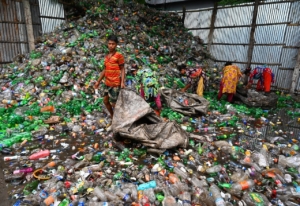 Millions of families in Southeast Asia reside in areas where pollution and poverty coexist. Plastic waste is not only an eyesore but also a daily risk in areas with poor waste collection and significant unemployment. However, the region is demonstrating that the same plastic pollution that causes environmental degradation may also serve as a vehicle for community development and financial security.
Today, Southeast Asia’s recycling revolution is gaining momentum, with creative recycling initiatives in Vietnam, Indonesia and the Philippines demonstrating that poverty reduction and environmental action can truly coexist.
A Crisis That Hits Low-Income Communities Hardest
Southeast Asia is facing an enormous and growing plastic problem. According to the Organization for Economic Co-operation and Development (OECD), the ASEAN + East Asia region consumed 152 million tons of plastic in 2022, nearly nine times more than in 1990. More than 56% of plastic waste is improperly managed due to inadequate waste management systems; it is frequently burned or disposed of in waterways near low-income areas.
The OECD predicts that the region’s plastic leakage might rise by 68% by 2050 if serious action is not taken. This situation is already more than just an environmental problem for families living near unofficial dumpsites or those who rely on waste picking for a living; it’s a public health and poverty issue.
Vietnam: Recycling as a Path to Livelihoods
One of the best examples of how community-led recycling may improve life in the region is Vietnam’s Greenhub initiative. The organization trained more than 33,000 people in recycling, waste reduction and community cleanups in 2024. It gathered 143,000 kg of garbage, which would otherwise clog drainage systems during floods or contaminate coastlines.
Cleaner surroundings are just one of the many advantages. Four hundred thirty informal waste collectors received training from Greenhub in 2022, enabling them to sort waste more effectively, earn a higher income and work safely. Improvements in this area have the potential to significantly reduce poverty because Vietnam’s informal waste sector is massive, with 10,000 to 16,000 workers sorting and collecting waste every day in just Hanoi and Ho Chi Minh City.
The expanding circular economy movement in Vietnam is also making room for businesspeople who repurpose plastic trash into home goods, crafts and building materials. In both rural and urban areas, these microbusinesses provide new revenue streams and jobs.
Indonesia: Cooperatives Boost Stability for Waste Pickers
Indonesia has some of the highest rates of improper garbage management in the world. The issue is both geographical and financial, due to the thousands of islands and inadequate infrastructure for waste collection. According to OECD estimates, if no changes are made, Indonesia’s plastic waste is projected to increase from 6.5 million tonnes in 2022 to 18 million tonnes by 2050.
The core of Indonesia’s recycling system consists of informal waste pickers, many of whom earn significantly less than the minimum wage. They gather significantly more recyclables than formal and governmental systems put together. However, despite its significance, many people lack a steady source of income, adequate safety equipment or social safety nets.
Cooperative recycling centers are emerging to fill that gap. By organizing waste pickers into formal groups, these centers help workers secure fairer pricing, gain access to equipment and work in safer conditions. Some cooperatives report that members have doubled their income or, for the first time, achieved steady monthly profits.
However, there are still difficulties. Indonesia received 262,900 tons of plastic waste in 2024 and investigations revealed that some discarded plastics were being burned as inexpensive fuel in small-scale operations. This underscores the critical need for safe and sustainable recycling methods that protect people in need.
The Philippines: When Recycling Puts Food on the Table
The Philippines produces 2.7 million tonnes of plastic waste annually, with the majority of this waste coming from single-use sachets used for products such as condiments and shampoos. However, local organizations are coming up with innovative ways to transform waste into opportunity. A “trash-for-rice” program in Mabini, Batangas, collected 4.3 tonnes of plastic and provided low-income residents with 2.6 tonnes of rice in return.
Other programs, such as TrashCashPH, utilize mobile apps to offer individuals cash, groceries or service discounts when they bring in sorted recyclables. Meanwhile, refill systems allow customers to purchase things at a reasonable price without producing additional plastic. Cash-strapped homes benefit greatly from Greenpeace’s “Kuha sa Tingi” refill trial, which helped eliminate 50,000 plastic sachets and saved consumers an average of 201% compared to regular sachet purchases.
Economic and Environmental Wins
These initiatives demonstrate that reducing plastic pollution can have immediate, tangible effects. As part of the growing Southeast Asia recycling revolution, some of the most impoverished families in the region can earn more steady incomes through waste cooperatives and recycling incentives. By enhancing workplace safety, stability and dignity, training and protective regulations help empower informal workers, many of whom are women.
By 2030, recycling improperly disposed of plastic garbage in South and Southeast Asia could reduce greenhouse gas emissions by more than 200 million tons. The reductions show how regional waste management strategies can significantly advance global climate goals. Everyone lives in safer environments when streets, rivers and coastal areas are cleaner.
Communities experience fewer floods, reduced health risks and improved public health overall when waste that blocks drains and waterways is minimized, particularly in low-income districts that are typically the most severely impacted.
A Blueprint for Change
According to OECD estimates, plastic leakage in Southeast Asia could be reduced by 95% by 2050 with robust policies, including increased producer accountability, improved collection systems and investment in recycling. However, communities are some of the most potent forces behind Southeast Asia’s recycling changes, not the government.
Recycling has evolved from an environmental initiative in Southeast Asia into a driving force behind Southeast Asia’s recycling revolution. It serves as both a source of local empowerment and an economic lifeline. One bottle, sachet or piece of plastic at a time, these “trash to treasure” examples demonstrate how communities may create safer, cleaner and more prosperous futures with the proper support.
– Katelyn Leano
Katelyn is based in Plainfield, IL, USA and focuses on Good News and Technology for The Borgen Project.
Photo: Pixabay
