How Public Transportation Access Reduces Urban Poverty
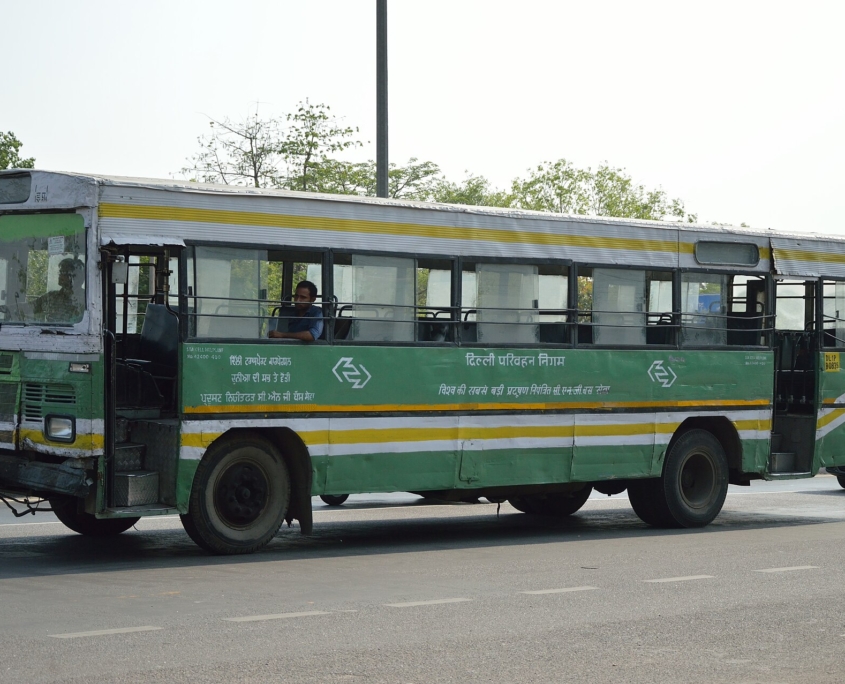 Public transportation is often seen as simply a means of getting from one place to another. However, for millions of people living in urban poverty, the ability to move freely and affordably can be the difference between economic hardship and opportunity. In cities like Medellín (Colombia), Casablanca (Morocco) and Delhi (India), access to public transit is not just about convenience but also a powerful tool that shapes the lives of the urban poor. Here are five facts about how public transportation access reduces urban poverty by opening economic opportunities, improving quality of life and fostering greater social inclusion.
Transport Costs Trap the Urban Poor
For low-income residents, transport costs often represent a significant portion of their daily expenses. In cities where public transit systems are underdeveloped or too expensive, families can spend as much as 25% of their income just on commuting. In Delhi, for example, people living in informal settlements may need to travel long distances to reach work centers, often paying more than what is affordable. This forces them into a cycle of poverty where limited mobility means fewer job opportunities and those they can access are typically low-wage, precarious positions. By reducing transport costs through subsidies and increasing public transport, low-income individuals can retain more of their earnings for basic needs, thus alleviating some of the pressures of urban poverty.
Commute Time Affects Job Access
In large cities, time spent commuting can drastically limit the number of opportunities people can realistically pursue. In Medellín, despite the city’s progress in reducing poverty, many low-income workers still face long and stressful commutes, with some residents spending more than two hours a day just to get to work. This leaves them with less time for family, education or even seeking better job opportunities. The longer the commute, the fewer the employment options available, as many workers simply cannot afford to travel to jobs that are outside a certain radius. Improving public transportation access reduces urban poverty by shortening commute times, and creating more efficient routes can expand the potential labor market for low-income workers, allowing them to apply for higher-paying jobs that might have otherwise been out of reach.
Subsidized Transit Increases Employment Opportunities
In cities like Casablanca, affordable and efficient public transportation can directly reduce poverty by increasing access to jobs, education and health care. The recent introduction of the Bus Rapid Transit (BRT) system in Casablanca is a prime example of how investing in urban mobility can create long-term economic benefits. The BRT system connects densely populated areas to downtown Casablanca, reducing travel time by up to 30 minutes a day. By providing faster, more reliable transportation, the BRT enables workers to access thousands of new jobs and opportunities that were previously out of reach due to long commutes.
Additionally, the system’s affordability and integration with other transport modes make it accessible to low-income families. Increased access to reliable transportation is critical to lifting people out of poverty by allowing them to participate more fully in the urban economy. The system also enhances safety and inclusion, with design features that improve accessibility for women and marginalized groups, contributing to broader social inclusion and economic empowerment.
Economic Growth and Poverty Reduction
Public transportation is a key driver of economic progress and poverty reduction in urban areas, contributing directly to 14 out of 17 SDGs. Cities like Toronto and Japan have integrated transit systems that not only improve mobility but also stimulate economic opportunities by connecting people to jobs, education and health care. By improving access to key services and reducing transport costs, public transit helps lower poverty rates while promoting sustainable urban development. Access to reliable transport systems drives economic growth through urban regeneration, increased land values and better social inclusion. Furthermore, by reducing reliance on private cars, public transport systems cut down on emissions, contributing to environmental sustainability and enhancing livability for all city residents.
Greening Urban Transport Creates Jobs and Reduces Poverty
Shifting to sustainable public transportation can significantly reduce urban poverty by creating new employment opportunities and boosting economic productivity. As cities transition to low-carbon transport systems such as electric buses and hybrid vehicles, there is a clear economic benefit. Studies have shown that increasing public transit ridership and investing in cleaner, more efficient transport options generate jobs not just in public transit operations but also in vehicle manufacturing, infrastructure development and green technologies. This helps to provide affordable access to jobs, services and education for low-income populations, while also stimulating local economies. By making public transport more accessible and affordable, cities can lower commuting costs, reduce economic barriers and create a more inclusive, sustainable economy, ultimately contributing to poverty alleviation in urban areas.
Looking Ahead
Public transportation is much more than just a means to get from one place to another; it is a critical lever in reducing urban poverty. From cutting transport costs and shortening commute times to improving safety and ensuring inclusive access, public transit provides an accessible pathway to economic opportunity for the urban poor. As more cities invest in public transit infrastructure and policy innovations, public transportation access will continue to reduce urban poverty, empowering the urban poor and creating more equitable and resilient communities.
– Chris Tang
Chris is based in Singapore and focuses on Good News and Technology for The Borgen Project.
Photo: Wikimedia Commons
