Information and stories on development news.

e-ricksawThe e-rickshaw revolution in India refers to the rapid growth of electric rickshaws (e-rickshaws) in urban and rural areas, which has been a cultural phenomenon in recent years. A country known for its busy roads and honking cars, India is home to some of the world’s most congested cities and some of the highest levels of air pollution worldwide. The crisis does not affect all social groups equally.

Those who spend more time outdoors, including children, people without homes, street vendors and manual laborers, are more exposed to air pollution. These groups, therefore, are more likely to suffer its harmful effects. In addition, economically vulnerable groups are often less physically healthy and less able to withstand the harmful effects of air pollution.

For instance, outdoor manual workers are often not employed on formal contracts. They are less likely to take sick leave due to the risk of reduced wages, which often results in poor or compromised health. With the rise in popularity of “greener” modes of transport, the e-rickshaw has particularly proved life-changing for many across India, including those at risk of poverty.

E-rickshaws in India are providing new opportunities for the population, including the most vulnerable groups. They also help combat environmental issues such as air pollution and, in turn, positively reshape urban poverty. Some of the positive outcomes include:

Environmental and Health Benefits

Air pollution in India has serious consequences for public health. In 2019, an estimated 18% of deaths were linked to air pollution and this figure is not declining. These impacts also drain government finances, diverting funds that could otherwise support people living in poverty.

Vehicles and traffic are major contributors, accounting for 20–30% of urban air pollution. While e-rickshaws have arguably added to road congestion in urban India, they offer a greener alternative. They produce zero carbon emissions during operation and help reduce overall air pollution levels.

By reducing urban air pollution, health outcomes improve in low-income areas. The e-rickshaw revolution in India is also helping reduce noise pollution, particularly in highly congested cities such as Delhi. Similar to manual rickshaws, the manufacturing of e-rickshaws is not a zero-emission process.

However, once on the road, e-rickshaws do not emit any harmful pollutants (unlike auto-rickshaws, which are fueled by petrol or diesel). These environmental and health benefits of the e-rickshaw boom in India have a direct, positive impact on those living in poverty. A decrease in air pollution levels will therefore improve health outcomes for the most vulnerable.

Increasing Job Opportunities, Employability and Social Mobility

The revolution has created many new green jobs and businesses in India. These include battery charging stations, e-rickshaw maintenance and manufacturing and increased demand for e-rickshaw drivers. E-rickshaws have created more informal and flexible work opportunities.

This allows many drivers to become their own bosses and capitalize on new prospects by leasing their vehicles to others and becoming small entrepreneurs, often managing and employing other drivers. Increased job opportunities have not only affected urban areas.

The India e-rickshaw revolution has also reached rural areas, where it is increasingly popular as a cheap, green mode of mobility with lower maintenance costs. The flexible working opportunities created by the revolution have been particularly beneficial for women. Many women seeking work have turned to driving e-rickshaws to gain financial independence and support their families.

These social mobility trends and increased job opportunities have a direct, positive impact on those living in poverty. The e-rickshaw revolution has opened doors that were previously closed to many people across different social groups.

Charities Supporting the Revolution

The ride-hailing industry in India is currently male-dominated. However, many charities are supporting and encouraging women to learn to drive e-rickshaws, thereby capitalizing on India’s shift toward electric rickshaws.

The charity Karuna Shechen offers free driving lessons for women. It also provides a 50% subsidy when purchasing the vehicle, with a repayment agreement to pay off the balance. Incentives such as this directly help women and families who suffer from the effects of poverty in India.

Furthermore, there have been a small number of cases in which charities have donated e-rickshaws to vulnerable people in India, including women and others at risk of poverty, allowing them to become more self-reliant and financially stable. One such charity is Shishu Mandir, which aims to both “reduce pollution while also empowering women.”

Final Thoughts

E-rickshaws are reshaping cities and villages across India by reducing pollution, creating jobs and expanding access for women and vulnerable communities. They show that clean transport can deliver health, dignity and lasting economic mobility. Drivers can earn more stable incomes because e-rickshaws have lower purchase prices and operating costs than auto-rickshaws, while also saving on fuel.

– Anna Clare

Anna is based in Chester, UK and focuses on Good News and Politics for The Borgen Project.

Photo: Unsplash
Urban Innovation in LagosIn Lagos, rapid urbanization has exacerbated housing shortages and food insecurity. In response to these pressures, community groups and nongovernmental organizations (NGOs) are reshaping urban innovation in Lagos. Across the city’s informal settlements, grassroots solutions aim to improve food security and expand opportunities for low-income residents.

Urban Poverty and Informal Settlement Dynamics

Lagos is one of Africa’s largest and most densely populated cities. Population estimates range from 16 million to more than 20 million. Rural migrants to Lagos increasingly turn to informal settlements as affordable housing fails to keep pace with population growth. Research finds that Lagos’ slum districts grew to more than 200 by 2023, with more than 70% of the city’s population now living in informal settlements. Poverty remains the primary challenge facing settlement residents.

The latest World Bank statistics show that about 37% of Nigerians live below the national poverty line. This is particularly acute in Lagos, where an estimated two-thirds of residents live on the equivalent of $1 a day. As inflation reached nearly 34% in 2024, food prices increased fivefold. Low-income households, which spend about 70% of their wages on food, face the greatest impact.

Community-Led Solutions

In response to these pressures, community groups are reshaping urban innovation in Lagos through practical programs aimed at improving living conditions in informal settlements. The Okerube Project addresses chronic water, sanitation and hygiene (WASH) challenges by strengthening community-led systems. The project links women’s water and sanitation committees with community development associations to implement sustainable WASH infrastructure. Using a bottom-up approach, the Okerube Project relies on community governance to ensure infrastructure improvements reflect the needs of settlement residents.

Food Security Initiatives

The United Nations World Food Program (WFP) has warned of an emerging hunger crisis in Nigeria. Food insecurity remains a major challenge in Lagos’ informal settlements, where residents struggle with high living costs and inflation. In response, local nonprofits such as the Lagos Food Bank Initiative’s Family Farming Program support urban farming to help households produce food and generate income.

Participants receive practical training and starter kits to establish backyard farms for personal consumption and sale. Lagos’ rapid urban development has displaced many residents from agricultural land, causing income loss. The Family Farming Program aims to counter this trend by supporting the revival of small-scale farming livelihoods.

Digital and Technological Innovation

Digital and technological solutions play an important role in urban innovation in Lagos. Technology initiatives such as Co-Creation Hub (CcHUB) address social challenges in informal settlements. CcHUB works with scientists, entrepreneurs, government leaders and local residents to support sectors most affected by poverty.

Projects include Re:learn, which works with schools to improve how teachers deliver science, technology, engineering and mathematics (STEM) subjects. Through Re:learn, CcHUB introduces digital laboratories, modernizes STEM instruction and provides professional development for teachers. By partnering with organizations such as the Mastercard Foundation, CcHUB expands access to STEM education in informal settlements, supporting participation in Lagos’ emerging job markets.

The Future of Urban Innovation in Lagos

As these efforts expand, the future of urban innovation in Lagos is increasingly shaped by policy engagement. State institutions and research bodies are beginning to formalize support for inclusive development by linking grassroots experience with city-level planning. In 2025, the Lagos State Government partnered with the African Cities Research Consortium (ACRC) to strengthen urban resilience strategies.

These initiatives align future development planning with community-led projects and reflect broader policy efforts to integrate lived experience into responses to complex urban challenges.

Building on the work of community groups and NGOs, these policies connect grassroots initiatives with formal planning processes. With nearly 35 million people facing extreme hunger in Nigeria, Lagos remains a critical site for resilience-building. The growing alignment between policymakers, researchers and community actors suggests that urban transformation can support both infrastructure development and inclusive growth. Urban innovation in Lagos may offer lessons for other emerging megacities across Africa.

– Rory Wesson

Rory is based in London, UK and focuses on Technology and Politics for The Borgen Project.

Photo: Flickr

The Belt and Road InitiativeAcross the hilly Burera District of northern Rwanda, travel between towns and distant regions is a challenge. For many, including businessman Seth Havugimana, reaching a larger city such as Musanze takes four hours. However, one day, men in bright neon construction vests and the smell of newly laid asphalt began to permeate the countryside.

A new road is slowly taking shape, funded by the China Road and Bridge Corporation and Rwanda’s NPD Ltd. This new road will connect once-distant towns and provide economic opportunities to countless individuals. Havugimana recounts how, after the construction of the Base-Butaro-Kidaho road, “business can move and people can go from here to another place easily,” transforming lives in the district.

The Belt and Road Initiative

The Belt and Road Initiative (BRI), a Chinese program aimed at international cooperation and development, funds projects like these globally. Chinese President Xi Jinping announced the BRI in October 2013 and as of December 2023, the program works with around 146-151 countries. Although lacking a clear governance framework, institutions such as the Asian Infrastructure and Investment Bank, the Commercial Bank of China and the Silk Road Fund have contributed to foreign projects through grants and loans.

In addition to the newly constructed road in Rwanda, other recent BRI plans include road and bridge construction in Lesotho’s Qacha’s Nek District and a 2.2-kilometer coastal road in Tanzania near Zanzibar.

How These Projects Can Reduce Poverty

The creation of infrastructure, such as roads, bridges and energy facilities, plays an undeniably important role in fighting poverty worldwide. According to a 2025 report by the World Bank Group, prevailing evidence points to infrastructural development being a “main driver of poverty reduction” and leading directly to an “impact of growth.” The creation of transportation infrastructure, for example, has decreased poverty in Ethiopia and increased earning opportunities for isolated households in Cameroon.

Back to the construction of the Base-Butaro-Kidaho road in Rwanda, the new ease of transportation allows individuals to more easily access schools, hospitals and markets than ever before. In turn, more people in the Burera District have better access to health care and higher levels of education, displaying how the BRI reduces poverty through its projects. Although the answer is not always straightforward, infrastructure spending usually leads to a “positive multiplier” on a country’s GDP.

However, in some cases, there is no benefit due to factors such as delays or a lack of maintenance.

Does the Belt and Road Initiative Reduce Poverty?

While research on the overall effectiveness of the BRI in combating poverty is limited, many sources point to a positive impact. According to the World Bank Group, the BRI covers about one-third of the world’s impoverished population. To this end, there is already an unbelievable amount of scope that the BRI has identified and invested billions of dollars in.

Critics of the program argue that, contrary to the rapid capital accumulation typically associated with new infrastructure, China’s contributions do not lead to improved industries or increased exports. However, a World Bank Group report estimates that 76 million people could escape poverty by 2030 due to the BRI’s efforts. While it may be true that China has seen a rise in exports and some participating countries have experienced losses in their local economies, the BRI’s overall impact on poverty reduction appears positive.

Final Thoughts

Research indicates that expanded international trade and capital growth significantly promote economic growth. Through its many projects and strengthened economic ties with BRI countries, China is contributing to economic growth and, in turn, poverty reduction for innumerable individuals. Like the ancient Silk Road, which facilitated the flow of goods across Afro-Eurasia, the BRI is opening new markets for global trade today.

Although the program is relatively new, its impacts are already being felt and its continued implementation is expected to significantly transform poverty outcomes in the coming years.

– Benjamin Anderson

Benjamin is based in Madrid, Spain and focuses on Business and Politics for The Borgen Project.

Photo: Unsplash

Thai InfrastructureThe Thailand Resilient Transport Connectivity and Irrawaddy Dolphin Conservation Project (TRIP) will improve Thai infrastructure and protect local biodiversity in the Songkhla Lake region through the strategic construction of two new bridges. Last spring, the International Bank for Reconstruction and Development (IBRD) approved funding for the project. The World Bank published a disclosure on May 25, 2025, announcing its $144.76 million loan commitment, marking the organization’s first significant lending operation in the country in more than 15 years.

In a press release, the World Bank’s Division Director for Myanmar and Thailand, Melinda Good, said, “This project marks a significant milestone in our renewed partnership with Thailand—bringing critical infrastructure to local communities while protecting the country’s unique natural assets that support local economies.”

Connecting Communities

TRIP promises to connect communities in the Songkhla Lake region through the construction of two new, crucially weather-resistant bridges. According to plans, the new Songkhla Lake Bridge will link Songkhla and Phatthalung provinces via a seven-kilometer roadway across Songkhla Lake. At present, an 80-kilometer or roughly two-hour, detour stands in the path of travelers between the two regions.

TRIP aims to reduce this journey to a mere 10 minutes. Additional plans include the construction of the Kho Lanta Bridge, a two-kilometer roadway connecting Krabi on the mainland to Koh Lanta, a Songkhla Lake island. Kwanpadh Suddhi-Dhamakit, a senior officer for Thailand at the World Bank, stressed in a social media post last month that plans consider the region’s environmental challenges and draw on examples of past natural disasters.

Indeed, southern Thailand’s climate dictates that both bridges incorporate weather-resilient engineering in their design. Floods, storms and sea-level rise all pose distinct threats to communities around Songkhla Lake in the coming years. The presence of the Kho Lanta and Songkhla Lake bridges strengthens future evacuation routes for local communities.

Economic Importance

On the project, Suddhi-Dhamakit said, “Improved connectivity is expected to support job creation during construction and long-term employment through tourism and local economic activity.” In this way, TRIP holds significant economic importance for the areas surrounding Songkhla Lake. Southern Thailand’s economic growth trails behind that of the rest of the country.

The poverty rate there is 7.4%, more than double the national average. Connectivity plays an important role in the job market because transportation bottlenecks can impede the ability of residents to attend markets and access services and other employment opportunities. The construction of the two new bridges stands to benefit the local population initially by providing construction jobs.

It will later allow easier access to other employment through improved transportation infrastructure. Three million tourists also pass through the region each year, a number experts expect to rise with the area’s improved travel connections.

Final Thoughts

While the project remains in its infancy, support from the World Bank represents a monumental step toward its eventual realization. Negative environmental trade-offs often materialize in large-scale infrastructure development, such as what TRIP proposes. Nonetheless, the project aims to bridge the gap by simultaneously developing Thai infrastructure and protecting local biodiversity.

– Louis Sartori

Louis is based in London, UK and focuses on Good News and Technology for The Borgen Project.

Photo: Unsplash

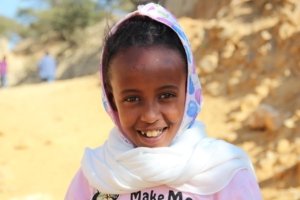
Health Care in EritreaAlthough health care in Eritrea has improved in important areas, such as declining mortality rates, over the past decade, vulnerable populations and rural communities continue to face the adverse effects of health care disparities. Several international organizations and community-based programs work to bridge the gap and increase accessibility to quality health services.

Health Care Disparities in Eritrea

Numerous disparities in health care access and services exist between urban and rural populations in Eritrea. The percentage of women receiving antenatal care from a health care professional in Eritrea increased significantly from 49% in 1995 to 70% in 2002. However, access remained uneven, with 91% of women in urban areas receiving antenatal care compared to just 59% in rural areas

A similar disparity appears in facility-based childbirth. In urban areas, the proportion of women giving birth in a health facility rose from 58% in 1995 to 62% in 2002. In contrast, the figure for rural women increased only slightly, from 7% to 9% over the same period.

Disparities in access to obstetric services were also evident across education levels. In 2002, approximately 88% of women with some secondary education were assisted by a trained health worker during childbirth, compared with 36% of women with only primary education and just 12% of those with no formal education.

Multiple disparities also exist in child health outcomes:

  • In 2002, the infant mortality rate was 48 per 1,000 live births in urban areas, compared to 62 per 1,000 in rural areas.
  • The under-5 mortality rate stood at 86 per 1,000 in urban areas, rising to an average of 117 per 1,000 in rural communities.
  • Stunting affected 20% of children whose mothers had higher education, compared with 35% of children whose mothers had primary education and 44% of those whose mothers had no formal education.

Disparities in Mental Health Treatment

Due to the increasing prevalence of mental health disorders in Eritrea, mental illnesses are among the leading causes of disability, comorbidity and mortality in the country. In 2014, the prevalence rate for common mental disorders was 14.5% and the estimated number of children with intellectual disabilities was between 30,000 and 40,000. However, because adequate mental health workers and services are limited, many mental illnesses and disorders are likely undetected or misdiagnosed.

Nonetheless, several organizations provide essential support to Eritrean refugees. Around 5,000 people flee the country each month to escape hardship and mandatory military service, increasing the need for mental health services in refugee camps. Doctors Without Borders (MSF) launched a mental health program in 2015 in Ethiopia’s Hitsats and Shimelba camps, offering counselling and inpatient and outpatient psychiatric care.

The Jesuit Refugee Service (JRS) also provides Mental Health and Psychosocial Support through counselling, psychological first aid, referrals and community-based activities that strengthen social connection and resilience.

Expanded Program on Immunization

The World Health Organization (WHO) identified physical barriers as a major challenge to immunization coverage in rural communities. In response, WHO implemented the Expanded Program on Immunization (EPI) in Eritrea to improve vaccine access, reaching more than 42,000 children and 150,000 mothers. By 2024, the program achieved national immunization coverage rates exceeding 95% for several vaccines.

UN Sustainable Development Cooperation Framework for Eritrea

The country program for Eritrea, outlined in the U.N. Sustainable Development Cooperation Framework 2022-2026, aims to enable more Eritreans to benefit from equitable and inclusive health and social services by 2026. The program outlines some goals for improved health and social services, including:

  • Increase the percentage of births attended by trained personnel from 71% to 85% to reduce preventable maternal deaths. 
  • Reduce the adolescent birth rate for girls aged 15-19 years from 27 per 1,000 to 14 per 1,000.

To achieve these goals, the program implemented several interventions, including:

  • Strengthening the capacity of health workers: Training doctors, nurses, midwives and anesthetists across Eritrea to provide quality emergency obstetric care, post-partum care, family planning, HIV prevention and gender-based violence support.
  • Building health system resilience: Deploying internationally trained obstetricians and gynecologists to remote and underserved areas, supported by technology to improve communication and service delivery nationwide.
  • Increasing access to maternal waiting homes (MWHs): Expanding and improving MWHs, which provide accommodation for pregnant women from remote areas during the final weeks of pregnancy, to enhance safe deliveries and postnatal care.
  • Advocacy: Promoting awareness of preventable maternal deaths and unmet family planning needs to inform government policies, planning and budgeting.
  • Supporting the National Fistula Diagnosis and Treatment Center (NFDTC): Strengthening services for fistula prevention, treatment and rehabilitation to ensure adequate national coverage.
  • Expanding adolescent and youth services: Strengthening and utilizing the existing network of youth-friendly centers to improve access to care.
  • Strengthening HIV prevention services: Enhancing delivery of HIV prevention interventions, particularly for high-risk populations such as female sex workers.
  • Empowering women and young people to use health services: Using community outreach and mobilization to increase uptake of HIV and gender-based violence services.
  • Reinforcing health information systems: Reestablishing and improving health management information systems, including maternal and perinatal death surveillance and response mechanisms.

Additionally, the country program works in collaboration with UNICEF and the WHO to strengthen the distribution and supply chain systems for medicines and medical supplies across Eritrea. This joint initiative aims to address unmet needs in family planning, reduce preventable maternal deaths and combat gender-based violence and harmful practices.

Community-Based Programs

  • Malnutrition Screening and Detection: UNICEF and the Ministry of Health (MoH) work together to train community health volunteers to use mid-upper arm circumference (MUAC) tapes to screen for and detect malnutrition in children under 5 and to provide referrals for treatment. These volunteers deliver life-saving interventions to approximately 50,000 acutely malnourished children each year.
  • Bare Foot Doctors Initiative (BFDs): BFDs trained through UNICEF help strengthen community-based service delivery in areas facing geographic barriers to health care. Their deployment has enabled 68,000 women and children to access essential public health services. By 2022, UNICEF had trained a total of 121 community members as BFDs.
  • Community Health Workers (CHWs): CHWs are a key component of community-based child health interventions in the Maekel Region aimed at reducing child mortality. Indeed, CHWs provide case management for pneumonia, malaria and diarrhea, the leading causes of death among children under 5 and lead community education sessions on child health. The MoH provides training and oversees the distribution of medical supplies and medications used by CHWs. The program has improved access to health care services and strengthened relationships between the MoH and local communities across the Maekel Region.

Conclusion

Notable work is being done to improve health care in Eritrea. Trained CHWs and volunteers extend services to areas previously out of reach. Organizations implementing health interventions benefit vulnerable populations and areas, including Eritrean refugees.

Organizations implementing health interventions are reaching vulnerable populations, including Eritrean refugees and helping to close existing care gaps. Together, these initiatives continue to drive progress toward a more equitable health care system in Eritrea.

– Sarah Merrill

Sarah is based in Matthews, NC, USA and focuses on Good News and Global Health for The Borgen Project.

Photo: Pixabay

Trained Local Health ProfessionalsTrained local health professionals are crucial to the lives and well-being of those in developing countries. Yet, many developing countries lack them and are still limited to those trained in Western nations or even merely medical supplies. This contributes to higher rates of disease, poor health, improper care and more within these nations.

However, these issues have shown to decrease in developing nations that have had access to trained local health professionals, marking their importance. Western countries, such as the U.K. and the U.S., must make contributions to the increase in trained local health professionals in developing nations. One way to do so is through health organizations that provide training, such as Health Volunteers Overseas (HVO).

Danielle Stonehirsch, Manager of Communications and Donor Relations at HVO, recently spoke with The Borgen Project to demonstrate the importance of trained local health professionals and answer questions about the concept.

The Importance

The uneven global distribution of health care workers has left many developing nations without enough trained local professionals. This shortage places a heavy burden on public health, resulting in reduced access to treatment and higher rates of illness. While developed nations, such as the U.S. and the U.K., attempt to provide aid to developing countries, much of this support consists solely of medical supplies rather than trained health care professionals.

According to Stonehirsch, this approach is problematic because the absence of skilled professionals can lead to the misuse or complete underuse of donated equipment, ultimately depriving patients of proper care. She cites an internal medical project run by HVO in Nepal, where a physician facilitated the donation of multiple bedside ultrasound machines.

Without proper training, local staff may have been unable to use the equipment effectively. However, the physician, along with other volunteers, established regular in-person visits and ongoing online mentorship to train multiple hospital departments. As a result, local health care workers can now use the machines to save lives and educate students and colleagues on their operation.

Local health professionals hold importance as they understand the patients’ language and culture, which allows for greater trust from patients and enhances the effectiveness of treatment. Hiring local professionals in developing nations may also be economically beneficial, as it creates more job opportunities for those in impoverished areas. Additionally, according to Stonehirsch, trained health care providers who are sent from developed nations (rather than being locally trained) must eventually return to their own country. Once they do so, the areas they were serving no longer receive the much-needed assistance.

How Local Health Professionals Have Benefited Countries in the Past

Trained local health professionals have greatly benefited developing nations in the past. In Honduras, Liberia and Kenya, they were responsible for multiple tasks, including ensuring access to care, improving equity, alleviating disease and more. Twenty-four countries in sub-Saharan Africa, representing 80% of the region, relied on these professionals for risk communication, surveillance and testing.

HVO has worked extensively in regions including Africa, Asia, Latin America, Haiti, St. Lucia and Georgia, building long-term partnerships with hospitals, clinics and universities. Stonehirsch shared with The Borgen Project an example from an HVO hand surgery initiative. In this project, a volunteer met a young surgeon with an interest in hand surgery.

Although the volunteer’s expertise was in pediatrics, she encouraged him to specialize in pediatric hand surgery and trained him alongside several colleagues who formed a dedicated team. He went on to become the first pediatric hand surgeon in his country. HVO volunteers also trained the only hand therapist in Ghana, who is now teaching others across the country.

This illustrates how developing nations can benefit from trained local health professionals. The organization also offers virtual options, including Zoom lectures, mentorship, online resources and more, as well as scholarships to support partners’ travel to other countries. Its volunteers are always available to partners through texting, emailing and calling.

What Can Be Done

Multiple steps are required to ensure an adequate distribution of trained local health professionals in developing nations. This includes collaboration between the United Nations and the World Health Organization to develop policies that support the training of health care workers in these countries, as well as strategies to retain them. As one report notes, this involves “solutions to retain more health care workers, as many seek to migrate to other countries where social and economic conditions are more favorable for work and living.”

It is also important for health programs to recognize this issue and actively contribute to increasing the number of trained local health professionals in developing nations. “More organizations need to invest in long-term, sustainable solutions,” Stonehirsch says. While several organizations, such as HVO, have acknowledged the problem, they often require support from additional partners to expand their impact.

For HVO, increasing training opportunities requires both time and financial resources, making volunteers and donors essential to program growth. The organization currently trains about 3,100 health care providers each year. “I would love to see that number double,” Stonehirsch adds. “Each of those individuals then becomes capable of teaching others.” As more people donate and volunteer, opportunities to strengthen local health care capacity continue to grow.

When asked why some countries require support from organizations like HVO, Stonehirsch explained, “In many low-resource areas, hospitals and clinics are understaffed and providers are working hard to care for many, many patients. That often leaves little to no time to teach and mentor interns, residents and younger colleagues.”

As a result, early-career professionals often leave to practice in other countries rather than returning to their home countries. Expanding local opportunities increases the likelihood that these professionals will stay and contribute to their communities.

– Renata Hirmiz

Renata is based in San Diego, CA, USA and focuses on Global Health for The Borgen Project.

Photo: Unsplash
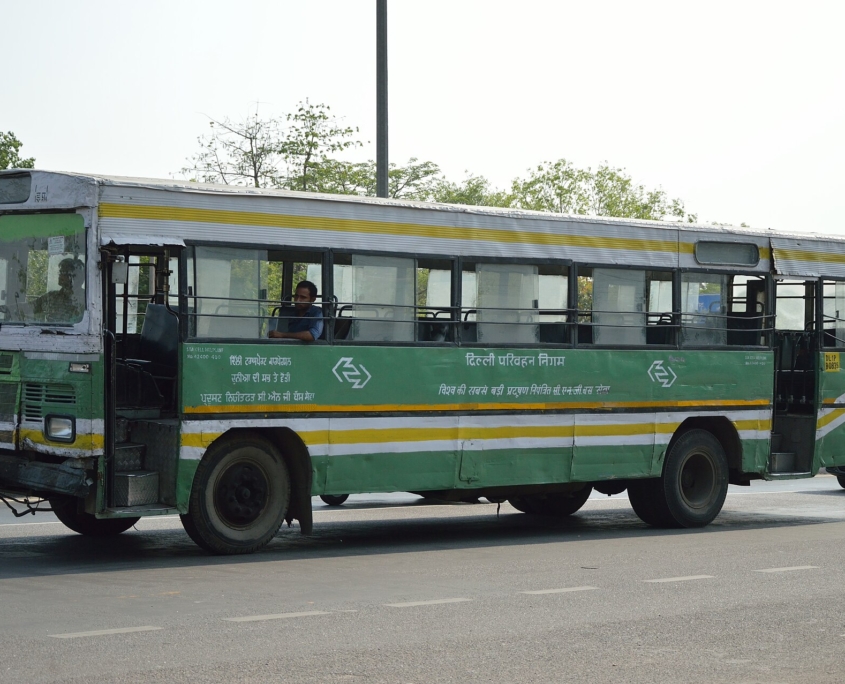
Public Transportation Access Reduces Urban PovertyPublic transportation is often seen as simply a means of getting from one place to another. However, for millions of people living in urban poverty, the ability to move freely and affordably can be the difference between economic hardship and opportunity. In cities like Medellín (Colombia), Casablanca (Morocco) and Delhi (India), access to public transit is not just about convenience but also a powerful tool that shapes the lives of the urban poor. Here are five facts about how public transportation access reduces urban poverty by opening economic opportunities, improving quality of life and fostering greater social inclusion.

Transport Costs Trap the Urban Poor

For low-income residents, transport costs often represent a significant portion of their daily expenses. In cities where public transit systems are underdeveloped or too expensive, families can spend as much as 25% of their income just on commuting. In Delhi, for example, people living in informal settlements may need to travel long distances to reach work centers, often paying more than what is affordable. This forces them into a cycle of poverty where limited mobility means fewer job opportunities and those they can access are typically low-wage, precarious positions. By reducing transport costs through subsidies and increasing public transport, low-income individuals can retain more of their earnings for basic needs, thus alleviating some of the pressures of urban poverty.

Commute Time Affects Job Access

In large cities, time spent commuting can drastically limit the number of opportunities people can realistically pursue. In Medellín, despite the city’s progress in reducing poverty, many low-income workers still face long and stressful commutes, with some residents spending more than two hours a day just to get to work. This leaves them with less time for family, education or even seeking better job opportunities. The longer the commute, the fewer the employment options available, as many workers simply cannot afford to travel to jobs that are outside a certain radius. Improving public transportation access reduces urban poverty by shortening commute times, and creating more efficient routes can expand the potential labor market for low-income workers, allowing them to apply for higher-paying jobs that might have otherwise been out of reach.

Subsidized Transit Increases Employment Opportunities

In cities like Casablanca, affordable and efficient public transportation can directly reduce poverty by increasing access to jobs, education and health care. The recent introduction of the Bus Rapid Transit (BRT) system in Casablanca is a prime example of how investing in urban mobility can create long-term economic benefits. The BRT system connects densely populated areas to downtown Casablanca, reducing travel time by up to 30 minutes a day. By providing faster, more reliable transportation, the BRT enables workers to access thousands of new jobs and opportunities that were previously out of reach due to long commutes.

Additionally, the system’s affordability and integration with other transport modes make it accessible to low-income families. Increased access to reliable transportation is critical to lifting people out of poverty by allowing them to participate more fully in the urban economy. The system also enhances safety and inclusion, with design features that improve accessibility for women and marginalized groups, contributing to broader social inclusion and economic empowerment.

Economic Growth and Poverty Reduction

Public transportation is a key driver of economic progress and poverty reduction in urban areas, contributing directly to 14 out of 17 SDGs. Cities like Toronto and Japan have integrated transit systems that not only improve mobility but also stimulate economic opportunities by connecting people to jobs, education and health care. By improving access to key services and reducing transport costs, public transit helps lower poverty rates while promoting sustainable urban development. Access to reliable transport systems drives economic growth through urban regeneration, increased land values and better social inclusion. Furthermore, by reducing reliance on private cars, public transport systems cut down on emissions, contributing to environmental sustainability and enhancing livability for all city residents.

Greening Urban Transport Creates Jobs and Reduces Poverty

Shifting to sustainable public transportation can significantly reduce urban poverty by creating new employment opportunities and boosting economic productivity. As cities transition to low-carbon transport systems such as electric buses and hybrid vehicles, there is a clear economic benefit. Studies have shown that increasing public transit ridership and investing in cleaner, more efficient transport options generate jobs not just in public transit operations but also in vehicle manufacturing, infrastructure development and green technologies. This helps to provide affordable access to jobs, services and education for low-income populations, while also stimulating local economies. By making public transport more accessible and affordable, cities can lower commuting costs, reduce economic barriers and create a more inclusive, sustainable economy, ultimately contributing to poverty alleviation in urban areas.

Looking Ahead

Public transportation is much more than just a means to get from one place to another; it is a critical lever in reducing urban poverty. From cutting transport costs and shortening commute times to improving safety and ensuring inclusive access, public transit provides an accessible pathway to economic opportunity for the urban poor. As more cities invest in public transit infrastructure and policy innovations, public transportation access will continue to reduce urban poverty, empowering the urban poor and creating more equitable and resilient communities.

– Chris Tang

Chris is based in Singapore and focuses on Good News and Technology for The Borgen Project.

Photo: Wikimedia Commons

Higher Education in ChileAttaining higher education in Chile is associated with a myriad of positive outcomes, including employment opportunities, higher compensation and even improved health. Individuals with higher education have a lower risk of unemployment and generally earn higher wages. The unemployment rate for those with higher education is 5.5% compared to 8.1% for those with upper secondary education.

Workers with higher education earn 112% more than the average income in Chile. Education level is a widely recognized social determinant of health and the completion of higher education is associated with more positive health outcomes.

Inequality in Higher Educational Attainment

In Chile, disparities in tertiary education attainment are closely linked to social factors, including parental education, socioeconomic status and gender. Children of parents who have completed tertiary education are more likely to pursue higher education than those whose parents have not. In 2023, 68% of adults aged 25-34 with at least one parent who had completed tertiary education also attained tertiary education, compared to 25% for adults whose parents did not complete tertiary education.

However, the rate of young adults pursuing tertiary education whose parents did not complete tertiary education increased by 7% between 2012 and 2023. Higher family socioeconomic status is also associated with an increased likelihood of completing higher education. In 2006, 12.7% of adults aged 25-34 from the lowest income decile enrolled in tertiary education, compared to 53.3% of the top income decile.

Furthermore, women enrolled in tertiary education are less likely to pursue a degree in STEM and other high-earning fields of study. In 2023, only 19.8% of students pursuing degrees in a STEM field were female.

A Largely Privatized System

Chile’s higher education system consists of three main types: universities, professional institutes (Instituto Profesional – IP) and technical training centers (Centro de Formación Técnica – CFT). While overall enrollment in tertiary education has continued to rise, the majority of growth since 2010 has occurred in private institutions. As a result, Chile has one of the most privatized higher education systems in the world.

In 2023, fewer than 20% of students enrolled in a tertiary education institution attended a public institution. Hence, Chilean families pay more than 75% of costs for higher education, compared to 40% for U.S. families and 5% in Scandinavian countries.

Gratuidad

A notable wave of protests demanding more affordable, high-quality higher education in Chile occurred in 2011. In 2016, the Chilean congress passed a tuition-free policy known as gratuidad to provide free university education for families in the bottom 60% of the income range. A lack of studies on the impact and effectiveness of gratuidad makes its success in creating a more equitable tertiary education system unclear.

The reform’s implementation has initiated slow progress toward expanding access to financial aid for low-income students, as approximately 90% of students who qualify have already received financial aid before the reform. However, the idea of free education likely incentivizes people from low-income families to pursue higher education, as 15% of students in the gratuidad program claim they would not have pursued higher education otherwise.

Conclusion

Attaining a higher education in Chile reduces the likelihood of living in poverty. Creating a more equitable and inclusive education system is key to reducing the 6.5% of Chile’s population living below the national poverty line. Expanding access to tertiary education for individuals from lower socioeconomic backgrounds and those whose parents lack tertiary education, as well as increasing the representation of women in STEM fields, are key focal points for reducing poverty.

– Sarah Merrill

Sarah is based in Matthews, NC, USA and focuses on Good News and Global Health for The Borgen Project.

Photo: Pixabay

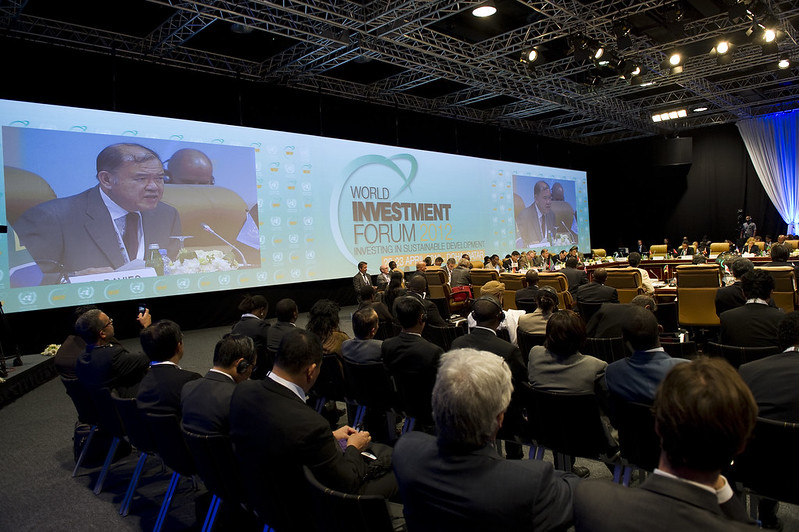
UN Meets to Discuss the Doha Programme of Action A United Nations (U.N.) meeting on the Doha Program of Action has wrapped up. The Qatar Fund for Development (QFFD) and the United Nations Office of the High Representative for Least Developed Countries, Landlocked Developing Countries and Small Island Developing Countries (UN-OHRLLS) organized the meeting. It spanned three days. Ministers, senior officials, development partners and representatives of international organizations convened to discuss how to help least developed countries (LDCs) graduate successfully.

For a country to graduate, it must reach a threshold of income, education and resilience. The Doha Program of Action aims to help 15 more countries reach graduation by 2031. LDCs face disproportionate risks from climate disruptions, conflict, financial distress and trade disturbances. Rabab Fatima, a U.N. high representative for LDCs, said that participants at the meeting exhibited “a strong collective will to ensure that graduation becomes a gateway to resilience, opportunity and sustainable prosperity.”

Doha Program of Action

The Doha Program of Action functions as a framework and coordination mechanism that sets shared goals and standards for least developed countries and guides how governments, international organizations and development partners provide support. It outlines six main focus areas. The first focuses on supporting people in LDCs by reducing poverty and expanding access to basic services. For the second focus area, it emphasizes science, technology and innovation as tools to address multiple vulnerabilities and advance the Sustainable Development Goals (SDGs). Next is promoting productive transformation as a driver of economic growth. The fourth encourages international trade among LDCs and strengthens regional cooperation. The fifth addresses climate change, environmental degradation and post-pandemic recovery while strengthening resilience to future shocks through risk-informed sustainable development. Finally, the sixth mobilizes international solidarity, renewed global partnerships and innovative mechanisms to support sustainable graduation.

Transition Strategies

Countries that are at or near graduation, such as Bangladesh, the Lao People’s Democratic Republic and Nepal, provided advice on transitioning. The three countries explained that LDCs should prioritize a national transition plan. Representatives emphasized that this step is crucial to reaching the graduation threshold. A coherent strategy will reduce reliance on targeted aid. Representatives said these policies should be pragmatic and centered on supporting the future of LDCs. The conference also examined how developing countries can increase output by implementing digital technology and environmentally sustainable industries. To support developing economies, participants identified expanding trade opportunities as a priority.

The Role of iGRAD

The iGRAD facility plays a key role in implementing the plan. The facility will help guide LDCs through the transition period. Qatar has pledged $10 million to support it. Fahad Hamad Al-Sulaiti, director general of the Qatar Fund for Development, said the conference illustrated the necessity of supplying LDCs with “the tools, resources and partnerships with confidence.”

International Support

In previous years, countries and international partners have provided assistance to LDCs, demonstrating commitment to the Doha Program of Action. Qatar committed to donating $60 million. Qatar allocated $10 million to support implementation of the plan and $50 million to build foundational strength in LDCs. Germany pledged 200 million euros to finance LDCs. Canada pledged $15 million to provide vitamin supplements for 15 LDCs, as well as ecosystem support efforts in Burkina Faso. The United Nations lists 44 countries as LDCs.

Looking Ahead

Overall, the gathering shows the U.N.’s effort to assist least developed countries in their journey toward graduation. Guidance from countries that have graduated, innovative financial mechanisms and a history of international support signal a promising future for the Doha Program of Action. If countries follow through on these commitments, more LDCs will have the means to graduate. Continued coordination and support will play a key role in the plan’s success.

– Sasha Banaei

Sasha is based in San Diego, CA, USA and focuses on Politics for The Borgen Project.

Photo: Flickr

China-Latam Youth ChallengeIn response to the U.N.’s call to end global poverty in 2024, Chinese institution Tsinghua University announced the China-Latam Youth Challenge to Alleviate Poverty. This Challenge asked participating teams to propose and design projects addressing multidimensional poverty in disadvantaged communities across the globe.

The China-Latam Youth Challenge To Alleviate Poverty

The China-Latam Youth Challenge to Alleviate Poverty was launched in collaboration with partner Universities across Latin America. The challenge further aimed to encourage cross-cultural communication and collaboration between Chinese and Latin American students. The competition was a major success, with more than 120 Chilean University students teaming up with peers from Tsinghua University and other partner institutions.

More than 200 students participated in total. Organisers held the finals in August 2025 with teams presenting their ideas in both Brazil and Chile. Twelve out of the total 102 teams made it to the final round. Many exciting projects and ideas were presented, with more than 27 universities from Brazil, Chile, Peru and China in attendance.

The competition featured many talented individuals and innovative solutions. Ideas focused on solving a wide range of issues, including unemployment, infrastructure, education, health and well-being. Not only did this challenge help develop solutions to global poverty, but it also raised awareness and educated young minds about the issue of global poverty. The China-Latam Youth Challenge to Alleviate Poverty acts as a great example of how global poverty innovation is possible when institutions make resources available.

Fountain of Radiant Dreams

This project received the first-place Gold Award in China. The team proposed a three-pronged solution to address the needs of some of Chile’s most disadvantaged communities, focusing on community service, clean energy and financial support. The project included community initiatives, such as the installation of lighting systems powered by renewable energy in rural areas lacking electricity.

Sustainable Solar Lighting and Emergency Response for Brazilian Communities

This project received the Gold Award in Brazil. This team developed solutions to address infrastructure damage caused by extreme weather conditions in the most affected areas of Brazil. This includes the installation of solar-powered chargers to allow cellphone and technology use during severe blackouts, allowing rural communities to communicate during times of crisis.

Financial Loans for Small Enterprises

This team won the Silver Award in the finals in Chile. Their project focused on inclusive financial loan programs for small businesses in China. It also provided innovative financial solutions for small Chilean fishing enterprises. This project aims to support small businesses in growing, creating jobs, promoting sustainability and enhancing the role of women in the fishing industry.

Elquilabs

This team developed both a toolkit and a digital platform that works to transform rural areas into “Maker Spaces,” enabling learning and innovation. The project aims to bridge the gap in creativity and education between rural and urban areas. Diego Urzúa, a psychology graduate and team member, said the project focused on bringing together diverse perspectives—from countries such as Chile, China and Brazil—which added real value to the process.

Minova

The team received the Audience Choice Award. It was a collaboration between Tsinghua University, Universidad de Santiago de Chile and Pontificia Universidad Católica de Chile. The project aimed to repurpose mining waste into sustainable, affordable construction materials.

Looking Forward

The winning teams and award recipients will receive full funding for their projects and continue development at Tsinghua University in January 2026. The challenge’s success underscores the critical role of adequate funding and resource allocation in driving innovation to address global poverty. It also underscores the importance of educating young people about global poverty and sustainable development. Supporting these efforts is more urgent than ever.

Looking ahead, the China–LATAM Youth Challenge to Alleviate Poverty serves as a strong model for the future of global poverty innovation.

– Alys Gaze

Alys is based in Wales and focuses on Good News and Politics for The Borgen Project.

Photo: Flickr