• Link to X
  • Link to Facebook
  • Link to Instagram
  • Link to TikTok
  • Link to Youtube
  • About
    • About Us
      • President
      • Board of Directors
      • Board of Advisors
      • Financials
      • Our Methodology
      • Success Tracker
      • Contact
  • Act Now
    • 30 Ways to Help
      • Email Congress
      • Call Congress
      • Volunteer
      • Courses & Certificates
      • Be a Donor
    • Internships
      • In-Office Internships
      • Remote Internships
    • Legislation
      • Politics 101
  • The Blog
  • The Podcast
  • Magazine
  • Donate
  • Click to open the search input field Click to open the search input field Search
  • Menu Menu

Archive for category: Clean Water Access

Clean Water Access, Global Poverty

Pay-As-You-Go Digital Water Services in Kenya

Pay-as-you-go digital water services in KenyaKenya continues to face serious water insecurity in both rural and urban regions. Many households still depend on distant or unsafe water points because traditional billing systems require large monthly payments that low-income families cannot always make. Pay-as-you-go digital water services in Kenya offer a different model. Families buy small amounts of water through mobile payments and smart meters deliver accurate and dependable service. This structure increases affordability, improves service reliability and strengthens utilities in ways that help them expand clean water access to underserved communities.

Mobile Money Makes Clean Water Affordable

Pay-as-you-go digital water services in Kenya let households buy water in small increments through mobile money platforms like M-Pesa. This matters because many Kenyans earn irregular daily wages and cannot manage large monthly bills. When families pay only for what they need, they avoid debt and gain steady access to safe water, which supports health and financial stability.

Waterborne diseases spread quickly in communities that rely on unsafe sources. Pay-as-you-go digital water services in Kenya distribute treated water that meets safety standards, which reduces illness and lowers medical expenses. When families stay healthy, they attend school, work more regularly and invest their income in food and education rather than treatment costs.

Smart Meters and Water Kiosks

Smart meters record water use in real time and deliver prepaid service that prevents leaks and illegal taps. These problems create major losses for utilities and weaken their ability to maintain infrastructure. When utilities reduce losses, they provide more reliable service and reach more households with clean water, which raises community health and overall quality of life.

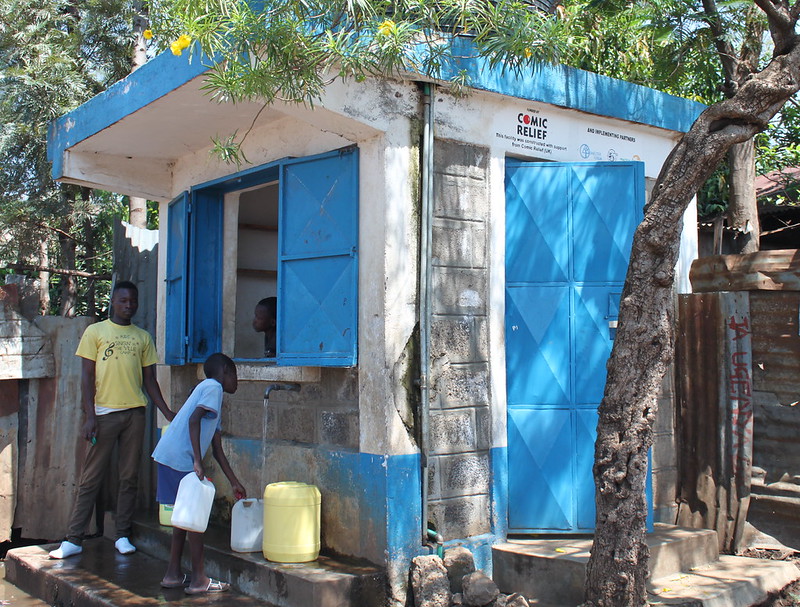
Families in many Kenyan settlements spend long hours each day collecting water. Digital water kiosks in neighborhoods reduce this travel time and offer 24-hour access through mobile payments. More available time allows children to attend school consistently and gives adults more hours for work, which strengthens household income and supports long-term development.

Digital Water Systems Create Jobs and Strengthen Utilities

Digital water systems create new roles for technicians, field agents and mobile service operators. These jobs build technical skills and support local employment. Stronger utilities also operate more reliably and expand service to new regions. When utilities stabilize financially, they improve infrastructure that helps entire communities gain safe water access.

Pay-as-you-go digital water services in Kenya improve clean water access by combining mobile payments with smart delivery systems. These services reduce financial barriers, improve public health and create jobs that support economic growth. As the model expands, it offers a practical path toward universal water access and long-term poverty reduction.

– Shahzeb Khan

Shahzeb is based in San Ramon, CA, USA and focuses on Good News and Technology for The Borgen Project.

Photo: Flickr

January 18, 2026
https://borgenproject.org/wp-content/uploads/borgen-project-logo.svg 0 0 Naida Jahic https://borgenproject.org/wp-content/uploads/borgen-project-logo.svg Naida Jahic2026-01-18 07:30:272026-01-16 10:52:16Pay-As-You-Go Digital Water Services in Kenya
Clean Water Access, environment, Global Poverty

Restoring Guatemala’s Motagua River and Communities

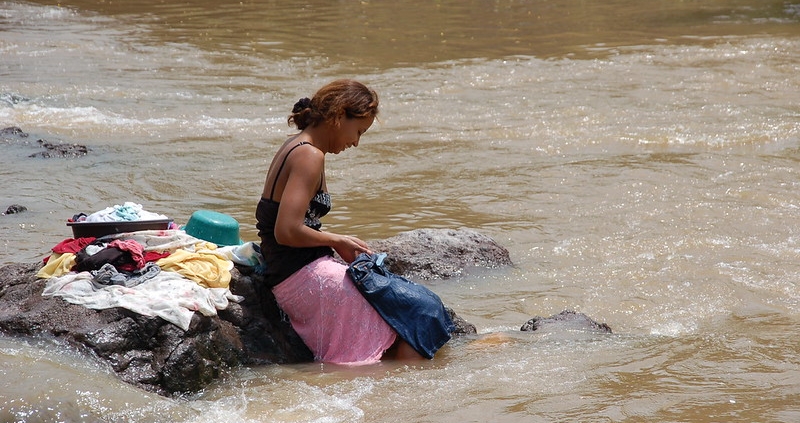
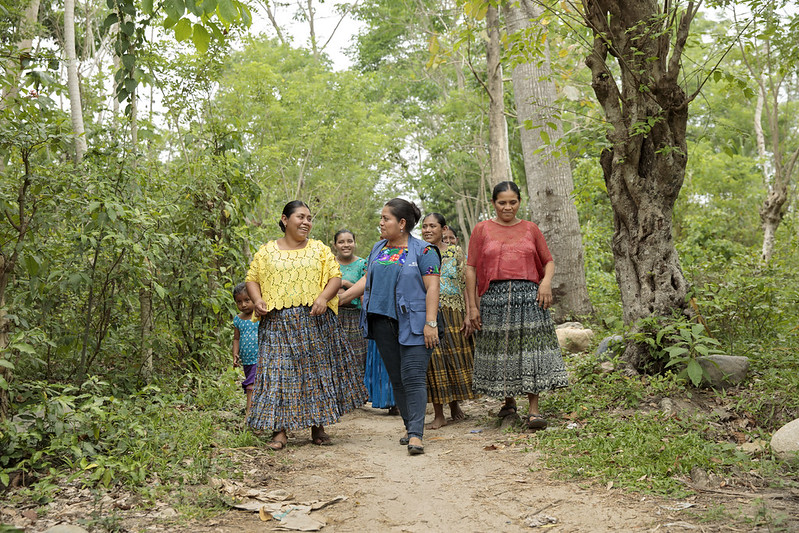
Guatemala’s Motagua RiverFor a large percentage of rural Guatemalans, rivers function as important lifelines that provide water for drinking, cooking and agriculture. Yet decades of neglect and poor waste management have turned rivers like the Motagua, Guatemala’s largest watercourse, into polluted landfills and made them breeding grounds for disease. To address the problem, a mix of private, governmental and grassroots organizations has banded together to begin restoring Guatemala’s Motagua River and communities.

The Motagua River’s Importance

Communities settled along the banks of the Motagua River are among the most vulnerable in Guatemala, where 56% of country at large is already living in poverty. Many rural and indigenous families depend on the river for daily survival despite its contamination by plastic waste and untreated sewage.

Because of underdeveloped infrastructure, they do not have another choice: 40% of Guatemalans lack access to running water and basic plumbing inside their homes, forced to rely on rivers, wells or rainwater, which is why, in the interim, successfully restoring Guatemala’s Motagua River and communities is crucial.

The Cost of Polluted Waters

The Motagua River carries almost 20,000 tons of solid waste annually as it passes through nearly 100 municipalities before emptying into the Caribbean Sea. For the impoverished communities relying on it as a daily water source, this poses a serious health risk.

Contaminated water spreads illnesses and diseases like diarrhea and hepatitis, particularly affecting children and the elderly. Costs linked to treating these maladies exacerbate existing poverty conditions and reduce quality of life.

Pollution also damages economic livelihoods. Motagua River fish populations have plummeted and farmers relying on river water for irrigation risk crop contamination or die-off. With few resources and limited state support, entire communities face food insecurity and economic instability.

Cleanup and Restoration Efforts

Multi-partnership cleanup initiatives have begun to address the growing crisis. Nonprofit organizations like The Ocean Cleanup, in partnership with Kia and Guatemala’s Ministry of Environment, have deployed interception systems in the Motagua River to catch plastic before it reaches the Caribbean Sea, improving the health of the river, the lives of the riverfront residents and raising awareness of the link between responsible disposal practices and health.

Grassroots groups are also mobilizing. The Alliance for the Motagua River brings together NGOs such as the Ocean Legacy Foundation, community leaders and local governments under an “EPIC” strategy: Education, Policy, Infrastructure and Cleanup, to usher in lasting change. This community-driven approach galvanizes local communities to improve their surroundings, and therefore their food and water security.

These cleanup initiatives dedicated to restoring Guatemala’s Motagua River and communities recognize the link between environmental and economic health. Safe water improves food security and supports agriculture, while the replenishment of fish stocks, in addition to sustenance, provides economic improvement. The World Bank states that healthy watercourses are vital to sustainable development and resilient local economies, paving the way for poverty reduction.

Restoration and Renewal

Restoring Guatemala’s Motagua River and communities is both an environmental and humanitarian mission rolled into one. Access to clean water forms the basis of health, education and livelihood, especially for Guatemala’s indigenous and rural communities. Realizing the goal of a clean river is one more step toward humanitarian and economic stability.

The Motagua River’s restoration shows that collaboration between communities, governments and global partners can lead to lasting impact. As Guatemala moves toward a sustainable water future, its riverbanks may once again become places of life, resilience and renewal, giving it the stable bedrock necessary to focus on expanding water infrastructure and lifting its riverfront communities permanently out of poverty.

– Nikola Stojkovic

Nikola is based in Villa Park, IL, USA and focuses on Global Health for The Borgen Project.

Photo: Flickr

October 31, 2025
https://borgenproject.org/wp-content/uploads/borgen-project-logo.svg 0 0 Naida Jahic https://borgenproject.org/wp-content/uploads/borgen-project-logo.svg Naida Jahic2025-10-31 07:30:222025-10-31 03:01:42Restoring Guatemala’s Motagua River and Communities
Clean Water Access, Global Poverty, Water

Clean Water Access in Nigeria: How Communities Solve the Crisis

Clean Water Access in NigeriaRural communities in Nigeria face the steepest hurdles to access clean, safe drinking water and basic sanitation. Many households still rely on unprotected wells, streams or vendors, while schools and clinics struggle without reliable WASH services. UNICEF estimates that millions remain without basic drinking water and that open defecation persists on a large scale, with the burden falling hardest on rural families.

Nigeria’s Water Sanitation and Hygiene National Outcome Routine Mapping (WASHNORM) 2021 assessment shows wide rural and wealth-based gaps in access, underscoring the need to invest where services lag the most.

Health and School Attendance

Unsafe water and poor sanitation drive diarrheal disease, cholera outbreaks and undernutrition, which in turn keep children out of class. Schools without toilets or handwashing stations see higher absenteeism and girls are more likely to miss lessons during menstruation when facilities are inadequate.

UNICEF reporting links improved school WASH to better attendance and fewer disease outbreaks, while global WASH-in-Schools data show that safe water, private toilets and soap at school are tied to learning and dignity, particularly for girls.

WaterAid Nigeria: Community WASH in Action

WaterAid Nigeria partners with state governments and communities to install and maintain water points, expand sanitation and promote everyday hygiene behaviors. Its 2023–2028 country strategy prioritizes systems strengthening so local authorities can finance, operate and sustain services beyond a single project cycle.

WaterAid is also part of technical groups that support behavior change, supply chains and accountability, helping rural districts build reliable access and keep services working.

Clean Nigeria: Use the Toilet

The federal government’s Clean Nigeria campaign aims to end open defecation by 2025 and move households toward safely managed sanitation. The campaign mobilizes states, local governments and households through community-led approaches, public awareness and certification of open defecation-free areas.

UNICEF supports the effort with technical assistance and outreach and recent updates highlight the urgency of accelerating progress so that gains are sustained across rural districts.

National Action Plan: A Path to 2030

Nigeria’s National Action Plan for the Revitalization of the WASH Sector sets a three-phase roadmap that includes an 18-month emergency plan, a five-year recovery program and a long-term strategy through 2030.

The plan outlines a renewed federal-state partnership, more precise service targets and stronger financing so rural communities can gain and sustain access. Civil society groups summarize how the plan links with the national sanitation campaign, aligning policy and implementation at the state and local levels.

Building Pathways Out of Poverty

Expanding rural access to clean, safe water and sanitation reduces disease, protects household income and keeps children in school in Nigeria. It also creates jobs in construction, operations and local supply chains. Indeed, the World Bank’s SURWASH program projects service gains in water and sanitation and upgrades in schools and health facilities, complementing Clean Nigeria and NGO partnerships.

Continued investment in these approaches could help Nigeria scale reliable services and unlock health and education gains that drive long-term poverty reduction.

– Joseph Hasty

Joseph is based in Winter Park, FL, USA and focuses on Technology and Global Health for The Borgen Project.

Photo: Flickr

September 15, 2025
https://borgenproject.org/wp-content/uploads/borgen-project-logo.svg 0 0 Lynsey 2 https://borgenproject.org/wp-content/uploads/borgen-project-logo.svg Lynsey 22025-09-15 03:00:442025-09-15 02:13:18Clean Water Access in Nigeria: How Communities Solve the Crisis
Africa, Clean Water Access, Global Poverty, Water Sanitation

Building Wells In Kenya: A Change For Education

wells in KenyaThroughout Kenya, women and girls are responsible to collect water and often spend a significant amount of time each day walking to collect water. Not only do these walks expose them to harsh weather, dangerous terrain and potential attacks, but the water collected often comes from a polluted source.

Those walking for water often walk an average of 4 miles round trip. This can take multiple hours as the terrain is rough and the weather can be brutal. During the dry months when there is no rain, water cannot be collected from waterholes and will instead be retrieved from rivers infested with crocodiles. The walk to the river is more than six miles.

As young girls walk multiple times each day, they often lose the opportunity to receive education while also enduring health risks, social disparities, and environmental impacts.

Risks

As the walk for water takes up most of their day, children and, in particular, young girls, often miss school or do not focus properly on their studies. This lack of education allows a cycle of poverty to continue and limit future employment or economic advancement for these Kenyan families.

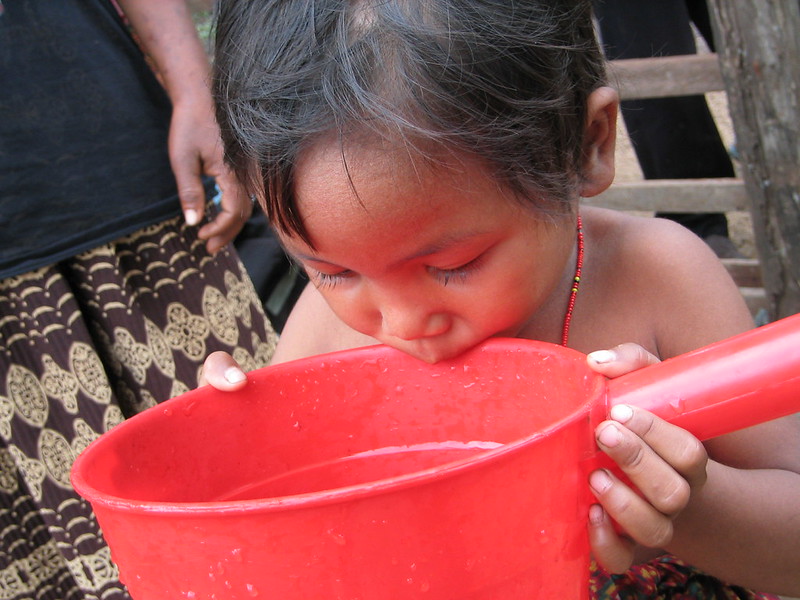
When collecting water, there is often no way of filtering out the dirt and bacteria in the water. The dirt and bacteria within the water causes the water to regularly run brown and serious waterborne diseases can easily be contracted.

Besides the risk of waterborne diseases, these Kenyan families often do not have enough water for proper hygiene and sanitation. This creates an environment where diseases such as respiratory illnesses, diabetes, diarrhea, malaria, typhoid and HIV will thrive.

Organizations Providing Clean, Sustainable Water

United Mission Relief (UMR) helps communities in Kenya with food insecurity, economic instability and health issues. They provide an initiative that trains women and children in water-efficient farming methods while giving hands-on experience and entrepreneurial skills in order to create some financial independence.

Water For Life Charity has projects providing wells in Kenya. The organization selects the best location for a well, then conducts a survey to choose an area with water bearing zones present before installing a well.

Water Wells For Africa is an organization that has installed more than 500 wells in Kenya for 29 years. Along with these pumps, they have seen a decrease in waterborne diseases. Many of the pumps installed are built to last and easy to maintain, many of which have already lasted 20+ years.

The Water Project works to equip, train and fund non-governmental organizations (NGOs) that have an established presence in countries such as Kenya, Uganda and Sierra Leone. These NGOs work with The Water Project to provide clean water with reliable access as well as maintenance for installed wells.

Improving Lives

The WellBoring Organization provided wells in Kenya to 40 schools and observed the long-term impacts. The results of the observation showed more education access as enrollment increased by more than 10% with only a 5% absenteeism rate.

As the organization provides safe water to more than 300 schools, the increase in school attendance rose to the millions. Schools with 500 students now have 75 additional students, as children would no longer have to take time out of their day to get water.

The promotion of hygiene practice, along with access to safe water, enhances community health. A significant reduction in waterborne diseases occurred in these communities because of easily accessible and clean water that these wells in Kenya provide.

– Eva Wakelin

Eva is based in Atlanta, GA, USA and focuses on Good News and Technology for The Borgen Project.

Photo: Flickr

August 14, 2025
https://borgenproject.org/wp-content/uploads/borgen-project-logo.svg 0 0 Naida Jahic https://borgenproject.org/wp-content/uploads/borgen-project-logo.svg Naida Jahic2025-08-14 07:30:332025-08-14 06:55:39Building Wells In Kenya: A Change For Education
Clean Water Access, Electricity and Power, Global Poverty

Solar Power in Yemen Eases Energy Crisis

Solar Power in YemenIn many ways, the civil war has plunged Yemen into darkness. Over a decade of conflict has resulted in approximately 400,000 deaths, severe economic downturn and one of the world’s worst humanitarian crises. As of 2021, 82.7% of Yemenis were living in multidimensional poverty. Yet the country’s future is not entirely dark. Here are three ways solar power in Yemen is bringing literal and figurative light to communities nationwide.

Clean Water in Al Maqatirah

Finding clean water has been a challenge for many Al Maqatirah District residents. An outdated system lacking functionality and the high cost of diesel fuel created a difficult choice: pay for expensive and potentially unsafe local water or travel long distances to buy it from somewhere else.

Thanks to a 2025 project sponsored by the United Nations Development Programme (UNDP) and several partners, 5,827 Yemenis no longer face this dilemma. The old pipelines have been replaced by a solar-powered water system that provides immediate access to reliable drinking water and sets Al Maqatirah toward long-term sustainability. This project is a clear example of the humanitarian potential of solar power in Yemen.

Powering Livelihoods in Al-Ghaydah

Meanwhile, the city of Al-Ghaydah struggled with an entirely different problem. Climate instability, rising fuel prices and energy shortages threatened the Bawazier Ice and Fish Preservation Factory operations. The facility is a critical part of the coastal community, which relies heavily on fresh fish for sustenance and employment. Without a way to preserve their catch, fishermen risked losing their livelihoods and families their dinners.

Recognizing the urgency, the World Bank, UNDP and Yemen’s Small and Micro Enterprises Promotion Service stepped in with a solution. In 2023, they gave the factory a grant, allowing it to transition 25% of its energy to solar power. This reduced reliance on diesel has enhanced efficiency, lowered monthly energy costs by $875 and created new job opportunities. As a result of this successful model of solar power in Yemen, higher-quality fish is now sold at lower prices and a community vulnerable to changing climatic conditions has become more sustainable.

Keeping the Lights on in Hospitals

Ensuring hospitals remain operational is essential, particularly in a country where 21.6 million desperately need humanitarian aid. However, 46% of Yemen’s health care facilities are either partially operational or completely out of service. A driving force behind this number is a long-standing energy crisis, which has significantly inhibited hospitals from giving patients the care they desperately need.

Once again, solar power in Yemen provides a source of hope. Through a partnership between the UNDP and the Kuwait Fund for Arab Economic Development, four hospitals have been provided with renewable energy systems. This project hopes to see Yemeni patients receive high-quality health care by installing solar panels that keep the lights on. Enabling their communities to become cleaner and more environmentally friendly.

A Brighter Future for Yemen

As these examples show, solar power in Yemen has the potential to make a substantial difference in the lives of some of the world’s most impoverished citizens. It could help provide clean drinking water to the 18 million people without access. It could put food on the table for the 17 million suffering from severe malnutrition. Furthermore, it could also curb outbreaks of preventable infectious diseases that fuel the humanitarian crisis. In a country plagued with hardship, renewable energy illuminates a path forward.

– Caroline Clark

Caroline is based in Needham, MA, USA and focuses on Global Health and Politics for The Borgen Project.

Photo: Flickr
August 8, 2025
https://borgenproject.org/wp-content/uploads/borgen-project-logo.svg 0 0 Lynsey 2 https://borgenproject.org/wp-content/uploads/borgen-project-logo.svg Lynsey 22025-08-08 01:30:382025-08-07 10:33:29Solar Power in Yemen Eases Energy Crisis
Clean Water Access, Global Poverty, Health, Technology, Water Quality

Water Purification in Developing Countries: 5 Techniques

Water Purification in Developing CountriesIn 2025, approximately 2 billion people lack access to clean drinking water worldwide. Three criteria determine clean water access: water must be located at home, available when needed and free from contamination. Many families spend dozens of hours per week collecting water. In particular, women often travel long distances to collect water for their households. Collection locations do not always guarantee uncontaminated water.

Drinking contaminated water can spread disease and may be fatal for entire households. Fortunately, nonprofit aid organizations such as the U.N. Children’s Fund (UNICEF), World Vision and Water.org are implementing various water purification methods in developing countries. Decontamination technology, water infrastructure and sanitation education are vital resources in making safe water accessible to all. 

Methods That Make Local Water Safe to Drink

To make clean drinking water accessible, solutions rely on local water sources. Unfortunately, streams, rivers and lakes are often contaminated. Below are several methods used for water purification in developing countries.  

  1. Membrane Separation Technology. Reverse osmosis and ultrafiltration are the two most commonly used membrane separation techniques. Membrane separation uses high pressure to filter water through a porous wall. The permeable barrier prevents bacteria, pathogens and chemicals from passing, only allowing clean water through. Membrane separation technology is versatile and requires little maintenance, making it ideal for rural communities. Membrane separation is especially useful in preventing waterborne illnesses. 
  2. Chlorination. Water chlorination disinfects lakes, rivers and groundwater by adding a sodium hypochlorite solution to contaminated water, effectively killing bacteria and viruses. It is inexpensive, but excessive chlorine intake may pose health risks if used as a sole solution. 
  3. Solar Water Disinfection (SODIS). Solar water disinfection treatment uses ultraviolet rays to kill waterborne bacteria. It is inexpensive and ideal in circumstances where resources are scarce. Families fill 2-litre polyethylene terephthalate bottles with local water and lay them in the sun for six hours. SODIS is primarily valuable for household use, as it disinfects only small amounts of water at a time.  
  4. Filtration Systems. Biosand Water Filtration (BSF) is an inexpensive household filter, making water purification in developing countries domestically accessible. BSF consists of a large container with layers of washed sand and gravel. Local water is poured over the container. The sediment acts as a filter, trapping 90% of bacteria and 100% of parasites, which allows safe drinking water to flow through. 
  5. Wells and Aquifers. Digging wells is a common strategy for improving access to clean water in developing countries. Wells are either hand-dug or drilled underground and pipelines connected to a large pump draw groundwater from a local aquifer. Although wells are a more expensive solution, they can effectively supply water to an entire community.

Long-Term Solutions

Water infrastructure is essential for making clean water widely accessible. Treatment centers, pipelines and pumping networks help distribute decontaminated water over long distances. In Juba, South Sudan, UNICEF’s 2017 Lologo project established a water treatment plant that draws water from the Nile River, decontaminates it and pumps it throughout Juba and local camps. This is one of many infrastructure projects launched globally to support water purification in developing countries.

UNICEF’s Water, Sanitation and Hygiene (WASH) program ensures schools educate students on hygienic toilet use and clean water maintenance. In Bangladesh’s largest refugee camp, Kutupalong, children ages 10 to 15 participate in World Water Day art competitions, drawing images reflecting the importance of clean water and sanitation. WASH workers hold hygiene awareness sessions for Rohingya refugees of all ages to attend. 

Looking Ahead

Water purification is a vital step toward poverty reduction. With continued investment in decontamination methods and infrastructure, access to clean water may soon become a reality for all.

– Helen Cusick

Helen is based in Minneapolis, MN, USA and focuses on Good Newsn and Technology for The Borgen Project.

Photo: Flickr
July 21, 2025
https://borgenproject.org/wp-content/uploads/borgen-project-logo.svg 0 0 Precious Sheidu https://borgenproject.org/wp-content/uploads/borgen-project-logo.svg Precious Sheidu2025-07-21 01:30:072025-07-20 13:09:34Water Purification in Developing Countries: 5 Techniques
Clean Water Access, Food Insecurity, Global Poverty

Everything to Know About Poverty in Sierra Leone 

Poverty in Sierra Leone
Sierra Leone is a small, deeply impoverished country on the southwest coast of Africa. According to most recent data, almost 60% of the country lives below the national poverty line, while 43% of Sierra Leone’s nearly nine million residents live in extreme poverty, which is defined as less than $1.90 a day. The country is one of the poorest in the world, ranking 184th out of 193 countries according to the Human Development Index, which measures countries based on their life expectancy, education level and standard of living. Here is everything you need to know about poverty in Sierra Leone. 

The COVID-19 pandemic and the Russia-Ukraine war have negatively impacted Sierra Leone’s poverty reduction efforts. Almost 60% of families have reported a decline in their income. At the same time, widespread inflation has reduced people’s purchasing power and increased poverty. These crises have also worsened food security in the already incredibly food insecure country. Surging prices of staple foods have led to an increase in malnutrition and food insecurity among the population. 

Food Insecurity and Access to Clean Water

Food Insecurity is a widespread problem in Sierra Leone. The World Food Programme (WFP) estimates that 82% of the population is food insecure and that 26% of children are stunted, experiencing impaired growth due to malnutrition. Despite agriculture being an essential part of the country’s economy, it is underdeveloped forcing it to be dependent on food imports. The country is prone to food crises and malnutrition, a problem likely to increase due to the effects of changing weather patterns.

Progress in Reducing Poverty in Sierra Leone 

Since an 11-year civil war ending in 2002, Sierra Leone has seen continued economic growth. The country has seen its GDP more than triple and experienced a reduction in extreme poverty from 55% in 2011 to 43% today. The main driver in this recent poverty reduction has been growth in urban areas, where poverty is far less prevalent. In rural areas, 60% of the population lives in poverty, as compared to only 20% of the urban population. Today, an estimated 44% of people in Sierra Leone live in urban areas.

A number of nonprofits, governmental and international organizations provide vital assistance to Sierra Leone. One of these organizations is The United Nations Children’s Fund (UNICEF). UNICEF works with the government of Sierra Leone to strengthen social programs and provide services children rely on. They improve access to quality health services, support training for health workers, provide essential vaccination services and provide nutrition support to children. In 2023 alone, UNICEF provided more than one million children with Vitamin A tablets, which play a vital role in improving children’s health and well-being.  

Looking Ahead

Sierra Leone has had a troubled past, marked by a decade long civil war that ended in 2002 as well as by widespread poverty and food insecurity that persist today. However, in the past two decades, the country has seen improvements in various health indicators and has reduced poverty. While much more work is necessary, Sierra Leone has the opportunity to overcome many of its current challenges. With continued investment towards addressing poverty from both the international community and the national government, Sierra Leone has the ability to work towards a brighter future.

– Matthew Wornom

Matthew is based in Yorktown, VA, USA and focuses on Good News and Global Health for The Borgen Project.

Photo: Flickr

January 22, 2025
https://borgenproject.org/wp-content/uploads/borgen-project-logo.svg 0 0 Jennifer Philipp https://borgenproject.org/wp-content/uploads/borgen-project-logo.svg Jennifer Philipp2025-01-22 01:30:592025-02-22 02:46:03Everything to Know About Poverty in Sierra Leone 
Aid, Clean Water Access, Global Poverty

Oxfam International and Ahmad Tea

Ahmad Tea Founded in 1942, Oxfam International aims to address the root causes of poverty and eradicate them. The organization uses various approaches in its fight against poverty, including specialized plans for specific areas and conditions. Oxfam International has vowed to continue its work fighting global poverty, collaborating with those affected by disasters and inequalities that persist at the moment. The organization continues to work on the frontlines, providing support and working to prevent further inequalities and prevent further inequalities. 

The History of Oxfam International

The organization started during World War II, a time when conflicts were widespread. Much of its initial work focused on providing support to communities devastated by the war. Oxfam International’s first major initiative,  “Greek Week,” saw British citizens unite to donate funds to the Greek Red Cross. This marked the beginning of Oxfam’s broader mission. It began providing support to developing countries and helping in times of disaster. The Oxfam shops started selling handmade items from developing countries, giving buyers unique crafts while also raising money for these countries. 

In 1963, Oxfam turned international with its first campaign outside of the United Kingdom (U.K.) being in Canada. Oxfam continued to grow, eventually reaching Latin America and other developing areas. Currently, Oxfam International has 21 organizations in 90 countries around the world. 

Oxfam’s Partners

Oxfam International partners with many other organizations and groups also working to fight against poverty. Whether these are local organizations or other international programs, the progress has been tremendous. Oxfam has partners that are local in areas that need more help. These local partners know the ins and outs of poverty, which provides valuable guidance and experience in trying to help combat these ongoing issues.

Oxfam also collaborates with campaign and corporate partners. Campaigning allies actively support the organization and help bring issues to larger audiences to increase awareness of the efforts that Oxfam International and other organizations are undertaking. Corporate partners, located in the U.K. and globally. These partners help in a variety of ways including donating a percentage of their income to Oxfam. 

Oxfam’s Partnership With Ahmad Tea

Since 2010, Ahmad Tea has partnered with Oxfam International in hopes of ending the water crisis in Niger, a landlocked country where a majority of the population lack access to safe and clean drinking water. Some people also lack access to proper sanitation facilities. Upon learning about Niger’s severe water issues and humanitarian crisis, Ahmad Tea decided to partner with Oxfam and fund projects that provide access to clean water. Since their partnership, the two have provided clean water to rural areas by supporting existing water systems and building new ones. Their initiatives have made it possible for more girls to go to school, seen an increase in agriculture and income and caused a drop in waterborne diseases. These efforts are not the only impacts of their program. 

Ahmad Tea also aimed to introduce better water management techniques. Studies revealed an underground water source deep beneath Niger. Although drilling for this water is costly, it promises to be an invaluable resource for communities struggling with water insecurity. On World Water Day, Danny Sriskandarajah, CEO of Oxfam Great Britain, discussed the partnership with Zahra Afshar, Head of Charity at Ahmad Tea. During their interview, Sriskandarajah shared his proudest moments, saying “I have lots of moments.” He also added that Oxfam is operating in some of the toughest areas.

Oxfam In Nepal

Nepal, a small country in Asia, faces significant with clean water access. According to UNICEF, more than three million people in Nepal lack access to clean water and services. Since arriving in Nepal, Oxfam International has worked to repair and establish new water supply schemes in two specific areas of the country, the Hills and Terai. During these efforts, Oxfam has teamed up with two other companies to best implement their strategies. 

The water systems in Nepal face significant sustainability issues, with many of the water pumps requiring repairs that often cost more than the actual benefits that people are getting out of them. To try and combat this issue, Oxfam International has introduced five new techniques aimed at increasing efficiency and effectiveness. These strategies are currently in implementation and are continuously being developed to better support the people of Nepal. With these frameworks in place, Oxfam and its partners are positioned to build on this success and implement newer technologies that may better suit Nepal.

Looking Ahead

Oxfam International’s commitment to addressing the root causes of poverty continues to drive its global efforts. Through partnerships and targeted initiatives, Oxfam has provided essential support in areas like Niger and Nepal, improving access to clean water and sustainable resources. As the organization expands its reach and refines its strategies, it remains dedicated to fostering resilience and equality in vulnerable communities worldwide.

– Dorothy Howard

Dorothy is based in Greensboro, NC, USA and focuses on Good News and Technology for The Borgen Project.

Photo: Flickr

August 15, 2024
https://borgenproject.org/wp-content/uploads/borgen-project-logo.svg 0 0 Precious Sheidu https://borgenproject.org/wp-content/uploads/borgen-project-logo.svg Precious Sheidu2024-08-15 03:00:552024-08-15 02:40:39Oxfam International and Ahmad Tea
Clean Water Access, Global Poverty, Health

Rainwater Harvesting in Papua New Guinea

Rainwater Harvesting in Papua New GuineaAccess to clean water from a tap is a luxury that many people around the world take for granted every day. However, for millions, having easy access to drinking water remains a distant luxury. Making clean water sources available is a critical global priority, driving the creation and adoption of innovative technologies to supply water. This urgency has spurred the adoption of rainwater harvesting in Papua New Guinea, a technique for collecting fresh water that has the potential to transform lives globally. This method not only provides essential water but also represents a sustainable solution to water scarcity challenges.

The State of Earth’s Water

Water, essential for human life, is a basic need for survival. Despite 71% of the Earth’s surface being covered by water, water scarcity is a present reality, not a future problem, for many worldwide. Despite the large bodies of water on Earth, a mere 3% of water on Earth is fresh water. Even more startling, is that this statistic includes water inaccessible to humans, such as fresh water in the form of glaciers, icecaps, permafrost and water trapped deep within the Earth’s layers. With all of these barriers to freshwater access, it leaves humans with around 1-1.2% of the world’s water supply to supplement drinking water.

As the global population surpasses 8 billion, the quest for sustainable water sources becomes critical. This has led to innovative solutions like rainwater harvesting, a method that collects rain for various uses, demonstrating a practical approach to addressing the freshwater challenge.

Papua New Guinea

Papua New Guinea, a nation on Oceania’s continent, consists of a mainland and numerous islands. Its surrounding waters and significant biodiversity rank it among Earth’s most geographically diverse locations. Nearly ten million people call Papua New Guinea home, with most living in the highlands and rural areas.

Living in rural areas largely contributes to water insecurity, with estimates indicating that only 40% of Papua New Guinea’s population can access safe water sources. This percentage reflects not only the individuals lacking access to clean drinking water but also those without proper sanitation facilities.

In Papua New Guinea, women and girls usually bear the responsibility of collecting water for their families, undertaking dangerous walks across rugged terrain. They carry thirty-pound jugs of water home in scorching temperatures. Waiting for nightfall might offer cooler temperatures, but it also increases the risk of exposure to violence. Despite the grueling journey that can take hours, they must fetch water for bathing, drinking, or even hospital visits.

Rainwater Harvesting in Papua New Guinea

To address these and other problems associated with water collection, rainwater harvesting is gaining popularity. It enables people to collect rainwater, creating a freshwater source right at their homes. Additionally, rainwater harvesting benefits the environment by reducing runoff, which in turn lessens erosion and contamination of other water sources typically resulting from standard rainfall.

Rainwater harvesting is transforming life for entire communities in Papua New Guinea. Individuals or families can implement it by channeling water from their rooftops into a collection system. With most people living outside urban areas, this method significantly reduces the need to walk long distances for fresh water. It also ensures that community resources like schools and hospitals have access to clean water, allowing them to operate in a higher-quality environment.

In the settlement of Kunu, implementing a rainwater harvesting system brought water to the community and completely changed the way of life for its residents. Before this, water for bathing, drinking, cleaning or any task that required water necessitated a three-hour walk in each direction. The women and children of the settlement responsible for this task would expose themselves to not only a physically difficult journey but one filled with potential for danger and violence.

To provide clean water access within Kunu, 14 water tanks holding 9,000 liters each were placed throughout the settlement, providing people with access to water in a way they have never had before. Residents of the settlement now have the ability to access water outside of their homes, without the risk of violence or victimization, something to be celebrated around the world. Rainwater harvesting in Papua New Guinea has continued to reach other settlements and hopefully, other settlements like Kunu will eventually have access to water through this system as well.

The Future of Fresh Water Access

The success of this project on a grand scale highlights the immense potential of rainwater harvesting to transform lives not only in Papua New Guinea but globally. In places like Kunu, reliable access to water has ushered in a joyous new way of life. Families no longer worry about the safety of their daughters and mothers and clean drinking water is now seen not as a privilege but as a fundamental human right. This shift marks a significant step toward ensuring that everyone enjoys the basic necessities of life, setting a precedent for similar initiatives worldwide.

– Alexandra Straumann
Photo: Unsplash

February 12, 2024
https://borgenproject.org/wp-content/uploads/borgen-project-logo.svg 0 0 Precious Sheidu https://borgenproject.org/wp-content/uploads/borgen-project-logo.svg Precious Sheidu2024-02-12 03:00:582024-02-11 12:40:07Rainwater Harvesting in Papua New Guinea
Clean Water Access, Global Poverty

Navigating Clean Water Access for Amputees in Sierra Leone

Clean water access in Sierra LeoneSierra Leone gained independence from the British empire in 1961 and, since emancipation, has faced extreme social and economic challenges. The Sierra Leonean Civil War, lasting from 1991 until 2002, was marked by the forceful amputation of the civilian population by the rebel soldiers. As many as 27,000 citizens are estimated to have had one or more of their limbs amputated during this time. In a population of approximately nine million people, about 70% are multidimensionally poor and only 10% have access to clean water. The prevalence of polluted water contributes to Sierra Leone’s ranking among countries having the lowest life expectancy in the world. Contaminated water sources increase the risk of diarrhea, respiratory infections, worm infections and malnutrition. Children are missing school to travel miles to collect water for their families. The water is most often polluted. This means that every year in Sierra Leone, over 1,200 children under 5 die from water-related diseases. 

Access To Clean Water for Amputees in Sierra Leone

Access to safe drinking water is limited even to individuals without disabilities. Therefore, it is even more severely limited for those who have lost limbs due to military amputation, mutilation or landmines that still reside under Sierra Leonean soil. Recently, The Borgen Project spoke with Sarah Hope, the founder of Elizabeth’s Legacy of Hope (ELoH), a charity that formerly gave prosthetics and support to amputees in Sierra Leone. Hope shared her recent visit to Sierra Leone with ELoH’s partner charity, World Hope International (WHI), highlighting the significant challenges faced by amputees. She noted, “It is very challenging for amputees. Many hundreds do not get given any form of prosthetics at all and mobility is almost impossible. Their legs are sore and painful and it is very difficult for them to get around.”

Thousands in Sierra Leone have experienced limb loss either as a result of the Civil War or due to landmines. However, small cuts and grazes also frequently contribute to amputations. Sarah explained, “When children graze themselves playing, their legs become infected and their parents take them to witch doctors. Wounds become infected and this can lead to amputation.”

People with disabilities often face challenges in collecting water. “Sometimes there are taps in villages, but often it is shared between far too many people and is inaccessible for amputees,” shared Hope. The drainage systems are inadequate when it rains. Therefore, spaces become flooded and roads impassable: “The water on the ground becomes dirty and extremely difficult for amputees to navigate around. It has often been washed up from a drain, mixed with soil and sewage. If they do not have clean water, they often must boil it first.” This presents another challenge. “In fact, I would say it is almost impossible for amputees to collect water. If they do not have a prosthetic leg on, they cannot walk to collect water. Even if they have crutches to help them walk, they do not have the arms to carry it.” On her recent visit, Hope shared she met many amputees who “do not go to school as their society believes that disabled children are not worth educating.”

Looking To the Future

Since 2018, WHI and ELoH have worked together to fund Enable the Children, a project that has successfully provided physiotherapy and occupational care to more than 1,000 disabled children in Freetown, Sierra Leone. The initiative works with schools, communities and families to ensure vital developmental support for child amputees.

In December 2020, the Freetown-Blue Peace project was launched collaboratively by the Freetown City Council (FCC), the Swiss Agency for Development and Cooperation (SDC) and the United Nations Capital Development Fund (UNCDF). This positive initiative aims to leverage innovative financial approaches to create sustainable water access in Sierra Leone. It acknowledges sufficient access to water as an intervention to prevent conflict and build peace. The project has facilitated the establishment of 25 public restrooms and 40 water kiosks in the country’s capital city. 

When Sierra Leone hosted elections in 2023, the Water, Sanitation and Hygiene (WASH) organization actively advocated for parliamentarians, mayors, district chairmen and local councilors to prioritize drinking water. Through intensified advocacy, WASH succeeded in making 258 candidates across the political spectrum pledge to prioritize clean water in their proposed agendas. Historically, political advocacy has demonstrated its capacity to bring about positive change, as evidenced by the creation of a Ministry of Water Resources in the aftermath of Sierra Leone’s 2013 election. 

Conclusion

Access to clean water is an essential part of all human life. Without clean water, we cannot survive. It should be freely and readily available, not seen as a luxury. Supporting vital fundraising efforts like these will brighten the future for all amputees in Sierra Leone.

– Sapphire Hope
Photo: Flickr

January 9, 2024
https://borgenproject.org/wp-content/uploads/borgen-project-logo.svg 0 0 Lynsey 2 https://borgenproject.org/wp-content/uploads/borgen-project-logo.svg Lynsey 22024-01-09 07:30:162026-04-16 10:22:03Navigating Clean Water Access for Amputees in Sierra Leone
Page 2 of 7‹1234›»

Get Smarter

  • Global Poverty 101
  • Global Poverty… The Good News
  • Global Poverty & U.S. Jobs
  • Global Poverty and National Security
  • Innovative Solutions to Poverty
  • Global Poverty & Aid FAQ’s
Search Search

Take Action

  • Call Congress
  • Email Congress
  • Donate
  • 30 Ways to Help
  • Volunteer Ops
  • Internships
  • Courses & Certificates
  • The Podcast
Borgen Project

“The Borgen Project is an incredible nonprofit organization that is addressing poverty and hunger and working towards ending them.”

-The Huffington Post

Inside The Borgen Project

  • Contact
  • About
  • Financials
  • President
  • Board of Directors
  • Board of Advisors

International Links

  • UK Email Parliament
  • UK Donate
  • Canada Email Parliament

Get Smarter

  • Global Poverty 101
  • Global Poverty… The Good News
  • Global Poverty & U.S. Jobs
  • Global Poverty and National Security
  • Innovative Solutions to Poverty
  • Global Poverty & Aid FAQ’s

Ways to Help

  • Call Congress
  • Email Congress
  • Donate
  • 30 Ways to Help
  • Volunteer Ops
  • Internships
  • Courses & Certificates
  • The Podcast
Scroll to top Scroll to top Scroll to top