 In many ways, the civil war has plunged Yemen into darkness. Over a decade of conflict has resulted in approximately 400,000 deaths, severe economic downturn and one of the world’s worst humanitarian crises. As of 2021, 82.7% of Yemenis were living in multidimensional poverty. Yet the country’s future is not entirely dark. Here are three ways solar power in Yemen is bringing literal and figurative light to communities nationwide.
Clean Water in Al Maqatirah
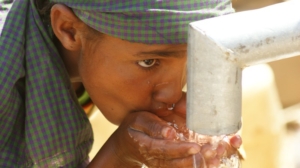
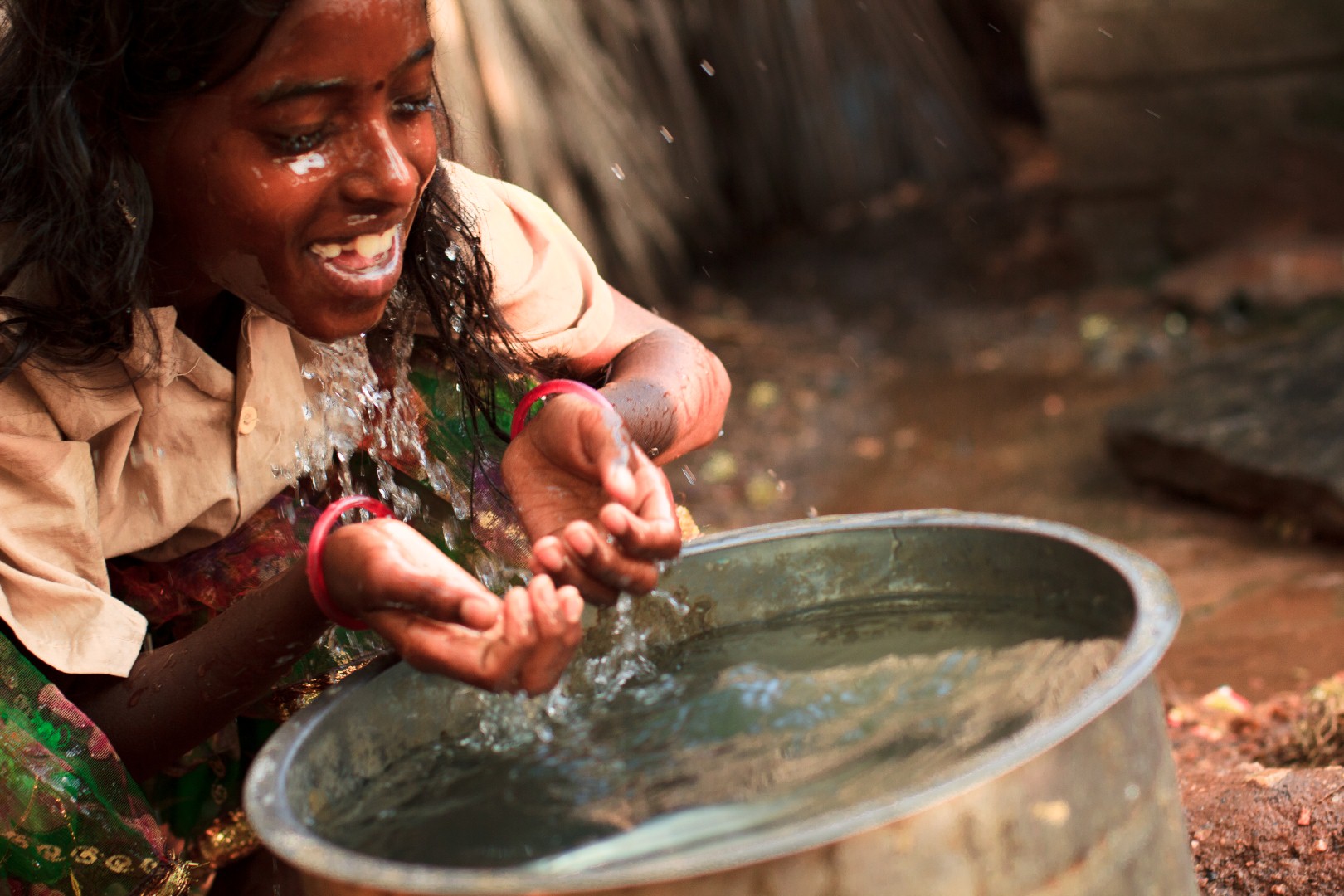
Finding clean water has been a challenge for many Al Maqatirah District residents. An outdated system lacking functionality and the high cost of diesel fuel created a difficult choice: pay for expensive and potentially unsafe local water or travel long distances to buy it from somewhere else.
Thanks to a 2025 project sponsored by the United Nations Development Programme (UNDP) and several partners, 5,827 Yemenis no longer face this dilemma. The old pipelines have been replaced by a solar-powered water system that provides immediate access to reliable drinking water and sets Al Maqatirah toward long-term sustainability. This project is a clear example of the humanitarian potential of solar power in Yemen.
Powering Livelihoods in Al-Ghaydah
Meanwhile, the city of Al-Ghaydah struggled with an entirely different problem. Climate instability, rising fuel prices and energy shortages threatened the Bawazier Ice and Fish Preservation Factory operations. The facility is a critical part of the coastal community, which relies heavily on fresh fish for sustenance and employment. Without a way to preserve their catch, fishermen risked losing their livelihoods and families their dinners.
Recognizing the urgency, the World Bank, UNDP and Yemen’s Small and Micro Enterprises Promotion Service stepped in with a solution. In 2023, they gave the factory a grant, allowing it to transition 25% of its energy to solar power. This reduced reliance on diesel has enhanced efficiency, lowered monthly energy costs by $875 and created new job opportunities. As a result of this successful model of solar power in Yemen, higher-quality fish is now sold at lower prices and a community vulnerable to changing climatic conditions has become more sustainable.
Keeping the Lights on in Hospitals
Ensuring hospitals remain operational is essential, particularly in a country where 21.6 million desperately need humanitarian aid. However, 46% of Yemen’s health care facilities are either partially operational or completely out of service. A driving force behind this number is a long-standing energy crisis, which has significantly inhibited hospitals from giving patients the care they desperately need.
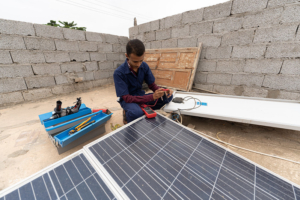
Once again, solar power in Yemen provides a source of hope. Through a partnership between the UNDP and the Kuwait Fund for Arab Economic Development, four hospitals have been provided with renewable energy systems. This project hopes to see Yemeni patients receive high-quality health care by installing solar panels that keep the lights on. Enabling their communities to become cleaner and more environmentally friendly.
A Brighter Future for Yemen
As these examples show, solar power in Yemen has the potential to make a substantial difference in the lives of some of the world’s most impoverished citizens. It could help provide clean drinking water to the 18 million people without access. It could put food on the table for the 17 million suffering from severe malnutrition. Furthermore, it could also curb outbreaks of preventable infectious diseases that fuel the humanitarian crisis. In a country plagued with hardship, renewable energy illuminates a path forward.
– Caroline Clark
Caroline is based in Needham, MA, USA and focuses on Global Health and Politics for The Borgen Project.
Photo: Flickr


 Access to clean water from a tap is a luxury that many people around the world take for granted every day. However, for millions, having easy access to drinking water remains a distant luxury. Making clean water sources available is a critical global priority, driving the creation and adoption of innovative technologies to supply water. This urgency has spurred the adoption of rainwater harvesting in Papua New Guinea, a technique for collecting fresh water that has the potential to transform lives globally. This method not only provides essential water but also represents a sustainable solution to water scarcity challenges.