• Link to X
  • Link to Facebook
  • Link to Instagram
  • Link to TikTok
  • Link to Youtube
  • About
    • About Us
      • President
      • Board of Directors
      • Board of Advisors
      • Financials
      • Our Methodology
      • Success Tracker
      • Contact
  • Act Now
    • 30 Ways to Help
      • Email Congress
      • Call Congress
      • Volunteer
      • Courses & Certificates
      • Be a Donor
    • Internships
      • In-Office Internships
      • Remote Internships
    • Legislation
      • Politics 101
  • The Blog
  • The Podcast
  • Magazine
  • Donate
  • Click to open the search input field Click to open the search input field Search
  • Menu Menu

Archive for category: Children

Information and stories addressing children.

Children, Development, Education, Global Poverty

How TikTok is Educating Millions of Indian Users

TikTok was founded in September 2016 and has since taken the world by storm. Designed for users to easily create and share short videos that are meant to entertain and inspire, the social networking platform has roughly 800 million active users and has been downloaded almost 500 million times in India alone. The founders of TikTok realized the immense influence the app holds within the country and thus launched an educational campaign called EduTok. Through this initiative, TikTok is educating millions of Indian users by providing important resources to India’s youth and encouraging the democratization of India’s digital community.
What Is EduTok?

Users of EduTok include the hashtag #EduTok in any educational, motivational or career-related content in order to spread intellectual information throughout the Indian community. The hashtag has shared over 10 million videos since its genesis in October 2019, receiving more than 48 billion views.

Developing Partnerships with TikTok

Many educational technology companies including Made Easy, Toppr and GradeUp have acknowledged the influence of #EduTok and have collaborated with TikTok to promote their content. These partnerships deliver subject-focused information via entertaining videos, centralizing users’ interests and encouraging them to explore specific career paths.

TikTok also established an #Edutok Mentorship Program with Josh Talks and The/Nudge Foundation, two Indian nonprofit organizations. Josh Talks is an Indian media platform that highlights educational and motivational speakers to encourage India’s youth to form connections and pursue their interests; The/Nudge Foundation focuses on improving poverty, unemployment and education in India. The #EduTok Mentorship Program provides specialized educational content to first-time internet users to improve their transition to the digital world. The program will accomplish this mission by hosting 25 workshops to provide users with hands-on learning experiences from popular #EduTok creators. With just 5,000 users invited to attend each workshop, this experience will be uniquely personalized and participatory, including tailored content like skill development, career planning and identity building. By personalizing content and providing in-depth, hands-on experiences, young Indians have a unique opportunity to advance their knowledge and explore various career fields.

Inspiring A Wide Impact

#EduTok is a multifaceted integrated campaign. Although the campaign has only been launched in India so far, cities in India have interpreted and utilized the campaign differently to create a diverse platform. For instance, users in Bhopal primarily watch motivational videos; users in Armistrar concentrate on language learning; users in Delhi focus on technology hacks. By allowing each community to cater content to its unique needs, the #Edutok campaign provides a sense of adaptability that has enabled its immense success.

#EduTok is not the only rising TikTok initiative. The company recently collaborated with the National Skill Development Corporation (NSDC) to promote the #Skills4All campaign, a program that provides Indian youth with vocational training and skill development opportunities. These two campaigns both work to support education initiatives and encourage creativity with the common goal of boosting India’s economy through its youth.

In the midst of COVID-19 and other global challenges, TikTok is educating millions of Indian users by exploiting its influence to do good. By providing free and entertaining educational resources to billions of Indian youth through #EduTok, the company is ushering in a new-age approach to learning that will help to democratize education. Because of the #EduTok and #Skills4All campaigns, TikTok transformed from a popular social media platform to a service with real social value.

– Ashley Bond
Photo: Pixabay

August 19, 2020
https://borgenproject.org/wp-content/uploads/borgen-project-logo.svg 0 0 Kim Thelwell https://borgenproject.org/wp-content/uploads/borgen-project-logo.svg Kim Thelwell2020-08-19 12:38:112024-06-11 23:17:18How TikTok is Educating Millions of Indian Users
Children, Global Poverty

The ONE Campaign

ONE Campaign
In 2004, Bono and Bobby Shriver co-founded the ONE campaign. It is an international non-partisan campaign that believes the fight against poverty is not about charity but bringing justice and equality. ONE aims to end extreme poverty and preventable diseases by 2030.

What ONE Is

ONE pressures governments, either through grassroots campaigns or lobbying with political leaders, to do more to fight extreme poverty and preventable diseases. The campaign is not government-funded, and is financed entirely by individual philanthropists and corporate partners.

The ONE campaign is made up of several celebrities and world leaders. U2- lead singer Bono and activist Bobby Shriver continue bringing in other leaders to aid in their efforts. The team, which includes former Prime Minister of the United Kingdom David Cameron and U.S. Senator Kelly Ayotte, works worldwide to fight extreme poverty. Volunteers make up the backbone of the ONE campaign. These volunteers mobilize education and advocacy efforts for people facing global poverty. Anyone can be a volunteer; artists, activists, students, leaders and celebs, including Ellen DeGeneres, Brad Pitt, Ryan Gosling, Liam Neeson and Jewel, are all working together to end extreme poverty and preventable disease by 2030.

Who ONE Helps

The ONE campaign aims to end extreme poverty mainly in Africa’s Sub-Saharan region where 51 percent of the world’s poorest live. The campaign fights for several issues including no poverty, zero hunger and gender equality.

To address zero poverty, ONE campaign leaders propose:

  1. Ensuring all students in low-income countries have basic reading skills. This could cut extreme poverty by 12%.
  2. Increasing the amount spent on key health interventions for women and children. The proposed amount is $5 per person per year to 2035 in 74 developing countries. This could yield 9 times the return on investment in economic and social benefits.
  3. Ending hunger. The percentage of undernourished people dropped from 19 percent in 1990 to 11 percent in 2014. The campaign aims to reduce it from 11 to zero percent by the year 2030 through lobbying and campaigning with governments to provide the necessary programs and resources to nations facing extreme poverty. A key element of ending hunger includes closing the gender gap in resource access. Global hunger numbers could be reduced by 100-150 million people if female farmers had equal access to agricultural resources such as fertilizers.
  4. Fostering gender equality. “In general, women spend 19% of their time in unpaid activities (including housework, child and elder care) versus just 8% for men. Unpaid care work limits women and girls’ ability to complete their education, learn valuable skills and pursue income-generating opportunities.” By addressing this issue and closing the gender gap “developing countries could yield between $112 and $152 million every year and boost global GDP by up to $28 trillion by 2025.” (These projections made pre-COVID-19 pandemic). In addition, girls receiving a primary education may decrease maternal mortality by 70% in Sub-Saharan Africa.

How ONE Helps

The ONE campaign took more than 23 million actions towards alleviating global poverty. ONE championed 35 policy changes, with more than 128,000 supporters mobilized in Abuja, Berlin, Brussels, Dakar, Johannesburg, London, New York, Ottawa, Paris and Washington DC educating and lobbying governments.

“In Europe, ONE has been a key part of several victories shoring up support for development. In March 2013, the UK became the first G8 country to reach the 43-year-old 0.7 percent target for international aid as a share of national income, which meets the commitment made by the coalition government after the general election of May 2010.”

Also, the ONE campaign played a large role in lobbying for a provision of the Africa Growth and Opportunities Act (AGOA) to pass. The provision “increases mutually beneficial trade ties between the U.S. and Africa and promises to lift people out of poverty and into employment and prosperity.” It passed the U.S. House and Senate in 2012

Since starting the campaign in 2014, Bono and Bobby Shriver have been working to bring in leaders and volunteers to join them in the fight against poverty. By mobilizing volunteers to educate and lobby governments, the ONE campaign has been able to influence a number of policy changes. These successes continue bringing the ONE campaign closer to its goal of eliminating extreme poverty by 2030.

– Danielle Beatty
Photo: Flickr

August 18, 2020
https://borgenproject.org/wp-content/uploads/borgen-project-logo.svg 0 0 Kim Thelwell https://borgenproject.org/wp-content/uploads/borgen-project-logo.svg Kim Thelwell2020-08-18 12:54:272024-05-29 23:22:02The ONE Campaign
Children, Education, Global Poverty

Tusome: Powering Childhood Learning in Kenya


Kenya, a country in East Africa, has made strides in battling poverty by reforming childhood education. In 2003 Kenya established a free primary school education program meant to ensure that young children receive a basic education. However, the Kenyan school system still has challenges to overcome. Teachers often lack proper training and support, and students often do not have enough school supplies. These obstacles ultimately contribute to low learning outcomes for students. Tusome, which means “let’s read” in Kiswahili, is a national literacy program powering childhood learning in Kenya that attempts to address these education shortfalls.

Origins of The Tusome National Literacy Program

Despite previous efforts to improve childhood learning outcomes by the Kenyan government, assessments from the years 2010-2014 showed no significant change in literacy and 40% of primary grade students could not understand their reading material. Tusome was built on this prior research and “was one of the first experiences of taking a piloted literacy program to national scale through government systems.” Tusome is funded by both the Kenyan government’s Ministry of Education and the USAID organization. The program was implemented in January of 2015 and will run until 2020 with a goal of improving reading for 6.7 million students.

Training and Support of Faculty

Two of Tusome’s key goals are to address the need for faculty training and support in the Kenyan school system. Tusome educates teachers, administrators, coaches, and support staff on the Ministry of Education’s expected learning outcomes. The program also provides Curriculum Support Officers that regularly visit schools to coach and monitor teachers in learning outcomes, though these are not professionals trained in general classroom instruction. Youth associations are also working to help to tutor children and develop a reading culture in their area.

School Supplies and Integration of Technology

One of the Tusome program’s notable achievements is that is has provided 26 million textbooks and supplementary materials for primary school students, ensuring that each student has a textbook of their own. Tusome also offers its students tablets with digitized learning materials, which can also provide feedback and progress monitoring for teachers. The performance of each student is uploaded to a cloud-based network system which is meant to promote greater responsibility within the school system.

Conclusion

Tusome has been able to improve teacher support, training and availability of school materials in Kenyan primary schools. This is, in part, due to the integration of technology in the form of digital materials, tablets and cloud-based technology. Learning outcomes have been promising, even in the early pilot phase. In 1,384 schools, children who reached the Tusome standard for an understanding of the English language increased from 8.6% to 43.7%. Overall, Tusome is considered a successful example of large-scale governmental implementation of a national program that can power childhood learning in Kenya, and serve as a model to education systems around the world.


– Joseph Maria
Photo: Flickr

August 14, 2020
https://borgenproject.org/wp-content/uploads/borgen-project-logo.svg 0 0 Lynsey Alexander https://borgenproject.org/wp-content/uploads/borgen-project-logo.svg Lynsey Alexander2020-08-14 13:30:452024-05-29 23:18:38Tusome: Powering Childhood Learning in Kenya
Children, Food Security, Hunger

5 Ways to Fight Hunger in Nicaragua

Nicaragua, although having made tremendous progress in recent years, is still one of the poorest and least developed countries in Latin America. According to the World Bank, 24.9% of Nicaraguans lived in poverty as of 2016. Of those people, 200,000 lived in extreme poverty making less than $1.90 a day. As a result of poverty and harsh climate conditions, hunger in Nicaragua is a prominent issue. Even though approximately 70% of the population works in agriculture, 300,000 people still require food aid. Located in what’s known as the Dry Corridor, Nicaragua faces erratic weather patterns prone to climate shocks that are consistent threats to stable food production. However, in spite of the unfavorable conditions, many organizations and programs are on the ground working to fight hunger in Nicaragua.
5 Initiatives to Fight Hunger in Nicaragua

  1. The World Food Program (WFP) offers various programs and services to alleviate hunger in Nicaragua. Since 1971, WFP has implemented strategies to improve food security. By supporting the National School Meal Program, the organization helped provide meals to more than 182,000 schoolchildren in April of 2020. Following a five-year plan that spans from 2019 to 2023, WFP aims to find long-term solutions to hunger in Nicaragua. Along with direct food assistance, WFP promotes creating efficient and sustainable agricultural practices by providing technical assistance in implementing weather-resilient farming methods, improving degraded ecosystems and developing technology for accurate climate information.
  2. The organization Food for the Hungry believes that chickens can be a catalyst for solving hunger. Food for the Hungry stated that chickens rank close to the top of its annual gift catalog because of their uses in decreasing hunger. The nonprofit sponsored a program in El Porvenir, Nicaragua called “Happy Chicks”. This initiative taught the locals skills related to running a poultry farm, which is a creative and sustainable way to provide daily meals to the community and, especially, children. These skills help communities learn to operate self-sufficiently.
  3. Indigenous women have a history of banding together to develop more sustainable agricultural practices. Slow Food is an organization that values the protection of food culture and understands the importance of responsible food production. The organization partnered with communities of indigenous women in Nicaragua to encourage cooperation in improving the quality of agricultural systems. Women in the organization shared ideas about planting and harvesting crops, while also promoting economic autonomy through marketing and commercializing excess products.
  4. The Caribbean Coast Food Security Project (PAIPSAN) is collaborating with communities on the Caribbean coast of Nicaragua to fight hunger. The organization provides assistance to those who would normally not have access to adequate technology or resources to engage in sustainable agricultural practices. PAIPSAN encourages farmers to utilize climate-resistant seeds and organic fertilizers, while also promoting innovative and environmentally friendly pest and disease control practices. The program also provides educational services to increase awareness of improving nutrition.
  5. Food assistance programs are a popular way of directly fighting hunger in Nicaragua. Food assistance programs generally provide a stable source of food for those in need. Hope Road Nicaragua works alongside other organizations, such as the Orphan Network and Rise Against Hunger, to provide 3,000 children with meals that include vitamin-dense rice and soy packs, beans, vegetables, chicken and tortillas.  The Rainbow Network is another food assistance program. It has set up 489 feeding centers, reaching approximately 13,581 people. The Rainbow Network also works with The American Nicaraguan Foundation to train community members on how to cook and operate the feeding centers. The American Nicaraguan Foundation itself is an organization that has provided more than 297.3 million meals to Nicaragua’s most vulnerable in the past 25 years. Along with its network of more than 700 partners, the foundation coordinates a variety of programs and allocates resources dedicated to poverty relief.

Nicaragua has made progress in recent years. However, vulnerable groups still need assistance with fighting hunger, a direct result of poverty in the country. In order to address this, many organizations are working to foster the idea of food sovereignty and fight hunger in Nicaragua. 

–Melanie McCrackin
Photo: Flickr

August 14, 2020
https://borgenproject.org/wp-content/uploads/borgen-project-logo.svg 0 0 Jennifer Philipp https://borgenproject.org/wp-content/uploads/borgen-project-logo.svg Jennifer Philipp2020-08-14 12:51:052024-05-29 23:18:535 Ways to Fight Hunger in Nicaragua
Activism, Children, Global Poverty

From Poverty to Pirouettes: Ballet and Poverty

Ballet and Poverty
For many, living above the poverty line is not an option. Those brought up in impoverished communities face the difficulty of earning enough money to carry themselves out of poverty. While common solutions include education and improved healthcare, some families encourage their children to pursue an activity far from these: ballet. To the layman, ballet and poverty seem to have little correlation. However, in both Peru and the slums of New York, ballet has been able to help multiple people emerge from poverty.

Like many other art forms, dance is a method of expressing oneself and one’s struggles. Those living in poverty may not have monetary wealth, but they have a wealth of experiences, in some cases aiding to a successful dance journey.

Pliés and Peru

Finding a dancer with pointed shoes and leotards is a rare occurrence in Peru. However, Maria del Carmen Silva believes that poverty should not inhibit one’s ballet education. Silva preaches that her mission is not to teach the students how to plié but to expose them to a life outside of their poor neighborhood.

Few of her students have ventured outside their town solely because of financial issues. Seven million Peruvians live on under $105 a month. Although the country is economically stable, it has one of South America’s lowest rates of education, in turn enforcing the stereotype that ballet is for the rich.

The 52-year-old teacher takes her students to Lima, the wealthiest city in Peru, for them to build alliances between the privileged and those less than. Her program has inspired girls to dance and believe in the possibility of venturing outside of their comfort zone, both mentally and physically.

While ballet may solely seem to be an outlet of expression, Silva believes that the discipline and detail necessary in ballet will teach her students vital life lessons. For many of her students, hardships were handed to them at birth. However, they describe how ballet has helped relieve stress and has provided an outlet to temporarily forget about these hardships. Silva has taught her students that ballet and poverty are not only connected but also that ballet paves a path to overcome their economic status.

The Swan Dreams Project

Although New York is a wealthy state, many communities exist well below the poverty line. Youths who grow up in the slums are unable to afford proper education as well as partake in expensive extracurricular activities, namely ballet. In 2011, former School of American Ballet dancer Aesha Ash established The Swan Dreams Project. The project promotes ballet for underprivileged children to alter the misconceptions surrounding these communities.

Growing up in these impoverished communities, Aesha recalls that there was a lack of black female role models. To alter this perspective around ballet and women of color, Aesha photographs herself in these communities, providing a success story for poor children. The retired dancer states that she aims to change the stereotype surrounding African-American women and provide an outlet of beauty and expression for any race.

The Swan Dreams Project also shows children that ballet is for people of all socioeconomic backgrounds. By exposing these underprivileged communities to the art form, The Swan Dreams Project promotes greater involvement of impoverished children in the art form. In doing so, the project has donated millions of dollars to these communities. Although ballet is a stereotypically expensive activity, many dancers aim to lower the costs in impoverished communities. They bring more diversity to the art form as a result.

While ballet and poverty seem unrelated, in impoverished communities, dance provides a way to cope with one’s challenges. Despite being considered an art for the privileged, many professionals aim to teach those in underprivileged communities. In the Philippines, Ballet Manila runs a program (Project Ballet Futures) that provides free ballet training to children in impoverished neighborhoods. Similarly, ballet studios in rural communities throughout South America inspire the poor to express their stories. Around the world, ballet has contributed to impoverished societies and continues to pave the path for underprivileged children to rise above the poverty line.

– Aditi Prasad
Photo: Flickr

August 13, 2020
https://borgenproject.org/wp-content/uploads/borgen-project-logo.svg 0 0 Kim Thelwell https://borgenproject.org/wp-content/uploads/borgen-project-logo.svg Kim Thelwell2020-08-13 10:00:012020-08-13 07:57:06From Poverty to Pirouettes: Ballet and Poverty
Children, Developing Countries, Global Poverty

Preventing Hearing Loss in Developing Countries

Hearing Loss in Developing CountriesAs of 2018, an estimated 466 million people around the globe suffer from hearing loss. Access to technology and medical care to aid those with hearing loss is rather limited in developing nations. Language barriers, stemming from a lack of sign language interpreters, prevent communication between patients and doctors. By identifying the signs of hearing loss earlier, individuals may have opportunities to receive medical help and progress in their communities. Addressing hearing loss in developing countries through public health measures and advocacy will aid the economy and overall well-being of developing countries.

Causes of Hearing Loss in Developing Countries

The two primary kinds of hearing loss in developing countries are congenital and acquired. Congenital causes can come from a family history of hearing loss, prenatal factors or complications during childbirth. Severe infection during pregnancy often passes onto the baby. Low birth weight, a lack of oxygen during birth, premature birth or preeclampsia are all contributors to hearing loss in newborns.

Acquired causes of hearing loss happen at birth, during childhood or from aging. Old age or exposure to loud noises during one’s lifetime can destroy sensory cells in the ear. Trauma from an accident or even severe, recurring ear infections can also lead to deafness in one or both ears. For example, chronic ear infections in South-East Asia, the Pacific Islands and Africa affect up to 46% of their populations. In a study in Brazil involving 70 subjects, the Zika virus caused hearing loss for 7% of the children between 0-10 months.

Effects on Children

Unlike further developed countries, mothers and families are unable to screen their newborns during and after pregnancy. Approximately 34 million children have disabling hearing loss, and the majority of these children suffer socially and emotionally. Without the ability to communicate effectively, these children end up isolated within their homes. They can not receive an education, so in their adult life, they remain illiterate. A lack of education means higher unemployment rates throughout the country.

Some forms of prevention against disease may also put newborns at risk of developing deafness. Around 660,000 out of 219 million people die each year from malaria. Chemoprophylaxis is one of several forms of medication to prevent contracting the illness. Malaria can lead to low birth rate and deafness, but so can antimalaria medication such as Chemoprophylaxis. Other medicines used for infections during pregnancy or tuberculosis can similarly result in deafness for newborn children.

Organizations and Advocacy

Children must be immunized against severe diseases to aid hearing loss in developing countries. Mothers must be encouraged to take medications needed during their pregnancies properly, and earlier screenings on newborns need to be readily available. World Wide Hearing provides affordable hearing aids to countries lacking hearing clinics. With less than 10% of hearing aid distribution worldwide, World Wide Hearing ensures the deaf’s social inclusivity.

Partners for a Greater Voice built a school for the deaf in the Dominican Republic and also provides hearing aids to those with lower incomes. The trained teachers prioritize oral education and thus communicate effectively with students. Grand Challenges Canada pairs with Hearing Access World to distribute hearing loss diagnostic kits, and provide affordable screenings coupled with hearing aids. Along with donations and massive investments, projects involving Audio Techs also refer some patients to doctors that will cater to severe needs.

By preventing disease and providing needed resources, these organizations can limit the detriment of hearing loss in developing countries. Starting with the youth will benefit the economy as more children go to school and have jobs readily available. Age-related hearing loss must be managed through implementing active communication catered towards the deaf. Young or old, the deaf community will attain a better quality of life and socioeconomic confidence with accessible programs.

– Sydney Stokes
Photo: Wikimedia Commons

August 12, 2020
https://borgenproject.org/wp-content/uploads/borgen-project-logo.svg 0 0 Jennifer Philipp https://borgenproject.org/wp-content/uploads/borgen-project-logo.svg Jennifer Philipp2020-08-12 01:30:092024-05-29 23:18:34Preventing Hearing Loss in Developing Countries
Child Poverty, Global Poverty, Homelessness

Homeless Children in Uganda

Homeless Children in UgandaThe population of children in Uganda is one of the largest in the world. Out of 37 million people, 56% of Ugandans are under 18 and more than 52% are under 15. Unfortunately, a recent report by the Human Rights Watch revealed that the majority of the children in Uganda lack human rights. Advocacy groups, including the Human Rights Watch, find Ugandan children are facing homelessness and violence.
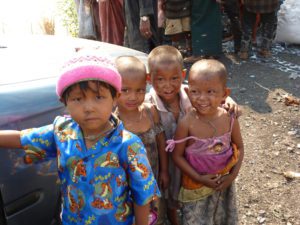
As of 2019, there were an estimated 15,000 orphaned and homeless children aged between 7 and 17 in Kampala, the capital of Uganda. Homelessness in Uganda is largely caused by the conflict in northern Uganda from 1987 to 2006. Other factors, such as domestic abuse and neglect are also responsible for the high numbers of homeless children in Uganda.

Mistreatment

Some Ugandans help the street children; they provide places to sleep and take care of the sick. Unfortunately, others harm homeless children because of the widespread belief that all street children are thieves. Homeless children are commonly verbally abused, kicked, slapped and spat on; however, the violence does not end there.

Interviews with street children reveal that the police are highly abusive. The police beat the children who resist arrest and extortion attempts. Tear gassing, threatening, beating with batons are just a few examples of the violent behaviors of the police.

Interviews

In December of 2013, Human Rights Watch conducted interviews of homeless and previously homeless children in Uganda.

“[The policemen] take money from us. If you do not have money they beat you so much…. Last week on Saturday, the police came in the night and beat me when I was sleeping with three other children. The policeman beat me on the thighs with a rubber whip. He then hit my knees with a baton. He beat me until I gave him 1,000 shillings ($0.40) and left me.”

—Roger P., 13-year-old, living two years on the streets in Lira

“Government should look for a better solution for street children instead of beating and arresting us. The more you beat us the more we get hardened with life and it does not solve the problem. They want us to go back home but some of us do not even have homes. Others do not know where our parents are. So when they beat us to go home, where do you want us to go?”

— Sam L., 15-year-old, lived four years on the streets in Masaka

Progress

Fortunately, there have been many efforts to decrease homelessness in Uganda. This includes a national program that targets orphans and vulnerable children. Motivated individuals and non-governmental groups are also working to end homelessness in Uganda. For example, Child Restoration Outreach (C.R.O.) focuses on bringing street children into families and helping them become self-reliant citizens. C.R.O. provides children food, medical care, clothes, education and counseling. Additionally, C.R.O. works to reconnect homeless children with their family members. In 2019, C.R.O. sponsored 28 students’ schooling and bought ten children laptops.

Street Resource is another organization dedicated to helping homeless Ugandans. Street Resource has been providing shelter for homeless Ugandans since 2017. Merry Ntungyire, the founder of Street Resource, used her own savings to recruit members to the organization. Today, Street Resource provides shelter for 17 people. 17 isn’t a big number, and the shelter only provides a small room with basic amenities; however, the work of Ntungyire and others like her is highly valued by many. Hopefully, more groups like Street Resource and the Child Restoration Outreach will join the fight against homelessness in Uganda.

– Alison Choi
Photo: Unsplash

August 6, 2020
https://borgenproject.org/wp-content/uploads/borgen-project-logo.svg 0 0 Jennifer Philipp https://borgenproject.org/wp-content/uploads/borgen-project-logo.svg Jennifer Philipp2020-08-06 13:58:512020-08-07 04:35:27Homeless Children in Uganda
Child Labor, Children, Education, Global Poverty

Children of the Dump and Education

Many people in poverty find ways to create income for themselves and their families. Some choose to work in a factory or sell fruit at the local market. For others, having income comes from sifting through garbage dumps to find sellable materials. There are some very large garbage dumps located in Sub-saharan Africa, South Asia, the Middle East and North Africa. Due to waste distribution throughout a dump site, many people can sift through to find sellable items. These items can range from everyday plastic waste to copper byproducts. This type of work can be dangerous due to injury from objects in the dump or burning things that create toxic fumes. For this reason, charities such as Children of the Dump create opportunities for children in these situations to receive an education.

Payatas Dump

Looking more specifically at Manila, the city has a garbage dump that’s named Payatas Dump. The garbage dump allows people in poverty to sift through it to find items to sell. People collect the items, wash them if needed and then sell them for a minimal amount. Some people don’t just work in the dump, but also live near it since transportation can be expensive. The shelters created near the dumps are made from surrounding garbage and house several people in a confined space. In 2017, the Payatas Dump was closed, and many people lost their livelihoods. Some asked garbage truck drivers to dump garbage into the streets to scavenge enough for a small meal. This type of work doesn’t just appeal to adults; many children work in the dump to earn money for their families. As a result, many children of the dump are unable to have an education and some will sift through garbage their entire lives.

Children of the Dump

Children of the Dump is an organization created to aid children and their families who sift through garbage for money. The organization is partnered with another charity located in the Philippines and relies heavily on donations. Due to the lack of opportunities for these families, Children of the Dump provides three different programs:

  1. “Cashew Early Years” – Donations to this program go toward providing a free meal and half a day’s worth of education for 100 kids aged four to six.
  2. “Grapevine Outreach” – Donations to this program are given to families so children can attend local schools. This type of program gives children the opportunity to have an education rather than working in the dump.
  3. “Mango Tree House” – This program provides a place where displaced children can live and go to school to grow up in a nurturing and educational environment.

There are several success stories of children who were a part of Children of the Dump’s program. Two students, Danny and Jamaica, participated in the programs at very young ages. The two went on to become college graduates and are working full time.

Sifting through garbage dumps can be a way for people in poverty to earn income. However, it can prevent children in the dumps from having time to get an education because they are looking through garbage to earn money for their families. Children of the Dump works to ensure kids have access to education, helping students like Danny and Jamacia work toward future economic success.

– Brooke Young
Photo: Flickr

August 6, 2020
https://borgenproject.org/wp-content/uploads/borgen-project-logo.svg 0 0 Lynsey Alexander https://borgenproject.org/wp-content/uploads/borgen-project-logo.svg Lynsey Alexander2020-08-06 13:13:102020-08-07 04:59:21Children of the Dump and Education
Children, Global Poverty

Childcare Reforms in Chile: What’s Being Done


Chile has made major strides in reducing national poverty, with 62% of the population holding a secure job. Social and educational policies have increased the number of mothers at work, with fewer people to take care of children. The need for childcare and afterschool programs in Chile has become a key focus for decreasing poverty rates in female-headed households. The government and nonprofit programs have stepped in to make crucial childcare reforms in Chile.

Poverty Trap For Female-Headed Households

Of the 49% of Chileans who were unemployed in 2011, a disproportionate amount were women. Female-headed households make up 51% of households below the poverty line. The tremendous obligation of Chilean women to raise their children is a full-time job. Many mothers are unable to seek employment because of a lack of childcare resources and services, increasing the rates of poverty in female-headed households

Chilean Education Reforms

In 2013, the Chilean government passed a law making kindergarten nationally accessible to all children. Previously parents had to pay to enroll their students in school at six years old. The law helped alleviate stress from many mothers and increased employment rates.

In efforts to equitize and optimize access for Chilean children to quality education, the government passed the Inclusion Law in 2015, making any for-profit ambition and action from government-funded schools illegal. The law had positive effects; a study conducted in 2017 showed that 85% of students in Chile were accepted to “one of their preferred schools.”

After the enactment of these two laws, public schools became an accessible form of childcare for struggling mothers. This allowed them time to seek employment. Parents can now send their children to their desired schools affordably and close to home.

Chile Grows With You Program

The youth support and care program Chile Grows With You was enacted in 2009 during the first female presidency of Michelle Bachelet. Chile Grows with You provides intersectional childcare, nutrition, health and hygiene services to help nurture Chilean children’s psychological development. The childcare programs and outlets fit various social and developmental needs of students.

Bachelet’s push for reform of past childcare services and policies is the reason why all Chilean children from ages zero to six are entitled to childcare and healthcare services, regardless of socioeconomic status or disability. Although the program is open to all, it specifically seeks to help families in the lowest socioeconomic bracket of Chile. This gives struggling, low-income families access to childcare, education and healthcare systems.

Chile Grows With You Childcare Reforms

Chile Grows With You guarantees free access to nursery school for children two to six years old and provides additional childcare hours as needed to full-time mothers and caregivers.

For children too young for nursery school (under two years old), the program provides free access to daycare centers for mothers or caregivers lacking the financial means to leave work to care for their infant.

Chilean children with disabilities are also protected under the program. President Bachelet increased access to healthcare and childcare services for children who show signs of mental and physical disabilities in their early youth.

A New Life For Chilean Mothers and Children

Since the implementation of Chile Grows With You, over 60% of families of the lowest socioeconomic status have been able to gain access to free childcare programs and services, directly impacting female-headed households by giving women more time to attain education and employment.

While poverty in Chile remains an issue, particularly in female-headed households, the government and Chile Grows With You are working to make a positive change. Chilean mothers raising young children have been able to take small steps, turning over major strides through Chile Grows With You; pulling themselves and their children out of poverty. Government-provided childcare programs and services are not only helpful for struggling parents — they are an inspiration for impoverished Chilean children.

– Nicolettea Daskaloudi
Photo: Flickr

August 4, 2020
https://borgenproject.org/wp-content/uploads/borgen-project-logo.svg 0 0 Kim Thelwell https://borgenproject.org/wp-content/uploads/borgen-project-logo.svg Kim Thelwell2020-08-04 13:30:372020-07-31 17:23:25Childcare Reforms in Chile: What’s Being Done
Children, Global Poverty, Homelessness

Homelessness in Vietnam

homelessness in vietnamWhile the nation of Vietnam has long struggled with poverty, homelessness in Vietnam has been successfully reduced by the government during a period of five years ranging from 2003 to 2008. These efforts have reduced the number of street children by 62%. This accomplishment is partly due to the fact that Vietnam has been aggressively fighting poverty for years. Every year since 2012, the percentage of people who live in poverty has lowered by a range of 4.6% to 6.9%. This effectively cut the percentage of people living in extreme poverty since 2012 in half. This is due largely to the fact that Vietnam has been experiencing massive economic growth in the last decade. In addition, it has been shifting to a market-based economy with a socialistic orientation.

Millions Have Been Lifted Out of Poverty

The country has experienced significant improvement with regards to government openness and transparency, as well as education and human development. Inward investments and focusing on increasing exports have been one of the drivers of this prosperity as well as a focus on reducing poverty in the country. Overall, 30 million people have been lifted out of poverty since 1992. According to a report by the IMF, the government has been investing in housing, education and infrastructure for its vulnerable population, especially ethnic minorities and those who live in remote areas. All of this has contributed to the small percentages of homelessness in Vietnam.

There Are Still Some Challenges

While the numbers are improving for Vietnamese-born homeless children, the population of migrant children is on the rise. It is estimated, in 2006, that the number of these children was around 23,000. Migrant children, according to some reports, are coming from rural areas in Vietnam. They represent a new social phenomenon in Vietnamese society. Many of these children are homeless and their parents use them to generate income. Many of them don’t have identification or any personal papers and are very vulnerable to labor exploitation by those who employ them. Those children cannot attend university or go to the hospital. Sadly, homelessness in Vietnam often exposes them to other risks such as sexual abuse and even certain diseases.

Thankfully, there are those who are working on solutions to tackle homelessness in Vietnam. They are specifically tackling the problem of street children. Do Duy Vi, the Chief Outreach Officer of Blue Dragon Children Foundation, himself used to be a child of the streets. Today he works as a social worker trying to get children off the streets by guiding them to walk the same path he did. He offers them a similar opportunity that he was offered. He helps street children become outreach workers for the Australian funded foundation. During the period of July 1, 2017 to June 30, 2018, the foundation rescued 116 children off the streets and connected 62 of them with their families. It also represented 52 children in child protection cases and provided 107 human trafficking survivors with emergency accommodations. Part of the organization’s job also includes working with government authorities. As such, they helped the 694 government officials become more skilled in countering violations of child rights and trafficking. These are just some of the signs of hope for the destitute in this country.

More Needs To Be Done

It has been reported that 400 organizations and NGOs are helping 15,000 children living in extremely difficult situations. More needs to be done in terms of spreading awareness about the problem and explaining child protection laws that protect youngsters in Vietnam from being exploited for profit.

– Mustafa Ali
Photo: Flickr

August 3, 2020
https://borgenproject.org/wp-content/uploads/borgen-project-logo.svg 0 0 Kim Thelwell https://borgenproject.org/wp-content/uploads/borgen-project-logo.svg Kim Thelwell2020-08-03 01:30:542024-05-29 23:18:54Homelessness in Vietnam
Page 68 of 137«‹6667686970›»

Get Smarter

  • Global Poverty 101
  • Global Poverty… The Good News
  • Global Poverty & U.S. Jobs
  • Global Poverty and National Security
  • Innovative Solutions to Poverty
  • Global Poverty & Aid FAQ’s
Search Search

Take Action

  • Call Congress
  • Email Congress
  • Donate
  • 30 Ways to Help
  • Volunteer Ops
  • Internships
  • Courses & Certificates
  • The Podcast
Borgen Project

“The Borgen Project is an incredible nonprofit organization that is addressing poverty and hunger and working towards ending them.”

-The Huffington Post

Inside The Borgen Project

  • Contact
  • About
  • Financials
  • President
  • Board of Directors
  • Board of Advisors

International Links

  • UK Email Parliament
  • UK Donate
  • Canada Email Parliament

Get Smarter

  • Global Poverty 101
  • Global Poverty… The Good News
  • Global Poverty & U.S. Jobs
  • Global Poverty and National Security
  • Innovative Solutions to Poverty
  • Global Poverty & Aid FAQ’s

Ways to Help

  • Call Congress
  • Email Congress
  • Donate
  • 30 Ways to Help
  • Volunteer Ops
  • Internships
  • Courses & Certificates
  • The Podcast
Scroll to top Scroll to top Scroll to top