• Link to X
  • Link to Facebook
  • Link to Instagram
  • Link to TikTok
  • Link to Youtube
  • About
    • About Us
      • President
      • Board of Directors
      • Board of Advisors
      • Financials
      • Our Methodology
      • Success Tracker
      • Contact
  • Act Now
    • 30 Ways to Help
      • Email Congress
      • Call Congress
      • Volunteer
      • Courses & Certificates
      • Be a Donor
    • Internships
      • In-Office Internships
      • Remote Internships
    • Legislation
      • Politics 101
  • The Blog
  • The Podcast
  • Magazine
  • Donate
  • Click to open the search input field Click to open the search input field Search
  • Menu Menu

Archive for category: Children

Information and stories addressing children.

Aid, Child Poverty, Children, Global Poverty

5 Facts About Child Poverty in Japan

Child Poverty in Japan
Many know Japan for its technological expertise, deep cultural roots and strong economic vitality. Despite this, Japan has a side that the globe does not always see: child poverty. The impoverished children of Japan lack proper access to proper nutrition, medical aid and educational resources. They are also unlikely to obtain well-paying jobs when they grow up. As a result, the cycle of poverty continues. Here are five important facts about child poverty in Japan.

5 Facts About Child Poverty in Japan

  1. Child poverty in Japan has been an issue for decades. Rates of child poverty have been rising continuously since the 1980s. In 1985, the percentage stood at 10.9%. By 2015, this number had risen to 13.9%, meaning that approximately one in seven Japanese children was living in poverty. Among single-parent households, this average shot up to 50.8%. These numbers are above the Organization of Economic Cooperation and Development’s (OECD) average rates.
  2. The Japanese government did not address the issue of child poverty until 2009. This was not out of a lack of concern but because of a lack of visibility. The rates of poverty did not manifest the same issues commonly found among communities that struggle with impoverished youths. There was no noticeable increase in adolescent crime or similar behaviors. It is for this reason that child poverty in Japan has also been labeled as “invisible poverty.”
  3. Child poverty in Japan has been consistently hard to measure. Many officials have reported that they could not identify what modern child poverty looks like. Thus, the government commissioned the Tokyo Metropolitan University’s Research Center for Child and Adolescent Poverty to create an academic report for officials to reference. The report details what kinds of support Japan needs to receive and how the government could more adequately distribute the aid to those who need it.
  4. In 2015, the Japanese government designed and backed the National Movement to Support Children’s Futures. This movement worked to join together various companies and nonprofit organizations in order to fund the distribution of the proper supplies, resources and information needed.
  5. Katariba, a nonprofit organization, operates several facilities to take care of and nurture families living in poverty. Tokyo’s Adachi Ward Office helps to finance the organization, aiding the creation of multiple poverty relief initiatives born from the OECD’s reports. Katariba works to ensure that the children in their care not only have access to educational resources but also to cultural experiences and adults that can serve as guides and role models. The organization believes that it takes more than bodily resources to help children flourish; children deserve to experience the world around them.

Not knowing that there is an issue does not mean that the issue does not exist. Nonprofits and local companies are not the only ones who need to care about the children, but the government needs to care as well. Japan is doing what it can to make up for lost time and to prevent more people from losing their childhoods. Moving forward, a continued focus on child poverty in Japan is necessary.

– Nicolette Schneiderman
Photo: Flickr

September 9, 2020
https://borgenproject.org/wp-content/uploads/borgen-project-logo.svg 0 0 Kim Thelwell https://borgenproject.org/wp-content/uploads/borgen-project-logo.svg Kim Thelwell2020-09-09 18:36:412024-06-04 01:17:575 Facts About Child Poverty in Japan
Child Marriage, Children, Global Poverty

Photography Fights Child Marriage

Photography Fights Child MarriageTwelve million girls a year—or 23 girls every minute—are married before their 18th birthday. The most common factors that contribute to child marriage are poverty, lack of education and gender norms. Around the world, 21% of young women were married as minors. The prevalence of child marriage is even higher in sub-Saharan Africa, at 37% of young women. Various art forms, including photography and music, have been used to advocate for the eradication of this harmful practice. Photography fights child marriage by raising awareness for this pressing issue and empowering women to take action.

Costs of Child Marriage

When young women and girls are forced to marry, they are less likely to attend school. They are separated from their family and friends, and they are also more likely to experience life-threatening complications during pregnancy and childbirth, suffer domestic violence and contract HIV/AIDS. Furthermore, child marriage traps these girls in a cycle of poverty, in which they and their children are less able to access opportunities for education and economic empowerment.

Photography Fights Child Marriage and Empowers Girls

Too Young to Wed, a nonprofit founded in 2012 by photojournalist Stephanie Sinclair, uses photography to raise awareness of the prevalence of child marriage. This organization creates media campaigns focusing on child marriage and uses compelling photojournalism to show that the practice is a violation of human rights. The photographs have been seen by billions, and one media campaign that focused on child marriage in Nepal reached more than 9.7 million people. The photographs, alongside firsthand accounts from girls at risk of or impacted by child marriage, “inspire the global advocacy and policy-making communicates to act,” according to Sinclair.

In addition to organizing photo workshops, this organization provides leadership scholarships, vocational training and other support. The Leadership Scholarship program is especially crucial because education is vital to preventing child marriages. In the last eight years, Too Young to Wed has directly helped 600 girls, and much more indirectly, in its fight against child marriage. Sinclair told Global Citizen, “[Girls] can do all kinds of things that they can bring back to their community and then also bring them out of a level of poverty where the most extreme forms of child marriage are definitely happening.” When young women are educated, their children are more likely to be educated as well, which helps take the family out of the cycle of poverty.  Overall, Too Young to Wed uses visual evidence and storytelling to highlight the harmful impacts of child marriage, empower girls and inspire change.

Tehani Photo Workshop

Since 2016, Too Young to Wed has provided a week-long photography workshop that also functions as an immersive art therapy retreat called the Tehani Photo Workshop. Partnered with the Samburu Girls Foundation, Too Young to Wed held the first workshop in Kenya, where about 1 in 4 girls are married before the age of 18. During this workshop, 10 girls who had escaped their marriages learned how to shoot portraits, and they were able to form friendships and reclaim their narratives. To conclude the workshop, the girls presented their photographs and told their stories to more than 100 members of their community.  According to Sinclair, the workshops aim to “help [the girls] better realize their self-worth and the value of their voice.”

Music as a Tool in the Fight Against Child Marriage

In Benin, where more than 25% of girls are married before they are 18 years old, artists collaborated in 2017 to release a song and music video that highlighted this issue. UNICEF’s Goodwill Ambassadors Angélique Kidjo and Zeynab Abib, along with seven other artists, composed the song as part of the national Zero Tolerance Campaign against child marriage. The song is titled “Say No to Child Marriage” and includes multiple languages so its message resonates with people within Benin and in neighboring countries. “Child marriage is a negation of children’s right to grow up free,” said Kidjo. “Every child has the right to a childhood.”

In 2019, the United Nations Children’s Fund worked with music producer Moon Boots and vocalist Black Gatsby to produce a music video to speak out against child marriage in Niger, where 76% of girls are married before the age of 18. Also, according to UNICEF, Niger has the world’s highest rate of child marriage. The song, titled “Power,” promotes education as a positive alternative that can empower girls and reduce poverty in their communities. According to a Félicité Tchibindat, a UNICEF representative in Niger, it also fights against the practice of child marriage by raising awareness that “ending child marriage is possible,” even though it is a long-held social norm.

Conclusion

Although the rates of child marriage are gradually declining worldwide, it is estimated that 120 million more girls under the age of 18 will be married by 2030 if current trends continue. The coronavirus pandemic has also put up to 13 million more girls at risk of child marriage because of rising poverty rates, school closures and hindered access to reproductive health services and resources.

Twenty-five million child marriages have been prevented in the last ten years, and UNICEF attributes the decline of the practice in part to “strong public messaging around the illegality of child marriage and the harm it causes.” While photography fights child marriage, further far-reaching and powerful art initiatives, along with the work of national governments and international organizations, can continue to raise awareness, empower girls and reduce the prevalence of this practice around the world.

– Rachel Powell
Photo: Flickr

September 9, 2020
https://borgenproject.org/wp-content/uploads/borgen-project-logo.svg 0 0 Kim Thelwell https://borgenproject.org/wp-content/uploads/borgen-project-logo.svg Kim Thelwell2020-09-09 12:37:002024-12-13 18:02:10Photography Fights Child Marriage
Child Poverty, Children, Global Poverty, Hunger, Women and Children

Japanese Children in Poverty

Japanese Children in PovertyThe children of Japan face a unique and difficult kind of poverty. Around 3.5 million children age six through 17 live below the poverty line in one of Asia’s wealthiest countries. Struggles arising from the 2008 financial crisis and rising inequality have put many parents in precarious situations where they struggle to feed their families. Only around 200,000 of the 3.5 million Japanese children in poverty receive necessary government assistance to help them get by. These issues have created a pressing issue in Japan that demands a greater government response and more opportunities for mothers.
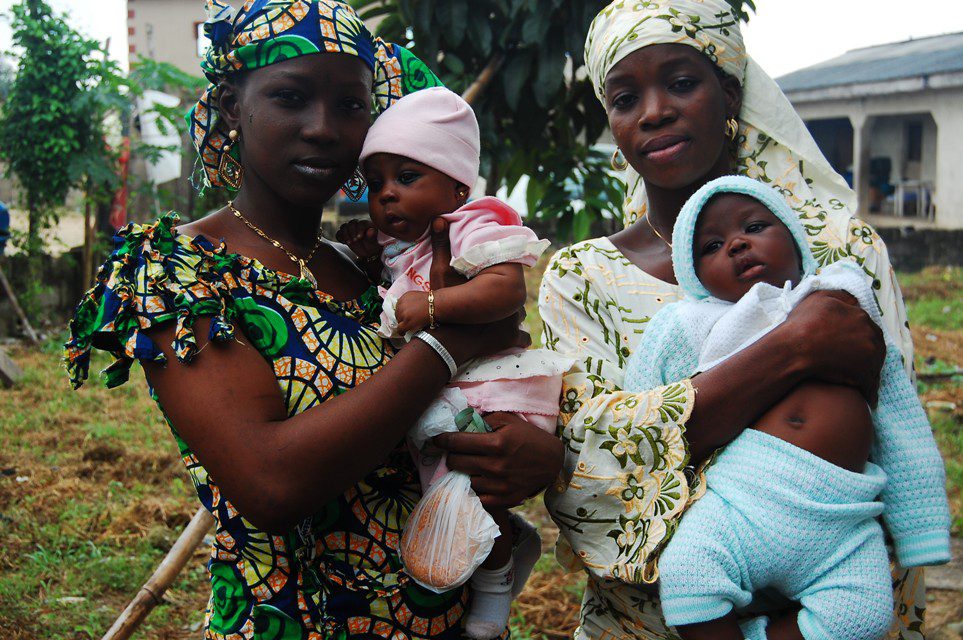
Children’s Cafeterias

Japanese kids can get free or reduced-cost warm meals at children’s cafeterias. The cafeterias have become increasingly popular as childhood poverty continues to drastically increase in the country. While there were originally around 21 operating cafeterias in 2013, over 300 opened in the following four years.

Unfortunately, due to the COVID-19 outbreak, many of these cafeterias have been temporarily closed, leaving many children hungry. As both COVID-19 and child poverty have continued to worsen, even the Japanese Imperial Couple has been briefed on the issue, serving as a testament to its significance in modern Japanese culture. The Imperial Couple was told around 40% of programs that support providing meals to these children have been adjourned due to the COVID-19 outbreak.

Traditional Family Structure Hinders Single Mothers

Many of these children’s parents are single mothers. In general, Japan is unsupportive of single mothers and offers very little additional support to this demographic. Japan’s traditional family structure usually designates a father, or man of the house, as the breadwinner. Meanwhile, mothers stay at home to care for the children. As divorce rates have risen in recent years, many mothers are forced to return to a workforce that has changed a great deal since they had been in it. Others, never having been part of the Japanese workplace, have struggled further.

Traditional Japanese societal norms typically encourage single-income houses. For instance, the Japanese tax system favors single-income houses. Many Japanese businesses will provide bonuses to men whose wives stay at home. On top of that, a significant wage gap exists, with Japanese women earning roughly 30% less than men. There is also the practice of lifetime employment, by which many Japanese men are pulled straight out of college or university and brought into a company where they are expected to work until retirement. These factors hinder the opportunities available to single mothers and limit the progress that can be made in addressing child poverty.

A Slow Response from National and Local Government

Japan’s government has made slow strides towards helping its children in poverty. In 2019, the government amended a 2013 law focused on child poverty. The amendment was made to encourage local governments, not just the national government, to develop safety nets for children living in low-income situations. Local governments have a deeper an understanding of their citizens’ needs, so they can develop more targeted solutions in tackling poverty.

The deck is stacked against Japanese children in poverty. Many have struggling mothers who are busy trying to earn a living wage in a society where women are expected to stay home. Government support for Japanese children in poverty has been lackluster. Charity cafeterias are some of the only places these kids can get stable meals. The COVID-19 crisis seems to only be aggravating the desperate situation. In such a wealthy country, children in poverty face deeply entrenched struggles and their government is barely helping them.

– Tara Suter
Photo: Pixabay

September 9, 2020
https://borgenproject.org/wp-content/uploads/borgen-project-logo.svg 0 0 Kim Thelwell https://borgenproject.org/wp-content/uploads/borgen-project-logo.svg Kim Thelwell2020-09-09 12:03:192020-09-09 12:03:19Japanese Children in Poverty
Children, Education, Global Poverty, Health

George Mason University Professor Researches Obesity in Kenya

George Mason University Professor Researches Obesity in Kenya

For more than 10 years, Dr. Constance Gewa, a George Mason University professor and nutrition expert, has researched food security in her home country, Kenya. With each study, she has shined a light on different aspects of nutrition for women and children in the country. In 2019, when she returned for further research about obesity in Kenya, she came with more than questions — she brought some answers, too. 

Although Kenya has the classification of being a low-income country, the number of citizens struggling with obesity in Kenya is beginning to rise. This comes as a result of globalization and a growing international market. According to Gewa, Kenya is experiencing a nutritional transition as the country is importing more than it is exporting. Having previously survived on its own market and agriculture, Kenya now stocks stores with cereal, instant noodles, chips and cookies. These foods have cheaper prices and are extremely accessible to children, whose schools often provide them. However, they can also lead to obesity. 

Childhood Obesity in Kenya

In 2009, Gewa published a study titled Childhood overweight and obesity among Kenyan pre-school children: association with maternal and early child nutrition factors that addressed Kenya’s need to prevent overnutrition as well as treat malnourishment. Of the almost 1,500 children aged 3 to 5 whom she studied, Gewa found 18% to be overweight and 4% to be obese.

This may be due to mothers’ nutrition. A child whose mother is overweight due to a poor diet is 83% to 112% more likely to become obese. Gewa found that factors such as the duration the child exclusively breastfed were also important. She determined that children who solely breastfed for more than 24 months had a 45% decrease in obesity risk. In other cases, a mother believes that breastfeeding will not nourish her child enough and prematurely introduces other foods into the child’s diet. Popular alternatives to breastmilk include infant formula, solid food like bananas and rice as well as cow’s milk. All of these foods are too high in calories for the child, resulting in weight gain.

Mothers with a lower income and education are more likely to breastfeed, and therefore give their child a lower risk of becoming obese. A mother with primary or higher education will typically have a higher income, allowing her to purchase other foods to supplement breastfeeding. However, this does not mean that children living on a lower income are immune to the dangers of obesity in Kenya. Processed and fried foods are becoming cheaper and more accessible. Some Kenyans have explained that french fries and donuts are cheaper than fresh produce, and they cannot afford to prioritize nutrition.

Breastfeeding and Traditional Food

In 2016, Gewa published two papers. The first investigated maternal knowledge and the cessation of breastfeeding. From this study, Gewa concluded that early breastfeeding practices, a mother’s understanding of the recommendations regarding breastfeeding, the health of the child as well as the mother and social acceptability all determine how long a mother exclusively breastfeeds. If a mother is knowledgeable of the benefits of breastfeeding and feels comfortable breastfeeding at home and in public, she is more likely to breastfeed for a longer duration.

Gewa’s second 2016 study examined maternal beliefs and accessibility to indigenous and traditional food. Her research indicated that less than 60% of Kenyan mothers consumed indigenous traditional foods (ITF), but 52% wished they could eat more of this food. They attributed their lack of ITF consumption to inaccessibility, high prices and poor taste. Gewa stated that when Kenyan health officials discuss food security, they must consider both malnourishment and obesity to avoid “moving from one problem to another.”

Reducing Obesity in Kenya

From these studies, Gewa argues that education on proper nutrition and efforts to make healthy foods affordable are necessary to reduce obesity in Kenya. She used this knowledge to return to Kenya and use her research to spark change. On her return to Kenya, Gewa said, “It is important for study participants and communities to become aware of the research findings because they are stakeholders. I believe that sharing research findings motivates community ownership and participation in identifying solutions.” When Gewa met with the people represented in her study, they were surprised and grateful for her return — they told her no one had ever come back before.

To Gewa, the research is just the beginning. In addition to analyzing obesity in Kenya, Gewa’s work calls for discussion and works with those directly affected to create a greater impact. Local health officials and Kenya’s administration have found an open channel of communication with their constituents through Gewa’s research. While obesity in Kenya remains an issue, it is encouraging to see these steps in the right direction toward health and nutrition prioritization.

 – Alexa Tironi
Photo: Flickr

September 9, 2020
https://borgenproject.org/wp-content/uploads/borgen-project-logo.svg 0 0 Kim Thelwell https://borgenproject.org/wp-content/uploads/borgen-project-logo.svg Kim Thelwell2020-09-09 07:30:232020-09-07 10:35:58George Mason University Professor Researches Obesity in Kenya
Child Poverty, Global Poverty

Child Poverty in Ethiopia

Child Poverty in EthiopiaEthiopia, a diverse nation located in the horn of Africa, is home to approximately 115 million citizens. The steady growth of the country’s population has led to economic growth and increased job opportunities. Unfortunately, population growth has also led to certain difficulties in controlling and diminishing poverty in Ethiopia. Child poverty in Ethiopia is particularly prominent.
Surviving on the Streets of Ethiopia

A native of Ethiopia, 20-year-old Mohamed Yimer has experienced the reality of child poverty in Ethiopia. In an interview with The Borgen Project, Yimer revealed that at only 6 years old, he lived in the streets of Ethiopia’s capital, Addis Ababa, where he had to survive with almost no access to basic necessities like food, water and shelter.

Yimer “would make money by throwing people’s garbage out and collecting metals such as nails and any scraps.” The money he collected would hopefully buy him enough food for the day. According to Yimer, restaurants would often give uneaten food or leftovers to him and other young kids who were unable to afford enough to eat.

While Yimer’s childhood experience was extremely challenging, he understood that there are millions of children experiencing the same situation. Estimates have determined that 36 million out of the 41 million children in Ethiopia live in severe poverty. Moreover, approximately 88% of the child population is unable to obtain necessary goods or access basic services.

In addition, rampant poverty, when parents have an obligation to send their children to full-time work rather than school, characterizes child poverty in Ethiopia. This allows children to contribute financially to the family at a very young age but deprives them of an education and a true childhood.

Inadequate Living Conditions

Shelter, a priority and basic need for child growth, is incredibly difficult for many children to find in Ethiopia. Yimer explained that “hundreds of children would sleep in tents, whether it be on the side of the road or under bridge ways.” While orphanages in Ethiopia allow children to receive education, shelter and food, the living conditions there are considered to be extremely poor and insufficient for child growth.

Yimer was able to stay in an orphanage for several years during his childhood. The orphanage provided meals such as bread and tea for breakfast and basic meals, which consisted of cooked vegetables. Yimer emphasizes that they “would only receive meals with meat on holidays such as Christmas.” He also describes inadequate and poor sanitation systems in orphanages. In an orphanage filled with hundreds of kids, there was only one bathroom for both boys and girls.

Poverty Reduction

Though child poverty in Ethiopia has been a severe problem, several studies have shown some progress throughout the last two decades. Research shows that the percentage of children living in poverty has decreased from 90% to 88%.

From 2000 to 2011, overall poverty has decreased from 44% to 30%, which many consider a remarkable improvement. A focus on agricultural and economic growth, as well as focused attention on helping children access necessary goods easily, have made this possible.

Many organizations have made several recommendations in the hopes of further reducing child poverty in Ethiopia. Some of those suggestions include speeding up certain investments toward reducing child poverty. Moreover, organizations hope to improve collaborations to reduce child poverty, whether it be to provide education, better sanitation services or basic everyday necessities to children.

Though child poverty is still evident in Ethiopia today, it is important to notice its slight but steady decline throughout the last two decades. By speeding up investment, garnering higher public recognition and improving non-profit collaboration, it is possible for child poverty in Ethiopia to decrease at a much faster rate in the future.

– Elisabeth Balicanta
Photo: Flickr

September 8, 2020
https://borgenproject.org/wp-content/uploads/borgen-project-logo.svg 0 0 Kim Thelwell https://borgenproject.org/wp-content/uploads/borgen-project-logo.svg Kim Thelwell2020-09-08 07:31:382022-04-21 06:59:18Child Poverty in Ethiopia
Child Poverty, Food Security

CPAG’s Campaign Against Child Poverty in the United Kingdom

Child Poverty in the United Kingdom
While employment in the United Kingdom has seen steady growth over the past decade, ongoing poverty continues to threaten many of its citizens’ health and well-being. Recent reports have documented a growing trend in child poverty in the United Kingdom, specifically among families where at least one parent was employed, with many struggling to make ends meet as living costs continue to rise.

According to the Joseph Rowntree Foundation, an organization focused on poverty reduction in the U.K., the proportion of individuals in working U.K. families living in poverty has grown by nearly 17% in the past 20 years. This rising phenomenon has made the need for innovations in poverty eradication in the U.K. more critical than ever, as increasing numbers of people struggle with food and housing insecurity. In recent months, the global COVID-19 pandemic has only exacerbated the situation further, as many have faced cuts to their regular hours, pay, or have even become unemployed altogether.

Children and In-Work Poverty

In-work poverty is a problem that leaves families and especially children extremely vulnerable. A 2018 report by Shelter, a London-based organization that offers support to the homeless, found that nearly 55% of homeless families in the U.K. fell into the “in work” category. As rising housing costs continue to surpass working-class earnings, families must choose between food and Shelter. A 2019 report by the U.K. Parliament recognized food insecurity as a pervasive problem that has “…fallen between the cracks in government plans,” with an estimated 19% of children under 15 facing food and nutrition deficits. In response to this crisis, numerous organizations are campaigning for new strategies and innovations for poverty eradication in the U.K., addressing economic stress on working families struggling to stay afloat.

One of the numerous organizations combatting poverty among families is the Child Poverty Action Group (CPAG). Founded in 1965, CPAG has been fighting poverty in the U.K. for more than 50 years. In 2018 and 2019 alone, the organization made numerous strides in improving conditions for low-income families. This includes providing professional advising for thousands of families applying for public assistance in London, as well as leading a campaign that made school uniforms more accessible for low-income schoolchildren in Scotland. As part of its most recent efforts, the organization is focusing on three immediate reforms to reduce poverty among children.

Reforms to Reduce Child Poverty

  1. Adjusting the U.K.’s Universal Credit system to better assist families. In 2013, the U.K. introduced its Universal Credit system, a blanket credit for low-income or unemployed individuals. However, CPAG argues that the loan, as it currently exists, fails to fully acknowledge the needs of families as opposed to individuals. The organization estimates that even a modest re-investment into the Universal Credit children’s benefit could potentially lift 700,000 children out of poverty in the next few years alone.
  2. Removing the U.K.’s “two-child” limit on tax credits for families. CPAG’s All Kids Count campaign advocates for the removal of the rule, which limits tax credits to only the first two children in a family. This restriction puts larger families in situations of greater stress, specifically in the case of single parents or households in which only one parent works. CPAG estimates that the removal of this policy could lift nearly 300,000 children out of poverty.
  3. Removing the “benefit cap” for vulnerable families. In the U.K., individuals and families may be eligible to receive government benefits based upon their employment status. As of 2020, the maximum amount is £23,000 per year, but many still encounter significant difficulty making ends meet. For example, new challenges posed by COVID-19 in recent months have caused many families to exceed their allotted £442.31 per week. Thus, it has become clear that the benefits policy for families requires adjustment to meet the needs of U.K. residents.

The Road Ahead

These campaigns represent only a few examples of the issues CPAG engages on behalf of low-income families. In its search for solutions and innovations in poverty eradication in the U.K., the organization has already secured an estimated £5 million for families who are no longer affected by the two-child restriction due to its legal efforts. While currently this victory only applies to adoptive parents and kinship carers (non-parent relatives), the organization plans to continue pursuing the case until the court completely lifts the restriction.

It is clear that much work remains to be done when it comes to eradicating child poverty in the United Kingdom, as thousands of families continue to struggle with the challenge of meeting their basic needs. However, CPAG and other groups are making great strides in changing the lives of many U.K. citizens.

– Matthew Otey
Photo: Pixabay

September 6, 2020
https://borgenproject.org/wp-content/uploads/borgen-project-logo.svg 0 0 Kim Thelwell https://borgenproject.org/wp-content/uploads/borgen-project-logo.svg Kim Thelwell2020-09-06 07:00:282024-06-07 05:08:07CPAG’s Campaign Against Child Poverty in the United Kingdom
Child Poverty, Education, Global Poverty, Hunger

Family Legacy Combats Child Poverty in Zambia

child poverty in ZambiaZambia is a landlocked country that lies between Southern and Central Africa. The majority of Zambia’s 17.5 million population is under the age of 18, and over half of the population earns below the international poverty line of less than $2 per day. According to the World Bank, the estimated median age is 16.7, making evident the country’s severely imbalanced dependency ratio. This means that the dependent population (younger than 15 and older than 65) is much larger than the workforce can adequately support. While in the past few years Zambia has made progress in increasing access to nutrition and education, children in Zambia still lack a variety of necessities. In Zambia, 45.4% of children live in extreme poverty and 800,000 children still do not attend school.

What Is Family Legacy?

Family Legacy is a nonprofit organization based in Irving, Texas that seeks improvement in both of those areas for the most affected children of Lusaka, Zambia. In a variety of ways, the organization aims to reduce child poverty in Zambia by ensuring that these children have the opportunity to attend school. There, they get one hot meal every day and extra food to take home when they have good attendance. “This makes the parents more likely to let the kids go to school, and not be forced to work,” a Family Legacy volunteer said.

What Is Being Done to Fight Child Poverty in Zambia?

Family Legacy has four programs to meet its goal of alleviating child poverty in Zambia. The first, Legacy Academy, focuses on the Academics pillar, one of the organization’s four pillars of care. This main school program ensures that the children it serves receive primary and secondary education with all the necessary materials. The second program, Tree of Life, focuses on the physical and emotional pillars. Tree of Life is a residential community that provides children who have been through physical or emotional trauma with a safe place to live while they attend school. The third program, Excel Beyond, also focuses on the academics pillar. This program is designed to support the high school graduates of Legacy Academy while they build the foundation of a successful career. Finally, Camp Life represents Family Legacy’s spiritual pillar. The week-long experience seeks to bring hope and emotional growth to the Academy students.

Family Legacy’s success can be attributed to its three-tier approach, combining education, nourishment and the inclusion of benefits to the families of these children in need. The organization’s programs saw a ninth grade completion rate that was 18% higher than the national average last year. In addition, it has 156 students currently pursuing higher education. To help with curbing hunger in Zambia, Family Legacy distributes 4 million meals annually.

What Can We Do to Help?

Family Legacy’s progress is achieved via activities in multiple parts of the globe. In Dallas, volunteers pack meals, distribute clothes, gather supplies and find sponsors. Sponsorships are programs in which a family or individual provides the financial means for a child in Lusaka to attend school and receive meals and extra food. In Lusaka, volunteers make up the summer staff of Camp Life, participate in medical internships, assist with the graduation ceremonies of Tree of Life and Legacy Academy and participate in activities with the other Tree of Life children. Beginning to get involved in the fight against global poverty seems like a daunting task, but Family Legacy makes it easier than ever to fight child poverty in Zambia.

– Carolina Larracilla
Photo: Wikimedia Commons

September 5, 2020
https://borgenproject.org/wp-content/uploads/borgen-project-logo.svg 0 0 Kim Thelwell https://borgenproject.org/wp-content/uploads/borgen-project-logo.svg Kim Thelwell2020-09-05 10:48:192020-09-06 05:03:02Family Legacy Combats Child Poverty in Zambia
Children, Global Poverty, Hunger

Countering Hunger in Estonia

countering hunger in Estonia
Estonia is a country located in Northern Europe, directly below Finland. Throughout the 1980s, it was under the illegal control of the U.S.S.R., but Estonia officially declared its independence on August 20, 1991. However, the country had been heavily dependent on the U.S.S.R., which was the source of 92% of Estonia’s national trade. This made the path to independence long and arduous for the small country. Despite the challenges of gaining economic independence, the citizens of Estonia remained persistent and diligent. Their successful bid for independence marks the end of one hurdle and the beginning of another. Countering hunger in Estonia is a challenge in which the nation continues to make significant strides forward.

Incredible Decline in Hunger Since the 1990s

After declaring independence, Estonians had to stand in long lines for many hours, just to buy food. In 2000, 5.6% of the population was undernourished. In 2019, this percentage was reduced to 2.9%, according to the Global Hunger Index (GHI).

The Estonian Food Bank and the European Aid Fund have been working together with local governments in countering hunger in Estonia. They have provided food for those in need of it since 2015 with roughly 25,000 people aided each year. In 2016, the Estonian Food Bank and the Stockholm Environment Institute Tallinn Centre created the “Consume food wisely!” campaign. Its goal is to reduce food waste while also spreading awareness about the issue. In a concerted effort, large stores and restaurants also supported the campaign.

The Estonian Animal Breeding Association set forth a project named “Implementation of cattle breeding and feeding measures in Georgian dairy farms”. The main aim of the project; to increase the efficiency of dairy farms. Lasting from 2016 to 2017, the project focused on teaching farmers how to properly cultivate cattle and operate husbandry technologies. Estonia’s agricultural productivity was €9,465, in 2016. Continuing this trend, in 2018 the agricultural productivity had reached €15,812.

Decreased Child Mortality Rate

Children are the most vulnerable group when it comes to death caused by hunger. In 2000, the amount of under five-year-old child deaths was at 1.1%. Moreover, this number shrunk to 0.3%, by 2019.

When it comes to malnutrition in children, weight and height are efficient indicators. In 2000, underweight children accounted for 2.4%, according to the GHI. After much fluctuation, the number remained at 2.4%, in 2019. Furthermore, children with stunted height accounted for 3.6%, in 2000 and this number dropped to 3.4% by 2019.

Based on information from the OECD, 16% of the population of Estonia lives in relative income poverty. If the country’s population had to forgo three months of their income, 40% would be at risk for slipping into poverty. When looking at households, 18% use up to 40% of their income on housing, which leaves little left for food, after additional costs.

Progress Continues with Estonia’s Economy

Estonia’s economy has been progressing exceedingly well since it gained its independence from the U.S.S.R. With the help of innovative government projects and outside funds, the people have taken many great steps toward countering hunger in Estonia.  The nation is one of just 17 countries who have a GHI score under five — out of the 117 total qualifying countries. Estonia is a shining example of what inquisitive thinking, research and aid can do to improve a once starving nation.

– Emma Green
Photo: Pixbay

September 4, 2020
https://borgenproject.org/wp-content/uploads/borgen-project-logo.svg 0 0 Kim Thelwell https://borgenproject.org/wp-content/uploads/borgen-project-logo.svg Kim Thelwell2020-09-04 14:27:202024-06-04 01:17:57Countering Hunger in Estonia
Children, Food & Hunger, Global Poverty, Health

Addressing Malnutrition in Latin American Children

malnutrition in latin american children
Families residing in Latin America are currently experiencing a problem with nutrition, specifically with children being drastically underweight or overweight. This issue stems from inadequate health education, lack of access to healthy foods, and in some poorer communities, no access to any food at all. Reports in 2018 determined that 20% of children under the age of 5 were not growing at a normal pace due to some form of malnourishment. As a result, these children faced stunted growth and/or obesity. Organizations are tackling this issue by addressing poverty as the root cause of malnutrition in Latin American children.

How Poverty Leads to Malnutrition

In 2017, 184 million Latin Americans were living in poverty while 62 million were experiencing extreme poverty, creating an increased risk for child malnourishment. Low-income households often cannot purchase food, afford healthy foods or are food insecure, which perpetuates unhealthy development. This means children in poor homes are unable to consume the required number of food groups to support their growth. The poorest Latin American countries have it the worst. In 2019, one in two Guatemalan children under the age of 5 had stunted growth.

Children in marginalized households also face obesity. Obesity can lead to long-term health risks such as type 2 diabetes, cardiovascular ailments and mental health complications in adulthood. In 2017, 20% of children under the age of 20 were either obese or overweight in Latin America. A major reason for the continent’s growing obesity rate is the marketing of inappropriate diets. The U.N. highlighted a common marketing trend in Latin American countries: the cheaper choice receives heavy promotion, therefore outselling the healthier choice. This creates a higher demand for processed foods. Processed foods are more readily available in grocery stores than nutritious foods, perpetuating unhealthy habits among children in poverty.

Who is Helping?

There are many organizations that are working to end malnutrition in Latin American children. The nonprofit Save the Children currently has multiple programs in action that specifically target child malnourishment in Latin America by uplifting inclusive markets and strengthening household incomes. So far this nonprofit has provided over 350,000 Haitian children with vital nourishment. Kids Alive International also reaches out to vulnerable children by providing nutritious meals in the Dominican Republic, Guatemala, Haiti and Peru.

UNICEF calculated in 2019 that malnutrition affected 5.1 million children under the age of 5, with children from the poorest households being four times more likely to experience malnourishment. UNICEF is working toward making the Sustainable Development Goals a reality for Latin American children. It hopes to end poverty and the effects of malnutrition by 2030.

Malnutrition in Latin American children continues to be a health crisis with poverty being a primary source. Every child should have the right to healthy food and a healthy lifestyle. International aid helps make those rights a reality.

– Radley Tan
Photo: Pixabay

September 3, 2020
https://borgenproject.org/wp-content/uploads/borgen-project-logo.svg 0 0 Kim Thelwell https://borgenproject.org/wp-content/uploads/borgen-project-logo.svg Kim Thelwell2020-09-03 07:30:162020-09-02 13:32:21Addressing Malnutrition in Latin American Children
Children, Global Poverty, War

The Lives of Yemeni Child Soldiers

Yemeni child soldiers
Yemen is a young country struggling through many internal problems. A civil war began in 2015 between the Yemeni government, with backing from Saudi Arabia, and the Houthi rebels. Now, it has become a conflict involving international leaders and is one of the worst humanitarian crises in the last 100 years. This is partly due to the mass exploitation of Yemeni child soldiers. It is very difficult to discover the exact number of recruited children due to the fluid roles of children, associated with family shame and fear. However, numbers ranged from about 3,000 to 50,000 children as of 2019.

Growing Up

Many Yemeni child soldiers have faced unfathomable hardships even before fighting. They have been constantly fleeing their homes to avoid airstrikes and war zones. Because of this, 3.4 million children are out of school and many are trying to earn the little money they can like Salah, who is about 11, and whose family cannot afford meals every day. Starvation and disease-ridden camps have been the way of life for thousands of families since the war began five years ago.

Conversely, schools recruit children in regions with access to education through “indoctrination” from lectures. The Houthi movement’s founder gives these lectures and transcribes them into booklets known as “Malazem.” During this, children as young as 10 view graphic images of the war and others who have died for the cause. This encourages them to do the same. A mother told the Group of Experts, a partition of the U.N. Human Rights Council, that she fears for her son’s future. She also said that such practices are prevalent across the region.

Recruitment also occurs in surrounding countries like Sudan, a country also struggling from domestic conflicts. Approached at 14, Hager Shomo Ahmed had received an offer of $10,000 in exchange for his service in the war. Like many children, this was dire for his family, as they became penniless after others stole their cattle.

Persuaded and desperate for food, purpose and money, thousands of children like these entered the war.

During the War

From both the Saudi-led coalition and Houthi rebels, many Yemeni child soldiers went to the front lines. More than 1,000 have been coerced to fight.

Some dragged bodies from the field (sometimes even their own family), others would do kitchen services and others trained to use rifles. Naji, Younis and Saleh, Yemeni child soldiers who were around 11 and 13 at the time, recounted stories like these. A Saudi rehabilitation center that has helped about 400 boys has created a safe space for these stories.

A psychiatrist at a Marib rehabilitation center, Mayoub al-Makhlafi, says children have suffered as fighters and servants. Staffers recount children’s descriptions of experiencing beatings and sexual abuse from their own commanders.

Many, promised with money and non-combatant roles, find themselves in traffickers’ hands and training camps. Some are sent to patrol checkpoints 12 hours a day. Others are the first to be dispatched as human bodyguards. The young foot soldiers have no other option since they are lured with knowledge of a steady income sent home or depicted as martyrs.

The war has killed over 2,000 Yemeni child soldiers, as UNICEF reported in 2018. However, due to poor access to Yemen and limited data collection, these numbers are could be much higher.

Surviving After

Younis and his mother, Samira, shared the nightmares he used to have about the Houthis taking him again and how his mother would comfort him back to sleep.

In Dhamar, Yemen, a teacher places a photograph on desks of 14 former students during the Week of the Martyr, a celebration that the Houthi government enforces to continue its propaganda about the honor of fighting. The children, mostly fifth and sixth graders, mourn their friends. Those who do not die find themselves in displacement camps, like 14-year-old Morsal. Like many of his comrades, Morsal suffers from panic attacks, aggressive behavior and hearing loss from airstrikes and explosions.

Fifteen-year-old Mohammad’s father, Ali Hameed, details a time before the war and how his son had started working after graduating high school. He sadly continued to when his son left to join the Saudi coalition and then went missing. Some of the boys from Mohammad’s unit were able to flee and return home and the Houthis captured others. Mohammad was not part of either group.

Others like Hager, who had lost 180 men in his unit, were able to return home. By earning some money for his service, he was able to buy his family 10 cattle to restore their livelihood.

Relief Efforts

Coping with such traumatic events is extremely difficult for adults. However, the horrors are greater for children. Fortunately, The Wethaq Foundation for Civil Orientation developed eight rehabilitation centers across Yemen. As of 2019, it has helped 2,000 Yemeni child soldiers in psychological support and children’s rights education.

Internationally, the Child Protection and Children Friendly Spaces programs, initiatives of UNICEF, have given over 600,000 children psychosocial support through individual counseling, reading, cooperative games and family reunification, as of 2018 in Yemen.

Victim assistance is another crucial sector for children who have lost limbs. Such assistance is possible through Prosthesis and Rehabilitation centers in Yemen for children with disabilities as a result of the war. These centers receive support from the International Committee of the Red Cross. In just 2019, they have been able to provide over 1.1 million Yemenis emergency care in 18 hospitals that the IRC supports, and given food, essential home supplies, cash grants and access to clean water to 5.7 million Yemenis.

Broadly focused groups like War Child, working in North and South Yemen, have offered assistance to more than 30,000 children and families. War Child provides psychosocial support through coping mechanisms for trauma, recreational activities and legal support to enable school enrollment. Through school restoration and cash assistance to families, it is able to provide better futures for children.

Supporting these groups and others, vital for long-term recovery, is essential to nurturing the Yemeni child soldiers who have fallen victim to this waging war and the millions of civilians in the entire region suffering from starvation, displacement and great loss.

– Mizla Shrestha
Photo: Flickr

August 30, 2020
https://borgenproject.org/wp-content/uploads/borgen-project-logo.svg 0 0 Kim Thelwell https://borgenproject.org/wp-content/uploads/borgen-project-logo.svg Kim Thelwell2020-08-30 01:30:472020-08-30 06:11:14The Lives of Yemeni Child Soldiers
Page 66 of 137«‹6465666768›»

Get Smarter

  • Global Poverty 101
  • Global Poverty… The Good News
  • Global Poverty & U.S. Jobs
  • Global Poverty and National Security
  • Innovative Solutions to Poverty
  • Global Poverty & Aid FAQ’s
Search Search

Take Action

  • Call Congress
  • Email Congress
  • Donate
  • 30 Ways to Help
  • Volunteer Ops
  • Internships
  • Courses & Certificates
  • The Podcast
Borgen Project

“The Borgen Project is an incredible nonprofit organization that is addressing poverty and hunger and working towards ending them.”

-The Huffington Post

Inside The Borgen Project

  • Contact
  • About
  • Financials
  • President
  • Board of Directors
  • Board of Advisors

International Links

  • UK Email Parliament
  • UK Donate
  • Canada Email Parliament

Get Smarter

  • Global Poverty 101
  • Global Poverty… The Good News
  • Global Poverty & U.S. Jobs
  • Global Poverty and National Security
  • Innovative Solutions to Poverty
  • Global Poverty & Aid FAQ’s

Ways to Help

  • Call Congress
  • Email Congress
  • Donate
  • 30 Ways to Help
  • Volunteer Ops
  • Internships
  • Courses & Certificates
  • The Podcast
Scroll to top Scroll to top Scroll to top