• Link to X
  • Link to Facebook
  • Link to Instagram
  • Link to TikTok
  • Link to Youtube
  • About
    • About Us
      • President
      • Board of Directors
      • Board of Advisors
      • Financials
      • Our Methodology
      • Success Tracker
      • Contact
  • Act Now
    • 30 Ways to Help
      • Email Congress
      • Call Congress
      • Volunteer
      • Courses & Certificates
      • Be a Donor
    • Internships
      • In-Office Internships
      • Remote Internships
    • Legislation
      • Politics 101
  • The Blog
  • The Podcast
  • Magazine
  • Donate
  • Click to open the search input field Click to open the search input field Search
  • Menu Menu

Archive for category: Children

Information and stories addressing children.

Child Poverty, Children, Global Poverty

Nepal Youth Foundation Invests in Nepali Youth

Nepal Youth Foundation
Despite the country’s growing GDP, Nepal ranks the poorest among countries in South Asia and the 12th poorest in the world. One quarter of the 28.09 million population lives below the poverty line. Nepal’s poverty is even more evident in the country’s young population, as more than 60% of children lack at least one basic necessity. With children under the age of 18 making up 40% of Nepal’s population, investments in youth are integral to the nation’s continued improvement. Nepal Youth Foundation (NYF) is a nonprofit organization that works to empower Nepali youth through educational programs, health services and girls’ empowerment.

The Problem: Education in Nepal

Although Nepal’s education system improved in the past decade, gender disparities and segregation of disabled children prevail. Secondary school completion rates remain low, as only 30% of males and 15% of females have completed secondary school. Poorer areas pose additional challenges to female education, as the female literacy rate in rural areas is 74% compared to 89% in urban areas.

However, Nepal’s education system fails vulnerable, disabled children the most. More than 30% of children with disabilities do not attend school, as most public schools refuse to enroll them. When they do attend school, children with disabilities are placed in segregated classrooms, resulting in social isolation and an education of lower quality. It is estimated that more than 200,000 children in Nepal have disabilities.

3 Solutions from Nepal Youth Foundation

  1. Educational Scholarships: Nepal Youth Foundation provides educational scholarships for vulnerable youth, which include disabled, orphaned and homeless children. These scholarships pay for clothing, health services, living costs and counseling, in addition to educational expenses.
  2. Day School Scholarship: Nepal Youth Foundation’s Day School Scholarship program purchases school supplies and covers school fees for 165 children living in Kathmandu’s slums.
  3. Supporting Higher Education: The organization supports impoverished, high-performing students in college, prioritizing girls and other vulnerable groups. Nepal Youth Foundation contributes to the education of more than 300 students in Nepali universities. By prioritizing education for girls and vulnerable groups, Nepal Youth Foundation provides specific solutions for Nepal’s impoverished and vulnerable young people.

The Problem: Malnutrition and HIV/AIDS in Nepal

Both malnutrition and HIV/AIDS pose significant challenges to Nepal’s impoverished youth, who are most likely to lack basic needs and contract diseases. Of every five Nepali children, two are malnourished. Although the nation produces greens and sprouted vegetables that could solve malnutrition, these nutritional foods are most commonly fed to livestock, in accordance with rural traditions in Nepal. As a result, most rural Nepali people eat white rice for the majority of their meals. Healthcare providers’ lack of awareness of the connection between diet and malnutrition exacerbates Nepal’s staggering malnutrition rate, as hospitals fail to address the root causes of malnutrition and offer temporary remedies instead.

Although HIV/AIDS is considered a concentrated epidemic in Nepal isolated to at-risk groups, stigma around the disease has detrimental effects on those diagnosed. Children diagnosed with HIV/AIDS are neglected by society, denied healthcare, refused school enrollment and socially isolated by their peers.

3 NYF Solutions

  1. Nutrition Rehabilitation Homes: Nepal Youth Foundation’s 17 Nutrition Rehabilitation Homes exclusively treat malnourished children. Since 1998, these homes have replenished the health of more than 15,000 children. Malnourished children stay in Nutrition Rehabilitation Homes for three to four weeks and are fed diets catered to their specific needs. Additionally, these homes teach caregivers and mothers about cooking healthy foods with cheap, available produce to ensure the long-term health of children and families.
  2. Nutritional Outreach Camps: NYF’s Nutritional Outreach Camps provide further prevention and intervention services for malnourished children. To treat malnourished children, NYF provides medical check ups and medicine and distributes a nutritional flour called Lito. The organization’s prevention techniques include nutrition and hygiene education for local communities. Each short camp serves between 500-800 children and their families.
  3. New Life Center: The organization’s New Life Center serves children with HIV/AIDS with a team of doctors, nutritionists and specialists that provide healthy diets, counseling, treatment and fun activities. Nepal Youth Foundation also ensures that adults are trained in proper hygiene practices. Nepal Youth Foundation’s commitment to finding solutions to malnutrition and reducing the stigma against children with HIV/AIDS has lasting effects on the communities it serves.

The Problem: Indentured Servitude of Kamlari Girls

Kamlari is a rural Nepali tradition of indentured servitude, through which girls from impoverished families are sold as domestic slaves for a yearly monetary price.  These girls, often sold at very young ages, are not legally protected by a contract and are almost always denied the food, bed and education they are promised. Additionally, many are subjected to violence, food deprivation and rape. Although many girls have been rescued as a result of NYF and government efforts, more than 300 girls remain in child slavery.

Nepal Youth Foundation Solutions

The organization’s Empowering Freed Kamlaris program provides management and business training, vocational career counseling and emotional support for former Kamlari girls. NYF also collaborates with local governments to locate and rescue enslaved Kamlari girls. The organization’s Freed Kamlari Development Forum has contributed to the rescue of more than 12,000 girls. Kamlari girls support each other in building businesses through the Freed Kamlari Development Forum, which has more than 2600 members in 37 business collectives. Many former Kamlari girls in the program are trained in specialized skills to run a business and secure a stable source of income. By rescuing and training former Kamlari girls in self sufficiency and economic freedom, Nepal Youth Foundation empowers girls and strengthens the communities in which they build their businesses.

The Nepali government should follow the example of Nepal Youth Foundation and continue to implement programs that support the country’s future generation in education, employment, access to healthcare and gender equality. It is by empowering young people that developing nations progress.

– Melina Stavropoulos
Photo: Unsplash

August 27, 2020
https://borgenproject.org/wp-content/uploads/borgen-project-logo.svg 0 0 Kim Thelwell https://borgenproject.org/wp-content/uploads/borgen-project-logo.svg Kim Thelwell2020-08-27 11:31:122024-05-29 23:22:32Nepal Youth Foundation Invests in Nepali Youth
Children, Education, Global Poverty

Improving the Health of Children in the Marshall Islands

Children in the Marshall Islands
The Marshall Islands, located in the Pacific Ocean, have high poverty rates. Approximately 30% of the populations of Majuro and Ebeye, the Marshall Islands’ most populated territories, live below the poverty line. Meanwhile, 60% of the populations of the remaining 34 islands and atolls are impoverished. These conditions have left children in the Marshall Islands behind in terms of education, nutrition and growth.

History

Beginning in 1946, the United States used the Marshall Islands as a site for nuclear bomb testing for over 10 years. The 67 nuclear tests left the Marshall Islands with contaminated land areas and elevated radiation levels.

As a result, many residents live in small, overcrowded spaces. For example, in Ebeye, 10,000 of the total 55,000 Marshallese people reside in an area that encompasses less than a tenth of a square mile. This island has become known as the “slum of the Pacific,” but inhabitants fear to relocate due to contamination.

Effect on Children

These poor living conditions have had a large effect on the health of children in the Marshall Islands. According to a study conducted by UNICEF and the Marshallese government, over a third of children below the age of 5 are unable to grow and mature at a rate standard for children. This can be attributed primarily to malnutrition, which inhibits one’s intellectual and physical development.

The study concludes that reducing malnutrition levels within the Marshallese population may provide a series of benefits.  Most notably, these benefits would include the improved health of Marshallese children and improved economic conditions of the Marshall Islands due to a more prosperous upcoming generation.

Foreign Aid

Several organizations, including the World Bank, have made efforts to improve the current conditions that the people of these islands face. In 2019, the World Bank launched the Early Childhood Development Project in response to a request for aid made by previous Marshall Islands President Hilda Heine. The project focuses on improving the lives of children in the Marshall Islands by investing in education and healthcare.

Heine hopes this project will improve the overall quality of life in the Marshall Islands. “By investing in our children and ensuring they are afforded the best opportunities to learn and thrive, we are ensuring a sustainable and rich future for the Republic of the Marshall Islands.”

By the end of 2024, the Early Childhood Development Project aims to have enrolled 1,000 children between the ages of three and four in kindergarten, which is an addition of 762 students from their start in 2019. In terms of health improvements, the project hopes to provide essential health and nutrition services to at least 19,850 people. This is clearly a substantial improvement from the zero receiving similar services in 2019.

Moving Forward

This is only the beginning of helping the Marshall Islands recover from decades of poverty. Moving forward, it is essential that the World Bank and other humanitarian organizations continue to focus on improving the health of children in the Marshall Islands. These efforts are vital to the Marshall Islands’ ability to move towards a more prosperous future.

– Hannah Carroll
Photo: Flickr

August 27, 2020
https://borgenproject.org/wp-content/uploads/borgen-project-logo.svg 0 0 Kim Thelwell https://borgenproject.org/wp-content/uploads/borgen-project-logo.svg Kim Thelwell2020-08-27 10:59:002020-08-27 10:59:00Improving the Health of Children in the Marshall Islands
Children, Gender Equality, Global Poverty

4 Organizations Improving Education in Sierra Leone

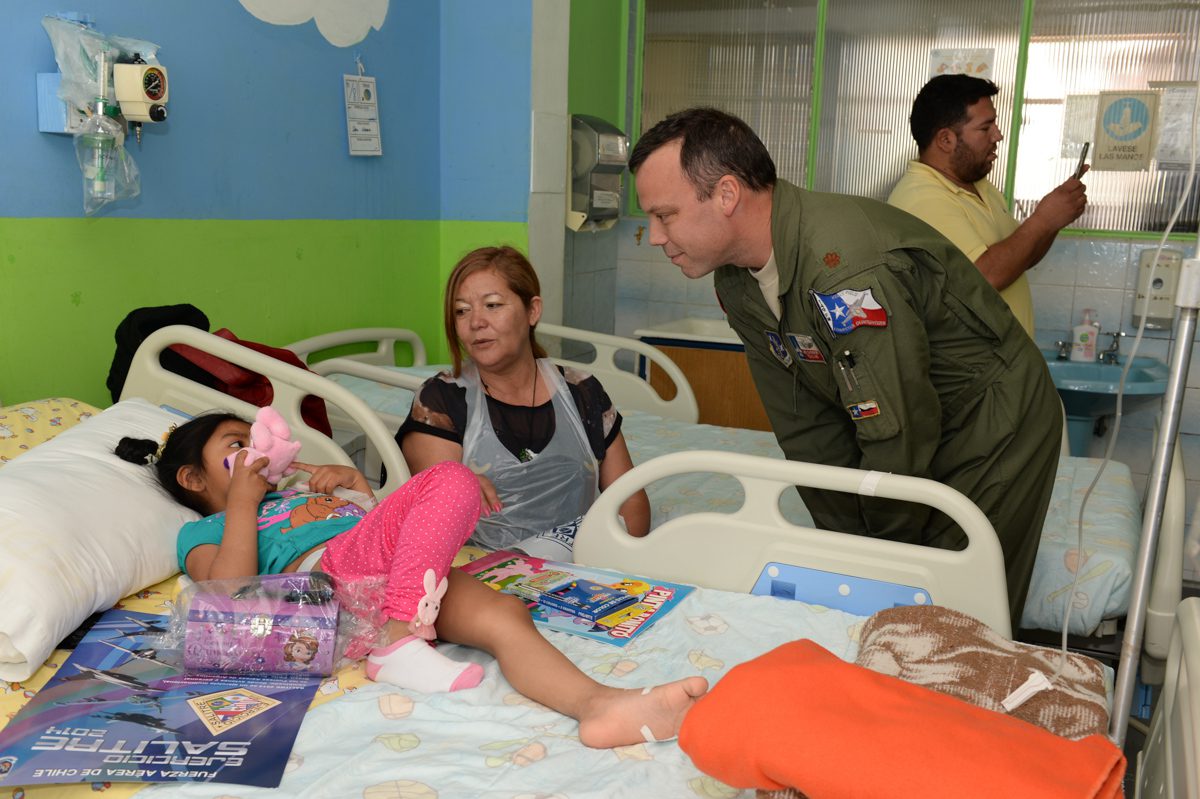
Education in Sierra LeoneMany important improvements in educational outcomes have occurred in Sierra Leone since 2015, especially for women and children. The country is bouncing back from the civil war, Ebola crisis and other serious challenges. This progress is partially owed to organizations that help children go to school. Several NGOs and community-based actors support education in Sierra Leone. Here is a small glimpse into the work of many.
4 Organizations Improving Education in Sierra Leone

  1. Street Child: Street Child’s goal is to improve the educational prospects of the world’s poorest and most marginalized children. Since its founding, the organization has helped more than 250,000 children escape poverty and go to school.  It originally started by improving education in Sierra Leone, where it began a project for 100 children in a small northern village. It has since expanded to serve children in ten other countries. Some of its work involves providing young girls with school supplies and giving families financial support. The organization also trains teachers and supplies classroom materials.
  2. Mother’s Club: After setbacks and challenges from the Ebola outbreak, mothers in Sierra Leone began organizing to ensure their children would receive a full education. Mother’s Clubs are village and community-based networks that sell products to fund their children’s schooling. Profits from farming, tye-dyeing, gardening and soap making pay for school supplies, books and uniforms. Thanks to these self-starters, with aid from international partners like UNICEF, communities can help drive positive educational outcomes.
  3. Girls Access to Education (GATE): Funded by U.K. Aid and its partners, Girl’s Access to Education (GATE) aims to help girls from disadvantaged households go to school and enables out-of-school girls to resume their education. Importantly, it also empowers communities to create their own solutions. The net enrollment rates in both primary and secondary education have consistently increased since 2013, due in part to their work. Where the literacy rate for girls ages 15-24 was less than 40% in 2005, that figure rose to 62.7% in 2018. The gap between male and female literacy rates continues to drastically decrease as well. This speaks to an overwhelmingly positive impact on Sierra Leone’s children and youth.
  4. Teach for All: Teach for All is a network of education partners and nonprofits who work together to help inspire change on a global scale. The organization announced Teach for Sierra Leone as its latest partner in July 2020. Similarly to other actors, Teach for Sierra Leone is community-driven and recognizes educational disparities in the country as an urgent issue. They aim to bridge education gaps by recruiting women and teachers from under-resourced schools whose efforts will help break the cycle of global poverty.

A Brighter Future

Overall, these organizations play a critical role in improving access to education in Sierra Leone. Currently, many schools have been disrupted due to COVID-19, but now radio lessons bridge the learning gap until reopening. So long as outside actors continue to provide foreign aid, assist in educational outcomes and empower communities, children in Sierra Leone will be able to reach their fullest potential.

– Rachel Moloney
Photo: Flickr

August 26, 2020
https://borgenproject.org/wp-content/uploads/borgen-project-logo.svg 0 0 Kim Thelwell https://borgenproject.org/wp-content/uploads/borgen-project-logo.svg Kim Thelwell2020-08-26 11:39:492020-08-26 15:51:024 Organizations Improving Education in Sierra Leone
Children, Global Poverty

H.R. 5338 – Global Hope Act of 2019

Global Hope ActCancer is regarded as the leading cause of death in children globally. However, in developing countries, only 20% of cancer cases are cured. In December 2019, Rep. Michael McCaul (R-TX) introduced H.R. 5338 – Global Hope Act of 2019 to create international partnerships to address this issue of global childhood cancer.

The Childhood Cancer Crisis in Developing Countries

Every year, over 300,000 children under the age of 20 are diagnosed with cancer. In most cases, cancer is treatable, and yet, there is an extreme disparity in cancer prevention and treatment services available to children living in high-income nations versus middle and low-income nations. While more than 80% of childhood cancer cases in developed countries are cured, in developing countries only 20% of children diagnosed with cancer recover.

Poverty, ranging from the individual to the national level, creates challenges for acquiring the proper care for children with cancer. The cost of cytotoxics and medical visits may prove to be unaffordable for families that already struggle financially. Clinics and hospitals that offer treatment are sometimes inaccessible to cancer patients that live in rural areas and do not have reliable transportation. Providing lower-cost cancer drugs and services and expanding reach can create more opportunities for overcoming cancer in children in middle and low-income areas.

The Goals of the Global Hope Act of 2019

H.R. 5338 was first introduced on December 6, 2019 and was passed and sent to the Senate within two months. This bill has 20 co-sponsors and authorizes the Secretary of State to develop partnerships in research and finance with international institutions that seek to fight childhood cancer on a global scale. The text of the Global Hope Act of 2019 emphasizes that not only should infectious disease prevention and treatment be a priority for the United States, but also non-communicable diseases including cancer.

The primary objectives of the Global Hope Act of 2019 are to strengthen U.S. political commitment to global childhood cancer efforts. The policy includes supporting the expansion of medical infrastructure, increasing available technologies and medicines for childhood cancer treatment and expanding the number of trained healthcare workers. The passage of the bill would promote collaboration with the United Nations, the World Health Organization and other institutions in order to minimize the childhood cancer mortality rate.

Supporting the mission of the WHO Global Initiative for Childhood Cancer, which was launched in 2018, would fall under the enactment of H.R. 5338. The initiative aims to increase the global survival rate of children with cancer to at least 60% by 2030, through raising awareness of the problem and assisting the governments of developing nations with cancer healthcare for their children. The initiative’s target is to aid 12 to 15 countries by the end of the year.

Results in Peru

The Global Initiative for Childhood Cancer has already proven to be effective in Peru. Designated as one of the initiative’s focus countries in 2019, Peru now has a pediatric cancer plan, which seeks to increase efforts to diagnose childhood cancer cases earlier, develop a national pediatric cancer registry, improve treatment services and decrease treatment abandonment rates.

Backing the WHO goals to increase childhood cancer survival rates as laid out in the Global Hope Act of 2019, could help create further progress in the work of the initiative.

The Future of the Global Hope Act of 2019

The Global Hope Act of 2019 is currently under review by the Committee on Foreign Affairs in the Senate. Co-sponsor of the bill, Rep. Mike Kelly (R-PA) stressed the importance of H.R. 5338 in his statement following the House vote in January: “We have made incredible progress reducing childhood cancer mortality in America. The Global Hope Act will extend that success to developing nations by expanding pediatric medical training, treatments, and technologies to countries that need our help.” Continued movement of the bill in the Senate has the potential to provide significant support to many children battling cancer, especially those in impoverished countries.

– Ilana Issula
Photo: Wikimedia

August 25, 2020
https://borgenproject.org/wp-content/uploads/borgen-project-logo.svg 0 0 Kim Thelwell https://borgenproject.org/wp-content/uploads/borgen-project-logo.svg Kim Thelwell2020-08-25 11:47:072024-06-07 05:08:01H.R. 5338 – Global Hope Act of 2019
Child Marriage, Children, Developing Countries, Global Poverty

Eradicating Child Marriage in Malawi

Child Marriage in MalawiChild marriage rates in Sub-Saharan Africa are the highest in the world, with an average of 35% of girls married before the age of 18. In the sub-Saharan nation of Malawi, the rate of child marriage in 2015 was the ninth highest worldwide. The widespread issue of child marriage in Malawi has impacted many young girls and their futures. One of the major contributors is widespread poverty. Over half of the Malawi population lives below the poverty line, causing girls to be married off in hopes of economic advancement. However, these marriages perpetuate the cycle of poverty in the nation as girls are unable to continue their education: 55% of girls in Malawi do not return to school after eighth grade. However, recent successes are working to end child marriage in Malawi.
Changes to Malawi’s Constitution

The Malawi government has been making strides against child marriages within the nation. In 2015, the Marriage, Divorce and Family Relations Act raised the minimum marriage age from 15 to 18. Nevertheless, a loophole limited this law from fully eradicating child marriage by allowing children between the ages of 15 and 18 to get married as long as their parents gave consent.

Luckily, in February of 2017, the country’s government addressed this loophole. A vote ensued in the nation’s Parliament to pass a constitutional amendment banning child marriage in Malawi for those under the age of 18. The amendment passed unanimously, making child marriage officially illegal in the nation.

The Road to Change

In recent years, organizations around the world have shown increasing interest in eliminating child marriage in Malawi. For example, Plan International, an organization dedicated to advancing equality for children with a focus on girls, joined the movement by supporting Malawian youth groups that spoke up against child marriage.

The United Nations has also spoken out against this issue. U.N. Women Malawi engaged through lobbying efforts, holding consultations with different Malawian agencies about banning child marriage. The organization is continuing to support the ban by aiding in the law’s implementation.

Government Efforts

Local leadership and government have also proven a fighting force against child marriage. Many chiefs within the nation have created specific rules regarding child marriages for their communities. For example, Chief Kapolona of Machinga, Malawi has seen success as the number of child marriages in his community decreased from 10-15 a year to just two cases in 2017.

On the national level, the Malawian government has made commitments to ensure a complete ban on child marriages. For instance, the government has pledged to a United Nations Sustainable goal to “achieve gender equality and empower all women and girls.” Through this goal, the nation plans to eradicate all child marriage in Malawi by 2030. Malawi’s government also created the National Plan of Action to Combat Gender-Based Violence in Malawi. This document includes many smaller goals, all of which are designed to end child marriages.

Although Malawi has a robust history of child marriage, the nation has made drastic progress in eradicating the issue. Hope now exists for young girls across the country to escape poverty, finish their education and gain financial independence.

– Erica Burns
Photo: Flickr

August 24, 2020
https://borgenproject.org/wp-content/uploads/borgen-project-logo.svg 0 0 Kim Thelwell https://borgenproject.org/wp-content/uploads/borgen-project-logo.svg Kim Thelwell2020-08-24 07:31:512024-05-29 23:22:23Eradicating Child Marriage in Malawi
Children, Education, Global Poverty

Education Reforms in Mexico: For Better or Worse?

Education Reforms in MexicoImproving education has been a consistent focus throughout Mexico for decades. Both the former and current presidents have created, stripped and appealed legislation in efforts to strengthen the education system. Two opposite reform strategies and impassioned teachers alike advocate the importance of progress, but the country’s previous president failed to truly achieve this goal. Education reforms in Mexico remain a top priority for the country, but the new president may fall short in a different way than his predecessor.

The Hard Truth

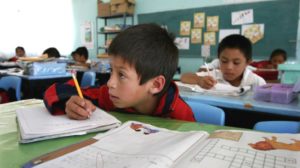
Even compared to the most economically disadvantaged children across the world, Mexican children are still academically outperformed—including the few who fall above the poverty line. Ranking last out of the 35 OECD countries in education, children in the Mexican school system have the least proficient math, reading and literacy skills. This trend is not surprising: 20% of schools lack the basic necessities to operate including running water, food and furniture. There are buildings still in ruins from earthquakes dating back to 2015, and these conditions are amplified in the poorest states like Oaxaca.

Despite education being unversially free, up to 13% of children—over one million students—can not afford the supplies and transportation necessary to attend school. Less than 50% of students that attend public school graduate high school and only 60% are enrolled in primary school systems.

Native Mexican children are hit hardest in terms of education. Although the country is home to nearly 1.3 million children speaking native languages, only 55,000 teachers are fluent in these languages. In addition to this stark language barrier, systemic racism conducted by teachers against native children is also a persistent yet largely ignored issue.

Union Corruption

Education reforms in Mexico are at a standstill due to a failing economy, cyclical poverty and corruption. Prior to 2013, the teachers’ union had full control of choosing teachers. Rather than base staff selection on classroom results or experience, hiring was based upon union involvement. The union allowed teachers to sell their positions to anyone with no questions asked and granted life-long job security to teachers with failing grade averages.

Surprisingly, Mexico’s teacher salaries are close to $50,000 per year, making teaching a highly sought after job. The first-ever education census in 2014 revealed that the corrupt union leader Elba Esther Gordillo, who was imprisoned for embezzlement in 2013, allowed 39,000 ‘ghost teachers’ on payroll including teachers who had died, who never appeared in a classroom or who did not exist at all. This expenditure totaled $1.2 billion.

Former Legislation

In 2013 former president Peña attempted to rebrand education reform in Mexico by stripping the unions of their power. Peña gave the power to a body of the government that enacted rigorous assessments and exams. Teachers were subjected to three annual assessments and if they did not pass they were moved to an administrative job or let go. Despite the positive attempts at change, the legislation was met with opposition due to the recourse from poor evaluations and the integration of merit-based promotions.

Yet, none of the approved legislation addressed the needs of the schools themselves. Less than 7% of the GDP funding in 2016 was spent on schools both private and public. There has been no effort to supply teachers with the proper equipment or tools to give basic educational lessons. Only 5% of public spending went into the school systems; both percentages are far below the recommended percentage allocated to schools.

The New Reform

Last year, President Andrés Manuel López Obrador—also known as AMLO—was elected with a platform heavily focused on repealing the old school system. His campaign rallied around education reform in Mexico, placing it at the forefront of his first actions in office. In practice, the new legislation follows the same basic school structure and gives power to the unions that hired teachers; however, it is novel in that it eliminates teacher evaluations. Overall, this new system has received both praise and criticism from the people of Mexico. AMLO’s reformed plan aims to broaden school curricula by adding music, art and cultural studies to classrooms, rather than continuing to focus exclusively on STEM and humanities. Many of Mexico’s constituents believe this expansion of course offerings will remove limitations on children’s abilities to express themselves creatively.

Teachers are the backbone of education. However, without proper funding, resources and training, education reforms in Mexico are stuck in the recurring failures of the country’s leaders. Recent legislation has only shifted power from unions to the government and back to the unions. Without allocating money to the schools themselves, proper education for the children of Mexico will remain out of reach, leaving over half the population with a limited educational experience and overall quality of life.

– Amanda Rogers
Photo: Pulse News Mexico

August 23, 2020
https://borgenproject.org/wp-content/uploads/borgen-project-logo.svg 0 0 Kim Thelwell https://borgenproject.org/wp-content/uploads/borgen-project-logo.svg Kim Thelwell2020-08-23 11:00:592024-05-29 23:23:38Education Reforms in Mexico: For Better or Worse?
Children, Global Poverty

5 Facts About Poverty in Timor-Leste

Poverty in Timor-Leste
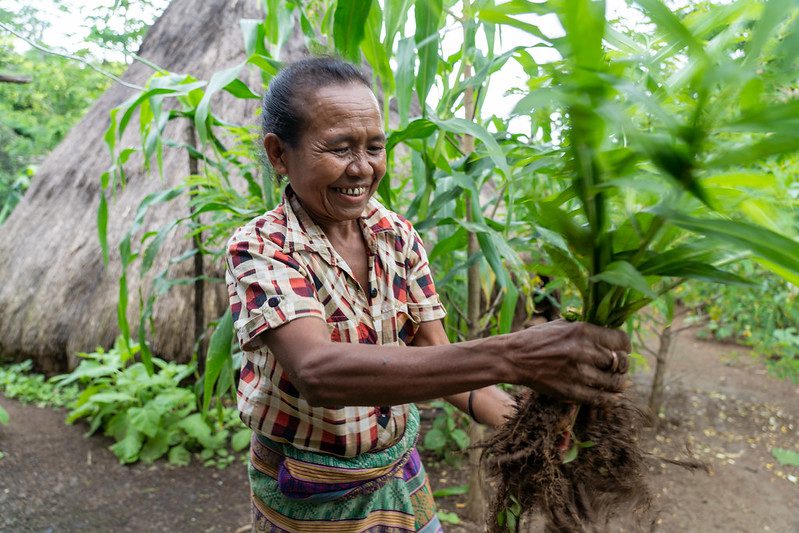
Timor-Leste, also known as East Timor, is one of the least-known countries in the world. Situated between Papua and Indonesian West Timor, Timor-Leste’s economy depends largely on the production of hydrocarbon from offshore natural gas. Most people living there do agricultural work harvesting corn, rice, coconuts, coffee and sweet potatoes. To produce additional income, locals create textiles and baskets, carved ivory, pottery and handicrafts. Politically, Timor-Leste has had a turbulent past. Independence from Indonesia came at a cost in 1999, with hundreds killed by militants. The territory became a sovereign state in May 2002 and since then the government has grappled with the issue of poverty.

Facts about Poverty in Timor-Leste:

1. Investments in Human Capital

Timor-Leste’s population is 1.3 million, of which about 42% are living in poverty, down from 50% in 2007. Standards of living have improved in the past decade, with the Human Capital Index, or investments in human capital, reaching 0.43 in 2017. However, the country still needs to increase earnings and train a more skilled workforce.

2. Health Care for Women and Children

For every 1,000 babies born in 2018, 46 will die within five years. Yet child mortality has decreased by 41% since 2013. Timor-Leste has also made strides in its maternal mortality rate, which has been reduced from 694 per 100,000 live births in 2000, to 142 in 2017.

It is important to note that the country has one of the youngest populations on earth. In 2015, 42% of the populace was made up of children ages 0 to 14. This has created a high dependency ratio of 82% for young people in the working-age population. Timor-Leste’s government has been making an effort to expand education and to help it is citizens be healthier. More progress is needed in terms of providing food to fight malnutrition and in maintaining the health of its children.

3. Big Strides in Education

The government has made significant efforts to educate children and the country is investing in building schools. From 2003 to 2015, the secondary school enrollment ratio went from 46.4% to 76.8%. Still, Timor-Leste needs to invest even more resources in its younger generation.

4. Access to Food

From 2016 to 2018, the prevalence of undernourishment was 24.9% and the rate of malnutrition in children under five was 9.9%. In response, the government has established feeding programs in schools and health centers.

5. Sustainable Infrastructure

In 2019, the World Bank created a Country Partnership Framework which will support Timor-Leste in using its natural resources for sustainable infrastructure. Its initiatives include investing in human capital and promoting gender equality; investing in the digital and transportation sectors; encouraging economic growth led by the private sector and promoting tourism and agribusiness. While these efforts are helping with poverty in Timor-Leste, the COVID-19 pandemic has brought gains in this area to a standstill.

The Pandemic has Slowed Progress

The COVID-19 pandemic has created new challenges for Timor-Leste. According to the Global Health Observatory, there are only 59 hospital beds per 120,000 people. Complicating matters, only 5% of the country’s budget is dedicated to the health sector. Petroleum prices have dropped, and given its dependency on oil and trade, Timor-Leste’s per capita GDP could fall as low as negative 3.7% in 2020, and 4% in 2021. In addition, while the country has received medical support from UNICEF and other organizations, it will not receive as much help now, as countries are dealing with their own pandemic situations.

As of June 9, 2020, Timor-Leste’s government planned to give each home $15 in electricity credits and $100 per month. However, more needs to be done, since social and health services are limited, and over 40% of the populace is below the poverty line. It is the government’s hope that when the pandemic recedes, they will be able to pick up where they left off in the fight against poverty in Timor-Leste.

– Sarah Betuel

Photo: Flickr

August 22, 2020
https://borgenproject.org/wp-content/uploads/borgen-project-logo.svg 0 0 Kim Thelwell https://borgenproject.org/wp-content/uploads/borgen-project-logo.svg Kim Thelwell2020-08-22 07:30:242024-05-29 23:22:135 Facts About Poverty in Timor-Leste
Children, Global Poverty

3 Ways to Invest in the Children of Palestine

children in palestine
Palestine is a country located in the Middle East, off the coast of the Mediterranean Sea. Its boundaries are disputed but include the major territories of the West Bank and the Gaza Strip. Palestine has a population of over five million people, with almost two million living in the over-populated Gaza Strip and three million in the West Bank.

The ongoing Israeli-Palestinian conflict has played a detrimental part in the livelihoods of 2.4 million Palestinians, denying them access to necessities such as health care, stable housing and education. The 13-year blockade on Gaza has restricted freedom of movement for inhabitants in Gaza, limiting one million children of Palestine access to basic commodities found in Israel. Children are subject to shocking levels of violence on the way to and from school, during school and even in their own homes. Every year, the Israeli military detains and prosecutes around 700 Palestinian children, many of whom commit mild crimes, such as throwing rocks during demonstrations.

Much of Palestine consists of young people, about 53% of its population is made up of children under the age of 18. In every society, including Palestine’s, the children are the most valued members; dreams are built with the hopes of manifesting a better future for the youth who have a potential that is yet to be realized. Here are three ways to invest in the children of Palestine to help them attain the right to a safe and just future.

3 Ways to Invest in the Children of Palestine

  1. Sponsor a child – There are a number of nonprofits that give people the opportunity to sponsor one of many Palestinian children and invest in their futures. Organizations such as Humanium and SOS Children’s Villages look to provide children with a safe living environment, education, emotional and mental support, as well as access to healthcare services. These organizations also fight injustices aimed specifically at Palestinian children, such as child labor and marriage.
  2. Support legislation – Much good work comes from initiatives such as the Promoting Human Rights for Palestinian Children Living Under Israeli Military Occupation Act (H.R.2407). This bill, proposed by Minnesota Democrat Rep. Betty McCollum, prohibits the use of U.S. foreign assistance funds to support the military detainment, interrogation, and ill-treatment of children in violation of international law. It also prohibits funds from being used to support certain practices against children, including sensory deprivation, solitary confinement and torture. It is important for U.S. citizens to speak up on behalf of Palestinian children, to let their voices be heard by urging Congress to take action against these injustices via phone calls, emails, and lobbying meetings.
  3. Stay informed –  Several initiatives aim to improve conditions for the children of Palestine. UNICEF, for example, plans to work closely with partners to provide children with safe drinking water, solar power, improved latrines, sanitation services and access to school WASH facilities. The nonprofit will continue to prioritize strengthening child protection systems, addressing negative coping mechanisms and supporting neonatal and postnatal care. The organization will also ensure that children benefit from improved access to quality learning in safe and inclusive environments, and are empowered to contribute to their society’s development.

Youths are not only the future, but they are also the present. The children of Palestine have a right to a safe and just life, where persisting conflict and a lack of human rights do not define their potential. It is important that citizens of the developed world play an active role in investing in these young people and helping empower them so that they can graduate from a life riddled with conflict and violence, to a fulfilling, more sustainable one.

– Sarah Uddin
Photo: Flickr


August 21, 2020
https://borgenproject.org/wp-content/uploads/borgen-project-logo.svg 0 0 Kim Thelwell https://borgenproject.org/wp-content/uploads/borgen-project-logo.svg Kim Thelwell2020-08-21 15:00:172024-05-29 23:22:193 Ways to Invest in the Children of Palestine
Child Poverty, Children, COVID-19, Global Poverty

Ukraine and the Pandemic: The Impact on Child Poverty

Child Poverty in Ukraine
COVID-19 has severely impacted Ukraine, and poverty rates will likely increase dramatically. The Cabinet of Ministers of Ukraine released an official prediction on the absolute poverty implications of the pandemic. The analysis indicates that the impacts on child poverty in Ukraine will be the most severe.

Ukraine is Europe’s second-largest and one of the poorest countries in Europe. The country has more than 46,000 confirmed cases of COVID-19 as of July 2020. The country has lifted many restrictions as it  enters its adaptive quarantine stage, though social distancing and mask-wearing requirements remain in place.

Ominous Predictions

According to the World Bank, the negative economic impact of the pandemic will show through several courses. These include a decrease in disposable incomes and consumption, lower remittances caused by decreased economic activity throughout the EU and lower commodity prices that impact Ukrainian exports.

United Nations Children’s Fund (UNICEF) is particularly concerned that the economic collapse will have the most adverse impacts on vulnerable groups such as single parents, multiple-children households, households with children younger than three years and people over the age of 65. UNICEF also predicts that the absolute poverty rate in Ukraine will rise from 27% to 44%, and the child poverty rate will rise from 33% to 51%.

UNICEF has two predictions for Ukrainian poverty changes as a result of COVID. Under the less severe prediction,  6.3 million more people will be living in poverty. Of those, 1.4 million will be children. The more severe prediction shows that nine million more people will be living in poverty, 1.8 million of them children. To put this in perspective, in 2019 50% of the population was financially unprotected. That will likely increase as poverty levels go up.

Government Action

To mitigate these stark numbers, the Ukrainian government has taken action on the impacts of the COVID-19 crisis. These actions include one-time payments for low-income pensioners and child disability payment beneficiaries. UNICEF advocates for targeted as well as categorial approaches.

Social Policy Programme

A solution to combat the inevitable increase in child poverty in Ukraine due to this crisis is UNICEF’s Social Policy Programme.  Through advocacy and technical support to the government of Ukraine, this program promotes equity for children and improved social welfare. It covers four main foci.

  1. Poverty Reduction and Macro Policies for Children: This focuses on improving the ways to measure child poverty and its multidimensional aspects. It also works to place issues of child poverty in a leading position of the National Poverty Reduction Strategy.  Finally, it promotes child-centered family policies.

  2. Social Protection with a Focus on Integrated Modalities: This effort attempts to improve cash transfer performance to reduce poverty for vulnerable children and/or displaced children and their families. In addition to cash transfers, the focus is also on local social service provision.

  3. Public Finance for Children: For maximum impact of public expenditure on children, UNICEF works with line ministries and the Ministry of Finance to use results-based budgeting.

  4. Local Governance and Accountability with focus on Child-Friendly Cities: UNICEF Ukraine works with local partners to implement the global initiative, Child and Youth Friendly Municipality to strengthen social inclusion and promote child participation. It incentivizes local governments to focus on supporting children.  Over 160 Ukraine municipalities joined the initiative in 2018.

While the full impacts of the COVID-19 crisis are still unknown, and with the devastating impact it has on poverty, continuing to combat child poverty in Ukraine is vital. Social welfare programs like UNICEF’s Social Policy Programme are essential to mitigate the effects of poverty, strengthen child care and enhance access to basic services. Investing in children will have a substantial impact on the future, and it is a necessary measure to combat poverty in Ukraine and around the world.

– Rochelle Gluzma
Photo: Flickr

August 21, 2020
https://borgenproject.org/wp-content/uploads/borgen-project-logo.svg 0 0 Jennifer Philipp https://borgenproject.org/wp-content/uploads/borgen-project-logo.svg Jennifer Philipp2020-08-21 08:00:422024-06-07 05:08:05Ukraine and the Pandemic: The Impact on Child Poverty
Children, Education, Global Poverty

4 Efforts to Alleviate Child Poverty in North Macedonia

Alleviate Poverty in North Macedonia
When Yugoslavia disintegrated in 1991, Macedonia became an autonomous nation. However, standards of living have significantly decreased since the country’s independence. Unemployment rates are consistently high, which has directly affected children across the nation. Approximately 6% of children work and 12% marry before turning 18. The child poverty rate is 27.1%, with those from a Roma background at a much higher disadvantage. Fortunately, international organizations and the government are working to eliminate child poverty in the nation. Here are four efforts to alleviate child poverty in North Macedonia.

4 Efforts to Alleviate Child Poverty in North Macedonia

  1. UNICEF Solutions: Child poverty in Macedonia is a pervasive issue: an excess of 100,000 children are still in states of deprivation. Poverty affects children on every level, which includes faltering health, child marriage, abuse and lack of educational success. For instance, poverty affects one out of 10 children in Pelagonija when compared to one out of two in the Northeast. Moving forward, UNICEF has outlined solutions to aid the effort to end child poverty. These include offering accessible health care at no cost and supplying quality education to all children.
  2. Prioritizing Children: Poverty affects more than 100,000 children across Macedonia, 28% of the country’s youth. In 2018, leaders from the Ministry of Labour and Social Policy, UNICEF and the World Bank, as well as child poverty experts convened to formulate solutions that would eliminate child poverty. They agreed that social reform must prioritize the children to fight against poverty. All families with minimal income received an education and child allowance, helping to provide children suffering from poverty with the opportunity at an equal start.
  3. Inclusive Education: One out of 300 children living in poverty goes to preschool, while only two-thirds attend secondary education. North Macedonia’s education system is unsustainable due to a variety of factors. Low budgets, lack of ethnic integration among youth and limiting children who have disabilities are a few of the reasons education has fallen behind. In 2002, USAID implemented inclusive learning programs across all levels of education, which has helped children with disabilities and supported diverse ethnic integration.
  4. The Romani Children: Estimates have determined that the Romani population in Macedonia was around 260,000 as of 2020. Moreover, 73% of Romani children who attend school never complete their education. Roughly three to four children per household are of age to go to school, yet the costs of sustaining schooling for this many children have become a financial burden. To help curb these rates, the Roma Education Fund, founded in 2005, has been focusing on education reform for the Roma communities across Macedonia. It offers young Roma people living in Macedonia scholarships to assist with primary and secondary education.

These four efforts show the nation’s determination to support children in need, and, more broadly, to shift Macedonia from an impoverished nation to one of prosperity and equality. The success of these reforms will depend on governmental spending, as well as programs supported by nonprofits and international organizations. Moving forward, alleviating child poverty in Macedonia must continue to be a priority.

– Michael Santiago
Photo: Wikimedia Commons

August 19, 2020
https://borgenproject.org/wp-content/uploads/borgen-project-logo.svg 0 0 Kim Thelwell https://borgenproject.org/wp-content/uploads/borgen-project-logo.svg Kim Thelwell2020-08-19 15:32:532024-05-28 00:00:234 Efforts to Alleviate Child Poverty in North Macedonia
Page 67 of 137«‹6566676869›»

Get Smarter

  • Global Poverty 101
  • Global Poverty… The Good News
  • Global Poverty & U.S. Jobs
  • Global Poverty and National Security
  • Innovative Solutions to Poverty
  • Global Poverty & Aid FAQ’s
Search Search

Take Action

  • Call Congress
  • Email Congress
  • Donate
  • 30 Ways to Help
  • Volunteer Ops
  • Internships
  • Courses & Certificates
  • The Podcast
Borgen Project

“The Borgen Project is an incredible nonprofit organization that is addressing poverty and hunger and working towards ending them.”

-The Huffington Post

Inside The Borgen Project

  • Contact
  • About
  • Financials
  • President
  • Board of Directors
  • Board of Advisors

International Links

  • UK Email Parliament
  • UK Donate
  • Canada Email Parliament

Get Smarter

  • Global Poverty 101
  • Global Poverty… The Good News
  • Global Poverty & U.S. Jobs
  • Global Poverty and National Security
  • Innovative Solutions to Poverty
  • Global Poverty & Aid FAQ’s

Ways to Help

  • Call Congress
  • Email Congress
  • Donate
  • 30 Ways to Help
  • Volunteer Ops
  • Internships
  • Courses & Certificates
  • The Podcast
Scroll to top Scroll to top Scroll to top