 Preventing generational poverty in the Dominican Republic is a deeply entrenched and complex challenge. Many citizens remain trapped in a cycle of deprivation that is difficult to escape. Humanitarian efforts offer critical support to vulnerable groups, such as children, pregnant women, families and Haitian migrants, through climate action, economic development and education funding. Some programs focus specifically on improving living conditions in the Dominican Republic and helping break the cycle of poverty.
Causes of Generational Poverty
Generational poverty in the Dominican Republic has persisted for decades, fueled by factors such as poor living conditions, the country’s vulnerability to extreme weather and the segregation of Haitian immigrants. Many factors contribute to widespread poverty. When a family struggles to find steady work, care for their children or recover from a hurricane, all while lacking access to essential services, their stability quickly unravels.
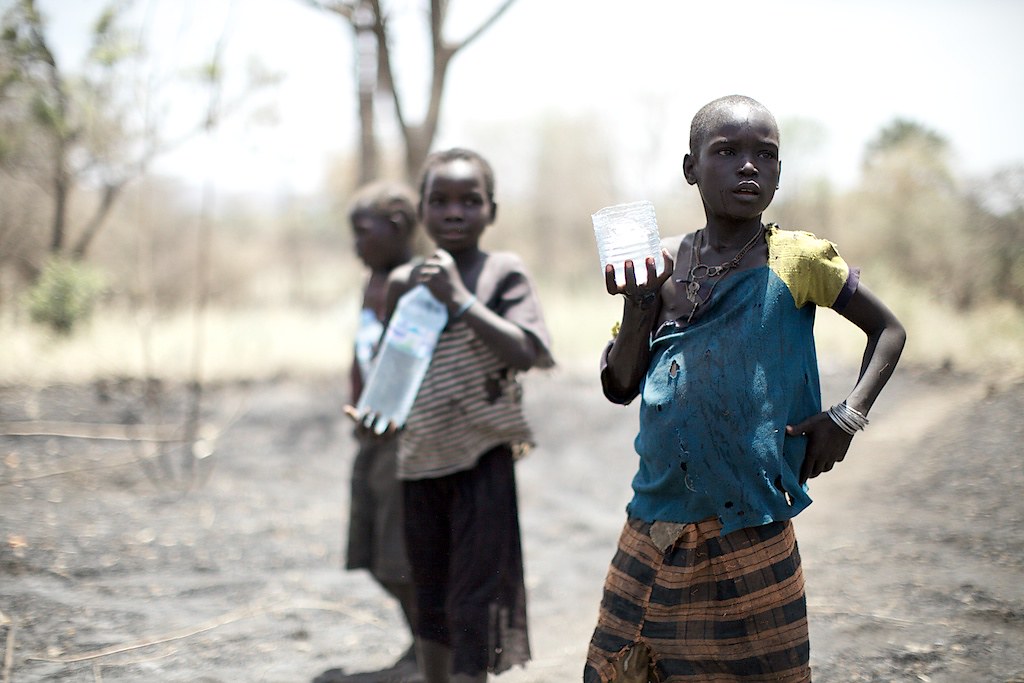
Even families living just above the poverty line are vulnerable; one in four will be impacted by natural disasters, forcing them to seek support for education, health care and basic survival. Additionally, limited access to education and health care leaves children deprived and vulnerable. Attending school and living in stable conditions is crucial for their development and helps reduce future poverty and child mortality. Even economically stable families face risk; there is a one in eight chance that natural disasters will severely impact them, potentially pushing them into poverty.
Annually, nearly 1% of the country’s gross domestic product (GDP) is used to aid those in humanitarian crises, such as natural disasters, poor health and separation from families. It’s a cycle that persists and without humanitarian support, global aid and education funding, breaking it will take far more time. It will place an even greater financial burden on the country.
How It Affects Children’s Daily Life
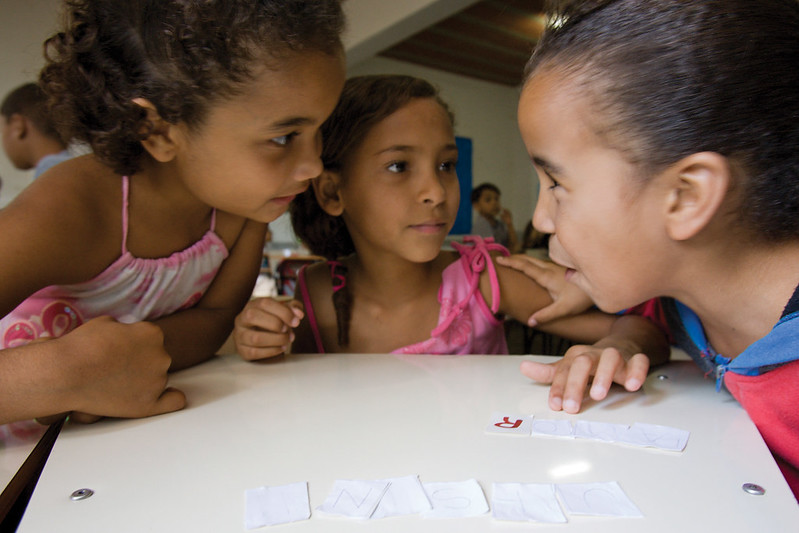
Children are considered to be one of the most vulnerable groups of people in a community. Without proper nurturing, education, necessities and safety, they become even more susceptible and do not suddenly become more stable or independent as adults. Without proper education, children are also not taught about comprehensive sexual health. As a result, teen pregnancy becomes more common and so do the fatal risks of being pregnant.
Unfortunately, the population of Haitian immigrants in the Dominican Republic faces harsh ridicule and systemic discrimination, not only from employers and peers but also from the government. Haitian children born in the Dominican Republic face discrimination, too, being less likely to be helped by the local government for aid due to a crisis or general poverty.
This is exacerbated by the government’s refusal to give proper identity to these children, not allowing them to access health, minimal education or social benefits. Mass deportation is done to rid Haitian migrants, sending them to Haiti. This causes constant distress for the Haitian community in the Dominican Republic and overall poverty for those who cannot receive help or obtain work. This, in turn, adds to the overall population of those in poverty in the Dominican Republic.
Prevention
Programs like Project HOPE aim to improve the lives of those facing crisis and poverty. It supports the Dominican Republic by reducing maternal and newborn mortality through health worker training and improved medical resources. It also promotes adolescent health via family planning and HIV education and provides migrant women with culturally sensitive care. The charity’s work includes disaster response, like aiding communities affected by Hurricane Fiona with supplies, clean water and training.
Conclusion
The cycle of generational poverty in the Dominican Republic is perpetuated by numerous factors that continue in the country. It prevents an end to discrimination, lack of proper education, lack of enough jobs for citizens, adequate health care for all ages and demographics and proper nutrition. Prioritizing the main issues and making continuous efforts to aid the country as a whole will change the lives of all populations. By addressing these issues, the Dominican Republic could build resilience to climate and health crises and promptly create opportunities for its citizens.
– Paige Eldridge
Paige is based in Van Buren, AK, USA and focuses on Technology and Global Health for The Borgen Project.
Photo: Pexels
 Child poverty in the Philippines remains a pressing concern that affects children’s physical and mental development. While the
  According to Humanium, around 3.5 million children are affected by
  Emirates Airline, based in Dubai,