• Link to X
  • Link to Facebook
  • Link to Instagram
  • Link to TikTok
  • Link to Youtube
  • About
    • About Us
      • President
      • Board of Directors
      • Board of Advisors
      • Financials
      • Our Methodology
      • Success Tracker
      • Contact
  • Act Now
    • 30 Ways to Help
      • Email Congress
      • Call Congress
      • Volunteer
      • Courses & Certificates
      • Be a Donor
    • Internships
      • In-Office Internships
      • Remote Internships
    • Legislation
      • Politics 101
  • The Blog
  • The Podcast
  • Magazine
  • Donate
  • Click to open the search input field Click to open the search input field Search
  • Menu Menu

Archive for category: Child Poverty

Child Marriage, Child Poverty, Global Poverty

Behind the Paradise: The Scourge of Child Marriage in Fiji

Child Marriage in FijiFiji, a Pacific island nation celebrated for its magnificent volcanic scenery and idyllic beaches, presents a stark contrast between its natural beauty and a dark social reality. One of the most pressing issues shadowing its paradise image is the practice of child marriage in Fiji, where minors are wed before developing the capacity to understand the commitment. This burden falls disproportionately on girls, who families in Fiji often traditionally view as a commodity to marry off as early as possible to alleviate their burdens. A complex interplay of social, cultural and political factors has heavily influenced the persistence of this practice.

The Drivers Perpetuating the Practice: Patriarchal Society

For years, the legal framework itself enabled this crisis. Until 2009, the Marriage Act of Fiji stated the legal age of consent for marriage as 16 years old for girls and 18 years old for boys. The distinction between the legal consent age between girls and boys speaks about the patriarchal nature of society in Fiji. The largely male dominant society has resulted in an alarming rate of girls entering child marriage, which is about 12%. Additionally, it is also a deeply cultural and religious society that values the concept of arranged marriage. In these arranged unions, couples may have little to no prior acquaintance, often meeting for the first time on their wedding day. Traditional customs like bulubulu further compound this practice. It is a formal apology ritual, which can lead to underage pregnant girls cohabiting as common-law wives with the fathers of their children.

Exploitation

A particularly alarming form of exploitation involves young girls marrying men outside of Fiji under the guise of providing labor or a better life. These transnational arrangements often leave them vulnerable to abuse and servitude. Tragically, for those who manage to escape these fraudulent marriages and return home, reintegration is fraught with difficulty. They often face profound social ostracization and stigma within their traditional communities, leaving them doubly victimized.

Poverty

A central driver of child marriage is the relentless fight against global poverty. Indeed, this link is tragically evident in Fiji where many economically strained families see marrying off a daughter as a necessary strategy to reduce their financial burden. In some cases, these unions become transactional, providing an immediate, albeit often small, benefit to the family. This decision, born of economic desperation, comes at the devastating cost of the child’s future, forcing her into a life for which she is profoundly unprepared. The data underscores this economic link: in Fiji, 4.4% of girls living in the poorest homes married before 18 years old, compared to 3.9% from the richest households.

The Lifelong Impact on Children and Society

The consequences of child marriage in Fiji create a devastating ripple effect across society and for the individual. A primary outcome is unintended adolescent pregnancy, where girls, under pressure to prove their fertility soon after marriage, face the dangerous health scenario of a child giving birth to a child. These young brides, thrust into adulthood prematurely, face heightened risks of sexual violence and life-threatening complications during pregnancy and childbirth. Furthermore, the practice almost universally forces children to abandon their education, severely limiting their future economic opportunities and perpetuating the very cycle of poverty that often drives child marriage in Fiji. This creates a demographic marked by profound and persistent vulnerability.

The Bright Side

The Fijian government has committed to eliminating child marriage in Fiji by 2030, aligning with the global Sustainable Development Goals (SDGs). Fiji has amended the earlier mentioned Marriage Act of Fiji and made 18 the legal marriage age for both boys and girls. The amendment also removed the provision allowing minors to marry with parental consent. To support this national commitment, the Spotlight Initiative’s Pacific Regional Programme began in October 2020. It is working with 16 Pacific Island countries to address early marriage, sexual harassment and domestic and intimate partner violence. The initiative is coordinated through a collaborative model, which the UN Resident Coordinator’s Office in Fiji manages, and it is partnered with UN agencies like UN Women, UNICEF, IOM, UNFPA and UNDP.

Conclusion

The grim reality of child marriage has fractured Fiji’s idyllic facade. While the government has outlawed the practice, its persistence, fueled by poverty and patriarchal norms, continues to rob children of their futures. Closing the gap between law and local custom is the critical challenge. The future of the nation depends on transforming these deep-seated traditions to ensure every Fijian child can truly thrive.

– Vaidehi Ratudi

Vaidehi is based in Hamilton, ON, Canada and focuses on Politics for The Borgen Project.

Photo: Unsplash

October 24, 2025
https://borgenproject.org/wp-content/uploads/borgen-project-logo.svg 0 0 Jennifer Philipp https://borgenproject.org/wp-content/uploads/borgen-project-logo.svg Jennifer Philipp2025-10-24 01:30:082025-10-23 00:32:36Behind the Paradise: The Scourge of Child Marriage in Fiji
Child Poverty, Children, Global Poverty

Organizations Reducing Child Poverty in Malawi

Child Poverty in MalawiMore than half of the children in Malawi live in poverty. A report conducted by UNICEF stated that all children (0-17 years) in Malawi experience the highest levels of deprivation in sanitation, education and housing. This is particularly worse for children in rural areas, as 76.6% against 24.4% in urban areas experience multi-dimensional poverty.

A child experiencing multi-dimensional poverty is defined by their inability to access specific goods and services simultaneously. In Malawi, poverty is nationwide, but the disparity between urban and rural areas, alongside the layers of poverty, is severe. However, several charities and programs have created solutions to end the cycle of child poverty and strengthen Malawi’s youth and future.

Open Arms Malawi

Open Arms Malawi aims to break the cycle of child poverty through community-led support. By engaging directly with families, Open Arms equips and empowers them with the resources necessary to raise healthy children and achieve self-sufficiency. From birth, it provides infant care to ensure babies survive their early years.

The organization not only supplies families with medicines, milk and food formulas but also covers medical expenses to prevent delays in treatment. Additionally, Open Arms offers parenting advice and education on nutrition and child care, along with monitoring growth charts and health status to create a supportive system for both children and parents, with goals being met. In 2024, 300 children had their health monitored and were provided with food, clothing, educational and medical advice throughout the year.

Self-sufficiency is encouraged through education and collaboration with families. By providing both short-term and long-term resources, sustainable change is driven through learning and developing independence. This strengthens Malawi’s youth from their earliest years and creates a brighter future for them.

Starfish Malawi

Among Starfish Malawi’s various projects aimed at empowering vulnerable children is Glad Tidings Orphan Care. Based in Ngolowindo, a rural village in Malawi’s Salima Lakeshore District, the project is staffed by just six workers. Through home visits, workshops for guardians and medical and nutritional support, the project has improved the lives of 240 children in the area.

Like Open Arms, Glad Tidings’ community-driven support is at the heart of its work. Glad Tidings collaborates with parents, caregivers and community members to carry out its programs and support children in need. Additionally, it provides accessible nursery education as an early intervention for disadvantaged children, encouraging physical, intellectual, creative, social and emotional development.

Currently, 525 children are registered at the GTO nurseries, receiving free nursery education. As such, these orphaned and disadvantaged children can access education, which provides stability and security, a key solution to tackling the cycle of child poverty in Malawi.

Hope4Malawi

Hope4Malawi’s Youth Program concentrates on the final stages of a child’s development as they prepare to leave school. The character development component teaches young people essential life and leadership skills that they can apply in their personal and professional lives, ultimately influencing their community. Hope4Malawi received sponsorships, which have granted full scholarships to 27 students and half scholarships to 28 more students.

Additionally, it has also provided educational resources. This changes the trajectory of the families who couldn’t attend school and provides children and families with an opportunity to reach their potential. Conversely, vocational and business skills are taught to empower young people to secure a livelihood.

These include problem-solving skills, academic skills for employment and business skills to broaden job opportunities and develop business ideas. This not only provides a foundation for young adults to build their careers and enhance employment prospects but also enables them to explore their own dreams. Hope4Malawi helps strengthen Malawi’s youth by encouraging them to turn those dreams into reality.

Going Forward

The community acts as the foundation of these initiatives, working to end child poverty and make a stronger generation of children in Malawi. By addressing and finding solutions to issues faced by babies from birth, the Open Arms support system can transform the lives of children and parents. As children grow, receive an education and seek employment, community-driven efforts persist through organizations like Starfish Malawi and Hope4Malawi’s Youth Program.

These organizations not only offer a helping hand but also help stabilize children from a young age and tackle the multifaceted poverty they encounter. By increasing funding, resources and raising awareness, these community-driven solutions would further strengthen Malawi’s youth and create a brighter future across the country.

– Jule Riemenschneider

Jule is based in Oxford, UK and focuses on Good News for The Borgen Project.

Photo: Flickr
September 30, 2025
https://borgenproject.org/wp-content/uploads/borgen-project-logo.svg 0 0 Lynsey 2 https://borgenproject.org/wp-content/uploads/borgen-project-logo.svg Lynsey 22025-09-30 03:00:392025-09-30 01:52:35Organizations Reducing Child Poverty in Malawi
Child Poverty, Global Poverty

Being Poor in Portugal: Ending the Cycle for Future Generations

Being Poor in PortugalPortugal, located in southwestern Europe, borders Spain to the north and east and stretches along nearly 1,800 kilometers of Atlantic coastline to the west. The capital of Lisbon was once a symbol of prosperity and influence among European nations, but being poor in Portugal was not uncommon for children and other disadvantaged groups. Today, Portugal is home to roughly 1.7 million children, many of whom still live below the poverty line.

A Society of Inequality

Many nations viewed Portugal as the world’s most powerful empire, despite its small size. During the 15th and 16th centuries, Portuguese explorers established routes to major regions, including India, Brazil and China. Yet, the prosperity concentrated in urban centers stood in sharp contrast to the poverty in rural areas.

By the mid-18th century, several major events weakened Portugal’s position on the world stage. The 1755 Lisbon earthquake devastated the capital and Napoleon’s invasion in 1807 further destabilized the country. With limited financial resources, Portugal struggled to keep pace with industrialization. Political instability, inadequate infrastructure and a fragile economy deepened poverty across the nation. Children were among the most vulnerable, facing restricted access to both health care and education.

In the early 2000s, major cities such as Lisbon experienced modest economic growth, driven by tourism and foreign investment. Yet being poor in Portugal remained a reality for many children, as poverty continued to affect a significant portion of the population.

Addressing the Challenge

Nations around the world often praise Europe for its education and health care systems, yet childhood poverty remains a pressing issue in Portugal. In 2021, UNICEF reported that nearly one in five Portuguese children were living in poverty, highlighting the work still needed to ensure equal opportunities for all.

Efforts to combat childhood poverty in Portugal are gaining momentum through advocacy and government programs. In 2023, the country launched the Child Guarantee National Action Plan, a major EU initiative aimed at improving children’s lives. The plan focuses on expanding access to health care, increasing educational opportunities, providing nutritious meals and ensuring adequate housing for those in need. Philanthropists and organizations like AMI are also driving meaningful change.

From the Pitch to the People: Soccer Star Gives Back

Cristiano Ronaldo, a native of Portugal, is one of the world’s most famous footballers. Fans will never forget his soccer achievements, and his advocacy continues to make a difference off the field.

In 2015, DoSomething.org recognized him as the world’s most charitable athlete. His generosity includes funding life-saving brain surgery for a 10-month-old baby suffering from seizures and donating $165,000 to the cancer center that treated his mother. More recently, during the coronavirus pandemic, he reportedly gave $1 million to hospitals in Lisbon and Porto.

One of Ronaldo’s greatest contributions to Portugal goes beyond financial donations. By using his platform to advocate for the world’s most vulnerable, he leaves a lasting impact not only on those he directly helps, but also by setting an example of generosity and compassion.

Solutions and Hope

Identifying the causes of child poverty in Portugal is the first step toward creating sustainable solutions and the Portuguese government has taken key measures to build a country where children have the opportunity to thrive.

Biennial reports on the Child Guarantee National Action Plan will track the program’s impact and help lawmakers make necessary adjustments to combat childhood poverty in Portugal. The 2024 report highlights new initiatives, including reduced health care costs for children and youth, expanded access to education for vulnerable communities and key housing reforms.

Being poor in Portugal is still a reality for many children, but growing advocacy, stronger government initiatives and rising public awareness are paving the way toward meaningful change. Improved data collection, especially for migrant children, will further strengthen efforts to build lasting solutions.

– Fernanda Nilson

Fernanda is based in North Charleston, SC, USA and focuses on Good News and Technology for The Borgen Project.

Photo: Unsplash

September 27, 2025
https://borgenproject.org/wp-content/uploads/borgen-project-logo.svg 0 0 Jennifer Philipp https://borgenproject.org/wp-content/uploads/borgen-project-logo.svg Jennifer Philipp2025-09-27 01:30:562025-09-27 02:18:26Being Poor in Portugal: Ending the Cycle for Future Generations
Child Poverty, Economy, Global Poverty

Leading the Stride: How Argentina is Tackling Child Poverty

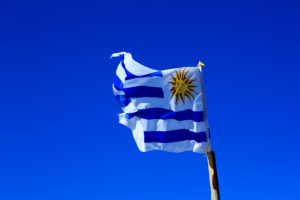
Argentina Is Tackling Child PovertyIn just six months, Argentina has delivered hope, reducing its child poverty rate by nearly 15%. Argentina is tackling child poverty by lifting more than 1.7 million children out of harsh living conditions. This turnaround is not just a national victory but a blueprint for other nations that seek to build a better future for their youngest citizens.

Economic Reforms With Social Impact

Through bold reforms, Argentina is tackling child poverty by fixing its economy. In 2024, studies showed that 52.7% of children lived in households with incomes too low to cover basic needs. The government has made smart changes to control spending, money printing and prices. These steps help families afford more, have a more stable life and a more predictable environment.

In the second half of 2024, there was a 21% increase in real household income. This allowed families to afford necessities like food, clothing and education. The income boost directly contributed to the drop in child poverty, proving that economic growth can translate to social impact with the help of government-involved policies.

It also signaled a shift in how Argentina’s leadership viewed poverty—not just as an economic issue, but as a human one. By stabilizing the economy, the government created a foundation for social programs to thrive, making delivering aid and services to needy families easier.

Policies That Matter

Economic growth alone wasn’t enough; Argentina implemented social protection policies too. These policies were focused on children and included direct cash transfers, national support and expanded access to education and health care services. Direct cash transfers were given to families to help cover basic needs like food, clothing and school supplies.

These transfers were impactful to low-income households, helping to reduce their vulnerability. Expanded access to health care services ensured children received medical attention and healthy meals. The government also improved schools by increasing enrollment rates and bridging the gap between children from different socioeconomic backgrounds.

According to UNICEF, social protection policies were essential in translating macroeconomic gains into real-life improvements for children. These initiatives were designed not only to alleviate immediate hardship but also to create long-term opportunities. Argentina is tackling child poverty by ensuring families don’t just earn more but live better.

The focus on dignity, access and opportunity has made these policies more than just temporary relief—they are building blocks for a stronger future. New classrooms were built in many regions, teachers were hired and learning materials were distributed to underserved communities. Health care outreach programs also expanded into rural areas, ensuring children in remote locations were not left behind.

The Blueprint

Argentina’s approach offers valuable lessons for other nations grappling with child poverty. It demonstrates that economic reform can create meaningful change when paired with targeted social policies. The country’s success underscores the importance of investing in children—not just as a moral imperative, but as a strategic move to build a more resilient and equitable society.

Looking Ahead

As Argentina continues its journey, it will be challenging to continue moving forward with global economic pressure on it. Long-term success will depend on the continuous investment in education, job creation and growth. Monitoring and adapting policies to meet evolving needs will be key.

If Argentina can sustain its progress, it will become a model for how other countries and economies can tackle poverty through discipline and engagement. For now, the country stands as a powerful example of what’s possible when children’s well-being is at the center of national policy.

– Marissa Schoth

Marissa is based in Benton, LA, USA and focuses on Good News and Global Health for The Borgen Project.

Photo: Flickr
September 24, 2025
https://borgenproject.org/wp-content/uploads/borgen-project-logo.svg 0 0 Lynsey 2 https://borgenproject.org/wp-content/uploads/borgen-project-logo.svg Lynsey 22025-09-24 03:00:272025-09-24 01:15:53Leading the Stride: How Argentina is Tackling Child Poverty
Child Poverty, Global Poverty

OneSky: Hong Kong’s Invisible Children

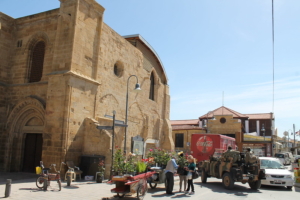
Hong Kong's Invisible ChildrenHong Kong, one of Asia’s largest economic markets, is home to more than 7.5 million individuals. With one of the highest population densities, the city is often unaffordable to many. According to Oxfam Hong Kong, 20.2% of people live below the poverty line. Within that group, young children, often facing abandonment, are the most vulnerable group, as 24.3% of children under the age of 14 live in poverty. In addition, one in 10 children lives with a single parent.

The consequences of a torn and neglected childhood are severe, impacting the ability to provide for oneself and family in the future. Invisible children and those in poverty lack education, have low self-esteem, and struggle with isolation from other children, according to The Hub. Because of instability, children in poverty are highly likely to transition families.

OneSky

Although numerous non-governmental organizations, such as Oxfa,m have worked in reducing poverty in Hong Kong, few groups focus on children’s welfare. OneSky is one of those nonprofits, aiming to empower children in marginalized communities through partnering with governments in Asia. Specifically, their Hong Kong Center seeks to care for invisible children, who are adolescents who were abandoned by their parents, as well as creating programs to educate parents and caretakers.

OneSky’s Hong Kong Center not only aims to provide and raise Hong Kong’s invisible children, but surrounding Chinese villages as well. Following a large wave of migration from rural Chinese villages to industry in Hong Kong, many children struggled with abandonment. As OneSky noted, the damages the invisible children suffered showed little difference from impoverished Chinese children in the late 1990s.

Family Village Program

As other nations in Asia continue to exponentially develop industry and economy, OneSky recognizes the risk young children incur. Drawing from previous work in Hong Kong and China, OneSky is building strategic government partnerships and model centers to guide proper parenting across Asia.

Notably, OnesSky, through the Family Village Program, played a critical role in determining the best course of action impacting invisible children’s welfare status in China. As a result, the initiative trained 36,146 caregivers and assisted over 74,297 children.

Since 2021, OneSky Hong Kong has planned more than 50 partnerships with local service organizations. Throughout the pandemic, OneSky has helped 437 children and families. Despite numerous difficulties in the past years, OneSky has remained true to its mission in looking out for Hong Kong’s invisible children, and will continue to do so.

The Future

OneSky’s work in Hong Kong clearly demonstrates that even in wealthy, industrious areas, poverty among the most vulnerable groups is invisible. Without the dedication and contributions of groups such as OneSky, individuals under the poverty line, especially children, are unable to advocate for their needs. As such, the hope is that the government and the private sector continue to partner and fund organizations that care for invisible children, to ensure that every child has the resources necessary to thrive.

– Owen Wu

Owen is based in Westborough, MA, USA and focuses on Good News and Global Health for The Borgen Project.

Photo: Flickr
September 13, 2025
https://borgenproject.org/wp-content/uploads/borgen-project-logo.svg 0 0 Naida Jahic https://borgenproject.org/wp-content/uploads/borgen-project-logo.svg Naida Jahic2025-09-13 03:00:392025-09-12 15:00:08OneSky: Hong Kong’s Invisible Children
Child Marriage, Child Poverty, Global Poverty

Addressing Child Marriage in Libya

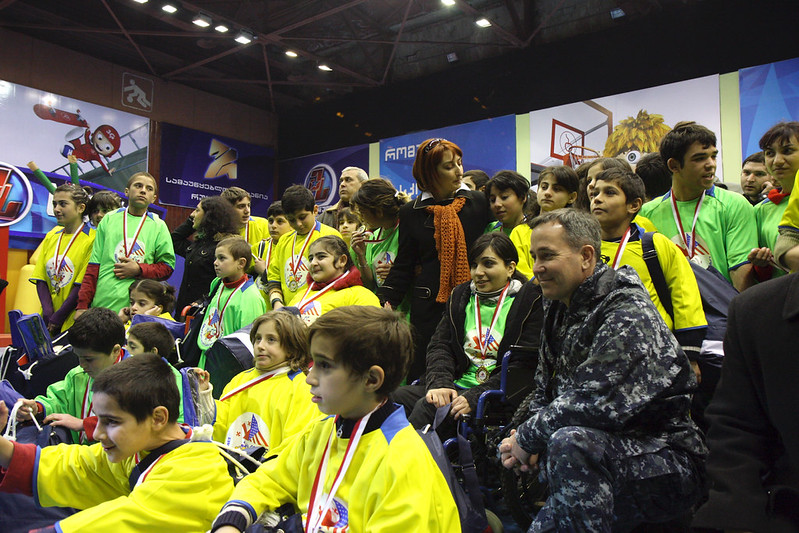
Child Marriage in LibyaPoverty drives child marriage as families use the practice to escape their poor economic situation. Large families feel the burden of poverty to a greater extent, with many regarding underage marriages as a tool to decrease the burden of families that are unable to take care of their children. People often use underage marriages as a tool to settle financial debt between families and creditors. Child marriages further aggravate the poverty cycle as child brides are often illiterate and have received little to no formal education, fueling their dependency on their spouses. Here is information about child marriage in Libya and efforts to address it.

A Profile of Libya 

Libya has been enduring a civil war for over a decade, and child marriages in Libya are increasing because of the continued deprivation that the civil war has brought upon the population. Libya has faced ongoing social and political upheaval since the Arab Spring uprising in 2011. The uprising ousted Colonel Muammar Gaddafi, ending his regime after 42 years in power. Since 2014, Libya has been divided between United Nations-backed western Libya and eastern Libya under military rule from the Libyan National Army, known as the LNA. 

To unify Libya, the United Nations and the Libyan Political Dialogue Forum created the interim Government of National Unity (GNU) in 2021. Based in Libya’s capital city of Tripoli, the GNU has received international recognition as Libya’s central government. Opposing the GNU is the Government of National Stability, known as the GNS, is a civilian-led administration that the Libyan House of Representatives established in 2022. The GNS is situated in eastern Libya and has limited control.

The LNA commander, Kalifa Haftar holds real power within eastern Libya. The GNS and Haftar have received support from Egypt and the United Arab Emirates. The ongoing struggle between the GNU, the GNS and the LNA has fueled political unrest and widespread violence has further worsened the economic situation, which is increasing rates of child marriage in Libya. International human rights organizations are intensifying their scrutiny of the GNU and GNS for allowing the exploitation of children to continue, violating the UN Convention on the Rights of the Child.

The Prevalence of Child Marriage in Libya 

Data on child marriage in Libya is limited due to restricted access to judicial records amid the ongoing unrest and violence. Between 2021- 2024, Libya registered more than 1,000 underage marriages. Child marriage, which Libyan law defines as the union of persons under the age of 18, is prohibited unless specific exceptions are granted. Libyan law requires individuals to be of sound mind and at least 18-years-old to marry. However, family court judges have the legislative right to authorize underage marriage if the guardian of the minor has given permission and the judge deems the marriage essential. Judges are necessary to meet the minor once, with no social or psychological evaluation necessary for the approval of the marriage.

Between 2011-2017, a  Tripoli courthouse recorded more than 100 underage marriages of children as young as 14 years old, with the largest age gap between spouses being 38 years. Child marriages are more prevalent in southern and rural areas where religious extremism is on the rise. 

In 2021, the GNU launched a marriage facilitation fund offering grants of 40,000 LYD ($8,770 USD) split equally between the two spouses. Given the state of economic instability in Libya, some families are arranging child marriages for economic relief. Internally displaced persons are among the most vulnerable groups and are able to use the fund as a lifeline. In 2021, the youngest recipient of this fund was a 12-year-old girl.

The Consequences of Child Marriage 

Child marriages have severe psychological and physical consequences for minors, particularly girls. Reports from Libya contain testimonies of doctors performing caesarean sections on girls as young as 14. Girls face heightened risks of miscarriage, premature delivery and infant-mother mortality due to their physical immaturity and lack of adequate health care infrastructure in Libya. Child marriage disproportionately affects girls and they are more likely to experience sexual and domestic violence, limited education and economic dependence on their spouse, which renders them unable to leave their situation. Mental health data shows that girls in underage marriages have higher rates of anxiety, depression and post-traumatic stress disorder.

Libya’s Strategy to End Child Marriages 

Local women’s rights organizations in Libya have launched the “Not Before 18” campaign to combat child marriages. The campaign includes school-based sessions led by social workers for young girls and their parents to raise awareness about the consequences of underage marriage. The campaign also features women speakers to encourage social development, particularly in rural areas where child marriage is more prevalent.

The Ra’idat program, which the United Nations created, is a year-long leadership and advocacy training initiative for young Libyan women. It equips women with skills in communication, media and civic engagement along with opportunities for further training through the European Union and the African Union. Education is a key strategy for breaking the cycle of poverty and for preventing child marriage in Libya.

– Liberty Whitford Webb

Liberty is based in London, UK and focuses on Good News and Politics for The Borgen Project.

Photo: Flickr
September 6, 2025
https://borgenproject.org/wp-content/uploads/borgen-project-logo.svg 0 0 Jennifer Philipp https://borgenproject.org/wp-content/uploads/borgen-project-logo.svg Jennifer Philipp2025-09-06 07:30:592025-09-05 15:17:37Addressing Child Marriage in Libya
Charity, Child Poverty, Global Poverty

Wear the Change: Thrifting to End Child Poverty

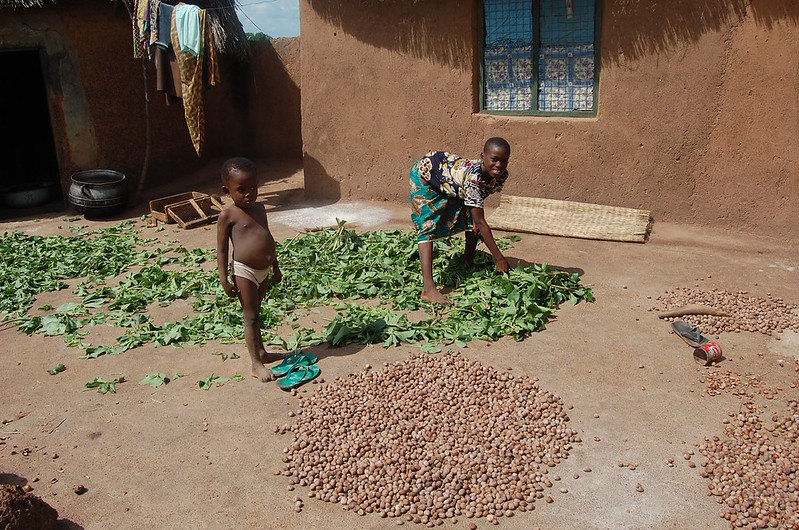
Thrifting to end child povertyThrifting might seem like a local choice, but its ripple effects can stretch across continents. The fashion trend of wearing vintage and secondhand clothes has caused thrifting to emerge as a style preference and a quiet revolution. Thrifting to end child poverty is done by reducing waste to create opportunities, promoting sustainability and supporting charitable models. The choice to wear secondhand clothes goes beyond the racks of good finds; it can be a powerful tool in the fight against poverty in underdeveloped countries.

Fashion can be more than self-expression; it can serve as a tool for social responsibility. Across continents, organizations are using donated clothes to fund programs that support children who lack essentials. These programs range from providing meals and school supplies to building shelters, health care and financing initiatives. When you choose to thrift, you’re saving money and investing in a better future for someone else.

From Closet to Community

Donating or purchasing clothing from thrift stores impacts people beyond your local community. In many underdeveloped countries, donated or unused clothes from thrift companies like Goodwill and America’s Thrift Stores are shipped overseas. These items are sold in local markets, offering affordable clothing options and supporting small businesses and entrepreneurs. Furthermore, this creates a cycle of economic empowerment that benefits entire communities.

Revenue from donated goods often supports medical centers and clinics as well. For example, America’s Thrift Stores partners with charities to support pediatric care and hospital services in countries with limited access to health care. Thrifting to end child poverty is a goal that can be reached by supporting the right organizations, those that frequently fund housing, disaster relief and educational programs.

These efforts help provide temporary shelters, housing assistance and resources for children affected by natural disasters or economic hardship.

Challenges and Opportunities

The secondhand clothing trade is not without its challenges. Indeed, some underdeveloped countries have raised concerns about the quality of imported clothes and their cultural impact. In East Africa, leaders have even considered banning imports due to fears that local textile industries could be undermined.

However, many organizations have listened and are working to address these concerns. Improvements in sanitation, sorting and distribution are helping ensure that donated clothes meet local needs and standards. Partnering with these communities fosters better communication and collaboration, ensuring that secondhand goods are supported and not replaced by local industries. Additionally, many thrift-based charities invest in education, helping children thrive long after wearing clothes.

Why It Matters

At the heart of this movement is a simple truth: every child deserves a chance. Whether it’s a warm coat, a roof over their head or a book in their hand, these essentials should be within reach. Thrifting is helping bridge a gap that recycles hope, not just clothes.

Thrifting to end child poverty is a movement that can be supported simply by shopping at the right store, helping children in underdeveloped countries get the support they deserve.

– Marissa Schoth

Marissa is based in Benton, LA, USA and focuses on Business and Good News for The Borgen Project.

Photo: Flickr
September 3, 2025
https://borgenproject.org/wp-content/uploads/borgen-project-logo.svg 0 0 Lynsey 2 https://borgenproject.org/wp-content/uploads/borgen-project-logo.svg Lynsey 22025-09-03 01:30:322025-09-02 13:40:26Wear the Change: Thrifting to End Child Poverty
Child Poverty, Global Poverty, Nonprofit Organizations and NGOs

Solidarity Christmas Campaign for the Children of São Paulo

Solidarity Christmas CampaignThe Associação Restauração or Restoration Association, has launched the 15th edition of its “Solidarity Christmas” campaign to raise funds for children living in poverty in São Paulo.

The Restoration Association

The Restoration Association is a Christian nonprofit, founded in 1989. It serves marginalized adolescents and children living in social vulnerability in the communities of São Paulo. The nonprofit’s “main reach or the focus of [the] ministry is to reach kids of the favelas, which is the Portuguese word for slums in São Paulo, Brazil,” said Isabella Hutchison, a volunteer with the Restoration association, during an interview with The Borgen Project.

The Solidarity Christmas Campaign

The “Solidarity Christmas” campaign began in 2011. It aims to sponsor children in social vulnerability through thoughtful gifts and meals to make a difference during the holiday season. The association works in five communities across São Paulo: Iguatemi, Promorar (Jd. Rio Claro), Vila Júlia (Sapopemba), Vila Rosa and Tolstoi.

Last year, the campaign’s 14th edition hosted two Christmas parties featuring music, games, a play about Christmas and a feast for more than 300 children. Funds raised went toward the celebrations and the gifts for the children, including shoes, a toy and clothes.

This year, the association aims to raise R$30,000 (about $5,457) by October to organize a Children’s Day celebration and Christmas event for approximately 380 children between the ages of 3 and 12. The celebrations brighten the children’s Christmas and allow them to connect with children from other Favelas (slums) who are in similar social circumstances.

The association operates several community projects throughout the year, including sports classes, music workshops, home visits, educational programs and even spaces to support women in the community dealing with drug abuse or domestic violence.

Community Activities for Kids

The group holds “agitas,” or community activities, that promote citizenship and social support twice a week. At the end of these activities, the kids are given little goodie bags, usually filled with a snack, to incentivize them to return.

The programs and activities provide structure and relief for families through educational or recreational activities.

“The sad reality is that most of these kids don’t have adequate food at home,” Hutchison said. “They may not have eaten all day, so this provides some nutrients for them.”

“All the parents want their kids to go to camp,” Hutchison said. “It takes some stress off their hands for the week and the unfortunate reality of it is a lot of these kids don’t eat three meals a day, so they think, OK, well, if nothing else, my kids are gonna eat three meals a day and have enough to eat for this weekend.”

Holiday Events To Inspire Hope

Funds raised this year will go toward the Children’s Day and Christmas events. Indeed, the organization aims to celebrate the holidays and offer hope and support to children growing up in difficult circumstances so they may have a brighter future than the one they were born into.

– Sahana Shastry

Sahana is based in Newtown Square, PA, USA and focuses on Good News for The Borgen Project.

Photo: Wikimedia Commons

September 3, 2025
https://borgenproject.org/wp-content/uploads/borgen-project-logo.svg 0 0 Lynsey 2 https://borgenproject.org/wp-content/uploads/borgen-project-logo.svg Lynsey 22025-09-03 01:30:222025-09-02 13:54:57Solidarity Christmas Campaign for the Children of São Paulo
Child Poverty, Global Poverty

Child Poverty in Slovenia: Child Guarantee National Action Plan

Child Poverty in SloveniaChild poverty in Slovenia, while less severe than in many European Union (EU) countries, remains a persistent issue affecting thousands of children’s access to basic needs, education, health care and stable housing. In response, the Slovenian government has launched the Child Guarantee National Action Plan, a strategic framework to eliminate child poverty by 2030.

This ambitious plan focuses on reaching the most vulnerable children, including those from low-income, Roma, migrant and institutionalized backgrounds, through targeted interventions in education, nutrition, health care and social inclusion.

The Child Guarantee National Action Plan

Slovenia’s Child Guarantee National Action Plan was first introduced on April 26, 2023, as part of the broader European plan to secure equal opportunities for all children. The plan focuses on tackling poverty and exclusion among the country’s most vulnerable children.

Since its launch, the plan has shown measurable progress. The percentage of Slovenian children at risk of poverty and social exclusion dropped from 11% to 10.3%. This improvement is largely due to targeted funding from both the EU and the Slovenian government, directed toward early childhood education and care, health care, nutrition, housing and related services.

Each of these services has helped reduce the cycle of generational poverty and made social inclusion more accessible to the country’s youth.

Leading by Example

Slovenia’s approach stands out, not only for its results, but for the value that drives it. The country treats child poverty as a human rights issue rather than a simple economic challenge. This is evident due to Slovenia’s integration of public policy and country involvement.

Nonprofit organizations such as ZPM Ljubijana Moste-Polje have played a crucial role, partnering with government agencies to deliver aid directly to needy families. Supports include emergency housing, tutoring programs and family counseling, particularly for children affected by domestic instability and economic hardship.

Slovenia offers a reputable model for other countries to follow by combining state policy with local community involvement. It shows that real change is possible when children are seen not as statistics but as people.

Learning From Slovenia

Slovenia’s success shows that ending child poverty is not a dream. It’s a combination of policy decisions and wise investments. The country has built a support system that uplifts its youngest citizens through targeted acquisitions, cross-sector partnerships and long-term political planning.

Other countries, especially those still struggling with child poverty, can draw from Slovenia’s blueprint. For those countries to succeed, they need a long-term vision, community collaboration and policies that place the well-being of their children at the center of national development.

Slovenia reminds the world that progress is possible for the millions of children facing child poverty across the globe. The country shows that it all begins with the desire for other countries worldwide to protect their most vulnerable, the children.

– Jaden Hartfield

Jaden is based in Charlotte, NC, USA and focuses on Good News for The Borgen Project.

Photo: Flickr
August 9, 2025
https://borgenproject.org/wp-content/uploads/borgen-project-logo.svg 0 0 Lynsey 2 https://borgenproject.org/wp-content/uploads/borgen-project-logo.svg Lynsey 22025-08-09 03:00:102025-08-08 05:57:22Child Poverty in Slovenia: Child Guarantee National Action Plan
Child Poverty, Global Poverty

The Fight Against Child Poverty in Lima, Peru

Child Poverty in LimaLima, the sprawling capital of Peru with its 10 million inhabitants, is also an epicenter of poverty. As of 2022, approximately 26% of residents in the departments of Lima and Callao, which together make up a metropolitan zone, experience some degree of poverty. This contrasts with the total population percentage for Peru, which was 29% in 2023, actually an increase from the previous year. Most of the city’s poor concentrate in what is known as pueblos jóvenes or “young towns,” informal shantytowns that are widespread throughout Peru. Poverty here is endemic, as are social issues such as crime, poor sanitation, unclean water and lack of education services.

Several organizations, both international and local, operate in Peru with the aim of alleviating child poverty in Lima. Their charitable efforts contribute to improving the livelihoods of thousands of disadvantaged youths living in the Peruvian capital.

SOS Children’s Villages

SOS Children’s Villages is the largest charitable organization in the world dedicated to the rights of children, particularly those without or at risk of losing family care. Established in 1946 in Austria, it now operates in 135 countries worldwide. The Peruvian branch of SOS Children’s Villages addresses concerning problems affecting the country’s urban youth: according to official figures, more than 3.4 million were at risk of losing family care in 2019 and more than 1.5 million did not work or study in 2023.

Its work is focused on providing children with a safe family environment by strengthening families’ child-rearing skills, settling children with relatives, training family care professionals and providing integral development courses. It also lobbies the Peruvian government so it increases assistance to vulnerable youths. All of these initiatives establish a solid foundation for child social development that is particularly felt in Lima, a dense urban environment where family fracturing is prevalent.

Un Techo Para Mi Pais

Un Techo para mi País (TECHO) is a Latin American nonprofit that works to provide proper housing to vulnerable populations. Though active in 18 countries, its activities in Peru overlap mostly with the aforementioned pueblos jóvenes of the major cities. Since 2006, it has built 5,800 emergency settlements and provided aid to more than 26,000 people. Approximately 3.5 million Limans experience home precarity or homelessness, and around 300,000 of them are children. As the epicenter of Peru’s child homelessness problem, TECHO concentrates its house-building activities in the city’s most underprivileged areas.

This also includes increased access to sanitation and clean water, providing these services to almost 11,000 people. The work TECHO performs elevates the living standards of those residing in the notorious pueblos jóvenes, particularly those in the massive urban sprawl of Lima. 

Caritas Internationalis

Caritas Internationalis, founded in 1951, is another international relief group, aligned with the Catholic Church. Since its beginning in 1955, Caritas in Peru has carried out programs that foster human development, particularly among the disadvantaged. It fights against discrimination and social exclusion, which are prevalent in Lima and other cities, by providing families with the training and resources to elevate themselves. Some of its programs include rural development through cacao planting, caring for the elderly, providing aid to migrants and work training for at-risk youths. When it comes to impoverished youths in Lima, this latter initiative is particularly relevant: Caritas provides workshops and vocational training for youths, specifically focusing on the pueblos jóvenes, where educational and economic opportunities are scarce.

It also engages in political advocacy, initiatives in environmental responsibility and projects for natural disaster mitigation. Although active throughout Peru, Caritas places a special emphasis in urban areas given the prevalence of factors such as economic inequality, urban poverty and crime, and their work directly benefits vulnerable populations experiencing child poverty in Lima.

Looking Ahead

Lima, the largest city in Peru, offers its own unique range of social challenges. It is only a very small fraction of the problem that is child poverty; however, professional, dedicated organizations with decades of experience are making genuine progress. Every day sees steady progress in the fight against child poverty in Lima. While the reliability of aid from world governments comes increasingly under question, supporting private initiatives may be the future of the ongoing fight against poverty in all its facets and across every corner of the world.

– Rafael Saavedra

Rafael is based in San Antonio, TX, USA and focuses on Politics for The Borgen Project.

Photo: Unsplash

August 2, 2025
https://borgenproject.org/wp-content/uploads/borgen-project-logo.svg 0 0 Jennifer Philipp https://borgenproject.org/wp-content/uploads/borgen-project-logo.svg Jennifer Philipp2025-08-02 07:30:552026-04-16 10:10:33The Fight Against Child Poverty in Lima, Peru
Page 2 of 17‹1234›»

Get Smarter

  • Global Poverty 101
  • Global Poverty… The Good News
  • Global Poverty & U.S. Jobs
  • Global Poverty and National Security
  • Innovative Solutions to Poverty
  • Global Poverty & Aid FAQ’s
Search Search

Take Action

  • Call Congress
  • Email Congress
  • Donate
  • 30 Ways to Help
  • Volunteer Ops
  • Internships
  • Courses & Certificates
  • The Podcast
Borgen Project

“The Borgen Project is an incredible nonprofit organization that is addressing poverty and hunger and working towards ending them.”

-The Huffington Post

Inside The Borgen Project

  • Contact
  • About
  • Financials
  • President
  • Board of Directors
  • Board of Advisors

International Links

  • UK Email Parliament
  • UK Donate
  • Canada Email Parliament

Get Smarter

  • Global Poverty 101
  • Global Poverty… The Good News
  • Global Poverty & U.S. Jobs
  • Global Poverty and National Security
  • Innovative Solutions to Poverty
  • Global Poverty & Aid FAQ’s

Ways to Help

  • Call Congress
  • Email Congress
  • Donate
  • 30 Ways to Help
  • Volunteer Ops
  • Internships
  • Courses & Certificates
  • The Podcast
Scroll to top Scroll to top Scroll to top