• Link to X
  • Link to Facebook
  • Link to Instagram
  • Link to TikTok
  • Link to Youtube
  • About
    • About Us
      • President
      • Board of Directors
      • Board of Advisors
      • Financials
      • Our Methodology
      • Success Tracker
      • Contact
  • Act Now
    • 30 Ways to Help
      • Email Congress
      • Call Congress
      • Volunteer
      • Courses & Certificates
      • Be a Donor
    • Internships
      • In-Office Internships
      • Remote Internships
    • Legislation
      • Politics 101
  • The Blog
  • The Podcast
  • Magazine
  • Donate
  • Click to open the search input field Click to open the search input field Search
  • Menu Menu

Archive for category: Child Poverty

Child Poverty, Global Poverty

Cartel Crisis: Addressing Child Poverty in Ecuador

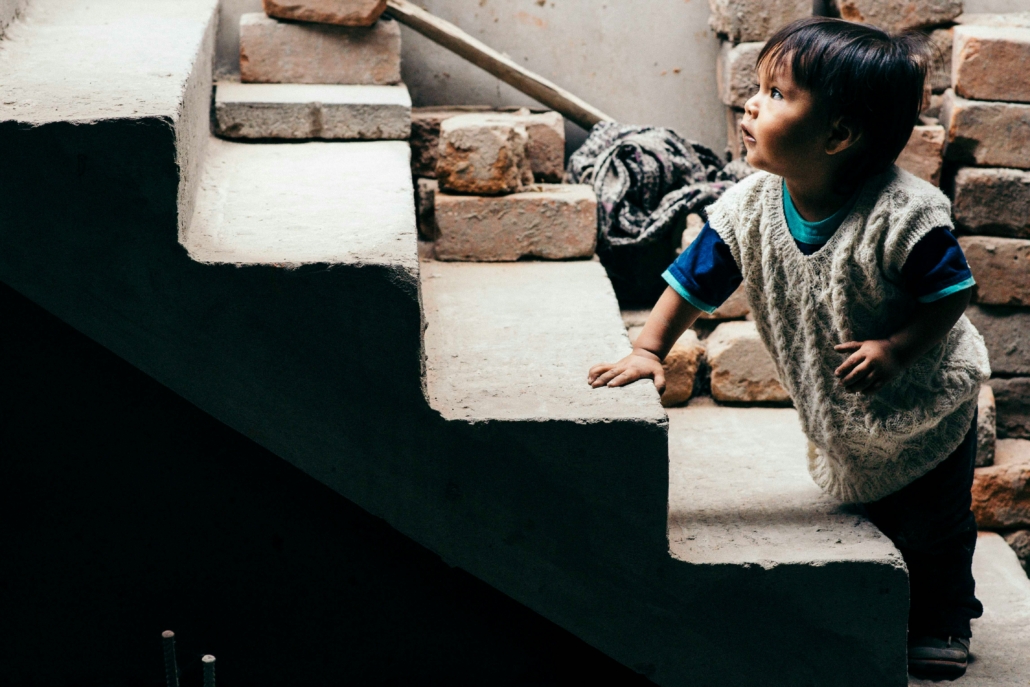
Child Poverty in EcuadorIn recent years, Ecuador has become one of the world’s largest trader of cocaine, resulting in widespread gang violence and instability. At the same time, 45% of its under-14s are living below the poverty line, making them highly vulnerable to joining gangs and perpetuating the crisis. The World Bank and Cross International have administered aid programmes designed to address child poverty in Ecuador during its cartel crisis.

Overview of Ecuador’s Cartel Crisis

Ecuador is a small and highly biodiverse South American country bordering the world’s two leading producers of cocaine: Colombia to the north, and Peru to the south. Historically, Ecuador has been considered one of the more stable Latin American nations, largely evading the well-documented cartel-driven violence that has plagued its neighbours.

However, in the aftermath of the COVID-19 pandemic and despite not producing the drug itself, around 70% of the world’s cocaine now passes through Ecuador, BBC reports. Large criminal organizations from Albania, Mexico and Colombia have colluded with local gangs to control Ecuador’s ports and their shipping routes. Devastating violence has followed: there were 781 murders in January 2025 alone.

President Daniel Noboa — re-elected in April — has instigated a State of Emergency, including a nightly curfew, on several occasions, and has promised to crack down on the violence. Yet even with notorious gang leader Fito being extradited to the U.S., the violence is continuing and spreading inland: on 28 July 2025, 17 people were shot dead in the small town of El Empalme.

Child Poverty in Ecuador

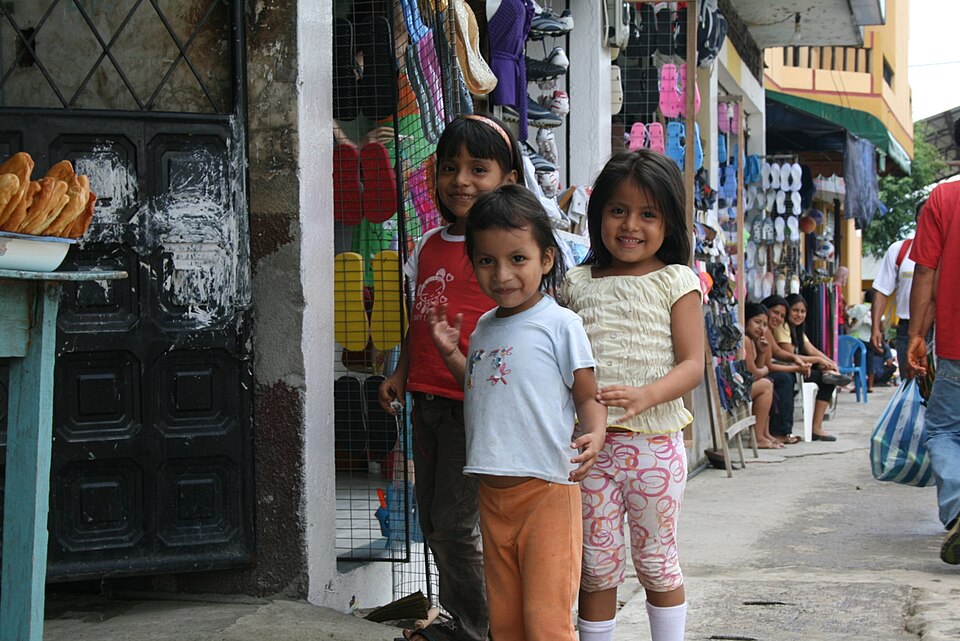
Child poverty is a major social issue facing Ecuador, with the World Bank reporting that 45% of under-14s live below the poverty line. The implications make for grim reading: malnutrition affects 23% of Ecuadorian children; many, especially in rural areas, cannot access education; several fall victim to child sexual abuse. Poorer children in cities often have to work on the streets to support their families, and schooling itself is often so poor that it fails to help those from disadvantaged backgrounds out of poverty.

Child Poverty and the Cartel Crisis

Inner-city slums such as those in the capital, Quito, and in the major port city of Guayaquil, are perfect targets for criminal gangs and a focal point of Ecuador’s cartel crisis. Many have been branded “breeding grounds” for child and adolescent gang violence, whereby children growing up in overcrowded houses and unsafe neighbourhoods, and who lack strong support networks, develop a distorted concept of violence as a normal element of home life.

Criminal gangs seek to exploit young people’s lack of social and economic opportunities, instilling fear in impoverished communities. Some inner-city schools struggle with “micro-trafficking”, whereby older children recruit younger children into gangs within the school grounds. Teachers report feeling afraid of teaching children whose parents are gang members, for fear of drawing their attention.

Addressing Child Poverty in Ecuador’s Cartel Crisis

Two significant aid programmes are seeking to address child poverty during Ecuador’s cartel crisis. In February 2025, the World Bank committed to a $110 million U.S.-funded “Social Safety Net” program, focusing on improving child development and tackling the most significant dimensions of child poverty in Ecuador. Among its interventions are cash transfers for households with children under 3 years old and cooperative work with Ecuador’s Ministry of Health to increase the provision of nutrition services across the country to address child malnutrition.

Additionally, Cross International provides direct aid to children living in poor inner-city slums. Cross International provides food and academic support for primary schools to support families who do not have the time or resources to feed or academically assist their children. For those in secondary school, Cross International have innovatively established a night school, acknowledging those children who have to work in the daytime to support their families, according to its website. These measures explicitly aim to support at-risk children living in poverty during Ecuador’s cartel crisis.

Although the situation in Ecuador is undeniably bleak, these aid schemes are providing vital support in addressing child poverty and reducing the risk of Ecuador’s cartel crisis engulfing many more young people.

– Joseph Webb

Joseph is based in Norwich, UK and focuses on Politics for The Borgen Project.

Photo: Wikimedia Commons

August 2, 2025
https://borgenproject.org/wp-content/uploads/borgen-project-logo.svg 0 0 Naida Jahic https://borgenproject.org/wp-content/uploads/borgen-project-logo.svg Naida Jahic2025-08-02 03:00:402025-08-01 14:20:29Cartel Crisis: Addressing Child Poverty in Ecuador
Child Poverty, Global Poverty, Nonprofit Organizations and NGOs, Women and Children

Orphans in the DRC

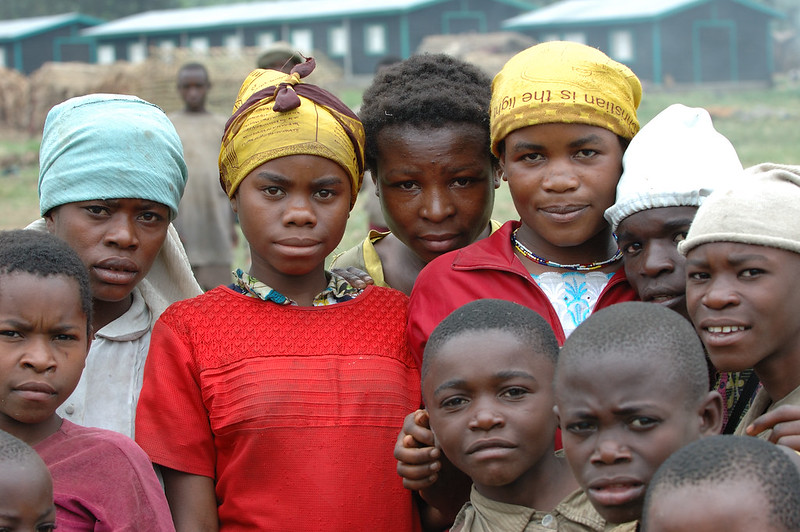
Orphans in the DRC and the IWOFThe International Widows and Orphans Fund (IWOF) is a nonprofit organization that primarily focuses on supporting orphaned children and widowed women in the Democratic Republic of Congo (DRC). Congo is a country located in central Africa and it is bordered by nine countries: Central African Republic, South Sudan, Uganda, Rwanda, Burundi, Tanzania, Zambia, Angola and the Republic of Congo. 

Civil War

The DRC’s involvement in war is what has caused hardships for its civilians, especially women and children. The conflict has orphaned children and left many women widowed. Additionally, there has been an increase in violence and rape toward women and children during this period of war, which has lasted for more than 30 years. Around 7,000 people have lost their lives since January 2025. Women and children often face the greatest risks in situations like this.

Orphans in Congo

There are a variety of reasons why children in the Democratic Republic of the Congo become orphans. One main reason is that bad actors use rape as a strategy of war. As a result, many women become pregnant and abandon their babies on the streets due to embarrassment and social judgment. The country lacks organizations that protect orphans and communities often reject these children, leaving them with nowhere to go. Another reason for orphans in the DRC is poverty. When families are incapable of providing for their children, they resort to child abandonment.

Exploitation in the DRC

Due to their vulnerability, orphans are often exploited in various ways. In the DRC, adults take advantage of these children. Some law enforcement personnel have used them to disrupt political protests. Others exploit them as cheap, manual labor, often providing little or no pay. Some have also forced these children into sex and drug trafficking. The Congolese army has also used orphans as child soldiers. At one point, children made up as much as 40% of the army. They are often denied food, water and medical care. Recruits are trained to fight and carry out unlawful acts against civilians, exposing them to severe trauma and violence at a young age.

IWOF’s Mission

The IWOF began with one email in 2013. This email was from a friend and it detailed the story of 35 orphans in the DR of Congo, who were hidden from rebel soldiers in a wooded area. IWOF initially paid for school fees and uniforms. As the organization built a stronger relationship with the Grace Orphanage, it expanded its support. Since then, IWOF has constructed housing for 46 orphans, established a farm with animals and crops and built a learning center. The organization sends 97% of its raised funds directly to the Grace Orphanage in the DRC. The IWOF team also regularly visits and inspects the facilities.

Widows and Orphans Fund

IWOF not only supports orphans, but also supports widows. More than 5 million people have died in the civil war in the Democratic Republic of the Congo, which has been ongoing for more than 30 years. As a result, many women have lost their husbands, leaving them widowed. These widows live without a stable source of income and often turn to prostitution. The majority of these widows also have no education. There are roughly 120 widows staying at Grace Orphanage. IWOF opened a reading center in 2018 to provide them and their children with reading and writing help, meals, school supplies, toys and games, socialization and health information.

IWOF’s Accomplishments

Over the last 10 years, IWOF has:

  • Built four houses that support 46 children
  • Built two houses for staff
  • Remodeled the first house into an on-site library and administrative office
  • Built a reading center and supported 10 women through a reading and business program
  • Built an agricultural area that produces crops for food
  • Installed the first phase of a septic system
  • Built a communal kitchen that feeds 54 people daily, including children and staff
  • Installed a water well with a solar pump to provide fresh water to the orphanage and nearby community
  • Installed solar power to supply the houses
  • Built a gate and wall for security
  • Purchased two acres of land for future housing at Grace Orphanage

Looking Ahead

IWOF plans to expand further in the coming years. Its goal is to provide housing for up to 60 orphans in the DRC and for the orphanage to become self-sufficient. The organization plans to build another house to accommodate more children. It also aims to grow its reading and business program to include microloans and mentorship for widows, helping them successfully run their own businesses. Supplying vegetables and chickens is also part of IWOF’s future plans. The organization hopes to rely less on donations and move toward long-term self-sufficiency. 

– Ella Burke

Ella is based in Lawrence, KS, USA and focuses on Good News, Celebs for The Borgen Project.

Photo: Flickr

July 30, 2025
https://borgenproject.org/wp-content/uploads/borgen-project-logo.svg 0 0 Precious Sheidu https://borgenproject.org/wp-content/uploads/borgen-project-logo.svg Precious Sheidu2025-07-30 01:30:042025-07-29 16:04:02Orphans in the DRC
Child Poverty, Global Poverty, Sports

How Boxing Helps Fight Poverty

Boxing Helps Fight PovertyBoxing has always helped those in poverty, especially children. Like other sports, it offers kids in poverty a safe place from a harmful environment. It teaches life skills that help them navigate out of poverty. Additionally, those who are talented enough have started careers in boxing after taking it up while in poverty; notable examples include George Foreman, Mike Tyson and Muhammad Ali. With the sport being so globally popular, impoverished people worldwide have shown how boxing helps fight poverty.

Ghana

Ghana has made significant progress in reducing poverty in recent decades. It boasts one of the 10 fastest-growing economies in the world and the second-largest economy in Africa as of 2018. Despite that, it still ranks 140th out of 189 countries on the Human Development Index and nearly a quarter of the population lives below the poverty line.

However, in the town of Bokum, boxing is a way for children to endure and overcome community violence. Furthermore, boxing helps fight poverty within the community. In makeshift gyms that spill onto the streets, with ropes forming improvised rings, locals turn to boxing for community and support from coaches. Boxing in Bokum is also highly competitive, as evidenced by the eight world champions that come from there. This helps young boxers hone their skills to make money to support themselves.

Boxing-related support in Ghana comes from nonprofits. For example, the Azzumah Nelson Foundation, founded by former Ghanaian world champion Azzumah Nelson, has built sports and education facilities where children can learn sports like volleyball, table tennis and boxing. The organization has also provided rural parts of the country with vocational training and health services.

Mexico

Mexico is a country plagued by significant poverty. Nearly 47 million people live in poverty and around 80% of all national wealth is held by the wealthiest 10% of the population. Poverty has forced many children into violent gang activities, causing those aged less than 25 to make up a third of all murders in Mexico as of 2013.

In response, the Mexican government is turning to boxing to keep its kids off the streets. In Mexico City, 42,000 people gathered for a large-scale boxing lesson led by boxing greats like Oscar de la Hoya and Julia Cesar Chavez. There, President Claudia Sheinbaum Pardo announced the Federal government’s “Stay Away from Drugs. Fentanyl Kills You” campaign and affirmed, “The people of Mexico say yes to education, sport, peace and love.”

The World Boxing Council (WBC) has also used its Cares Program to support and empower young people through its global influence. Whether it be building confidence through its KO Bullying Campaign or virtual seminars at juvenile detention centers during the pandemic, WBC Cares has worked to give children the skills and confidence necessary to avoid drugs and crime. Notably, the Boys and Girls Club CDMX and the State of Mexico offer a safe place for children to participate in developmental activities in the summer. According to the Executive Director, Alejandro Palomino, they served more than 240 young people in the summer of 2024.

Citizens themselves have been supporting their community through boxing. Under a bridge in Ecatepec de Morelos, the Ramirez family built a gym to give children an escape from drugs and crime. By day, head coach Miguel Ramirez sells street tacos and by evening, he trains young boxers, some of whom have gone on to win medals.

Cuba

Since Fidel Castro came to power, boxing and other sports have been a source of national pride for Cubans amid the financial hardship caused by their economic isolation. Their strong national boxing program and uniquely rhythmic style have helped them dominate Olympic boxing for decades and made it widely popular.

The island nation is considered to have some of the worst poverty in Latin America. In 2023, DataWorld reported that Cuba was the most indigent nation in Latin America. In 2024, the Cuban Observatory of Human Rights, an independent organization based in Madrid, reported from a study that almost 90% of the population lives in “extreme poverty.” Of those interviewed, 72% said the food crisis was the biggest problem.

Considering the hard living conditions for many Cuban children, boxing can offer both an outlet and a refuge. Employed by the Cuban government, coaches set up gyms, sometimes in empty lots, to scout for talented children who could move to more advanced national boxing academies. Boxers who are successful enough can even earn money for themselves and their family through professional prizefighting ever since the government lifted its ban in 2022.

Nonprofits also use boxing as a means to help people in Cuba. The Gloves of Hope, for example, collects donations to improve boxing facilities and equipment for women and children in Cuba. Similarly, the International Boxing Association donated 500 pairs of boxing gloves in 2024 to celebrate International Boxing Day.

Conclusion

Boxing in these countries is just one example of the positive effect sports can have for children, as it helps in the fight against poverty. Anytime children experiencing poverty engage in an activity that makes them healthier and stronger, mentally and physically, they give themselves a better chance at a brighter future. Furthermore, they’re also given a break from their harsh living conditions to have fun. Whether boxing or something else, sports should be shared with impoverished communities.

– Seth Pintar

Seth is based in La Jolla, CA, USA and focuses on Business and Politics for The Borgen Project.

Photo: Wikimedia Commons

July 13, 2025
https://borgenproject.org/wp-content/uploads/borgen-project-logo.svg 0 0 Lynsey 2 https://borgenproject.org/wp-content/uploads/borgen-project-logo.svg Lynsey 22025-07-13 03:00:462025-07-13 01:42:02How Boxing Helps Fight Poverty
Child Poverty, Global Poverty, Poverty Reduction

Preventing Generational Poverty in the Dominican Republic

Generational Poverty in the Dominican RepublicPreventing generational poverty in the Dominican Republic is a deeply entrenched and complex challenge. Many citizens remain trapped in a cycle of deprivation that is difficult to escape. Humanitarian efforts offer critical support to vulnerable groups, such as children, pregnant women, families and Haitian migrants, through climate action, economic development and education funding. Some programs focus specifically on improving living conditions in the Dominican Republic and helping break the cycle of poverty.

Causes of Generational Poverty

Generational poverty in the Dominican Republic has persisted for decades, fueled by factors such as poor living conditions, the country’s vulnerability to extreme weather and the segregation of Haitian immigrants. Many factors contribute to widespread poverty. When a family struggles to find steady work, care for their children or recover from a hurricane, all while lacking access to essential services, their stability quickly unravels.

Even families living just above the poverty line are vulnerable; one in four will be impacted by natural disasters, forcing them to seek support for education, health care and basic survival. Additionally, limited access to education and health care leaves children deprived and vulnerable. Attending school and living in stable conditions is crucial for their development and helps reduce future poverty and child mortality. Even economically stable families face risk; there is a one in eight chance that natural disasters will severely impact them, potentially pushing them into poverty.

Annually, nearly 1% of the country’s gross domestic product (GDP) is used to aid those in humanitarian crises, such as natural disasters, poor health and separation from families. It’s a cycle that persists and without humanitarian support, global aid and education funding, breaking it will take far more time. It will place an even greater financial burden on the country.

How It Affects Children’s Daily Life

Children are considered to be one of the most vulnerable groups of people in a community. Without proper nurturing, education, necessities and safety, they become even more susceptible and do not suddenly become more stable or independent as adults. Without proper education, children are also not taught about comprehensive sexual health. As a result, teen pregnancy becomes more common and so do the fatal risks of being pregnant.

Unfortunately, the population of Haitian immigrants in the Dominican Republic faces harsh ridicule and systemic discrimination, not only from employers and peers but also from the government. Haitian children born in the Dominican Republic face discrimination, too, being less likely to be helped by the local government for aid due to a crisis or general poverty.

This is exacerbated by the government’s refusal to give proper identity to these children, not allowing them to access health, minimal education or social benefits. Mass deportation is done to rid Haitian migrants, sending them to Haiti. This causes constant distress for the Haitian community in the Dominican Republic and overall poverty for those who cannot receive help or obtain work. This, in turn, adds to the overall population of those in poverty in the Dominican Republic.

Prevention

Programs like Project HOPE aim to improve the lives of those facing crisis and poverty. It supports the Dominican Republic by reducing maternal and newborn mortality through health worker training and improved medical resources. It also promotes adolescent health via family planning and HIV education and provides migrant women with culturally sensitive care. The charity’s work includes disaster response, like aiding communities affected by Hurricane Fiona with supplies, clean water and training.

Conclusion

The cycle of generational poverty in the Dominican Republic is perpetuated by numerous factors that continue in the country. It prevents an end to discrimination, lack of proper education, lack of enough jobs for citizens, adequate health care for all ages and demographics and proper nutrition. Prioritizing the main issues and making continuous efforts to aid the country as a whole will change the lives of all populations. By addressing these issues, the Dominican Republic could build resilience to climate and health crises and promptly create opportunities for its citizens.

– Paige Eldridge

Paige is based in Van Buren, AK, USA and focuses on Technology and Global Health for The Borgen Project.

Photo: Pexels

July 13, 2025
https://borgenproject.org/wp-content/uploads/borgen-project-logo.svg 0 0 Lynsey 2 https://borgenproject.org/wp-content/uploads/borgen-project-logo.svg Lynsey 22025-07-13 03:00:302025-07-13 01:50:16Preventing Generational Poverty in the Dominican Republic
Child Poverty, Children, Global Poverty

Street Children in the Comoros

Street Children in Comoros

When one thinks about the issue of street children, the Comoros rarely, if ever, come to mind. Yet, the visibility of children working and living on the streets is a growing reality across the country’s three islands: Anjouan, Mohéli and Grand Comore. For many Comorians, encountering groups of children selling goods or soliciting money and cigarettes on the streets has become increasingly common.

Despite this, institutional policies, government data and international reporting on these vulnerable children remain absent. Although a few governmental programs were implemented in 2021 targeting child labor and education, they remain insufficient and fail to address the increasing phenomenon of street children. Similarly, international organizations are predominantly directing their efforts toward combating child labor and addressing de-schooling, leaving street children, especially those without family support, largely overlooked.

Street Children and Poverty

The causes behind the issue of street children in the Comoros are multifaceted. However, extreme poverty stands out as the main factor. In a country where more than 40% of the population experiences poverty, many children resort to street work to secure basic subsistence or help feed their families. Most of them have left the school system, which, although compulsory until age 15, lacks strong enforcement mechanisms to check and enforce school attendance. In 2023, more than 20% of primary school-aged children were out of school in the Comoros, excluding the high absenteeism rates.

Street Children and Parental Migration       

Another major cause contributing to this problem, closely linked to extreme poverty, is the migration of many Comorian parents to the French-administered island of Mayotte. This mass migration leaves many children homeless as their parents seek better economic opportunities.

Street Children and Mental Health

Children with disabilities and mental health conditions face higher risks of living and working on the streets. This is due to a lack of proper psychiatric care, exacerbated by the presence of only one psychiatrist in the country and the high cost of medications, alongside educational exclusion. According to the most up-to-date UNICEF report from 2015, 73% of these children did not attend secondary school and only 2.9% progressed beyond secondary education, illustrating the exclusion children with disabilities encounter.

Gender-Based Vulnerabilities

Girls and young women are disproportionately affected by educational exclusion and societal norms that promote submission to male authority. This often leads to mistreatment, sexual abuse, early sexual activity starting as young as 12 and unwanted pregnancies. These factors contribute significantly to the increasing number of young women living on the streets, as some parents repudiate their daughters who have terminated unwanted pregnancies.

Life on the Streets Equates Survival

Once children are on the streets, whether they return home after working or both work and live there, survival becomes the primary goal. The lack of reliable housing exposes youth to physical, sexual and emotional abuse. Health issues such as parasitic diseases, pneumonia, sexually transmissible diseases and HIV are common, compounded by past and present trauma. Without adequate support, children become the perfect targets for drug dealers, both as consumers and sellers.

The absence of comprehensive systems and official data exacerbates their plight. The Comoros lacks social structures to shelter street children, with few competent host families. Children’s judges rarely place them under those families and there are not enough inspectors to follow up. The lack of official and international data on the number of children living and working on the street in the Comoros also worsens the situation, as their abuses remain undocumented and unacknowledged, leaving children vulnerable to aggressors who can commit crimes with impunity and many disappearing without anyone noticing.

Efforts Toward Empowerment

Despite the alarming situation, some organizations like Ticket to Life and MAEECHA are working to address these challenges, offering hope for street children in the Comoros. Ticket to Life provides vocational training and education to street children, children with disabilities, refugees and all of those who suffer from poverty. Since its creation in 2022, it has helped 400 children through scouting and sewing training. It enabled some students to open their sewing shops and become an integral part of their local communities, transforming their future. By 2026, Ticket to Life intends to assist another 2,000 children.

MAEECHA operates in Anjouans and focuses on education equality and support for isolated children through its Education, Care, Support and Inclusion (ECMA) program. Its center of professional insertion helps out-of-school children, including those at risk of street involvement due to family breakdown or abandonment. It provides professional vocational training in several fields, such as agriculture, sewing, electronics, carpentry and culinary arts, targeting about 60 children annually. It is supported by partnerships with French and European organizations promoting apprenticeships and certifications.

Conclusion

The phenomenon of street children in the Comoros is a multifaceted issue rooted in systemic poverty, inadequate social structures and violence. Working and/or living on the streets exposes children to sexual, physical and emotional abuse. While Ticket to Life and MAEECHA are making strides in providing support and comprehensive governmental action, the involvement of international organizations focused on this issue and American aid would help address the root causes of street children. It would also help protect the rights and futures of the Comorian children, especially as an increasing number of them attempt to join the French-administered island of Mayotte, often at the peril of their lives.

– Juliette Delbarre

Juliette is based in London, UK and focuses on Global Health for The Borgen Project.

Photo: Pexels

July 9, 2025
https://borgenproject.org/wp-content/uploads/borgen-project-logo.svg 0 0 Lynsey 2 https://borgenproject.org/wp-content/uploads/borgen-project-logo.svg Lynsey 22025-07-09 03:46:512025-07-09 04:05:07Street Children in the Comoros
Child Poverty, Global Poverty, Nonprofit Organizations and NGOs

Ending Child Poverty in Croatia

Child Poverty in CroatiaChildren make up nearly 17% of Croatia’s population. Due to various factors, one in five children in Croatia experiences child poverty. However, several organizations, including SOS Children’s Villages and Caritas Croatia, are working to address this.

Child Poverty in Croatia: An Overview

As of 2023, the child poverty rate in Croatia stood at 16.1%, down from around 21% in 2014. Following its independence in the late 1990s, Croatia experienced significant economic changes during the early 2000s and 2010s, including the 2008 financial crisis and the 2019 COVID-19 pandemic. These events caused fluctuations in the number of lower-income families, directly impacting many Croatian children and their living conditions.

The prevalence of lower-income families directly impacts many Croatian children and their livelihoods. Currently:

  • One in two children in Croatia doesn’t attend preschool.
  • One in five children faces a high risk of poverty.
  • One in four young people in Croatia are unemployed.

These numbers are a product of many families not having access to the proper resources to support their families. Many parents have difficulty affording preschool or other necessities for their young children to strive in society. This upbringing creates a skills gap for many young people in Croatia, contributing to high youth unemployment rates.

Combating Child Poverty in Croatia

Several organizations support children living in poverty in Croatia to combat this disparity. One of the most notable is SOS Children’s Villages, which operates nationwide. SOS Children’s Villages has supported Croatian children without parental care since 1992, addressing child poverty head-on. It aims to end child poverty by protecting and supporting children in their care, helping them access education and building careers for adulthood. 

The charity has kept 35 families together, provided safe homes for 140 kids and prepared 55 young people for independent living. Its social centers serve vulnerable families to help them climb out of poverty. Children in SOS Children’s Villages are supported in staying connected with their families and communities. At the same time, their strengths are nurtured as they grow and learn. Overall, SOS Children’s Villages provide children access to proper health and educational services. This support offers opportunities many might not have had outside the Villages.

Similarly, Caritas Croatia (Hrvatski Caritas) has been tackling child poverty and social exclusion through its wide-reaching network since 1992. Operating across more than 10 dioceses and hundreds of parish outlets, it assists vulnerable families, orphans, children with disabilities and war-affected youth. The organization has supported more than 5,000 children.

The Long Run

The long-term impact of SOS Children’s Villages clearly shows its commitment to combating child poverty in Croatia. The program lays a foundation for a future filled with career opportunities and self-sufficiency by providing children with a strong support network early on.

Looking ahead, SOS Children’s Villages have the potential to break the cycle of poverty by equipping Croatia’s youth with the resources they need for a fresh start and a brighter future.

– Angelina Tas

Angelina is based in Cleveland, OH, USA and focuses on Good News and Technology for The Borgen Project.

Photo: Flickr

July 7, 2025
https://borgenproject.org/wp-content/uploads/borgen-project-logo.svg 0 0 Lynsey 2 https://borgenproject.org/wp-content/uploads/borgen-project-logo.svg Lynsey 22025-07-07 01:30:532025-07-07 01:40:22Ending Child Poverty in Croatia
Child Marriage, Child Poverty, Global Poverty

Child Marriage in Andorra

Child Marriage in Andorra

Despite Andorra’s modest geographic size, the country is known for its Romance Catalan language and strong diplomatic spirit. Above all these fascinating features, Andorra has a lengthy history of underage marriages as defined by the 1995 Andorra Marriage Law. With the approval of the child’s guardians, this law permits 16-year-olds to marry. The United Nations (U.N.) Committee on the Rights of the Child (CRC) and the Convention on the Elimination of All Forms of Discrimination Against Women (CEDAW) are two active organizations that aim to end child marriage and bring social stability.

Reproductive Freedom for Young Girls

According to the CRC, teenagers in early marriages have the right to seek reproductive and sexual health facilities when in need. Particularly, many teenage females suffer the most from these early marriages. They typically endure domestic violence from their partners. Additionally, they can fall pregnant at an early age, which may trigger mental health problems down the road.

However, the country criminalizes abortion in all circumstances and doesn’t offer domestic exceptions, even for rape, incest or health risks. As a result, people who seek abortions, including underage girls, are forced to travel to Spain or France. In response, the CRC in September 2023, expressed grave concern over Andorra’s total ban. Similarly, CEDAW recommended legal reform so that women and girls, including minors, don’t have to leave the country to access essential reproductive care.

UN Push Leads to Andorra Child Marriage Ban

In 1996, Andorra implemented a recommendation from the U.N. Committee to standardize the minimum legal age for marriage at 18 for both boys and girls. However, despite this early move, concerns persisted over loopholes in the country’s legal framework that still allowed underage marriages under certain conditions. In 2023, the issue resurfaced when the U.N. took note of recent amendments to the Qualified Act on Persons and Families. These reforms reinforced the prohibition of child marriage. These updates provided a more explicit and enforceable legal ban, making the country’s stance on the issue more straightforward.

The U.N. Committee suggested an act to standardize the minimum legal age for marriage at 18 for both boys and girls. Andorra implemented this recommendation in 1996. The U.N. brought up the subject again in 2023 after seeing that the Qualified Act on Persons and Families, a recently amended law, had been reinforced to outlaw child marriage. This allows for a more straightforward and apparent ban on this issue.

That same year, CEDAW called on Andorran communities to end underage marriage entirely. The Committee criticized provisions that permitted marriage as early as age 14 with judicial approval and age 16 under specific circumstances. CEDAW urged Andorra to fully align with international standards by establishing 18 as the absolute minimum legal age for marriage, without exceptions.

Further back in 2015, during the Universal Periodic Review by the U.N. Human Rights Council, Andorra had already agreed with CEDAW’s recommendations to strengthen child protection laws. As part of its broader human rights commitments, Andorra ratified the Council of Europe Convention to prevent and combat violence against children and conflict-related crimes. Under this framework, forced marriages, whether involving adults or minors, are now classified as a form of sexual abuse.

Final Remarks

Andorra has taken a pivotal stance against child marriage, guided by unwavering support for the two global groups. Andorra continues to establish child rights that adhere to universal standards. Legislative modifications and the cautious assembly to hold meetings helped examine these pressing issues and served to support this. Andorra’s commitment to safeguarding adolescents’ health assists in minimizing the adverse social and health effects of unlawful marriages.

– Janae Bayford

Janae is based in Centennial, CO, USA and focuses on Good News for The Borgen Project.

Photo: Flickr

June 14, 2025
https://borgenproject.org/wp-content/uploads/borgen-project-logo.svg 0 0 Lynsey 2 https://borgenproject.org/wp-content/uploads/borgen-project-logo.svg Lynsey 22025-06-14 07:30:392025-06-14 05:38:51Child Marriage in Andorra
Child Poverty, Global Poverty, Nonprofit Organizations and NGOs

The Realities of Child Poverty in the Philippines

The Realities of Child Poverty in the PhilippinesChild poverty in the Philippines remains a pressing concern that affects children’s physical and mental development. While the overall poverty rate in the country has declined, the child poverty rate continues to increase. According to a 2022 policy research report by the World Bank and UNICEF, approximately 5.14 million Filipino children—about 12.4%—live in extreme poverty.

Root Causes and Response Initiatives

Causes, familiarity and socio-economic conditions contribute to the rising number of children living below the poverty line. Advocacy organizations and programs like the Pantawid Pamilyang Pilipino Program (4Ps) and Childhope Philippines Foundation work to ensure that children living on less than $2.15 per day can access education, health care, housing and other resources needed to break the poverty cycle. The Philippines continues to pursue its goal of becoming an upper-middle-income country. However, poverty in the country stems from multiple interconnected issues. The long-term effects of child poverty extend beyond the affected children to wider society.

Several factors, including limited employment, inadequate access to quality education and health care and regional conflict, contribute to the persistence of poverty among children.

Child Labor

Low household income remains a key driver of child labor. To support their families, many children either drop out of school or divide their time between work and school. According to the Philippine Statistics Authority (PSA), in 2023, around 1.09 million children aged 5 to 17 were working and 678,000 of them were not eligible to work legally. Although the number of working children has decreased from previous years—935,000 in 2021 and 828,000 in 2022—child labor remains a significant concern. Many children leave school due to financial hardship, creating a cycle of poverty that could persist across generations.

Education

Education plays a vital role in national development. The Philippine government mandates a 13-year basic education system from kindergarten through 12th grade, known as the K–12 program. Despite this, many Filipino children face a learning crisis marked by poor performance in international assessments and high levels of learning poverty. According to UNICEF, children in the Philippines lag five to six years behind students in countries with similar economic profiles.

The education system is governed by three agencies: the Department of Education (DepEd), which manages the K–12 public school system; the Commission on Higher Education (CHED), which oversees universities; and the Technical Education and Skills Development Authority (TESDA), which supervises vocational training programs. While enrollment has increased, access to quality education remains uneven, especially in rural areas. Addressing inaccessibility through advocacy and investment could help children build a better educational foundation.

Child Poverty Reduction Solutions

Governmental and nongovernmental organizations (NGOs) programs, such as the Conditional Cash Transfer (CCT) programs and Childhope Philippines Foundation, work to combat child poverty in the Philippines. Government programs provide financial support to low-income families, help ensure that every child can attend school and receive necessary health care, while NGOs offer educational solutions, food assistance and community development projects. Expanding and implementing these solutions can potentially get every individual to work together to fight against child poverty effectively, for an increase in opportunities for children as they grow older.

Pantawid Pamilyang Pilipino Program (4Ps)

The Pantawid Pamilyang Pilipino Program (4Ps) serves as the country’s flagship poverty reduction strategy. Implemented by the Department of Social Welfare and Development (DSWD), the program provides financial aid to poor households for up to seven years. Conditions include children’s school attendance, regular health visits and participation in family development sessions.

The 4Ps is the fourth-largest CCT program globally and funds 4,177,476 loan recipients, with 870,865 newly registered households. The strategy covered 75% of the country’s population alongside the Philippine government and the Millennium Development Goals (MDGs), eradicating extreme poverty and hunger, achieving quality education, advancing gender equality, decreasing child mortality and upgrading maternal health care. The 4Ps’ accomplishments have resulted in a poverty reduction of 1.4 percentage points per year or 1.5 million fewer poor Filipinos. In the end, more than 600,000 Filipino families accomplished self-sufficiency with help from the 4Ps. 

Childhope Philippines Foundation

Childhope Philippines is a renowned NGO that aims to promote the welfare, uphold and protect the rights of street children in the Philippines. The organization provides education, health services and livelihood opportunities for the impoverished youth. Established in 1995, Childhope empowers children with skills and resources to achieve a brighter future. It encourages everyone to become a united community where individuals play a role in raising awareness of child poverty in the country.

Nationally and internationally, the foundation encourages people to send donations and participate in volunteer work to become a beacon of hope for 50,000 to 70,000 Filipino children who live and work on the streets of Metro Manila, Philippines. Throughout the years, Childhope transformed the lives of approximately 10,500 street children with long-lasting impacts through its partnerships and projects.

Looking Ahead

Every child deserves access to basic rights and opportunities for a better future. Child poverty in the Philippines requires comprehensive strategies that address economic hardship, improve education and expand social welfare. Efforts by both the government and NGOs play a crucial role in reducing hardship and supporting children’s development. Ongoing commitment from all sectors could help build a society where every child can thrive and contribute meaningfully to national growth.

– Makayla Johnson

Makayla is based in Cary, NC, USA and focuses on Good News for The Borgen Project.

Photo: Flickr

May 28, 2025
https://borgenproject.org/wp-content/uploads/borgen-project-logo.svg 0 0 Precious Sheidu https://borgenproject.org/wp-content/uploads/borgen-project-logo.svg Precious Sheidu2025-05-28 07:30:132025-05-28 03:37:52The Realities of Child Poverty in the Philippines
Child Poverty, Children, Global Poverty

Little-Known Facts About Child Poverty in Iraq

Child Poverty in IraqAccording to Humanium, around 3.5 million children are affected by poverty in Iraq. Child poverty in Iraq has caused several problems, as it denies children their most basic human rights. These children face multidimensional poverty as they are deprived of education, health care and safety. Here are little-known facts about child poverty in Iraq.

Health

According to the United Nations Children’s Fund (UNICEF), one in five children in Iraq suffers from stunted growth due to chronic malnutrition, a serious issue with long-term impacts. Malnourishment not only threatens children’s survival and physical development but also poses lasting risks to their cognitive abilities and academic performance.

Postnatal breastfeeding practices are extremely low and stand at 19.6%, with most infants receiving additional milk and other liquids shortly after birth. Continuation of breastfeeding is poor, with only 22.7% of mothers reporting offering breast milk until the child reaches 24 months. In Iraq’s previous state of insecurity and population displacement, good child-feeding practices are in even more jeopardy.

Education

Education in Iraq is free and mandatory until the age of 12. However, inadequate facilities and overcrowded classrooms hinder children from receiving a quality education. Additionally, children with disabilities and those who are displaced often lack access to schooling altogether.

Ongoing instability in the country has further undermined the right to education, with several primary and secondary schools forced to shut down and more than 20 schools reportedly demolished. Furthermore, out-of-school children are more vulnerable to exploitation and abuse, including child labor, recruitment by armed actors and early marriage.

Technology

In partnership with the Government of Iraq (GoI) and UNICEF’s Office of Innovation, UNICEF Iraq is exploring innovative approaches to measure poverty beyond traditional methods. This includes analyzing alternative data sources such as mobile phone data and satellite imagery and incorporating high-frequency surveys.

The goal is to determine whether call detail records (CDRs) and satellite images can effectively predict poverty levels. Once a reliable model is developed, it can be used to monitor and update child poverty estimates across Iraq regularly.

COVID-19

A global consensus emerged recognizing the devastating socioeconomic impact of the COVID-19 crisis and Iraq was no exception. The country experienced widespread job losses and rising prices, which led to increasing poverty levels. In addition, disruptions to essential services further deepened household deprivation and vulnerability.

Children and adolescents, who accounted for more than half of Iraq’s population, were particularly affected. They bear the brunt of growing poverty, service interruptions and heightened family stress caused by the pandemic.

In response to the pandemic outbreak in Iraq, the World Bank approved more than $33 million to support the country’s effort in ” preventing, detecting and responding to the COVID-19 pandemic.” Additionally, the United Nations World Food Program (WFP) launched new programs to support Iraq’s vulnerable population, especially women and children.

Conclusion

Child poverty in Iraq remains a significant and complex challenge, exacerbated by economic instability and disruptions to essential services. While efforts are being made to address these issues, such as innovative data collection methods and initiatives to improve education and health care, the road to meaningful progress is long. Nonetheless, step by step and in collaboration with international organizations such as the World Bank and WFP, Iraq can effectively tackle its child poverty challenge.

– Dania Kerim

Dania is based in London, UK and focuses on Good News for The Borgen Project.

Photo: Pexels

April 21, 2025
https://borgenproject.org/wp-content/uploads/borgen-project-logo.svg 0 0 Lynsey 2 https://borgenproject.org/wp-content/uploads/borgen-project-logo.svg Lynsey 22025-04-21 01:30:402025-04-21 00:30:07Little-Known Facts About Child Poverty in Iraq
Child Poverty, Global Poverty

Aircrafted KIDS: Transforming Aircraft Interiors into Schoolbags

Aircrafted KIDSEmirates Airline, based in Dubai, United Arab Emirates, launched its “Aircrafted KIDS” initiative in June 2024 in conjunction with World Environment Day. As part of an environmental strategy focused on responsible consumption, this initiative builds on the Emirates Airline Foundation’s long-standing dedication to children’s welfare programs by upcycling aircraft interiors into handcrafted schoolbags designed to support early education for underprivileged children across Africa and Asia.

From Cabins to Classrooms

Aircrafted KIDS represents a pioneering fusion of sustainability and education. In August 2022, Emirates launched the world’s largest retrofit project – a $2 billion investment to fully refit 191 aircraft, including 110 Airbus A380s and 81 Boeing 777s. While the primary goal was to elevate the passenger experience, the initiative also presented a unique opportunity to repurpose up to 50,000 kilograms of waste materials from cabin interiors.

For example, the retrofitting of 22 Airbus A380s generated more than 5,205 kilograms of materials – primarily seat fabrics composed of 95% wool and 5% nylon, according to Emirates Airline. These textiles, known for their durability and non-flammability, proved ideal for upcycling into functional, child-friendly schoolbags.

Rather than simply sending the scrap material to a landfill, Emirates Engineering established a dedicated workshop where skilled tailors repurposed the recovered fabrics into a diverse range of handcrafted backpacks for children of all ages. Collaborating closely with Emirates’ Corporate Communications, Marketing and Brand team, the initiative identified charitable organizations, schools, orphanages and community foundations to receive the bags – each one thoughtfully filled with essential school supplies. This project not only significantly reduces waste from aircraft refurbishments but also reinforces Emirates’ broader mission to support education and community wellbeing.

Impact in Africa

Nearly a year since its launch, the impact of the Aircrafted KIDS initiative continues to grow. Emirates partnered with six organizations across Africa to deliver more than 1,300 handcrafted schoolbags, each filled with carefully curated items such as stationery, calculators, water bottles, hygiene items, lunchboxes, and other educational essentials—alongside books by local authors that offer culturally rich stories and interactive learning experiences.

In Zimbabwe, Emirates partnered with St Marcellin’s Children’s Village Trust and Rose of Sharon, two non-profit organizations dedicated to supporting vulnerable children. The airline collaborated with the Kucetekela Foundation in Zambia, which supports academically gifted students from underprivileged backgrounds, and the Alliance for Children Everywhere (ACE), which focuses on empowering families through education and economic support – donating 464 special edition schoolbags.

In Ethiopia, Emirates joined forces with Bravehearts Ethiopia, an NGO championing access to quality education, and Roots Ethiopia, which supports rural education initiatives across the country – donating 450 Aircrafted KIDS bags to children in need.

Emirates’ Country Manager in Zambia, Omar Bushlaibi, reflected on the parallel between education and travel, highlighting how both broaden perspectives and drive societal development. He reaffirmed the airline’s long-standing commitment to Zambia since commencing operations in 2012, emphasizing not only its ongoing efforts to expand services but also its dedication to making a meaningful contribution to local community development. Bushlaibi’s words reflect Emirates’ strong sense of social responsibility and its commitment to creating a positive impact in the destinations it serves.

Impact in Asia

Following its donations in Africa, Aircrafted KIDS extended its impact across Asia, distributing 700 handcrafted schoolbags filled with essential supplies to support students in their daily learning and enrich their educational experience.

In India, Emirates teamed up with the Smile Foundation, an organization supporting children aged 6 to 14 through education, health care and livelihood programs. Together, they distributed 400 practical and thoughtfully designed backpacks to students in New Delhi to support their academic journey.

In Bangladesh, Emirates partnered with Kanan, Thikana (Shelter Home), and Ahsania Mission Shishu Nagari—three Dhaka-based organizations that provide shelter and education for women and children. With 187 backpacks donated, Emirates is supporting ongoing efforts to reform the country’s education system and promote equal opportunities for all children. Meanwhile, in Pakistan, Emirates collaborated with SOS Children’s Villages, a world-renowned organization that offers care and education to underprivileged youth.

The next destination for the Aircrafted KIDS schoolbag initiative is Egypt, with additional locations across the MENA region set to follow soon.

Final Thoughts

Education is a fundamental right and a powerful catalyst for societal progress, forming the bedrock of economic empowerment and ensuring that the next generation is equipped with the tools required to create a more prosperous future. Nevertheless, according to UNESCO, 251 million children and young people are currently out of school, with more than half living in sub-Saharan Africa—a situation further compounded by the ongoing challenges many children face in accessing the resources and opportunities needed to reach their full potential.

Aircrafted KIDS exemplifies the innovative possibilities that arise when business and humanitarian values intersect, demonstrating that these two forces need not be in opposition; instead, they can work together to create solutions that benefit both the economy and society.

– Charlotte Codd

Charlotte is based in Waterford, Ireland and focuses on Technology and Solutions for The Borgen Project.

Photo: Flickr

April 20, 2025
https://borgenproject.org/wp-content/uploads/borgen-project-logo.svg 0 0 Naida Jahic https://borgenproject.org/wp-content/uploads/borgen-project-logo.svg Naida Jahic2025-04-20 07:30:352025-04-19 13:21:00Aircrafted KIDS: Transforming Aircraft Interiors into Schoolbags
Page 3 of 17‹12345›»

Get Smarter

  • Global Poverty 101
  • Global Poverty… The Good News
  • Global Poverty & U.S. Jobs
  • Global Poverty and National Security
  • Innovative Solutions to Poverty
  • Global Poverty & Aid FAQ’s
Search Search

Take Action

  • Call Congress
  • Email Congress
  • Donate
  • 30 Ways to Help
  • Volunteer Ops
  • Internships
  • Courses & Certificates
  • The Podcast
Borgen Project

“The Borgen Project is an incredible nonprofit organization that is addressing poverty and hunger and working towards ending them.”

-The Huffington Post

Inside The Borgen Project

  • Contact
  • About
  • Financials
  • President
  • Board of Directors
  • Board of Advisors

International Links

  • UK Email Parliament
  • UK Donate
  • Canada Email Parliament

Get Smarter

  • Global Poverty 101
  • Global Poverty… The Good News
  • Global Poverty & U.S. Jobs
  • Global Poverty and National Security
  • Innovative Solutions to Poverty
  • Global Poverty & Aid FAQ’s

Ways to Help

  • Call Congress
  • Email Congress
  • Donate
  • 30 Ways to Help
  • Volunteer Ops
  • Internships
  • Courses & Certificates
  • The Podcast
Scroll to top Scroll to top Scroll to top