• Link to X
  • Link to Facebook
  • Link to Instagram
  • Link to TikTok
  • Link to Youtube
  • About
    • About Us
      • President
      • Board of Directors
      • Board of Advisors
      • Financials
      • Our Methodology
      • Success Tracker
      • Contact
  • Act Now
    • 30 Ways to Help
      • Email Congress
      • Call Congress
      • Volunteer
      • Courses & Certificates
      • Be a Donor
    • Internships
      • In-Office Internships
      • Remote Internships
    • Legislation
      • Politics 101
  • The Blog
  • The Podcast
  • Magazine
  • Donate
  • Click to open the search input field Click to open the search input field Search
  • Menu Menu

Archive for category: Aid

Aid, Global Poverty

Maternal Mortality in Burundi

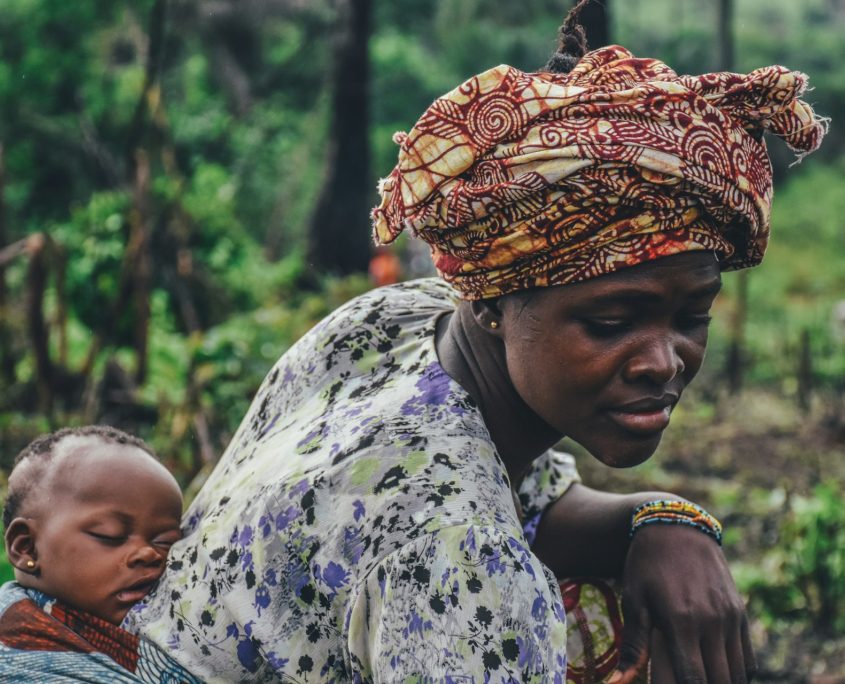
Maternal Mortality in Burundi Burundi is an Eastern African country that is home to 13,477,247 people. In 2000, the rate of maternal mortality in Burundi was 874 deaths per 100,000 births. However, in 2020, that number dropped to 494 deaths per 100,000 births. Hence, this article explores why it is dangerous for women to give birth in Burundi and changes made to help decrease the deaths by 45%.
Maternal Mortality in Burundi: Risks and Barriers

Out of 1,000 girls ages 15-19, only 54 of those girls gave birth in Burundi in 2021. Girls who give birth between 15-19 are at a much greater risk for postpartum hemorrhaging, poor fetal growth, eclampsia, severe preeclampsia and fetal distress. Moreover, some reasons girls get pregnant young are because of poor communities, adolescent illiteracy, early marriage and lack of knowledge of any contraceptive methods. Unfortunately, the high number of girls ages 15-19 giving birth in Burundi contributes to the high number of maternal deaths.

Furthermore, pregnant women who are infected with HIV are at an increased risk for stillbirths, preterm labor, bacterial pneumonia, abortion, low birth weight babies and urinary tract infections, all of which can lead to a high rate of maternal mortality in Burundi. Moreover, women do not have access to adequate birth and health centers, here are three main reasons why mothers lack access:

  1. Cost. Many mothers do not have the funds to be able to afford proper care. Oftentimes, if a mother does go to a clinic, she will walk away with a bill that she cannot pay. This leads to her having to sell a portion of her crops, land, or livestock. In some instances, mothers may be imprisoned, making it difficult to care for their bodies or their children.
  2. Travel Difficulties. Many women do not have birth or health centers close by. This leads to them having to travel and in case of an emergency, they may not get there in time.
  3. Trained Health Care Workers. Many health centers do not have trained health care workers. This leads to inexperience and a lack of knowledge.

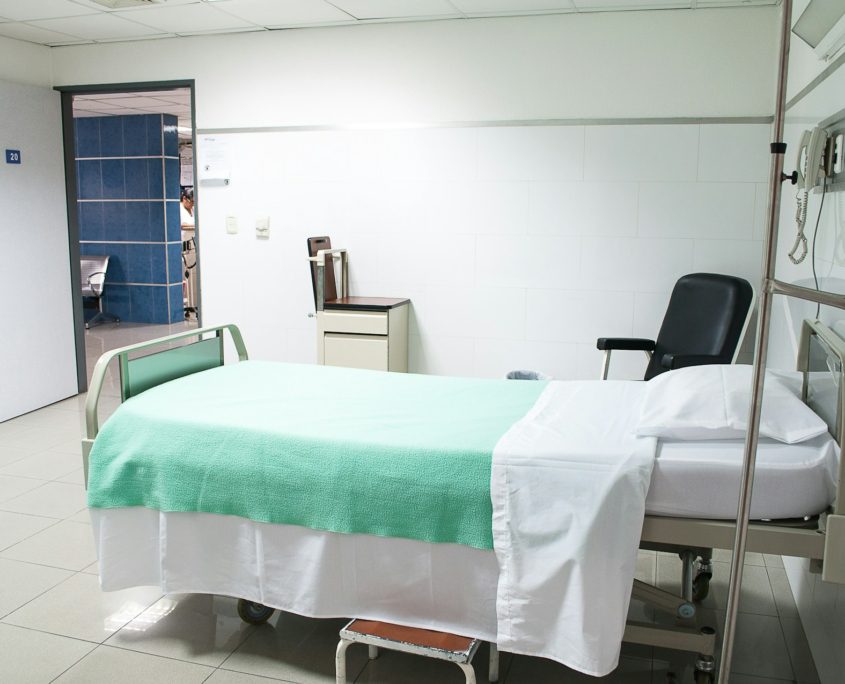
In addition, it can be very hard for mothers to get the care they need if they cannot afford it, cannot travel to it, or if health centers do not have trained health care workers. This leads to a higher maternal mortality rate in the nation.

3 Organizations Reducing Maternal Mortality in Burundi

  1. The United Nations International Children’s Emergency Fund (UNICEF). UNICEF focuses on improving maternal mortality in Burundi. In addition, the organization provides services such as health system strengthening, immunization, malaria prevention and treatment. Additionally, they provide training of health workers, emergency neonatal and obstetrical care, community-level pregnancy follow-up and referral, prevention of mother-to-child transmission of HIV and iCCM that bring care close to populations in need.
  2. Concern Worldwide USA. This organization is working to improve access to quality health care in Burundi. Moreover, pregnant girls and women in Burundi need access to the proper care while they are pregnant and also after they give birth. Concern Worldwide USA is striving to give Burundi women proper care.
  3. Pathfinder. Pathfinder aims to strengthen the health system. This is achieved by improving health system resilience to shocks and stressors, providing essential interventions and home-based care for malaria, diarrhea and pneumonia.

Looking Forward

Burundi is making strides toward improving maternal health, thanks to the concerted efforts of organizations like UNICEF, Concern Worldwide USA and Pathfinder. Moreover, these groups are not only enhancing access to quality health care but are also empowering communities with the knowledge and resources to tackle maternal mortality head-on. Above all, as these initiatives continue to expand and evolve, there is a growing sense of optimism that Burundi can further reduce maternal mortality rates, paving the way for healthier futures for mothers and their children.

– Abby Trussell
Photo: Unsplash

March 16, 2024
https://borgenproject.org/wp-content/uploads/borgen-project-logo.svg 0 0 Precious Sheidu https://borgenproject.org/wp-content/uploads/borgen-project-logo.svg Precious Sheidu2024-03-16 01:30:312024-03-15 04:07:06Maternal Mortality in Burundi
Agriculture, Aid, Food Insecurity, Global Poverty

5 Organizations Tackling Food Insecurity In Malaysia

5 Organizations That Tackle Food Insecurity In Malaysia More than 333 million people worldwide faced food insecurity in 2023, according to estimates by the World Food Programme. When it comes to global poverty, food insecurity is one of the most pressing issues. It disproportionately affects women and children, particularly those from low-income nations. The burden of severe food insecurity in Malaysia is 16% and malnutrition is 20.9%.

The most vulnerable communities to the crisis are residents of Kelantan and Sabah, since agriculture is the main driving factor of their economies, the disruption of which exacerbates food insecurity and poverty among the regional population. The pandemic also thrust a lot of Malaysian residents already facing food insecurity even further into the crisis.

5 Organizations Fighting Food Insecurity in Malaysia

Fortunately, several regional and national programs tackle food insecurity in Malaysia. They aim to help alleviate the crisis among low-income families, marginalized communities and during natural disasters. Below is a list of five nonprofits and NGOs that are doing substantial work:

  1. Sincere Charity Association. Established in 2020 following the outbreak of the pandemic, the Sincere Charity Association provides financial, nutritional and welfare assistance to Malaysian families in need, single mothers, disabled people, orphans and students. In 2023, it held a New Year charity activity that monetarily helped 100 families. Participants also received free meals.
  2. Rizq-Ar-Rahman. This organization tackles food insecurity in Malaysia by providing weekly home-cooked meals to more than 300 families in need in Kuala Lumpur. It has implemented long-form solutions like installing water tanks in Malaysian villages to provide families with access to clean water.
  3. INSAN. Under its Food Security project, INSAN distributed food baskets to more than 500 people in 2016 and more than 1125 in 2018 in and near Kuala Lumpur and Selangor state. INSAN’s annual Qurbani program, which helps vulnerable Muslim communities in Malaysia by providing Qurbani meat, benefited 2025 people in 2019.
  4. Kechara Soup Kitchen. Since 2008, the Kechara Soup Kitchen has provided meals to 1,324,072 people in urban communities throughout the country. Its food bank program, which gathers surplus food and produce from markets, hotels and businesses and distributes it to those in need, has helped 21,698 families tackle food insecurity in Malaysia.
  5. Food For The Hungry International Malaysia. Launched in 2006, FHI Malaysia focuses on providing food to children in the rural areas of Sabah and conducting community development through agriculture. In September 2022, it converted a wetland along Sabah into a plot to implement a System of Rice Intensification, an ecological strategy meant to increase the productivity of rice and other crops.

Looking Ahead

In the face of mounting food insecurity challenges, Malaysia is witnessing the unwavering dedication of various organizations committed to making a difference. With innovative approaches and grassroots initiatives, these groups are providing essential support to those most vulnerable, from rural communities in Sabah and Kelantan to urban families in Kuala Lumpur.

As these organizations continue to expand their reach and impact, they embody collective resilience, demonstrating that through collaboration and compassion, overcoming food insecurity is within grasp. The road ahead, while challenging, is brightened by the promise of sustained support and community empowerment, guiding Malaysia toward greater food security and prosperity.

– Jay Kosumi
Photo: Unsplash

March 14, 2024
https://borgenproject.org/wp-content/uploads/borgen-project-logo.svg 0 0 Precious Sheidu https://borgenproject.org/wp-content/uploads/borgen-project-logo.svg Precious Sheidu2024-03-14 03:00:512024-03-13 04:45:525 Organizations Tackling Food Insecurity In Malaysia
Aid, Global Poverty, Health

Health Care in Colombia: Improving Accessibility

Improving Health Care Accessibility in ColombiaThe nation of Colombia operates a mixed public-private health care system that boasts a 95% coverage rate for its population of nearly 52 million in 2023. Despite this metric, the country’s vastly varying topography across the Amazonian rainforest, mountainous and coastal regions presents a significant challenge in access to care for the 18% of the population living in these areas. Health care accessibility in Colombia remains a critical issue to address.
There are also only 2.4 doctors per 1000 residents with a larger concentration in urban areas. The widespread health care coverage applies to a core set of services. However, some required out-of-pocket expenses still present a barrier to the 37% of the population living in poverty in both rural and urban areas.

Addressing this inequity demands infrastructure improvements, technological advancements and investment. Fortunately, thanks to efforts from emerging health care technology companies and humanitarian aid organizations, Colombia is making progress in enhancing health care accessibility.

Health Care Technology Companies

Colombia has seen a rise in health care technology startups with $39.4 million being invested in the “health tech” sector according to a 2022-2023 technology report. This investment was spread across 93 startups that aim to increase access to hospitals, specialized services and medical records.

Salvva, initially known as TuMedico and founded in 2021 as a spinoff of the leading Colombian health tech company SaludTools, leads the way in connecting patients with health care providers. This company aims to link low-income patients with health care providers through an easy-to-use and affordable app that simplifies the process of diagnosis and treatment. It became a finalist in the MIT Solve program in 2022 after connecting more than 7,000 residents with providers through top-tier telemedicine. To date, its website reports more than 24,000 consultations with health care companies and providers.

Another pioneering woman in health tech founded Yo Puedo Sentirme Bien, a tele-mental health platform for students in Colombia. From 2021 to 2023, the platform engaged 2,730 students at no cost to their respective universities. Although still in its infancy and primarily serving the academic community, this initiative marks a significant step toward addressing underserved health issues within underserved populations.

Humanitarian Aid Organizations

In addition to technology solutions improving health care accessibility in Colombia, there have been major humanitarian aid projects addressing infrastructure challenges and driving improvement in rural communities specifically.

World Bank

One of the biggest challenges in accessibility is the sheer distance that must be traveled to facilities. According to an analysis from the World Bank, 10.6 million people need to travel more than 60 minutes for essential health care services. Rudimentary road systems mean that many isolated regions are more effectively traveled by water transportation, but those trips can cost patients up to 11% of their monthly wage.

The World Bank has partnered with the Government of Colombia on multiple initiatives to address travel issues. Todos Somos PAZcífico is improving dock infrastructure in the Pacific region to increase mobility for these populations. The organizations are working directly with local communities in their implementation and will create employment opportunities as the hubs drive commercial activity. The improved infrastructure will also drastically reduce the travel time for these communities to access critical services.

While water transportation is critical for coastal communities, the road infrastructure confines the inland populations. Caminos Comunitarios de la Paz Total is another initiative from the World Bank and the Colombian government with an investment of $8 billion for road improvement and rehabilitation.

In improving accessibility to health care, Colombia must reduce the travel time and difficulty for isolated populations. These initiatives are addressing the challenges on both land and sea to open pathways for hundreds of thousands of people.

The European Union (EU)

The EU supports multiple humanitarian organizations in the region and provided €28.5 million in humanitarian aid in 2023. Médecins du Monde is one organization receiving support from the EU for its work in Colombia. The France-based organization aims to provide quality health care access to the most vulnerable populations. While the World Bank is allowing people to travel to access already existing health care facilities, Médecins du Monde is bringing health care to these confined populations. In 2022, the organization worked with a confined population in the Chocó region to organize mobile clinics, rehabilitate previous health posts and educate people on disease prevention.

United States Agency for International Development (USAID)

Colombia has seen a rising Venezuelan migrant population that is especially vulnerable in terms of accessing health care. The USAID’s Local Health System Sustainability Activity (LHSS) aids the Colombian Ministry of Health in assisting this group by utilizing funds from the private sector to finance health services.

Colombia has achieved significant progress in enhancing its health care system over the last few decades, particularly in coverage. However, there is still room for improvement, with health tech companies and humanitarian aid playing key roles in continuing to improve health care accessibility.

– William Galante
Photo: Unsplash

March 10, 2024
https://borgenproject.org/wp-content/uploads/borgen-project-logo.svg 0 0 Precious Sheidu https://borgenproject.org/wp-content/uploads/borgen-project-logo.svg Precious Sheidu2024-03-10 01:30:112024-05-30 22:32:52Health Care in Colombia: Improving Accessibility
Aid, Global Poverty

4 Ways To Help the Congo

Help the CongoThe Democratic Republic of the Congo (DRC), the largest country in Sub-Sahara Africa, is rich in natural resources. Yet, due to ongoing crises and internal conflict, most of its inhabitants have not benefited from this wealth. As recently as 2022, the citizens of the Congo continued to experience severe human rights violations due to the effects of armed conflict. This crisis of conflict has impacted the Congo throughout history and continues to exist even after the end of the 2003 Congo Wars. A study in 2022 shows that around 60 million people still living in the Congo survive off  $2.15 a day. This shows severe poverty rates that continue to exist. Here are five ways that the U.S. works to help the Congo.

Health Care

The U.S. continues to provide extraordinary aid to those help people living in the Congo. Over the past 20 years, the U.S. has contributed over $1.7 billion to the Congo to provide health assistance. Health Care aids help the citizens of the DRC fight against infectious diseases such as HIV, Ebola and measles. While this has made a groundbreaking impact on the DRC’s inhabitants, these diseases have not completely disappeared and the country is still fighting against the spread of infectious diseases to this day.

Agriculture

An overreliance on agriculture is expected in a country as rich in natural wealth as the Congo. Agriculture has an impact on the country’s prosperity by employing its inhabitants while providing essential food supplies for families. Agriculture production accounts for 42.5% of the DRC’s gross domestic product by providing food security and sustainable economic development. The U.S. aims to support agricultural success by offering loans to Congolese enterprises. United States Agency for International Development (USAID) has recorded that 70% of the population has been employed in agricultural practices. This is a huge part of the country’s population. However, the issue remains to exist. Only a tiny portion of the land is properly farmed, although a sizable portion of the people are employed in agriculture. This is where USAID comes in. USAID supports farmers to improve cultivated land and food security for its population.

The DRC benefits as a Feed the Future (FTF) country. This means that it is one of a select group of countries that is committed to improving its sustainability in agriculture. USAID assists in improving household income and enabling men and women to participate in the market.

USAID’s work focuses on fostering Congolese women’s empowerment by providing women with the necessary tools to improve the lives of their families. A huge portion of women account for agricultural work within the DRC. Therefore by empowering Congolese women, USAID is significantly contributing to the improvement of family life and nutrition among the poorest parts of the country.

Humanitarian Support

Over 600,000 people were forced to leave their homes in 2022 due to an ongoing conflict crisis. This brings displacement rates to nearly 6 million. This is the highest rate of displacement amongst other African countries and a significant increase from the 5.5 million displaced people in 2021. USAID aims to build the foundations of peace in a country that has suffered a long history of conflict. This is being achieved through supporting community-led efforts to prevent conflict and provide holistic services to survivors of gender-based violence. The goal is to advance peace in the DRC and Do No Harm. USAID continues to provide essentials to those impacted, such as food aid, health care and shelter to those who have been forced to flee their homes due to the crisis of conflict and violence. Thus helping the economy to recover and improve the lives of families across the country.

Education

The DRC’s education system fights to survive against the displacement and poverty caused by ongoing conflict. The government provides a free education scheme that gives thousands of children from low-income families access to a well-rounded primary education.

Teachers and parents battle against an inequality of resources, which favors urban over rural schools. This inadequate provision of school resources causes issues such as overcrowded classrooms and irregular salaries for teachers. Thus making the continuation of certain rural schools a challenge that is faced by teachers, students and parents alike.

This is accompanied by the ongoing threat of armed conflict. Studies show that more than 2 million school-aged children are missing out on education due to the impact of violence and due to the lack of school provisions and equality of resources, the quality of education in some schools remains poor. More than 420 schools were affected by attacks and conflict within eastern and western DRC. Therefore, to help the Congo, protection and resources for school-aged children are needed, to allow them access to real education.

– Éadaoin O’Leary
Photo: Pixabay

February 23, 2024
https://borgenproject.org/wp-content/uploads/borgen-project-logo.svg 0 0 Hemant Gupta https://borgenproject.org/wp-content/uploads/borgen-project-logo.svg Hemant Gupta2024-02-23 07:30:272024-02-23 11:23:254 Ways To Help the Congo
Aid, Economy, Global Poverty

Tackling Poverty With Remittances in India

Remittances in IndiaIn India, remittances – money transfers from non-resident Indians (NRIs) to family members residing within their home country – are crucial to the nation’s economy and the overall reduction of poverty. As of 2023, India was ranked as the highest remittance recipient country in the world, with a total remittance inflow of $125 billion that year alone. Transfers have been received internationally, ranging from neighboring countries (Pakistan, Bangladesh) to distant Western nations (United States, United Kingdom). 

The Impact of Remittance

India’s extremely high population and political conflicts have subjected the country and its citizens to poverty for decades. When India gained independence from British Rule in 1947, the poverty rate was at an estimated 80%. Today, however, approximately 15% of Indian residents live in extreme poverty. Although this vast improvement may be accredited to the implementation of a full democracy, remittances have played a large role in driving internal growth.

NRIs have helped India combat poverty and greatly improve its GDP since the 1990s. Remittance money was one of the factors that prevented a serious recession following the Gulf War, which had damaged India’s trade with both the West and the Middle East.

Economic Initiatives

Since then, the continued flow of remittances has allowed banks and banking systems to improve significantly. Additionally, with NRIs being required to obtain income high enough to be able to sustain themselves and afford remittances, education has become one of the primary objectives of India’s continued development. Highlighting education has served to place a focus on schooling and reduce child labor, as children are deemed to be more useful as students overseas than as workers. 

Changing Public Policy

India has continued to encourage NRIs through public policy. The Emigration Act of 1983 was passed to protect the exploitation of Indian workers overseas for 18 specific countries and to assist them with travel, which gave them additional rights to make the process of sending money home even easier. More than 370,000 Indians used this Act in 2022 to emigrate to one of these 18 countries.

International Benefits

India can contribute to its sustainable development goals such as innovation because the amount of money earned via remittance is so high. Unlike many other countries, both the upper and lower classes can emigrate to a different country and succeed in sending money back to their families. NRIs serve as a boon to the United States in that many of them are highly skilled, highly educated workers. According to the Pew Research Center, NRIs tend to make more than double in salary in comparison to other nationalities [?]. 

Conclusion

Remittances in India play a large and positive part in India’s economy. They help Indians stay connected worldwide, and motivate travel, trade, and education. Remittance is vital to help keep the economy afloat, which the government has recognized through public policy.

– Varsha Pai
Photo: Pexels

February 18, 2024
https://borgenproject.org/wp-content/uploads/borgen-project-logo.svg 0 0 Jennifer Philipp https://borgenproject.org/wp-content/uploads/borgen-project-logo.svg Jennifer Philipp2024-02-18 06:45:412024-05-30 05:46:50Tackling Poverty With Remittances in India
Aid, Global Poverty

Grassroots Humanitarian Efforts In Ukraine

Grassroots Humanitarian Efforts In UkraineThe latest estimate from the World Bank put the cost of Ukraine’s recovery at $411 billion. This figure encompasses the expenses associated with rebuilding damaged infrastructure, agriculture, housing and education in the country. The World Bank, as of November 2023, has given $29 billion to support basic social services in Ukraine, with more than $20 billion spent on the salaries of civil servants, teachers, health workers, first responders and pensions.

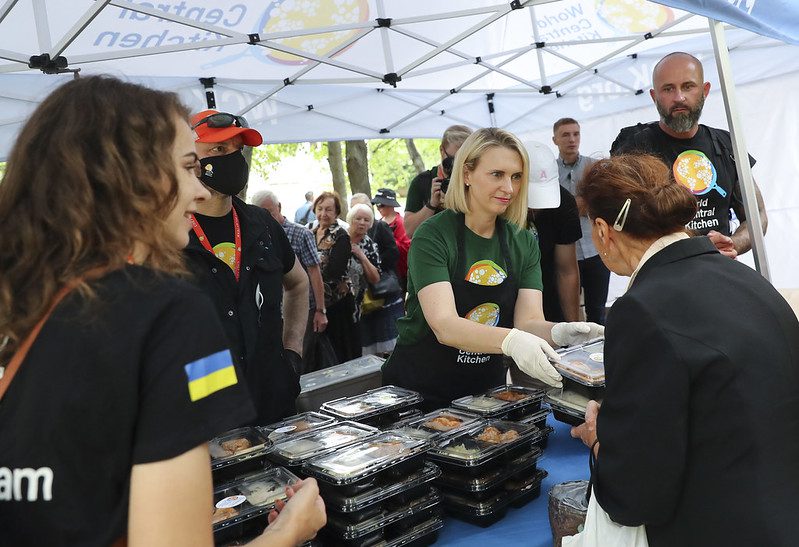
Furthermore, charitable contributions have also been widespread. In December 2023, Ukrainian President Volodymyr Zelensky said that the government-run United24 had raised $500 million from donations across the globe. The significant aid received by Ukraine has led to the impression that the country relies solely on external assistance. However, from the outset, it is crucial to recognize grassroots humanitarian efforts in Ukraine have played a pivotal role in their recovery. 

Civil Society in Ukraine

Vyacheslav Hardikov, a deputy director in the Ukrainian Ministry of Justice, said in October 2023 that since the resumption of the invasion, 9,000 charities and 6,000 public organizations had officially registered with the Ukrainian government. In its 32 years of independence from the Soviet Union, Ukraine has gone through periods of democratization and regression to authoritarianism. When democracy or independence has been perceived as being under threat, participation in grassroots humanitarian efforts has spiked. Thinktank Chatham House has put it that Ukrainians have a “strong sense of autonomy from the state.” 

As of September 2023, a survey by the Center for Insights, funded by the United States Agency for International Development (USAID), found that 33% of Ukrainians were volunteering part-time and 6% full-time. Another found that after 18 months of war, 68% of Ukrainians had volunteered in some capacity. The remaining 32% primarily consists of individuals who, for the most part, require assistance. Volunteerism is more prevalent among 18-29-year-olds, with 75.8% actively participating, compared to 49% among those aged 60 or above. Additionally, volunteering was more common among those who reported living well (85.9%) than those who reported barely making ends meet (46.7%). Among the 15,000 new organizations are groups formed spontaneously in reaction to the Russian invasion. Likewise, organizations that already existed altered themselves almost completely to the needs of the war.

Feminist Workshop in Ukraine

Feminist Workshop (FemWork) was formed in Lviv in 2014. For the last decade, Ukrainian women have earned more than 20% less than men, equivalent to $6000. Additionally, two out of three women have experienced gender-motivated violence. Apart from holding workshops and lectures, Femwork was created as a space “that would allow the feminist community of Lviv and Ukraine to feel safe.”

Located near the border with Poland, millions of refugees passed through Lviv. At its height, the city of 700,000 had 100,000 people moving through it daily. Speaking with The Borgen Project, FemWork said that in early 2022, they planned to close due to a lack of funding. “But when a full-scale war started, our community organized itself.”

Like thousands of others in Lviv, FemWork found refugee beds in their friends’ apartments, gave out food and clothes and helped at the train station. A psychological support workshop was revived on the night of the invasion. “Then there was no time to think, doubt or fear,” FemWork said. “Each of us did everything we could and even more.”

With Ukraine’s GDP dropping by more than 30% and poverty rising from 5.5% to 24% in 2022, what was once the basics of living have become out-of-reach for millions of Ukrainians. The 51% of 60-year-olds who had not volunteered are often pensioners with no means to move or find alternative income. FemWork coming to help grannies, as they put it, reflected that with food and medicine prices rising, the “pensions of many elderly women don’t come close to covering their basic needs.”

Trouble Getting International Help

Ukrainians have faced difficulties in receiving assistance from international organizations due to their large size. The bureaucratic processes they are obligated to employ are often impossible for ordinary people to navigate, let alone those who have been forced from their homes, leaving passports and documents behind. “We often work with elderly people who don’t even know how to use a phone,” FemWork told The Borgen Project, “so it’s obvious that they are afraid to send their documents to someone or they don’t even understand what is required of them.” People need help getting to the help waiting for them. In other words, “(We) go to the bank with them, help collect documents, defend their rights to receive assistance, explain what is required of them and what personal information is safe to transfer.”

Grassroots humanitarian efforts in Ukraine, in tandem with funding from international organizations, have been able to meet some of the daily needs of the Ukrainian people, during a time of instability and war within the country. 

– Frederick Lake
Photo: Flickr

February 16, 2024
https://borgenproject.org/wp-content/uploads/borgen-project-logo.svg 0 0 Hemant Gupta https://borgenproject.org/wp-content/uploads/borgen-project-logo.svg Hemant Gupta2024-02-16 15:00:062024-02-15 04:19:22Grassroots Humanitarian Efforts In Ukraine
Aid, Global Poverty, Humanitarian Aid

Greece’s Nigerian Aid Program

Nigerian Aid Program
August 31 marked a watershed event in Greek diplomacy as Ioannis Plotas, the Greek Ambassador to Nigeria, declared that Greece would actively work to uplift Nigeria’s populace out of poverty. Plotas explained that “in order to alleviate poverty and to provide whatever we can in the domain of humanitarian efforts, our government is ready to contribute either financially or in kind with certain materials.” 

About Poverty and the Economy in Nigeria

Nigeria ranks amongst the five most poverty-stricken nations according to the World Bank, with around 30% of the population earning less than the extreme poverty threshold in 2019. Nigeria’s poverty has persisted since this point with UNICEF reporting in January that around 25 million Nigerians may have had inadequate food consumption from June to August. What led Nigeria to the brink of starvation with a crippling economy? 

According to UNICEF, there is an array of causes of Nigeria’s mass famine and poverty, including economic shocks and a lack of human capital. The World Bank’s 2022 report on the nation’s poverty cited a lack of educational infrastructure, sanitation and electricity as leading contributors to a near 40% of the nation lying below the national poverty line. Despite this crisis persisting for years, government aid to those in need is scarce. The government has scaled back on spending on education and food production, which hinders the long-term growth of human capital. 

Although Nigeria may be scaling back in certain infrastructure, the World Bank affirms that the government is implementing policies that enrich the long-term future of the nation, such as investing in agricultural efficiency and sanitation. These investments in infrastructure have the potential to be the catalyst for a prosperous Nigerian economy, including a plethora of job opportunities and reliable social services. 

Greece’s Nigerian Aid Program

Greece’s intervention in Nigerian affairs is a departure from its conventional passive foreign policy. The nation famously restricted Syrian refugees from entering the nation in 2015 as they fled the bloody Syrian Civil War. Greece then stood firm on its refusal to send funds to aid those the Turkey-Syria Earthquake affected, which took the lives of more than 50,000. This explicit lack of involvement in foreign affairs made Greece’s aid to Nigeria more puzzling yet profound. 

Plotas’s commitment to supporting Nigeria’s economic transformation through the Nigerian aid program is the second part of Greece’s involvement in rebuilding the nation. In May, Plotas held the second Nollywood Travel Film Festival in Athens to promote the Nigerian movie industry. By exposing the Greek people to Nigerian film and culture, Plotas hoped to cultivate a “cultural tie between the two countries.” 

Building upon this, Plotas has pledged that the Greek government will provide financial aid to the Nigerian government to help fund the aforementioned projects to build infrastructure. Partnering with the Greek Red Cross Society, Plotas claims that Greece’s Nigerian aid program will assist the nation “financially or in kind with certain materials.” Plotas has affirmed that Greek aid will be sustained and steady as “we are targeting as many people as possible to lift them out of poverty.”

Looking Ahead

There are several other organizations supporting Nigeria such as the United Nations, Save the Children and Action Against Hunger. They are all raising funds to provide financial assistance to impoverished families and address malnutrition in the nation. Through these foundations and foreign involvement, Nigeria’s economic crisis may be quelled, marking a new age of prosperity in the nation.

– Dimitri Lykidis
Photo: Flickr

October 31, 2023
https://borgenproject.org/wp-content/uploads/borgen-project-logo.svg 0 0 Yuki https://borgenproject.org/wp-content/uploads/borgen-project-logo.svg Yuki2023-10-31 07:30:292023-10-26 20:21:56Greece’s Nigerian Aid Program
Aid, Global Poverty

Foreign Aid to Haiti: How the US and Ecuador Are Helping

Foreign Aid to Haiti
In 2021, Haitian President Jovenel Moise was killed in his own home in an attack planned by individuals from Columbia all the way to the U.S. The current situation in Haiti remains hostile as a result, with street gangs perpetrating intense acts of violence — violence that is only possible with consistent political instability, insecurity and poverty in Haiti.

Those factors have massive effects on its people, many of whom are living in severe poverty on top of being under constant threat. It starts from the top down; nearly 66% of the capital city of Port-au-Prince is under that threat. With no stability in the capital, the outer regions of the country can not gain a foothold themselves, and the unemployment rate rises as businesses are forced to close, driving poverty rates.

Because of the violence taking place, more than 160,000 people are internally displaced which has hindered NGO aid efforts including CARE and the International Organization for Migration, the latter being boots on the ground providing access to clean water and health services in the most dangerous regions. Change is needed at the source and both the U.S. and Ecuador are stepping up efforts to fight poverty in Haiti. Here is some information about foreign aid to Haiti.

Foreign Aid to Haiti to Help With Stability

Ecuador played a role in discovering who took part in the plot against the country’s president, offering a chance to hold those involved accountable while closing the door on a solemn time in Haitian history. It shed light on Columbia due to the perpetrators residing there but also because of an Ecuadorian presidential candidate who suffered the same fate as other armed men based in Colombia. Venezuela voiced its support for Ecuador’s claims by saying a “gang of Colombian hitmen” committed political violence outside Colombian borders. 

The United States backed support with action by signing the December 21 Accord, along with a host of other political actors and civil society groups, that aims to establish a new transitional and representative government that will lead to free and fair elections by the end of 2023. United States Ambassador Robert Wood stated the accord is “an opportunity for Hattians” to work towards bringing stability to the country by “improving governance.” Ecuador was crucial to the negotiations and drafting of the resolution that relied heavily on international support.

Foreign Intervention

In late 2022, Prime Minister Ariel Henry made a plea for armed, multinational support. Kenya stepped forward volunteering to lead such a force, with UN Secretary-General Antonio Guterres supporting the deployment, believing it needs to be both “robust” and “rapid.” The U.S. previously said it would provide foreign aid to Haiti, and with Ecuador, introduced a resolution to the United Nations that would authorize the deployment; an action that long-term, is designed to bring stability to and fight poverty in Haiti by the U.S. and Ecuador.  

The Haitian people back the force because it is a way for the country to push out street gangs, which are the root cause of much of insecurity and poverty in Haiti. Reuters reports that around 70% of people would support it in coordination with the national police. 

Both countries reiterated their support for Haiti at the United Nations Security Council meeting in early 2023, with the U.S. saying it is encouraged by the outpouring of support and Ecuador acknowledging the efforts of the national police under the conditions. Haiti lacks the resources to “resolve this crisis alone,” said Victor Généus, Haiti’s Foreign Affairs Minister and the security risk that Haiti is facing, is a security threat to the whole region. Stopping it at the source is mutually beneficial for many near the small Caribbean nation.

– Benett Crim
Photo: Flickr

October 26, 2023
https://borgenproject.org/wp-content/uploads/borgen-project-logo.svg 0 0 Yuki https://borgenproject.org/wp-content/uploads/borgen-project-logo.svg Yuki2023-10-26 01:30:102024-12-13 18:03:00Foreign Aid to Haiti: How the US and Ecuador Are Helping
Aid, Charity, Global Poverty

4 Charities Operating in Sri Lanka

charities operating in Sri LankaAs of 2022, 2.5 million people in Sri Lanka are living in extreme poverty, surviving on less than $2.15 a day, according to the World Bank. Compounding the impacts of the COVID-19 pandemic, Sri Lanka is currently enduring a severe economic crisis that has worsened living conditions across the nation. Amid deteriorating social and economic conditions, countless charities operating in Sri Lanka are looking to improve the lives of the most vulnerable groups living in extreme poverty. In particular, there are four charities operating in Sri Lanka with the aim of helping the impoverished.

4 Charities Operating in Sri Lanka

  1. The Tarana Foundation. This charity operating in Sri Lanka was founded in 2018 with the aim of strengthening the “socio-economic norms of rural communities in Sri Lanka,” its website says. The Tarana Foundation’s work centers around five specific U.N. Sustainable Development Goals: water and sanitation, shelter, education, health care and environment. The organization has completed more than 60 projects with an impact on more than 12,000 children through more than 20 collaborations and partnerships. For example, School Project Bandarawela, occurring in March 2023, entailed the organization providing 1,447 students across 24 disadvantaged schools with school bags, stationery, shoe vouchers and sports equipment.
  2. Save the Children. This children’s organization has worked in Sri Lanka since 1974, holding children as the focus of humanitarian efforts. Save the Children works to improve the state of children’s education, health, rights and livelihood of children in poverty in Sri Lanka through several programs and initiatives. For instance, in terms of the overall health and nutrition of impoverished children in Sri Lanka, Save the Children is working with the Ministry of Health to improve the school feeding program in more than 1,000 schools across the country. The organization is also working to strengthen access to maternal, child care and nutrition services in Sri Lanka, especially for the most marginalized communities, such as people working in the plantation sector.
  3. The Tea Leaf Trust. Couple Yasmene Shah and Tim Pare founded the Tea Leaf Trust after visiting the Sri Lankan tea estates in 2007 and realizing the poor living conditions of tea estate communities. The tea industry is responsible for a large part of Sri Lanka’s exports and produces 340 million kilograms of tea per year, with 4% of the land covered by tea plantations, according to Sri Lanka’s Export Development Board. The industry employs 1 million people overall. Despite the fact that the tea industry is a thriving sector, tea plantation communities often live in poverty and endure exploitation in unsafe working conditions. The Tea Leaf Trust works to ensure the education of young people in tea estate communities so that they can move on to secure gainful employment and financial stability to lift their families out of poverty. The Tea Leaf Trust has ensured an education for nearly 40,000 young people and around 350,000 tea estate workers are supported by the organization’s alumni.
  4. The Asha Trust. This local charity operating in Sri Lanka works on the outskirts of Colombo, supporting children from impoverished households. At the charities’ venue, both educational and recreational classes are provided for the children and mothers can take part in sewing and cooking activities. The Asha Trust also accommodates children with disabilities and assists families with accessing disability-specific support. In July 2022, the organization launched the Family Food Challenge, calling for donations to continue providing food essentials to families in Sri Lanka amid inflation. Using these donations, the Asha Trust provided 800 food packs made up of rice, lentils, coconuts, soy meat, sugar and tea to families in need.

These charities operating in Sri Lanka provide support to the country’s most impoverished people amid the deteriorating conditions of the economic crisis.

– Jess Wilkinson
Photo: Flickr

September 6, 2023
https://borgenproject.org/wp-content/uploads/borgen-project-logo.svg 0 0 Kim Thelwell https://borgenproject.org/wp-content/uploads/borgen-project-logo.svg Kim Thelwell2023-09-06 07:30:572024-05-30 22:32:194 Charities Operating in Sri Lanka
Aid, Charity, Global Poverty

Soccer Aid 2023: A Triumph of Sport, Philanthropy and Global Unity

soccer aidSoccer Aid 2023, held on June 11, was a monumental event that brought together the worlds of soccer and philanthropy in a spectacular display of sportsmanship and goodwill. Organized by UNICEF and powered by the passion of athletes, celebrities and fans, Soccer Aid helped to showcase extraordinary skills and contribute to a noble cause.  The accomplishments of this awe-inspiring event and the impact it had on the lives of children worldwide are notable.

Annual Charity Soccer Match

Soccer Aid is an annual charity soccer match that brings together a star-studded team of celebrities and soccer legends who play against each other to raise funds for UNICEF’s vital work in helping children around the world. UNICEF U.K. Ambassador Robbie Williams first initiated Soccer Aid in 2006 to raise funds for UNICEF’s global projects. Since then, Soccer Aid has become one of the most anticipated charitable sporting events globally, drawing millions of viewers and enthusiastic supporters.

The Accomplishments of Soccer Aid 2023

  1. Record-breaking Donations. Soccer Aid 2023 surpassed all previous records, raising an astounding amount of £14.6 million, thanks to the generous contributions of sponsors, donors and viewers worldwide. The funds will be channeled toward addressing critical issues affecting children, such as malnutrition, lack of education and access to clean water and sanitation. 
  2. Awareness and Advocacy. Beyond raising funds, Soccer Aid 2023 played a crucial role in spreading awareness about the challenges faced by vulnerable and impoverished children in various parts of the world, particularly those facing humanitarian crises. According to UNICEF, more than 1 billion children across the globe live in multidimensional poverty, suffering several deprivations at once. Through the power of the media and the personal influence of the participants, the event shed light on pressing issues and inspired millions to get involved in humanitarian efforts.
  3. Global Reach. Soccer Aid’s reach extended far beyond the stadium as the event broadcasted live in several countries, connecting people from diverse backgrounds and cultures with the common goal of helping children in need. The event had social media platforms abuzz with discussions, encouraging global conversations about the importance of both philanthropy and sportsmanship. 
  4. Impact on Children’s Lives. The funds raised from Soccer Aid 2023 will have a lasting impact on the lives of countless disadvantaged children. The funds will support UNICEF’s ongoing efforts to provide life-saving vaccinations, essential nutrition, access to quality education and protection from violence and exploitation, creating a brighter and more hopeful future for the next generation. 

Philanthropic Sporting

Soccer Aid 2023 was more than just a soccer match; it was a testament to the immense power of humanity when united for a common cause. Through the passion and dedication of soccer legends, celebrities and millions of supporters, the event achieved astounding donations, spreading awareness and making a positive impact on the lives of children worldwide. Soccer Aid continues to set an example of how sports and philanthropy can come together to bring about positive change, proving that unity and collaboration can change the lives of vulnerable children and help build a more equitable and compassionate world.

– Dunia Matta
Photo: Pixabay

June 30, 2023
https://borgenproject.org/wp-content/uploads/borgen-project-logo.svg 0 0 Lynsey Alexander https://borgenproject.org/wp-content/uploads/borgen-project-logo.svg Lynsey Alexander2023-06-30 03:41:292024-05-30 22:32:19Soccer Aid 2023: A Triumph of Sport, Philanthropy and Global Unity
Page 21 of 65«‹1920212223›»

Get Smarter

  • Global Poverty 101
  • Global Poverty… The Good News
  • Global Poverty & U.S. Jobs
  • Global Poverty and National Security
  • Innovative Solutions to Poverty
  • Global Poverty & Aid FAQ’s
Search Search

Take Action

  • Call Congress
  • Email Congress
  • Donate
  • 30 Ways to Help
  • Volunteer Ops
  • Internships
  • Courses & Certificates
  • The Podcast
Borgen Project

“The Borgen Project is an incredible nonprofit organization that is addressing poverty and hunger and working towards ending them.”

-The Huffington Post

Inside The Borgen Project

  • Contact
  • About
  • Financials
  • President
  • Board of Directors
  • Board of Advisors

International Links

  • UK Email Parliament
  • UK Donate
  • Canada Email Parliament

Get Smarter

  • Global Poverty 101
  • Global Poverty… The Good News
  • Global Poverty & U.S. Jobs
  • Global Poverty and National Security
  • Innovative Solutions to Poverty
  • Global Poverty & Aid FAQ’s

Ways to Help

  • Call Congress
  • Email Congress
  • Donate
  • 30 Ways to Help
  • Volunteer Ops
  • Internships
  • Courses & Certificates
  • The Podcast
Scroll to top Scroll to top Scroll to top