• Link to X
  • Link to Facebook
  • Link to Instagram
  • Link to TikTok
  • Link to Youtube
  • About
    • About Us
      • President
      • Board of Directors
      • Board of Advisors
      • Financials
      • Our Methodology
      • Success Tracker
      • Contact
  • Act Now
    • 30 Ways to Help
      • Email Congress
      • Call Congress
      • Volunteer
      • Courses & Certificates
      • Be a Donor
    • Internships
      • In-Office Internships
      • Remote Internships
    • Legislation
      • Politics 101
  • The Blog
  • The Podcast
  • Magazine
  • Donate
  • Click to open the search input field Click to open the search input field Search
  • Menu Menu

Archive for category: Agriculture

Agriculture, Food Insecurity, Global Poverty

Cowpeas and Food Insecurity in West Africa

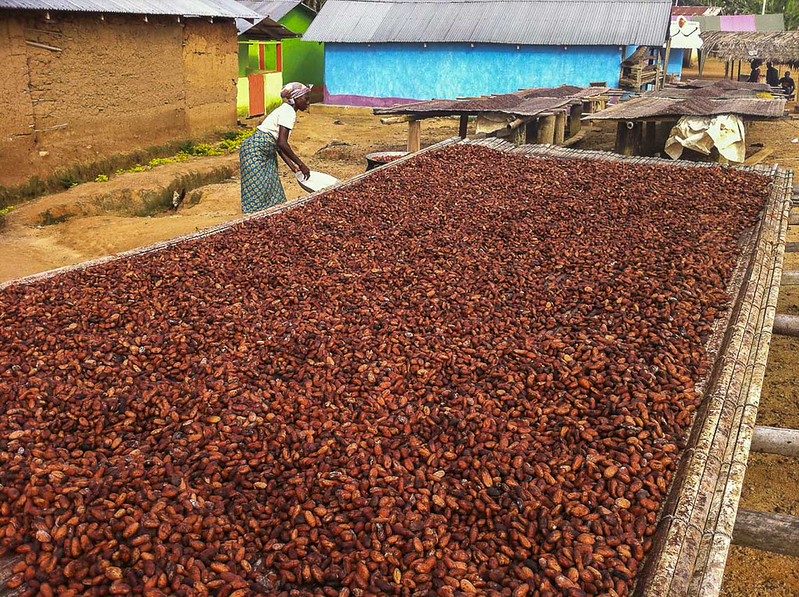
Food Insecurity in West AfricaAfrican farmers and consumers alike rely on a food you might never have heard of: cowpea. You may know it by one of its many other names, such as the Black-Eyed Pea, the Field Pea, the Southern Pea, the Catjang or the Yardlong Bean. Regardless of what it’s called, it’s a truly remarkable food that is helping to reduce food insecurity in West Africa

Its significance is vital when examining poverty and food insecurity in Nigeria. This country is crucial to understanding cowpea’s importance, as Nigeria alone produces 45-58% of all cowpeas worldwide. That’s about 3.6 million tons every year.

Cowpea

Cowpea is a grain legume, similar to pinto beans, chickpeas and regular green peas. It’s often dried and is a staple food in many rural recipes across sub-Saharan Africa. It is incredibly rich in protein (25%) and carbohydrates (53%) and very low in fats (2%).

It has many vitamins and minerals. Even the stalks and flowers are edible and the plant can be used in fields for grazing animals to forage and can be turned into hay for long-term feeding. It has an extensive root system that helps prevent erosion and it also grows well as ground cover under trees.

It’s also very important for the health of the soil for planting other crops, as its roots harbor nodules that soil bacteria use to fix nitrogen for the plant and, subsequently, for the soil. Most importantly, the crop helps prevent millions of people from going hungry each year. It grows easily in the tall grasses of northern Nigeria’s savannas, making it cheaper and more accessible for nearby communities.

Because it matures quickly, reaching full maturity in about 55-70 days, it provides a fast and reliable source of much-needed protein. Studies also show that cowpeas grown in West Africa have played a major role in reducing food insecurity and chronic malnutrition among women and children in countries such as Burkina Faso.

Challenges

The main drawback of cowpea is its short shelf life. Many farmers lack adequate storage facilities, which reduces the market value and nutritional quality of both seeds and leaves. Another challenge is limited access to the best farming practices.

Some farmers do not know the most effective ways to plant and harvest cowpeas, which lowers yields without them knowing it.

FarmSahel works with rural women farmers in Burkina Faso by providing equipment and training to help increase crop yields. The organization supplies pesticides and sprayers, as well as tools for drying and long-term storage of cowpeas. The most valuable support was the one ton of dried cowpeas.

These were ready for planting and were also used to demonstrate proper packaging techniques to keep crops fresh. The women also received training on harvesting cowpeas more effectively to improve yields.

– Eddie Hofmann

Eddie is based in Seattle, WA, USA and focuses on Technology and Global Health for The Borgen Project.

Photo: Wikimedia Commons

February 21, 2026
https://borgenproject.org/wp-content/uploads/borgen-project-logo.svg 0 0 Lynsey 2 https://borgenproject.org/wp-content/uploads/borgen-project-logo.svg Lynsey 22026-02-21 07:30:052026-02-21 03:53:11Cowpeas and Food Insecurity in West Africa
Agriculture, Artificial Intelligence (AI), Global Poverty

How AI Crop Monitoring in India Is Improving Food Security

AI Crop Monitoring in IndiaFor generations, farming in India has relied on experience, careful timing and more than a bit of luck. Farmers read the sky for signs of rain, test the soil with their hands and wait, hoping the monsoon comes when it should. Today, that way of farming is becoming harder to depend on.

Climate instability is making weather more unpredictable, water shortages are becoming more common and pests are spreading into new regions. In a country where about 54.6% of the workforce depends on agriculture and related industries, these changes affect far more than just farmers. They shape the nation’s food supply and economic stability.

Agriculture in India

For millions of families, farming is their main source of income. Around 42% of India’s population relies on agriculture for employment. Most farmers work on very small plots of land, with 85% owning less than two hectares.

When crops fail, the consequences are immediate and profound. One failed harvest can trap families in debt, pull kids out of school to help at home and leave entire communities struggling to find enough food. This is where AI crop monitoring in India is beginning to make a real difference.

By using satellite images, local weather data and simple smartphone tools, AI helps farmers see problems coming before it is too late. Instead of reacting after crops are already damaged, farmers can take action early and protect their livelihoods.

How AI Crop Monitoring Helps Farmers Stay One Step Ahead

In the past, farmers judged crop health by walking through their fields and looking for visible signs of diseases. By the time leaves turned yellow or pests became noticeable, much of the damage had already been done. AI tools now analyze satellite images, soil conditions and weather patterns to catch early warning signs that people might miss.

The World Bank explains that digital agriculture enables farmers to adopt a precision-based approach, using water, fertilizer and pesticides only where and when needed. This saves money and reduces environmental harm. Instead of spraying chemicals across entire fields, farmers can treat only the areas that actually need attention.

This matters in India because agriculture accounts for nearly 80% of the country’s freshwater use. As droughts become more frequent, wasting water can mean the difference between a stable harvest and total crop failure. AI crop monitoring helps farmers use limited water more wisely, which makes their farms more resilient in tough seasons.

Real Farmers, Real Results

The impact of AI crop monitoring in India is already showing up in real communities. In Telangana, the state government worked with Microsoft and the International Crops Research Institute for the Semi-Arid Tropics to create an AI-based sowing advisory system. More than 3,000 farmers across several districts received text messages with the best times to plant, based on weather forecasts and soil conditions.

This led to yield increases of 10-30% without farmers needing to buy new equipment. Private agri-tech companies are also helping farmers. An Indian startup called Cropin uses satellite imagery and predictive analytics to provide farmers with real-time updates on crop health and early warnings of droughts and disease outbreaks.

This gives farmers time to prepare instead of feeling helpless when something goes wrong.

Why AI Crop Monitoring Matters for Food Security

AI crop monitoring in India is spreading because farmers can easily use it in their daily routines. Many tools are available through simple smartphone apps in local languages such as Hindi, Telugu and Kannada, so farmers do not need specialized training to benefit from them. The Food and Agriculture Organization (FAO) explains that AI helps close the information gap for small farmers by giving them access to tools that were once available only to large commercial farms.

When more farmers can protect their crops, the benefits reach far beyond individual families. More stable harvests help keep food supplies steady nationwide and reduce sudden price spikes in foods like rice, wheat and onions. These spikes hit low-income families the hardest.

AI crop monitoring in India is not just changing how farms operate; it is helping build a more stable food system for everyone. Technology alone will not solve every problem in agriculture. However, AI crop monitoring in India gives farmers something they have rarely had before: clear, real-time information they can actually use.

By helping farmers make smarter decisions, protect their land and increase their yields, AI is becoming an important tool for strengthening food security and protecting livelihoods across the country.

– Dylan Chandran

Dylan is based in Danville, CA, USA and focuses on Business and Good News for The Borgen Project.

Photo: Flickr

February 20, 2026
https://borgenproject.org/wp-content/uploads/borgen-project-logo.svg 0 0 Lynsey 2 https://borgenproject.org/wp-content/uploads/borgen-project-logo.svg Lynsey 22026-02-20 07:30:102026-02-20 02:51:53How AI Crop Monitoring in India Is Improving Food Security
Agriculture, Food Security, Global Poverty

How Foreign Aid Drives SDG 15 in Papua New Guinea

SDG 15 in Papua New GuineaPapua New Guinea is a large island nation located north of Australia and east of Indonesia and is one of the world’s 18 megadiverse countries. It is home to the world’s third-largest intact tropical rainforest, which covers approximately three-quarters of the country’s land area and supports a wide range of endemic plant and animal species. These ecosystems play a central role in the national economy, as approximately 85% of the population depends on semi-subsistence agriculture, hunting and gathering for their livelihoods. The country’s biodiversity also sustains freshwater resources used for irrigation and household consumption. With around 87% of the population living in rural areas, environmental degradation poses a direct threat to food security and income generation.

Environmental vulnerability in Papua New Guinea intersects closely with widespread poverty and food insecurity. Around 40% of the population lives below the national poverty line, while hunger levels remain classified as serious. An estimated 28.7% of the population is undernourished, and chronic malnutrition affects nearly half of all children under five, with 47.6% experiencing stunted growth. Child mortality remains high at approximately 4%. These indicators highlight the extent to which livelihoods and human development depend on healthy land-based and freshwater ecosystems.

Sustainable Development Goal 15 focuses on the protection of terrestrial ecosystems, the prevention of land degradation, the sustainable management of forests and the conservation of biodiversity. In Papua New Guinea, progress on SDG 15 extends beyond environmental outcomes and directly shapes agricultural productivity, water availability and long-term development prospects. As pressures on forests and biodiversity intensify, foreign aid has emerged as a critical mechanism for supporting conservation efforts while addressing poverty and food insecurity, especially among rural and Indigenous communities. Here is more information about the progress of SDG 15 in Papua New Guinea.

Papua New Guinea’s Current SDG 15 Status

Papua New Guinea currently holds an official orange rating for SDG 15, indicating that significant challenges remain despite some measurable progress. The country is currently meeting its targets on imported deforestation and remains close to achieving its long-term goals for permanent forest loss reduction. However, progress across SDG 15 indicators remains uneven. Data shows stagnation in the mean area protected in terrestrial sites critical to biodiversity, suggesting that conservation gains have not expanded sufficiently to match ecological pressures.

Foreign Aid Finances Forest Conservation and Community Action

Foreign aid has played a central role in advancing Sustainable Development Goal 15 in Papua New Guinea through conservation-driven financing mechanisms. Under the REDD (Reducing Emissions from Deforestation and Forest Degradation) and Benefit Sharing Guidelines finalized in 2025, 60% of forest conservation finance goes directly to customary landowners and local communities. This framework aims to ensure that forest protection delivers tangible economic benefits for rural populations, reducing reliance on activities that contribute to deforestation.

In a major milestone, Papua New Guinea received approval from the Green Climate Fund for $63.4 million USD in results-based payments linked to verified reductions in deforestation and forest degradation. These payments correspond to emissions reductions of approximately 17 million tonnes of carbon dioxide equivalent achieved through the country’s national REDD+ programme. The six-year initiative supports sustainable forest management and community-led climate action across six high-risk provinces, including East Sepik, West Sepik, Western, Hela, Chimbu and West New Britain. Around 60% of the total funding is directed toward community development activities, with a focus on customary landowners, women’s land rights and inclusive decision-making.

Foreign Aid Supports Community Livelihoods

Foreign aid has also supported biodiversity conservation through direct grant mechanisms designed to strengthen rural livelihoods. The Papua New Guinea Biodiversity and Climate Fund has set a target to distribute at least $1 million annually in grants to local communities Funded by the Global Environment Facility(GEF), livelihood projects are supported that offer alternatives to income previously derived from industrial logging and other environmentally damaging activities.

Grant-supported initiatives promote deforestation-free farming of high-value crops such as vanilla, cocoa and coffee. These commodities provide stable, long-term income opportunities while reducing pressure on forest ecosystems. By aligning biodiversity protection with household income generation, these programs seek to make conservation economically viable for rural and Indigenous communities.

Foreign Aid Improves Food Security and Agricultural Sustainability

Foreign aid initiatives linked to SDG 15 in Papua New Guinea have also contributed to food security by restoring degraded land and improving agricultural productivity. Agroforestry programs promote soil fertility, water retention and stable local water cycles, which are critical for subsistence gardens that supply a significant share of household food consumption in rural areas.

The Australian Centre for International Agricultural Research has supported these efforts by strengthening the Papua New Guinea Resource Information System. Improved access to soil and land-use data enables farmers and policymakers to adopt more sustainable agricultural practices. As part of the 2025–26 forest conservation drive, technical assistance has also targeted smallholder farmers, helping them increase yields without expanding cultivation into primary forests.

Efforts to protect inland wetlands further reinforce food security by safeguarding freshwater ecosystems. These initiatives help preserve freshwater fish stocks, which serve as a primary source of protein for many riverine communities and remain closely linked to healthy land and forest systems.

Looking Ahead

Papua New Guinea is likely to continue facing significant challenges in meeting its Sustainable Development Goal 15 targets in 2026. However, recent developments indicate that sustained progress on biodiversity protection remains achievable. Foreign aid in the form of financial and technical assistance has contributed to improved conservation outcomes while supporting rural livelihoods and food security.

Papua New Guinea’s experience working toward SDG 15 also highlights the role of international cooperation in accelerating  progress. Support from external partners and neighboring developed countries has enabled the expansion of conservation financing, technical capacity and community-based initiatives that may not have been feasible through domestic resources alone.

If sustained, these partnerships offer a pathway to protect Papua New Guinea’s land-based ecosystems while addressing poverty and food insecurity among Indigenous and rural communities. The country’s progress illustrates how targeted foreign aid can strengthen environmental protection efforts while eradicating poverty and advancing inclusive development outcomes.

– Pranav A Menon

Pranav is based in Kochi, India  and focuses on Good News and Technology for The Borgen Project.

Photo: Unsplash
February 19, 2026
https://borgenproject.org/wp-content/uploads/borgen-project-logo.svg 0 0 Jennifer Philipp https://borgenproject.org/wp-content/uploads/borgen-project-logo.svg Jennifer Philipp2026-02-19 01:30:092026-02-19 01:19:41How Foreign Aid Drives SDG 15 in Papua New Guinea
Agriculture, Global Poverty

Collaborative Strategies for Eradicating Poverty in Niger

Poverty in Niger In the arid landscapes of Niger, where droughts and desertification threaten livelihoods, a quiet revolution is taking place. Families once trapped in cycles of hunger and hardship are finding new paths to stability through targeted interventions. At the heart of this transformation is the Livestock and Agricultural Modernization Project (LAMP), a World Bank initiative funded with up to $1 billion over 12 years. By modernizing agriculture and livestock – the sectors employing more than 80% of the population – LAMP is demonstrating how innovative programs are eradicating poverty in Niger, fostering resilience against climate shocks and paving the way for sustainable growth.

Battling the Elements

Niger’s economy hinges on agriculture and livestock; however, erratic rainfall, frequent droughts and advancing desertification have deepened poverty for millions. These challenges exacerbate food insecurity, leaving households vulnerable to crises such as floods and pandemics, according to the World Bank. Enter LAMP, which directly tackles these issues by promoting climate-smart practices, improved irrigation, and livestock upgrades in the project area. This program illustrates how innovative programs are eradicating poverty in Niger by enhancing productivity and market access for rural communities.

Funded by the World Bank’s International Development Association, LAMP invests in tools and techniques that help farmers adapt to unpredictable weather conditions. For instance, it introduced drought-resistant crops, efficient water management systems, and irrigation development covering 18,000 hectares in the first phase alone, thereby reducing the impact of environmental shocks. By the end of the program, 5 million people could have strengthened food and nutrition security, with enhanced resilience of 3 million against climate risks.

Stories from villages highlight families who have increased yields and stabilized incomes through LAMP’s support. When combined with governance reforms, these efforts project a significant drop in extreme poverty to approximately 22.6% by 2043 under current trends, with further reductions possible through integrated scenarios

Empowering Farmers

What sets LAMP apart is its comprehensive approach to modernization, which has turned subsistence farming into a viable enterprise. By upgrading livestock breeds, improving seeds and integrating sustainable farming methods, the project boosts output in a sector that is critical to Niger’s survival. This strategy shows how innovative programs are eradicating poverty in Niger, as improved market linkages allow farmers to sell their produce at better prices, breaking the grip of economic isolation.

The LAMP’s 12-year timeline, structured in overlapping phases (Phase 1 through 2029), ensures sustained impact, with investments flowing into infrastructure such as irrigation networks that combat desertification. It targets 1.5 million people for enhanced climate resilience, including 500,000 youth and nearly 700,000 women and girls, in particular, according to the World Bank.

Beneficiaries report enhanced food security, as the program addresses interconnected issues such as gender inequality and barriers that often perpetuate poverty. Through skills training in climate-resilient techniques, LAMP builds human capital and enables households to invest in their futures. This not only smooths consumption during shocks but also fosters entrepreneurial growth, creating a ripple effect across the communities.

Synergizing Support

While LAMP drives agricultural innovation, its true power emerges when paired with social safety nets, such as the Wadata Talaka program, part of the Sahel Adaptive Social Protection Program. Cash transfers from Wadata Talaka enable farmers to adopt LAMP technologies, such as advanced irrigation or livestock improvements, amplifying productivity. This merger exemplifies how innovative programs are eradicating poverty in Niger by creating cycles of income generation and building resilience.

In practice, Wadata Talaka’s livelihood training incorporates agricultural methods, equipping vulnerable populations – particularly women – with the skills to navigate droughts and other crises. It provides monthly cash transfers to extremely poor households, economic inclusion support, including microentrepreneurship coaching, and early child development measures.

During crises such as COVID-19, it expanded to hundreds of thousands of households using satellite data for proactive drought responses. In many cases, women’s incomes have increased by 60-100% in many cases through non-farm businesses, alongside gains in food security and well-being. Together, these initiatives address food insecurity and promote gender empowerment, tackling obstacles such as property rights that hinder women’s participation in farming. By focusing on at-risk households, this integrated model reinforces the goals of the LAMP project, projecting broader poverty reductions and sustainable development in Niger’s villages.

A Vision for Tomorrow

Looking ahead, LAMP’s emphasis on climate resilience and human capital development positions it as a model for holistic change. Intersecting with efforts from organizations such as the World Food Program (WFP) and UNICEF, it breaks the generational poverty cycles through education and inclusive policies. This comprehensive framework reveals how innovative programs are eradicating poverty in Niger, with data on beneficiary numbers and timelines painting a picture of progress in the face of adversity.

As Niger confronts ongoing challenges, LAMP offers hope by transforming vulnerabilities into opportunities. By 2043, with continued support and complementary reforms in agriculture and governance, extreme poverty could decline further owing to these collaborative strategies. In the end, it is the stories of resilient households – farmers thriving despite the odds – that best capture the promise of a poverty-free future.

– Christopher Michael Pellant

Christopher is based in Evansville, IN, USA and focuses on Business and Technology for The Borgen Project.

Photo: Flickr

February 17, 2026
https://borgenproject.org/wp-content/uploads/borgen-project-logo.svg 0 0 Naida Jahic https://borgenproject.org/wp-content/uploads/borgen-project-logo.svg Naida Jahic2026-02-17 07:30:162026-02-17 00:00:03Collaborative Strategies for Eradicating Poverty in Niger
Agriculture, Global Poverty, Technology

Interventions Boosting Adoption of Digital Agriculture in Uganda

Digital Agriculture in UgandaFor underdeveloped countries with largely rural populations, digital interventions for agriculture face geographic and systemic barriers to national expansion. Several interventions, including digital apps and tools, digital literacy campaigns and the development of rural digital infrastructure, aim to enhance digital agriculture in Uganda.

Agriculture is a vital source of economic output and employment in Uganda, as 73% of the country’s workforce is employed by the agriculture sector. The country consists of a predominantly rural population, with more than 70% living in rural areas. About four million households rely on smallholder farming for survival and approximately 30% of the population lives below the poverty line.

Digital Agriculture in Uganda

Digital innovations for agricultural markets and productivity can enhance the country’s agricultural sector. However, low levels of digital literacy and financial constraints limiting digital technology adoption result in low participation from the general population. Rural communities mainly suffer from gaps in access to digital infrastructure.

This contributes to lower adoption of digital technologies in the agriculture sector than in other sectors. Currently, several projects and interventions are bridging these gaps and increasing smallholder farmers’ participation in digital agriculture in Uganda.

Kilimo Farmers Call Center

In 2018, 81% of smallholder farmers in Uganda lacked access to agricultural extension and advisory services, resulting in weak market and supplier connectivity. Consequently, in 2018, smallholder farmers received an estimated 28% of the expected yields for their crops, leading to poverty and malnutrition. The United Nations Capital Development Fund (UNCDF) identified the lack of access to quality extension services as a main constraint in the nation’s agricultural sector, especially in the West Nile region.

In this region, only one agriculture extension worker serves 2,000 farmers. In response, the UNCDF built the Kilimo Farmers Call Center in northern Uganda to reach farmers located in the most remote areas. The Center uses both technology and a network of community influencers, called digital extension agents.

The hybrid model makes it easier to reach more farmers by combining instant digital services with the connections and rapport built by extension agents. After farmers complete their farming profile on the Kilimo Farmer Call Center app, they are geo-mapped to receive relevant weather and market price updates. Farmers also receive agronomic tips based on their location and access to advisory and extension services.

The CABI Crop Sprayer App

The CABI crop sprayer app minimizes waste production and the environmental impact of pesticides by helping farmers determine precise application for their crops. In 2024, the app aided coverage for more than 600 acres in Uganda with optimized pesticides, reducing costs for farmers by up to 30%. In the Nakasongola District, the app reduced crop loss from pests by 35%.

Plantwiseplus Digital Tools

Farmers optimize crop production and their resource investments using digital tools developed by PlantwisePlus. Anthony Ssenyonga is a crop scientist and ambassador for PlantwisePlus in Uganda. He established a digital advisory hub, serving more than 500, where farmers can send in a picture of diseased crops and receive a diagnosis and treatment advice.

Ssenyonga trained 50 people to use the digital tools and share what they learned with farmers in their communities, which resulted in a 20% increase in tomato yields in 2024.

  • PlantwisePlus Factsheet App: Downloaded on a smartphone, farmers receive expert advice on protecting their crops against pests and diseases and advice on managing infected crops. This tool contributes to greater food security, as farmers generally lose 40% of their crops to pests and diseases.
  • PlantwisePlus Knowledge Bank: Farmers use the Knowledge Bank to access information on specific pests affecting their crops and learn to manage them properly. They can also send in pictures of their infected crops for diagnosis by a trained plant doctor and receive accurate treatment advice.

Digital Literacy for Farmers

EzyAgric, a mobile platform digitizing the agricultural market in Uganda, designed a digital literacy intervention to increase farmers’ engagement with its platform. The need for digital literacy training was identified after the company discovered that only 20% of the 300,000 farmers registered on its digital platform actively engaged with it. EzyAgric provided training for 253 farming households across three districts, for both male- and female-headed households.

Subsequently, these households experienced a fivefold increase in e-seed purchases and farmer engagement with the platform increased significantly. EzyAgric continues its expansion into new regions of Uganda, using the initial intervention as a guide, to improve smallholder farmer engagement with the digital agricultural market.

Conclusion

Digital solutions to Uganda’s inadequate extension services infrastructure, poor marketing systems and climate instability susceptibility can revitalize the country’s agricultural sector. Indeed, by increasing the accessibility of digital services and educating smallholder farmers in digital literacy will increase rural participation in digital markets and the widespread adoption of digital agriculture in Uganda.

– Sarah Merrill

Sarah is based in Matthews, NC, USA and focuses on Good News and Global Health for The Borgen Project.

Photo: Flickr

February 14, 2026
https://borgenproject.org/wp-content/uploads/borgen-project-logo.svg 0 0 Lynsey 2 https://borgenproject.org/wp-content/uploads/borgen-project-logo.svg Lynsey 22026-02-14 07:30:222026-02-14 00:59:17Interventions Boosting Adoption of Digital Agriculture in Uganda
Agriculture, Employment, Global Poverty

From Farm to Factory: Kenya’s EPZ Strategy for Better Jobs

From Farm to Factory: Kenya's EPZ Strategy for Better JobsIn Kenya’s arid north, where raising livestock in a drought-ravaged landscape has long defined economic survival, Acacia EPZ Limited is transforming reality. The gum arabic processor, based in the Athi River Export Processing Zone (EPZ), provides a stable, climate-resilient income for more than 7,000 collectors, most of them women, turning a scattered forest product into a source of household earnings.

This micro-level success highlights a national dilemma. Kenya is a major agricultural producer, yet a net importer of processed foods. Reliance on raw commodity exports has kept manufacturing’s contribution to gross domestic product (GDP) stagnant at around 10% for decades, limiting the formal job creation essential for poverty reduction. Kenya’s strategy is a focused industrial policy centered on Export Processing Zones (EPZs), a structural mechanism designed to reinvent the economy and alleviate poverty en masse by creating better urban manufacturing jobs while providing stable, higher-value markets for rural farmers.

The Economic Imperative Driving Kenya’s EPZ Strategy

Kenya’s push for agro-processing tackles economic vulnerabilities resulting from its trade deficit. The country remains stuck exporting “primary commodities with low value addition,” like tea and coffee, capturing a fraction of its final value while leaving the economy exposed to global price swings.

This reliance on raw exports fails to create quality jobs, even as agriculture employs more than 40% of the population in often informal, low-wage work with a proportionally low contribution to GDP. With nearly 16% of Kenyans living in hardcore poverty, the need for transformative economic strategies is acute. Simultaneously, Kenya spends billions annually importing the very processed goods for which it possesses the raw materials to make itself. In 2023 alone, Kenya imported $3.81 billion in agricultural and related products, including $583 million worth of consumer-oriented foods like soups, processed fruits and baked goods.

This “primary commodity” trap also limits Kenya’s share of the lucrative and rapidly expanding regional market to a mere 7% of the estimated $11 billion East African consumer base. Kenya, now at this critical crossroad, must move beyond the cycle of exporting low-value raw materials and importing high-value necessities, which has for so long perpetuated reliance on volatile global markets while forgoing the jobs and enterprise growth that processing creates.

EPZs as the Engine of Industrial Upgrading

To bridge this gap, Kenya has deployed EPZs as its primary vehicle for industrial upgrading. Operating under the legal framework of the EPZ Act, these zones offer firms incentives like tax holidays and duty-free imports to attract investment toward export-oriented manufacturing. The government’s intent, as stated in its Bottom-Up Economic Transformation Agenda (BETA), is for EPZs to play a “critical role in achieving… employment creation, investment attraction, value addition of local products, especially the agro-based and foreign exchange earnings.”

The latest data on Kenya’s EPZ strategy reveals a sector of significant scale, yet one exposed to volatility. In 2023, capital investment in EPZs grew 10.9% to KSh 112.2 billion ($840 million), while exports generated KSh 105.5 billion ($790 million). However, direct employment fell to 75,598 jobs from 82,771 the year before. The official EPZ Annual Performance Report attributes this drop to reduced United States (U.S.) apparel orders and, crucially for agro-processing, a “disruption of the global macadamia market.” While the evolution of EPZs has come a long way, it is apparent that even within these protected zones, Kenyan manufacturers are not comfortably insulated from global commodity shocks and shifting trade winds. 

The Double Dividend: Direct Poverty Alleviation Outcomes

The impact of Kenya’s EPZ strategy delivers on two fronts: its double dividend, tackling poverty at both ends of the supply chain.

The first dividend is urban and peri-urban job creation. EPZ employment is a crucial step into the formal economy, offering wage-based predictability that contrasts with the precarious informal sector, where more than 17 million Kenyans work. While apparel dominates, agro-processing niches are growing. In 2023, food manufacturing saw a significant 16.4% expansion in dairy processing and and 11.6% increase in preserved fruits and vegetables. Each new plant adds jobs in production, quality control, logistics and management, creating a ladder to higher-skilled, better-paid work.

The second, even more transformative dividend is the strengthening of rural livelihoods, establishing a direct linkage between national industrial policy and smallholder farmers. Acacia EPZ is an exemplary demonstration of this connection, as it provides a stable market for more than 7,000 gum arabic collectors, turning a scattered, low-value product into a reliable household income in drought-prone regions. This model, where an EPZ firm anchors a local supply chain, is a blueprint for poverty reduction in rural Kenya. Agro-processing factories act as high-volume off-takers for agricultural produce that raises and stabilizes farm-gate prices, moving farmers from subsistence into a predictable commercial relationship with stable, increasing incomes. The government’s BETA agenda explicitly targets this link, aiming to improve livelihoods through “increased employment” and “more equitable distribution of income” by developing agro-value chains.

A Test Case for Structural Transformation

Kenya’s EPZ strategy is a measured and ambitious attempt to use industrial policy for structural poverty alleviation. It targets the economy’s architecture, aiming to transform low-value agricultural work into higher-wage manufacturing jobs and connect subsistence farmers to commercial value chains. The path is fraught with obstacles and undoubtedly troubled by all the growing pains of a developing economy.

Yet, the simple logic is compelling: capture more value domestically to create a cycle of formal jobs and rising rural incomes. The progress of firms like Acacia EPZ has already demonstrated the micro-level potential. Scaling this model successfully, while sure to be a formidable test, appears to be a promising and worthwhile venture that could offer vital lessons on how developing nations can industrialize their way to shared prosperity through inclusive economic upgrading.

– Georgio Moussa

Georgio is based in London, UK and focuses on Business and Politics for The Borgen Project.

Photo: Flickr

February 14, 2026
https://borgenproject.org/wp-content/uploads/borgen-project-logo.svg 0 0 Precious Sheidu https://borgenproject.org/wp-content/uploads/borgen-project-logo.svg Precious Sheidu2026-02-14 01:30:472026-02-14 00:55:47From Farm to Factory: Kenya’s EPZ Strategy for Better Jobs
Agriculture, Global Poverty

How Agriculture in Afghanistan Helps Fight Poverty

Agriculture in AfghanistanAfghanistan is a country located between Central and South Asia. It has a tumultuous political history and returned to Taliban rule in August 2021. This seizure of power led to international funding for the country being cut. As instructed by donor governments, the World Bank canceled a payment of $2 billion that Afghanistan would have received through the Afghanistan Reconstruction Trust Fund (ARTF). Previously, the country was almost fully dependent on foreign aid. As a result, this sudden cut in aid had devastating impacts on an already struggling population.

In 2019, only 52.9% of the population lived above the national poverty line. In 2023, 31% of the population faced severe food insecurity. In 2024, 13.7% of the labor force was unemployed, and nearly 70% of the population lacked access to safely managed drinking water services. Organizations such as the International Committee of the Red Cross (ICRC) and Afghanaid aim to improve agriculture in Afghanistan. Through these efforts, they seek to expand employment opportunities, improve food access and help empower local communities.

Agriculture as a Livelihood for Most Afghans

Climate change and natural disasters continue to harm food security and increase poverty in Afghanistan due to the country’s heavy reliance on agriculture. The sector serves as the main source of income for nearly 80% of the population. As a result, climate-related challenges such as drought can have significant economic consequences.

The ICRC and Afghanaid aim to mitigate these impacts by constructing and repairing irrigation systems. Irrigation, defined as the artificial application of water to land, is essential for agriculture in Afghanistan due to low rainfall and recurring drought conditions.

Irrigation Projects Improve Food Security and Employment

The work carried out by these organizations supports both crops and communities. In 2024, the ICRC supported more than 27,000 people through community-based initiatives focused on repairing irrigation systems. These efforts spanned 11 provinces and, while temporary, improved water supply for thousands of residents and made crops more viable, increasing food availability. A joint effort between the ICRC and the Afghan Red Crescent Society helped improve yields for up to 1,400 farmers. Increased production allowed farmers to sell crops beyond their immediate communities, generating broader economic benefits.

Afghanaid also worked to improve agriculture by supporting the construction of a 113-meter (approximately 370-foot) irrigation canal built by local residents. These canals help distribute water more effectively and reduce water loss through ground absorption. More than 2,000 people benefited from improved water access, which increased crop yields and household income. The project also created employment for 13 people during the construction phase.

Ensuring Long-Term Agricultural Sustainability

For these initiatives to have a lasting impact, agricultural practices in Afghanistan must be sustainable. The ICRC provides training to farmers on sustainable techniques. For example, 200 farmers in Kapisa province received training on reducing post-harvest crop loss and were provided with silos for improved storage. In Paryan district, 80 farmers were trained to promote good agronomic practices and raise awareness about climate and environmental risks.

Before these interventions, irrigation systems in Afghanistan often suffered damage due to ongoing conflict. As a result, Afghanaid also focuses on conflict resolution to help protect newly built canals. The organization established a Community Conflict Mitigation Committee made up of eight local residents trained in de-escalation and conflict prevention techniques. When disputes arise, committee members work to diffuse tensions and promote dialogue and cooperation.

– Ryan Cowen

Ryan is based in Brighton, UK and focuses on Good News and Politics for The Borgen Project.

Photo: Flickr

February 13, 2026
https://borgenproject.org/wp-content/uploads/borgen-project-logo.svg 0 0 Precious Sheidu https://borgenproject.org/wp-content/uploads/borgen-project-logo.svg Precious Sheidu2026-02-13 01:30:422026-02-13 02:38:54How Agriculture in Afghanistan Helps Fight Poverty
Agriculture, Child Labor, Global Poverty

Hazelnut Farms and Child Labor in Turkey

Child Labor in TurkeyTurkey is an upper-middle-income country located in Western Asia, specifically in Anatolia. It borders both the Black Sea and the Mediterranean Sea. With a population of  over 87 million as of 2023, according to the World Health Organization, child labor rates remain evident across the country, particularly on hazelnut farms. Many young children are forced to work long, strenuous and dangerous hours to earn a living. However, solutions such as funded programs, addressing child rights through well-being summer schools and strict government laws aim to limit the scale of child labor. 

Hazelnut Production – The Black Sea Region

Turkey produces the majority of the world’s hazelnuts, which are exported globally. The country supplies approximately 75% of the global market, according to the International Society for Horticultural Science. The Black Sea region of Turkey has cultivated hazelnuts since around 1500 B.C. The region’s damp, temperate climate enables hazelnut production to flourish and contributes significantly to Turkey’s export revenue. Its mountain slopes and steep land are well-suited for growing hazelnuts.

Giresun is a city located in the Black Sea region of Turkey and is widely known as the hazelnut capital of the world. Ongoing demand has led producers to rely on young children to work in the agricultural sector. This has contributed to the continued use of child labor on hazelnut farms in Turkey.

Child Labor in the Agriculture Sector in Turkey

Across the Black Sea region, most production is carried out through manual labor. Internal migrants who settle in small communities often rely on their children to work in agricultural industries, including hazelnut farming. As a result, children are forced to work long, strenuous hours in challenging climate conditions.

According to the Rainforest Alliance, agricultural work is classified under Turkish law as hazardous for anyone younger than 18. However, some children working on hazelnut farms are between the ages of 15 and 18.

Manual Labor and Dangers Across Hazelnut Farms

Children in Turkey experience some of the most severe forms of child labor, particularly in agriculture. Farm work remains common due to high demand for hazelnuts. According to the U.S. Department of Labor, 57.1% of working children in Turkey are employed in the agriculture sector.

Common dangers and conditions include:

  • Lack of protective gear while working in fields
  • Long and physically demanding work hours
  • Exposure to harsh climate conditions, including high temperatures
  • Contact with chemicals and pesticides due to limited protective equipment
  • Lifting heavy loads after harvesting
  • Internal migration during school holidays, which exposes children to labor instead of education programs or school

Solutions and Laws

  • Summer Schools for Children. Children across Turkey who are out of school during holidays often work on agricultural farms. According to the Rainforest Alliance, two of its company partners have established summer school programs for these children. Teaching modules include math, science, photography, music and drama. These subjects are organized by the Turkish Ministry of National Education.
  • Funded Programs. According to the U.S. Department of Labor, from 2012 to 2020, an eight-year program was implemented by the International Labour Organization (ILO) and Turkey’s Ministry of Labor and Social Security (MOLSS). The program was funded by the Association of Chocolate, Biscuit and Confectionery Industries of Europe (CAOBISCO). The initiative aimed to reduce child labor by expanding access to education and improving living conditions for families involved in hazelnut farming. As a result, 1,022 children were prevented from working on farms, and $879,000 was allocated during the final two years.
  • Government Laws. Turkish law prohibits employing anyone younger than 18 in hazardous work. However, children as young as 14 who have completed compulsory education may perform light work that does not harm their physical or mental well-being, according to Arnold Stanley.

Looking Ahead

Child labor in Turkey continues to place children in dangerous working conditions on hazelnut farms. However, progress through government laws, summer school initiatives and funded programs has contributed to a reduction in child labor in the agricultural sector. On March 30, 2012, the Turkish government increased the compulsory education age from eight to 12 years, helping ensure children can remain in school rather than enter the workforce at an early age.

– Zara Ashraf

Zara is based in London, UK and focuses on Good News and Technology for The Borgen Project.

Photo: Flickr

February 11, 2026
https://borgenproject.org/wp-content/uploads/borgen-project-logo.svg 0 0 Precious Sheidu https://borgenproject.org/wp-content/uploads/borgen-project-logo.svg Precious Sheidu2026-02-11 03:00:522026-02-11 01:55:38Hazelnut Farms and Child Labor in Turkey
Agriculture, Food Insecurity, Global Poverty

Women’s Cooperative Farming Combating Poverty in The Gambia

Poverty in The GambiaWomen play a key role in agriculture in The Gambia, especially in rural communities where poverty remains a day-to-day issue. More than 60% of Gambians depend on agriculture for their livelihood. Women make up more than half of the agricultural labor force and produce around 40% of total output.

Agriculture contributes about 20% of the country’s GDP. Approximately 74% of rural residents live below the poverty line, which increases vulnerability for farming households. Many women rely on small-scale farming for food and income; however, limited access to land, resources and markets often restricts their economic opportunities.

Barriers Faced by Women Farmers

There are unspoken barriers that Gambian women face, limiting their ability to increase income and reduce poverty. They have limited opportunities for education, land ownership or access to productive inputs, reducing both productivity and household income. Limited access to seeds, tools, fertilizers and financial services further slows agricultural productivity for women farmers.

These obstacles contribute to persistent poverty and food insecurity among women and their households.

Women’s Cooperative Farming Projects as a Solution

Women’s cooperative farming has become an effective solution to the economic challenges faced by women farmers in The Gambia. Cooperatives are the means by which women have accessed resources, such as seeds, tools and fertilizers. These collective structures allow them to sell their produce in local and regional markets and negotiate fairer prices.

For example, a program aims to reach about 40,000 households (more than 10% of the population). Women account for about 80% of participants, boosting productivity, food availability, market access and income stability. Women’s cooperatives have become a key asset in improving household livelihoods and reducing poverty in rural Gambian communities.

FAO Climate-Smart Agriculture Programs

The Food and Agriculture Organization (FAO) strengthens the resilience of women farmers through sustainable, climate-smart agriculture. Through these initiatives, training is provided in sustainable farming techniques and soil management. This helps women gain the knowledge and support to increase productivity while adapting to climate challenges.

Hands-on workshops are key to improving practical skills and food security. Women who participate in these programs receive education and guidance on generating a stable income and reducing poverty.

IFAD-Supported Women’s Cooperatives

The International Fund for Agricultural Development (IFAD) supports women’s cooperative farming in The Gambia by helping create community gardens, develop value chains and provide inclusive access to microloans. IFAD programs help women secure better prices for their products in the market. Through these initiatives, participating communities experience increased household income and a sustainable reduction of poverty.

To help protect rural households, IFAD has been funding the National Agricultural Land and Water Management Development (NEMA) project through its Adaptation for Smallholder Agriculture Program (ASAP). It aims to increase the climate resilience of smallholder farmers and improve local climate emergency management.

NEMA has increased agricultural productivity and household income by improving access to irrigation, land and markets. Also, FAO-supported horticulture projects provide training, tools and seeds, strengthening food security and income generation for rural communities.

ActionAid SAPOF Project

ActionAid International The Gambia, has a project named Strengthening Civil Society Organizations Support and Advocacy for Sustainable Production (SAPOF), funded by the European Union. SAPOF has established women’s vegetable gardens in several communities. It has trained more than 100 women, youth and persons with disabilities in organic/compost fertilizer production and sustainable farming practices.

Thanks to these gardens, many women farmers benefit from agricultural production and training in climate-resilient practices. Participants from across the nation have reported that gardens have improved their quality of life and household nutrition and have helped reduce economic dependency and food insecurity.

Impact on Women, Households and Communities

These farming initiatives have a huge impact on poverty reduction in The Gambia by increasing women’s economic participation in the household income. Women involved in such initiatives report improved nutrition, stable income and even greater decision-making power within their communities. This is a way of strengthening women’s role in farming projects, which also contributes to the local food supply chain and benefits households where poverty and food insecurity remain highest.

Why Women’s Cooperative Farming Matters

Women’s cooperative farming projects in The Gambia play a key role in addressing poverty and food insecurity. Supporting women farmers is essential to improve households’ well-being, nutrition and sustainable development and to reduce poverty across rural regions of The Gambia. All of this is possible with access to resources, markets and land.

– Numahaiseta Sillah

Numahaiseta is based in Duisburg, Germany and focuses on Technology and Global Health for The Borgen Project.

Photo: Flickr

February 9, 2026
https://borgenproject.org/wp-content/uploads/borgen-project-logo.svg 0 0 Lynsey 2 https://borgenproject.org/wp-content/uploads/borgen-project-logo.svg Lynsey 22026-02-09 07:30:132026-02-09 02:06:25Women’s Cooperative Farming Combating Poverty in The Gambia
Agriculture, Global Poverty

How Soil Digital Intelligence Is Changing Farming in the Sahel

Farming in the SahelThe Sahel stretches 6,000 kilometers across Africa. The United Nations Integrated Strategy for the Sahel (UNISS) estimates that 400 million people are residing in these 10 countries in the Sahel: Senegal Gambia, Mauritania, Guinea, Mali, Burkina Faso, Niger, Chad, Cameroon and Nigeria.

According to the International Fund for Agricultural Development (IFAD), the population of the Sahel will reach 500 million by 2050. The region also has one of the youngest populations with 65 % of the population being younger than 25 years old. Despite this rapid growth, climate and political instability continue to threaten food systems, emphasizing the importance of why soil digital intelligence is changing farming in the Sahel.

Effects of Climate and Political Instability

Natural disasters continues to shrink arable land and reduce habitability for plants, animals and humans. Political turmoil also disrupts the livelihoods of many farmers through social unrest and violence, severely affecting smallholder farmers in the region, according to IFAD.

These challenges have lowered agricultural yields, causing nutritional deficiencies and a worsening pastoralist economy. A main contributor to these declining yields is the lack of data on fertilizer conditions, which forces recommendations by governmental and research organizations to remain broad. Limited data also prevents national agencies from allocating resources and funding to support local farming communities.

The Introduction Of Digital Soil Intelligence

To address declining food production in the Sahel, leaders at the U.N. Climate Summit in Belém (COP30) prioritized climate finance and adaptation. It focused on digital soil intelligence platforms, which combine satellite imagery and climate data to provide real-time land health information. Soil digital intelligence is changing farming in the Sahel. One example of this technology is the Soil Values Geoportal.

Countries using the Soil Values Geoportal can now factor the following data into their restoration plans:

  • Organic carbon levels
  • Moisture deficits
  • Erosion risk
  • Biomass productivity
  • Weather indicators

Access to detailed information on soil health enables policymakers to formulate more efficient guidelines and funding efforts. The integration of these tools plays a critical role in rural communities, where gaps in connectivity and coverage restrict access to basic soil guidance.

Platforms, such as the Soil Values Geoportal, function in low-bandwidth environments and provide relief in the form of mapping of livestock grazing conditions and seasonal water points.

The digitalization of land mapping also proves useful for environmental management. Farmers can determine the precise amount of nutrients necessary for fertilizer use and prevent acidification or contamination. These practices promote long-term sustainability and improve food security throughout the Sahel.

The Future of Digital Soil Intelligence

As extreme weather becomes a more pressing problem, soil digital intelligence is changing farming in the Sahel. Equipping farmers with real-time information on fertilizer health and rainfall patterns will begin to bring nutritional and social stability. Tools, such as the Soil Values Geoportal, are key to creating sustainable farmland and resilience to environmental stress. Further investment in these technologies is crucial for the people of the Sahel as the economy continues to grow.

– Sachin Kapoor

Sachin is based in Atlanta, GA, USA and focuses on Technology and Solutions for The Borgen Project.

Photo: Flickr

February 5, 2026
https://borgenproject.org/wp-content/uploads/borgen-project-logo.svg 0 0 Naida Jahic https://borgenproject.org/wp-content/uploads/borgen-project-logo.svg Naida Jahic2026-02-05 01:30:422026-02-05 00:58:10How Soil Digital Intelligence Is Changing Farming in the Sahel
Page 5 of 19«‹34567›»

Get Smarter

  • Global Poverty 101
  • Global Poverty… The Good News
  • Global Poverty & U.S. Jobs
  • Global Poverty and National Security
  • Innovative Solutions to Poverty
  • Global Poverty & Aid FAQ’s
Search Search

Take Action

  • Call Congress
  • Email Congress
  • Donate
  • 30 Ways to Help
  • Volunteer Ops
  • Internships
  • Courses & Certificates
  • The Podcast
Borgen Project

“The Borgen Project is an incredible nonprofit organization that is addressing poverty and hunger and working towards ending them.”

-The Huffington Post

Inside The Borgen Project

  • Contact
  • About
  • Financials
  • President
  • Board of Directors
  • Board of Advisors

International Links

  • UK Email Parliament
  • UK Donate
  • Canada Email Parliament

Get Smarter

  • Global Poverty 101
  • Global Poverty… The Good News
  • Global Poverty & U.S. Jobs
  • Global Poverty and National Security
  • Innovative Solutions to Poverty
  • Global Poverty & Aid FAQ’s

Ways to Help

  • Call Congress
  • Email Congress
  • Donate
  • 30 Ways to Help
  • Volunteer Ops
  • Internships
  • Courses & Certificates
  • The Podcast
Scroll to top Scroll to top Scroll to top