Seeds of Sustainability: Reducing Food Insecurity in Bolivia
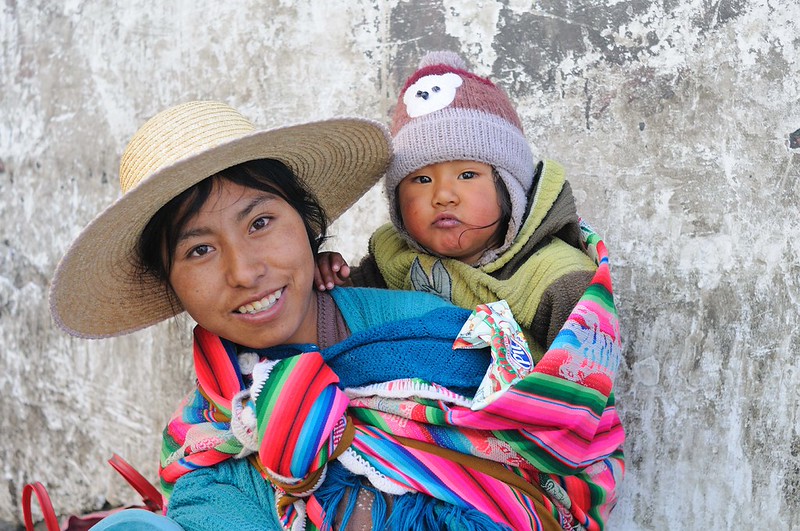 Landlocked in South America, Bolivia has a population of about 12.5 million. It is considered one of the most food-insecure countries in South America. According to the World Food Program (WFP) USA, 16% of Bolivian children under 5 years old are malnourished due to food insecurity.
One of the biggest factors affecting food insecurity in Bolivia is extreme weather conditions. The country faces recurring droughts and floods that heavily impact its agricultural sector. One organization, Fundación Patiño, demonstrates that reducing food insecurity across the country can be addressed through practical solutions.
Fundación Patiño
Fundación Patiño, established in 1931, aims to make a lasting impact by providing young Bolivians with the tools to build stronger and safer communities. In addition to providing direct care for more than 2,000 malnourished children each year, it also carries out projects and initiatives in education, agroecology, pediatric health and culture to address challenges that hinder progress.
Agroecology is a discipline that combines science and society to implement farming techniques that are sustainable and resilient. Fundación Patiño has undertaken multiple projects to promote and apply these techniques, including the Cochuna Project, its haciendas and the agroecology farm and seed center in Pairumani.
Education and the Cochuna Project
In the mountains of the Yungas region, a remote location, Fundación Patiño built and maintains a boarding school. Now accessible to small, isolated communities, teenagers in the region can continue their general education while deepening their farming and agricultural knowledge to develop sustainable practices for the future. The school currently hosts and educates 120 teenagers.
The Haciendas
The two haciendas located in Pairumani and Santa Cruz consist of large agricultural estates that serve as open-air laboratories combining science, society and pedagogy. Their focus is to promote economic independence by training farmers and researchers in sustainable techniques through hands-on practice and experimentation.
Each year, they organize “Field Days,” where community members are invited to learn about agricultural developments taking place. The foundation estimates that seeds improved through experimentation at the haciendas have benefited more than 10,000 farmers.
Food Sovereignty and the Seed Center
Fundación Patiño also runs an initiative that preserves and nurtures local seed varieties in its seed center located in Pairumani. This directly addresses food insecurity in Bolivia, as these local seeds are suited to Andean ecosystems. As a result, they are more resilient to weather conditions such as droughts and floods that affect Bolivia’s agricultural sector.
By prioritizing local and indigenous seed varieties over imported or hybrid ones, the seed center supports food sovereignty in Bolivia. Communities rely less on expensive imported foods when they can grow, sustain and sell their own produce.
In addition to strengthening food autonomy, training farmers to grow crops using techniques that reduce vulnerability to climate shocks supports local economic activity. Surplus food can be sold in markets and potentially exported.
Fundación Patiño’s model is designed to be replicable. Its initiatives have benefited more than 50,000 individuals, contributing to efforts to reduce food insecurity in Bolivia by promoting food sovereignty through education and community engagement.
– Brittany Buscio
Brittany is based in Montreal, Quebec, Canada and focuses on Good News and Global Health for The Borgen Project.
Photo: Flickr
