Poverty Reduction in Namibia: Progress and Practical Solutions
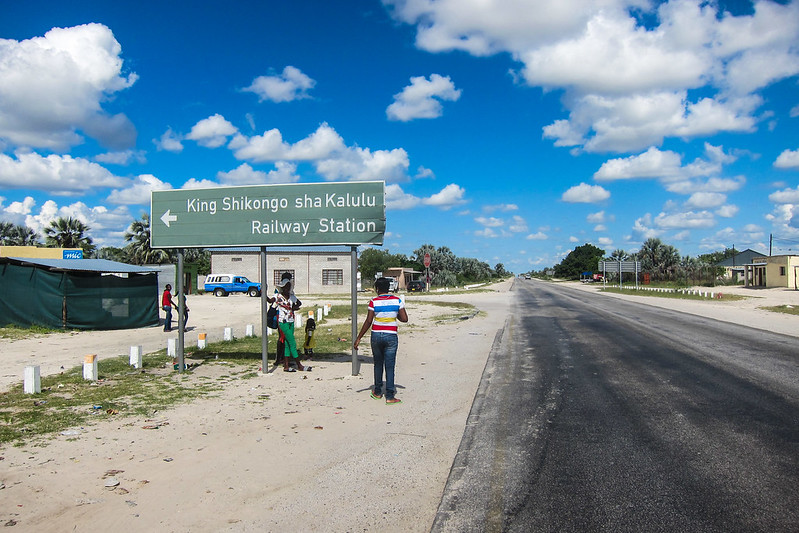 Namibia has made steady progress in reducing poverty since gaining independence in 1990, but many communities still face economic hardship. High unemployment, regional inequality and limited access to services continue to shape daily life for millions. Strengthening social protection, expanding education access and investing in rural development remain central to long-term poverty reduction in Namibia.
Poverty Trends and Current Challenges
Namibia reduced its national poverty rate from 37.7% in 2003 to 17.4% in 2021, according to the Namibia Statistics Agency. Yet broader indicators show that many households still experience deprivation. OPHI reports that 43% of Namibians live in multidimensional poverty, which includes limited access to health care, education and basic services.
Rural communities face the highest risks. UNICEF report notes that poverty is the highest in northern regions, where access to water, sanitation and employment remains limited.
Women and children experience the greatest vulnerability, according to Namibia’s 2024 Voluntary National Review, which highlights persistent gaps in nutrition, education and income stability.
Unemployment also remains a major barrier. Reuters reports Namibia’s broad unemployment rate as more than 36%, one of the highest in southern Africa.
Supporting Families and Skills Development
Namibia operates one of the most extensive social protection systems in the region. The Ministry of Gender Equality, Poverty Eradication and Social Welfare provides old-age pensions, child grants, disability support and food assistance. In 2023, more than 600,000 Namibians relied on social grants, according to The Namibian.
UNICEF’s Social Protection Budget Brief shows that grants significantly reduce poverty and narrow inequality gaps, especially for children and elderly residents.
Namibia has also tested innovative approaches. The Basic Income Grant pilot in Otjivero-Omitara showed improvements in nutrition, school attendance and local economic activity.
Education has been a national priority since independence. Namibia now maintains primary school enrollment above 95%, according to UNICEF. In 2025, the government announced plans to introduce free higher education and vocational training beginning in 2026. This expansion aims to help young people enter careers in agriculture, construction, information technology and renewable energy.
Agricultural Investment and Economic Diversification
Agriculture remains a major source of income for rural households. The Namibia Agricultural Mechanization and Seed Improvement Project (NAMSIP) provides farmers with equipment, improved seeds and training to strengthen food security.
The Green Scheme irrigation program expands crop production and market access for small-scale farmers. Recent reporting from New Era shows that Green Scheme projects are increasing productivity and helping communities adapt to climate challenges.
Land access remains central to Namibia’s poverty reduction strategy. The Legal Assistance Centre documents ongoing efforts to redistribute commercial farmland and provide training to resettled families. Beneficiaries who receive continued technical support report higher food security and more stable incomes. Rural development projects (including road upgrades, water infrastructure and electrification) could also help communities access markets, schools and health services. These improvements strengthen local economies and reduce regional inequality.
Namibia is internationally recognized for its Community-Based Natural Resource Management (CBNRM) program. Through conservancies, communities manage wildlife and benefit directly from tourism and conservation income.
Maliasili’s analysis highlights that conservancies generate millions of dollars in community revenue each year and support women’s cooperatives, youth enterprises and local governance.
Look Forward To What’s Ahead
Namibia’s progress shows that consistent investment and inclusive policy can reduce poverty. Strengthening social protection, expanding education, supporting farmers and improving land access remain essential pillars of poverty reduction in Namibia. Continued collaboration between government agencies, community organizations and international partners will be vital to ensuring long-term stability and shared economic growth.
– Angela ‘Phoenix’ Garrett
Angela is based in Chicago, IL, USA, and focuses on Good News and Global Health for The Borgen Project.
Photo: Flickr
