Indonesia’s Reliance on the Coffee Industry
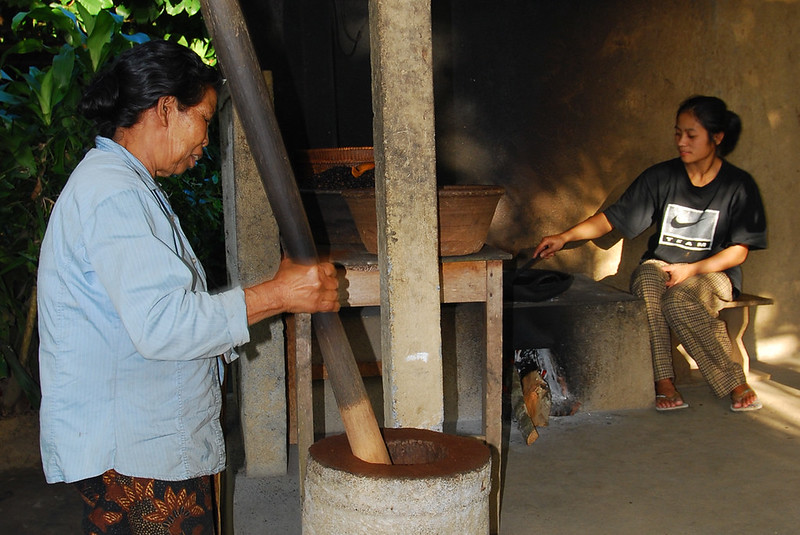 Coffee consumers are all around the world. Currently, the United Kingdom (U.K.) consumes about 95 million cups daily. Globally, the demand for coffee is increasing by 2.2% per year. Presently, the import of coffee is soaring. This is especially seen with the quantity of coffee beans.
A main coffee-producing country is Indonesia. Indonesia’s reliance on the coffee industry is crucial. It exported a total of $1.58 billion of coffee in 2024. Indonesia’s biggest buyer is the United States (U.S.). With a total of $302 million made, this shows the popularity of the coffee industry. This is seen significantly in North America.
Indonesia’s coffee trade originated in 1711. This started when the Dutch East India Company sent its first export from Java to Europe. From this, it made significant profits. Therefore, this influenced the rise of the coffee industry. Currently, Indonesia is ranked as the fifth-largest coffee provider globally.
Background on Poverty in Indonesia
The problem of inequality has put many in poverty. There is a large wealth gap between the rich and the general population of Indonesia. Increasing inequality hinders economic development. Wealthier individuals often have better access to basic services, while others do not.
Rural areas suffer more than urban areas. Alongside women who earn low wages, they also suffer from inadequate basic services. Rural areas have limited availability of electricity and insufficient roads. The education system faces challenges through barriers and restricted funds. Consequently, this increases challenges within the agricultural sector.
Positives and Negatives in the Production of Palm Oil
Palm oil is an important point in Indonesia’s agricultural production. Around 57% of its production comes from Indonesia. It is also found in vegetable oil, cosmetics, processed food and more. Economically, this has helped the wealth of Indonesia. However, this has had some negative impacts.
This has pressured some children in Indonesia into child labor. Besides this, they suffer from unequal conditions. The increase in child labor is due to them being paid less. Although Indonesia has child labor restrictions, it is estimated that 1.01 million children participated in labor.
Another factor that is impacting this is the rural setting and private farming. This restricts education and increases poverty. Agriculture is a hard career in which to control child labor. Although Indonesia was one of the first countries in Asia to have restrictions and create national legislation. The minimum age of employment is 15 years old.
Indonesia’s Importance in Agriculture
Indonesia relies heavily on agriculture. This is seen to be rising in popularity. Through reaching $29.6 billion in 2024, higher than in 2022, it presents its dependence on this trade. Many agricultural products are becoming more popular.
Indonesia’s variety of sources is vital worldwide. More than 60% of the sector is involved with the agricultural industry. This therefore shows the reliance of the agriculture sector on its income.
Agriculture is needed globally. This helps countries worldwide and the economic development of Indonesia. It provides food security and job opportunities. Agriculture provides many positive effects. This also provides growth in industrial development and builds closer communities. A main part of this trade is farming, which is the main source of agriculture.
A hidden step before the craft of coffee is the production of coffee beans. Although the people working are not always treated fairly. Indonesia’s reliance on the coffee industry is crucial, as it supports 1.8 million families. However, they do not even earn $0.50 per cup.
Mainly in the “bean belt,” coffee production occurs in more than 50 countries. Even with this major working industry, many people suffer. With 17 countries having recorded child labor, this highlights some negatives. Through the threat of poverty, people are pressured to work. Alongside this, the production of coffee and agriculture can be challenging. This also has implications for the environment.
Another downfall is the hardships farmers face. Factors such as irregular weather patterns, the threat of pests and the sensitive nature of coffee plants make the growth of coffee more challenging. Coffee production and agriculture depend on the quality of their environment. However, there are some ways to solve these difficulties.
Physical Solutions
Even with some hardships, there are some physical solutions. This helps with agriculture, especially regarding the production of coffee.
Improving soil quality is an important factor. This is done by cover cropping and applying compost. By protecting soil quality and growth, this allows a sustainable environment for crops.
Agroforestry integration is another solution. This is when trees play a role in farming. Trees would provide shade, control temperature and support biodiversity. Not only would this help crops, but it would also help surrounding species.
Increasing biodiversity is crucial. From maintaining plants to supporting living organisms, these act as natural pest control. This environmentally friendly method is beneficial because pests are a consistent challenge. Water control is fundamental. This helps to stabilize soil, increase infiltration and control surface runoff. The management of water will help crops grow healthier and stronger.
Practical Solutions to Help Coffee Farmers
Indonesia’s coffee consumption has grown significantly. Tripling since before the pandemic shows Indonesia’s important role in the industry. There are practical solutions that buyers can follow to support farmers more. Some simple steps, such as choosing, donating and educating are key ways to implement this.
Choosing fair trade coffee is a small change, but it helps ensure a fairer wage. This helps provide a more stable income for farmers. A fairer wage would increase the quality of life for many families. About 37,000 products are sold in more than 140 countries, showing its success.
Donating to organizations is another step that can support equality in communities and human rights. Funds donated can support training and bring more job opportunities. This is supported by fair trade programs, where approximately 2 million farmers are involved.
Education is also vital. Knowledge about the hardships farmers face can increase advocacy. This helps improve policies and influences fair trade. This can support a healthier future for farmers and the economy.
– Daisy Sheena
Daisy is based in Manchester, UK and focuses on Technology and Solutions for The Borgen Project.
Photo: Flickr
