• Link to X
  • Link to Facebook
  • Link to Instagram
  • Link to TikTok
  • Link to Youtube
  • About
    • About Us
      • President
      • Board of Directors
      • Board of Advisors
      • Financials
      • Our Methodology
      • Success Tracker
      • Contact
  • Act Now
    • 30 Ways to Help
      • Email Congress
      • Call Congress
      • Volunteer
      • Courses & Certificates
      • Be a Donor
    • Internships
      • In-Office Internships
      • Remote Internships
    • Legislation
      • Politics 101
  • The Blog
  • The Podcast
  • Magazine
  • Donate
  • Click to open the search input field Click to open the search input field Search
  • Menu Menu

Archive for category: Agriculture

Agriculture, Global Poverty, Technology

SM Sehgal Foundation: Modern Technology and India’s Agriculture

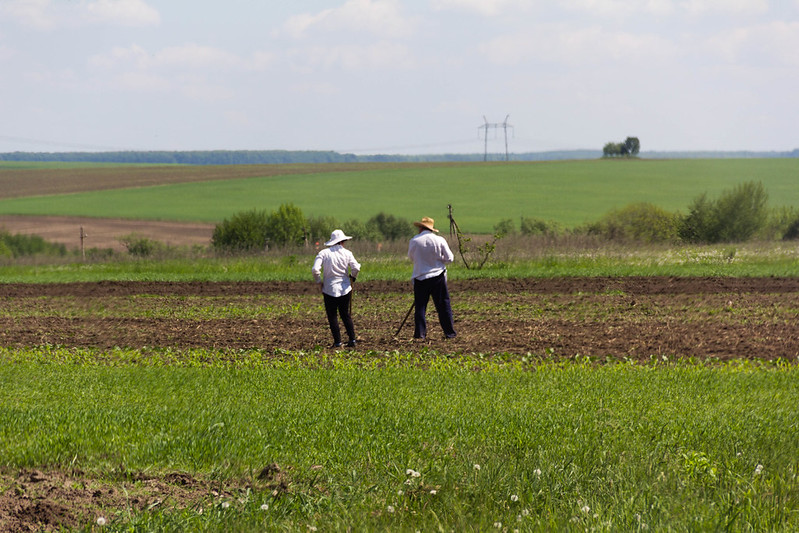
SM Sehgal FoundationAccording to the International Trade Administration, as of mid-2024, there are almost a million combined internet and smartphone users in India. With the widespread adoption of technology in such a populous country, the internet has become an integral part of India’s economy, driving digital payments, e-commerce and even investments in artificial intelligence. In addition to this, 4G has made its way into the country and 5G is gradually expanding to larger parts of the South Asian nation.

While these major advancements in technology are impressive, they aren’t just beneficial to larger, more populated areas of India, such as cities; the usage of modern technology also impacts rural India.

Agriculture’s Role in India’s Economy

A small portion of India’s gross domestic product (GDP) comes from agriculture, at just 18%. However, 44% of the country’s workforce consists of employees in agriculture, despite the decline in the overall percentage of agricultural employment in India since the ’90s. With such a dense portion of the population relying on agricultural jobs, the implementation of ever-evolving technology impacts these jobs.

Technology in agriculture affects multiple aspects of the field. The impacts of technology and agriculture apply to, but are not limited to, aspects such as pesticides and seed technology. In 2017, with the help of the Gram Uttan Project, Raju Kumar Chaudhry, a farmer from Bihar, was able to purchase a subsidized potato planter, which enabled him to reduce labor costs while increasing his crop yield, resulting in savings of around $40 per acre.

Technological Innovations in Indian Agriculture

With the rapid integration of artificial intelligence (AI) into everyday technology, it is perhaps unsurprising that it has also been applied to the agricultural sector. The SM Sehgal Foundation reports that AI supports farmers by simplifying their decision-making processes. For example, AI-driven climate predictions enable farmers to make informed decisions about their crops, while AI-powered data collection facilitates precision farming practices.

In addition to AI, other technological advancements have supported India’s agriculture. Capacity-building programs allow small farmers to access modern equipment without worrying about affordability. IoT technologies, including drones, satellites and remote sensors, help farmers make informed decisions around the clock, keeping them updated on current weather patterns in their area. Livestock monitoring, using chips and body sensors to track animals’ vitals, helps prevent the spread of infections.

This is particularly important for farmers with large herds, where an outbreak could have devastating consequences.

What’s To Come?

While technological advances aren’t uncommon in India, the country is struggling to roll out the use of AI, especially in the agricultural sector. This is partly due to issues with marginalized farming and fragmented land ownership. However, the SM Sehgal Foundation continues to partner with both organizations and India’s farmers in an attempt to make technology more accessible to India’s agricultural sector, aiming to create a comprehensive food-secure future in India.

– Megan Akers

Megan is based in Fredericktown, OH, USA and focuses on Good News and Technology for The Borgen Project.

Photo: Flickr

November 18, 2025
https://borgenproject.org/wp-content/uploads/borgen-project-logo.svg 0 0 Lynsey 2 https://borgenproject.org/wp-content/uploads/borgen-project-logo.svg Lynsey 22025-11-18 03:00:342025-11-18 01:54:21SM Sehgal Foundation: Modern Technology and India’s Agriculture
Agriculture, Food Security, Global Poverty

Agriculture and Nutrition Aid: Improving Food Security in Guatemala

Food Security in GuatemalaGuatemala faces one of the most severe and persistent food security crises in Latin America. Despite being a country rich in agricultural resources, Guatemala faces structural inequality, recurrent droughts and economic shocks, which have kept nearly half of its population in poverty. The COVID‑19 pandemic and the 2022 global food and fuel price shocks deepened the crisis, pushing additional households into food insecurity.

In 2022, nearly half of children under 5, about 46.5 %, were stunted, making Guatemala one of the worst in the Western Hemisphere in terms of child undernutrition. To address this humanitarian emergency, a series of agriculture and nutrition-based initiatives launched by the Guatemalan government, the United Nations (U.N.) and international partners have sought to rebuild livelihoods and reduce hunger through sustainable rural development.

Poverty and Food Insecurity

According to the Integrated Food Security Phase Classification (IPC) and humanitarian monitoring sources, more than five million people (above 25% of the population) require humanitarian assistance in Guatemala. Around 2.7 million face severe acute food insecurity (IPC Phase 3 or worse). Guatemala’s food insecurity is deeply intertwined with rural poverty.

The majority of impoverished households live in rural and Indigenous communities, where subsistence farming is the main livelihood. Limited access to credit, irrigation and markets keeps smallholder farmers vulnerable to climate shocks. The Food and Agriculture Organization’s (FAO) recent report highlights how vulnerable communities face multiple deprivations, including low incomes, limited access to value chains and a high risk of climate-related impacts.

An analysis by the World Bank highlights that economic growth has not been sufficiently translated into poverty reduction or improved livelihoods for the most vulnerable populations.

Building Food Security Through Agriculture and Nutrition Aid

One of the most impactful interventions since 2022 has been the Home‑Grown School Feeding Program, led by WFP in partnership with Guatemala’s Ministry of Education and local farmer cooperatives. This initiative connects smallholder farmers directly with schools to supply nutritious food, ensuring that children receive regular meals while farmers gain reliable buyers. The program connects more than 500 farmers and 840 schools through a mobile procurement application, enabling farmers to browse school orders and deliver locally produced food.

According to WFP monitoring, the program improves children’s dietary diversity and supports rural incomes. In parallel, FAO, through its “Hand-in-Hand” initiative and other resilience programs, has been scaling up efforts to strengthen food production among vulnerable households. The FAO study notes that climate-smart practices, improved seeds and market integration are essential components of the solution.

The FAO also monitors agriculture livelihood-recovery projects that aim to boost both food security and incomes for rural families. The World Bank emphasizes that investment in human capital, agriculture and rural development is critical to addressing long-standing inequalities and food insecurity.

Continuing Challenges

Despite these encouraging results, Guatemala’s path toward food security remains fragile. Hundreds of thousands of children continue to face stunting and rural poverty remains entrenched among Indigenous and highland populations. The WFP country brief notes that Guatemala is disaster-prone and extended dry seasons and climate shocks severely damage the livelihoods of subsistence farmers.

Scaling successful programs nationally is limited by funding constraints, infrastructure gaps and institutional capacity. Without sustained investment in rural infrastructure, market access and social protection, localized gains risk being reversed by future shocks.

Conclusion

The past few years have shown that agriculture and nutrition-based aid can make a tangible difference in improving food security in Guatemala. Indeed, by linking local farmers to school-feeding programs, investing in climate-smart agriculture and focusing on vulnerable rural communities, the country and its partners have taken meaningful steps toward reducing hunger and poverty. While national statistics remain daunting, with child stunting at nearly half of all children under 5, widespread rural poverty and persistent acute food-security need, the evidence indicates that targeted interventions can improve outcomes.

With continued investment, expansion of proven models and stronger institutional capacity, Guatemala has the potential to transform its food system from fragile to resilient, making inclusive agricultural development a cornerstone of poverty reduction.

– Akash Ramaswamy

Akash is based in Ontario, Canada and focuses on Global Health and Politics for The Borgen Project.

Photo: Flickr
November 14, 2025
https://borgenproject.org/wp-content/uploads/borgen-project-logo.svg 0 0 Lynsey 2 https://borgenproject.org/wp-content/uploads/borgen-project-logo.svg Lynsey 22025-11-14 07:30:152025-11-14 02:22:46Agriculture and Nutrition Aid: Improving Food Security in Guatemala
Agriculture, Education, Global Poverty

Building Opportunity: Agriculture and Education in Burundi

Education in BurundiIn the heart of East Africa lies Burundi, a small, landlocked nation bordered by Rwanda, Tanzania and the Democratic Republic of Congo. Beneath its green hills and tranquil lakes, however, Burundi faces persistent poverty driven by decades of instability, underdeveloped infrastructure and dependence on agriculture. While the country has made progress since its civil conflicts ended, many Burundian families continue to struggle to meet their daily needs.

The Borgen Project spoke with Francine Nahimana, a 25-year-old woman from rural Gitega, to learn more about how these challenges shape the lives of ordinary citizens and what solutions are helping Burundians rise above hardship. “People here are hardworking, but without opportunities and support, it is difficult to move forward,” Nahimana said.

Historical Impact

Burundi’s history of ethnic and political conflict has left deep social and economic scars. During years of unrest, schools and hospitals closed, families fled their land and many professionals left the country in search of stability. These years disrupted entire generations.

According to UNICEF, conflict forced thousands of children out of school, leading to widespread illiteracy and unemployment in later years. Many displaced families lost farmland, the backbone of Burundi’s economy and still face disputes over land ownership today. Nahimana explained that her community is still rebuilding: “Some people my age never had the chance to learn to read or write. That affects jobs today; many adults are still trying to catch up.”

Agricultural Impact

According to the International Fund for Agricultural Development (IFAD), roughly 80% of Burundians depend on agriculture for their livelihoods. Yet recurring droughts, soil erosion and limited access to modern tools continue to reduce yields and income. In rural Gitega, most families tend small plots of maize, beans or cassava.

Nahimana said that when rains fail, families cut back to one meal a day and ration food to children first. For many households, farming remains a matter of survival rather than a source of profit. The World Food Programme (WFP) estimates that more than half of Burundians face chronic food insecurity, highlighting the connection between environmental vulnerability and poverty.

Efforts to improve irrigation systems and promote climate-resilient crops have begun in parts of the country, offering hope that communities can protect both livelihoods and nutrition in the coming years.

Education in Burundi

Education in Burundi is both a challenge and a solution to poverty. According to UNESCO, while primary enrollment rates have increased, completion rates remain low, especially for girls. Families often struggle to afford school uniforms, materials or the long commute to secondary schools.

Nahimana recalled walking nearly an hour each day to reach class. “My parents believed girls should be educated, but many of my friends left school early to help at home or marry young,” she said. The lack of consistent schooling limits access to formal employment, leaving many young people dependent on subsistence farming.

Expanding access to education and vocational training in Burundi could empower citizens to pursue alternative livelihoods and break cycles of poverty.

Health Impact

Health care in Burundi remains fragile, especially in rural areas, where clinics are understaffed and medical supplies are scarce. For low-income families, medical costs can be devastating. When illness strikes, adults often lose workdays and children miss school, creating new obstacles to economic stability.

Nahimana said that even minor illnesses can send families into debt: “If someone gets sick, we borrow money to buy medicine and then the next month we can’t buy fertilizer or seeds.” Expanding community clinics and enhancing maternal and child health programs could prevent minor health issues from escalating into cycles of poverty.

Youth and Governance Impact

Burundi’s population is predominantly young; according to the United Nations Population Fund (UNFPA), more than 60% of the population is under the age of 25. This generation holds the potential to transform the country if provided with stable jobs and inclusive governance.

After years of instability, trust in institutions is slowly returning. National peacebuilding efforts, supported by the United Nations Peacebuilding Fund, aim to strengthen transparency and civic participation. Nahimana believes young people are ready to lead: “We are not defined by poverty, we are defined by perseverance. With education and opportunity, we can create a better future.”

Future Impact

Burundi’s challenges remain immense, but progress is possible. Investments in sustainable agriculture, affordable health care and education, particularly for girls, could significantly reduce poverty over the next decade. The World Bank and the United Nations Development Programme (UNDP) continue to partner with Burundi to improve rural infrastructure, access to credit and food security.

These long-term projects, paired with community-level resilience, aim to ensure that economic growth reaches every hill and valley. As Nahimana’s story shows, hope endures in Burundi’s hills. Each classroom that stays open, each seed that survives a dry season and each young woman who completes her education brings the nation one step closer to lasting prosperity.

– Katie Williams

Katie is based in the United Kingdom and focuses on Global Health for The Borgen Project.

Photo: Unsplash

November 14, 2025
https://borgenproject.org/wp-content/uploads/borgen-project-logo.svg 0 0 Lynsey 2 https://borgenproject.org/wp-content/uploads/borgen-project-logo.svg Lynsey 22025-11-14 03:00:232025-11-14 02:19:16Building Opportunity: Agriculture and Education in Burundi
Agriculture, Global Poverty

Zimbabwe’s Blueberry Industry Signal a Healthier Future

Zimbabwe’s BlueberryZimbabweans have endured economic hardship over the past two decades, owing to a series of economic shocks and severe hyperinflation that have crippled livelihoods and income. Consequently, just under 10 million Zimbabweans live on less than $4.20 a day in an economy deeply susceptible to climate shocks due to its dependence on agriculture.

However, geopolitical relations and community-based projects have paved the way for a potential solution to help alleviate poverty—blueberries. Zimbabwe’s blueberry industry is becoming an increasingly prevalent market, helping to provide domestic relief and boost international trade as the country embarks on a long journey toward stability.

Zimbabwe Embracing Horticulture

Long reliant on tobacco exports, Zimbabwe is now looking to diversify its agricultural output, and blueberries have emerged as a promising and potentially lucrative product. Crucial to this development are ongoing talks with China, the world’s largest importer of the fruit, which could help Zimbabwe strengthen its position in the blueberry market currently led by Peru.

Gaining access to China’s lucrative market would help capitalize on Zimbabwe’s positive trajectory in horticulture, a trend that saw blueberry exports increase by 13% despite the presence of El Niño hindering economic growth. This growth is modest compared to future projections. Zimbabwe’s blueberry production is expected to rise by 50%, and this domestic expansion, combined with growing international markets, offers hope to local communities that this renewed interest in horticulture can improve food security and provide vital sources of employment.

Importance of Local Produce

While international trade deals will help boost macroeconomic stability in a nation facing stagnant growth and debt issues, job creation within the blueberry sector is equally significant. The industry creates approximately 6,000 jobs, most of them held by women who are increasingly becoming the main earners in their households. The sector also provides opportunities for young farmers, as more farm managers recruit trainees focused on blueberry production—creating employment in communities that disproportionately suffer from Zimbabwe’s high unemployment rate.

Zimbabwe’s poverty reduction strategy has been hindered by an overreliance on low-productivity agriculture, a sector further strained by climate events such as El Niño. The phenomenon caused a severe drought and left up to 7.6 million Zimbabweans at risk of acute hunger, yet the continued growth of blueberries during this crisis period highlights their potential to transform the country’s low-production agricultural cycle.

While the government lacks a funding framework that effectively supports people suffering from food insecurity, agri-entrepreneurs have stepped in to fill the gap. Admire Moyo developed the Goho learning app for young farmers, providing e-learning resources on climate resilience to help combat the effects of climate change. The app offers real-time updates on prices in central fruit and vegetable markets and helps farmers adapt to economic and climate shocks—factors that have indirectly fostered growth in blueberry production.

Looking Forward

The target for Zimbabwean farmers is to reach 30,000 tons of blueberry production by 2030, aiming to capitalize on the lucrative Chinese market. While the current trajectory is promising, insufficient funding structures risk undermining the progress of Zimbabwean farms working to alleviate local poverty through improved food security and employment opportunities.

– Oscar McClintock

Oscar is based in Cambridge, UK and focuses on Good News for The Borgen Project.

Photo: Flickr
November 11, 2025
https://borgenproject.org/wp-content/uploads/borgen-project-logo.svg 0 0 Precious Sheidu https://borgenproject.org/wp-content/uploads/borgen-project-logo.svg Precious Sheidu2025-11-11 03:00:142025-11-11 01:48:11Zimbabwe’s Blueberry Industry Signal a Healthier Future
Agriculture, Development, Global Poverty

Uganda’s PARKS Project: Poverty Alleviation and Conservation

Poverty Alleviation and ConservationIn Uganda’s Kibale National Park (NP), the international nongovernmental organization (NGO), Village Enterprise, has introduced a highly successful scheme combining poverty alleviation methods with environmental conservation. In Uganda’s western regions, poverty is lower than the national average at 11.4%, though the region is one of Uganda’s most unequal, with the majority of the poor situated in rural areas. To improve the lives of those in extreme poverty and simultaneously strengthen environmental protection, a hybrid solution had to be implemented.

Kibale National Park

Kibale NP is situated in the west of Uganda. This region struggles with inequality, with a Gini coefficient of 0.33, a figure that rises to 0.39 for children, demonstrating the gulf between urban and rural populations. The national park contains 13 different primate species, including one of the largest chimpanzee populations in the world, more than 120 mammal species and 370 varieties of birds. Given the park’s immense biodiversity, local residents are dependent on its resources, often leading to confrontation between human activity and endangered wildlife.

Combining Poverty Alleviation and Conservation

Combining poverty alleviation and conservation is a challenging task, as economic development often depends on the exploitation of natural resources. Acknowledging this, Village Enterprise announced the PARKS initiative in 2021, an acronym for the Poverty Alleviation and Removal of Kibale Snares project.

The project, funded since 2024 by the Arcus Foundation and in collaboration with the Ngogo Chimpanzee Project, has two distinct but connected goals: to reduce the incidence of extreme poverty within the national park and to ensure the protection of Kibale NP’s endangered chimpanzee population.

The key to this initiative was accepting that poverty alleviation and conservation are intertwined. In areas like Kibale NP, people living in extreme poverty are forced to rely on the natural world for economic stability, often engaging in harmful practices such as the illegal harvesting of bushmeat and timber. Programs aimed at reducing these activities, or punishing those engaged in them, have often had the unintended effect of pushing the local population further into poverty.

To tackle this issue, the PARKS program focuses on providing entrepreneurial training centered on local, sustainable micro-enterprises. Village Enterprise provides startup funding as well as mentorship to ensure local residents are freed from the pressure to engage in poaching and illegal logging. PARKS also encourages the formation of Business Savings Groups, allowing new business owners to pool their savings and provide a financial safety net for future entrepreneurs. Alongside this, PARKS offers additional training to selected entrepreneurs, creating “Conservation Champions” who encourage and advise others on sustainable business practices.

Results So Far

Through the PARKS initiative, Village Enterprise has provided training to more than 5,500 entrepreneurs, more than 65% of whom are women. This has led to the creation of 1,838 sustainable micro-businesses, positively impacting the lives of more than 20,000 people within the national park. These businesses include retail shops, small-scale agricultural projects, tailoring, cobbling, beekeeping, agroforestry and innovative solutions such as energy-efficient stoves for everyday cooking.

These businesses have reduced dependence on poaching and have helped families afford school fees and improve nutrition. On the conservation side, 90 Conservation Champions have been trained, providing further instruction to members of their local communities. Since the project’s implementation, Kibale NP has observed a significant reduction in illegal human activity within the park. As of April 2025, anti-poaching patrols funded directly by the PARKS project have led to the removal of 445 illegal snares, in addition to the more than 800 snares removed under the project as a whole.

Opportunities for Further Implementation

The benefits of the PARKS project extend beyond the boundaries of Kibale NP. It is an exemplary model of how to combine poverty alleviation and conservation, not only within Uganda, where human-animal conflict is common in several national parks, but also globally.

By encouraging a healthy entrepreneurial ecosystem alongside environmental protection, the project contributes directly to several United Nations Sustainable Development Goals (SDGs): goal 1 (No Poverty), goal 2 (Zero Hunger), goal 12 (Responsible Consumption and Production) and goal 15 (Life on Land). Indirectly, the scheme also addresses goal 5 (Gender Equality) through its focus on empowering women.

– Henry Weiser

Henry is based in Cornwall, UK and focuses on Technology and Politics for The Borgen Project.

Photo: Flickr

October 30, 2025
https://borgenproject.org/wp-content/uploads/borgen-project-logo.svg 0 0 Precious Sheidu https://borgenproject.org/wp-content/uploads/borgen-project-logo.svg Precious Sheidu2025-10-30 01:30:012025-10-29 09:42:22Uganda’s PARKS Project: Poverty Alleviation and Conservation
Agriculture, Global Poverty

Reducing Food Waste for Smallholder Farmers in India

Smallholder Farmers in IndiaNearly half of India’s workforce makes a living in agriculture. For years, the country has been facing a two-fold, paradoxical crisis. India ranks 105th out of 127 countries on the Global Hunger Index (GHI), with approximately 14% of the population undernourished. At the same time, while millions go hungry, India loses roughly $17.7 billion worth of crops and produce each year post-harvest. That figure amounts to about 22% of the nation’s total food grain output, or around 74 million tons of food, going to waste annually.

Challenges for Smallholder Farmers

Of all India’s farmers, about 86% are classified as smallholder farmers, meaning they own less than two hectares of land. Many smallholder farmers harvest primarily fruits and vegetables rather than large quantities of grain, which are far more vulnerable to post-harvest spoilage. Unlike larger farmers, smallholders rarely have the financial resources or access to cold storage, warehouses or proper transportation and packaging. Without that infrastructure, their crops spoil quickly, forcing them to sell right after harvest. That dependence on immediate sales often means accepting much lower prices to move their produce.

Technology as a Solution

The introduction of emerging technology has enabled smallholders in India to move away from inevitable waste and toward increased food security and improved livelihoods. From solar-powered cold storage that extends the shelf life of vegetables by a few weeks to portable preservation dryers that keep fruit fresh without chemicals and IoT devices that maintain freshness during transport, innovators around the world are tailoring solutions to address the challenges faced by India’s smallholder farmers. These tools are not just reducing spoilage; they give farmers more control over their lives and allow them to dictate when and how they sell their crops.

Ecozen’s Solar Cold Storage

Ecozen is a climate tech company that provides solar-powered solutions for agriculture and other sectors. The company teamed up with the SELCO Foundation and Collectives for Integrated Livelihood Initiatives (CInI) to help farmers in India reduce food waste and increase the shelf life of their produce. In Meghalaya, a state in Northeast India, the company installed 10 Ecofrost solar-powered cold rooms, totaling a pre-cooling capacity of 5,000 kg and a cold storage capacity of 50 metric tons.

Ecofrost is a solar-powered cold storage system designed to operate entirely off-grid, featuring a built-in backup that lasts up to 30 hours without requiring batteries. It primarily relies on solar energy but can also switch to an electrical grid or generator when needed. Powered by Ecozen’s artificial intelligence (AI) and internet of things (IoT) platform, Ecofrost enables farmers to monitor their cold rooms remotely. Farmers simply select the type and weight of produce, and the system automatically adjusts to the ideal storage conditions using pre-programmed data and recommendations.

Saptkrishi’s Portable Sabjikothi Units

While Ecofrost focuses primarily on large-scale solar cold rooms, Saptkrishi is another company taking a more modular approach with its Sabjikothi units. These portable, solar-powered chambers create a controlled microclimate that keeps fruits and vegetables fresh for weeks, eliminating the need for refrigeration or chemicals. They can be mounted on carts or set up in village markets, providing small farmers and vendors with a convenient way to store and sell their produce as needed. With built-in IoT monitoring and minimal maintenance, Sabjikothi offers smallholder farmers in India a flexible, low-cost solution to post-harvest food loss in places where traditional cold storage like Ecofrost is not practical.

S4S Technologies and Women Entrepreneurs

S4S Technologies has also joined the fight against food waste for smallholder farms in India, with an added emphasis on the gender dimension. Roughly 75% of women in India work in agriculture and related industries, which leaves them in a particularly vulnerable position in the wake of food waste.

S4S empowers smallholder farmers and women micro-entrepreneurs in rural India with solar-powered food dehydrators. The company purchases lower-grade, rejected produce from smallholder farmers and delivers it to micro-entrepreneurs who dehydrate it in their solar-powered dryers. This method is more cost-effective and energy-efficient than conventional industrial food preservation techniques.

Once the dehydrated products are sent to a packaging facility, they can be sold to large-scale production companies and food service providers. To maintain quality standards, S4S employs village-level coordinators who train the micro-entrepreneurs on quality expectations. Participants are guaranteed fair compensation and receive a fixed fee per kilogram of dried product. This company’s mission and technology contribute not only to the reduction of food waste and increased income but also to the development of micro-businesses and female empowerment in India.

A Hopeful Future for India’s Farmers

For the millions of smallholder farmers in India, every harvest once felt like a gamble. With help from emerging technologies like solar-powered cold storage, IoT monitoring and portable dryers, smallholder farmers in India are now able to preserve their produce and control when and how they choose to sell it. These innovations do more than reduce waste — they are giving farmers a chance to regain autonomy, earn more money, feed more people and move away from inevitable loss toward hopeful opportunity.

– Kaitlin Reed

Kaitlin is based in Austin, TX, USA and focuses on Technology and Solutions for The Borgen Project.

Photo: Pexels

October 21, 2025
https://borgenproject.org/wp-content/uploads/borgen-project-logo.svg 0 0 Precious Sheidu https://borgenproject.org/wp-content/uploads/borgen-project-logo.svg Precious Sheidu2025-10-21 07:30:042025-10-21 01:38:49Reducing Food Waste for Smallholder Farmers in India
Agriculture, Global Poverty, Sustainable Development Goals

Farming for Peace: SDG 2 in Colombia

SDG 2 in ColombiaSDG 2 is a development goal set by the U.N. to create a “world free of hunger by 2030.” Global food insecurity has been increasing alarmingly since 2015, caused by factors like the pandemic, war and deepening global wealth inequality. The U.N. reports that in 2023, 2.3 billion people faced food insecurity, increasing from 383 million in 2019.

As promoted by the U.N., SDG 2 requires coordinated national efforts to alleviate hunger. Reform and investment in sectors such as agriculture and farming can break rural poverty cycles by offering employment, opportunity and building food security during disasters and violence.

Colombia’s Poverty Problem

Despite Colombia’s status as an upper-middle-income country, food insecurity and poverty are critical issues, particularly in rural areas. The World Food Programme (WFP) reported that in 2025, 25% of the population is food insecure. Many rural Colombians rely on farming to make a living.

Yet, structural challenges and the prevalence of drug production often make this livelihood unstable. As the Colombian Council of Ministers stated, 1% of landowners control the Casa de Nariño, 65% of fertile farming land. Lower-income farmers are often given no legal or formal recognition of their lands.

Due to Colombia’s terrain, many farming communities are remote, with limited infrastructure, investment and access to opportunities. Faced with this, many Colombians become trapped in the cycle of growing the more accessible and demanded coca plant, used to make cocaine, as an option for survival. Coca displaces crops, reduces local food availability and deepens drug-related violence and displacement, contributing to the cycle of food insecurity and poverty.

Creating Change

Introduced in February 2025, President Gustavo commenced the initiative “Pact for Land and Life: Revolution for Life.” It addresses inequalities and promotes rural livelihoods through agricultural reform and farming. The pact focuses on land redistribution and the eradication of coca production.

The program offers farmers financial incentives to transition to sustainable crops such as coffee, sugarcane and livestock. Transition is assisted with technical training, funding and equipment, with some towns requiring infrastructure such as new roads to improve market access. This promotes food security by giving farmers the dignity and opportunity to start again, earn money more safely and trade within the law.

This creates a stronger relationship between rural farmers and the government, boosting the likelihood of further investment and infrastructure in rural communities. It would also stop the prevalence of drug production and the associated violence that it brings.

While the threat of drug violence, difficulties in accessing remote regions and the challenge of generating adequate funding have slowed government plans, nonprofit organizations such as Mercy Corps have stepped in. They provide essential support in alleviating food insecurity.

The Work of Mercy Corps

Since 2005, Mercy Corps has worked in Colombia to tackle the root of coca cultivation, focusing on sustainable agriculture, land formalization and economic inclusion. In rural, impoverished and conflict-affected regions like Catatumbo, where farmers are forced to rely on coca to get by, Mercy Corps helps farmers transition to legal and sustainable forms of income.

Through initiatives such as ALGO Nuevo, more than 3,000 farmers have replaced more than 1,800 hectares of coca with crops such as coffee and yucca. The charity also works alongside the National Land Agency and local governments to develop marginalized groups’ property rights and reduce land formalization costs.

Conclusion

The effect of agricultural focus on reform in Colombia shows the potential of farming in alleviating food insecurity and achieving SDG 2. Land redistribution, coca eradication and training have provided invaluable socioeconomic opportunities to the nation’s most marginalized and vulnerable groups. It builds greater stability, promotes peace and builds resistance to occurrences of violence and displacement, as well as facilitating individuals to have dignified work.

Colombia serves as a case study for the coordinated efforts required for SDG 2 and how farming unlocks a new reality for some of the world’s most impoverished and remote communities.

– Mia Keen

Mia is based in London, UK and focuses on Business and Politics for The Borgen Project.

Photo: Flickr
October 13, 2025
https://borgenproject.org/wp-content/uploads/borgen-project-logo.svg 0 0 Lynsey 2 https://borgenproject.org/wp-content/uploads/borgen-project-logo.svg Lynsey 22025-10-13 07:30:002025-10-12 23:01:44Farming for Peace: SDG 2 in Colombia
Agriculture, Food Insecurity, Global Poverty

How Urban Agriculture in Morocco is Tackling Food Insecurity

Urban Agriculture in MoroccoMorocco has struggled to feed many of its 38 million people. The country, nestled on the northwestern coast of Africa, has more than 2.1 million people who are considered malnourished. Malnutrition rates are particularly high among already vulnerable populations like children and refugees in Morocco.

The problem is particularly acute in rural areas but has also been affecting urban areas. In Morocco’s largest cities of Casablanca, Rabat, Fes and Tangier, thousands of families lack proper nutrition. Even when government programs and charities provide these families with food aid, their food is often unhealthy, lacking fresh fruits and vegetables. The evident food insecurity—lack of access to healthy, sufficient foodstuffs—across Morocco has caused millions of dollars in lost economic productivity and health care costs.

A Fitting Solution

The enormous toll of food insecurity in urban Morocco has given rise to a novel solution: urban agriculture. Urban agriculture refers to farming on dedicated plots of land within urban areas. The practice most commonly occurs within community gardens, rooftop farms and vertical farms in cities. These gardens and farms typically grow fresh fruits and vegetables that are then sold or donated to families in the community.

Across Morocco’s largest cities, several stakeholders have successfully deployed urban agriculture. In Casablanca, the country’s largest city, rooftop and community gardens have emerged in the neighborhoods of Hay Mohammadi and Sidi Moumen. The produce from these urban agriculture projects is sold in local markets at cheap prices, allowing needy Moroccans to access fresh and healthy fruits and vegetables they may not have otherwise been able to access.

Similarly, Morocco’s capital of Rabat has witnessed the proliferation of community gardens across public parks. These gardens largely produce “vegetables and herbs” for nearby families, alleviating local food insecurity.

Limitations Persist

Despite the success of urban agriculture in Morocco in providing fresh, healthy and affordable produce to families in need, there remain limitations to its broader effectiveness. They are few in number and small in size, especially compared to Morocco’s rural farms. This limits the amount of urban agriculture-sourced produce directly available to food-insecure Moroccan families.

Moreover, urban agriculture in garden spaces in Casablanca or on rooftops in Rabat is generally spearheaded by private—not public—stakeholders. It received only limited government sponsorship until 2025. The lack of sufficient government support for Moroccan urban agriculture may hamper the expansion of the practice.

Urban Agriculture’s Potential

Despite the limitations of urban agriculture in Morocco, it can continue to enhance food security for Moroccan families in need. The country has numerous families that do not have enough food to eat. Yet, private individuals and stakeholders have managed to create urban farms across cities like Casablanca and Rabat, to feed needy families fresh and healthy produce at an affordable cost.

The fresh, healthy and affordable nature of urban agriculture yields makes them an integral component of any viable plan for food security in urban Morocco.

– Pranav Kanmadikar

Pranav is based in Louisville, KY, USA and focuses on Technology and Global Health for The Borgen Project.

Photo: Pexels

October 7, 2025
https://borgenproject.org/wp-content/uploads/borgen-project-logo.svg 0 0 Lynsey 2 https://borgenproject.org/wp-content/uploads/borgen-project-logo.svg Lynsey 22025-10-07 03:00:412025-10-07 02:02:28How Urban Agriculture in Morocco is Tackling Food Insecurity
Agriculture, environment, Global Poverty

Climate-Smart Farming in Bangladesh: A Path Out of Poverty

Climate-Smart FarmingClimate-smart farming is a critical development in the rural economy of Bangladesh, where millions of smallholder farmers face seasonal uncertainty in one of the world’s most climate-vulnerable nations. Bangladesh is heavily reliant on agriculture, with the World Bank estimating in 2016 that 87% of rural households rely on farming for at least part of their income. Extreme natural disasters can jeopardise the population’s ability to farm effectively and expose millions to freak weather events and longer-term threats such as temperature and rainfall changes.

Now at risk of losing one-third of its agricultural GDP due to climate-related events by 2050, Dhaka is working hard to equip rural citizens with the tools to protect themselves from climate hazard’s most damaging, poverty-inducing effects. Adopting a climate-smart agricultural strategy has already paid dividends in the fight against climate-related poverty. It has empowered Bangla farmers to institute change to often centuries-old practices.

Climate Instability and the Farming Poverty Trap

Agriculture has been central to poverty reduction in Bangladesh, responsible for 90% of poverty alleviation between 2005 and 2010, while national grain production has tripled since 1972. Yet climate instability now threatens to reverse this progress. Rising sea levels swallow farmland and leave less space to cultivate crops, while shifting temperatures and rainfall patterns drive yields down.

When production falters, Bangladesh risks greater dependence on imports, cutting jobs for the impoverished rural people who rely on farming for income. Extreme weather events also add to the strain. Cyclone Sidr in 2007 and Cyclone Aila in 2009 devastated harvests and forced families into poverty overnight.

These pressures highlight how fragile Bangladesh’s agricultural gains remain and how climate shocks can derail one of the nation’s most effective escape routes from poverty.

Breaking the Cycle With Feed the Future

The Feed the Future Climate-Smart Agriculture Project offered a blueprint for how farming could once again lift families out of poverty despite worsening climate risks. Backed by USAID funding and administered by the International Fertilizer Development Center, this initiative equipped small producers with the seeds, skills and technologies to adapt to future climate-related risks.

In 2023, Feed the Future delivered more than 150 demonstrations covering topics from climate-smart rice cultivation to better supply chain access. While these primarily targeted the operations of smallholder farmers, Feed the Future also worked to link up larger farming stakeholders in the private sector with climate-efficient technologies and information.

As a result, smallholder farmers purchasing from these actors gained easier access to the latest climate-resilient seeds and farming practices. This support helped them boost yields, reduce costs and earn a more reliable income. Supplemented by domestic political support, the Climate-Smart Agriculture Project put years of agitation for climate-smart agriculture into practice. It operated with both short and intermediate goals in mind.

A Blueprint for Other Developing Nations

Yet sweeping cuts to the USAID budget in 2025 affected the Feed the Future Climate-Smart Agriculture Project. On February 26, 2025, the initiative was subject to a termination notice as part of broader 56% cuts to the U.S.-Bangladesh aid budget. Despite being terminated three years before its planned end date, climate-smart farming in Bangladesh leaves behind a tested example for developing nations looking to incorporate these practices into their agricultural policy.

At just $35 million, the project only represented a small fraction of the total USAID budget for Bangladesh. Yet early results suggest that even modest funding can trigger meaningful changes, including private-sector investment in inputs, demo plots in model villages and adoption of climate-resilient seed varieties. Comparable efforts may benefit other developing nations facing the twin challenges of climate instability and rural poverty.

– George Horberry

George is based in York, UK and focuses on Good News and Politics for The Borgen Project.

Photo: Pexels

October 6, 2025
https://borgenproject.org/wp-content/uploads/borgen-project-logo.svg 0 0 Lynsey 2 https://borgenproject.org/wp-content/uploads/borgen-project-logo.svg Lynsey 22025-10-06 07:30:132025-10-06 00:33:47Climate-Smart Farming in Bangladesh: A Path Out of Poverty
Agriculture, Food Security, Global Poverty

Forest Sustainability and Poverty Reduction

Forest Sustainability and Poverty Reduction Forests cover nearly one-third of the world’s land mass and serve as an economic lifeline for impoverished and Indigenous communities in developing countries, many of whom live directly in forests. Yet mass deforestation threatens both these communities and the economic sustainability of the land. Recognizing the link between forest sustainability and poverty reduction, the United Nations (U.N.), the World Bank and other organizations have launched revitalization efforts using a “one health” approach.

Forest Dependency

Approximately 40% of the world’s rural poor in developing nations, about 3.27 billion people, live in or within one kilometer of a forest. When the range is expanded to five kilometers, the number rises to 4.17 billion, according to the Food and Agriculture Organization of the United Nations (FAO). With 80% of the world’s most impoverished people living in rural areas, mostly concentrated in the Global South, the importance of forests to their subsistence is clear, further underscoring the connection between forest sustainability and poverty reduction.

Those who rely on forests in whole or in part to survive via employment or source of income, but most importantly as a food source, are classified as Forest Dependent People (FDP). The majority of FDP live within forests and derive their entire livelihood from them alone, but FDP also includes those that tangentially rely on forests, such as foraging for medicinal plants, harvesting wood or even supplying labor to logging and forestry businesses. 

Indigenous groups often make up FDP communities and their extremely rural proximity limits access to goods and services. This makes them vulnerable to economic, social and health care shocks. Discrimination and marginalization, such as in India and Kenya, or poor infrastructure, as in the Brazilian Amazon, further compound their struggles. 

Forest resources help mitigate these shocks for FDP, however, rampant deforestation and land degradation have only exacerbated their poverty and vulnerability. Because of this, FDPs are a focal point for anti-poverty initiatives, but this has been a double-edged sword. 

Damaging Effects of Standard Poverty Reduction Efforts

There is no question that poverty-reduction initiatives have been successful. According to World Bank figures, poverty has declined in developing countries by more than 65% since 1990. Yet many of these tried-and-true methods end up causing further deforestation, which leaves FDP vulnerable in the long term. 

Many goodwill efforts to alleviate poverty overlook the ingrained benefits of forest sustainability and poverty reduction, instead focusing on agricultural and infrastructural development, which can compound environmental destruction and damage aid efforts long-term. When forests are cleared, the health of the land erodes and water scarcity increases. This harms FDP communities and sets back any potential gains realized through intervention. Crops die without water and disease spreads worsens. Standard practices appear sufficient for the long-term prosperity of FDP. 

The “One Health” Approach

In recent years, the FAO, World Bank and researchers from institutions such as the Notre Dame Poverty Initiative have increasingly observed the connection between forest sustainability and poverty reduction. In this collaborative approach, poverty alleviation must go hand in hand with forest conservation strategies. 

Protected Area Projects make up one facet of sustainability efforts. In Brazil, the World Bank successfully lobbied the government to give protected status to 24 million hectares of forest land, safeguarding access for FDP communities. Furthermore, in Ghana, efforts resulted in the planting of sustainable woodlots to serve as sources of firewood and fuel instead of naturally occurring forests. In Kenya, the Plantation Establishment and Livelihood Improvement Scheme allocates degraded plots of forest land to FDP to revitalize through new plantings. 

Research into further symbiotic strategies between forest sustainability and poverty reduction is ongoing. In countries such as India and Peru, researchers from the Pulte Institute for Global Development are evaluating nascent anti-poverty initiatives that also prioritize forest sustainability to isolate those most effective for rollout in other developing nations.

Looking Ahead

Evidence suggests that forest sustainability and poverty reduction are two sides of the same coin. Sustainable forests combat poverty among FDP by providing replenishing food sources, fuel and construction materials and improved community health. With such a large percentage of the world’s extreme poor being FDP or FDP-adjacent, efforts to support the prosperity of the world’s forests are also direct contributions to eventually lifting FDP out of poverty. 

– Nikola Stojkovic

Nikola is based in Villa Park, IL, USA and focuses on Global Health for The Borgen Project.

Photo: Flickr

October 3, 2025
https://borgenproject.org/wp-content/uploads/borgen-project-logo.svg 0 0 Precious Sheidu https://borgenproject.org/wp-content/uploads/borgen-project-logo.svg Precious Sheidu2025-10-03 07:30:062025-10-03 04:07:40Forest Sustainability and Poverty Reduction
Page 7 of 19«‹56789›»

Get Smarter

  • Global Poverty 101
  • Global Poverty… The Good News
  • Global Poverty & U.S. Jobs
  • Global Poverty and National Security
  • Innovative Solutions to Poverty
  • Global Poverty & Aid FAQ’s
Search Search

Take Action

  • Call Congress
  • Email Congress
  • Donate
  • 30 Ways to Help
  • Volunteer Ops
  • Internships
  • Courses & Certificates
  • The Podcast
Borgen Project

“The Borgen Project is an incredible nonprofit organization that is addressing poverty and hunger and working towards ending them.”

-The Huffington Post

Inside The Borgen Project

  • Contact
  • About
  • Financials
  • President
  • Board of Directors
  • Board of Advisors

International Links

  • UK Email Parliament
  • UK Donate
  • Canada Email Parliament

Get Smarter

  • Global Poverty 101
  • Global Poverty… The Good News
  • Global Poverty & U.S. Jobs
  • Global Poverty and National Security
  • Innovative Solutions to Poverty
  • Global Poverty & Aid FAQ’s

Ways to Help

  • Call Congress
  • Email Congress
  • Donate
  • 30 Ways to Help
  • Volunteer Ops
  • Internships
  • Courses & Certificates
  • The Podcast
Scroll to top Scroll to top Scroll to top