• Link to X
  • Link to Facebook
  • Link to Instagram
  • Link to TikTok
  • Link to Youtube
  • About
    • About Us
      • President
      • Board of Directors
      • Board of Advisors
      • Financials
      • Our Methodology
      • Success Tracker
      • Contact
  • Act Now
    • 30 Ways to Help
      • Email Congress
      • Call Congress
      • Volunteer
      • Courses & Certificates
      • Be a Donor
    • Internships
      • In-Office Internships
      • Remote Internships
    • Legislation
      • Politics 101
  • The Blog
  • The Podcast
  • Magazine
  • Donate
  • Click to open the search input field Click to open the search input field Search
  • Menu Menu

Archive for category: Agriculture

Agriculture, Global Poverty, Women's Empowerment

Women Farmers in Guyana and Food Security

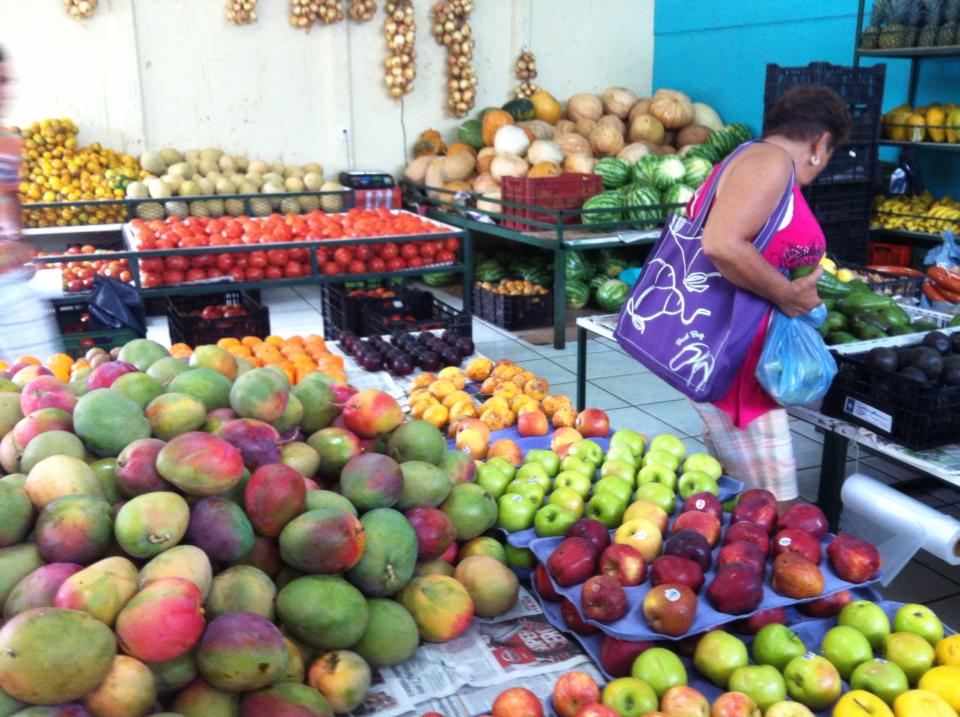
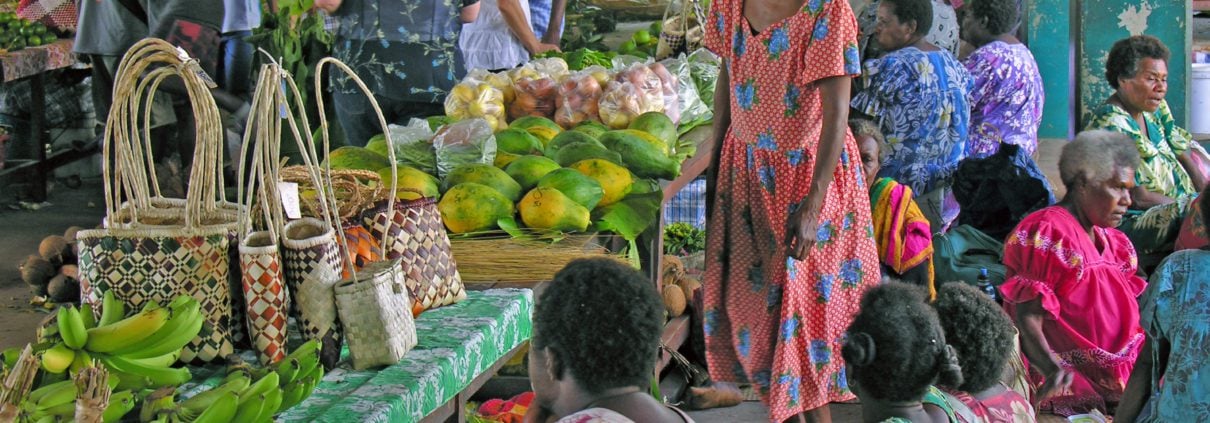
Women Farmers in GuyanaWomen farmers in Guyana and food security begin at the market level, where women dominate food distribution in areas such as Anna Regina, Corriverton and Georgetown. Vendors such as Jasmin Ramsammy at Skeldon Market in Berbice adjust supply based on demand during holidays like Diwali, while Nina Sarju at Port Mourant Market manages unsold goods by reselling or sharing them to reduce waste. These daily decisions directly affect food availability. In 2020, fruits and vegetables generated $3.3 million in exports, much of it supported by women’s labor.

Regional Production Shows Women’s Impact

Women farmers in Guyana and food security extend into farming communities such as Pomeroon in Essequibo and Belle West. Women grow crops such as bora, pumpkin, tomatoes and peppers, supplying both households and urban markets. Traders, often women, transport produce weekly from Pomeroon to Georgetown, linking rural farms to cities. Malika Deokarran, who leads a 75-member farming group, plays a key role in organizing pricing and distribution, showing how women sustain the supply chain.

Women farmers in Guyana and food security face the greatest challenges in the hinterland regions of Regions 1, 7, 8, and 9. Poverty in these areas reaches up to 55%, limiting access to infrastructure and markets. Many women rely on small kitchen gardens to support their families rather than operate large-scale farms, which reduces overall productivity and income potential.

Food Loss in Berbice and Coastal Regions

Food loss significantly affects women farmers in Guyana and food security, especially in coastal regions such as Berbice. Nearly 30% of fruits and vegetables are lost annually due to flooding, poor storage and transportation issues. Vendors in Berbice markets often face spoilage if goods are not sold quickly, leading to financial loss and reduced food supply.

Programs Supporting Women Farmers

Current programs are improving conditions for women farmers in Guyana and food security, particularly in rural communities. Government initiatives have provided tools and inputs to farmers in areas such as the Corentyne Coast, helping boost production. Food and Agriculture Organization (FAO) training programs focus on reducing post-harvest losses and improving climate resilience. Women-led groups are also expanding agro-processing, producing goods such as cassava products and coconut oil to increase income and reduce waste.

Looking Ahead

Women farmers in Guyana are essential to the country’s food system. From Berbice vendors managing daily sales to Pomeroon farmers supplying urban markets, women support every stage of production and distribution. Expanding access to land, credit and training, especially in the most affected regions, could increase productivity and strengthen national food security.

– Kianna Hines

Kianna is based in Brooklyn, NY, USA and focuses on Global Health for The Borgen Project.

Photo: Flickr

April 28, 2026
https://borgenproject.org/wp-content/uploads/borgen-project-logo.svg 0 0 Precious Sheidu https://borgenproject.org/wp-content/uploads/borgen-project-logo.svg Precious Sheidu2026-04-28 03:00:452026-04-26 11:43:09Women Farmers in Guyana and Food Security
Agriculture, Electricity and Power, Global Poverty

How Solar-Powered Irrigation Supports Farmers in Northern Ghana

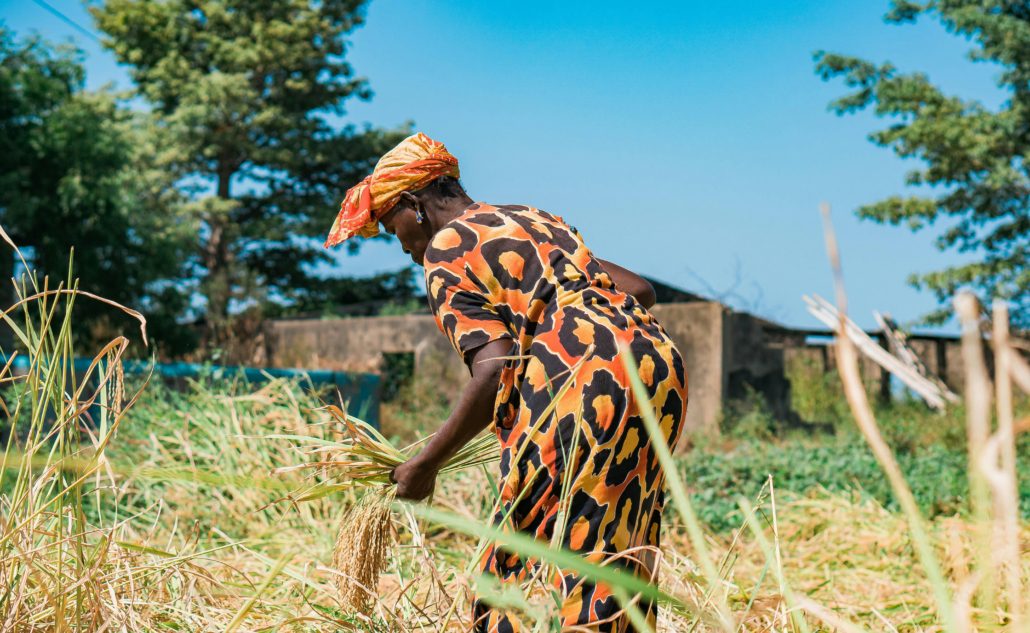
Solar-Powered IrrigationSolar-powered irrigation is supporting farmers in northern Ghana, highlighting an innovative solution to agricultural challenges in rural areas. In regions where inconsistent rainfall and limited infrastructure restrict farming, solar-powered irrigation systems are helping smallholder farmers improve crop production and increase income.

Challenges Facing Agriculture in Northern Ghana

In northern Ghana, agriculture is a primary source of income for many households. However, farming is often heavily dependent on seasonal rainfall, making it difficult for farmers to maintain consistent crop yields. Periods of drought or irregular rainfall can significantly reduce production, leading to food insecurity and financial instability. 

Without reliable irrigation, many farmers are limited to a single growing season each year, thereby restricting both productivity and income opportunities. For many farmers, the lack of irrigation also creates financial barriers, as fuel-powered pumps are often too expensive to operate. This forces smallholder farmers to rely on rain-fed agriculture, limiting their ability to farm year-round. 

Solar-Powered Irrigation as a Solution

To address these challenges, solar-powered irrigation systems are being introduced as sustainable, cost-effective solutions in Ghana. These systems use solar panels to power water pumps, allowing farmers to access water without relying on expensive fuel. Evidence from Ghana shows that these systems have “led to greater yields, increased income for farmers and a generally improved food security situation.”

By reducing dependence on diesel pumps, these systems also lower operational costs and provide a more sustainable alternative for smallholder farmers. As a result, they provide a reliable and long-term solution to the challenges facing agriculture in northern Ghana. According to the United Nations Development Programme (UNDP), “the intervention is not only providing them more income, but it is also helping to improve the nutrition of their households because of the increased yields and the ability to produce food crops throughout the year.” 

It emphasizes the contrast between traditional challenges and the benefits of improved irrigation systems.

Increasing Productivity and Income

Access to reliable irrigation has significantly improved agricultural productivity in northern Ghana. In one example, a farmer supported by a UNDP initiative expanded production from one harvest per year to multiple growing cycles, increasing both yields and income. The impact of solar-powered irrigation on farmers in northern Ghana is also reflected in broader academic findings. 

As stated in the study “Economic and Food Security Effects of Small-Scale Irrigation Technologies in Northern Ghana,” “Small-scale irrigation (SSI) technologies can be useful not only to increase crop productivity and income but also as a viable adaptation practice to climate variability.” The same study further explains that adoption of SSI technologies can lead to substantial economic gains. Results show that “adoption of the SSI technologies could increase the net farm profit by 154%–608% against the baseline depending on the ‘crop type – SSI technology’ combination.”

Building Resilient Communities

Beyond individual farms, solar-powered irrigation contributes to broader social resilience. By stabilizing food production, these systems reduce vulnerability to economic shocks and seasonal shortages. They also create employment opportunities and support local economies.

Programs supporting solar irrigation in Ghana often include training and technical assistance to help farmers effectively use and maintain the systems. As these initiatives expand, they have the potential to reach more communities and further reduce poverty.

Conclusion

Solar-powered irrigation offers a practical and sustainable solution to agricultural challenges in northern Ghana. By increasing crop yields, improving food security and reducing costs, these systems play a key role in supporting farmers and strengthening rural economies. Continued investment in solar irrigation technology could further expand its impact and help reduce poverty across vulnerable communities. 

– Grelby Santos

Grelby is based in Boston, MA, USA and focuses on Technology and Solutions for The Borgen Project.

Photo: Unsplash

April 27, 2026
https://borgenproject.org/wp-content/uploads/borgen-project-logo.svg 0 0 Lynsey 2 https://borgenproject.org/wp-content/uploads/borgen-project-logo.svg Lynsey 22026-04-27 07:30:132026-04-26 11:22:54How Solar-Powered Irrigation Supports Farmers in Northern Ghana
Agriculture, Food Insecurity, Global Poverty

Food Insecurity in Nigeria and Okra’s Value

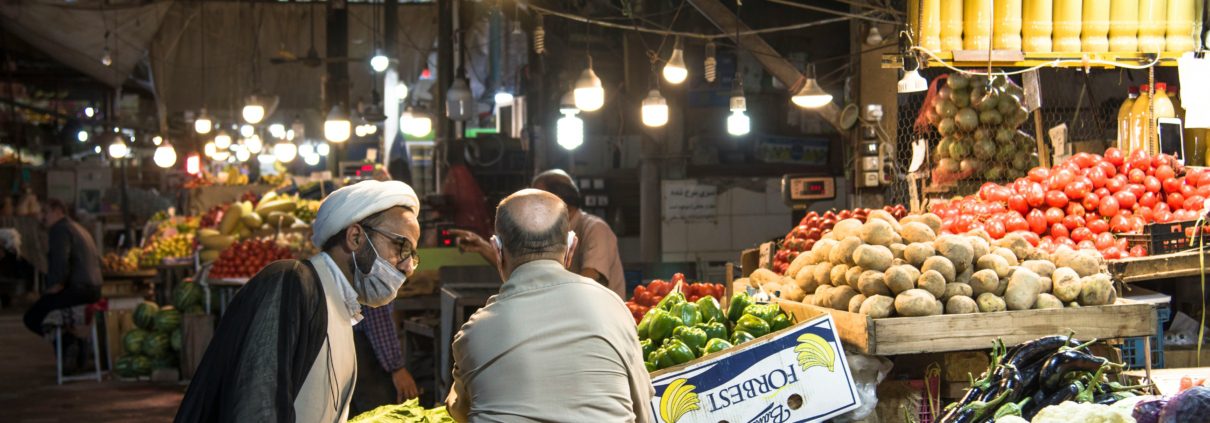
Food Insecurity in NigeriaFood insecurity in Nigeria affects an estimated 35 million people, including 17 million children facing malnutrition. This marks one of the most severe hunger crises in Africa and places Nigeria among the countries with the highest global burden of hunger. Political conflict and climate-related shocks, including drought, have only exacerbated the crisis, making it difficult to cultivate certain foods.

Okra

One food that is heavily relied on in Nigeria is okra. Sometimes called “lady’s finger,” it is native to Africa and is used in many Nigerian cultural dishes. “Of what I have seen in West Africa, okra is most commonly found in the home garden or closer horticultural patches that are managed rather than large-scale cereal production systems, though it can be intercropped,” says Laurajean Lewis, the global director of genetic resources at the International Maize and Wheat Improvement Center in Mexico, in an interview with The Borgen Project.

“Okra is not a cereal. It is typically eaten green and you are generally harvesting the seed pods. Sometimes they are cut up and dried, then reconstituted later. They’re from the same plant family as hibiscus, just different species. The flowers of okra are harvested for tea,” Lewis shared.

How Better Okra Breeding Could Boost Nigerian Farmers

The African Vegetable Breeding Consortium (AVBC) is working with farmers in West Africa to explore how okra can be better positioned for the market. Okra is already highly valued in West African markets for its role in regional cuisine, but expanding its potential could increase its global appeal. The AVBC also supports vegetable breeding and crossbreeding different okra varieties could further strengthen the crop’s market potential.

Despite serving as an important source of nutrition for many people, okra has far less monetary value than traditional cash crops such as corn, rice and wheat. However, some scientists are working to improve okra’s marketability by focusing on one of its most distinctive traits: its sliminess. When cooked, okra produces mucilage, which is made primarily of pectin, a substance found in the cell walls of fruits and vegetables. 

Pectin is commonly used as a thickener and stabilizer in food processing, as well as a dissolvable additive in pharmaceuticals that target the colon. Globally, pectin is highly valuable and is typically extracted from citrus peels such as oranges and lemons. Researchers suggest that okra could serve as an alternative source of pectin, particularly in West Africa, where it is widely grown and used. 

This could be especially relevant for regional chocolate production, as Ghana and Côte d’Ivoire produce more than half of the world’s cocoa. Reducing reliance on imported pectin could help lower costs and improve supply efficiency for manufacturers in the region.

Final Remarks

Food insecurity in Nigeria remains a persistent challenge. However, with support from AVBC, okra has the potential to evolve from a subsistence crop into a viable cash crop that can support local farmers.

– Eddie Hofmann

Eddie is based in Seattle, WA, USA and focuses on Good News and Global Health for The Borgen Project.

Photo: Pexels

April 26, 2026
https://borgenproject.org/wp-content/uploads/borgen-project-logo.svg 0 0 Lynsey 2 https://borgenproject.org/wp-content/uploads/borgen-project-logo.svg Lynsey 22026-04-26 07:30:272026-04-25 09:30:04Food Insecurity in Nigeria and Okra’s Value
Agriculture, Global Poverty, Technology

AI Reducing Poverty and Inequality in South Africa

Poverty and Inequality in South AfricAround the world, governments are developing strategies to harness the transformative potential of artificial intelligence (AI). Countries such as the U.K. and India have introduced national plans to strengthen innovation, improve public services and boost economic growth. These strategies highlight the growing importance of AI in South Africa and other developing nations, where governments increasingly recognize AI’s role in shaping future economies and reducing inequality.

South Africa has positioned itself within this global shift through its National Artificial Intelligence Policy Framework. This framework guides how industries and institutions should use AI technologies while managing risks such as inequality, unemployment and ethical concerns. It aligns AI development with national priorities, including economic growth and social inclusion. As a result, AI in South Africa has become a central tool for addressing long-standing development challenges.

South Africa continues to face significant poverty and inequality. Many communities struggle with unemployment, limited access to services and food insecurity. AI presents an opportunity to address these issues by improving productivity, expanding access to resources and creating new job opportunities. By strengthening digital skills and supporting innovation, AI in South Africa can help reduce poverty and promote long-term economic stability.

Driving Economic Growth Through AI in Agriculture

Agriculture remains a critical sector in South Africa, yet farmers face serious challenges such as changing weather patterns, droughts and rising food insecurity. In 2023, nearly 20% of households experienced food insecurity, highlighting the urgent need for innovation. AI-powered tools can help farmers respond to these challenges by improving efficiency and reducing risk.

AI technologies allow farmers to analyze weather patterns, soil conditions and crop performance. These tools provide predictive insights that help farmers make better decisions about irrigation, planting and pest control. For example, Aerobotics uses drones and satellite data to detect crop diseases early, helping farmers protect yields and reduce losses. Such innovations demonstrate how AI in South Africa can directly support rural livelihoods.

AI also contributes to broader economic growth by improving agricultural productivity and market access. Digital tools help farmers allocate resources efficiently, reduce waste and increase output. This strengthens food systems white supporting export growth and economic diversification. As agriculture becomes more technology-driven, AI in South Africa plays a key role in building a more resilient and competitive economy.

Transforming Healthcare and Education Through AI

South Africa’s healthcare system faces major challenges, including staff shortages and unequal access to care, particularly in rural areas. AI technologies help address the gaps by improving diagnostics and supporting medical professionals. AI-powered systems can analyze large datasets to detect diseases earlier and recommend treatments, improving patient outcomes and reducing pressure on healthcare systems.

Education also requires significant improvement, especially in underserved communities where schools often lack resources and qualified teachers. AI-powered learning platforms provide personalized education tailored to individual student needs. These tools help bridge the educational gaps by making high-quality learning accessible regardless of location. This highlights how AI in South Africa can expand opportunities and promote equality in education.

Private Sector and Global Support for AI Development

Private sector investment plays a crucial role in advancing AI in South Africa. Companies like Google and Microsoft are funding training programs to build digital skills across the continent. Google has committed millions of dollars to AI education and infrastructure, while Microsoft plans to train one million South Africans in AI and cybersecurity skills by 2026. These initiatives aim to prepare the workforce for the digital economy.

International partnerships also support AI development. For example, the U.K. has launched initiatives such as the AI Evidence Alliance for Social Impact to evaluate how AI can reduce poverty and improve development outcomes in Africa. These collaborations ensure that AI solutions remain inclusive, effective and aligned with local needs.

What This Means for the Future

As artificial intelligence continues to reshape global economies, AI in South Africa offers a powerful opportunity to address poverty, inequality and unemployment. By integrating AI into agriculture, healthcare and education, the country can improve essential services while driving economic growth. 

Through strong policies, investment in skills development and partnerships with global organizations, South Africa is building a more inclusive and sustainable future. If implemented effectively, AI will not only transform industries but also improve the lives of millions of people across the country.

– Annie Hodgkinson

Annie is based in Liverpool, UK and focuses on Good News for The Borgen Project.

Photo: Flickr

April 25, 2026
https://borgenproject.org/wp-content/uploads/borgen-project-logo.svg 0 0 Jennifer Philipp https://borgenproject.org/wp-content/uploads/borgen-project-logo.svg Jennifer Philipp2026-04-25 01:30:572026-04-24 13:06:20AI Reducing Poverty and Inequality in South Africa
Agriculture, Global Poverty

Digital Grain Storage and Reducing Poverty in India

Reducing Poverty in IndiaDevelopments in the agri-tech sphere have been fundamental to the improved economic welfare of farmers in India. Founded in 2012 and working primarily in Bihar, Ergos has transformed the lives of 150,000 farmers by reducing their dependence on seasonal income. By freeing farmers from the demands of the physical market, its digital grain bank model has significant potential for reducing poverty in India.

Rural Poverty in India

As of 2022, India’s poverty rate, measured at $3 a day, stood at 5.25%. The country has experienced steadily improved poverty conditions in recent years, particularly in rural areas, which saw a decline in poverty from 32.59% to 19.28% in 2021. NDTV reports suggest that these figures have now declined to just 4.86%. Bihar is one of the regions that has witnessed the most progress in closing the gap between poverty rates in urban and rural areas.

However, despite this progress, the day-to-day experiences of those living in the remote countryside reflect ongoing hardship. For families who rely on agriculture, the goal is simply to earn enough to survive. The unpredictable nature of monsoons and seasonal changes contributes to economic instability. It is within this context that Ergos has helped reduce poverty in India by providing an innovative solution to seasonal dependence.

Ergos the GrainBank Model

Founded by Kishor Jha and Praveen Kumar, Ergos’ grain bank model allows farmers to store harvested crops at local warehouses in order to sell their product later at a more favorable cost. According to Ergos, almost 86% of farmers in India are smallholders without the ability to store their produce. As a result, around 80% to 90% of farmers try to sell the entirety of their grain in under 40 days. This is compounded by widespread debt among workers in the agricultural sector, where high interest rates affect farmers who had initially relied on moneylenders to fund their business, creating a cycle that limits the ability of rural households to raise their incomes.

By providing storage for grain, Ergos enables farmers to access immediate liquidity through a credit system and regain control over commodity prices. Technological innovation underpins the model’s effectiveness, with Ergos collecting and sharing agricultural data to support farmers’ decision-making. This approach benefits both farmers and buyers, returning financial control to rural producers who would otherwise remain vulnerable to seasonal fluctuations.

Looking Ahead

Given that an estimated 60% of rural households rely on agriculture, based on a 2021-22 national survey, innovations in agri-tech have a role to play in reducing poverty in India. Ergos’ digital grain bank model demonstrates how modern technology applied to an age-old livelihood can reduce seasonal income dependence and support rural communities.

– Polly Laws

Polly is based in Cardiff, UK and focuses on Good News and Global Health for The Borgen Project.

Photo: Flickr

April 24, 2026
https://borgenproject.org/wp-content/uploads/borgen-project-logo.svg 0 0 Precious Sheidu https://borgenproject.org/wp-content/uploads/borgen-project-logo.svg Precious Sheidu2026-04-24 01:30:012026-04-23 04:15:23Digital Grain Storage and Reducing Poverty in India
Agriculture, Artificial Intelligence (AI), Global Poverty

AI Cashew Mapping: Shaping the Future of Poverty in Benin

Poverty in BeninIn the rolling hills of Benin, the small African nation known as the birthplace of Voodoo, a single crop taken for granted has changed the dynamic in the country’s burgeoning middle class: the cashew. Supporting more than 200,000 smallholder families, cashew nuts are more than a snack. They are the nation’s second-largest agricultural export, generating an estimated $437 million in annual revenue.

Yet for decades, hundreds of thousands of farmers remained trapped in a cycle of subsistence living. They were invisible to the global financial systems that could help them scale their operations. The CajùLab initiative, a groundbreaking collaboration between TechnoServe and Alteia, is altering the narrative by using artificial intelligence (AI) to put these farmers on the map. 

The Cost of Being Unbanked

For many, poverty in Benin is a structural issue of being “unbanked.” Without formal land titles or recognized maps of their property, small-hold farmers lack the collateral necessary to secure loans from their government. To a local bank, a farmer without formal land documents is treated like a borrower with no assets.

A lack of data creates a credit desert. Families cannot afford the fertilizers, irrigation or high-quality saplings required to increase their yields. Consider the story of Bibs Saka Kota, a cashew farmer in Benin:

Before engaging with the modern tools provided by the BeninCajù program, Biba struggled with low productivity. Years before, her two hectares of land yielded only five bags of nuts. After adopting the smart climate model, her harvest has tripled to 15 bags. “Cashew allows me to live,” she explained.

Cashew Mapping in Benin

CajùLab works to bridge this gap through machine learning and satellite technology. Using high-quality satellite imagery from partners like Planet Labs, researchers at the University of Minnesota, in collaboration with TechnoServe, developed algorithms to identify cashew plantations across Benin. These models analyze temporal satellite data to detect vegetation patterns and map where cashew trees are grown, even on small, irregular farms. 

The system can distinguish cashew orchards from other land types, such as forests or bare land, with more than 85% accuracy. This is a feat previously thought impossible due to the irregular, intercropped nature of African smallholder farms.

The Impact of the CajùLab Initiative

This breakthrough leaves a technological footprint of a farmer’s tangible assets. When a farmer approaches a financial institution equipped with a verified geospatial map of their land, they present objective proof of their productive capacity. These images demonstrate to local banks that these families are low-risk, high-reward investments. 

This transparency unlocks the microcapital needed to break the cycle of poverty in Benin and reliance on subsistence farming. It allows parents to invest in the future of their land rather than survive the current harvest. The impact of CajùLab extends from the soil to the atmosphere. 

A tree’s ability to absorb carbon dioxide has financial value. The initiative enables farmers to map the precise amount of carbon their cashew trees absorb. Through AI, the project facilitates the integration of smallholders into the fight against climate instability. 

For a rural family, these carbon credits represent direct cash payments. They can use these payments to support their children and future generations.

– Haydn Goodboy

Haydn is based in Massachusetts, USA and focuses on Good News and Technology for The Borgen Project.

Photo: Wikimedia Commons

April 22, 2026
https://borgenproject.org/wp-content/uploads/borgen-project-logo.svg 0 0 Lynsey 2 https://borgenproject.org/wp-content/uploads/borgen-project-logo.svg Lynsey 22026-04-22 07:30:192026-04-21 12:13:10AI Cashew Mapping: Shaping the Future of Poverty in Benin
Agriculture, Global Poverty

The Impact of Heifer International in Ethiopia

Heifer International in EthiopiaIn April 2026, Heifer International reported breakthroughs in youth-led soil health in Ethiopia. This is part of its 2026 initiative to integrate climate-smart technology with smallholder financing. Heifer International has transitioned from simply providing farms with more cows and livestock to high-tech, market-based systems in Ethiopia. 

This shift aims to address global poverty by targeting sustainable living incomes for impoverished people in rural areas. By 2030, its goal is to lift one million smallholder farmers in Ethiopia, 70% of whom are young people, into financial stability.

About Heifer International

In 1944, founder Dan West looked toward a new way to solve the global poverty crisis. After volunteering to feed those in need during the Spanish Civil War, West saw that this method of hunger prevention was not the only way. Given the short shelf life of food, it was clearly not a sustainable solution.

This is where the groundwork for Heifer International began. West identified a better way to address global poverty: providing rural residents with livestock to stabilize their access to food. This idea has shaped the organization’s current projects.

To this day, the organization works with local farms in the countries it serves to further develop their livestock and crops. This helps grow their economies through food. Supporting farming industries in rural communities provides a reliable food source.

It also connects these communities to the broader market. As these farms grow, so do the people working on them, setting the stage for a world of success for future generations. The impact of Heifer International is vast, spanning 19 countries throughout four different continents. 

It’s Work in Ethiopia

The organization is working directly with communities in Ethiopia to develop and strengthen a soil health program. This program, pioneered by Samson Alemu, works directly with young adults to provide them with a stable future. Its main objectives are to improve soil health and productivity, reduce acidity and increase nutrient absorption.

Alemu, a 26-year-old biotechnologist, is the co-founder and CEO of an Ethiopian start-up that developed eco-friendly biofertilizer and other solutions using microscopic bacteria to meet these goals. However, Alemu and his team did not yet have the resources to scale these solutions. This limited their impact on the country. 

To address this, in 2023, Alemu entered the Agriculture, Youth and Technology Africa Challenge Ethiopia (AYuTe). AYuTe is a competition hosted by Heifer International to support young inventors in the agricultural industry. After many rounds, Alemu won the $10,000 funding prize for his project.

By promoting regenerative practices such as composting and reduced tillage, the program boosts crop yields, strengthens food security and enhances livelihoods for smallholder farmers. The impact of Heifer International and its competition lies in the numbers. Because of the organization’s funding, Alemu and his team have been able to work with more than 56,000 smallholder farmers and partner with 96 local retailers. 

These retailers sell the biofertilizer directly to farmers. On top of this, their annual sales have increased from just three tons in 2022 to 94.5 tons in 2025.

Future Outlook

By 2026, Heifer International aims to strengthen rural resilience and alleviate poverty by helping farming households achieve a sustainable living income. In Ethiopia, this involves fostering Heifer Ethiopia’s agriculture-led development. This specifically includes improving the value chains for dairy, poultry and honey.

The impact of Heifer International on social development, specifically gender equity, is significant. It has announced that during 2026, it will elevate the voices of female producers and promote gender-equitable agricultural practices. As an organization, it hopes to continue growing and supporting its current projects. It also aims to expand beyond them.

Final Remarks

Heifer International’s work overall and specifically in Ethiopia, represents a sustainable path out of poverty. It does this by equipping farmers with modern tools, providing training and offering opportunities to pass on the gift. By fostering local leadership, like that of Alemu and creating sustainable food systems, Heifer is enabling Ethiopian communities to achieve self-reliance and secure livelihoods.

– Megan McGrath

Megan is based in Verona, NJ, USA and focuses on Technology and Global Health for The Borgen Project.

Photo: Flickr

April 22, 2026
https://borgenproject.org/wp-content/uploads/borgen-project-logo.svg 0 0 Lynsey 2 https://borgenproject.org/wp-content/uploads/borgen-project-logo.svg Lynsey 22026-04-22 01:30:332026-04-21 10:28:29The Impact of Heifer International in Ethiopia
Agriculture, Food Insecurity, Global Poverty

Amaranth and Food Insecurity in Nigeria

Food Insecurity in NigeriaNigeria is a country in West Africa currently experiencing a hunger crisis. An estimated 35 million people are living with acute food insecurity, and 4.8 million require immediate nutritional assistance. Ensuring people in Nigeria are fed is one of the most important ways to address poverty in rural communities.

One of the crops used to combat food insecurity is frequently grown in Nigeria but rarely planted. Amaranth is common throughout the hot and humid regions of Nigeria and is often maintained rather than sown. It grows naturally throughout the countryside, and deliberately planted varieties are often found in gathering spaces where many people in the community can benefit from them.

The Benefits of Amaranth

When the rainy season begins, amaranth flourishes and grows quickly. After about three to five weeks, the leaves can be harvested and eaten or sold. It is a stable yield crop, meaning that while yields may not be large, it will almost always provide some yield, regardless of drought or pests.

According to Laurajean Lewis, the global director of genetic resources at the International Maize and Wheat Improvement Center (CIMMYT) in Mexico, amaranth is one of the few plants that grows almost everywhere in the world. Lewis explained that because farmers harvest the leaves rather than the seeds, the plant reseeds itself, and seeds can also be collected and replanted in new areas.

Amaranth is a resilient plant and is important for nutrition in Nigeria. In some places, it accounts for up to 25% of Nigerians’ daily protein intake. Sometimes referred to as a nutritional powerhouse by scientists, it also contains high levels of folic acid and calcium, which are important for pregnant or lactating women.

Barriers to Cultivation

The general outlook on amaranth is negative. It is seen as a poverty staple, and in some places it is considered acceptable only for feeding livestock. One variety is called pigweed because of the belief that it is only suitable for pigs. Despite this perception, it is widely eaten and sometimes intercropped with high-yielding crops such as corn. Its leaves are often boiled and eaten like spinach, with a mild flavor said to resemble artichoke. It also produces edible seeds, making the plant dual-purpose for many. The seeds can be ground into a flour that is well-suited for baby food and is important for childhood development.

Improving Food Insecurity in Nigeria

Amaranth is seen as a poverty food in West Africa, and especially in Nigeria, but it plays an important role in supporting rural communities and providing essential vitamins and minerals to many. It also offers nutritional support for vulnerable groups, such as children, pregnant women and older adults. As food insecurity continues to affect millions of Nigerians, amaranth remains a practical and culturally significant tool in the fight against hunger and rural poverty.

– Eddie Hofmann

Eddie is based in Seattle, WA, USA and focuses on Good News and Global Health for The Borgen Project.

Photo: Flickr

April 18, 2026
https://borgenproject.org/wp-content/uploads/borgen-project-logo.svg 0 0 Precious Sheidu https://borgenproject.org/wp-content/uploads/borgen-project-logo.svg Precious Sheidu2026-04-18 07:30:322026-04-16 11:15:55Amaranth and Food Insecurity in Nigeria
Agriculture, Global Poverty, Hunger

Harvesting the Sun: Sustainable Farming in Somalia

Sustainable Farming in SomaliaIn 1994, almost 50% of the working population in Somalia was employed by the agricultural industry. By 2025, this figure stood at 30%. This drop has been heavily influenced by the droughts and flooding that have affected Somalia since 2020 and resulted in famine and the loss of an estimated 43,000 lives. About 21% of the population is suffering from food shortages due to these extreme weather events that were ignited by the Deyr rainy season, which has had particularly damaging effects on farmers, with more than 1.5 million hectares of farmland lost to floods. This climate crisis has evolved from a humanitarian issue to an economic one, with one of the biggest industries in Somalia being heavily impacted.

The Hunger and Climate Crisis in Somalia

Floods are reported to have damaged or destroyed sanitation, health and education infrastructure in the nation, leaving 2.9 million people displaced in 2023 alone, with an overall 75% of the population having fled their homes in search of food, work or medical assistance. In 2025, it was estimated that 1.5 million children would be malnourished.

According to the World Food Program (WFP), one in 10 people needs help urgently, with new findings showing the number of people in crisis-level hunger has nearly doubled in a year, to 6.5 million. Many families reached by charitable aid have shared their stories. One such testimony is from a mother and farmer named Maxamed. She tells of her once prosperous farm that allowed her to be independent as a woman and mother.

However, as her animals and crops began to die following two years of no rain and weather hazards, she was “forced to pull her children out of class.” She shared that “there is no normal day anymore” and that in a typical week, her family is able to eat on only four nights. Maxamed stated that she is close to leaving home and taking her family to a displacement camp, where she would join four million others displaced by drought over the course of three months this year.

There are charities and nongovernmental organizations (NGOs) such as CARE and Action Against Hunger working to address the hunger crisis in Somalia. The latter reached 3,201,516 people in the last year. One family Action Against Hunger has aided is Hassan and Jelow Lamow, two parents in Somalia’s Bay region, and their son Adan. Two-year-old Adan’s malnourishment reached a crisis point, and he developed Kwashiorkor disease, leaving his legs and abdomen swollen from fluid. His parents had lost their crops and animals, with 1.5 million livestock having died in their home region, and so they traveled 15 miles to a hospital in Baidoa set up by Action Against Hunger. According to the charity and medical staff, Adan is recovering, but greater action is needed to prevent the nationwide hunger crisis from escalating. Sustainable farming in Somalia offers one path forward.

The Effects of Sustainable Farming in Somalia

Despite efforts being made to combat the consequences of Somalia’s climate issues, sustainable farming initiatives offer one of the best chances at restoring stability to the country. Access to basic needs such as food and clean water has become more available due to the growth of organizations offering training, funding and tools to support sustainable farming in Somalia.

One such project is the Kobciye initiative, set up by World Vision and the WFP in 2023. Meaning “uplift” in Somali, the Kobciye project has provided 3,000 farmers across three states in Somalia with new equipment, including tractors, solar-powered water pumps and fencing, to help them work against the climate issues they are experiencing. The concept of harvesting the sun’s energy is not new, but to underdeveloped or underfunded communities such as disaster-affected regions in Somalia, it has been significant in improving efficiency and production for farmers who have previously lost everything. The project has many aims, including promoting crop growth, improving prosperity and shifting general attitudes toward farming.

New Techniques

Mohammed Sheikh Yusuf, a senior advisor at Somalia’s Ministry of Agriculture and Irrigation, said that when people know they can produce their own food, generate their own income and work productive land, they readily switch from a nomadic lifestyle to a more sedentary farming or agropastoralist one, transforming their lives and livelihoods.

The rising commitment to the agricultural industry has brought about new techniques to further promote sustainable farming in Somalia, drawing in a new demographic as the focus turns to empowering women and youths to become independent, financially and socially. One sustainable change has been farmers using discarded materials as compost instead of creating waste. The Kobciye project gives communities access to water, not just for farming but for sanitation too. Local government official Ibrahim Abdulkadir said this is the first time farmers in the area have had access to fresh water in 100 years.

Looking Ahead

By focusing efforts on both sustainable farming in Somalia and addressing humanitarian issues, climate challenges such as flooding and drought may become problems to manage rather than crises to fear. Building Resilient Communities in Somalia (BRiCS) is a consortium that has combined efforts on humanitarian and farming needs into a plan for sustainable farming in Somalia. BRiCS focuses on agricultural strategies and issues such as food security, water and sanitation, and disaster risk reduction. By using renewable solar energy, it has reduced the costs of fuel and electricity for farms across the nation, saving money for farmers and reducing environmental impact.

Mumino is another mother and farmer who has shared her experience carrying on the business she inherited from her family. As a woman with little formal training, she struggled to raise her family and preserve her crops, especially when facing the lack of financial and practical resources during climate hazards. Now, thanks to BRiCS and other partners in the consortium, she has access to better water systems, solar energy and training to support herself. There are 300 other families like hers who have also benefited from BRiCS training and local authorities’ intervention.

Mumino said that her animals can now feed on vegetable off-cuts, so she no longer has to buy food for them, saving her $0.50 every day. This represents both an economic advantage and a social shift, as she is able to invest more into her family’s future without having to rely on community loans. Sustainable farming in Somalia is growing through initiatives like the Kobciye project and BRiCS, supporting a more resilient and productive agricultural industry.

– Jaya Noonan

Jaya is based in London, UK and focuses on Good News and Global Health for The Borgen Project.

Photo: Unsplash

April 18, 2026
https://borgenproject.org/wp-content/uploads/borgen-project-logo.svg 0 0 Precious Sheidu https://borgenproject.org/wp-content/uploads/borgen-project-logo.svg Precious Sheidu2026-04-18 01:30:422026-04-17 12:14:15Harvesting the Sun: Sustainable Farming in Somalia
Agriculture, Business, Global Poverty

Don’t Just Eat Chocolate; Grow the Ghana Cocoa Industry

Ghana Cocoa IndustryChocolate is one of the most beloved sweets that people all around the world consume. Switzerland continues to rank as one of the top countries where people consume chocolate (8.8kg per capita/per person) followed closely by Austria, Germany and Ireland. However, cocoa in these sweet treats is not produced in any of the countries named. The top two countries that produce cocoa are Cote d’Ivoire (Ivory Coast) and Ghana.

Despite the cocoa industry bringing in a high export of $1.46 billion, in 2024, many farmers are below the poverty line. They are facing delayed payments from local regulators on top of a very low minimum wage, some earning only $3 per day

Global Poverty of the Chocolate Industry

Only a small share of chocolate’s final value reaches producers. As Frontiers in Sustainable Food Systems reports, “only 7% of the price that consumers pay for chocolate makes its way back to the producers.” Cocoa farmers are on the very end of the value chain because Ghana ships more than 80% of its cocoa abroad in raw form, which means that the most profit is made from the final product.

Though smallholder farmers dominate Ghana’s cocoa industry, they often work on small plots with limited resources. As emphasized in the Cocoa Barometer, poverty is not just one issue among many; it is a central factor underlying many challenges in the cocoa sector.

The Cocoa Barometer highlights how this system reflects deeper historical inequalities tied to colonial trade structures. The result is a persistent “extraction” model, where value leaves producing countries instead of being reinvested locally.

The cocoa industry and cocoa farming have been in the traditions of many farmers in Ghana. There are approximately 800,000 smallholder farm families across regions including Ashanti, Western, North, Eastern and Central Ghana. For this livelihood of many to disappear, farmers would face severe poverty and trigger an economic downturn.

Cocoa Industry in Ghana

Recently, John Mahama, the president of Ghana, has made major efforts to prioritize local processing of raw bean exports, aiming to cease raw cocoa sales by 2030.

In a recent visit to Temple University, in Philadelphia, PA., President Mahama brought light to this situation and his reasoning behind the push.

“It is because for almost 70 years after we gained independence, we’re still exporting raw beans to the world,” Mahama said. “I believe that what has happened in the international market should be a wake up call for us.

President Mahama has put a strict deadline on when he believes the goal of this program should be where they should be; with at least 50% of the country’s cocoa beans in local production, while halting raw mineral ore exports by 2030. “By 2030, there won’t be any raw mineral ores leaving Ghana. You must process all that locally,” said President Mahama.

The Future

The hopes in these major switches have short-term and long-term goals including:

  • Farmer payment timeliness: reducing the payment delays compared to traditional financing
  • Foreign exchange retention rates: domestic revenue capture versus the traditional model
  • Semi-processed product export growth: volume and value expansion in cocoa butter, powder

President John Mahama, is pushing this advocacy of consuming local chocolate, with a short yet powerful statement of, “Eat Chocolate, Grow Ghana.”

– Elizabeth Fryer

Elizabeth is based in Philadelphia, PA, USA and focuses on Good News and Global Health for The Borgen Project.

Photo: Flickr

April 16, 2026
https://borgenproject.org/wp-content/uploads/borgen-project-logo.svg 0 0 Naida Jahic https://borgenproject.org/wp-content/uploads/borgen-project-logo.svg Naida Jahic2026-04-16 03:00:302026-04-15 12:26:44Don’t Just Eat Chocolate; Grow the Ghana Cocoa Industry
Page 2 of 19‹1234›»

Get Smarter

  • Global Poverty 101
  • Global Poverty… The Good News
  • Global Poverty & U.S. Jobs
  • Global Poverty and National Security
  • Innovative Solutions to Poverty
  • Global Poverty & Aid FAQ’s
Search Search

Take Action

  • Call Congress
  • Email Congress
  • Donate
  • 30 Ways to Help
  • Volunteer Ops
  • Internships
  • Courses & Certificates
  • The Podcast
Borgen Project

“The Borgen Project is an incredible nonprofit organization that is addressing poverty and hunger and working towards ending them.”

-The Huffington Post

Inside The Borgen Project

  • Contact
  • About
  • Financials
  • President
  • Board of Directors
  • Board of Advisors

International Links

  • UK Email Parliament
  • UK Donate
  • Canada Email Parliament

Get Smarter

  • Global Poverty 101
  • Global Poverty… The Good News
  • Global Poverty & U.S. Jobs
  • Global Poverty and National Security
  • Innovative Solutions to Poverty
  • Global Poverty & Aid FAQ’s

Ways to Help

  • Call Congress
  • Email Congress
  • Donate
  • 30 Ways to Help
  • Volunteer Ops
  • Internships
  • Courses & Certificates
  • The Podcast
Scroll to top Scroll to top Scroll to top