The Impact of Heifer International in Ethiopia
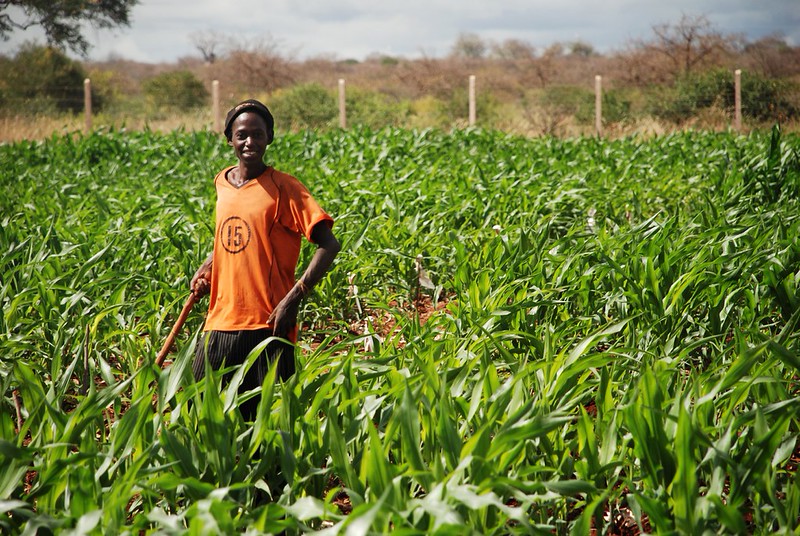 In April 2026, Heifer International reported breakthroughs in youth-led soil health in Ethiopia. This is part of its 2026 initiative to integrate climate-smart technology with smallholder financing. Heifer International has transitioned from simply providing farms with more cows and livestock to high-tech, market-based systems in Ethiopia.
This shift aims to address global poverty by targeting sustainable living incomes for impoverished people in rural areas. By 2030, its goal is to lift one million smallholder farmers in Ethiopia, 70% of whom are young people, into financial stability.
About Heifer International
In 1944, founder Dan West looked toward a new way to solve the global poverty crisis. After volunteering to feed those in need during the Spanish Civil War, West saw that this method of hunger prevention was not the only way. Given the short shelf life of food, it was clearly not a sustainable solution.
This is where the groundwork for Heifer International began. West identified a better way to address global poverty: providing rural residents with livestock to stabilize their access to food. This idea has shaped the organization’s current projects.
To this day, the organization works with local farms in the countries it serves to further develop their livestock and crops. This helps grow their economies through food. Supporting farming industries in rural communities provides a reliable food source.
It also connects these communities to the broader market. As these farms grow, so do the people working on them, setting the stage for a world of success for future generations. The impact of Heifer International is vast, spanning 19 countries throughout four different continents.
It’s Work in Ethiopia
The organization is working directly with communities in Ethiopia to develop and strengthen a soil health program. This program, pioneered by Samson Alemu, works directly with young adults to provide them with a stable future. Its main objectives are to improve soil health and productivity, reduce acidity and increase nutrient absorption.
Alemu, a 26-year-old biotechnologist, is the co-founder and CEO of an Ethiopian start-up that developed eco-friendly biofertilizer and other solutions using microscopic bacteria to meet these goals. However, Alemu and his team did not yet have the resources to scale these solutions. This limited their impact on the country.
To address this, in 2023, Alemu entered the Agriculture, Youth and Technology Africa Challenge Ethiopia (AYuTe). AYuTe is a competition hosted by Heifer International to support young inventors in the agricultural industry. After many rounds, Alemu won the $10,000 funding prize for his project.
By promoting regenerative practices such as composting and reduced tillage, the program boosts crop yields, strengthens food security and enhances livelihoods for smallholder farmers. The impact of Heifer International and its competition lies in the numbers. Because of the organization’s funding, Alemu and his team have been able to work with more than 56,000 smallholder farmers and partner with 96 local retailers.
These retailers sell the biofertilizer directly to farmers. On top of this, their annual sales have increased from just three tons in 2022 to 94.5 tons in 2025.
Future Outlook
By 2026, Heifer International aims to strengthen rural resilience and alleviate poverty by helping farming households achieve a sustainable living income. In Ethiopia, this involves fostering Heifer Ethiopia’s agriculture-led development. This specifically includes improving the value chains for dairy, poultry and honey.
The impact of Heifer International on social development, specifically gender equity, is significant. It has announced that during 2026, it will elevate the voices of female producers and promote gender-equitable agricultural practices. As an organization, it hopes to continue growing and supporting its current projects. It also aims to expand beyond them.
Final Remarks
Heifer International’s work overall and specifically in Ethiopia, represents a sustainable path out of poverty. It does this by equipping farmers with modern tools, providing training and offering opportunities to pass on the gift. By fostering local leadership, like that of Alemu and creating sustainable food systems, Heifer is enabling Ethiopian communities to achieve self-reliance and secure livelihoods.
– Megan McGrath
Megan is based in Verona, NJ, USA and focuses on Technology and Global Health for The Borgen Project.
Photo: Flickr
