Food Insecurity in Nigeria and Okra’s Value
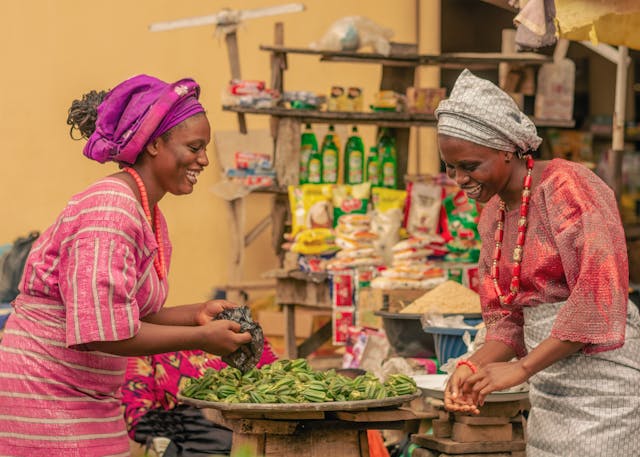 Food insecurity in Nigeria affects an estimated 35 million people, including 17 million children facing malnutrition. This marks one of the most severe hunger crises in Africa and places Nigeria among the countries with the highest global burden of hunger. Political conflict and climate-related shocks, including drought, have only exacerbated the crisis, making it difficult to cultivate certain foods.
Okra
One food that is heavily relied on in Nigeria is okra. Sometimes called “lady’s finger,” it is native to Africa and is used in many Nigerian cultural dishes. “Of what I have seen in West Africa, okra is most commonly found in the home garden or closer horticultural patches that are managed rather than large-scale cereal production systems, though it can be intercropped,” says Laurajean Lewis, the global director of genetic resources at the International Maize and Wheat Improvement Center in Mexico, in an interview with The Borgen Project.
“Okra is not a cereal. It is typically eaten green and you are generally harvesting the seed pods. Sometimes they are cut up and dried, then reconstituted later. They’re from the same plant family as hibiscus, just different species. The flowers of okra are harvested for tea,” Lewis shared.
How Better Okra Breeding Could Boost Nigerian Farmers
The African Vegetable Breeding Consortium (AVBC) is working with farmers in West Africa to explore how okra can be better positioned for the market. Okra is already highly valued in West African markets for its role in regional cuisine, but expanding its potential could increase its global appeal. The AVBC also supports vegetable breeding and crossbreeding different okra varieties could further strengthen the crop’s market potential.
Despite serving as an important source of nutrition for many people, okra has far less monetary value than traditional cash crops such as corn, rice and wheat. However, some scientists are working to improve okra’s marketability by focusing on one of its most distinctive traits: its sliminess. When cooked, okra produces mucilage, which is made primarily of pectin, a substance found in the cell walls of fruits and vegetables.
Pectin is commonly used as a thickener and stabilizer in food processing, as well as a dissolvable additive in pharmaceuticals that target the colon. Globally, pectin is highly valuable and is typically extracted from citrus peels such as oranges and lemons. Researchers suggest that okra could serve as an alternative source of pectin, particularly in West Africa, where it is widely grown and used.
This could be especially relevant for regional chocolate production, as Ghana and Côte d’Ivoire produce more than half of the world’s cocoa. Reducing reliance on imported pectin could help lower costs and improve supply efficiency for manufacturers in the region.
Final Remarks
Food insecurity in Nigeria remains a persistent challenge. However, with support from AVBC, okra has the potential to evolve from a subsistence crop into a viable cash crop that can support local farmers.
– Eddie Hofmann
Eddie is based in Seattle, WA, USA and focuses on Good News and Global Health for The Borgen Project.
Photo: Pexels
