• Link to X
  • Link to Facebook
  • Link to Instagram
  • Link to TikTok
  • Link to Youtube
  • About
    • About Us
      • President
      • Board of Directors
      • Board of Advisors
      • Financials
      • Our Methodology
      • Success Tracker
      • Contact
  • Act Now
    • 30 Ways to Help
      • Email Congress
      • Call Congress
      • Volunteer
      • Courses & Certificates
      • Be a Donor
    • Internships
      • In-Office Internships
      • Remote Internships
    • Legislation
      • Politics 101
  • The Blog
  • The Podcast
  • Magazine
  • Donate
  • Click to open the search input field Click to open the search input field Search
  • Menu Menu

Archive for category: Africa

Africa, Global Poverty, Nonprofit Organizations and NGOs

4 Organizations Helping the People of Tanzania

Helping the People of TanzaniaWith a population of more than 67 million people, the poverty rate in Tanzania in 2022 was around 44%. However, many organizations are helping the people of Tanzania break out of the cycle of poverty. Solutions are being sought for the root causes of poverty for all generations. Below are four organizations focusing on helping the people of Tanzania.

ActionAid

ActionAid is an international non-profit organization working with girls and women living in poverty. The organization focuses on poverty eradication and achieving social justice and gender equality. Additionally, ActionAid has been working with Tanzania since 1997. It has helped children to go to and stay in school, Furthermore, it has provided agricultural training and support to women and girls who are at risk of violence. ActionAid has worked with local communities in Tanzania to develop school systems and encourage more girls to enroll in school and continue with their education. It has provided schools with essential equipment and children’s clubs that teach children about their rights.

In 2016, ActionAid helped more than 2,000 children stay in school. To prevent hunger and famine, staff taught agricultural skills to women and dug new boreholes as well as teaching the local community how to repair them. The organization dug three new boreholes on the island of Mafia, giving 571 people access to clean water.

For women and girls who have experienced violence, ActionAid provides counseling, legal advice and care in specialist shelters. During the COVID-19 pandemic, ActionAid raised awareness in Tanzania about hygiene practices. According to their website, ActionAid distributed over 60 water tanks to schools, markets and public spaces.

Sightsavers

Sightsavers is an international organization that focuses on treating eye diseases. The organization carries out eye operations and distributes treatments when needed. Although the government provides the majority of health care services, most of the country struggles to access them because of the “shortage of staff, essential medicines and adequate equipment.”

Sightsavers has worked in Tanzania to improve eye health care and disease control. It provides regular eye screening, training staff to fill gaps in the national eye care service and reaching out to communities to increase understanding about eye conditions. To control diseases, Sightsavers works with partner organizations to provide medication to communities across the country to help prevent and treat trachoma.

The organization has advocated for disability rights by working with local governments to make schools more inclusive. Additionally, they offer training and paid internships by partnering with local businesses.

WaterAid

WaterAid is an international non-profit organization that aims to make clean water, toilets and good hygiene available for everyone. Around the world, the organization has provided around 30 million people with clean water, 30 million people with good toilets and 27.8 million with good hygiene.

The organization has been helping the people of Tanzania for 40 years. WaterAid has developed a five-year strategy to end water, sanitation and health crises. They align their work with the Government of Tanzania’s Water Sector Development Program and aim to overcome the sector’s key challenges. WaterAid has been working to achieve universal access to health care and sanitation and supporting the nation to eradicate extreme poverty and improve the lives of the poorest in Tanzania.

Tanzania Development Trust

The Tanzania Development Trust is a voluntary organization that helps to provide education for girls, clean water and investments in income generation, with a special focus on sustainable ways to overcome poverty. It works with communities and individuals to ensure that all people have access to education and live healthy and empowered lives. The organization works on three main areas of development: community empowerment, education and access to water. It has installed village water points to reduce the time spent collecting water and to reduce disease. Furthermore, they have set up girls’ hostels which aim to raise achievements in government high schools by improving access to education.

The Tanzania Development Trust has been working towards improving access to sanitation and water facilities in the poorest regions of the country. It has funded projects with cost-effective and sustainable ways to improve water and sanitation facilities such as providing wells, pipelines and pumps for irrigation.

The organization has also invested in programs to help women earn income, such as tailoring workshops and agricultural projects. It provided a women’s group in Muleba with a solar irrigation pump to double their harvests and grow crops all year round. With this pump, they could provide more food to the widows and orphans in the area.

Looking Ahead

Tanzania is working towards reducing poverty through the help of international and domestic organizations. Furthermore, the country is finding sustainable ways to improve the lives of the people of Tanzania. With help from charitable organizations as well as international aid and help from the government of Tanzania, the poverty rate should steadily decrease, leading to a better future for the citizens of Tanzania.

– Kimran Gill

Kimran is based in Leicester, UK and focuses on Celebs and World News for The Borgen Project.

Photo: Flickr

August 16, 2024
https://borgenproject.org/wp-content/uploads/borgen-project-logo.svg 0 0 Naida Jahic https://borgenproject.org/wp-content/uploads/borgen-project-logo.svg Naida Jahic2024-08-16 01:30:052024-08-15 12:54:204 Organizations Helping the People of Tanzania
Africa, Developing Countries, Global Poverty

How the British Red Cross Helps People in the Sahel

People in the SahelThe Sahel is a region in the continent of Africa that includes countries such as Chad, Burkina Faso, Niger and Mauritania. The Sahel’s climate is semi-arid, meaning it experiences extended periods of dryness in the summer and rainy weather in the winter. As result of these weather conditions, drought and flooding are common and have a detrimental impact on the lives of people across the region, leading to the destruction of crops and food shortages.

When certain foods become scarce, prices soar, leaving people unable to afford the food they need to survive. As of December 2023, more than 150 million people across the Sahel found themselves unable to access an adequate amount of food and this number is sure to grow if changing climate conditions continue to influence weather conditions within the region. Spurred on by the desperate situation, the British Red Cross works tirelessly across the Sahel to improve living conditions for needy people.

Help for Communities

Through its Sahel Hunger Prevention Program, the British Red Cross helps people in the Sahel by establishing groups for young mothers to receive information on maintaining their health and their babies through good personal hygiene and nutrition. These groups also allow young mothers to develop their livelihoods, as the Red Cross provides them with seed funding to help cover the costs of setting up a small business and any personal expenses the women may have.

This scheme positively impacts women in the Sahel as it enables them to have financial independence and be strong, valued members of the community who can advocate for their own health and that of the region as a whole.

Support for Migrants

Migrants from nearby regions often travel to the Sahel for a better life. However, the transition to their new home is not always easy. The British Red Cross helps people in the Sahel by setting up service areas where migrants can access care for their physical and psychological health and necessities such as food and personal care items.

In addition to this, the British Red Cross provides support to migrants who have experienced distressing situations such as human trafficking and gender-based violence. To strengthen the relationship between migrants and natives, the organization helps people in the Sahel by holding sports games, allowing all community members to interact and share positive experiences.

Financial Assistance

Another way the British Red Cross helps people in the Sahel is by providing financial assistance through grants that enable those in need to access food, education and health care. In 2021, the charity organization facilitated cash distributions to 1,000 vulnerable families in Chad and Mauritania. As well as being beneficial on a personal level, this scheme also benefits the economy of the Sahel because if people are more able to afford food, then markets within the nation will continue to thrive. As a result, jobs will be created.

Furthermore, the British Red Cross helps people in the Sahel by supporting farmers and livestock owners in preparing for extreme weather conditions such as drought and flash flooding. Collaborating with the Niger Red Cross, it identifies early warning signs of impending severe weather. Then, it develops action plans to address these challenges. These plans include using drought-resistant seeds and providing financial assistance to farmers and their families if harvests are insufficient.

Summary

The British Red Cross supports the Sahel region through a range of initiatives. It empowers women with knowledge and resources to improve their lives and start businesses, aid migrants with health care and community integration and boost the local economy by providing financial assistance to families. The organization also helps farmers adapt to extreme weather conditions, enhancing crop resilience and providing financial aid during poor harvests. Overall, its efforts have significantly improved life in the Sahel, with hopes for continued positive impact.

– Sue-Joyce Headon

Sue-Joyce is based in Liverpool, UK and focuses on Good News and Celebs for The Borgen Project.

Photo: Flickr

August 15, 2024
https://borgenproject.org/wp-content/uploads/borgen-project-logo.svg 0 0 Hemant Gupta https://borgenproject.org/wp-content/uploads/borgen-project-logo.svg Hemant Gupta2024-08-15 07:30:542024-08-15 05:20:37How the British Red Cross Helps People in the Sahel
Africa, Developing Countries, Global Poverty

Reducing Poverty in Egypt: Balancing Tradition and Modernity

Reducing Poverty in EgyptEgypt, a nation steeped in millennia of history, faces contemporary challenges that test its ability to reduce poverty while maintaining its rich cultural heritage. The delicate balance between preserving tradition and embracing modernity is crucial for sustainable development and reducing poverty in Egypt.

Traditional Approaches to Poverty Alleviation

Egypt’s history of community-based support systems and charitable giving, rooted in Islamic traditions, plays a significant role in poverty reduction. Zakat, one of the Five Pillars of Islam, mandates Muslims to give a portion of their wealth to the less fortunate. This practice, deeply embedded in Egyptian society, has historically provided a safety net for many impoverished families.

Nongovernmental Organizations (NGOs) like the Misr El Kheir Foundation, driven by these traditional values, have been pivotal in offering food, clothing, education and health care to those in need. These organizations operate through local networks, ensuring aid reaches even the most remote areas. The emphasis on community and familial bonds further reinforces the support system, making it a resilient method of reducing poverty in Egypt.

Modern Initiatives and Government Programs

While traditional methods form the backbone of poverty reduction efforts, modern initiatives spearheaded by the government and international agencies are indispensable. The Egyptian government has launched several programs for economic reform and social protection. These include:

  1. Takaful and Karama Programs: Launched in 2015, these social safety nets financially assist the most impoverished families. Takaful (Solidarity) offers conditional cash transfers linked to health and education, ensuring children attend school and receive medical care. Karama (Dignity) supports older and disabled people with unconditional cash transfers.
  2. Economic Reform Program: In partnership with the International Monetary Fund (IMF), Egypt embarked on an ambitious economic reform program in 2016. Measures included floating the Egyptian pound, cutting subsidies and implementing value-added tax (VAT). Despite initial hardships, these reforms have stabilized the economy, attracted foreign investment and created jobs, reducing poverty in Egypt.
  3. Infrastructure Development: Investments in infrastructure, such as the New Administrative Capital and the expansion of the Suez Canal, aim to boost economic growth and job creation. These projects modernize the country’s infrastructure and provide employment opportunities, thereby reducing poverty.

Challenges and the Path Forward

Balancing tradition with modernity in poverty reduction efforts comes with challenges. The initial impact of economic reforms, such as inflation and subsidy cuts, strained many families. Additionally, ensuring that aid reaches those in need without getting lost in bureaucratic inefficiencies remains a concern.

To address these challenges, Egypt continues to refine its strategies. Enhancing transparency and accountability in government programs ensures more effective distribution of resources. Integrating technology, such as digital cash transfers and mobile banking, further streamlines aid delivery and widens access to financial services for people experiencing poverty.

Education and vocational training are critical for equipping the youth with skills needed for the modern job market. Investing in quality education and aligning curriculum with market needs can prepare future generations to contribute to and benefit from economic growth.

Conclusion

Egypt’s efforts to reduce poverty demonstrate a nuanced approach, respecting traditional values while embracing necessary modern reforms. The synergy of these efforts, bolstered by community spirit and innovative government programs, is essential for sustainable poverty alleviation. By continuing to adapt and evolve, Egypt can ensure a harmonious future where economic progress and cultural heritage coexist, providing a better quality of life for all its citizens.

– Rika Mokal

Rika is based in London, UK and focuses on Good News and Global Health for The Borgen Project.

Photo: Pixabay

August 15, 2024
https://borgenproject.org/wp-content/uploads/borgen-project-logo.svg 0 0 Hemant Gupta https://borgenproject.org/wp-content/uploads/borgen-project-logo.svg Hemant Gupta2024-08-15 01:30:402024-08-15 00:16:49Reducing Poverty in Egypt: Balancing Tradition and Modernity
Africa, Developing Countries, Global Poverty

Addressing Poverty in Madagascar

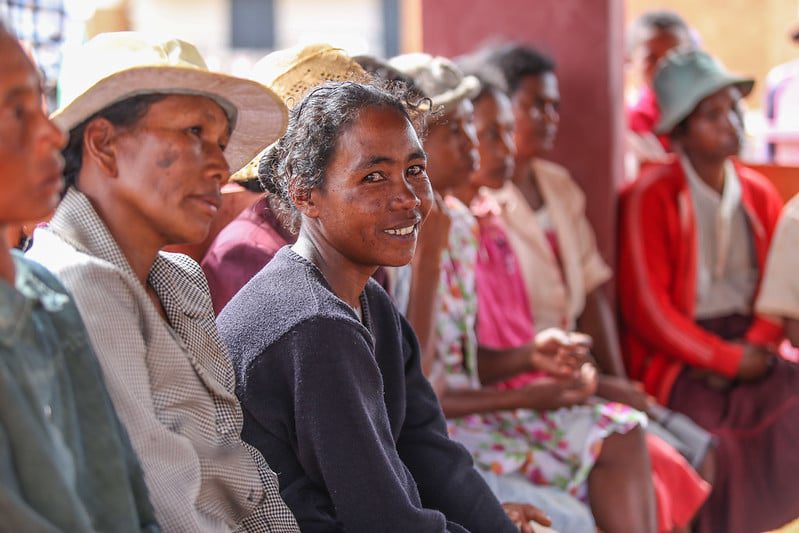
Poverty in MadagascarSituated in the Indian Ocean off the coast of Southern Africa, Madagascar has one of the worst poverty rates, exacerbated by recurring natural disasters. According to Global Finance Magazine, Madagascar is ranked the ninth poorest country in the world, with a gross domestic product (GDP) per capita of $1,979. With a population of 29.61 million, its residents face the threat of losing their livelihoods due to rising deforestation and adverse climatic conditions across the island nation.

As a result of these factors, poverty remains a consistent problem within Madagascar. Marks Jacobs, managing director of SEED Madagascar, weighs in his knowledge on the effects of poverty within the nation and its people. “Poverty is a highly complex issue and there can be many types of poverty. It encompasses various deprivations beyond income, including education, health, living standards and access to services,” Jacobs said, “it’s most evident in Madagascar; people are monetarily incredibly poor.”

The Causes of Poverty in Madagascar

Homelessness is one of the major causes of poverty in Madagascar. The nation has a housing shortage of approximately two million. Homelessness exacerbates poverty by eliminating access to stable employment opportunities and essential services, thereby trapping individuals in a cycle of economic instability. Without a permanent address, securing jobs, health care and other critical resources becomes increasingly difficult, perpetuating the cycle of poverty.

The biggest issue is food security. In the past 35 years, more than 50 natural disasters have struck the island nation and, in their wake, have left major food shortages. Responses to food shortages target the most vulnerable and undernourished communities by creating income opportunities for rural households. However, only some households are lucky. “Most recently, this monetary poverty has played into dire food security, particularly in the South,” Jacobs said, “This (year) has seen mashed to the edge of famine in some areas where families lack financial resilience to compensate for poor agricultural outcomes,” he further added.

The effect of poor agriculture is mainly due to much of Madagascar’s infertile soil and scarce water resources. Government and road services are inadequate and access by humanitarian agencies to communities in need is extremely difficult.

The Long-Term Solutions

However, organizations such as the World Bank believe the country can break the vicious cycle of poverty by receiving a sustained period of robust economic growth spanning multiple years. Jacobs, however, believes there is more to this theory. “Though extremely poor and low on the human development index, Madagascar does have a democratic government,” Jacobs added, “and a relatively stable currency with strong elements of international trade, which could argue that Madagascar was already, in fact, stable but poor.”

Madagascar needs to build a pro-growth coalition that prioritizes a strong institutional framework to foster a competitive sector. Addressing the urgent need for robust economic growth has long been a focus and to effectively reduce poverty, the country has to implement a strategic approach to development. Organizations trying to induce growth in Madagascar have attempted to implement a stable, reliable and effective public administration that can provide infrastructure and services that meet regulatory requirements. Some of these organizations include the International Organization for Migration (IOM), which helps the country slowly recover from a political crisis. However, the development challenges remain vast.

International Organization for Migration

A solution from IOM is careful migration, which can help explore possible employment opportunities and gain new resources. A base of operation in Antananarivo provides programs to channel the provision of capacity-building and advisory for those seeking to grow their communities with safe economics. IOM advocates for careful migration, which can help individuals explore employment opportunities and acquire new resources. With a base of operations in Antananarivo, the capital of Madagascar, IOM offers programs that provide capacity-building and advisory services to support community growth through safe and sustainable economic practices.

On the other hand, another nonprofit organization, GlobalGiving, believes that a holistic approach to poverty can transform the lives of local inhabitants. In partnership with SEED Madagascar, it is working toward a $250,000 goal to fund product development and market access projects. This initiative aims to enhance the resilience of local flora and fauna suffering from poverty. By addressing these issues, the long-term impact will help people in Southeast Madagascar rise out of poverty and improve the quality of life for both the people and the vulnerable ecosystems they depend on.

Final Remark

Madagascar is a country in need of extensive support as it recovers from decades of adversity, including natural disasters and infertile soil that hindered crop growth. Despite these challenges, global organizations are committed to helping the country rebuild and create new opportunities for its inhabitants.

– Jacob Barker

Jacob is based in Ames, IA, USA and focuses on Good News and Global Health for The Borgen Project.

Photo: Flickr

August 14, 2024
https://borgenproject.org/wp-content/uploads/borgen-project-logo.svg 0 0 Hemant Gupta https://borgenproject.org/wp-content/uploads/borgen-project-logo.svg Hemant Gupta2024-08-14 07:30:382024-08-14 06:07:20Addressing Poverty in Madagascar
Africa, Agriculture, Global Poverty

Smallholder Farmers in Kenya and Their Challenges

Smallholder Farmers in KenyaProlonged drought, rising global temperatures and economic challenges have caused food insecurity to increase in Kenya. Food insecurity affects large urban cities like Nairobi and arid and semi-arid lands (ASAL) in the country’s northernmost region as impoverished Kenyans face rising food prices, making affordability hard for families in extreme poverty. Agriculture production makes up much of Kenya’s gross domestic product (GDP) and is essential to feeding domestic consumers. Large farms are an important part of the nation’s agriculture sector. However, smallholder farms produce more than 70% of the food used domestically and exported globally. Without efficient production by smallholder farms, Kenya’s protracted food insecurity will continue to take hold of the country. However, smallholder farmers in Kenya face several challenges.

Lack of Access

Lack of access to various services and resources is one of the biggest problems for smallholder farmers and a main reason for stagnant economic growth. Small farms are usually located in rural areas, isolated from wholesale markets, forcing farmers to sell goods via brokers, leaving many needy farms vulnerable to fluctuating prices. Due to land grabbing by larger companies, access to fertile land is limited, making the jobs of small farmers much harder.

Without access to better markets, smallholder farmers in Kenya will continue to fall victim to multinational corporations selling products at low prices to rack in massive profits. Through methods like land grabbing and enacting repressive policies, small farmers have become dependent on larger companies for agricultural inputs needed to produce fresh crops.

Due to traditional lending institutional practices, credit remains one of the most difficult resources for smallholder farmers to access. Demand for high collateral, high interest rates and a shortage of credit lending educational services make it hard for small farm owners to gain credit.

A Need for Quality Infrastructure

Mobile communication devices are becoming essential tools for smallholder farmers, making accessing and exchanging agricultural information easier. Challenges in infrastructure have been exposed due to rural farmers’ limitations when using mobile devices. The availability of reliable power has become a concern among multiple rural counties, as well as internet connectivity issues and high prices for data packages.

Water scarcity has also become a problem that affects not only smallholder farmers but small-scale irrigation systems as well. ASAL areas depend on artificial water applications for farming. However, growing urbanization, rising water consumption and various water uses have led to dwindling water distribution throughout the nation, greatly affecting farms in rural areas.

Multinational Competition

Government-enacted laws and policies focus more on controlling large money producers, leaving small farmers at the mercy of Chief Executive Officers (CEOs) looking to make a profit. To develop, promote and regulate a modern and competitive seed industry, the Kenyan government gave larger agricultural corporations control over processes like seed certification, making it harder for impoverished farmers to afford certification and obtain seeds for planting.

Seed sharing was a system of exchange that helped domestic farmers for generations. However, as a way to keep producing money, the government criminalized seed sharing, affecting the livelihoods of smallholder farmers who depend on the cost-effective method that many would consider a timeless tradition.

Outside Assistance

Nongovernment organizations like Nuru are working to provide education and assistance to agribusinesses in low-income communities facing food insecurity. Through the introduction of various cultivation methods, farmers are better equipped with the resources to self-sustain and improve food productivity in the area. Since 2008, Nuru has reached more than 320,000 people in five African countries, including Kenya. Nuru farmers in Kenya have seen more than 200% of their crop yields from baseline.

Additionally, the Grameen Foundation, a nonprofit dedicated to ending global hunger, has launched a five-farmer-to-farmer program in Kenya that will connect smallholder farmers to financial volunteers whose focus will be to train farmers in business planning, financial management and financial literacy and establish alternative credit scoring methods. Farmers will receive better chances at obtaining loans, making affording seeds, equipment and other resources easier.

Final Remark

Smallholder farmers in Kenya are the key to unlocking the nation’s full agricultural potential. They make up almost 70% of agricultural production without full government assistance or access to credit markets. As a way to not only put an end to food shortages nationwide, investments in smallholder farmers need to increase to provide economic improvements across Kenya.

– Immanuel Wiggins

Immanuel is based in Jackson, USA and focuses on Global Health for The Borgen Project.

Photo: Flickr

August 13, 2024
https://borgenproject.org/wp-content/uploads/borgen-project-logo.svg 0 0 Hemant Gupta https://borgenproject.org/wp-content/uploads/borgen-project-logo.svg Hemant Gupta2024-08-13 07:30:412024-08-12 13:01:52Smallholder Farmers in Kenya and Their Challenges
Africa, Global Poverty, Water

South Africa’s Water Safety Issue

South Africa’s Water Safety IssueSouth Africa’s central water infrastructure is deteriorating below acceptable levels–its negative effects threatening the health and wellbeing of the nation’s poor.

The Hammanskraal Cholera Outbreak

In May 2023, 29 people died from contracting cholera in the region of Hammanskraal in South Africa. Cholera outbreaks have happened before in the country, but they usually occur in rural areas, not in city centers. Hammanskraal is only 20 miles away from South Africa’s capital Pretoria and is part of the Gauteng province that is known for its high level of urbanisation.

Piped water had the reputation for being the safest form of water compared to other improved water sources (public taps, protected boreholes/springs, rainwater) and surface water sources (rivers, ponds, irrigation channels) in South Africa.

The singular fact that a devastating cholera outbreak occurred in South Africa’s urban center indicated that the country’s water treatment infrastructure had deteriorated to a level that made it unreliable–signaling a scarcity of safe drinking water throughout the nation. The poor of South Africa, lacking the economic ability to access costly clean water, therefore face a serious health threat.

The Mismanaged South African Water System

The 2023 BlueDrop investigation found that 46% of the country’s water supply systems failed to prevent contamination of pathogens and bacteria. Many researchers find fault in the fact that 90% of the wastewater plants in South Africa are dysfunctional, unable to treat incoming wastewater and tragically releasing back “raw or partially treated sewage directly into the country’s already scarce water resource.”

The rural and poorest demographic relies on surface water for their drinking needs and therefore faces critical health threats. Even the demographic living in areas with piped water coverage faces similar health concerns due to the dysfunctional central water system of South Africa which has 47% of its distributed water leaking, providing opportunities for contamination, according to The Conversation.  Contaminated water can lead to outbreaks of diarrheal diseases that are especially lethal to the poor demographic who has limited access to appropriate medical services.

Professor Anja du Plessis writes in The Conversation, “Reactive management, lack of political will, transparency and unaccountability over the past two decades have contributed to the current state of affairs.” Expert opinion on South Africa’s water safety crisis is that it was a preventable crisis. More than technological limits or economic incapacities, South Africa’s water issue arises from management mishandling.

The Conversation reports that 67% of workers in the water treatment facilities did not receive appropriate training. There was also a significant underinvestment of governmental funds in the repair and maintenance of the water infrastructure. Out of 257 Municipalities, 151 reported being “close to collapse.” The Conversation also reports that there were no appropriate water quality monitoring systems that alerted consumers of detected contamination in the water distribution systems.

The Solution – Decentralized Water

Decentralized water systems are water systems that are smaller in scale, delivered by non-governmental organizations and often utilize local water sources for decentralized water harvest units. While centralized water systems are an efficient way to distribute water to plenty of individuals, their massive scale and complexity require costly investments and high-level expertise within the management to facilitate the system safely.

Murendeni Mafumo, CEO of Kusini Water, notes that municipal organizations do not have the financial ability to build new infrastructures, especially considering that they are even struggling to maintain the system for 5-6 million people in urban cities. He reflects that the best way to improve the water infrastructure is “through commercial companies.”

Commercial companies like Kusini Water are utilizing the relatively low cost of decentralized water treatment units and they can be run through off-grid renewable energy to independently install water treatment plants across vulnerable communities in South Africa. The rise of decentralized water technology is enabling innovative social entrepreneurs to make a lasting impact and improve South Africa’s water safety.

Mafumo explained to AfricaX that a decentralized treatment unit that supplies 300 Households may cost around $8,000 to install. Kusini Water subsidizes its operation by establishing business deals with large companies such as Red Bull or high-income households. It offers decentralized, clean water treatment units for office buildings and corporate events and subsidizes 20 liters of water for vulnerable communities for each liter of water it sells under the deal. This effectively “trickles down money” from high-income communities to low-income communities. The company uses a 3D-printed main body and sources the filtration modules locally to lower its costs. It also creates carbon filters through local macadamia nut shells and uses its nanofibers from a local university.

Conclusion

The mismanagement of the central water system of South Africa is threatening the health of poor communities. Central water systems being very large and complex makes management difficult and building new infrastructure in water-scarce areas challenging. The development of decentralized water system technology is enabling social entrepreneurs like Kusini Water to provide clean drinking water to communities that cannot afford it, holding a bright future for gradually solving South Africa’s water safety issue.

– Siwon Kim

Siwon is based in Boston, MA, USA and focuses on Technology and Global Health for The Borgen Project.

Photo: Flickr

August 12, 2024
https://borgenproject.org/wp-content/uploads/borgen-project-logo.svg 0 0 Naida Jahic https://borgenproject.org/wp-content/uploads/borgen-project-logo.svg Naida Jahic2024-08-12 07:30:102024-08-11 12:57:17South Africa’s Water Safety Issue
Africa, Developing Countries, Global Poverty

How BOMA Is Building Climate Resilience in Africa’s Drylands

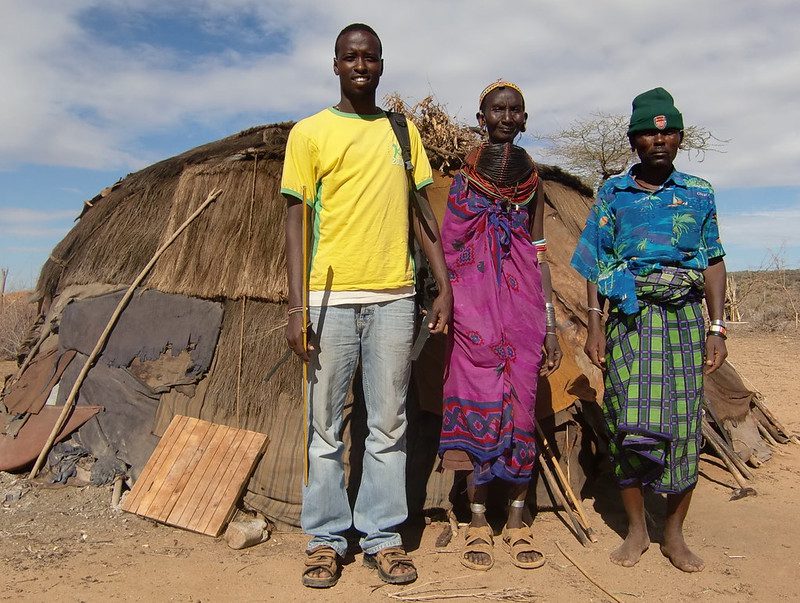
BOMAIn the Samburu region of Kenya, Pamela Lenolnyenje is one of the thousands of nomadic people living in/around the Kirisia Forest. Many such people live in extreme poverty partly due to rising temperatures and the collapse of fragile local ecosystems. However, due to financial training and a $175 grant provided by BOMA, a nonprofit organization dedicated to ending poverty and mitigating the effects of adverse weather, Lenolnyenje has since gained an income from managing a tree nursery while setting up her shop to sell produce. Likewise, due to intervention by BOMA, destructive land management practices have fallen considerably among the local community.

This is just one example of the work BOMA is doing to combat both environmental degradation and extreme poverty in Africa’s drylands. By combining education with access to capital, BOMA has sought to help vulnerable people escape the trap of climate-induced poverty by improving climate resilience. Refugees, in particular, have formed a primary target group, with sub-Saharan Africa hosting more than a quarter of the world’s refugee population.

The Rural Entrepreneur Access Project

The organization’s Rural Entrepreneur Access Project (REAP) strategy has been key to helping vulnerable populations in this way. Through this strategy, BOMA maps the key barriers to overcoming extreme poverty for pastoral families before implementing a series of interventions, including conditional cash transfers and financial training, for two years. However, due to the unique challenges facing Africa’s drylands, a more specialized “Green REAP” strategy is now used to tackle the twin crises of environmental collapse and extreme poverty.

The Green Reap Project

While environmental issues may appear of secondary concern to those facing extreme poverty, the sustainable management of scarce resources and fragile ecosystems can, in fact, considerably reduce poverty levels. Improving communities’ resilience to the impacts of changing climatic conditions, flood control, water filtration and other issues is crucial for sustainable development. Thus, BOMA, alongside its partners, provides funding and training to help people set up small, environmentally-friendly enterprises, which also help to conserve local ecosystems, such as the tree nursery discussed earlier.

One example of this Green REAP approach in action is the LIFT project in Northern Kenya, established in 2023. The project aims to improve opportunities for 15,600 women, young people and refugees by helping these people build and sustain 3,650 small enterprises. Of these 15,600 LIFT participants, approximately 30% of them come from in and around the Kakuma Refugee Camp and Kalobeyei Refugee Settlement, thus underlining BOMA’s commitment to refugees.

Impact

A 2016 study found that BOMA’s model resulted in a 147% increase in income for participants, alongside a 14,000% increase in savings and a 63% decrease in the number of children going to bed hungry. The Green REAP pilot scheme similarly indicated that 60% of participants shifted away from destructive practices such as charcoal harvesting, demonstrating Green REAP’s impact on climate resilience.

Final Remark

Ultimately, BOMA’s estimates indicate that more than 93,000 people in Kenya will benefit directly or indirectly from the LIFT project in the next two years. However, as the earth’s average temperature continues to ravage the drylands of Africa and trap many in positions of extreme poverty, the need for programs like this remains as high as ever. Thus, only through the incredible work of charities like BOMA can extreme poverty truly be eliminated from the African continent.

– Ben Evans

Ben is based in Abbots Langley, Hertfordshire, UK and focuses on Good News for The Borgen Project.

Photo: Flickr

August 12, 2024
https://borgenproject.org/wp-content/uploads/borgen-project-logo.svg 0 0 Hemant Gupta https://borgenproject.org/wp-content/uploads/borgen-project-logo.svg Hemant Gupta2024-08-12 01:30:392024-08-11 12:15:29How BOMA Is Building Climate Resilience in Africa’s Drylands
Africa, Electricity and Power, Global Poverty

Renewable Energy in Somalia 

Renewable Energy in Somalia The World Bank shows that just under 50% of the population in Somalia has access to electricity, as of 2022. The provision of electricity services to the Somali population has no doubt improved since the turn of the century, with estimates showing that just 2.1% of people had access to electricity in 2000. Yet, a large imbalance between access to electricity in urban (76.7%) and rural (30.6%) areas still remains. Continuing the development of renewable energy in Somalia through initiatives like the Somalia Electricity Sector Recovery Project (SESRP) could widen access to electricity for basic needs and services for those in rural areas and bring power to crucial public-sector facilities such as schools and hospitals.

Background

Political violence and the collapse of the Somali government led to the destruction of crucial energy infrastructure in Somalia in the 1990s. As a result, Somalia has no national power grid and relies mostly on privately owned energy sources. Diesel generators are the main source of electricity in Somalia, however, these are often outdated and inefficient.

Currently, renewable energy sources only make up 12.2% of Somalia’s total energy production. Despite this, Somalia has high renewable energy potential. The International Trade Administration (ITA) suggest Somalia could generate up to 45,000 MW through onshore wind power alone.

A Clean Energy Future

The Government of Somalia aims to improve access to electricity in the country by implementing the SESRP, for which the World Bank has provided funding. This project aims to unlock the high potential of renewable energy in Somalia, utilizing hybridization technologies and creating off-grid solar farms to power public institutions. The government suggests that this project will provide electricity to 1.1 million households, 205 health facilities and 380 schools.

Through the project, the government has begun to install solar photovoltaic systems within educational facilities, marking a clear step toward the country’s clean energy transition. The installation of these systems will provide a more reliable power supply in schools, meeting the educational needs of children as well as creating numerous jobs.

Key Challenges

Solar energy systems have significant potential as a source of electricity and power in Somalia. The country’s geographical location, climate and high solar radiation levels make the introduction of photovoltaic panels a highly suitable alternative to fossil fuels, according to the Energy Strategy Reviews.

That said, the development of renewable energy in Somalia also faces numerous challenges. A lack of trained specialists, continued instability, and inadequate energy infrastructure are creating reluctance within the private sector to invest in Somalia’s renewable energy projects, Energy Strategy Reviews reports. Significant investment is necessary in skills training and in developing existing infrastructure to attract the necessary investment to utilize Somalia’s renewable energy potential fully.

Energy Strategy Reviews show that heat and high amounts of dust in the region also hinder the efficiency of solar photovoltaic systems. To mitigate the impact of dust and heat, these systems need to be regularly cleaned and covered.

Encouraging Future Investment

Ensuring that renewable energy projects in Somalia are fully implemented is crucial. Not only could this benefit rural communities, but expanding electricity access to public institutions through solar PV systems could help improve health and educational facilities in the country. Encouraging further investment in skills training and energy infrastructure could also stimulate private sector interest in Somalia for its enormous renewable energy potential, boosting economic growth in the country and lifting more people out of poverty.

– Joshua Marriott

Joshua is based in Cardiff, Wales and focuses on Technology and Politics for The Borgen Project.

Photo: Flickr

August 11, 2024
https://borgenproject.org/wp-content/uploads/borgen-project-logo.svg 0 0 Naida Jahic https://borgenproject.org/wp-content/uploads/borgen-project-logo.svg Naida Jahic2024-08-11 03:00:132024-08-10 14:13:23Renewable Energy in Somalia 
Africa, Developing Countries, Global Poverty

The Poverty Reduction Scheme in Liberia

The Poverty Reduction Scheme in LiberiaUrban Liberia has seen a steady decrease in poverty rates, with only three in 10 people living below the poverty line in its capital city, Monrovia, as of 2016. However, in rural areas of Liberia, this figure stands much higher, with eight in 10 living below the poverty line. During his inauguration speech on January 22, 2024, President Joseph Boakai outlined his plans for a poverty reduction scheme in Liberia, known as the ARREST Agenda for Inclusive Development (AAID). Set to operate from 2025 to 2029, with a launch scheduled for November 30, 2024, the ARREST agenda focuses on six key areas.

How Does the AAID Poverty Reduction Scheme in Liberia Work?

  1. Agriculture: Currently, Liberia’s economy relies on agriculture and the export of natural resources like gold. In his inauguration speech, Boakai emphasized agriculture’s crucial role in the country. Boakai noted that it provides jobs to 50% of the population, either directly in agriculture or in related industries. Boakai identified agriculture as “a key driver” in the Liberian economy. Furthermore, the agriculture sector could provide a stable income and food security to many, whilst reducing poverty in Liberia.
  2. Roads: Existing roads in Liberia are among the least developed in West Africa. The country spans 111,370 square kilometers, but the road network covers only about 10,600 kilometers. The majority of these roads are unpaved. Boakai recognized the need for roads to connect citizens. Furthermore, he stated the need for significant spending on roads as a “critical intervention for economic growth and national development.” By connecting more rural areas to big cities, such as Monrovia, people in rural areas are able to reach higher-paying jobs.
  3. Rule of Law: Following two civil wars and accusations of the previous government being corrupt, with the United States treasury having to sanction three of George Weah’s government officials for corruption, Boakai made sure to highlight the urgency for transparency and accountability within his government. This campaign against corruption is likely to ensure that government spending is in the best interest of citizens.
  4. Education: In order to reduce poverty in Liberia, Boakai has stated that he will “rethink” the education system in such a way that provides students with vocational skills and more subjects within the curriculum. This will then better prepare students for higher-paying jobs in a wider array of sectors, helping to boost development.
  5. Sanitation: Currently, in Liberia, around a quarter of citizens do not have access to clean water and drinking facilities and 40% of the population is forced to practice open defecation without access to well-equipped sanitation services. This then exposes people to diseases closely linked with unclean water, such as cholera. Improving sanitation increases the ability of people to work without the impact of disease. Furthermore, this ensures a steady stream of income and allows children to stay in school. Without prolonged absence, the chances of a life affected by poverty are greatly reduced.
  6. Tourism: After two civil wars, Liberia’s tourism industry was incredibly damaged. In 2014, the Liberian Tourism Association was established, a nonprofit organization partnering with companies to unite the Liberian tourism industry. In his inauguration speech, Boakai expressed a desire to “unlock the potential of the tourism sector.” The aim would be to create further contributions to the country’s gross domestic product (GDP), reducing poverty in Liberia.

Final Remark

This poverty reduction scheme established by Boakai will enable the development of Liberia. Additionally, this will allow for the reduction of poverty among Liberian citizens, removing the economic divide that currently exists between those in urban and rural areas of the country.

– Freyja Stone

Freyja is based in Manchester, UK and focuses on Politics for The Borgen Project.

Photo: Flickr

August 11, 2024
https://borgenproject.org/wp-content/uploads/borgen-project-logo.svg 0 0 Hemant Gupta https://borgenproject.org/wp-content/uploads/borgen-project-logo.svg Hemant Gupta2024-08-11 01:30:542024-08-10 13:50:34The Poverty Reduction Scheme in Liberia
Africa, Education, Global Poverty

Libyan Higher Education as an Example of Academic Resilience

Libyan Higher EducationFollowing the 2011 Arab Spring, Libya experienced the dissolution of the long-time dictatorial regime of Muammar Gaddafi, culminating in showings of mass violence. Prior to the Arab Spring uprisings, Libya primarily held an isolationist view of education, limiting academic collaboration to within the nation’s 30 universities and actively working against English language academic research.

Throughout the 2011-2012 period, several Libyan academics abroad praised the removal of the Gaddafi regime as a way to increase academic research and standing for Libyan universities around the world. There was genuine hope for the future, particularly with the announcement of the Tripoli University Program for Rebuilding Libya in 2012. Following the university’s reopening, the program set out four main goals:

  1. Develop a nationwide civic education strategy through Libya’s primary universities.
  2. Establish a university communication and outreach production unit.
  3. Create a platform to support the role of women during the transition.
  4. Provide online civic education and professional development courses for women, disadvantaged groups, civil servants, the voluntary sector and development staff.

Within the first year, events overwhelmed the proposal. The proposed reforms may have been considered “tone-deaf” and portrayed a general political aim instead of an attempt to stabilize the Libyan higher education system in the wake of recent conflict.

Current State of Libyan Higher Education

Following years of civil war within the country, Libya remains in a political stalemate with the United Nations (U.N.) calling for a peaceful, Libyan-led shift to democratic power. While the government sits at a standstill, the same can not be said of higher education. Libya’s nation-state boasts more than 20 universities, with access intended to reach the urban-rural divide.

Mainly built during the Gaddafi regime, the resources accessible to the institutions were dependent on their location regarding urban centers with the modern elite of the political party. It has to be noted that due to the political upheaval surrounding the past decade, more than 200,000 Libyan students have had their education interrupted or delayed and some even ceased altogether.

After the 2011 civil war, university resources became more scarce and the funds necessary to pay staff and faculty became contentious. In 2023, the faculty at the University of Tripoli staged a two-month sit-in, protesting the lack of pay and benefits received. The protests were exacerbated after the University needed to close temporarily due to political violence spilling onto campus grounds. Several universities stood in solidarity with the University of Tripoli, including the University of Benghazi. The strike would experience extremes, including when armed forces kidnaped a leader of the General Syndicate of University Teaching in an attempt to stop the strike.

During the Tripoli-based violence, the University of Benghazi was set to receive a visit from the World Federation for Medical Education regarding the university’s QS ranking for 2023. Beyond the delay of international recognition, the University of Benghazi suffered property damage to the campus within the past decade of civil war. And while action has been taken to mitigate portions of the damages, the campus, like many others, remains in disrepair.

Continued Barriers to Higher Education

As Libyan universities attempt to make education accessible despite political instability, several barriers restrict students’ access to higher education. Due to the political upheaval, there is a risk of violence bleeding onto university campuses, which has occurred as local militias become “university guards.” These militia members are under nonexistent supervision and reportedly have caused more harm than good. There have been several instances from multiple universities that show a pervasiveness of harassment by militia members on university campuses. Harassment and violence escalated in several cases to the point in which female students have been unable to attend lessons and, as such, delayed or hindered their education.

While political violence and uncertainty surrounding portions of the country explain issues involving militias and campus-based harassment, conflict-related hindrances are not the only barriers to higher education (and education in general); language remains a pervasive barrier. Within Libya, there is a minority population of Amazigh (“Berbers”) who speak the Tamazight language. Speakers of the Tamazight language cross several national lines, including Algeria, Morocco, Tunisia and specifically the Siwa Oasis within Egypt. The Gaddafi regime, which titled itself the Libyan Arab People’s Jamahiriya, created clear ethnic and linguistic lines that have yet to be meaningfully rectified.

Hope for the Future

Throughout the continued violence and contested ideas of a national government, Libyan academia has persevered. Several studies within the last decade are attributed to Libyan academics, specifically within the realm of climate science and resilience studies. While resources and funding are scarce, professors have continued to research significant local and global issues while simultaneously teaching in universities that can not be guaranteed to protect them from violence. Libyan academics have continued to pursue knowledge throughout more than a decade of adversity, showing strength and tenacity in the face of conflicts.

– Jamie Sackett

Jamie is based in Hutto, TX, USA and focuses on Global Health and Politics for The Borgen Project.

Photo: Wikimedia Commons

August 10, 2024
https://borgenproject.org/wp-content/uploads/borgen-project-logo.svg 0 0 Hemant Gupta https://borgenproject.org/wp-content/uploads/borgen-project-logo.svg Hemant Gupta2024-08-10 03:00:282024-08-09 12:09:24Libyan Higher Education as an Example of Academic Resilience
Page 14 of 24«‹1213141516›»

Get Smarter

  • Global Poverty 101
  • Global Poverty… The Good News
  • Global Poverty & U.S. Jobs
  • Global Poverty and National Security
  • Innovative Solutions to Poverty
  • Global Poverty & Aid FAQ’s
Search Search

Take Action

  • Call Congress
  • Email Congress
  • Donate
  • 30 Ways to Help
  • Volunteer Ops
  • Internships
  • Courses & Certificates
  • The Podcast
Borgen Project

“The Borgen Project is an incredible nonprofit organization that is addressing poverty and hunger and working towards ending them.”

-The Huffington Post

Inside The Borgen Project

  • Contact
  • About
  • Financials
  • President
  • Board of Directors
  • Board of Advisors

International Links

  • UK Email Parliament
  • UK Donate
  • Canada Email Parliament

Get Smarter

  • Global Poverty 101
  • Global Poverty… The Good News
  • Global Poverty & U.S. Jobs
  • Global Poverty and National Security
  • Innovative Solutions to Poverty
  • Global Poverty & Aid FAQ’s

Ways to Help

  • Call Congress
  • Email Congress
  • Donate
  • 30 Ways to Help
  • Volunteer Ops
  • Internships
  • Courses & Certificates
  • The Podcast
Scroll to top Scroll to top Scroll to top