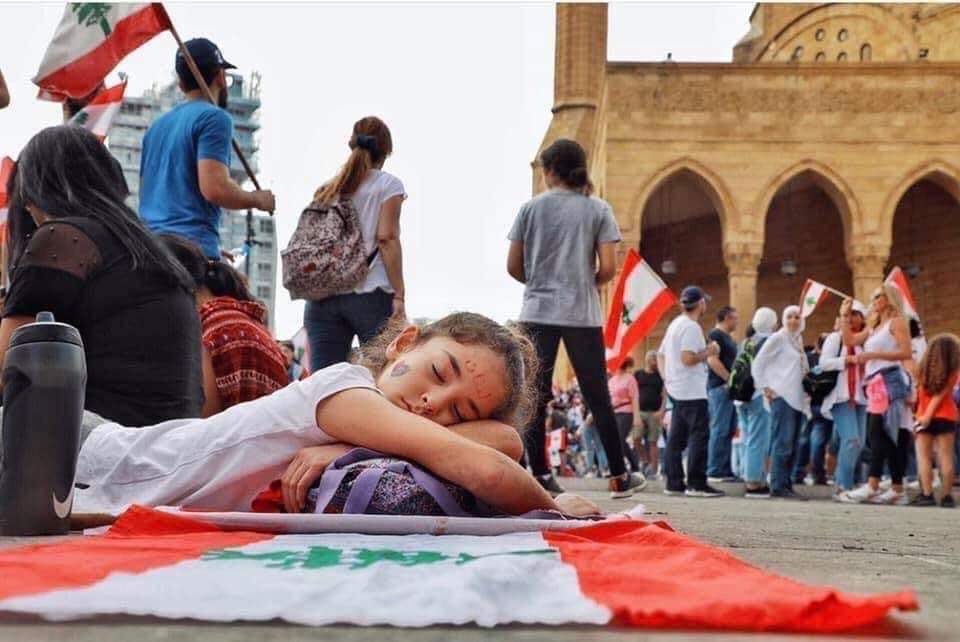
 Bordered by Syria, Israel and the Mediterranean Sea, Lebanon is a Middle Eastern nation of almost 7 million citizens. Its history has only grown in complexity since it gained independence from France in 1944. Lebanese people have faced civil war, political and economic instability, border disputes and human rights violations into the present day. Thankfully, many NGOs in Lebanon work to address these issues. NGOs have supported the Lebanese people in suppressing terror, promoting gender equality, ending militarization, advocating for human rights and recovering from the Beirut explosion. Paramount to Lebanon’s security and future are not just improved government and policies, but also these NGOs on the ground.
Terrorism
In 2019 alone, four major terrorist groups posed an ongoing threat to Lebanon’s national security. Three acts of terrorism that year sparked an unprecedented governmental and legislative response. Lebanon is a member of the Global Coalition to Defeat ISIS and recently launched a national Preventing Violent Extremism Coordination Unit. However, the Lebanese people’s long-standing lack of trust in government remains. This is where NGOs in Lebanon come in.
Since 1985, The Washington Institute for Near East Policy, an American NGO, has promoted peace in Lebanon. The NGO identifies Lebanese entities actively promoting terror from within the government, such as Green Without Borders. The institute proposes counteracting these entities from abroad by publishing research and pushing policies for financial transparency. Its work is therefore vital to an effective government free from ties to terrorism.
Gender Inequality
Even though Lebanese women got the right to vote in 1952, gender inequities and violence remain among Lebanon’s most critical issues. In 2020, Lebanon ranked 145th among 153 countries in closing the gender gap. This ranking represents variables such as economic participation, educational attainment, health, survival and political empowerment. With women holding just 4.7% of parliamentary seats, NGOs in Lebanon are working to pave the way for female representation in government to empower marginalized citizens.
While global humanitarian groups have funded many gender equity campaigns in Lebanon, NGOs in Lebanon, like the feminist collective Nasawiya, spearhead much of the cultural change. Nasawiya advocates not just for the humane treatment and representation of women, but also for all genders and identities within Lebanon. With 11 projects underway, Nasawiya lobbies the Lebanese government and provides resources for women affected victimized by gender violence.
Militarized Justice Systems
Although Lebanon is officially a unitary multiparty republic with a parliamentary system of government, its justice systems are increasingly militarizing. Lebanon’s controversial pattern of suppressing peaceful civilian protests has garnered international attention as its use of military courts grows. In Lebanon, trials in military courts lack qualified judges, permit torture-induced confessions as evidence, issue inconsistent and lengthy sentences and fail to deliver due process. This affects more than just adults. Indeed, the Union for Protection of Juveniles in Lebanon identified 355 children tried before the military courts in 2016 alone.
As the line between the Lebanese justice system and the military blurs, prosecutors have even brought charges against human rights lawyers and activists who oppose them. NGOs like Helem, which advocates for LGBT rights, are working to hold courts accountable to their victims. The International Center for Not-For-Profit Law and other NGOs in Lebanon have launched further investigations into Lebanon’s militarized courts. By publicizing records and providing credible research, they promote justice in Lebanon.
Migrant and Refugee Rights
An estimated 1.5 million Syrian refugees and over 250,000 migrant workers from neighboring countries reside in Lebanon. Unfortunately, exclusionary immigration and refugee policies have created a human rights crisis. Migrant workers and refugees in Lebanon work in unregulated conditions, lack permanent residency and are victims of mass evictions. In 2017, 76% of refugee and migrant households lived below the poverty line. Additionally, 77% experienced food insecurity and 36% lacked an employed family member.
NGOs in Lebanon like International Alert advocate both for reforming the justice system and improving refugee and migrant rights. International Alert promotes policies targeted at improving legal conditions for these marginalized populations in Lebanon. Care, another NGO, also works on the ground to provide interim resources and housing for refugees and migrants in Lebanon.
The Beirut Explosion
When 3,030 tons of ammonium nitrate stored near a port in Beirut caught on fire and exploded in early August 2020, at least 200 people died, over 6,000 were injured and several hundred remain missing. The severe damage inflicted on some 70,000 homes left an estimated 300,000 Lebanese homeless. The Lebanese Red Cross met a large part of the urgent need for humanitarian assistance to the Lebanese people affected by the explosion. This NGO has provided free medical care to over 23,700 people through 36 health centers and nine mobile medical units.
The Lebanese Red Cross is also providing shelter for 1,000 displaced families and is expanding to help a projected 10,000 families. Additionally, the organization provides families with food, water, masks, gloves and other supplies. Another facet of this NGO, the Red Cross Restoring Family Links program, reconnects separated families. It also provides mental health and counseling resources for victims.
NGOs in Lebanon Continue the Fight
While the Lebanese people continue to suffer from a legacy of conflict, instability, inequality and oppression, NGOs are working hard to help mitigate these critical issues. NGOs in Lebanon strive to improve human rights to help bring peace and prosperity to this Middle Eastern nation.
– Caledonia Strelow
Photo: Wikimedia Commons

The Akshar School: Plastic Waste for Quality Education in India
Education in India
India is home to the second-largest number of impoverished people in the world. However, its large and increasing population of youth presents an opportunity for economic development for the entire Indian population. In India, children must attend school from the ages of six to 14 years old. Although India’s education system includes government-funded public schools, many parents prefer to send their children to private schools.
During the 2010-2011 and 2014-2015 academic years, enrollment in India’s public schools decreased by 11.1 million. At the same time, enrollment in India’s private schools increased by 16 million. Private schools that charge low fees have seen an especially large increase in enrollment, particularly from low-income families. This is largely because most Indian private schools offer English as a core feature of their curriculum, unlike India’s public schools.
This increase in enrollment in private schools also reflects the poor quality of India’s public school system. Low-income families prefer to pay tuition in order to send their children to schools where they will receive a quality education, hoping that this education will allow them to escape poverty.
The Akshar School
The Akshar School, a private school located in Assam, India, is revolutionizing the Indian education system. It allows students from low-income families to receive a quality education in exchange for plastic waste.
Wife and husband Parmita Sarma and Mazin Mukhtar founded the school in 2016. They were tired of smelling burnt plastic and toxic waste in their classrooms, produced by families living nearby their school trying to eliminate waste. The couple then decided to ask the students at their school to pay their tuition in the form of plastic waste. Tuition for the school is equivalent to 25 pieces of plastic waste collected from a student’s community.
The school then recycles the collected waste into new items, like eco-bricks, at its recycling center. The center offers paid jobs to older teenagers attending the school hoping to also earn an income. Many of these teenagers come from low-income families that depend on their children for an additional source of income, though it is illegal in India for children under the age of 14 to work. In this sense, the Akshar School ensures that older children are able to stay in school and also earn an income for their families.
The students at the school have performed exceptionally well, especially during the most recent year academic year. In addition to affordable tuition, the Akshar School employs older teenagers as coaches for younger children, providing younger children with individualized help that their regular class teachers may not always be able to offer. This program also enables teenagers to gain a source of income, leadership skills and the opportunity to strengthen their own academic skills.
The Akshar Foundation: Expanding Its Reach
Sarma and Mukhtar’s nonprofit organization, the Akshar Foundation, aims to open up 100 schools similar to the Akshar School. Given that attendance at the Akshar School has risen by 500%, they plan to follow the same model for new schools. In addition, the Akshar Foundation intends to offer opportunities for technology-based learning, vocational training, environmental conservation, community leadership and involvement and entrepreneurship. It also plans to offer an its own fellowship for all students in the new schools.
The Akshar Foundation’s educational model attempts to combat the cycle of intergenerational poverty that many Indian families face. By providing all children with an equal opportunity to attain a quality education, the Akshar Foundation presents a model that the Indian government itself should consider adopting and implementing. Given its population and notable economic progress, India has the potential to alleviate much of its existing poverty in the upcoming years. However, India must recognize that education is one of the most important components in ensuring economic stability, progress and overall wellbeing.
– Stacy Moses
Photo: Flickr
How the UN Eradicates Poverty and Promotes Human Rights
What Is Poverty?
The U.N. defines poverty as “more than the lack of income and productive resources to ensure sustainable livelihoods.” The organization asserts that poverty affects people in many ways, including “hunger and malnutrition, limited access to education and other basic services, social discrimination and exclusion, as well as the lack of participation in decision-making.” Poorer countries that suffer from a lack of basic resources face all of these problems.
Around the world, more than 730 million people live below the poverty line. Many of these people live in Southern Asia and sub-Saharan Africa. These poor countries also often suffer from internal violence that impacts their ability to address the needs and vulnerabilities of their citizens. As such, poverty and conflict have a reciprocal relationship, both contributing to the other.
The U.N. eradicates poverty through multiple commissions that address specific populations and the issues they face. For example, UNICEF, the U.N. children’s commission, works specifically to address children living in poverty globally. It does so by promoting education access and healthcare, as well mitigating the damaging effects of armed conflict. Through “fundraising, advocacy, and education,” this division of the U.N. eradicates poverty and helps children around the world.
Poverty and Human Rights
The U.N. outlines inalienable international human rights as the following: “the right to life and liberty, freedom from slavery and torture, freedom of opinion and expression, the right to work and education, and many more.” One of the many detrimental effects of global poverty is high death rates. Poverty may cause death through water and food insecurity, as well as a lack of healthcare and medical access. This is why poverty is truly a human rights issue.
For someone to have a guarantee to life and liberty, they cannot be living in abject poverty. Education and the “right to work” are also rights affected by living in poverty. Education is sparse in many of the world’s poorest countries, which often suffer from high unemployment rates. This contributes to household income and citizens’ inability to provide for themselves and their families. Thus, poverty is a complex and multifaceted issue that affects all aspects of people’s lives, from their health and well-being to their futures.
The International Poverty Line
According to the U.N., as of 2015, there were “more than 736 million people liv[ing] below the international poverty line.” The international poverty line (IPL) quantifies people’s standard of living. This helps researchers, aid workers and governments assess people’s situation. It also allows these actors to assess their success in mitigating harm and promoting development. Foreign Policy explains that “The IPL is explicitly designed to reflect a staggeringly low standard of living, well below any reasonable conception of a life with dignity.”
The U.N. eradicates poverty by examining not only measures like the IPL but also the effects of extreme poverty. The number of people below the poverty line is important, but the U.N. focuses on what this means for people living in such poverty. For example, the U.N. notes that “[a]round 10 percent of the world population is living in extreme poverty and struggling to fulfill the most basic needs like health, education.”
The Future of the U.N. and Poverty
The U.N. is likely to remain one of the leading forces in the eradication of poverty and the promotion of human rights. Its unique history, size and diverse commissions make it a powerful organization. In particular, the commissions that work with vulnerable populations will be essential to securing the safety and prosperity of those living in poverty. Importantly, the U.N. eradicates poverty with the support of its 193 member states, as it depends on their sponsorship and help in conflict resolution. Just as poverty has no borders, neither should the solutions we use to solve it.
– Kiahna Stephens
Photo: Flickr
Ending Sorcery Killings in Papua New Guinea
In many cases, young women and occasionally even children become scapegoats for issues plaguing the entire community, such as AIDS. Members of the community accuse these women of sanguma, the local term for sorcery. They then torture them into admitting their crimes in a frightening scenario resembling the Salem Witch Trials. Ending sorcery killings in Papua New Guinea is necessary to save these lives.
Cultural Perspectives on Sorcery
There are several factors as to why many cases of sorcery killings in Papua New Guinea have not yet been resolved by the authorities. Many communities target suspected sorcerers with supposedly good intentions: the hope of protecting friends and family from becoming victims of the supposed sorcerer. In many cases, members of the community are afraid to report crimes that they have witnessed due to fears of community backlash.
As such, the proper authorities never address dozens of cases of sorcery killings, as individuals who could potentially report the issue are too frightened to come forward. Whistleblowers can ironically experience accusations of conspiring with or supporting sorcerers. Due to threats and intimidation, families are afraid of possible torture or death if they attempt to report a killing. Not to mention that geographic limitations and limited police presence in these areas mean that there are not always means to make a report. This makes ending sorcery killings in Papua New Guinea an exceptionally tall order.
Declining Health, Increasing Blame
The idea in Papua New Guinea that sanguma can manifest itself in individuals, granting them strange powers, is not new. It used to be a benign belief in the past. However, it is only more recently that communities started to seek out witches and sorcerers to remove them from society. Several key factors have contributed to the issue of sorcery killings in Papua New Guinea. Through the spread of Western culture, communities in the country have altered their diets and lifestyle choices to match the trends of countries like the United States. However, an unfortunate side effect of these changes is that they have an increased risk of various health issues and diseases such as diabetes, heart disease and HIV/AIDS. As the general health of a community decreases, individuals often inflict violence on scapegoats as a means of coping with grief and stress.
The Role of Technology
Sorcery-related murders of men are also connected to climbing land prices related to industrialization. New technology and improved land have caused some individuals to target landowners and their families, revealing that personal gain also plays a part in this tragedy.
In addition, social media has had an adverse effect. Western nations are all too aware of how an endless stream of news articles and strong claims can lead to arguments and hate-filled polarization. But the sudden proliferation of smartphones and social media platforms like Facebook is even more unsettling across the developing world, where tech neophytes are less discerning consumers. In Papua New Guinea, accusations against suspected witches spread rapidly thanks to new technology. In one case, a woman accused of sorcery but relocated to a remote community suffered mutilation after recognition from viral Facebook posts. Ending sorcery killings in Papua New Guinea requires acknowledging the role of technology in spreading accusations.
Hope for Change
However, there is hope in an initiative called the Sorcery Accusation Related Violence National Action Plan (SARVNAP), which was created in 2013 following the execution of a 20-year-old mother named Leniata. An organization of human rights activists and church leaders, SARVNAP emphasizes a holistic approach to addressing sanguma. It depends on aid from Australia to fund these initiatives to end violence and assist victims. The program holds promise, but it must achieve many goals to make a difference, including securing more political roles for women and improving health care, education and employment. With funding and awareness, ending sorcery killings in Papua New Guinea is possible.
– Aditya Daita
Photo: Pixabay
NGOs on the Ground in Lebanon
Terrorism
In 2019 alone, four major terrorist groups posed an ongoing threat to Lebanon’s national security. Three acts of terrorism that year sparked an unprecedented governmental and legislative response. Lebanon is a member of the Global Coalition to Defeat ISIS and recently launched a national Preventing Violent Extremism Coordination Unit. However, the Lebanese people’s long-standing lack of trust in government remains. This is where NGOs in Lebanon come in.
Since 1985, The Washington Institute for Near East Policy, an American NGO, has promoted peace in Lebanon. The NGO identifies Lebanese entities actively promoting terror from within the government, such as Green Without Borders. The institute proposes counteracting these entities from abroad by publishing research and pushing policies for financial transparency. Its work is therefore vital to an effective government free from ties to terrorism.
Gender Inequality
Even though Lebanese women got the right to vote in 1952, gender inequities and violence remain among Lebanon’s most critical issues. In 2020, Lebanon ranked 145th among 153 countries in closing the gender gap. This ranking represents variables such as economic participation, educational attainment, health, survival and political empowerment. With women holding just 4.7% of parliamentary seats, NGOs in Lebanon are working to pave the way for female representation in government to empower marginalized citizens.
While global humanitarian groups have funded many gender equity campaigns in Lebanon, NGOs in Lebanon, like the feminist collective Nasawiya, spearhead much of the cultural change. Nasawiya advocates not just for the humane treatment and representation of women, but also for all genders and identities within Lebanon. With 11 projects underway, Nasawiya lobbies the Lebanese government and provides resources for women affected victimized by gender violence.
Militarized Justice Systems
Although Lebanon is officially a unitary multiparty republic with a parliamentary system of government, its justice systems are increasingly militarizing. Lebanon’s controversial pattern of suppressing peaceful civilian protests has garnered international attention as its use of military courts grows. In Lebanon, trials in military courts lack qualified judges, permit torture-induced confessions as evidence, issue inconsistent and lengthy sentences and fail to deliver due process. This affects more than just adults. Indeed, the Union for Protection of Juveniles in Lebanon identified 355 children tried before the military courts in 2016 alone.
As the line between the Lebanese justice system and the military blurs, prosecutors have even brought charges against human rights lawyers and activists who oppose them. NGOs like Helem, which advocates for LGBT rights, are working to hold courts accountable to their victims. The International Center for Not-For-Profit Law and other NGOs in Lebanon have launched further investigations into Lebanon’s militarized courts. By publicizing records and providing credible research, they promote justice in Lebanon.
Migrant and Refugee Rights
An estimated 1.5 million Syrian refugees and over 250,000 migrant workers from neighboring countries reside in Lebanon. Unfortunately, exclusionary immigration and refugee policies have created a human rights crisis. Migrant workers and refugees in Lebanon work in unregulated conditions, lack permanent residency and are victims of mass evictions. In 2017, 76% of refugee and migrant households lived below the poverty line. Additionally, 77% experienced food insecurity and 36% lacked an employed family member.
NGOs in Lebanon like International Alert advocate both for reforming the justice system and improving refugee and migrant rights. International Alert promotes policies targeted at improving legal conditions for these marginalized populations in Lebanon. Care, another NGO, also works on the ground to provide interim resources and housing for refugees and migrants in Lebanon.
The Beirut Explosion
When 3,030 tons of ammonium nitrate stored near a port in Beirut caught on fire and exploded in early August 2020, at least 200 people died, over 6,000 were injured and several hundred remain missing. The severe damage inflicted on some 70,000 homes left an estimated 300,000 Lebanese homeless. The Lebanese Red Cross met a large part of the urgent need for humanitarian assistance to the Lebanese people affected by the explosion. This NGO has provided free medical care to over 23,700 people through 36 health centers and nine mobile medical units.
The Lebanese Red Cross is also providing shelter for 1,000 displaced families and is expanding to help a projected 10,000 families. Additionally, the organization provides families with food, water, masks, gloves and other supplies. Another facet of this NGO, the Red Cross Restoring Family Links program, reconnects separated families. It also provides mental health and counseling resources for victims.
NGOs in Lebanon Continue the Fight
While the Lebanese people continue to suffer from a legacy of conflict, instability, inequality and oppression, NGOs are working hard to help mitigate these critical issues. NGOs in Lebanon strive to improve human rights to help bring peace and prosperity to this Middle Eastern nation.
– Caledonia Strelow
Photo: Wikimedia Commons
Issues of Dental Health in India
Statistics on Dental Health in India
In India, about 85% to 90% of adults have dental cavities, along with about 60 to 80% of children. Also, around 30% of children have misaligned jaws and teeth. Over 50% of Indians with dental health issues receive treatment or advice from someone other than a dentist, such as chemists. About 51% of Indians use a toothbrush and toothpaste to brush their teeth. Around 28% brush their teeth the recommended two times a day. Therefore, access to information about dental health and how to properly maintain one’s oral health would prevent many issues and improve the overall state of dental health in India.
The Impact of Tobacco
Tobacco use, in any form, can lead to many health issues such as cancer, pulmonary diseases and cardiovascular diseases. Smokeless tobacco can cause a gingival recession and nicotine addiction, which only results in further health issues. Every year, about one million people die from tobacco use in India, and around 34.6% of adults consume tobacco, with 52% exposed to secondhand smoke. Furthermore, tobacco cessation, as opposed to prevention, could save many lives potentially lost to tobacco use in India.
Solutions
The Indian Dental Association (IDA) created the National Oral Health Program. Its purpose is to improve the overall health of the country by targeting oral health. The program’s initial mission includes providing optimal oral health for all by 2020. It also included decreasing the number of deaths and consequences due to oral diseases.
Under the program, the IDA implemented the Tobacco Intervention Initiative (TII) to eliminate tobacco use by influencing lifestyle changes among Indians. The TII aims to reduce the number of deaths due to tobacco consumption by spreading awareness of the effects of tobacco. Through the initiative, they will train a professional workforce to counsel people on the consequences of tobacco consumption. It will do this while aiming to have oral health professionals include tobacco intervention and prevention in their care. The IDA also founded the Oral Cancer Foundation (OCF) with the goal of the eradication of oral cancer. It plans on completing its mission by providing greater access to oral healthcare and early detection of oral cancer. It also plans on researching to gain a better understanding of how to implement prevention efforts.
Overall, there is a rising number of oral cancer cases and a prevalence of oral health issues in India. As a result, more solutions are necessary to improve the overall health of the country. Implementing changes will continue to be a challenge. However, education addressing oral health, the impact of tobacco use and equal access to dental healthcare can aid in solving many dental health issues in India.
– Zoë Nichols
Photo: Flickr
3 Factors Impacting Poverty in Palau
Palau is an independent island group in the Pacific located just southeast of the Philippines. In July 2020, Palau recorded a population of 21,685 people. The latest data from 2006 shows that 24.9% of people were living below the national poverty line. Despite this figure, the quality of living in Palau is actually among the highest in the Pacific. There are three factors that impact poverty in Palau; tourism, geographic location and non-communicable disease.
A number of factors make it difficult for Palau to maintain a healthy and growing economy. Palau’s economy relies mainly on the tourism industry, with trade-in fishing and agriculture as secondary industries. Because of its reliance on tourism and its remote location, Palau is vulnerable to external economic shocks or other global events. Since gaining independence in 1994, Palau has come a long way with achievements like universal access to healthcare, quality education and the formation of valuable regional and global partnerships. It has also moved towards a gradual reduction in poverty but still struggles with this issue.
In the 2019 United Nations Sustainable Development Goals (SDGs), Palau identified the eradication of poverty in all its forms as its primary goal. To achieve this goal, Palau currently focuses primarily on supporting its economy, strengthening its agriculture industries and improving health services.
Tourism
Because Palau’s economy heavily relies on tourism, the small island nation is particularly susceptible to global factors that affect tourism rates. In 2019, Palau reported a GDP growth rate of -1.8%, showing a declining economy which was expected to continue declining in 2020 to 9.5% following a slump in tourism. The COVID-19 crisis is especially damaging to Palau’s economy as it has caused tourism to fall to an unprecedented low. Palau’s reliance on tourism poses a risk to its overall economic stability and vulnerability to poverty. High tourism rates are highly variable and dependent on global events.
In order to best take advantage of its tourism industry, Palau developed the Palau Responsible Tourism Policy Framework in 2015. This aims to pursue a more sustainable and lucrative tourism industry by moving from a high-volume industry to one focused more on low-volume tourism but with a high-value experience. Palau will achieve these goals through coordinated management between the public and private sectors, community awareness and a focus on attracting high-value consumers with new marketing strategies. This shift will help make revenue from tourism in Palau less volatile. Therefore, it will contribute to a more stable economy and promote sustainable growth.
Geographic Location
As a small group of islands in the Pacific, Palau’s geographic location and topography make it susceptible to factors that can exacerbate poverty. Pacific islands are often vulnerable to cyclones, violent storms, tidal surges, drought and other natural disasters. As a result, it can wreak havoc on infrastructure and natural resources. Additionally, Palau’s topography is mountainous, and only about 2.2% of its land is arable. Because of its minimal arable terrain, Palau is currently unable to satisfy food demand with domestic production. Consequently, Palau is highly dependent on foreign food imports. This accounts for roughly 86% of Palau’s food expenditures for imported foods. This dependence on imported foods can be dangerous because even short disruptions in food shipments can result in the depletion of food stocks.
To address this issue, Palau has created a Policy to Strengthen Resilience in Agriculture and Aquaculture. It sets a target to meet 50% of food requirements with local production by 2020. New practices in pursuit of this goal include switching to more resilient crops. As a result, it can withstand natural disasters and saltwater intrusion, increase the number of farms and better manage farmland. Between 2015 and 2017, land used for agriculture increased from 306 hectares to 503. The number of commercial farms rose from 16 to 19. In addition, more students enrolled in agriculture at Palau Community College.
Non-Communicable Diseases
As part of its third 2019 Sustainable Development Goal (SDG), Palau indicates that non-communicable diseases are a factor causing people to fall into poverty. The report reveals that the main non-communicable diseases in Palau include cardiovascular diseases, cancer, diabetes, lung diseases and mental health disorders. These diseases are at extremely high levels in Palau. It accounts for more than 80% of deaths and reduced life expectancy. In 2011, the government declared a state of emergency in regard to non-communicable diseases. Additionally, the government addresses the issue through the promotion of healthy choices in schools and workplaces. It focuses on beginning preventative education in early childhood. To combat the proliferation of disease overall, Palau is vowing to strengthen its health systems. The country will provide accessible and quality hospitals and primary and preventative services.
While Palau generally experiences a higher standard of living than some of its neighbors, economic instability, geographic factors and non-communicable diseases contribute to poverty. However, measures are occurring to strengthen and improve each of these sectors. Through these efforts, Palau is optimistic that it can become more resilient and achieve its goal to eradicate poverty.
– Angelica Smyrnios
Photo: Flickr
The Beirut Explosion’s Effect on Education Systems
The Explosion
A lethal blast occurred at the Port of Beirut in Lebanon in early August. The explosion killed at least 200 people, according to the BBC, and injured around 5,000. It began as what seemed to be a warehouse fire, but it soon evolved into a catastrophic, supersonic blast that penetrated a large portion of the city. Before the explosion, Lebanon was already in an economic crisis. Nearly half of the population (45%) lives under the poverty line; the explosion has only worsened this number. Beirut’s governor stated that the financial damage to the city is $10-15 billion. The tragedy’s effect on education is a pervasive concern.
How Schools Are Impacted
Beirut was the education, publishing, and cultural capital of Lebanon, as asserted by Al-Fanar Media. With its well-known universities, Beirut was a place for locals and tourists alike to admire. The destruction to the city, though, is causing a major halt to the flourishing academic hub. The damages done to these universities amount to millions of dollars, according to the media advisor at the Lebanese Ministry of Education and Higher Education, Albert Chamoun.
Lebanon’s only public university, Lebanese University, has seen the worst damage out of all of Beirut’s universities. Given the financial status of Lebanon before the blast, the tragedy has only worsened the state of the university. Permanent closures may cost faculty their jobs, thus threatening them with potential poverty. Moreover, Collège du Sacré Coeur-Frères, or the Sacred Hear-Brothers College, founded in 1894, is another school affected by the blast. Considering that the school had 1,300 students enrolled, the destruction of the building hinders students’ ability to go back to school anytime soon, leaving them at home. The effects on education extend to faculty, students, and students’ families.
Future Poverty
In a country already riddled with poverty, “Lack of access to education is a major predictor of passing poverty from one generation to the next”. Schools and universities, like Lebanese University, are oftentimes young people’s only hope in moving up socioeconomically. Attaining literacy and numeracy skills greatly aids a young person’s ability to get a job in the future. Coupling this with the COVID-19 pandemic, online-learning is also not accessible for all students; many depend on in-person teaching simply because they do not have access to technology nor the internet while at home. The blast only furthered this technology gap, resulting in worse poverty for those involved in the tragic event.
According to Governer Marwan Abboud, about 300,000 people are currently without a home in Beirut. Without the reconstruction of schools, Lebanese children and young people face the lifelong threat of remaining in poverty. Therefore, the blast’s lasting effect on education directly relates to its’ effect on poverty levels in Lebanon.
Taking Action
The tragedy that occurred in Beirut is one that will permeate throughout the country for years to come. The effect on education is just one consequence of the deadly blast. Luckily, there are fundraisers and other efforts in place to help those affected by the Beirut blast, many of which involve education. Linked here is a GoFundMe to raise money for computers for students at Sacred Heart-Brothers College that do not have access to technology at home. In addition, UNICEF is helping reconstruct the damaged buildings in Beirut and aid Lebanese people across the country. They have delivered close to 20 shipments of PPE, nutrition supplies, and other hygiene necessities. They have also provided psycho-social first aid to children affected, along with caregivers that offer health referrals and counseling.
The Director-General of the United Nations Educational, Scientific, and Cultural Organization (UNESCO) has proposed a fundraising appeal called Li Beirut, or “For Beirut.” The purpose of this fundraising is to reconstruct schools and museums that were affected by the blast. This proposal has the potential to help many children and adolescence retain their right to education and to move up in their economic class.
– Anna Hoban
Photo: Pixabay
Two Teens Create Video Game to Combat COVID-19
The Creators
Brothers 14-year-old Kenan Khan and 13-year-old Nabhan Khan, created a free video game to combat COVID-19, called Stop the Spread. They began developing the idea in February 2020 and released it in April 2020 because they observed that children had trouble remembering and adapting to the guidelines that are meant to protect them against COVID-19. The tasks of the Stop the Spread game, test children on the health guidelines put forth by the World Health Organization. This includes being able to identify symptoms and the difference between facts and myths regarding COVID-19 as well as protection and prevention measures that need to be taken to protect their chosen videogame avatar from being exposed to the virus. As each video gamer completes a task, he or she accumulates points and advances to the next level. Once the video gamer completes all six levels, he or she is considered a COVID-19 warrior and is deemed knowledgeable enough to protect themselves against COVID-19. This keeps children engaged in the game as well as well-informed.
Neither of the Khan brothers has been formally educated. However, they were able to use the vast resources available online to learn design, coding, simulation and animation as well as basic literacy and mathematics.
Combating COVID-19 Through Video Games
Other children around the world have also begun to create video games of their own. Israel Smith, a 12-year-old from Georgia, redesigned Space Impact, an old cellphone game, to combat COVID-19. In the game, each player is assigned an avatar who is tasked to identify and kill the COVID-19 viruses. Throughout the game, the avatar and the viruses use speech bubbles to inform the video gamers about facts regarding the virus as well as health guidelines.
Recent COVID-19 game developments such as these, have inspired a global campaign called #PlayApartTogether to use video games to as a means to prevent the spread of COVID-19 globally.
Videogame companies have also partnered together to spread the World Health Organization’s message by incorporating COVID-19 self-protection messages into videogames.
The Khan brothers’ video game to combat COVID-19 just goes to show that even the youngest of minds have the power to make a big impact during unprecedented times. The creation serves as an inspiration to others and provides rays of hope amid a global pandemic.
– Rida Memon
Photo: pxfuel
Ending the Cycle of Poverty and Obesity
The McDonald’s Big Mac, one of the most famous burgers around the world, has a fair list of tempting qualities. It comes with two pure beef patties, the special Big Mac sauce, lettuce, onions, pickles and melted American cheese, sandwiched between two sesame seed buns. Its taste is well-known and for many, a tempting meal choice. But, perhaps the most tempting quality of the Big Mac is its price. All 550 calories of the Big Mac come to a total of about $5.70 in the U.S. That price is even lower around the world. In fact, the Big Mac can cost as low as $1.86 in South Africa. That stands in stark contrast to the price of more healthy food options. For example, a gallon of organic whole milk costs $6.98 at Walmart, about 22% more than an entire Big Mac. Price differences in healthy versus processed foods lead to a difficult decision for the consumer, especially if they are from a low-income household. The healthy choice becomes hard. Does their economic position sentence them to Big Macs and processed food? It is time to end the cycle of poverty and obesity.
Why is Eating Healthy is Hard?
According to most recent estimates, about 734 million people live on less than $1.90 a day. Additionally, about four out of five Americans will experience poverty or economic hardship at some point in their lives. Hundreds of millions of people are struggling every day to make ends meet and the all too common casualty of their struggle is their health.
According to the Harvard School of Public Health, eating healthy food costs about $1.50 more per day than eating a heavily processed diet. This number may seem small at first glance but adds up to an extra $2,200 per year for a family of four. They must choose between organic or conventional chicken, which can be a price difference of at least 50%. People living in poverty are simply unable to afford healthy food, resulting in a lack of nutrients, a diet lacking in energy-dense foods and even higher obesity rates.
The Link Between Poverty and Fitness
Food and exercise go hand in hand when it comes to overall physical health. Unfortunately, there is also a relationship between poverty and a lack of exercise. Nationwide studies have found that sedentary lifestyles are more prevalent in the poorest counties in the U.S. The correlation between inactivity and poverty is due to a myriad of reasons. For one, finances limit non-essential expenses like gym memberships, sports participation or paying for exercise equipment. Parks and sports facilities are also more regularly in affluent, not poor neighborhoods. One must even take safety into account because poor neighborhoods may have higher crime rates. The possibility of crime discourages parents from allowing their kids to play outside, discourages joggers and forces people to stay inside. Healthy food and sufficient exercise is a luxury. Many cannot afford such an expense to the detriment of their well-being.
The Cycle
Poverty can lead to obesity. Obesity can lead to poverty. The cycle of poverty and obesity together is a dangerous trap that imprisons many. For example, poverty leads to no access to healthy food and exercise, eventually leading to obesity. Obesity leads to further health complications and illnesses which may leave a person saddled with expensive medical bills. Lack of health, in general, leads to lower energy levels and even worsening mental health so that a person is unequipped with the energy and confidence to change their economic standing. Thus, obesity perpetuates poverty. The question is, how can society help break this dangerous cycle? Thankfully, some organizations are coming up with answers.
Unilever
Unilever is an organization that both identified the problem and produced solutions. Its recognition of the cyclical relationship between obesity and poverty encouraged the organization to release meal plans and brands affordable to all types of incomes around the world. Unilever has dedicated itself to making food that is nutritious and delicious so that making a healthy choice is easy. Unilever’s brands include Knorr, Hellmann’s, Lipton and more. Its options are sustainable and affordable with prices below the market average. Unilever also sells food through discount channels and donates to food banks to expand healthy meals to all populations.
Low-income communities often do not receive the chance to be healthy. The lack of gyms and affordable food traps them in the cycle of poverty and obesity. Thankfully, other food brands, gyms and organizations reaching out to low-income communities have joined Unilever. They are expanding health to all demographics, pointing people away from poverty and towards health.
– Abigail Gray
Photo: Flickr
5 Facts About the Humanitarian Crisis in Venezuela
Venezuela is a Latin American country located in the northern region of South America. It has been under an oppressive regime since 1999. The country was once a prosperous oil-rich country. However, the past and present leadership of Hugo Chavez and Nicolas Maduro have led to economic collapse and horrible conditions that its citizens face every day. These conditions have caused 4.6 million Venezuelans to flee since 2016, accounting for 15% of the country’s current population. Here are five facts about the humanitarian crisis in Venezuela.
5 Facts About the Humanitarian Crisis in Venezuela
Who is Helping?
Several organizations have taken the initiative to combat the humanitarian crisis in Venezuela. One of these organizations is the South American Initiative, which has been using monetary donations to feed starving children and adults, helping approximately 23,500 people. The initiative also supports Venezuelan refugees in camps in the nation and neighboring countries, providing almost 71,000 meals. The organization has raised $48,903 for aid.
The humanitarian crisis in Venezuela has been ongoing for over 20 years. Scarcity, inflation, corrupt leadership and refugee exploitation are some of the many problems the nation faces. Thankfully, there are efforts from organizations to help relieve Venezuelan citizens. However, much more needs to be done before the crisis can be completely eradicated.
– Veronica Spinelli
Photo: Flickr