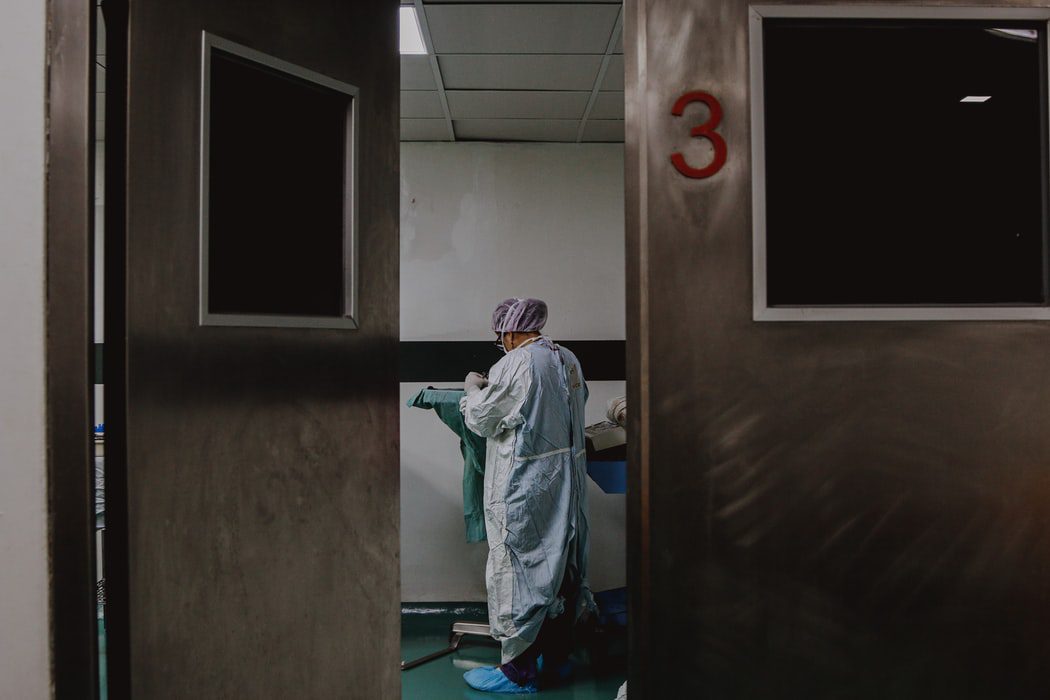
 Like many developing nations, the Dominican Republic suffered massively in several communities, due to COVID-19. While the virus’s impact does not discriminate against social class — the homeless and impoverished are inevitably the most vulnerable. Given that more than 40% of the country’s population lives below the poverty line, the severity of COVID-19 in the Dominican Republic is alarming.
The Statistics: Cases, Deaths and Hospitalizations
As of August 27, 2020, the Dominican Republic has approximately 92,964 confirmed cases and 1,630 deaths. In the nation, “the fatality rate for COVID-19 is 1.79% while positivity is around 29.64%.” Recent reports suggest about 7,000 hospitalizations and 19,600 patients requiring self-isolation. To date, roughly 64,347 patients have recovered.
The World Bank Assists
At the beginning of April 2020, the World Bank responded to a request from the government of the Dominican Republic. This agreement released $150 million to provide funds to help manage and contain the spread of COVID-19 in the Dominican Republic. Despite this financial supplementation, the nation’s cases eventually reached a peak in late July, days after declaring a second state of emergency. On August 18, 2020, the government held a conference called “Plan Para Enfrentar la Emergencia del COVID-19” or “The Plan to Deal with the COVID-19 Emergency.”
Here, the Ministry of Public Health announced that they are supplementing an additional 15,000 million pesos (totaling 66,000 from the original 51,000) toward the public health budget for the months of September–December 2020. The goal of this funding is to prevent an increase in contractions while providing sufficient healthcare attention to those already infected. They have also granted 2,000 previously uncovered Dominicans with health insurance. This statement was further elaborated; supporting that, if they test positive, any Dominican will receive the required medical assistance as needed. To track the spread and provide ample medical care, hospitals will perform 7,000 tests daily, instead of the regularly completed 3,000. They also plan to properly equip ten separate laboratories with PCR testing around the country.
More Governmental Initiatives
Additionally, the Ministry of Public Health has hired and trained 1,000 unemployed medical experts to facilitate treatment in hospitals. Also, they are planning to provide a 20% increase in available hospital beds by August 30, 2020. At the conference, president Luis Abinader urged for cooperation among the entire nation. Besides the school closures, mask requirements and level four travel advisory, the strength of the country against the virus depends on the collaboration of all individuals following mandated protocols.
However, the lack of adherence to guidelines has been noted frequently. Namely, in the less affluent communities, many are not following the strict curfews put in place. Instead, this disobedience leads to overcrowding in police stations; eliminating safe social distancing practices.
Oxfam’s Efforts
Oxfam International, a nonprofit organization committed to aiding developing nations in times of humanitarian crisis, has contributed greatly to alleviate the impact of COVID-19 in the Dominican Republic. Their main effort is to grant financial assistance to those that have been temporarily unemployed due to the pandemic. They are prioritizing this aspect of the crisis because 50% of the population has experienced a cut or complete loss of income. Based on donations, they have been able to provide over 4,000 families with money transfers — enabling them to cover the costs of fundamental needs.
Camila Minerva Rodriguez, the Oxfam program director in the Dominican Republic, explains the additional installment of food voucher initiatives. During one day in northern Santo Domingo, she was able to provide 58 families with food vouchers, helping them afford grocery expenses.
In all, Oxfam’s efforts are aiding one specific, yet essential part of the daily struggles faced by Dominicans, caused by the COVID-19 pandemic.
– Samantha Acevedo-Hernandez
Photo: Flickr

Improving Food Security in Africa with ZeroFly Storage Bags
Understanding Post-Harvest Loss
Recent efforts geared toward improving food security in Africa have revealed the key causes of food insecurity. In Kenya, perhaps most alarming is the country’s high rate of post-harvest food loss. While food waste refers to edible food that is thrown away, food loss refers to food that is not even edible for human consumption. In Kenya alone, 20% of grain cereals are lost after harvest. Specifically an estimated 12% of maize ends up as post-harvest loss. This is an astounding figure for a region that relies heavily on agriculture as a primary food source.
Furthermore, Kenya is a model for other countries in the region, which exposes the depth of food insecurity in Africa. While Kenya has begun to address this issue, post-harvest food loss still contributes to food insecurity throughout sub-Saharan Africa. Thirty-three million smallholder farms are responsible for producing up to 90% of the food supply in some Sub-Saharan African countries. Despite these millions of farmers, however, post-harvest losses lead to severe food shortages. While grain loss can equal up to 20% of supply, up to half of fruits and vegetables do not even make it to the marketplace.
Improving Food Security in Africa by Overcoming Food Loss
Post-harvest food losses result from a lack of food safety measures, inadequate sanitation and poor storage methods. The methods taken so far to combat these issues are expensive. These include regular pesticide treatments, which are time-consuming, dangerous and questionably successful. As such, sub-Saharan Africa still loses $4 billion a year as a result of post-harvest food losses. The ZeroFly Bag could drastically transform that number.
A recent technological invention, ZeroFly Storage Bags, works toward improving food security in Africa. Public health innovation company Vestergaard developed the product to ameliorate food storage methods. Embedded with FAO- and WHO-certified pesticide deltamethrin in its fibers, the ZeroFly Storage Bag protects the stored grain from insects. Because the bag slowly releases the pesticide over two years, it remains effective for at least that long. With pests unable to taint the quality of the food, these bags keep post-harvest food loss to a minimum.
Impact on a Global Scale
While this innovation is improving food security in Africa, it also has the potential to reduce poverty worldwide. Only two-thirds of food produced for human consumption actually make it to the marketplace. As 12.5% of people worldwide are without food, limiting post-harvest food loss can improve food security around the globe.
The ZeroFly Storage Bag could be an essential part of bettering both food security and poverty. For example, the World Bank estimates that a 1% reduction in post-harvest food losses would save $40 million. This could directly benefit smallholder farms. While many people in Africa and elsewhere struggle to access food, the ZeroFly Storage Bag is a sustainable solution to improving food security in Africa and around the world.
– Eliza Cochran
Photo: Flickr
Updates on SDG Goal 15 in Mauritius
The U.N. Sustainable Development Goal (SDG) 15, Life on Land, tracks each nation’s attempt to “protect, restore and promote sustainable use of terrestrial ecosystems, sustainably manage forests, combat desertification, and halt and reverse land degradation and halt biodiversity loss.” For this goal, Mauritius has the dire U.N. classification of “major challenges remain.” Still, valiant organizations are striving to protect the stunning species and ecosystems found in Mauritius. Here are four updates on SDG Goal 15 in Mauritius.
4 Updates on SDG Goal 15 in Mauritius
Moving Forward
Overall, the forecast for life on land and in Mauritius is grim. Biodiversity hotspots are severely threatened, leading to more species going extinct each year. Additionally, permanent deforestation decimates habitats, and Mauritians’ dependence on imports ravages native species. The country needs to make a concerted effort to save its amazing organisms and environments found nowhere else on Earth. Organizations like the Mauritian Wildlife Foundation are already doing this work, and they could use more international support if Mauritius is to progress on SDG Goal 15.
– Spencer Jacobs
Photo: Needpix
Homelessness in Somalia
What do people tend to think about when they first hear the word “Somalia?” A Google search of Somalia would bring up pirates. Somalia is a small country off the coast of Africa and one of the poorest countries in the world with more than 50% of its population living in poverty. Poor living conditions and homelessness in Somalia afflict many of its citizens.
Somalia as of 2018
Government policy in Somalia is leaving the citizens out on the street. At the end of 2017, Somali government officials damaged around 3,000 homes in the city of Mogadishu. They used bulldozers to tear down houses and evicted people from their homes. In 2018, the government displaced more than 2 million people living in Somalia. Moreover, the number of homeless citizens in the nation reached millions.
Droughts have left the second-largest city in Somalia with hundreds of homeless children. Interviews with the children of Hargeisa revealed terrible conditions in which children left their homes due to neglect and loss of means. Moving from rural to urban cities has resulted in these children living on the street, addicted to smelling glue to ease the pain required to fight for their lives. The drought along with a lack of food, water and shelter has resulted in child death, every day in Somalia.
Homelessness in Somalia
Somalia is in grave need of humanitarian aid. Whether due to droughts, violence or politics — millions of Somali citizens have been displaced from their homes. Homelessness in Somalia has progressively become a more urgent issue. In October of 2019, flooding washed away thousands of homes, separating families. Another factor affecting homelessness in Somalia is the migration of citizens from rural areas to cities. People moving into urban areas are settling in tents with little protection.
Poor sanitation is also a significant issue in Somalia. The lack of proper housing combined with a lack of water and food can increase the risk of disease. The number of people affected by malnourishment in 2019 was in millions. Furthermore, this tragedy has a major effect on children. Malnourishment is one of the leading causes of death for 14% of children less than age five. The lack of humanitarian aid in Somalia is also causing citizens to flee from home and move toward urban housing. Those who choose to move, settle in “makeshift shelters” which increase their exposure to terrorism and abuse.
Hope for Somalia
Overall, homelessness in Somalia is the result of multiple factors. Violence and terrorism cause a majority of people to flee from their homes. Yet, forced evictions pose a major threat to families in the agricultural sector as well. Changing weather patterns and year-long droughts result in death, famine and the loss of homes. Political instability and regime changes are also an underlying cause of homelessness in Somalia.
On a more positive note, there is hope for the future of Somalia. In February of 2020, the World Bank announced it would normalize its relations with Somalia. This new relationship will go a long way in helping to grow the country politically, socially and economically. The World Bank is providing Somalia with grants of over $250 million to help reduce poverty. The grants will provide natural disaster recovery for citizens impacted by the droughts. In the same vein, these grants aim to increase security for families by improving education, the health system and providing basic, household utilities such as water.
– Hena Pejdah
Photo: Wikimedia Commons
COVID-19 in the Dominican Republic: Government Response
The Statistics: Cases, Deaths and Hospitalizations
As of August 27, 2020, the Dominican Republic has approximately 92,964 confirmed cases and 1,630 deaths. In the nation, “the fatality rate for COVID-19 is 1.79% while positivity is around 29.64%.” Recent reports suggest about 7,000 hospitalizations and 19,600 patients requiring self-isolation. To date, roughly 64,347 patients have recovered.
The World Bank Assists
At the beginning of April 2020, the World Bank responded to a request from the government of the Dominican Republic. This agreement released $150 million to provide funds to help manage and contain the spread of COVID-19 in the Dominican Republic. Despite this financial supplementation, the nation’s cases eventually reached a peak in late July, days after declaring a second state of emergency. On August 18, 2020, the government held a conference called “Plan Para Enfrentar la Emergencia del COVID-19” or “The Plan to Deal with the COVID-19 Emergency.”
Here, the Ministry of Public Health announced that they are supplementing an additional 15,000 million pesos (totaling 66,000 from the original 51,000) toward the public health budget for the months of September–December 2020. The goal of this funding is to prevent an increase in contractions while providing sufficient healthcare attention to those already infected. They have also granted 2,000 previously uncovered Dominicans with health insurance. This statement was further elaborated; supporting that, if they test positive, any Dominican will receive the required medical assistance as needed. To track the spread and provide ample medical care, hospitals will perform 7,000 tests daily, instead of the regularly completed 3,000. They also plan to properly equip ten separate laboratories with PCR testing around the country.
More Governmental Initiatives
Additionally, the Ministry of Public Health has hired and trained 1,000 unemployed medical experts to facilitate treatment in hospitals. Also, they are planning to provide a 20% increase in available hospital beds by August 30, 2020. At the conference, president Luis Abinader urged for cooperation among the entire nation. Besides the school closures, mask requirements and level four travel advisory, the strength of the country against the virus depends on the collaboration of all individuals following mandated protocols.
However, the lack of adherence to guidelines has been noted frequently. Namely, in the less affluent communities, many are not following the strict curfews put in place. Instead, this disobedience leads to overcrowding in police stations; eliminating safe social distancing practices.
Oxfam’s Efforts
Oxfam International, a nonprofit organization committed to aiding developing nations in times of humanitarian crisis, has contributed greatly to alleviate the impact of COVID-19 in the Dominican Republic. Their main effort is to grant financial assistance to those that have been temporarily unemployed due to the pandemic. They are prioritizing this aspect of the crisis because 50% of the population has experienced a cut or complete loss of income. Based on donations, they have been able to provide over 4,000 families with money transfers — enabling them to cover the costs of fundamental needs.
Camila Minerva Rodriguez, the Oxfam program director in the Dominican Republic, explains the additional installment of food voucher initiatives. During one day in northern Santo Domingo, she was able to provide 58 families with food vouchers, helping them afford grocery expenses.
In all, Oxfam’s efforts are aiding one specific, yet essential part of the daily struggles faced by Dominicans, caused by the COVID-19 pandemic.
– Samantha Acevedo-Hernandez
Photo: Flickr
Entrepreneurial Spirit in Developing Countries: Providing Goods and Jobs
All About Kountable
Kountable is a global trade organization that aims to interrupt generational poverty in developing countries by overcoming financial obstacles. It is these barriers that are hindering the fruition of small companies. Kountable provides funding and professional development opportunities to small and medium-sized enterprises (SMEs) that would otherwise lack access to the global market economy due to institutional barriers.
By combining “local knowledge with global expertise,” Kountable connects and fosters trade relationships between “large global suppliers… local SMEs, logistics providers, banks, and buyers from government, NGOs, and the largest multilateral institutions and foundations”.
The goal is to “bring the right goods to the right places on time” says Kountable President and Co-founder, Catherine Nomura. Another valuable aspect of Kountable is the multifaceted nature of its approach. For example, the organization collaborates with micro, small and medium-sized enterprises (MSMEs) in many industries — including healthcare, education and information and communications technology.
Financial Opportunities for MSMEs
Julian Kyula, entrepreneur and founder of MODE (Mobile Decisions) from Nairobi, Kenya, explains the challenges faced by SMEs in Sub-Saharan Africa and how Kountable’s strategy can reduce poverty. Kyula founded MODE in 2010 as a technology platform cooperating with telephone companies to distribute small mobile loans. While Kyula was fortunate to overcome financial obstacles, he reveals that, since banks do not often invest in startup businesses, about 70% of MSMEs “in emerging markets lack access to credit” and are therefore unable to grow. These obstacles tend to stifle the entrepreneurial spirit in developing countries.
Furthermore, the overall lack of financial opportunities hits MSMEs especially hard in developing countries. This is because SMEs create on average, 70% of jobs in emerging markets. Also, they represent 90% of businesses worldwide. The global workforce is growing at a rate that would require an additional 600 million jobs by 2030. Importantly, SMEs are expected to be a prime supplier of these jobs.
Researchers define micro-enterprises as organizations consisting of less than 20 workers and associate these businesses with lower poverty rates, especially in rural areas. Smaller and medium-sized enterprises can provide job opportunities and mobility within the workforce. SMEs benefit local communities, unlike massive corporations that often move to rural towns but lack the structural systems to lift regions from poverty into economic prosperity. Representing another reason that the entrepreneurial spirit in developing countries is so important for poverty reduction.
COVID-19 Challenges
Amid the Covid-19 pandemic, another challenge small businesses face is acquiring the U.S. dollars needed to secure essential health goods (PPE equipment, ventilators, masks, testing materials, hospital beds, etc.). Kountable identifies this currency struggle as the “trade before the trade,” and its commitment to funding MSMEs helps small businesses avoid this particular challenge.
The Doing Business in Africa Award
Kountable recently won runner-up for NABC’s 2018 Doing Business in Africa Award, making history by being the first, global trade network ever nominated for this award. Kountable’s success in delivering goods and employment to emerging markets has confirmed its credibility as an innovative solution. Alleviating global poverty and generating wealth by supporting small businesses.
– Nye Day
Photo: Wikimedia Commons
Slum Reform in Colombia: 3 Ways Medellín Reformed Its Slums
3 Ways Medellín Reformed Its Slums
A Model for Success
Medellín is an example of successful slum reform in Colombia. The property prices of homes in the slums have risen and tourism has surged as a result of the new transportation and beautification measures. Also, as the former murder capital of the world, Medellín’s key goal was to reduce homicide. By 2012, in just eight short years, the murder rate reduced 50% to 0.05%. For comparison, this figure is less than New Orleans’s at 0.075% murder rate. Medellín is an example for many other communities around the world. In Latin America, for example, more than 80% of the population lives in cities and as the population grows, space per person reduces. This translates into growing slums. With the help of innovative ideas such as those from Medellín — communities can reform their slums and help improve the lives of those living in poverty.
– Seona Maskara
Photo: Wikimedia
Improving Water Supply in Palestine
Water is an extremely important resource in Palestine; yet, its inhabitants struggle to obtain adequate amounts of it to survive. When Palestine and Israel signed the Oslo Accords, Palestinians were to receive a certain degree of water access. However, the population of Palestine has doubled since the Oslo Accords came into play. Despite its growing population, Palestine retains the same amount of water access as in 1995. This is troublesome, considering the Oslo Accords’ purpose was to guarantee Palestinians’ water supply would increase to about 200 million cubic meters by 2000. The current amount of water access the Palestinian people have is simply insufficient. In the face of this dire situation, various international organizations are working on improving the water supply in Palestine.
United States Agency for International Development (USAID)
One organization that has assisted Palestinians for some time now is the international development agency, USAID. Since 1994, the group has been committed to improving Palestinian infrastructure. One of the agency’s key successes in improving water resources in Palestine was the upgrading of water distribution networks. This resulted in access to clean water for about 310,000 people as of 2014.
Since 1994, USAID has drilled or refurbished 17 wells and installed 900 kilometers of water pipelines. In addition to helping residents meet basic human needs, USAID initiatives have improved the state’s economy. In total, the organization’s accessibility efforts have provided 1,300,000 days of employment for Palestinians.
United Nations Development Programme (UNDP)
The United Nations Development Programme has also been improving the water supply in Palestine. One example of the program’s support is in the Palestinian city of Rafah. Here, only 7% of water is utilized for domestic use as defined by the World Health Organization. Fortunately, the UNDP aided these Palestinians by building a 3000-cubic-meter water tank. This water tank has raised the water supply for about 50% of the city’s population. To date, the UNDP has conducted 200 other projects aimed at improving water supply in Palestine.
The UNDP has also initiated its Emergency Water Supply and Rehabilitation Programme. Many of the ongoing improvements have helped people in Rafah. Moreover, the Tel Al Sultan area, near Rafah, has seen boosts in its water supply as well. For example, 75,000 people living in the area have access to a reliable water supply for about 12 hours per day. This stands in stark contrast to previous statistics of half that amount, provided every three days. Another city the Emergency Water Supply and Rehabilitation Programme reaches is Beit Hanoun. About 70,000 Palestinians in this area now have a reliable source of water due to the implementation of two water tanks. Both tanks fairly distribute water from wells throughout the city. Finally, the UNDP has installed 10,000 meters of a new and improved water network that will prevent pipeline contamination.
Hope Flows
While Palestinians still struggle to obtain the water resources that they need, they have received crucial assistance from international organizations like USAID and UNDP. As Palestine continues receiving this beneficial assistance and reaps the subsequent health and economic benefits, there is hope that this state will soon provide clean water to all of its inhabitants.
Photo: Flikr
5 New Bills To Improve US Foreign Aid
5 New Bills to Improve US Foreign Aid
Making an Impact
With more power and financing than many other countries, the U.S. is in a unique position to influence the economies and governments of developing nations. Through passing these bills to improve U.S. foreign aid and support, the nation can leave a lasting, positive impact on people living in poverty around the world.
– Megan Ha
Photo: Flickr
Poverty in Tunisia After the Arab Spring
Tunisia stands as the only Arab country to have undergone democratization due to the Arab Spring protests that shook the region in the 2010s. Fueled by widespread poverty and a low standard of living, along with many other factors, the nearly month-long campaign of civil disobedience led to the ousting of President Zine El Abidine Ben Ali. However, installing a functioning democracy has not alleviated all of the problems that Tunisians faced pre-revolution.
The Jasmine Revolution
In December of 2010, Mohammed Bouazizi, a Sidi Bouzid fruit vendor whose goods had recently been confiscated by the local authority, self-immolated outside of the local governor’s office. His sentiments echoed amongst many frustrated with poverty in Tunisia, corruption and the suppression of freedoms. Leading up to the revolution, an increasing number of middle-class citizens expressed dissatisfaction with their living standards. Despite an approximate 7% increase in GDP per capita from 2008 to 2010, the percentage of the country’s middle class that rated themselves satisfied with their current and future prospects dropped from 24% to 14%. Due to other factors such as government corruption, which is not accurately reflected by metrics like GDP, Tunisians felt as if they had little to gain from their country’s economic growth. As a result of these factors, many Tunisians took to the streets soon after Bouazizi’s defiance act.
As riots escalated and protestors were dying under live fire from police, President Ben Ali appeared on national television and made some concessions, reducing food prices and internet usage restrictions. These remarks proved too little too late, however, and the protests continued. By January 14, state media reported the dissolution of Ben Ali’s regime and the establishment of legislative elections. As unrest continued, Ben Ali fled the country. While new leadership took the reformed government’s reins, unrest continued as many of these new politicians were once members of Ben Ali’s Democratic Constitutional Rally. Eventually, Mohammed Ghannouchi, the acting prime minister, announced several figures from other parties in the interim government. He also reemphasized the new government’s pledged efforts to maintain economic prosperity and freer speech. Eventually, the Democratic Constitutional Rally dissolved in the face of continued protests over the inclusion of politicians from the old regime. These reforms within the Tunisian government stood as one of the major catalysts for the Arab Spring protests, a series of demonstrations across the Arab world that demanded alterations to many standing regimes.
Fundamental Changes?
While the Tunisian government changed drastically in the face of civil uprising, Tunisian citizens still face some of the issues that plagued them prior. Socially, there has been continued strife between Islamism and secularism in the country, with violence spreading throughout the country in 2012 regarding the connections between religion and government. While secular parties have slightly outpaced Islamist parties, there have been problems with fundamentalist violence both domestically and abroad—Tunisians have joined terrorist organizations such as ISIS in Syria, Iraq and Lybia, making up large percentages of their foreign recruits. Additionally, terrorist groups have staged attacks on Tunisian soil, attacking institutions such as museums and resorts.
Economic troubles have also challenged Tunisians—since 2011, nearly 100,000 highly skilled workers and professionals have migrated out of the country. Despite the changes in government, unemployment is still a significant issue. Nearly 23% of university graduates were unemployed right before the onset of the revolution. That figure has since risen to 29%. Government corruption and protracted bureaucracy have done less than initially desired in helping the Tunisian middle and lower classes. Unfortunately, some Tunisians have started to doubt the new government’s effectiveness, with only 46% saying that “democracy is preferable to any other kind of government” in 2018, dropping from 71% in 2013. Moreover, there has been some support from the international community in alleviating these issues.
The International Labour Organization
A wing of the United Nations, the International Labour Organization has devoted resources towards alleviating some of the poverty in Tunisia and societal issues facing Tunisians. Some initiatives include construction projects, such as a covered market in Sidi Bouzid. These initiatives provide vendors more favorable conditions to sell their goods and provide construction workers with employment. In Regueb, a village near Sidi Bouzid, the ILO implemented the Programme to Support the Development of Underprivileged Areas, providing around 100 individuals with agricultural skills. Mahmoud Ben Romdhane, the Tunisian Minister of Social Affairs, has endorsed the collaboration of local organizations and the ILO in improving the conditions of Tunisian citizens.
Many challenges face Tunisians in the near future in alleviating the societal and economic issues that stand before the country. However, the success of Tunisians in standing for a reformed government inspired generations across the world. With support from the international community and dedication within the country, a bright future may lie ahead in alleviating poverty in Tunisia.
– Samuel Levine
Photo: Flickr
Poverty Eradication in Rwanda: Four Crucial Programs
Rwanda has one of the fastest developing economies in Africa. This economic development depends greatly on poverty eradication in all parts of the country. Over the past 20 years, the Rwandan government has partnered with a number of organizations to start initiatives geared towards poverty eradication in Rwanda. These programs would help the poor by reaching the needs of local communities. Here are four initiatives meant to help end poverty in Rwanda.
Four Programs That Will Solve Poverty Eradication in Rwanda
These poverty eradication programs have shown great results over the years. They reached many remote communities that are often forgotten. With the spread of technology in the country, the coming years promise better numbers on this journey of poverty eradication in Rwanda.
– Renova Uwingabire
Photo: Flickr