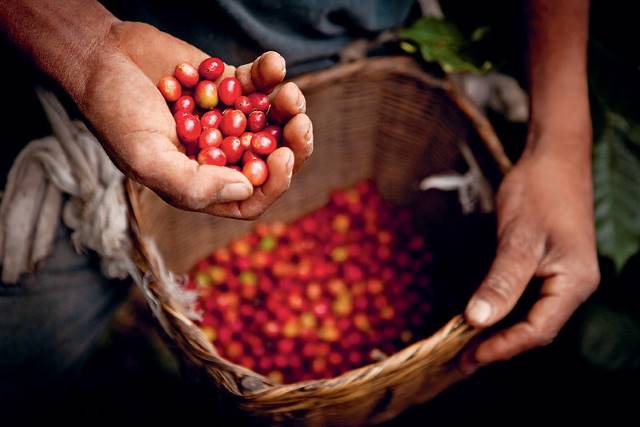
Mexico struggles with multiple food-related health issues that range from malnutrition to obesity. Many families do not have access to the proper nutrients that their bodies need. However, this is not because of a lack of resources but rather because they cannot afford the available food. Approximately 36% of Mexicans are poor, with 7% in extreme poverty, making hunger in Mexico a significant problem.
A Failed Crusade Against Hunger
Almost 22 years ago, in January 2013, and in the face of over seven million Mexicans living in extreme poverty, President Peña Nieto created the National Crusade Against Hunger. The program was designed not only to fight poverty and hunger in Mexico but also to completely eradicate both. The program centered around five main objectives: to achieve zero hunger through adequate food provisions, improve child nutrition rates, increase monetary income and food production for rural farmers, minimize food loss during transportation and promote internal community awareness. The Crusade allowed Mexicans in local communities to choose what objectives they wanted to focus on. The hope was for the program to address the diverse needs of varying regions.
However, two years after the Crusade began, Mexico’s National Council for the Evaluation of Social Development Policy observed that it had made no substantial progress towards the five listed goals. Additionally, the Federal Auditor’s Office found that the program only covered approximately 60% of the population. Moreover, those that the program did cover failed to report adequate data on the aid received. After advising that the program be shut down in 2018, the Federal Auditor’s Office labeled the Crusade a failure.
The Hunger Project
The Hunger Project (THP) has been a long-time supporter of hunger reduction efforts in Mexico, having worked with the people of Mexico for over 30 years. (As a prominent Mexican citizen, Mexico’s country director of The Hunger Project had participated in the activities of the Crusade). By providing training, education and monetary support, THP aims to teach communities how to take care of themselves long-term. In 2024, THP is particularly targeting indigenous and marginalized communities in rural areas, working to bring them to self-reliance. The current recipients include elderly indigenous women entrepreneurs, indigenous girls and adolescents, mothers, children under 5 and families, as well as indigenous men. Their work includes nutrition intervention, “indigenizing” food systems, training to build sustainable food security and Eat Well programs.
Global FoodBanking
In 2023, Mexico’s network of (56) food banks (Red de Bancos de Alimentos de Mexico, BAMX), a certified member of the Global FoodBanking Network, served almost 2.5 million people (over 847,000 children) and supported over 2,000 community service agencies with over 70,000 volunteers. GFN focuses worldwide on solving challenges to food security, hunger and sustainability.
Saving Food, Reducing Hunger
Roadrunner Food Bank, established in 1979 in Albuquerque, New Mexico, is the largest food bank in the state and a member of Feeding America. In the summer of 2024, RFB signed an agreement with BAMX to establish the International Food Exchange Project. Through a food rescue process, millions of pounds of quality but “unsaleable” fruits and vegetables that would otherwise be unused and wasted, will have an outlet, first through BAMX food banks, with any excess going to southwestern U.S. food banks. Says Dana Yost, president and CEO of RFB, “[T]he big win is that it increases nutritious food access to people facing hunger whether they live here [New Mexico] or in Mexico. After all, hunger has no border.” The process will include the participation of growers, producers, exporters and other partners. One task will be to identify donor support and funding needs. The project is currently a pilot effort, but the intention is eventually to create a guide to the project that will allow it to expand. While food rescue and food sharing are not new concepts, this is the “first of a kind” arrangement between binational food banks and can become a model for similar efforts between other countries.
– Staff Reports
Photo: Flickr
Updated: October 28, 2024

Understanding Women’s Rights in Turkey
A Brief History of Women’s Rights in Turkey
Women’s rights in Turkey have come a long way since initial equality legislation in 1923. By the 1980s, women’s rights movements had gained more momentum when the Turkish government responded to protests regarding violence against women. In 1985, Turkey ratified the Convention on the Elimination of All Forms of Discrimination Against Women (CEDAW), thus giving women’s rights issues the political focus they deserve. Through the 1990s, the passage of laws to protect domestic violence survivors granted more fundamental rights to women. However, the Turkish government did not stop there in their fight for women’s rights.
In 2011, the Republic of Turkey—along with many other European countries—drafted and signed a resolution known as the Istanbul Convention to further solidify and protect women’s rights. This resolution provided strict legal action against those who committed violence towards women. The status of women’s rights in Turkey has improved significantly since 1923, but the existence of said rights are currently at stake.
Women’s Rights Today
On August 13, 2019, Turkish President Recep Tayyip Erdoğan stated the government’s plans to withdraw from the Istanbul Convention altogether. Erdoğan explained that the convention’s resolution, “puts a dynamite on the foundation of the family” and is “not legitimate”. His decision has sparked outrage among women’s rights supporters in Turkey as this convention was a major milestone for women’s equality not only in Europe but across the world. Many have taken to the streets to protest Erdoğan’s declaration, but this has not reversed his proposal.
Turkey’s femicide rates have also increased in recent years. Femicide is known broadly as the murder of women and girls, and more specifically is the intentional killing of women simply because they are women. In 2019, 417 women were killed in domestic violence incidents and in 2020, 207 women were killed in homicides. This rise in femicide rates is attributable to both domestic violence and “honor killings”. Honor killings are when relatives or partners kill a loved one if they feel they’ve dishonored them in some way. Turkey has seen an increased rise in honor killings since 2018.
Won’t Back Down
Worldwide domestic violence against women has increased significantly amidst the COVID-19 pandemic—and Turkey is no exception. The recent femicide of 27-year-old college student Pınar Gültekin sparked outrage among women’s rights advocates in Turkey. Many have taken to the streets to call attention to rising femicide rates and domestic violence against women. Protests against President Erdoğan’s decision to withdraw from the Istanbul Convention have also reignited in the aftermath of Gültekin’s murder.
Today, activists in Turkey are continuing to support organizations and campaigns working to strengthen and protect women’s rights. There is still much work to do to ensure to protect women’s rights in Turkey.
– Sadat Tashin
Photo: Flickr
Innovations in Poverty Eradication in Rwanda
Rwanda is a low-income country in East Africa with a population of 12.6 million as of 2019. The World Bank and the IMF have supported Rwanda’s economic development, which has been remarkable throughout the past decade. Following years of conflict that destabilized national progress, particularly the 1990-1994 genocide that claimed almost 1 million lives, there have been exemplary innovations in poverty eradication in Rwanda.
In 2013, the Government of Rwanda drew its second Economic Development and Poverty Reduction Strategy (EDPRS II) as part of its Vision 2020 for socio-economic transformation, which included targets of a GDP growth of 11.5% and a 20% reduction in poverty levels. The Vision 2020 also aimed for an annual creation of 200,000 new jobs, 50% of them in non-agricultural sectors. The Government also founded the Rwanda Development Board (RDB) to further drive economic development. In 2019, RDB recorded $2.46 billion USD in investment commitments to Rwanda, with the U.S. being the top investor. Energy, water, manufacturing and the service industry attracted the highest investment. Notably, 46.5% of people in Rwanda were employed as of November 2019 with 61% of the total workforce in the agricultural sector. Here are some of the effective innovations in poverty eradication in Rwanda.
4 Innovations in Poverty Eradication in Rwanda
Prospects
Rwanda aims to become a middle-income country by 2035 and a high-income country by 2050. In its Vision 2050, the RDB’s National Skills Development and Employment Promotion Strategy seeks to boost investment in the country, advance skills in the workforce and build on emerging technologies all to transform Rwanda’s socioeconomic status. The World Bank Group projected Rwanda’s annual GDP growth rate to be at 6.9% in 2021 in comparison to a low of 2% in 2020 from a high of 9.4% in 2019. Through the innovations in poverty eradication in Rwanda, the country’s socio-economic status should keep growing.
– Beth Warūgūrū Hinga
Photo: Pixabay
Tackling Child Poverty in Poland
In 2016, child poverty in Poland was at a rate of 24.2%. The next year, the percentage of child poverty in Poland dropped to 17.9.
The Family 500+ Program
Although child poverty in Poland is declining, the country ranks in the middle among other E.U. countries. In large part, the country can thank the social policies that the Polish government has adopted, especially the Family 500+ program. This program benefits children where families with two or more children under the age of 18 receive PLN 500 per child monthly, regardless of income. Families with lower incomes receive the benefit for their first child as well. The program boosted additional financial support to about 12% of the average gross wage in 2016. The program shows a great increase in transfers to households living in poverty, as by design, it emerged to be supplementary to other social assistance programs and family benefits.
How the Program Helps
Although the World Bank has argued that the Family 500+ program could create undesirable outcomes, like female labor force participation, which would inhibit fertility rates within the country, the Family 500+ program is a tremendous aid to children in poverty in Poland. For instance, the Family 500+ program covers an estimated 55% of all children in Poland who fulfill the age requirement of being under the age of 18. Meanwhile, by the end of February 2017, the Family 500+ program covered more than 3.82 million children under the age of 18, totaling PLN 21 billion. This shows the Polish government’s commitment to alleviating child poverty in Poland, as the program has contributed to a dramatic increase in the government’s spending on children.
In addition to Poland’s new family benefits program that it launched in order to alleviate child poverty in Poland, the country has also increased efforts to boost birth rates through the program. According to a Eurostat report in 2015, Poland had one of the lowest fertility rates in Europe at a rate of 1.32 children per woman, placing Poland at the second-lowest, right after Portugal.
Success at Reducing Child Poverty in Poland
In a recent Oxfam report, which is an international charity based in Oxford, Poland placed 26th in the world for fighting inequality. In spite of this, Oxfam ranked Poland the best at utilizing social spending to fight poverty and alleviating child poverty in Poland. In fact, estimates have determined that Poland’s child poverty rate will reduce by 76%, because of the program’s cash transfers. Statistics Office shows a 13% to 15% increase in childbirth, as recorded in December 2016 and January 2017. Not only that, after the program’s introduction, rates of consumption and saving have increased and debt levels have decreased. This shows an increase in income which could, in effect, help to alleviate poverty in Poland as a whole.
The Family 500+ program proves to be a significant tool in eliminating child poverty in Poland.
– Danielle Lindenbaum
Photo: Flickr
Elevate in Uganda for Education Accountability
How Elevate is Improving Education
Elevate’s interventions are increasing the accountability of schools. The community influences the attendance of students as well as facilitates the conduction of teachers. Schools have more responsibility through parental involvement, leading to higher standards in Ugandan education. By engaging the entire community, Elevate makes everyone a part of the solution.
Getting to the Roots
Additionally, Elevate monitors and works with schools that are already established in Uganda. It has become apparent that the problem does not only lie within the confines of the school. Parents who are unaware of the gains that come from education and are unequipped to make the necessary improvements needed in the school often end up unengaged with their child’s education. Many parents of children attending Ugandan government-run schools don’t even know the teacher’s name.
SMC and Scorecard Systems
Furthermore, Elevate initiates community engagement by gathering over 60 members of the community for a meeting. It also provides training in the development of a School Management Committee to recognize significant issues concerning the school. A scorecard keeps track of school quality in areas that need improvement. This scorecard is accessible to the District Education Officer (DEO). It is also an incentive to improve upon. Elevate may introduce the community to these revolutionary actions. To achieve a lasting solution, a trained community representative keeps these programs up every year.
Elevate and COVID-19
From a recent study that included participants that were headteachers of Ugandan schools, Elevate continues to impact education in Uganda during COVID-19 positively. Eighty-eight headteachers were contacted to contribute to a study that revealed the impressive impact of Elevate. This happened after all the school shutdowns of the pandemic. The differences in schools and communities that received intervention from Elevate compared to those who did not receive intervention provide a look into the organization’s sustainable solutions.
Three of the 88 teachers managed to maintain communication with students after the schools closed. All of them were teachers who took part in the intervention program initiated by Elevate. They had fewer dropout rates after the schools closed compared to those who were not associated with Elevate. Within the communities that Elevate affected, members reported much more trust in the headteachers over those who did not receive interventions from Elevate. Headteachers associated with Elevate’s program felt that their role in the community was meaningful during the pandemic.
Overall, Elevate inspires members of each community that it contributes to by helping them realize their voice, their role and their ability to take part in their children’s success. The organization sheds light on the power in unity that lies within communities even as they face poverty.
– Amy Schlagel
Photo: Flickr
HIV in Madagascar and the Responses
HIV/AIDS Statistics in Madagascar
Around 5.5% of the 191,200 sex workers in Madagascar are living with HIV. About 14.9% of the estimated 17,000 men who have sex with men living with HIV and around 57.2% use condoms. Approximately 5% of women and about 13% of men in Madagascar use condoms. Around 13% of adults and children in Madagascar receive antiretroviral therapy (ART) coverage, and about 25% of pregnant women receive ART. Among children up to the age of 14, around 9% receive ART. Less than 25% of people living with HIV in Madagascar are aware of their status. Among the population of ages 15 to 24, about 24.1% have awareness about HIV prevention.
Stigma
Many factors lead to HIV in Madagascar, such as high poverty levels, education rates, lack of awareness of HIV prevention and limited access to treatment. Many of those living with HIV not only face the direct consequences of the virus but the impact of stigma and potential discrimination due to testing positive. Lack of knowledge about the transmission of HIV leads to this stigma.
Often people living with HIV will avoid being tested due to a fear of stigma. According to data gathered in Madagascar from the Joint United Nations Program on HIV/AIDS (UNAIDS), when asked the question, “Would you buy fresh vegetables from a shopkeeper or vendor if you knew that this person had HIV?” 63.4% responded no. HIV stigma is a prevalent issue in the country. However, education on how to prevent HIV can solve the problem.
Project Mitao Responds to HIV/AIDS in Madagascar
Additionally, in the Anosy region of Madagascar, over 90% of the population has not been tested for HIV. Therefore, Sustainable Environment, Education & Development in Madagascar (SEED), a British charity, created Project Mitao in support of people in the Anosy region. Through Project Mitao, SEED Madagascar conducts research to gain a better understanding of healthcare in the area. SEED Madagascar found that 64% of high school students lack knowledge of using a condom correctly. Moreover, Project Mitao is to educate the youth of the region and guide them in HIV prevention.
USAID, UNAID and UNICEF
Furthermore, Madagascar also relies on foreign support as a solution to HIV. In 2012, the United States Agency for International Development (USAID) provided $60 million for a health program, including HIV prevention and treatment. USAID is also supporting HIV/AIDS programs to influence behavior change, such as increasing the use of condoms to decrease the prevalence of HIV in Madagascar.
UNAIDS and UNICEF created the All In! to #EndAdolescentAIDS plan to reduce AIDS-related deaths and the number of HIV cases among adolescents. Doing this would eventually achieve the goal of ending the AIDS epidemic by 2030. AIDS is a leading cause of death among the youth in Africa. Therefore, All aims to improve the quality of healthcare in its approach to testing and treating HIV. Also, All In plans on addressing discrimination against those living with HIV to make care more accessible.
– Zoë Nichols
Photo: Flickr
Healthcare in Thailand: Bridging the Gap
Thailand is a country of hundreds of islands in Southeast Asia with a population of nearly 70 million people. Thailand has a history of political instability and economic uncertainty along with rising poverty rates. However, the country has made great strides to improve its healthcare. Nearly 7 million of Thailand’s citizens live in poverty and a wealthy few control a large majority of the country’s wealth. With one of the most extreme wealth gaps in the world, universal healthcare in Thailand creates a meaningful movement toward equality for all its citizens.
Switching to Universal Health Coverage (UHC)
In 2002, Thailand made the transition from a combination of various healthcare policies to an all-encompassing, universal health coverage (UHC) system. Under the UHC system, every Thai citizen is entitled to health services — including preventative, curative and palliative care, at any age. Under this system, financial protection for high-cost services also improved.
Challenges in Financing the UHC System
Though universal health coverage in Thailand has allowed increased access for all ages and classes of citizens, the country still faces challenges with funding the program. The UHC system is a predominantly publicly funded program, meaning that it functions mainly through taxation. Because the nearly 7 million Thai citizens live no more than 20% above the poverty line, the UHC budget coming from taxes is relatively inflexible. Therefore, funding the growing demands for healthcare in Thailand often requires reaching into other public funds.
Access to preventative medicine has decreased the rates of many illnesses by keeping them from occurring in the first place. However, medical expenses in other categories are on the rise. As the average age of the population increases, healthcare in Thailand faces an influx in elderly patients needing more care. Unsafe road conditions and unenforced traffic laws in many regions also contribute to high rates of road accidents and result in excessive trauma cases. Also, air pollution in cities and extreme weather conditions in various regions across the many islands contribute to increased utilization of the UHC system. For the UHC system to be an equitable, effective and sustainable service for the country, other avenues of funding must be explored.
Challenges and Looking Ahead
Healthcare in Thailand has had many positive improvements since the national transition to universal coverage in 2001. Yet, like any system, it often faces continued challenges. The system is considered popular among lower-paid citizens that did not previously have access to care. Albeit, higher-income communities hold some distaste for the system due to increased access leading to more crowding in hospitals. Universal healthcare in Thailand has created a much more inclusive environment for the Thai people as it helps to bridge the immense wealth gap. A gap between the nearly 7 million living in poverty and the wealthy 1%.
Positive Impact of the UHC System
This alteration of the previous healthcare system has led to an increase in the utilization of health services and decreased the prevalence of unmet needs in the country. Overall, healthcare in Thailand is improving. Not only did rates of care increase with the introduction of the UHC system, but other metrics of improving healthcare also rose.
Life expectancy from birth rose from 71.8 years before the introduction of the UHC system, to 77.2 years in 2020. Infant mortality rates similarly fell from more than 100 per 1,000 births in 1970 to 7 per 1,000 births in 2020. As citizens have been able to access preventative care and more expensive intervention at lower personal cost, out-of-pocket spending on healthcare needs have decreased. Meanwhile, household savings increased. Though the switch to universal healthcare certainly faces challenges, it has created quantifiable positive change for millions living in Thailand.
– Jazmin Johnson
Photo: Unsplash
Women’s Rights in Zimbabwe: On the Road to Progress
Legal Rights
Concerning the official laws, the national government has made some progressive changes to its constitution and policies to improve women’s rights in Zimbabwe. The official Constitution of Zimbabwe promotes gender equality by stating that men and women are equal, as well as outlawing sex or gender-based discrimination and behavior.
Throughout the 2000s, lawmakers passed numerous pieces of legislation to protect women and girls. This legislation banned marital rape in 2006 and further, legislators passed another domestic violence act in 2007. The 2007 act outlawed many traditions considered harmful to women.
However, many of these laws remain disregarded in practice due to the format of Zimbabwe’s government. Most of the laws passed are statutory, but there are also customary laws that function on a smaller scale. It is common for obedience to customary laws to occur. Yet, often, citizens disregard statutory laws or there is little to no enforcement in the first place.
Child Marriage
One of the most concerning issues in women’s rights is the high rate of child marriage. Unfortunately, many under-aged girls find themselves in early marriages, typically by force. It is estimated that “one in four girls aged 15–19 are married.”
Most of these marriages occur because of the divide between statutory and customary law. Other than civil marriage, an additional two types of customary marriage exist: registered and unregistered. These latter two types often disregard child marriage laws and force young girls into marriage.
On a positive note, Zimbabwe’s government strives to end child marriage by 2030. Additionally, various organizations such as Girl Child Network and UNICEF have provided resources to help combat these forced marriages with successful outcomes.
Women in Politics
Zimbabwe has a patriarchal, societal system that often oppresses women in both the home and the workplace. Society expects these women to follow traditional, gender roles. Thus, encouragement for women to pursue careers in politics or other influential positions is scarce.
Zimbabwe formerly had a goal of “50% representation of women in all decision making bodies by 2015,” as women are greatly underrepresented in government. However, the country has not met these quotas. Women who announce a political campaign are often met with harassment, threats and other acts of violence. These pressures discourage women from running and even force some to end their campaigns, altogether.
One organization that strives to fight this issue is the Women in Politics Support Unit (WiPSU). Its main goal is to train and empower women in Zimbabwe to successfully run for office. To do so, WiPSU provides leadership-development workshops and other resources, as well as a group of supportive women to stand beside one another. This initiative has helped create successful campaigns and increased opportunities for women.
Looking Forward
While there is still an urgent need to improve women’s rights in Zimbabwe, it is also important to recognize the progress that has been made thus far. The women’s movement in Zimbabwe is strong and shows no sign of wavering as parties nationwide work to gain the gender equality promised by their constitution.
– Hannah Allbery
Photo: Flickr
Hunger in Mexico: The Continuing Fight
Mexico struggles with multiple food-related health issues that range from malnutrition to obesity. Many families do not have access to the proper nutrients that their bodies need. However, this is not because of a lack of resources but rather because they cannot afford the available food. Approximately 36% of Mexicans are poor, with 7% in extreme poverty, making hunger in Mexico a significant problem.
A Failed Crusade Against Hunger
Almost 22 years ago, in January 2013, and in the face of over seven million Mexicans living in extreme poverty, President Peña Nieto created the National Crusade Against Hunger. The program was designed not only to fight poverty and hunger in Mexico but also to completely eradicate both. The program centered around five main objectives: to achieve zero hunger through adequate food provisions, improve child nutrition rates, increase monetary income and food production for rural farmers, minimize food loss during transportation and promote internal community awareness. The Crusade allowed Mexicans in local communities to choose what objectives they wanted to focus on. The hope was for the program to address the diverse needs of varying regions.
However, two years after the Crusade began, Mexico’s National Council for the Evaluation of Social Development Policy observed that it had made no substantial progress towards the five listed goals. Additionally, the Federal Auditor’s Office found that the program only covered approximately 60% of the population. Moreover, those that the program did cover failed to report adequate data on the aid received. After advising that the program be shut down in 2018, the Federal Auditor’s Office labeled the Crusade a failure.
The Hunger Project
The Hunger Project (THP) has been a long-time supporter of hunger reduction efforts in Mexico, having worked with the people of Mexico for over 30 years. (As a prominent Mexican citizen, Mexico’s country director of The Hunger Project had participated in the activities of the Crusade). By providing training, education and monetary support, THP aims to teach communities how to take care of themselves long-term. In 2024, THP is particularly targeting indigenous and marginalized communities in rural areas, working to bring them to self-reliance. The current recipients include elderly indigenous women entrepreneurs, indigenous girls and adolescents, mothers, children under 5 and families, as well as indigenous men. Their work includes nutrition intervention, “indigenizing” food systems, training to build sustainable food security and Eat Well programs.
Global FoodBanking
In 2023, Mexico’s network of (56) food banks (Red de Bancos de Alimentos de Mexico, BAMX), a certified member of the Global FoodBanking Network, served almost 2.5 million people (over 847,000 children) and supported over 2,000 community service agencies with over 70,000 volunteers. GFN focuses worldwide on solving challenges to food security, hunger and sustainability.
Saving Food, Reducing Hunger
Roadrunner Food Bank, established in 1979 in Albuquerque, New Mexico, is the largest food bank in the state and a member of Feeding America. In the summer of 2024, RFB signed an agreement with BAMX to establish the International Food Exchange Project. Through a food rescue process, millions of pounds of quality but “unsaleable” fruits and vegetables that would otherwise be unused and wasted, will have an outlet, first through BAMX food banks, with any excess going to southwestern U.S. food banks. Says Dana Yost, president and CEO of RFB, “[T]he big win is that it increases nutritious food access to people facing hunger whether they live here [New Mexico] or in Mexico. After all, hunger has no border.” The process will include the participation of growers, producers, exporters and other partners. One task will be to identify donor support and funding needs. The project is currently a pilot effort, but the intention is eventually to create a guide to the project that will allow it to expand. While food rescue and food sharing are not new concepts, this is the “first of a kind” arrangement between binational food banks and can become a model for similar efforts between other countries.
– Staff Reports
Photo: Flickr
Updated: October 28, 2024
What to Know about Maternal Health in Peru
A Look at the Numbers
In 1990, statistics were released that showed the under-five mortality rate of children to be a staggering 80.3 per 1,000 live births in Peru. The maternal death rate was 200 deaths per 100,000 live births. These statistics were both among the highest in South America. The Peruvian government and the greater world quickly recognized a need to step in. They needed to create change in the quality of maternal healthcare in the country. Two primary programs helped lead the fight for improving conditions for women and maternal health in Peru between 1990 and today.
Mothers Matter
In 2006, CARE ran a crucial case study and program to benefit the health of mothers in Peru called Mothers Matter. The program sought to protect the lives of women through a combination of implementing family planning education. It also provided well-trained medical professionals in obstetrics and postpartum care and addressed big-picture concerns in Peru’s health policy.
As part of the Mothers Matter program created by CARE, the organization partnered with Columbia University. It did this to create The Foundations to Enhance Management of Maternal Emergencies (FEMME). Through FEMME, the organization reduced maternal deaths by 50% in a region of Peru called Ayacucho, one of the poorest in the country. FEMME was driven by eight central goals including standardizing obstetric care. The goals also included working with medical professionals to improve the use of referrals and creating new emergency guidelines for obstetric and newborn care. Throughout this program, the organization stressed a maintained focus guided by human rights.
PARSALUD
Additionally, in 2017, The World Bank reported helping to fund a program called PARSALUD. It aimed to support the Peruvian government and its goals to reform healthcare for women and children. The program successfully helped to improve family planning practices. It also improved healthcare services for women in need of pregnancy and postnatal care. The organization claims a 30% increase in hospital deliveries for women in rural areas. It also claims an increase of almost 50% of women attending a prenatal care visit before their second trimester.
Progress and Remaining Concerns
These organizations, the government and the resilience and dedication of citizens in Peru know they deserve better. As a result, the under-five mortality rate is now down to an all-time low for the country at 13.2 deaths per 1,000 live births. However, this is not the end of the story for maternal health in Peru.
The regions which are poorer, more rural and more populated by Indigenous people are still suffering more deaths. These deaths are due to improper health education and lack of access to safe facilities and competent care. They are also a result of language barriers between Indigenous and Spanish-speaking citizens. For example, according to recent reports, Puno, a primarily Indigenous area, maternal mortality is nearly 50% higher than the country’s average.
Overall, great strides have been made in the care for maternal health in Peru. Nonetheless, it will require continued efforts by everyone involved to bring proper health equity to the varying regions of the country and its mothers.
– Aradia Webb
Photo: Flickr
Educating Children To Become World Citizens
However, the subject of poverty can be a difficult concept for students to grasp. It is especially challenging for those who have no exposure to a world beyond their own. Teachers who feel passionate about exposing children to global poverty must consider the age of their students. Depending on the class’s age, teachers can determine the best methods and approaches for introducing such an important topic.
Potential Curriculums
Organizations Educating Children to Become Global Citizens
Exposure is critical when educating children to become world citizens. Introducing pertinent organizations and speakers who have been affected by global poverty or work closely in fighting it makes lessons come to life.
Hope for the Future
Children’s rising interest in international issues from an early age allows them to see the world from a different perspective. There has already been a lot of success in reducing global poverty. Yet, understanding challenges across the globe is often overlooked – even by people in wealthier countries that are given the luxury of education. By exposing children and allowing them to explore the world, teachers are educating children to become world citizens.
– Zoe Schlagel
Photo: Flickr