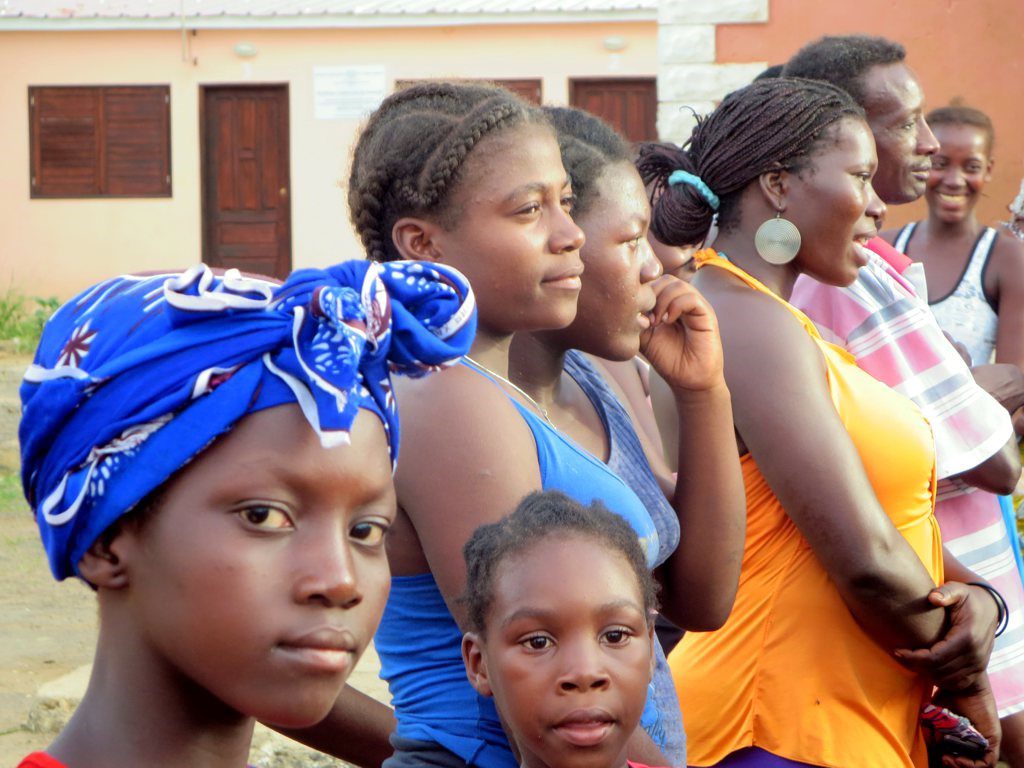
Sao Tome and Principe is a developing country located on the African west coast. More than two-thirds of the population of this small island state lives on under $3.20 a day and faces the effects of critical disease. However, many organizations are working with the country to fight the war against diseases in Sao Tome and Principe.
Common Diseases in Sao Tome and Principe
Three of the most common diseases in Sao Tome and Principe are tuberculosis (TB), malaria and human immunodeficiency virus (HIV).
TB is an airborne disease caused mainly by air droplets that someone infected with Mycobacterium tuberculosis transmits; it is endemic in Sao Tome and Principe. TB can cause various pulmonary symptoms and affect the lymphatic system, joints and even the central nervous system.
Malaria is a mosquito-borne disease; it is common in the country. Malaria can be very fatal to the victims and cause them to suffer from flu-like symptoms and high fevers.
Finally, HIV is a virus that attacks the immune system and can lead to dangerous acquired immunodeficiency symptoms (AIDS); it is still a significant problem in Sao Tome and Principe.
Key Players in Supporting Sao Tome and Principe
The United Nations Development Programme (UNDP) and the Global Fund have been key players in supporting the fight against diseases in Sao Tome and Principe. Since 2005, the organizations have funded the country in its efforts against HIV, TB and malaria.
Over the years, the organizations have spent $4.5 million for HIV, $3.9 million for TB and $25.4 million for malaria. Through this funding, the UNDP has been able to ally with the National TB Program to develop various treatment and education plans for patients. According to the World Health Organization (WHO), in 2016, there was a 63% decrease in TB mortality since 2000, a 95% detection rate for the disease and a 78% success rate in treating patients.
The UNDP also runs an HIV program; it supports those living with HIV and counsels populations who are at a higher risk for HIV about preventative actions. From 2008 to 2014, the prevalence rate of HIV among 15 to 49-year-olds declined from 1.5% to 0.5%. According to UNDP’s data from 2018, 249,700 people received counseling and HIV testing.
Sao Tome and Principe observed its greatest success in defeating malaria. Mortality rates from malaria have declined from 3.9 to 0.5 cases per 100,000 people. Although the Global Fund is no longer supporting the malaria program, it helped distribute 503,000 bed nets, reaching 100% of the population, and treated 56,800 cases of malaria according to UNDP in 2018. The incidence of malaria morbidity decreased from 65.5 to 11.3 cases per 1,000 people in the time frame between 2012 and 2016. Further, UNDP has granted approximately another $6 million to support the complete eradication of malaria and further control TB and HIV.
Others in the Fight to Eradicate Diseases in Sao Tome and Principe
Although UNDP and the Global Fund have been the major players in supporting the country, there are other groups that have helped toward the goal of eradication of critical diseases in Sao Tome and Principe. In 2015, Brazil spent over $500,000 to build a laboratory that would be focused on diagnosing and treating TB. This laboratory would ensure that the patients would receive quicker lab results and correct diagnoses.
Medical Care Development International, a nonprofit organization, has also taken up a project that will last from 2019-2023. It aims to bolster the ability of the military to provide HIV/AIDs care for its members and population in Gabon and Sao Tome and Principe. The project will increase its capacity to provide care in the military health facilities and laboratories.
A Ray of Hope for Sao Tome and Principe
Despite the dangers of malaria, TB and HIV, the people of Sao Tome and Principe can have hope in the fact that there are many international allies willing to provide support in their fight against these diseases. These common diseases in Sao Tome and Principe may still impose fatal effects on its victims; however, Sao Tome and Principe is not alone in its fight to protect its people.
– San Sung Kim
Photo: Flickr

The Ways That InnovaLab Fights Poverty
Guinea-Bissau is a country made up of 1.8 million people comprising diverse ethnic groups, different religions and languages. About half of the country’s populace lives in urban cities such as Bissau (the capital), and the other half of the population lives in rural areas and depends mostly on subsistence farming. The country, which was once a Portuguese colony, is currently one of the poorest countries in the world, struggles with a large foreign debt and has become a centerpiece for the trade of Latin American drugs. InnovaLab, a social enterprise based in Guinea-Bissau, is working to improve conditions in the country.
The Situation in Guinea-Bissau
According to an interview with a past missionary from BMS World Mission who served in Guinea (Guinea-Bissau’s neighboring country), the general West African populace faces many challenges to development. These challenges include the lack of access to sanitary water, lack of access to healthcare and the lack of social mobility. While there are some houses that had solar panels installed to conserve energy, this was not a norm. Most of the populace had to deal with power outages as and when they came.
Despite the country having an abundance of natural resources, Guinea-Bissau faces a chicken and egg problem with regard to its efforts to fight persistent poverty. The country faces constant political and economic stagnation due to the deep-rooted problems within the country. As a result, the population is largely dissatisfied. For instance, one of the recurring problems is that schools do not operate on a daily basis. Additionally, workers do not always receive their wages. Lack of access to a sustainable income and public services limits the long term growth and development of the country’s human capital. This in turn stalls solutions to these underlying problems.
Furthermore, the country heavily relies on receiving international aid due to the ongoing domestic instability. International donors do not always release the funds on time, which leads to frequent protests.
InnovaLab Fights Poverty by Promoting Entrepreneurism
InnovaLab fights poverty by setting up an entrepreneurial ecosystem amidst all the country’s uncertainties. It does this by supporting and mentoring people through online courses, boot camps and technology-driven initiatives. The founder of InnovaLab is Adulai Bary. InnovaLab was born in 2015 out of the movement of the increasing presence of startups in the markets. Bary’s idea for InnovaLab focuses on helping to generate employment, reducing incidences of crime and helping to promote small businesses.
InnovaLab fights poverty in Guinea-Bissau by playing a key role in the backbone of the country’s economy. It connects public and private sector organizations to work on innovative projects around new technologies and increased job opportunities. The organization emphasizes the importance of mentoring and incubation resources that it provides to its members. It offers personal business coaching and exclusive invitations to educational and networking events. It also provides consulting on revenue growth and sales to these budding entrepreneurs.
InnovaLab is also opening up a co-working space for people to brainstorm and collaborate in a safe environment. It hopes to attract small businesses, freelancers and startups. These organizations would benefit from 24-hour access to working facilities, free WiFi and housing for a maximum of 15 people. InnovaLab also has an acceleration and expertise center that provides professional services such as finance, legal and accounting services to entrepreneurs. InnovaLab fights poverty by providing opportunities for business owners to get a more in-depth understanding of the problems and opportunities for improvement.
Progress Thus Far
InnovaLab has succeeded in helping various local projects and online businesses come to fruition. Examples of InnovaLab’s success stories include Bandim Online (an e-commerce site for domestic products), a community ICT school, Big Technology (a service supplier company) and UBUNTU (a solar energy project). InnovaLab has a variety of other promising entrepreneurial ideas that have yet to meet the funding requirements. Notably, a total of 5,000 people benefitted from InnovaLab’s educational courses, and 20 new enterprises were incubated by InnovaLab’s efforts. More recently the organization has responded to the impact of COVID-19 on the business environment and economy of Guinea-Bissau. InnovaLab held a virtual forum on the 17th to 19th of July 2020 to initiate and spearhead the brainstorming and collective efforts of private and public sector workers in the fight towards dealing with the pandemic.
In the midst of domestic challenges and uncertainties, InnovaLab is a breakthrough in the entrepreneurial space of Guinea-Bissau. It provides sustainability for small businesses to flourish with the right mentoring and resources. InnovaLab fights poverty by creating a counter-culture to poverty in periods of instability by supporting the growth and cultivation of businesses and startups.
– Mariyah Lia
Photo: Flickr
Updates on Hunger in Madagascar
Madagascar is an island off the east coast of Africa, situated on the Indian Ocean. It is the second-largest island country in the world. Today, this island nation is facing a major food crisis and ranks 64 out of 79 on the 2012 Global Hunger Index. As of 2015, around 28% of the island’s population, nearly 4 million citizens, suffered from hunger. Here are some updates on hunger in Madagascar.
The Root of the Issue
A significant factor in Madagascar’s famine rates is its weather. The island is prone to periodic droughts, cyclones and unpredictable rainfall. From 1980 to 2010, the country experienced 35 cyclones and five long drought periods. Moreover, it experienced five large earthquakes and six epidemics during the same period. This type of environment makes it very difficult for farmers to steadily produce adequate crops for the country’s residents. Due to food insufficiency, 47% of the citizens suffer from malnutrition — one of the highest rates in the world.
Recent Updates on Hunger Rates in Madagascar
The hunger rates within the last three years have not decreased. Conversely, the percentages continue to rise. In 2017, Madagascar’s famine rates increased by 1.4% to 44.4% from 2016. In 2018, two destructive cyclones caused flooding around the coastal areas of Madagascar. This affected roughly 200,000 citizens and displaced 70,000. During the same year, unpredictable rainfall dropped food production for around 80% of citizens. Fortunately, in 2019, livestock prices began decreasing due to the higher availability of food. Similarly, the price of rice decreased slightly since 2018 — suggesting modest improvements in the country’s food supply.
Solutions from International Organizations
While the government has struggled to control Madagascar’s famine rates, other organizations have stepped in to aid the country with its food crisis. These organizations provide necessary resources to people across the island and representing positive updates on hunger in Madagascar.
The Food and Agriculture Organization (FAO), a U.N.-sanctioned organization, is providing agro-pastoral support to rural families in western Madagascar. The aim is to increase productivity in farming systems and improving farmers’ incomes. The FAO also is collecting and analyzing data on food security and agro-weather conditions to help farmers prepare for potential natural disasters. Importantly, these disasters would include climate-related crises. Also, the FAO supports government efforts to incorporate nutrition awareness programs into education systems.
As a temporary solution, the United Nations Children’s Fund (UNICEF) has paid trucks to deliver resources, such as clean water, to villages prone to contaminated drinking water. UNICEF also carries out routine health checks for children. In 2015, the organization began reporting high percentages of children suffering from malnutrition.
The World Food Programme (WFP) also came up with a short-term solution to address Madagascar’s hunger crisis. In 2016, within famine-affected areas, the WFP gave $20 each month to families to buy resources they could find. Also, it distributed nutritional supplements to children.
Final Outlook
Overall, the famine statistics in Madagascar do not seem to be dropping. This is primarily due to the country’s geographic location. The island is more prone to natural disasters and the government does not have any long-term solution that can certainly decrease the country’s current high famine rates. Yet, with the continued support from international organizations, there may be a bright light at the end of the tunnel for Madagascar.
– Megan Ha
Photo: Flickr
Support the Keeping Girls in School Act
Congresswoman Jeanne Shaheen first introduced the Keeping Girls in School Act. The bill claims to “support empowerment, economic security, and educational opportunities for adolescent girls around the world.” Specifically, the Committee on Foreign Affairs and the Committee on Foreign Relations will both work and engage in the implementation of providing opportunities for adolescent girls to obtain a secondary education. This is why support for the Keeping Girls in School Act is so crucial.
Assistance Needed
Congress will also need the assistance of the United States Agency for International Development (USAID) in managing and assisting international matters, such as providing global security for adolescent girls in vulnerable countries. Every five years, these federal committees will meet to monitor the progress of the bill and provide input on the upcoming protocols in improving the status of the situation.
As for quantitative costs, to support the Keeping Girls in School Act requires a large financial budget to be most effective in serving those countries at-risk. Cost estimates are about $340 billion, which is a substantial amount in providing lower-income countries access to secondary education, primarily for younger girls. However, with the economic benefits of this bill, it will prove to be a fulfilling investment.
The Problem At Hand
Every year, more than 130 million girls go unenrolled in school. The U.N. predicts that this rate will increase by up to 150 million girls by 2030. For example, in Yemen, 66% of women are illiterate. Meanwhile, in Burkina Faso, only 1% of girls complete secondary school.
One factor is how many girls enter into child marriages and are not able to obtain an education. In fact, in Ethiopia, 40% of girls are likely to marry under the age of 18. Similarly, in Bangladesh, at least 42% of girls marry younger than age 18 and 22% marry younger than age 15.
Many other external factors contribute to this global crisis. For example, girls with disabilities are less likely to enroll in school and only 1% of girls from the disabled community are literate.
Infections have also proven to hinder access to secondary education for girls under the age of 18. Especially through child marriage, girls are more susceptible to sexually transmitted diseases, such as AIDS. More than 380,000 girls, primarily from Africa, contract HIV or develop AIDS every year. In sub-Saharan Africa, at least 80% of HIV victims among adolescents are girls. A Harvard study noted that if an extra year of secondary education was available for adolescent girls, the risk of contracting HIV would decrease by 12%.
The Economic Benefits
Although it is a large investment, the benefits will far outweigh the costs. For example, if every girl attends school for 12 years, free of cost, estimates have determined that it will generate between $15 trillion to $30 trillion globally by 2030. Moreover, each year a girl attends school, the government saves approximately 5% of its educational budget. When girls have an educational background, they are more likely to obtain jobs and careers and thus, stimulate the economy.
What Now?
It is imperative to lobby support from local, congressional leaders to support the Keeping Girls in School Act, as it can help millions of girls obtain an education. Furthermore, the bill will substantially stimulate the economy in the future. A quick method to accumulate support is to email local representatives about endorsing the bill. With this template by The Borgen Project, emailing local congressional leaders will take less than one minute and benefit more than 130 million girls that do not have access to secondary education.
– Aishwarya Thiyagarajan
Photo: Wikimedia Commons
‘Ice Boy’ Brings Hope amid Child Poverty in China
‘Ice boy’ brought pity and awe when he first appeared in a viral photo back in January 2018 with his hair completely frozen and his cheeks intensely red, having walked an hour to school in freezing temperatures. The viral photo was just a glimpse into child poverty in China, a major ongoing issue. Wang Fuman, then 8, lived in extreme poverty with his sister, father, uncle and grandmother in the Yunnan province for his entire life. One can see an inside look at their dilapidated hut in an interview with the South China Morning Post, showing barely any furniture, a leaking roof during precipitation and limited supplies of food.
Where Fuman is Today
Fuman, now 10, is currently living in a new home thanks to the efforts of foreigners sending cash donations, heating items and much-needed supplies to the struggling family. One particular family involved in this effort is his new American friends from California. Carolyn Miller and her family took action to help the family after hearing about the news. They have since frequently connected with Fuman and his family through phone calls and belated birthday presents, promoting cross-cultural relations and understanding in the process.
However, the inevitable truth still remains: there are 96 million more ‘Ice Boys,’ girls and adults living in poverty in China according to the UNICEF PPP $3.20 data, and most of them lie in the western half.
Child Poverty in Eastern Versus Western China
The eastern half is where the vast majority of people reside as it bears more habitable conditions. The western half juxtaposes this as its population is scattered throughout the many inhospitable mountains and desert areas. This results in the majority of child poverty in China being located in the western half while the eastern half is home to financial hubs like Shanghai, Shenzhen and Guangzhou.
Mass Migration
For people like Fuman who live in the Yunnan Province and for the other people who live in remote areas in the provinces of the western half, a lack of opportunity causes mass migration from small villages where former rural villagers come into cities in droves. Many of these remote, small villages end up losing millions of people, leaving the villages as shells of their former selves. According to CNBC, in 2000, China had 3.7 million villages based on research by Tianjin University. That number dropped to 2.6 million, a loss of about 300 villages a day, by 2010. Usually, only one to three families remain in these small villages. In some cases, the villages become completely deserted. This leaves the villages with immense labor deficits, which impacts those without the means to migrate, just like in Fuman’s case. These villages that once comprised numerous jobs like teachers, construction workers, retail workers and others are all gone, leaving those who stayed behind to resort to subsistence farming as their only means of survival. This is why children like Fuman have to travel long distances and often in harsh, icy cold conditions just to go to school, which was what sparked Fuman’s ‘Ice Boy’ viral photo in the first place.
Despite these facts, Fuman and others remain optimistic about the steady progress that is occurring. People like Miller and her family do a great service to make life easier for families like Fuman’s. Raising awareness is integral to extending help to more people like Fuman, as it brings an increase in attention to child poverty in China. People are noticing more and more children in extreme poverty through similar viral posts and videos, attracting an increase in donations and aid for children in those circumstances. Fuman’s story shows that simply donating cash relief aid and basic supplies can indeed make a difference for child poverty in China.
– Justin Chan
Photo: Flickr
The Case for Action in Lebanon
When people think of poverty in the Middle East, they may not always picture Lebanon. The country Lebanon is a small yet very ethnically diverse nation in the Middle East. Sunni and Shia Muslims, Maronite Christians and other groups populate it. Ethnic divisions and sectarian power struggles led to a civil war that lasted 15 years. While the war was ultimately ended and a new republic formed, divisions remain. Now, positive action in Lebanon is essential for the nation, region and the global community’s well-being.
Lebanon in the 21st Century
Political divisions deepened when on Feb. 14, 2005, Lebanon’s former Prime Minister, Rafic Hariri, died in a car bombing assassination. Two movements formed in the wake of this tragedy. One was the March 8th Alliance, led by current President Michel Aoun and supported by Hezbollah. The other was the March 14th Alliance led by Rafic’s son Saad Hariri. Each side receives backing from different, foreign nations. Moreover, the current political struggle reflects a greater proxy conflict between Iran and Saudi Arabia.
A new government formed in 2016 and power has since been shared between the factions of Hariri and Aoun. While this has led to a more peaceful nation, it has also caused political paralysis — choking the economy. The government has also been plagued with corruption. In this same vein, protests in 2019 led to the resignation of Saad Hariri as prime minister and the formation of an anti-corruption panel.
Despite this, the country continues to suffer from a government stagnated by political divisions and corruption. Despite Lebanon’s status as one of the Middle East’s wealthier countries, its people do not benefit from that wealth. Almost 50% of the country’s population now lives below the poverty line. Furthermore, with the spread of COVID-19, the country’s economic crisis will only worsen.
Why People Should Act
A recent explosion in Beirut (Lebanon’s capital) is just the latest crisis in a country beset with political and economic strife. Many countries in Europe have already pledged aid to the people of Lebanon. It is imperative that the U.S. also take action in Lebanon. Not only does the U.S. have an obligation to help people in need, but also keeping Lebanon from further destabilizing will be essential in ensuring a more peaceful Middle East. If Lebanon’s government collapses, then the country could have a repeat of the civil war with different militant groups emerging and vying for control. Poverty would increase, many Syrian and Palestinian refugees in the country would become displaced. Tragically, more deaths would result from sectarian violence.
However, if the U.S. takes action in Lebanon, the U.S. itself benefits as well. By helping Syrian refugees in the country, Americans would be able to prevent the influx of refugees in the U.S. Lebanon is also a strong importer of U.S. goods. Rescuing its economy from collapse would advance U.S. trade policy and generate more prosperity for both nations.
Who is Helping?
There are currently many groups helping by taking action in Lebanon, right now. One such group is the nongovernmental organization, Humanity and Inclusion. It has been working to better the lives of people all over the world with disabilities as well as economic vulnerabilities. When it began in 1982, its goal was victim assistance, but it has also become responsible for preventing injuries through weapon and landmine clearance, risk education activities and much more. Since 1992, it has been working in Lebanon, engaging in helpful practices such as post-surgical physical therapy and psychological first aid. Its work is very impactful, lasting throughout the decades. In 1997, it received the Nobel Peace Prize for its work to ban landmines. In 2019, it reached more than 2 million people in 63 different countries.
Other great ways to get involved include staying informed and educating others about Lebanon. It is never too late to make a difference.
– Isaac Boorstin
Photo: USAID
Maternal Health in Yemen and Childbirth
The Yemen civil war, which began in early 2015 and still devastates the nation today, has created the world’s worst humanitarian crisis. A total of 24 million people require assistance. This crisis affects all aspects of life in Yemen, including healthcare. Millions are without access to life-saving medical treatment and supplies, leading them to die of preventable diseases, such as cholera, diabetes and diphtheria. Pregnant women and infants are particularly vulnerable during this health crisis as adequate medical care throughout pregnancy and birth is essential. Maternal health in Yemen is of the utmost concern now.
Yemen has one of the highest maternal mortality rates in the world with 17% of the female deaths in the reproductive age caused by childbirth complications. Maternal health in Yemen has never been accessible to all women. This crisis has escalated even further during the Yemeni civil war. However, global organizations are acting to save the lives of these pregnant women and infants who desperately need medical care.
Yemen’s Maternal Health Crisis: Before the Civil War
Even before the war began in 2015, pregnant women were struggling to get the help they needed. Yemen is one of the most impoverished countries in the world — ranking at 177 on the Human Development Index (HDI). Poverty is a large factor in the insufficiency of maternal health in Yemen as impoverished women lack the finances, nutrition, healthcare access and education to deliver their babies safely.
Many Yemeni women are unaware of the importance of a trained midwife during childbirth. Of all the births in rural areas, 70% happen at home rather than at a healthcare facility. Home births increase the risk of death in childbirth as the resources necessary to deal with complications are not available.
The Yemeni Civil War Increased the Maternal Health Crisis
Since the civil war began, the maternal mortality rate in Yemen has spiked from five women a day in 2013 to 12 women a day in 2019. A variety of factors caused this spike. The war has further limited access to nearly every resource, including food and water. This, in turn, depletes the health of millions of women and thus their newborns.
Also, the civil war has dramatically decreased access to healthcare across the nation. An estimated 50% of the health facilities in the country are not functional as a result of the conflict. Those that are operational are understaffed, underfunded and unable to access the medical equipment desperately needed to help the people of Yemen. This especially affects pregnant women — who require medical care to give birth safely.
Organizational Aid
Though the situation in Yemen remains dire, various global organizations are acting to assist pregnant women and newborns. The United Nations Children’s’ Emergency Fund (UNICEF) is taking the initiative to help millions across Yemen, including pregnant women. The organization has sent health workers and midwives into the country’s rural areas to screen and treat pregnant women for complications.
Similarly, USAID trained more than 260 midwives and plans to send them into Yemeni communities to help pregnant women and infants. USAID is partnering with UNICEF, the World Health Organization (WHO), the Yemen Ministry of Public Health and Population and other organizations to ensure that maternal health in Yemen, as well as all types of healthcare, are adequate and accessible for all affected by the civil war.
Maternal health in Yemen, while never having been accessible for many, is now in crisis as a result of the Yemeni civil war. While the situation is still urgent, organizations such as USAID and UNICEF are fighting to ensure that all pregnant women and infants in Yemen have access to the medical care they desperately need.
– Daryn Lenahan
Photo: Flickr
Education in Guatemala: Teaching from a Tricycle during COVID-19
Guatemala is a country in Latin America with one of the highest illiteracy rates. Furthermore, 79% of indigenous Guatemalans live in poverty. Education in Guatemala lacks government funding and has further limitations, especially in rural areas. Educators face inadequate or non-existent supplies, no training and no desks or tables in more rural areas. With remote learning emerging worldwide during the pandemic, many students in Guatemala lost their access to education due to missing technological equipment. Gerardo Ixcoy, a 27-year-old teacher in the small farming community of Santa Cruz de Quiche, is bringing the classroom to his students to ensure they keep learning.
Guatemalan Students Face More Than COVID-19
Unlike most western countries, only the first six years of school are free in Guatemala. Junior high and high schools require entrance fees, uniforms and supplies. Since 75% of the population lives below the poverty line, only around one-third of students continue with secondary education. Many families struggle to regularly put food on the table, making education in Guatemala a luxury rather than a necessity. Only a mere 10% attend high school.
Children who cannot afford schooling often end up working for a low wage and cannot pursue higher education even as adults. Illiteracy is common, with rates of up to 25% in adults and young adults over 15. Indigenous children thereby face the most problems. Language barriers and lack of schools physically existing near their rural communities have failed to integrate Guatemala’s indigenous children into the school system.
A Hero on Three Wheels
As shutdowns across the world spread due to COVID-19, Guatemala is no exception. When schools closed in the middle of March 2020, Gerardo Ixcoy purchased a used adult tricycle with his savings. At first, Ixcoy attempted the normal distance learning route via internet apps such as WhatsApp to give children their worksheets, but less than 15% of homes have internet in the farming community. Many could not afford the necessary data packages to utilize online learning either. Education in Guatemala, especially in rural areas, is vital to keep children from working on the streets. Over 40% of the population in Santa Cruz de Quiche is illiterate and children run the risk of becoming part of that statistic due to the pandemic. Thus, Ixcoy took action.
Ixcoy turned a simple second-hand tricycle into a mobile, pandemic-safe classroom. Plastic barriers adorn the sides serve as protection measures and he installed a whiteboard to show examples while teaching. The mobile classroom even has a solar panel for the stereo that is used for certain lessons. He maintains six feet of distance, often teaching children just outside their doorways. Every day, Ixcoy pedals to each student to teach them math, reading, science and art.
After weeks of quarantine, the children have something to look forward to. Both the children and Ixcoy wear face masks to avoid spreading the virus but continue lessons as normal as possible. Oscar Rojas, an 11-year-old student of Ixcoy says, “because now I’m not receiving normal classes, Teacher Lalito only comes for a little while to teach me, but I learn a lot.”
Ixcoy’s dedication to his student’s academic success is not only incredibly moving, but may also be a potential solution to the lack of educational access in Guatemala.
– Amanda Rogers
Photo: Flickr
Fighting Against Diseases in Sao Tome and Principe
Sao Tome and Principe is a developing country located on the African west coast. More than two-thirds of the population of this small island state lives on under $3.20 a day and faces the effects of critical disease. However, many organizations are working with the country to fight the war against diseases in Sao Tome and Principe.
Common Diseases in Sao Tome and Principe
Three of the most common diseases in Sao Tome and Principe are tuberculosis (TB), malaria and human immunodeficiency virus (HIV).
TB is an airborne disease caused mainly by air droplets that someone infected with Mycobacterium tuberculosis transmits; it is endemic in Sao Tome and Principe. TB can cause various pulmonary symptoms and affect the lymphatic system, joints and even the central nervous system.
Malaria is a mosquito-borne disease; it is common in the country. Malaria can be very fatal to the victims and cause them to suffer from flu-like symptoms and high fevers.
Finally, HIV is a virus that attacks the immune system and can lead to dangerous acquired immunodeficiency symptoms (AIDS); it is still a significant problem in Sao Tome and Principe.
Key Players in Supporting Sao Tome and Principe
The United Nations Development Programme (UNDP) and the Global Fund have been key players in supporting the fight against diseases in Sao Tome and Principe. Since 2005, the organizations have funded the country in its efforts against HIV, TB and malaria.
Over the years, the organizations have spent $4.5 million for HIV, $3.9 million for TB and $25.4 million for malaria. Through this funding, the UNDP has been able to ally with the National TB Program to develop various treatment and education plans for patients. According to the World Health Organization (WHO), in 2016, there was a 63% decrease in TB mortality since 2000, a 95% detection rate for the disease and a 78% success rate in treating patients.
The UNDP also runs an HIV program; it supports those living with HIV and counsels populations who are at a higher risk for HIV about preventative actions. From 2008 to 2014, the prevalence rate of HIV among 15 to 49-year-olds declined from 1.5% to 0.5%. According to UNDP’s data from 2018, 249,700 people received counseling and HIV testing.
Sao Tome and Principe observed its greatest success in defeating malaria. Mortality rates from malaria have declined from 3.9 to 0.5 cases per 100,000 people. Although the Global Fund is no longer supporting the malaria program, it helped distribute 503,000 bed nets, reaching 100% of the population, and treated 56,800 cases of malaria according to UNDP in 2018. The incidence of malaria morbidity decreased from 65.5 to 11.3 cases per 1,000 people in the time frame between 2012 and 2016. Further, UNDP has granted approximately another $6 million to support the complete eradication of malaria and further control TB and HIV.
Others in the Fight to Eradicate Diseases in Sao Tome and Principe
Although UNDP and the Global Fund have been the major players in supporting the country, there are other groups that have helped toward the goal of eradication of critical diseases in Sao Tome and Principe. In 2015, Brazil spent over $500,000 to build a laboratory that would be focused on diagnosing and treating TB. This laboratory would ensure that the patients would receive quicker lab results and correct diagnoses.
Medical Care Development International, a nonprofit organization, has also taken up a project that will last from 2019-2023. It aims to bolster the ability of the military to provide HIV/AIDs care for its members and population in Gabon and Sao Tome and Principe. The project will increase its capacity to provide care in the military health facilities and laboratories.
A Ray of Hope for Sao Tome and Principe
Despite the dangers of malaria, TB and HIV, the people of Sao Tome and Principe can have hope in the fact that there are many international allies willing to provide support in their fight against these diseases. These common diseases in Sao Tome and Principe may still impose fatal effects on its victims; however, Sao Tome and Principe is not alone in its fight to protect its people.
– San Sung Kim
Photo: Flickr
European Union’s Foreign Aid
The European Union’s Foreign Aid
The European Union dedicated roughly €264.2 million to nutrition programs globally in 2018. As a result, more than 26 million people received food assistance. Also, more than 17 million women and young children received nutrition-related aid. In addition, about 6.9 million small agricultural farm owners received support. This improved the sustainability of their production and profitability.
Furthermore, roughly 77 million 1-year-olds received immunizations. Meanwhile, about 23 million students entered secondary education due to the European Union’s education efforts. The European Union also ensured that 723,000 people had access to sanitary drinking water. Moreover, more than 16 million people in developing countries received access to electricity. The European Commission planned to contribute €123 billion to foreign aid between 2021 and 2027. This is a 30% increase of its original budget toward foreign aid.
Foreign Aid During COVID-19
COVID-19 Response Packages
The European Union Continues to Fight
The European Union pledged more than $18.4 billion to foreign aid in response to the COVID-19 pandemic in April 2020. Additionally, the President of the European Union Commission stated in a press release that ‘the virus knows no borders. This global challenge needs strong international cooperation. The European Union is working tirelessly to fight the pandemic.”
The European Union’s foreign aid contributions are impressive and successful. Also, the European Union continues to act charitably to foreign countries even when its own economy is facing issues due to the pandemic. Furthermore, the European Union has taken leadership in responding to the global pandemic.
Photo: Flickr
Pineapples Against Poverty in Rwanda
Poverty plagues many residents in the East African country of Rwanda. As a result of the deadly 1994 genocide, many female-led households are struggling. To provide for their families, these women are using their small parcels of land for agricultural cultivation. However, it was not until a group of residents in the district of Kirehe founded the Tuzamurane Cooperative in Eastern Rwanda that things changed. Through these efforts, profitable gain could now occur. Tuzamurane has worked to boost incomes by cultivating pineapples, a practice that has supplemented the community and helped combat poverty. By using pineapples against poverty in Rwanda, there is potential for improved quality of life for thousands.
What is the Tuzamurane Cooperative?
Established more than 10 years ago, the Tuzamurane Cooperative emerged to educate women on horticulture and financial literacy. Workers identified pineapples, a locally grown and climate-suitable fruit, as an ideal agricultural crop for local cooperative members to cultivate.
After some members visited a Belgian export convention, inspiration struck to collect community pineapple harvests and market them for both local and foreign sale. After this collection process, the initiative sells these fresh pineapples to locals and exports the dried fruits. Unfortunately, however, local markets pay very little — just 6 cents for a single pineapple.
Community Success and Support
Oxfam, an Irish organization focused on mobilizing people against poverty, joined this cooperative’s efforts in 2015 and helped turn its pineapple production into profit. With Oxfam, Tuzamurane could attain proper facilities like processing equipment, a more thorough supplier base and adequate organic certification. Cooperative members now have access to a broader market with a higher profit margin, which can directly fight poverty in Rwanda.
Tuzamurane, meaning “lift up one another,” is a fitting name for the organization’s mission. For instance, the educational opportunities and market accessibility Tuzamurane provides its members are profound on their own. Yet, its support goes beyond these areas. If a co-op member needs monetary assistance to make ends meet, Tuzamurane readily provides financing. Members pay for this financing interest-free by supplying an equivalent amount of produce. Furthermore, Tuzamurane covers the cost of employees’ health insurance. In these ways, the cooperative protects the social well-being of its members and their families.
The positive impacts of Tuzamurane Cooperative within the community and region are profound. The pineapple farming income has provided members, particularly women, with funds to pay for their children’s schooling and household expenses. They can also invest in their futures by purchasing livestock and more land for cultivation. Additionally, they can hire more labor to help during busy times. Notably, members of the cooperative are no longer part of the lowest income groups. Tuzamurane has made incredible progress in using pineapples against poverty in Rwanda.
Social and Economic Impact
With Oxfam’s support, Tuzamurane finds great success in providing for Kirehe and Rwanda’s greater community. While pineapples may seem like a simple crop, their ability to grow on small land plots makes them easier for women to manage. In this way, the cooperative’s support empowers male and female heads of households alike. Facilitating their escape from poverty and the ability to adequately provide for their families.
With juicy pineapples in tow, the Tuzamurane Cooperative has addressed several needs of those facing poverty in Rwanda. By educating locals on introductory horticulture, providing essential equipment and offering more business opportunities, more than 300 people and their families have escaped dire poverty in Rwanda. With its lucrative business model, this co-op will undoubtedly continue to inspire thousands throughout the region to use pineapples against poverty in Rwanda.
– Eliza Cochran
Photo: Flickr