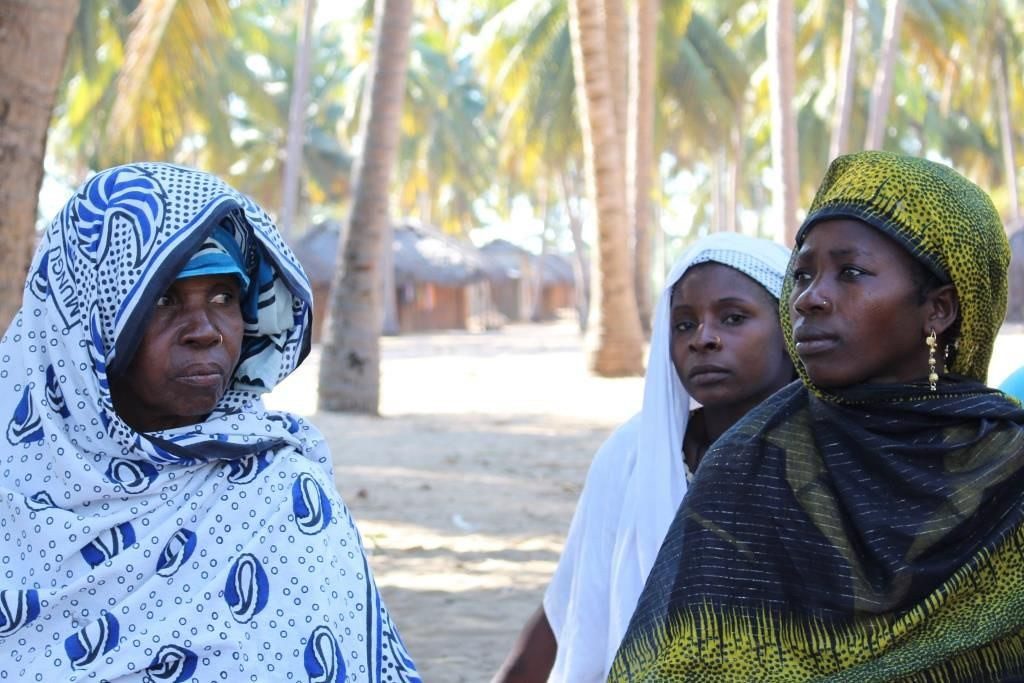
According to the 2019 United Nations Development Programme’s report, Mozambique ranks 180th out of 189 countries with a high Gender Inequality Index (GII) of 0.569. The Gender Inequality Index is a parameter that evaluates gender-based inequalities in three aspects including reproductive health, empowerment and economic activity. Over the years, the untiring efforts of the UN Committee on The Elimination of Discrimination Against Women have sparked a wave of non-governmental organizations that fight for women’s rights in Mozambique. These efforts have resulted in a noticeable change, although the country still has a long way to go.
Mozambique’s Success at Women’s Empowerment
Historically, Mozambique has been a male-dominated country with men holding the majority of official positions. Traditionally, women were absent from the country’s public affairs. However, Mozambican women were not completely powerless. Older women, for instance, gained respect as mothers-in-law and community advisers on marital issues. Nevertheless, the small portion of power that women held did not entirely cocoon them from inferior treatment by their male counterparts as women had no right to ownership of land and therefore comprised 80% of the country’s poor.
The lack of equal rights between men and women also forced women to seek protection from men. Consequently, practices such as polygamy received encouragement, and women accepted it without protest since it promised them their husbands’ protection.
What Sparked A Change?
The last two decades have been a period of progressive growth and transformation for Mozambique. The 1977 Civil War, which exposed women to physical violence and other forms of sexual violence such as gang rapes and abduction, led to the country’s increased focus on women’s rights in Mozambique. Despite the war’s atrocious effects on women, however, it created conditions that favored the rise and empowerment of women. As a matter of fact, during the war and the ensuing years, Mozambican women became the primary breadwinners of their families since a majority of men died, became disabled or entered the frontlines to fight to restore order to their troubled nation.
After the war in 1992, Mozambique’s government went the extra mile to promote women’s rights. Over the years, it has accomplished much in the areas of women’s parliamentary inclusion, land ownership and education among others. Here is a list of women’s organizations that the Mozambican government created to advocate for women’s rights.
- The Ministry of Women and Social Action: The Ministry for Women and Social Action emerged in 2000. Among its major achievements is the development of Eduardo Mondlane University (UEM), which provides a course related to gender planning and budgeting every year. This course has consequently raised awareness and increased the number of trained decision-makers both at the provincial and district level on the topic of gender equality.
- The Directorate-General for Women’s Affairs: This institute is responsible for the implementation of decisions and policies from the Ministry.
- The National Council for Promoting Women: The National Council for Promoting Women pools official organizations, NGOs and their representatives, private sector participants and religious officials in a joint effort to promote women’s rights in Mozambique.
Female Parliamentarians
Over the years, the percentage of women in the Mozambican parliament has undergone a remarkable change from 25.2% in 1997 to 41.2% in 2019. The Electoral Institute for Sustainable Democracy in Africa (EISA), which opened in Mozambique in 2004, played a cornerstone role in the achievement of this milestone through a campaign it dispatched in 2009 to encourage Mozambique’s major political parties, FRELIMO and RENAMO, to nominate a higher number of women candidates.
Land Ownership Rights
In modern-day Mozambique, the reformed Land Law, which emerged in 1997, endorses that all Mozambicans of either gender have the right to land use. As a result of this Law, 25% of women have land title use rights. This is yet another milestone and a big win for women.
Although the Land Law has led to a significant rise in the number of female landowners, women’s rights to land still experience restriction in rural Mozambique. This is evidenced by the restricted territorial control of most women in the country’s north, as they only control 30% of land plots.
Education
A major transformation has also taken place in regard to girls’ education. The government has enhanced school access to all, which resulted in a consequential increase in the girls’ enrolment rate from 3 million in 2002 to 4.1 million in 2006. Moreover, the number of girls in school has been going up since.
Today, 94% of Mozambican girls enroll in primary schools, however, only 11% of them progress to a secondary level. Additionally, only 1% attends college. This engenders low literacy rates among Mozambican women whereby their illiteracy rate is almost double what is if for men.
Taking Action
The Government of Mozambique has recently approved the 2020 Annual Work Plan of the Spotlight Initiative to end violence against women. The Spotlight Initiative is a partnership between the European Union and the United Nations to eliminate all forms of violence against women and girls by 2030.
Through joint efforts with the Mozambican Government, The Spotlight Initiative plans to provide online training to service providers and promote existing hotlines to ease the process of reporting cases of domestic violence, which have surged during the COVID-19 pandemic. Minister of Gender, Child and Social Action, Nyeleti Mondlane, remarked that the Mozambican government has to strengthen women’s economic social empowerment efforts to contribute to an equal, fair and peaceful society.
Over the years, Mozambique has made outstanding achievements in promoting women’s rights, involving the implementation of women’s organizations and female parliamentarians and increased school attendance for girls. Although the present state of affairs is not one to complacently settle for, past successes give a splinter of hope for a better future for Mozambican women.
– Divine Mbabazi
Photo: Flickr

Increasing Resources for Mental Health in Turkey
Turkey is a country with a population of 82 million that is situated in both the continents of Europe and Asia. Turkey has held eight elections in the last five years, endured a failed coup attempt, transitioned to an executive presidential system and has a struggling economy. Inflation has risen as well as unemployment in recent years. Turkish psychologist Ahmet Özcan has said that people have suffered from social isolation and shown symptoms of post-traumatic stress disorder and anxiety due to political polarization and violence. Despite the need, mental health in Turkey has lacked resources and care options.
Statistics Regarding Mental Health Care in Turkey
The World Health Organization (WHO) stated that in 2011:
To put these statistics in perspective, European countries have a significantly higher ratio of mental health care professionals.
Mental Health Services Decline Worldwide During COVID-19
Since the outbreak of COVID-19, the world has seen a decline in mental health. The effects of bereavement, isolation, rising poverty and fear are causing an increase in substance use, insomnia and anxiety as well as triggering mental health conditions. A World Health Organization survey from June to August 2020 evaluated how mental, neurological and substance use services have changed throughout COVID-19, which services the pandemic has disrupted and how countries are adapting to these adverse challenges. The results showed an overwhelmingly high disruption of mental health services in the 130 countries that participated in the survey including:
Fighting the Toll on Mental Health in Turkey with Hotlines and Online Counselling
A study determining depression and related factors in a society that COVID-19 affects found that in Turkey, the pandemic has caused mild-level depression across all socio-demographic groups. However, the results of the study also concluded that depression levels were significantly higher in the 18-29 year age group, women, single people and those living in poverty.
While many high-income countries have tried to mitigate the reduction in mental health services and increasing mental health problems with telemedicine or teletherapy, less than 50% of low-income countries have reported deploying these tactics.
Turkey is one low-income country that stands out in its effort to provide easy access to teletherapy from the increased anxiety, fear and negative feelings due to COVID-19. After March 2020, the government launched psycho-social support programs in every province. Turkey set up hotlines to address the various emotional impacts of COVID-19, as well as psychiatric guides for health care workers under risk of infection. There are more than 2,200 volunteers for the hotline, including psychiatry experts, social workers and health professionals from non-governmental organizations. The hotline has served more than 2,000 people according to professor Ejder Yıldırım, a director of the program. The system is set up so hotline workers make three calls to applicants at the first stage of therapy. In the second stage, hotline workers make around five calls over a period of five weeks to follow-up with patients.
The Coronavirus Online Mental Support Program
In Istanbul, Turkey’s most populated city, the local health authority has launched a Coronavirus Online Mental Support Program in addition to the hotline. As of August 2020, more than 1,100 people have used the online support system during the pandemic for issues related to COVID-19, natural disasters and crises.
While the world struggles to deal with the emotional and psychological impact of COVID-19, mental health in Turkey has highlighted the importance of having readily available resources in mental health care, especially in low-income countries.
– Charlotte Severns
Photo: Flickr
AI Usage in Agriculture is Addressing Food Insecurity
Artificial Intelligence (AI) refers to computer systems that can perform tasks that would normally require humans, including visual perception, speech recognition, decision-making and language translation. AI development has exploded within the last several years, and industries are beginning to adopt such systems to increase productivity and address challenges to growth.
The agricultural sector is one industry that is benefitting from the implementation of AI technology, and people are discussing and enforcing new applications for this technology every day. Several companies, such as IBM, FAO and Microsoft, are developing forms of AI that promote sustainable ways to achieve food and nutrition security. Currently, there are three main applications of AI usage in agriculture.
Present Applications of AI in Agriculture
Working Towards Sustainable Development
AI use in agriculture is allowing farmers to be more precise in their crop cultivation, producing a higher crop yield and quality. Agricultural robots optimize human activity and improve working conditions for farmers, while crop and soil monitoring and predictive analytics systems allow farmers to use resources more efficiently. This promotes sustainability in agriculture, as more successful produce outcomes cause farmers to waste fewer resources.
These AI systems contribute greatly to soil and water conservation. The Agricultural Stress Index System (ASIS), an indicator developed by FAO, is a computer that uses satellite technology to monitor areas that are highly susceptible to drought and water stress. Drought is the most damaging natural disaster to livelihoods, especially in developing countries. Therefore, predicting and addressing conditions of drought before they cause large-scale damage not only conserves water in times of need but protects human livelihoods. The implication of this is that more farmers, especially in developing countries, will have the means to support themselves and their families.
Fighting Food Insecurity
Prior to the spread of COVID-19, 135 million people were battling food insecurity. Now, the pandemic has exacerbated this problem affecting agricultural yields and livelihoods. The pandemic has impacted regions that normally depend on imports to support their populations the most, including Africa and island states.
Therefore, AI usage in agriculture in these regions can make a significant difference for populations that may already be struggling. FAO’s WaPOR portal monitors water usage through remotely sensed derived data over Africa, allowing for water and land productivity assessments. Saving valuable resources makes a crucial difference for countries that must rely more on domestic materials due to the present circumstances.
In addition, the United Nations’ World Food Program (WFP) is implementing a tracking unit that is collecting data to expand remote food security monitoring to 40 countries. The map quickly identifies food security emergencies and allows for quick response, helping humanitarians make evidence-based decisions on how and where to address food insecurity that could be damaging a population. By decreasing the time it takes for people to address these issues, the WFP is able to amend food insecurity for more regions in a shorter period of time and prevent them from deteriorating into situations of malnourishment.
With all the strides that have already occurred in AI and its applications, it is easy to forget that the technology is new and has vast untapped potential. As the industry continues to develop, farming will expand as AI usage in agriculture overcomes more issues challenging greater yield, sustainability and food security.
– Natasha Cornelissen
Photo: Flickr
Poverty Eradication in Burkina Faso Through Farming
The culturally vibrant Western African country of Burkina Faso sits landlocked, with a population of around 20 million people. According to the human capital index, the nation ranks 144 out of 157 countries firmly placing it in the lowest category of human development. Furthermore, 40.1% of the population is living below the poverty line. Despite facing many developmental challenges, a remarkable agricultural renaissance has been quietly taking place leading to a re-greening effect and encouraging innovations in poverty eradication in Burkina Faso.
Innovative Farming Methods in Burkina Faso
Over the past three decades, farmers in Burkina Faso have introduced new and innovative methods to traditional farming techniques which have achieved stunning results. The practices have reclaimed 200,000-300,000 hectares of land and enable the annual production of “an additional 80,000 tons of food,” helping 500,000 people become food secure. One should not understate this as agriculture sits at the heart of the nation’s economy accounting for 35% of GDP and employing 85% of the population.
For decades, farmers faced challenges with poor soil, lack of water, population growth and soil degradation. However, poverty eradication in Burkina Faso occurred by individual farmers and NGOs, such as the AVAPAS project, ingeniously mixing traditional farming methods with new techniques.
Yacouba Sawadogo’s Influence
As an early proponent and pioneer of these innovative farming practices known locally as zaï, people dubbed the humble farmer named Yacouba Sawadogo, “the man who stopped the desert.” Over the past three decades, Yacouba and a network of farmers alike transformed massive amounts of arid, non-arable land into thriving productive farmland suitable for productive agriculture.
Zaï is the name for a farming technique in which farmers dig planting for the purpose of placing crops and plants. Historically, farmers did this a small scale and faced productivity issues due to a lack of rainwater. Innovations such as the application of organic fertilizers and the introduction of “mechanized” zaï, in which farmers use small machines or draft animals to reduce labor, helped these productivity issues. Additionally, farmers constructed Contour bunds, or semi-permeable barriers, slowing down water run-off and increasing absorption and soil moisture retention. Lastly, the application and construction of a certain type of ditch called Demi-lunes helped collect and provide precious rainwater and retain run-off.
The results of Yacouba’s agricultural revolution have not gone unnoticed. An Oxfam International Library case study concluded that what farmers have achieved in Burkina Faso is “the greatest agroecological success story in Africa, and perhaps anywhere.”
The Results
Through these innovative farming efforts, farmland productivity and yield increased. While yields remained stagnant from the 1960s through the 1980s, the widespread use of agroecological farming techniques improved Burkina Faso’s agricultural productivity and led to higher yields since the 1990s.
Average yields in sorghum and millet in the Yatenga province of Burkina Faso, that utilized these farming techniques, increased their average yield from 694 kg/hectare and 473 kg/hectare in 1984–1988 to 733 kg/hectare and 688 kg/hectare, respectively from 1995–2001 after applying improved farming techniques. Furthermore, the hunger gap reduced by as much as 50% since the 1980s by reducing food shortages and increasing food security.
The use of improved farming techniques has also shown the ability to increase household incomes by an average of 18-24%, and investments in mechanized zaï can yield a return of 150,000 CFA/hectare per year.
Looking Forward
Many additional innovations in poverty eradication in Burkina Faso are necessary outside of the agricultural sector and Burkina Faso, unfortunately, remains one of the most poverty-stricken nations in the world. However, one can learn a lot from the innovations in poverty eradication in Burkina Faso, especially as the effects of the environment will continue to put stress on countries who face similar agricultural challenges. Several studies from the Millennium Ecosystem Assessment to the International Assessment of Agricultural Knowledge, Science and Technology for Development, point to the need for an increase in sustainable agriculture to reduce land degradation, hunger and poverty.
– Andrew Eckas
Photo: Flickr
6 of Iceland’s Foreign Aid Partners
Iceland is well-known for its foreign aid commitment and effectiveness, despite its comparatively small budget. Iceland’s foreign aid agency, the International Development Cooperation Agency (ICEIDA), focuses on the promotion of human rights, gender equality, peace and security, poverty, social justice, hunger and equal living conditions. Iceland partners with other countries and multilateral institutions to support the least-developed nations in the world, making it an exemplar of international development cooperation.
Iceland’s Ministry for Foreign Affairs provides funding for various causes. In 2019, it granted ISK 187,5 million ($1,400,000) toward 16 development projects across 11 nations, as well as ISK 213,7 million ($1,600,000) to support crises in five nations. The Ministry granted these funds to a handful of Iceland’s NGO and CSO partners, including the following organizations. Here are six of Iceland’s foreign aid partners.
6 of Iceland’s Foreign Aid Partners
These six foreign aid partners and their respective cause areas greatly benefit from Iceland’s effective foreign aid policies. According to its government website, Iceland’s foreign aid has emerged upon the principles of “safeguarding human lives, maintaining human dignity and reducing human suffering in crisis situations.” With its model for developmental cooperation, Iceland’s foreign aid stands as an inspiration to everyone working together to make the world a better place.
– Andria Pressel
Photo: Flickr
The State of Child Poverty in Zimbabwe
A History of Poverty
Zimbabwe, once known as Rhodesia, attained independence from British rule in 1980. Following the country’s independence was intense political warfare stemming from tensions between the then newly instated president, Robert Mugabe. This period resulted in the deaths of more than 20,000 Zimbabweans. These tensions would continue in Zimbabwe for the next two decades. Multiple uprisings occurred throughout the 1990s and early to mid-2000s, with citizens protesting a litany of issues, including increased food prices, land ownership and financial plight. Economic turmoil has steadily increased since the country’s independence in 1980. The country broke records with one of the highest rates of hyperinflation in 2008, peaking at 98%. Zimbabwe has had intermittent financial rebounds since this time, however, the country has continued to struggle with stabilizing its economy.
State of Affairs in Zimbabwe
Agriculture plays a prominent role in Zimbabwe’s economy. According to the FAO, 60%-70% of the country’s population depends on agricultural-related affairs for employment. The industrial sector relies on agriculture heavily, providing 60% of raw materials. Agriculture also accounts for 40% of export earnings and makes up 17% of the country’s GDP. Droughts have threatened the livelihoods of many Zimbabweans. The country is currently experiencing the most severe droughts in its history. A significant proportion of the population that is dependent upon farming and agriculture for both income and food is in jeopardy. Food shortages have become a prevalent issue in Zimbabwe with children experiencing adverse impacts.
UNICEF reported that 4.8 million Zimbabwean children live in poverty and 1.6 million children live in extreme poverty. The most prevalent issues for impoverished children in Zimbabwe include malnutrition, education, sanitation and access to potable water. The FAO reported that less than 10% of Zimbabwean children between 6-24 months of age consume a minimally acceptable diet.
UNICEF Addresses Child Poverty
UNICEF has made several efforts to address child poverty in Zimbabwe. A few noteworthy efforts by UNICEF include providing 6,740 mothers with infant and young child feeding counseling as well as supplying more than 700,000 children with vitamin A in 2016.
UNICEF partnered with U.N. Women and the UNFPA in 2016 and the organizations in cooperation with the Zimbabwean Government were able to successfully support the development of the National Action Plan and the Communication Plan to End Child Marriages. UNICEF has also supported grassroots efforts in Zimbabwe. One of these was the development of the National Case Management System (NCMS) which provides child protection services, referrals and HIV care and treatment to vulnerable populations throughout Zimbabwe.
The NCMS provided nearly 24,000 Zimbabwean children with legal support in 2016. UNICEF also showed its support for the multi-sectoral system that accompanied the National Case Management System. This multi-sectoral system employs officers specifically tasked with providing support for children who have been victims of physical and sexual abuse. These efforts are major milestones that have contributed to improving the state of child poverty in Zimbabwe.
The Future of Child Poverty in Zimbabwe
Zimbabwe has had extensive turmoil in its history and tremendous economic turbulence. However, there still remains potential for growth and development. With the assistance of organizations, child poverty in Zimbabwe can reduce.
– Imani Smikle
Photo: Flickr
Improving Mental Health in Indonesia
In Indonesia, institutions have shackled and chained as many as 57,000 mentally ill patients, according to a Human Rights Watch report. The underfunded and understaffed medical sector, as well as mental health stigma, have led to this inhumane practice known as “shackling” or pasung in Indonesia. Indonesia’s shackling problem is improving, but the country has not entirely eradicated it yet. Additionally, the country is progressing toward improving mental health in Indonesia through its mental health sector.
Here is some information about the initiatives contributing to the improvement of mental health services and the reduction of stigma in Indonesia. The ultimate goal of these initiatives is to prevent mental health patients from experiencing cruel and insufficient treatments.
Indonesia Free from Pasung
The Indonesian government officially banned shackling in 1977 but has been working to formally end the process to this day. In 2010, the Indonesia Ministry of Health started a program called Indonesia Free from Pasung. It asked the government to collaborate with communities to address shackling.
The program provided mental health medications and training to community centers, and made mental health a primary mental health service. It also created community health teams intended to directly release and identify people with mental illnesses.
These teams include Tim Penggerak Kesehatan Jiwa Masyarakat (TPKJM) and the PIS-PK program. TPKJM works to monitor and facilitate the release of people from shackles. The PIS-PK program sends representatives from community health centers to identify families’ mental health statuses through home visits. The program was necessary because people were not frequently visiting medical posts, so were not receiving treatment. The program helped to identify Indonesians with mental health issues and direct them to resources.
The frequency of shackling has improved in the 10 years since the implementation of the program. Additionally, people do not stigmatize mental illness as much in Indonesia anymore. Moreover, community centers are more equipped to identify and treat people with mental health disorders. More groups are arising to address mental health issues and end the practice of shackling as well. However, only 20 out of the 34 provinces in Indonesia have successfully implemented programs to free people from shackling. Without full implementation, these programs are unable to free as many people as they aim to.
The Center for Indonesia Medical Students’ Activities (CISMA)
UNICEF partnered with the Center for Indonesian Medical Students’ Activities (CISMA) to promote mental health support for young people through online sessions on health on Zoom and YouTube. The sessions cover a range of mental health topics such as “Coping with stress during the COVID-19 pandemic.” Their partnership’s aim is to provide awareness and information about mental health.
CISMA’s sessions are an amazing resource because they are accessible and provide psychological support for people who may not be able to see a therapist. CISMA’s initiative is also beneficial to Indonesia’s mental health sector because it raises awareness and tackles mental health stigma. The type of awareness it is spreading can keep people with mental illnesses out of shackles.
The WHO QualityRights Initiative
The WHO QualityRights initiative supports countries in implementing policies and services to improve the conditions of mental health services globally. It developed a toolkit of information to provide guidance on how to improve mental health services. This includes information on assessing mental health services and quality standard goals. It also provides e-training and other materials for mental health professionals, NGOs and people with mental illness and disabilities. This program is encouraging a human rights-based approach to mental health issues.
Indonesia has been improving in awareness and identification of mental health issues. The next steps are for the implementation of policies and programs to improve resources, as well as the quantity and quality of community centers.
International aid can assist in building community centers and medical schools. However, more is necessary, such as quality training and funds to hire nurses, therapists and psychiatrists. The country must also address the availability of medications and adequate facilities by providing more funding for mental health programs.
The country is moving in the right direction to improve its mental health in Indonesia. With increased development and a continued focus on the mental health sector, Indonesia may be able to eradicate the practice of shackling.
– Stephanie Jackson
Photo: Flickr
Addressing Disability and Poverty in Argentina
Argentina has taken steps to address employment discrimination, access to transportation and access to quality education for people with disabilities, factors that have historically contributed to a correlation between disability and poverty in Argentina.
According to estimates based on census data from 2010, around 5 million Argentines have a disability and the unemployment rate for people with disabilities in Argentina stood at 91% in 2004. Additionally, the United Nations has reported that youth with disabilities are far more likely to fall at or below the poverty line in comparison to those who do not have disabilities. However, recent action from the government is beginning to address the link between disability and poverty in Argentina.
Addressing Employment Discrimination
A significant step toward helping disabled Argentines obtain equal employment has come with Argentina’s ratification of the Convention on the Rights of Persons with Disabilities (CRPD) in 2008. The convention has since received constitutional status in the country.
This treaty makes Argentina accountable for upholding its commitment to fully including people with disabilities in all areas of society. As such, in 2011, a National Disability Observatory emerged to supervise the implementation of the convention. It involves various working groups consisting of people with disabilities and public officials to monitor different areas of public policy including access to employment.
Since the adoption of the CRPD, Argentina has allocated over 724 million Argentine pesos toward helping promote the employment of people with disabilities. These programs have ranged from vocational training to the implementation of supported employment programs across government agencies to help reach the 4% job quota in public employment in 2017.
Addressing Access to Transportation
The subway station that people know as the subte has automated ramps and street elevators that often lead directly to the boarding platform. Additionally, plans have emerged to increase the number of stations with braille signage and tactile markers. These features have enabled many Argentines to travel freely and independently from their homes to workplaces.
Addressing Access to Education
As of 2016, the Ministry of Education in Argentina organized 35 events and workshops focused on drafting inclusive education guidelines and providing training to teachers. These programs have reached an estimated 45,250 people consisting of teaching staff and the general public. The Ministry has also prepared materials to increase awareness of inclusive education practices, including guidelines for providing accommodations and support to students.
The Argentine government has begun overseeing the implementation of inclusive education policies in all the nation’s provinces with a toll-free national hotline to record and track instances of discrimination in educational settings. Furthermore, with the support of the World Bank, planning and development are underway for inclusive education projects for schools in rural areas of the country where a lack of basic resources and services exacerbates disability and poverty in Argentina.
Photo: Flickr
Women’s Rights in Mozambique: A Work in Progress
According to the 2019 United Nations Development Programme’s report, Mozambique ranks 180th out of 189 countries with a high Gender Inequality Index (GII) of 0.569. The Gender Inequality Index is a parameter that evaluates gender-based inequalities in three aspects including reproductive health, empowerment and economic activity. Over the years, the untiring efforts of the UN Committee on The Elimination of Discrimination Against Women have sparked a wave of non-governmental organizations that fight for women’s rights in Mozambique. These efforts have resulted in a noticeable change, although the country still has a long way to go.
Mozambique’s Success at Women’s Empowerment
Historically, Mozambique has been a male-dominated country with men holding the majority of official positions. Traditionally, women were absent from the country’s public affairs. However, Mozambican women were not completely powerless. Older women, for instance, gained respect as mothers-in-law and community advisers on marital issues. Nevertheless, the small portion of power that women held did not entirely cocoon them from inferior treatment by their male counterparts as women had no right to ownership of land and therefore comprised 80% of the country’s poor.
The lack of equal rights between men and women also forced women to seek protection from men. Consequently, practices such as polygamy received encouragement, and women accepted it without protest since it promised them their husbands’ protection.
What Sparked A Change?
The last two decades have been a period of progressive growth and transformation for Mozambique. The 1977 Civil War, which exposed women to physical violence and other forms of sexual violence such as gang rapes and abduction, led to the country’s increased focus on women’s rights in Mozambique. Despite the war’s atrocious effects on women, however, it created conditions that favored the rise and empowerment of women. As a matter of fact, during the war and the ensuing years, Mozambican women became the primary breadwinners of their families since a majority of men died, became disabled or entered the frontlines to fight to restore order to their troubled nation.
After the war in 1992, Mozambique’s government went the extra mile to promote women’s rights. Over the years, it has accomplished much in the areas of women’s parliamentary inclusion, land ownership and education among others. Here is a list of women’s organizations that the Mozambican government created to advocate for women’s rights.
Female Parliamentarians
Over the years, the percentage of women in the Mozambican parliament has undergone a remarkable change from 25.2% in 1997 to 41.2% in 2019. The Electoral Institute for Sustainable Democracy in Africa (EISA), which opened in Mozambique in 2004, played a cornerstone role in the achievement of this milestone through a campaign it dispatched in 2009 to encourage Mozambique’s major political parties, FRELIMO and RENAMO, to nominate a higher number of women candidates.
Land Ownership Rights
In modern-day Mozambique, the reformed Land Law, which emerged in 1997, endorses that all Mozambicans of either gender have the right to land use. As a result of this Law, 25% of women have land title use rights. This is yet another milestone and a big win for women.
Although the Land Law has led to a significant rise in the number of female landowners, women’s rights to land still experience restriction in rural Mozambique. This is evidenced by the restricted territorial control of most women in the country’s north, as they only control 30% of land plots.
Education
A major transformation has also taken place in regard to girls’ education. The government has enhanced school access to all, which resulted in a consequential increase in the girls’ enrolment rate from 3 million in 2002 to 4.1 million in 2006. Moreover, the number of girls in school has been going up since.
Today, 94% of Mozambican girls enroll in primary schools, however, only 11% of them progress to a secondary level. Additionally, only 1% attends college. This engenders low literacy rates among Mozambican women whereby their illiteracy rate is almost double what is if for men.
Taking Action
The Government of Mozambique has recently approved the 2020 Annual Work Plan of the Spotlight Initiative to end violence against women. The Spotlight Initiative is a partnership between the European Union and the United Nations to eliminate all forms of violence against women and girls by 2030.
Through joint efforts with the Mozambican Government, The Spotlight Initiative plans to provide online training to service providers and promote existing hotlines to ease the process of reporting cases of domestic violence, which have surged during the COVID-19 pandemic. Minister of Gender, Child and Social Action, Nyeleti Mondlane, remarked that the Mozambican government has to strengthen women’s economic social empowerment efforts to contribute to an equal, fair and peaceful society.
Over the years, Mozambique has made outstanding achievements in promoting women’s rights, involving the implementation of women’s organizations and female parliamentarians and increased school attendance for girls. Although the present state of affairs is not one to complacently settle for, past successes give a splinter of hope for a better future for Mozambican women.
– Divine Mbabazi
Photo: Flickr
Improving Women’s Rights in the DRC
The Democratic Republic of the Congo (DRC) has suffered from longstanding conflicts that have only exacerbated the country’s poverty crisis. About 70% of the country’s population lives below the poverty line. While these conditions have greatly affected the status of women’s rights in the DRC, much work is occurring to raise the standard of living for women.
Gender-Based Violence
The DRC documented more than 35,000 sexual violence cases in 2018, and U.N. Women reports that gender-based violence has risen by 99% with the onset of COVID-19. In war-torn states, conflict uniquely affects women and they are often subject to rape or sexual violence as a weapon of war. To combat these alarming statistics and improve women’s rights in the DRC, the country revised its strategy for combating gender-based violence in August 2020. The new national strategy includes a care framework for survivors, prevention methods for crimes and increased scope of the strategy throughout the entirety of the country, reaching over 51 million women in the DRC.
Women, Peace and Security
As of July 2019, a mere 16% of women constituted the DRC’s Senate, and none of the country’s Constitutional Court judges or provincial governors are women. The Women, Peace and Security agenda, as the U.N. Security Council Resolution 1325 adopted, aims to promote the inclusion of women in positions of power. The DRC’s National Action Plans (NAP) has incorporated it to better include women in decision-making. The DRC’s second NAP experienced enactment in 2019 and expectations have determined that it will be implemented until 2022, with the goal of increasing the inclusion of women and girls in economic and political decision-making to at least 20%.
Women’s Education
An estimated 52.7% of girls between the ages of 5 to 17 do not attend school in the DRC. Gaining an education directly links to an increase in women’s rights and independence, as staying in school commonly leads to lower rates of child marriage, increased financial literacy and expanded job and life opportunities. Although women’s participation in the workforce (70.7%) is roughly equivalent to that of men (73.2%), women’s participation comes primarily from agricultural work where lack of education and gender roles restrict women’s access to financial freedom and property ownership.
While poverty and lack of infrastructure have historically barred women’s and girls’ access to education, UNICEF has worked to improve educational opportunities and thus increase women’s rights in the Democratic Republic of the Congo. UNICEF has partnered with the DRC’s Ministry of Primary, Secondary and Technical Education to facilitate distance learning during the COVID-19 pandemic, and has supported the education of close to 7 million students in the DRC.
Maternal Health
The DRC’s under-5 mortality rate is 84.8 per every 1,000 live births, and in 2011, the DRC accounted for half of all maternal deaths. Women are in particular need of proper healthcare facilities and ease of access to reliable medical centers, two factors that the DRC’s state of conflict and low status of women has greatly affected. To better aid pregnant women and uplift mothers post-birth, the DRC’s National Health Development Plan received €4.5 million ($5.3 million) in monetary aid in June 2020 from the European Union and UNICEF. The E.U. has sent additional doctors and provided blood bags, medicine, vaccines and food for newborns suffering from malnutrition, targeting six of the country’s provinces and 33 health zones.
Looking Forward
While the DRC continues to combat a myriad of issues in regards to women’s rights, it is clear that conditions are constantly improving and progress continues to occur in various sectors of society. As efforts make headway to improve women’s rights in the DRC, the country’s state of poverty and conflict should also experience reform.
– Caroline Mendoza
Photo: Flickr
The Issue of Human Trafficking in Sub-Saharan Africa
Human trafficking is a global issue that affects nearly every country. Countries can experience trafficking in two different ways: either the victim can originate from that region, or the trafficking circle might function there. In Sub-Saharan Africa, victims have come from over 60 countries, some located outside of the African continent. This issue affects the human race as a whole rather than just the lives of a specific gender or ethnicity. Due to widespread corruption in Africa’s legal system, many consider human trafficking a low-risk organized crime, a belief that has resulted in trafficking becoming one of the most profitable illegal enterprises. Here is some information about human trafficking in Sub-Saharan Africa.
The Situation
Although most people associate human trafficking with sexual exploitation, in Sub-Saharan Africa, less than one-third of trafficking victims that the authorities have identified experienced capture with this intention. Instead, both male and female children, which make up more than half of Sub-Saharan trafficking victims, worked in forced labor. Parents typically volunteer these children, who traffickers have forced into physical labor, as a result of poverty and ignorance of the trafficker’s true intentions. Typically, parents expect that their child will return with wages that would improve the family’s economic stature, yet in many scenarios, these children receive very little pay and become indentured into slave labor in places like Mauritania.
Three different types of human trafficking occur in Sub-Saharan Africa. Child trafficking, which includes farm labor and domestic work, is the most common type of human trafficking in Sub-Saharan Africa. It tends to occur in countries like Benin, Ghana, Nigeria, Mali, Burkina Faso, Mauritania and Togo. They supply to Gabon, Equatorial Guinea, Côte d’Ivoire, Congo and Nigeria. Although less likely, traffickers may transport women and young people outside the region to engage in explicit sexual behaviors. Additionally, traffickers may transport other women throughout the region to contribute to the domestic sex industry.
Trafficking has had an overwhelming global impact. According to the United Nations record, 2.5 million people are either engaging in forced labor or sexual exploration at any given time. Of that figure, 130,000 people, or 5.2%, are from Sub-Saharan countries. Thus, within those African regions, the human trafficking industry has generated an income of $1.6 billion, demonstrating that it is a massive criminal enterprise.
Solutions
The United Nations Convention against Transnational Organized Crime has added two related protocols, one being the United Nations Protocol to Prevent, Suppress and Punish Trafficking in Persons, Especially Women and Children, which is the first legally binding instrument defining human trafficking. “The Protocol contains provisions on a range of issues, including criminalization, assistance to and protection for victims, the status of victims in the receiving states, repatriation of victims, preventive measures, actions to discourage the demand, exchange of information and training, and measures to strengthen the effectiveness of border controls.”
The other protocol that the United Nations Office on Drugs and Crime created is the United Nations Protocol against the Smuggling of Migrants by Land, Sea and Air. This specific protocol aims to prevent the smuggling of migrants as well as the exploitation that usually follows, by promoting cooperation between States parties to protect the rights of these migrants. Both of these treaties establish international models for other laws against human trafficking and those countries that sign agree to oblige by the necessary international actions.
These treaties have also inspired other initiatives, such as the United Nations Global Initiative to Fight Human Trafficking (UN.GIFT), implemented in 2007. Even better is that almost every country located in Sub-Saharan Africa has signed this initiative except for Somalia and Zaire. UN.GIFT.HUB says that its mission is to “mobilize state and non-state actors to eradicate human trafficking by reducing both the vulnerability of potential victims and the demand for exploitation in all its forms.” The fight against human trafficking in Sub-Saharan Africa is expanding and seeing countries unite together to protect one another provides hope to those who may perceive it as a hopeless situation.
– Victoria Mangelli
Photo: Flickr