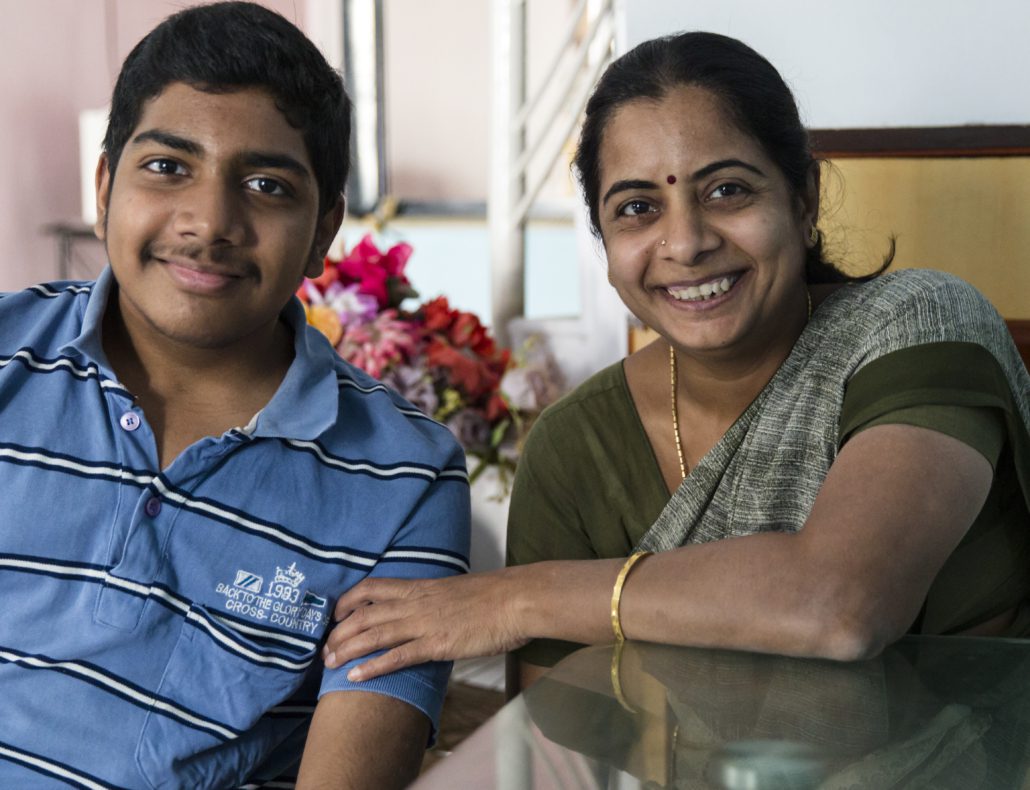
 In South Asia, by the Bay of Bengal and the Arabian Sea lies the second most populous country in the world, India. The country remains in poverty despite decades of work by development programs. However, one program that has proven effective is the Smart Card India initiative. A Smartcard is a plastic card with a built-in microprocessor, used for many purposes such as financial transactions and personal identification.
The Indian government uses Smartcards to aid people living below the poverty line. In Tamil Nadu, a rural region, impoverished people use Smartcards to take advantage of medical facilities and to find improved healthcare. In Bhubaneswar, Kerala, and Amritsar farmers use Smartcards to take out bank loans. Meanwhile, in New Delhi, the cards were used for parking, school administration and metro travel through cities including Mumbai, Bangalore, and Kolkata.
Overcoming Barriers
Overall, India’s state-sponsored welfare programs are inefficient; only 15% of investments in social programs reach the people in need. This corruption overburdens state finances and lowers the prospective influence of government programs. Shifting benefits using payment systems that incorporate biometric authentication to substantiate recipients’ identities can help in spreading awareness on the matter. Inviolable electronic transfers in India can lower dealings costs and financial outflows.
Innovative wages technologies such as Smartcards can improve corrupt and lagging public welfare programs. These programs have not fully utilized the Smart Card India initiative. Nevertheless, there was an increase in payment speed and a decrease in corruption with the implementation of the initiative. Additionally, Smartcards are inexpensive, and beneficiaries tend to like them.
While there are many benefits to the Smartcard system, there are also some drawbacks. The transition to electronic payments burdens those who opt-out of the Smartcard program. Similarly, program users may misplace their cards or experience technical difficulties.
Smartcard Case Study
In southeast India, the Andhra Pradesh government use Smartcards to distribute welfare. The government planned to use Smartcards for a variety of initiatives; however, they have focused on two social welfare enterprises. The Social Security Pensions (SSP) provides monthly allowances to the disabled and elderly, and the Mahatma Gandhi National Rural Employment Scheme (NREGS) ensures rural households a hundred days of paid employment every year.
The time it took NREGS beneficiaries to collect payments plunged from 112 minutes to 21 minutes. The new Smartcard system also lowered the delay between receiving payment and working on an NREGS project from 34 days to seven days. Welfare recipients of NREGS in Smartcard system locations received weekly earnings that went from 146 rupees to 181 rupees. There was no crucial influence on the quantity the government spent on NREGS, which meant there was a depletion of leakages. The benefits from the SSP remained fixed, however, there was a 47% reduction in bribes for payment. Satisfaction with the new payment system was assured with 91% of SSP beneficiaries and 84% of NREGS beneficiaries finding it advantageous.
Additional Benefits
The Smartcard system is cost-efficient: management of the payment system costs the government $4 million. However, savings counterbalance this cost. Through the NREGS, there was a profit of beneficiary time savings of $4.5 million. Additionally, the Smartcard system diminished leakage from the SSP by $3.2 million per year, which is greater than the price of the project. The leakage minimizations symbolize redistributions from corrupt officials to recipients.
This program is designed to improve the lives of the needy by creating a quicker and honest payment process. The Smart Card India initiative has lowered transaction time, decreased leakages, and augmented beneficiary gratification. Hopefully, innovative technology will continue to improve future welfare programs with the Smartcard program leading the way.
– Shalman Ahmed
Photo: Flickr

Sweden’s Feminist Foreign Policy
Sweden’s Feminist Foreign Policy
With regard to foreign policy, minority groups and underrepresented populations are often unintentionally overlooked. Sweden’s foreign policy, on the other hand, takes a modern approach, with Sweden becoming the first country in the world to launch a feminist foreign policy in 2014. Sweden has a feminist government and years of efforts to promote gender equality and take heed of the female voices rarely heard in the distant wars and conflicts inspire the feminist approach.
Sweden’s feminist foreign policy is based on the justification that lasting peace, security and development cannot be achieved if half the world’s population is excluded. The policy is a response to the discrimination and systematic subordination that endless women and girls face daily, all over the world. By taking this approach, the Swedish government hopes to change the way the world perceives the structure of international relations in today’s globalized world.
Sweden’s International Aid
Sweden is one of the only nations that has surpassed the goal of giving 0.7% of its GNI to foreign aid and has been providing around 1% consistently since 2008. Prior to COVID-19, the developmental aid from Sweden had been mainly directed to Afghanistan, Somalia, Mozambique, Tanzania and Uganda.
What is Sida?
Sweden’s foreign policy aims to help nations worldwide accomplish the U.N. Sustainable Development Goals (SDGs). The type of aid Sweden provides and how a nation will utilize this aid depends on the needs of each nation and the nation’s SDG standing. Sida is a Swedish government agency that works globally to fight for the improvement of SDGs in every nation and creates long-term projects that aim to do so. Sweden selects strategies and policies for each country that it gives aid to in accordance with each country’s needs, ensuring to personalize foreign aid to achieve the maximum impact.
A Leader in Foreign Policy
For more than a decade, Sweden has been acting as a leader in humanitarian international relations and is now one of three nations running a feminist foreign policy. The country ensures in every step that its actions on foreign grounds and the aid provided have positive long-term influences, rather than acting as a momentary band-aid. This type of foreign policy is an inspiring example of what is necessary to achieve the SDGs by 2030 while fighting global poverty, hunger and inequality worldwide.
– Anna Synakh
Photo: Flickr
BRAC: Improving Maternal Care in Bangladesh
BRAC’s Strategies for Poverty Reduction
BRAC engages several strategies to combat poverty, such as social enterprises. Social enterprises are self-sustaining cause-driven business entities that create social impact by offering solutions to social challenges and reinvesting surplus to sustain and generate greater impact. Some social enterprises include those seeking to promote access to fisheries, give people access to jobs in the silk industry and businesses that give seed access to farmers.
BRAC also prioritizes social development. These initiatives refer to BRAC’s on-the-ground programs. Social development efforts aim to build communities up by attempting to foster long-term development through the promotion of microfinance and gender equality and by eradicating extreme poverty.
The third focus of BRAC is investments. BRAC seeks to invest in local companies in order to create as much social impact as possible. This includes initiatives to expand affordable internet access for all and a range of other financial support services.
Finally, the organization founded a tertiary education institution called Brac University. The University, located in Bangladesh, aims to use its liberal arts curriculum in order to try and advance human capital development and help students develop solutions to local problems.
The BRAC Manoshi Maternal Care Initiative
Founded in 2007, the Manoshi program is specifically tailored to serve mothers and newborns by providing accessible care. There are a couple of unique methods that make this maternal healthcare initiative especially effective in reaching its goals of improving maternal care in Bangladesh.
One-third of people in Bangladesh live under the poverty line and a greater part of this group live in slums, making it difficult to access and afford necessary healthcare. Manoshi focuses primarily on empowering communities, particularly women, in order to develop a system of essential healthcare interventions for mothers and babies.
Manoshi’s Focal Areas for Community Development
The main methods used in the Manoshi project to achieve desired outcomes are social mapping, census taking and community engagement.
Manoshi’s Impact on Maternal Care in Bangladesh
BRAC projected that improvement in healthcare access would cause neonatal mortality to decline by 40-50% and the most recent data from the Manoshi program shows just that. Manoshi’s data shows that from 2008 to 2013, both the maternal and neonatal death rates dropped by more than half. From 2007 to 2011, the percentage of births at health facilities increased from 15% to 59%, while national averages only increased from 25% to 28%, suggesting that mothers served by Manoshi have more access to resources and facilities for safe deliveries. Prenatal care also increased from 27% to 52% in the same years.
With the substantial impact of organizational programs like Manoshi prioritizing the wellbeing of women and children, advancements with regard to maternal care in Bangladesh will hopefully only continue upward.
– Thomas Gill
Photo: Flickr
Ending Child Labor in Cocoa Production
Child Labor in Cocoa Farms
According to a recent study done by NORC, the number of children working in cocoa farms has not been improving and could possibly have increased in the past few years. It found that nearly 45% of children living in agricultural homes of Ghana and Côte d’Ivoire work in cocoa production. This adds up to about 1.5 million children. The same study found that in the last decade, the proportion of child labor in cocoa production has increased from 31% to 45%. As the cocoa industry continues to rapidly grow, there are no signs that child labor will decrease unless there is immediate and substantial intervention.
Past attempts to eradicate child labor in cocoa production have been poorly implemented. In 2001, a number of the largest producers of African cocoa agreed to end 70% of child labor by 2020. Significant progress toward this goal has not been achieved. A similar pledge was made in 2010 but has seen the same shortcomings. When asked of past failures in these areas, the president of the World Cocoa Foundation, Richard Scobey, said that targets were set “without fully understanding the complexity and scale” of issues of poverty and child labor in these African countries. With studies by the NORC and other groups, it seems as though the issues are better understood now than they were in past decades.
Response by the World Cocoa Foundation
In October 2020, the World Cocoa Foundation responded to the situation of child labor in cocoa farming. The Foundation came out strongly against the practice of child labor in cocoa production and set new goals to deal with the issue. Focused on Ghana and Côte d’Ivoire, the first goal set is an increase in the availability of anti-child labor monitoring to 100% of locations and farms by 2025.
The World Cocoa Foundation has also announced other efforts to combat child labor that include efforts from companies, the governments of Ghana and Côte d’Ivoire and other stakeholders. Firstly, the Living Income Differential pricing policy is expected to provide $1.2 billion in additional revenue for cocoa farmers. For children specifically, the government of Côte d’Ivoire will launch a $120 million pooled funding facility for primary education that aims to reach five million children, with $25 million expected from the cocoa industry. Additionally, to boost household incomes and yields, leading companies will supply training, coaching or farm development plans to local farmers.
The Road Ahead
Past attempts to end child labor show that the situation in the cocoa industry is severe and complicated and therefore must be prioritized. As the World Cocoa Foundation recommits to ending child labor in cocoa production, collaboration and commitment will serve as important factors for the success of the endeavor.
– Matthew McKee
Photo: Flickr
STEM Education Can Reduce Poverty in Rural China
STEM Education
STEM refers to science, technology, engineering and mathematics. Because of the shifting focus toward STEM in the job market, millions of STEM jobs are opening up in developing countries. However, many go unfilled because of gaps in the STEM education pipeline. These jobs could be the key to helping the poor to improve their standards of living, but those in poverty often lack the education necessary for these jobs, such as in rural China.
Education Disparities in China
Education in China is becoming more accessible and comprehensive. Since the 1980s, the adult literacy rate has risen from 65% to 96% and the rate of high school graduates seeking higher education has risen from 20% to 60%. However, these gains are not equal across the country. Rural students in China have often been left behind in the education reform movement. More than 70% of urban students attend college while less than 5% of rural students do, partly because urban residents make about three times more than rural residents. Another reason has to do with parental support; a researcher at the University of Oslo found that over 95% of urban parents wanted their children to attend college, while under 60% of rural parents wanted the same.
Rural students also receive lower-quality education than urban students. Despite China’s Compulsory Education Law in 1986, rural schools often lack the ability to put the proposed reforms in place because they do not have the educational resources. Teachers are scarcer in village schools as most qualified professionals flock to the urban areas where there is a higher standard of living and higher pay. As a result, fewer rural students get into top colleges and therefore lose out on opportunities for advancement.
Generational Poverty and the Effect of STEM
Generational poverty refers to families that have spent two or more generations in poverty. This is especially common in rural areas where parents have a harder time generating the necessary income for their children’s education, which perpetuates the cycle of poverty when the children grow up. In rural China, about 5.1 million people live in the throes of generational poverty. This is due to a number of factors but a major one is lack of educational opportunities in the rural provinces.
STEM education can reduce poverty by helping children in rural provinces break the cycle of generational poverty. Since 2016, 248 high schools in poor areas have tuned into live lessons hosted by one of the top high schools in China, giving poor students the ability to receive the same education as their upper-middle-class peers. As a result, 88 of the participating rural students were admitted into China’s top two universities — universities that are estimated to have a rural population of only 1%.
Organizations for STEM Education
Some groups are working to bring STEM education to even younger students. In 2019, Lenovo, a technology company started in China, donated 652 sets of scientific toolboxes to primary schools in Huangzhong County, Qinghai Province, an area that is over 90% agrarian. The toolboxes contained materials that helped children perform science experiments and solved the problem of the lack of equipment in rural schools. Each toolbox, spread over 122 schools, helped 12 children at once and was reusable. In total, it enabled about 43,903 primary and secondary school students to become more scientifically literate and will prepare them better for future education and employment.
The Green & Shine Foundation is also helping teachers better instruct their students. It trains rural teachers in teaching necessary STEM skills to help lay the foundation for more STEM education later in their students’ lives. It also helps to develop curriculums and hold exchange programs with STEM schools so that rural teachers can observe and discuss new teaching methods. These efforts have helped 1,411,292 rural teachers and students across China.
STEM for Ending Generational Poverty
China has made strides in alleviating poverty, reducing its poverty rate every year since implementing major reforms. The Chinese government needs to prioritize investment in STEM education in rural provinces to close the education gap between rural and urban students and help bring an end to generational poverty. STEM education can reduce poverty globally.
– Brooklyn Quallen
Photo: Flickr
How Agroforestry Can Reduce Global Poverty
Ownership of Forests
Approximately 77% of the world’s forests are owned and administered by governments that do not recognize the claims of indigenous peoples and local communities to the land. Since government priorities do not always align with community needs, the locals who need the forests to survive do not receive the benefits that they should. For example, the timber and ecotourism industries in Africa are skyrocketing but the locals do not share in the profits.
Agroforestry
Agroforestry, the agricultural practice of growing trees and shrubs around crops or pastureland, can ameliorate this problem. Agroforestry builds on existing agricultural land already owned by communities to create new forests not owned by the government, thereby circumventing the ownership problem and guaranteeing that profits remain in the community. Agroforestry systems are smaller in scale than typical forests but they still deliver many of the same positive results: they diversify production, restore soil fertility and increase biodiversity.
The benefits of agroforestry extend beyond environmental issues. Agroforestry can reduce global poverty by increasing food resources and security, improving nutrition and increasing profits for farmers.
3 Countries Using Agroforestry
Bolivia uses agroforestry to reduce food insecurity. Bolivia is one of the biggest producers of organic cacao, which despite being edible, is not a major food crop. Cacao is grown mostly wild or in monocultures, though there is a growing shift to agroforestry systems where cacao trees are intercropped with shade trees and other by-crops like bananas and avocados. Over 75% of Bolivian households lack regular access to basic foods. Thanks to agroforestry, 40% of the population who depend on agriculture for their livelihoods can both produce more food and earn more money to buy what they do not grow. The Research Institute of Organic Agriculture (FiBL) found that the return on labor was double for agroforestry systems compared to monocultures even though the cacao yields were 40% higher in the monocultures. The revenue difference came from the sale of the by-crops, which offset the lower cacao yield. The by-crops helped farmers earn a profit but also represented a food source for the communities.
Burkina Faso uses agroforestry as a means of women’s empowerment. The U.N. Development Program estimates that an average of three million African women work directly or indirectly with shea butter. Women have historically played an important role in the extraction of shea butter but they have not always been compensated for their work, even as the industry and profits grew. Agroforestry allows for more community involvement in farming, which in turn opens up opportunities for women. NGOs like CECI and WUSC help to train women in shea harvesting as part of the Uniterra project, which aims to get women involved in entrepreneurial ventures such as developing their own shea butter businesses for international exports. As a result of agroforestry, more women are empowered to take themselves out of poverty.
India is a global leader in agroforestry policy. India was the first country to create a national agroforestry policy in 2014 despite existing policies that were unfavorable to agriculture, weak markets and a lack of institutional finance. The country set the ambitious goal of increasing national tree cover to 33% as a way to make agriculture more sustainable while optimizing its productivity. Agroforestry is currently in use on 13.5 million hectares in India but the government hopes to expand it to increase benefits like reducing poverty and malnutrition by tripling crop yields. Already, agroforestry provides 65% of the country’s timber and almost half of its fuelwood. Timber production on tree farms generates 450 employment days per hectare per year, which can reduce rural unemployment, and in turn, rural poverty.
The Potential of Agroforestry in Poverty Reduction
Many other rural communities in Latin America, Sub-Saharan Africa and Southeast Asia have relied on agroforestry throughout history, with and without government backing. As a whole, agroforestry is underused in the fight against global poverty. Nations with large agricultural sectors need to adopt agroforestry policies and promote the training needed to help farmers implement agroforestry on a large scale. These agroforestry efforts have the potential to significantly contribute to global poverty reduction.
– Brooklyn Quallen
Photo: Flickr
World AIDS Day: The Global Response
The Origins
World AIDS Day was first observed in 1988. Each year on December 1, communities around the world come together to remember those who have lost their lives to AIDS. The day is in commemoration of those fighting the disease in their daily lives. The theme for World AIDS Day 2020 was “Ending the HIV/AIDS Epidemic: Resilience and Impact.”
The first cases of HIV/AIDS originated in the Democratic Republic of Congo during the 1920s. Since then, the autoimmune disease spread to every corner of the world, with a major focus in South Africa. In 2019, approximately 38 million people globally, were living with HIV/AIDS, including 1.5 million children under the age of 15. Roughly 7.7 million of all HIV/AIDS infections were documented in South Africa, and about 20.4% of all South Africans are currently living with the disease. About 70% of all South Africans infected with HIV/AIDS are on treatment. However, only 67% of those infected around the world had access to medication needed to slow its spread.
South Africa: A Hotspot for the Epidemic
After 100 years of research on HIV/AIDS, South Africa is still a hotspot for the epidemic since it first originated. The South African government made a toolkit available to its citizens. The toolkit includes extensive knowledge of the HIV/AIDS epidemic, ads, logos, and merchandise, and ways to get involved with World AIDS Day 2020. They also came up with a theme, specific to South Africa: “We’re in this together, Cheka Impilo!” The toolkit provides basic information on ways to slow the spread of AIDS, including having protected sex and avoiding drugs. The toolkit encourages South African citizens to hold sessions dedicated to educating their communities. Furthermore, the toolkit encourages citizens to learn the dangers of the transmission of AIDS, submit letters to local newspapers, or encourage radio stations to make public service announcements.
What is Being Done to Help?
The World Health Organization (WHO) took World AIDS Day 2020 to call on leaders around the world to renew the fight against HIV/AIDS; to protect those working on the front lines of the HIV/AIDS epidemic; to ensure that when distributing care, we prioritize the most vulnerable communities, including the impoverished and children. They are also ensuring the use of new technology and services to ensure the best care is being provided around the world.
In the United States, individuals looking to get involved can use resources from the Let’s Stop HIV Together campaign. Previously known as the Act Against AIDS, the campaign primarily works to educate North Americans on the prevention, testing, and treatment of HIV, and to destigmatize HIV through these means. The website provides educational videos on the prevention and testing of HIV. In addition, they give plentiful resources to help individuals find their closest testing location.
On December 1, the world paused in observance of World AIDS Day 2020. They stopped to remember the 33 million lives lost, and 78 million lives impacted by the autoimmune disease. The World Health Organization took time to call on leaders from all countries to step up in the fight against HIV and AIDS.
– Jessica Lyn
Photo: Public Domain Pictures
Poverty Eradication in Tanzania
Poverty eradication in Tanzania has seen success with the country’s poverty rate falling from 34.4% in 2007 to 26.4% in 2018. The country requires more renewable energies including solar, biomass, hydro and wind in order to create jobs and lower unemployment. Agriculture is the main part of Tanzania’s economy today and is a significant consideration when thinking about renewable energies. Here is some information about poverty eradication in Tanzania.
Poverty in Tanzania
The 2019 Tanzania Mainland Poverty Assessment of overall poverty eradication efforts in Tanzania shows that the country has made steady gains in lowering the overall poverty rates between 2011 and the present. In fact, poverty decreased by 8% in 10 years, down from 34.4% in 2007 to 26.4% in 2018. Most of the reduction in poverty was in rural areas and outside urban Dar es Salaam. However, the eradication of poverty in Tanzania has slowed down since 2012. For example, the economic growth on poverty reduction went from a 1% decline annually to 0.3% yearly since 2012-18. As a result, for every four Tanzanians who rose above poverty levels, three more Tanzanians fell into poverty. One reason for this is that families have a large number of dependents and less access to resources that would assist with basic needs, limiting their ability to access employment.
Poverty eradication in Tanzania has been successful based on the measures to eradicate poverty. For example, many in the country are using solar power now. While poverty and living conditions, in general, have experienced steady improvement, only 29% of Tanzania has access to electricity with 10% going to rural Tanzania and only 7% going to poorer families.
Facts About Energy and Energy Poverty in Tanzania
Amplifying Employment Through Agriculture
A World Bank article looked at how Tanzania has reduced poverty and improved its economy over the last decade. However, it also uncovered that a large number of the population is still at risk of falling into poverty. Without sufficient job growth, the Tanzanian population, which is only growing larger, could experience trouble. The unemployment rate went down to 9.7% in 2020, showing considerable improvement in comparison to the unemployment rate of 10.3% in 2014. Urban areas show less stability regarding consumption inequality and inequality opportunities than rural areas. The need for increased education and general awareness to the entire population is why it is prudent to understand the renewable energy options available and get the population of Tanzania up to speed on the technology available to them, along with real resources.
The Tanzanian government’s Tanzania Development Vision 2025 and the Five-Year Development Plan (FYDP II) aim to eliminate poverty and sustainably industrialize with the goal of Tanzania becoming a middle-income country by 2025. As a result, the Tanzanian government is turning its attention to agriculture in order to increase the country’s socio-economic development, as outlined in the Second Agriculture Sector Development Program (ASDP II). Some of ASDP II’s goals are to increase commercialization, prioritize commodity value chains and mobilize capital by giving the formal private sector a growing role in agriculture. Agriculture drives about two-thirds of jobs in Tanzania and three-quarters for those in poverty meaning that the improvement of the sector is necessary to the creation of more and higher-quality jobs in order to reduce poverty.
Agriculture is and has been one of the mainstays economically. It also accounts for about a quarter of Tanzania’s GDP and makes up two-thirds of the jobs. It is prudent that Tanzania takes enhanced measures to improve the strategy and ensure the creation of more jobs according to The World Bank. Plenty of room exists for innovation and increased job creation to meet the acceleration of population growth. The focus goes back to the need to help Tanzanians understand and gain awareness of how to implement “commercialization, prioritizing high-potential commodity value chains, and mobilizing capital by giving the formal private sector a growing role in agriculture.”
Looking Ahead
As the world progresses globally in technology and trade, the question becomes, will the Tanzania population keep up? Many in rural areas still have employment in agriculture. Agriculture employment opportunities will continue to exist, but with more advanced equipment, thereby, creating more production opportunities to increase employment opportunities.
– Kathleen M. Hellem
Photo: Pixabay
Two Nonprofits Tackle Hunger in Kenya
The Farming Issue
Nearly 75% of Kenyans rely on agriculture for all or part of their incomes. The industry makes up about a third of the Kenyan economy, but only one-fifth of the land in Kenya is suitable for farming. A lack of reliable irrigation forces farmers to rely on rain as their primary water source. Reliance on nature makes planting and harvesting unpredictable and risky. This, combined with the population boom in Kenya over the past 25 years, means that the food supply is limited at best and extremely vulnerable to weather patterns and natural disasters like droughts and floods.
Domestic farmers are the main food providers in Kenya. The industry needs a robust workforce to keep up with the heavy demands of an ever-increasing population. However, the younger generation is uninterested in farm work and current farmers are getting too old for the job. Conversely, lack of employment also perpetuates hunger in Kenya. Millions of Kenyans are unemployed or underpaid and many cannot afford to buy food in the first place. Poor infrastructure and high domestic taxes levied on farmers for transporting their goods are the cause of such steep food prices. These exorbitant transportation fees leave much of the population hungry.
Despite all of this, the issue of hunger in Kenya has generally improved over the past decades. Further, many organizations continue to battle this crisis and expand food access to the millions of struggling Kenyans.
World Vision
The Christian nonprofit World Vision tackles child poverty and injustice worldwide. The organization first branched out to Kenya in 2017. Upon arrival, World Vision volunteers saw villages suffering from drought and hunger. They noticed people eating animals like hyenas and vultures and mourning the loss of their livestock, the remains of which were everywhere.
In the first year of its project, World Vision reached 3.5 million individuals. The organization was able to provide clean water, health care and nutritional support. World Vision knows that hunger in Kenya is far from solved and does not plan on slowing down its efforts. The nonprofit hopes to expand water and nutrition access as a way to help alleviate the suffering in Kenya.
Action Against Hunger
The “world’s hunger specialist,” Action Against Hunger, is a nonprofit working “to end hunger in our lifetimes.” It provides global aid to children and families to treat and prevent malnutrition. The organization has worked in Kenya since 2002.
Its work has included implementing programs to assist refugees and improve health, water, sanitation and childcare. The nonprofit has been able to expand access to health treatments, screenings and services for those suffering from malnutrition. It also supported thousands of herders by providing livestock vaccinations and training animal health experts.
In 2019, the organization reached more than 1.9 million people with its nutrition and health programs and nearly 50,000 people with its water, sanitation and hygiene initiatives. Additionally, Action Against Hunger aided more than 40,000 people with its food security and livelihood programs. This all added up to more than 2 million people in 2019 alone, a significant effort for a team of only 43 employees.
Looking Ahead
Hunger in Kenya is a severe issue that has cost the lives and livelihoods of millions of individuals and families. Children are at severe risk of malnutrition and related diseases while the farming industry is struggling to provide even a portion of the country’s necessary food supply. Aggressive and comprehensive government or international intervention to shore up farmers and expand their capacity to produce are absent. It is organizations like World Vision and Action Against Hunger that have to pick up the slack. Fortunately, these organizations have been able to reach and save the lives of millions of Kenyans. The issue lives on, but the efforts of nonprofits continue to provide hope.
– Connor Bradbury
Photo: Flickr
Benefits of the Smart Card India Initiative
The Indian government uses Smartcards to aid people living below the poverty line. In Tamil Nadu, a rural region, impoverished people use Smartcards to take advantage of medical facilities and to find improved healthcare. In Bhubaneswar, Kerala, and Amritsar farmers use Smartcards to take out bank loans. Meanwhile, in New Delhi, the cards were used for parking, school administration and metro travel through cities including Mumbai, Bangalore, and Kolkata.
Overcoming Barriers
Overall, India’s state-sponsored welfare programs are inefficient; only 15% of investments in social programs reach the people in need. This corruption overburdens state finances and lowers the prospective influence of government programs. Shifting benefits using payment systems that incorporate biometric authentication to substantiate recipients’ identities can help in spreading awareness on the matter. Inviolable electronic transfers in India can lower dealings costs and financial outflows.
Innovative wages technologies such as Smartcards can improve corrupt and lagging public welfare programs. These programs have not fully utilized the Smart Card India initiative. Nevertheless, there was an increase in payment speed and a decrease in corruption with the implementation of the initiative. Additionally, Smartcards are inexpensive, and beneficiaries tend to like them.
While there are many benefits to the Smartcard system, there are also some drawbacks. The transition to electronic payments burdens those who opt-out of the Smartcard program. Similarly, program users may misplace their cards or experience technical difficulties.
Smartcard Case Study
In southeast India, the Andhra Pradesh government use Smartcards to distribute welfare. The government planned to use Smartcards for a variety of initiatives; however, they have focused on two social welfare enterprises. The Social Security Pensions (SSP) provides monthly allowances to the disabled and elderly, and the Mahatma Gandhi National Rural Employment Scheme (NREGS) ensures rural households a hundred days of paid employment every year.
The time it took NREGS beneficiaries to collect payments plunged from 112 minutes to 21 minutes. The new Smartcard system also lowered the delay between receiving payment and working on an NREGS project from 34 days to seven days. Welfare recipients of NREGS in Smartcard system locations received weekly earnings that went from 146 rupees to 181 rupees. There was no crucial influence on the quantity the government spent on NREGS, which meant there was a depletion of leakages. The benefits from the SSP remained fixed, however, there was a 47% reduction in bribes for payment. Satisfaction with the new payment system was assured with 91% of SSP beneficiaries and 84% of NREGS beneficiaries finding it advantageous.
Additional Benefits
The Smartcard system is cost-efficient: management of the payment system costs the government $4 million. However, savings counterbalance this cost. Through the NREGS, there was a profit of beneficiary time savings of $4.5 million. Additionally, the Smartcard system diminished leakage from the SSP by $3.2 million per year, which is greater than the price of the project. The leakage minimizations symbolize redistributions from corrupt officials to recipients.
This program is designed to improve the lives of the needy by creating a quicker and honest payment process. The Smart Card India initiative has lowered transaction time, decreased leakages, and augmented beneficiary gratification. Hopefully, innovative technology will continue to improve future welfare programs with the Smartcard program leading the way.
– Shalman Ahmed
Photo: Flickr
Transforming Education in South Sudan
The Humanitarian Aid Relief Trust (HART)
Founded in 2004, HART exists to help countries suffering from national conflicts that major aid organizations do not typically serve. A significant amount of HART’s aid is directed toward South Sudan and addressing the country’s unfavorable education status. In its 2020 report, the organization emphasized how many leaders in South Sudan are unable to access funds from large-scale donors. In response to this, the organization stresses that donating funds for essential services in South Sudan should take top priority, especially education funds, considering the substantial number of children displaced from normal learning environments. The organization works directly with partners in South Sudan to solve problems through direct communication.
According to HART, a girl raised in South Sudan is more likely to die from pregnancy or childbirth than to complete her primary education. More than 2 million children are not in school, which is the worst number the country has seen yet. If these rates continue, the future generation of South Sudan will not have the skills that come from an educational background, which also statistically increases the risk of falling into generational poverty. Organizations such as HART use advocacy as the strongest tool. By bringing light to these startling statistics, it hopes to educate the public on the dire need to allocate funds to South Sudan and reform the educational system through donations.
United Nations Children’s Fund (UNICEF)
UNICEF has been a global leader in transforming education in South Sudan as it provides funds for classroom materials and teacher training. A primary focus is to intervene in South Sudanese communities to emphasize the importance of educating their children. The organization understands that when children receive an education, it benefits not only them but the entirety of the country.
However, learning in South Sudan has been extremely different since the start of COVID-19 as roughly 1.5 million children are learning through radio lessons instead of the traditional classrooms. In 2020 alone, UNICEF provided more than 40,000 radio sets to be distributed to underprivileged children who do not have access to radios in their homes. Amid these unconventional education times, UNICEF continues to deliver essential services to benefit learning in remote locations under the Government of South Sudan’s “Back to School Initiative”. At the end of 2020, UNICEF plans to have provided access to education to 729,000 out-of-school children in crisis.
Global Partnership for Education (GPE)
The Global Partnership for Education has partnered with South Sudan since 2012. It emphasizes the high demands placed on the education system in South Sudan’s national plans. The General Education Strategic Plan (GESP), developed by the Ministry of General Education and Instruction of South Sudan, lays out situation analyses, policy frameworks, implementation structures and financing plans. However, there is insufficient public expenditure to cover these projects. In fact, South Sudan possesses one of the lowest education funds in the world.
The GPE recognizes this need for funding and believes in the vision of the General Education Strategic Plan. In March 2020, the GPE gifted $7 million in support of the Ministry of Education’s learning plan in response to COVID-19. In particular, the grant goes to support guidelines and policies in place to reopen schools in South Sudan. Other focal points revolve around awareness campaigns on COVID-19 prevention, remote learning materials for students, radio programs for at-home learning, hygiene facilities and back-to-school campaigns. As the GPE continues backing the General Education Strategic Plan, the nation expects an expansion of secondary and technical education and the institutionalization of teacher training within the next three years.
The Need for Improved Education
Right now, more than 80% of the South Sudanese population lives on less than a dollar per day. In the middle of a humanitarian crisis, this vulnerable population fails to meet many basic necessities. An increasing urgency around transforming education in South Sudan has caused an abundance of organizations to take a special interest in reforming the education system in the world’s youngest country. While the road to a prospering education system is still long, South Sudan is taking substantial steps toward a better future for its children with the help of humanitarian organizations.
– Hope Shourd
Photo: Flickr