How Higher Education in Algeria Is Pivoting Toward Jobs
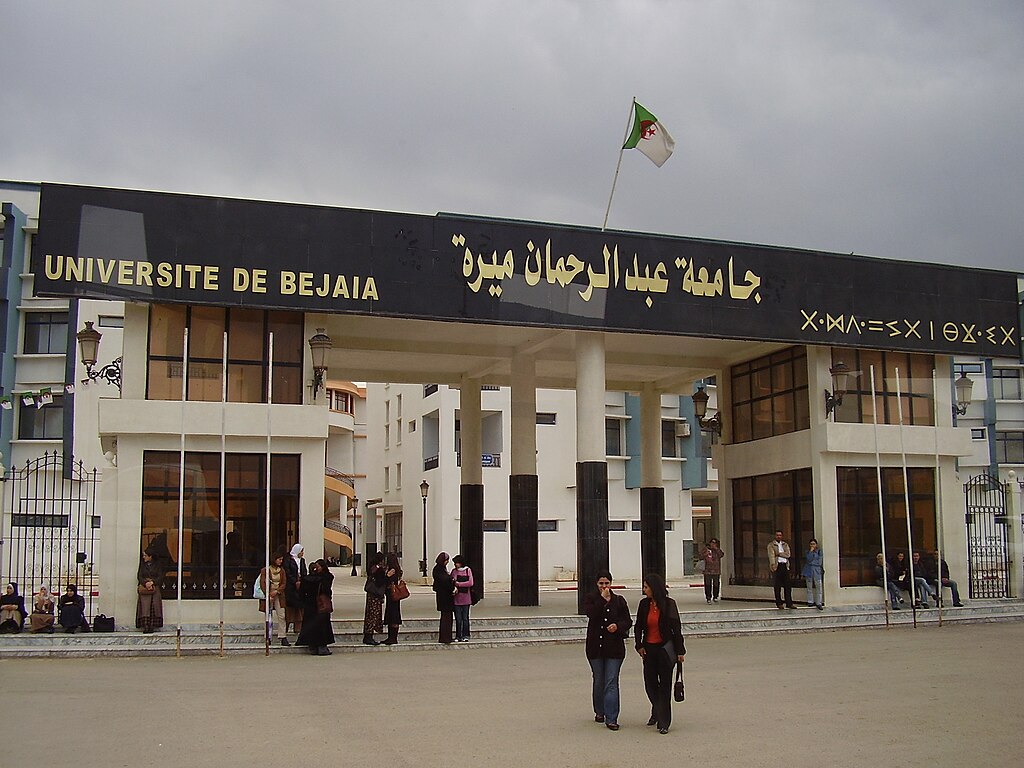 Higher education in Algeria has grown at remarkable speed and now focuses on improving its quality, job outcomes and student infrastructure. This article will look at what expanded access has achieved, what the LMD reform changed and how Erasmus projects and new incubators are tying degrees more closely to work.
A System That Scaled Up Fast
In two generations, higher education in Algeria has pivoted from being only for the elite to now being accessible to the masses. In 1963, the country had less than 10 higher education institutions and 3,000 students: fast forward to 2025 and that figure has grown to 115 with just shy of 2 million full-time students. Out of these students, 500,000 were working towards masters degrees while 65,000 were doctoral candidates. Women make up more than 60% of students in Algeria, putting them in the top 15 countries in the world for female enrolment.
Since 2004, Algeria has implemented the License–Master–Doctorate (LMD) aligning with the French/European model in order to boost international compatibility. The reform followed earlier restructurings in 1971 and 1999 and remains the framework for teaching and assessment today.
Incubators
A clear policy pivot is linking university study to entrepreneurship and regional development. Under the Ministry of Higher Education and Scientific Research (MESRS), campus incubators are now helping students and researchers turn their ideas into businesses and ventures. The incubator push is part of a wider strategy with the Algerian government setting a national target of 20,000 startups by 2029. Universities view incubators as a key mechanism to diversify the economy and tackle youth unemployment.
International Projects
International cooperation is reinforcing these shifts. Through Erasmus’ Capacity Building in Higher Education (CBHE), Algerian universities have been able to design an employment ready curriculum, strengthen their governance and emphasize quality assurance. Projects such as COFFEE created new professional bachelor degrees in partnership with Algerian companies and the ministry of higher education. This project has already led to the accreditation of 17 professional bachelor’s programs in areas such as industrial maintenance, building rehabilitation and e-commerce. These degrees focus on management and technical profiles that are in demand, helping young graduates move quicker into decent jobs and out of poverty.
A Linguistic Turn With Classroom Impacts
Algeria has made visible reforms to its language policy. While French remains widely used socially and academically, the government has focused its attention in making English the country’s secondary language. In 2025, schools, universities and medical programs will begin to utilize the English language with plans to train 30,000 English teachers. This shift aims to widen Algeria’s global research base as well as help them build industry networks that can create more skilled jobs for graduates of higher education in Algeria.
However, due to the government’s focus on rapid expansion, the quality of the staffing and facilities are unevenly distributed across the country. Studies have found that there are persistently high unemployment rates among graduates in certain fields.
A Brighter Future
Algeria’s higher education system has improved significantly in such a short amount of time with diversification and constant innovation playing a pivotal part in its success. The components for a better future are in place with modular degrees, incubators and international cooperation in place. If they continue with their consistent quality assurance, improved infrastructure spending and significant contributions to academic research Algeria will be able to quash their high youth unemployment rate and boost its economy further.
– Jibreel Meddah
Jibreel is based in Cardiff, UK and focuses on Good News and Politics for The Borgen Project.
Photo: Wikimedia Commons
