Today, human trafficking in Bulgaria exploits both foreigners and Bulgarian citizens in an ongoing trade for sex, free labor and forced begging. This small Eastern European country is one of the main sources of human trafficking in the entire E.U. Traffickers transport people, mostly women, from Bulgaria to Sweden, France and other countries in Western Europe.
The Status of Human Trafficking in Bulgaria
The Office to Monitor and Combat Trafficking in Persons tracks countries’ efforts to eradicate this form of “modern slavery,” and sets worldwide standards to follow. A 2020 report noted that while Bulgaria does not yet meet the minimum international standards to eliminate trafficking, the country is making immense progress. As a result, Bulgaria has a Tier 2 standing.
According to the Trafficking Victims Protection Act, the tier system comprises of three tiers:
- Tier 1: A government complies fully with the minimum requirements to eliminate severe forms of human trafficking.
- Tier 2: A government does not comply fully with minimum requirements, but is making significant efforts to do so.
- Tier 3: A government does not comply and is not making efforts to do so.
The People’s Struggle
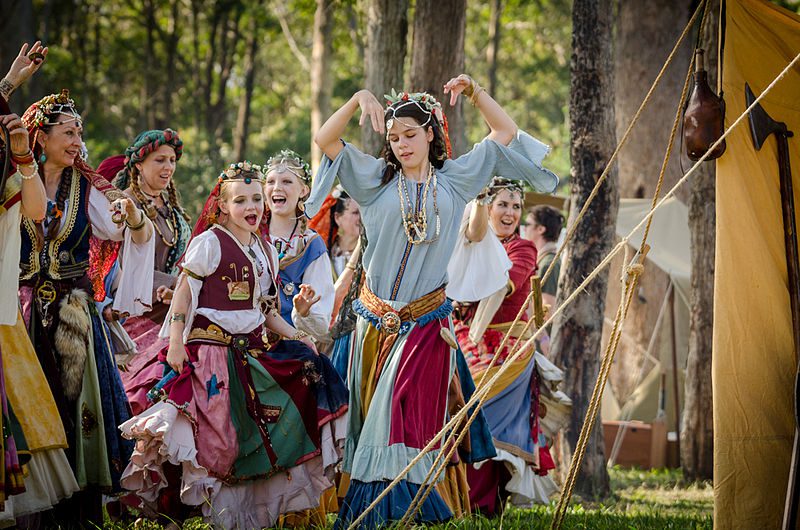
The majority of victims of human trafficking in Bulgaria are from marginalized communities, most often Bulgarians of Turkish and Romani descent. These communities are more vulnerable than other groups because of their minority status, prolific poverty and history of discrimination in the country.
Even now, many European countries discriminate against Roma in particular. Reliable numbers of Roma and other marginalized communities are difficult to find, as these populations are often disincentivized from self-identifying. Estimates put the current percentage of Roma in Bulgaria anywhere from 5% to 21%. However, Bulgaria has one the largest populations of Roma in the world.
Despite this exposure to the culture, anti-Roma attitudes are prevalent and widely accepted. The prejudice against them exacerbates poverty and restricts access to health care and education, leading to higher rates of incarceration and greater vulnerability to crimes such as human trafficking.
Fighting for Human Rights
While the Bulgarian government struggles to initiate policies that ensure due process for human traffickers, accountability for corrupt law enforcement and proper victim identification, other contenders do their best to pick up the slack. NGOs and nonprofit organizations across Europe recognize the human rights crisis in Bulgaria and are stepping up to the plate.
In 1994, two women founded the Animus Association to support women who survive traumatic and violent events. Today, it organizes projects aimed at successful communication and gender equality in Bulgaria.
In a recent project dubbed TOLERANT, the Animus Association partnered with programs in Greece, Romania, Italy and Austria to promote employment opportunities for women who experienced sex trafficking. This project, though set back with the emergence of COVID-19, inspired the installation of a permanent program called the National Program for Prevention and Counteraction to Human Trafficking and Protection of Victims.
The Bulgarian Helsinki Committee, Bulgaria’s largest human rights group, runs a variety of projects and campaigns prioritizing respect, the protection of vulnerable populations and informing the public on important issues. In some cases, the committee provides free legal aid to victims of human rights violations. In 2019 alone, the committee represented people in 64 different cases. One of these was a case representing a minor victim of gang rape. It also closely monitors human rights violations in the country for documentation and research.
These organizations, along with many others, are the people’s tools for abolishing human rights crises like human trafficking in Bulgaria and all of Europe. Similar to the ACLU or NAACP of the U.S., programs that begin as small grassroots movements can grow to influence governments on a national and even international scale.
Power to Heal
While some organizations focus directly on the issues at hand, others take a more nuanced and preventative approach. Programs like the European Roma Institute for Arts and Culture (ERIAC) support disadvantaged communities by giving them a voice. ERIAC regularly provides opportunities for jobs and access to symposiums and events specifically for Roma. Through the celebration of art, history and culture, individuals become empowered to affect change and positive development in their own communities.
As communities begin to heal from the generational and ongoing trauma, the hope is to continue that healing outwards. ERIAC founders believe that exposure to art, personal narratives and examples of success will decrease prejudice and ignorance by educating the wider population. In addition to providing a platform for artists, all membership fees go directly to the winner of the Tajsa Prize. ERIAC awards this prize annually to an emerging artist who embodies the aspirations of ERIAC, using their art to lift up their communities.
There is a long way to go before Bulgaria eradicates human trafficking, but in the meantime, Bulgarian citizens are finding their own ways to combat this violence. Nonprofits and nongovernmental organizations are emerging to do the work that needs doing, advocating for the country’s citizens in a myriad of ways. Healing can happen even in the midst of adversity, and the amplification of the voices and culture of survivors is an essential part of this process.

Rural Australians: Cancer and Poverty in Australia
The Link Between Cancer and Poverty
The cost of treatment is only one part of the problem. The importance of prevention cannot be overstated and because of a disadvantaged situation, many poor Australians are more likely to smoke cigarettes, be overweight and not get screened for cancers. This leads to more impoverished residents developing a range of cancers that reach later stages before they are diagnosed.
While the country has a decent healthcare system, the connection between cancer and poverty in Australia is significant. Poor citizens are more likely to develop cancer and are the least financially prepared for it. One out of every three Australian cancer patients has to pay out-of-pocket for treatment ranging from a few hundred dollars up to $50,000 AUD. Patients that have private health insurance rather than public medicare often pay far more out-of-pocket, sometimes double, in addition to their regular insurance payments.
Rural Residents in Remote Areas
Residents of Australia’s rural areas often face the worst financial obstacles as they must incur travel expenses and be far from home for extended periods. In 2008, only 6% of oncologists practiced in rural areas, leaving a third of Australians that live in remote regions without immediate access to decent treatment. There were 9,000 more cancer deaths in rural areas than in urban areas over a decade, a 7% higher death rate compared to city residents.
Due to the extensive travel time, many cancer patients from remote regions are forced to quit their jobs increasing the financial burden of treatment. Those that can keep their jobs, often force themselves to continue to work despite their illness and during treatments in order to pay the bills. In many instances, cancer patients must take loans from friends or family. creating further financial obligations.
Indigenous Australians
In addition to rural residents, indigenous citizens also disproportionately die from cancer compared to other residents. Indigenous Australians have a 45% higher death rate from cancer compared to non-indigenous patients. Cancer is extremely underreported by indigenous people in remote or rural areas resulting in a lack of proper data for the government to act on.
Addressing the Link Between Cancer and Poverty
To reduce the mortality rates of cancer patients, the government must address the correlation between cancer and poverty in Australia. As of 2017, only 1.3% of Australia’s health budget is allocated for cancer prevention, screening and treatment. The country must invest in prevention as well as rapid-access cancer aid for both patients and caretakers.
The Clinical Oncology Society of Australia and Cancer Council Australia are working to improve cancer treatment in rural areas of Australia. Solutions to diminish the connection between cancer and poverty in Australia include new methods of diagnosis and treatment. Telehealth and shared care, in which the patient’s primary physician works with an oncologist to limit travel for treatment, help cut down on costs for struggling patients.
Cancer organizations in Australia have worked with the government to set up the regional cancer center (RCC) initiative across the country to make cancer care more accessible for residents living in rural areas. Since 2010, 26 regional cancer centers have opened to help patients living in remote locations.
Prioritizing the Health of Rural Residents
For the mortality rates of impoverished or rural cancer patients to lessen, the government must invest in prevention as well as access for rural residents. Above all, for Australia to successfully provide aid for cancer patients there must be accurate data collection on cancer and poverty in Australia to properly allocate funds for all demographics.
— Veronica Booth
Photo: Flickr
Eco-Technology Initiatives Combating Global Poverty
There are more than seven billion people worldwide, and approximately two billion are without sanitation methods or a proper toilet. Many of these people have to defecate in open areas, including gutters and water sources. As a result, 10% of the world’s population may consume wastewater through their food’s irrigation. Thankfully, initiatives in eco-technology are working to help rid communities of disease and, most importantly, poverty.
Eco-technology Initiatives
Without access to a clean bathroom or sanitation necessities, millions of people are at risk of contracting deadly diseases and polluting their environment. Organizations worldwide have prioritized supplying those in need with the right education and tools to keep themselves safe. The United Nations estimates that if communities have access to clean water, proper hygiene and regulated sanitation methods, more than 840,000 people per year will live more safely. The work of eco-technology groups is necessary now more than ever. Here are three of these initiatives.
OXFAM Teaches Hygiene
OXFAM is a global initiative that aims to eradicate poverty. It works with local groups and governments worldwide to provide sustainable eco-technology for community sanitation needs. The OXFAM team specifically focuses on providing clean water and restrooms and teaching hygiene to communities facing crises. OXFAM works with locals groups and the government to find the best and most affordable way to implement sustainable hygiene.
In Bangladesh, OXFAM has built sewage treatment systems to handle the waste of approximately 150,00 people a month. In addition to waste management, OXFAM visits schools and communities to promote and distribute hygiene kits. These kits often include a clean bucket and cover, soap, sanitary pads, diapers and more. The group mobilizes volunteers and resources globally. OXFAM reached approximately 20 million people in 2018-2019, more than half being women. The organization seeks to implement long-term strategies and humanitarian assistance through its efforts.
Toilet Twinning Gives Communities A Choice
Toilet Twinning is a highly innovative international initiative. For approximately $80, buyers can “twin” their toilet with an impoverished family in any country they like. Upon buying their toilet, customers receive a certificate and photo with map coordinates of their twin toilet’s location. Buyers’ donations go straight to providing clean water, sanitation basics and proper hygiene education. The initiative’s partners take the time to talk with and understand communities’ immediate needs to choose the best toilet setup.
Toilet Twinning eco-technology toilets come in various designs. The simple pit latrine is the most basic setup and the cheapest form of “improved sanitation.” The pit is 1.5 meters deep with a cover for use in any weather. Once the pit is full, it is topped with soil, and a new pit is dug. Another option is the ventilated improved pit latrine, containing a simple pit latrine with a vertical ventilation pipe for odors. It has a mesh cover for the hole so that air may flow freely and flies are kept out.
The choice to put in these systems is often the first chance villagers have to decide something in their lives. Therefore, the organization encourages the locals to have input on the design, materials and to help build the latrine. Toilet Twinning currently has partners in more than 35 countries, more than 140,000 toilet twins and more than 800,000 changed lives.
ECOLOO Makes Improvement Affordable
ECOLOO is a company focused on creating and distributing green eco-technology to communities in need. Accordingly, the company has developed a new way to treat waste while also providing eco-friendly toilets. The science behind the company’s waste management is relatively simple. The waste is broken down into ashes while urine turns into a pathogen-free liquid fertilizer. ECOLOO makes a point to use safe bacteria to treat the waste and turn it into fertilizer for agriculture in the local community.
Meanwhile, the latrine system is waterless, odorless, chemical-free and low-maintenance. The setup is a stand-apart toilet made up of a two-tier box. One box is for urine, waste, bacteria and an organic filter. The other is below, where the waste is treated and undergoes nitrification to transform into safe and organic fertilizer.
What makes this company stand out above the rest is its comfortable design, waterless needs and affordable cost. When a user buys the setup, they only have to pay 40% upfront with the rest in installments. This payment model makes it far more affordable for communities to access sanitation stations. Through its efforts, ECOLOO has provided more than 1,200 eco-technology toilets, created a job market and changed thousands of lives.
Moving Forward
These eco-technology initiatives, along with others around the world, change lives by providing sustainable bathroom basics and consequently fighting poverty. Moving forward, it is essential that these organizations and others continue to prioritize improving sanitation around the world.
– Sallie Blackmon
Photo: Flickr
4 New Members of the 117th Congress Who Could Shape America’s Approach to Foreign Aid
At least 65 representative-elects and senator-elects joined the 117th Congress in January 2021 to serve with a president who wants to “bring aid back to the center of our foreign policy.” The next two years could represent a sea of change in the U.S.’s approach to foreign policy and foreign aid under an administration committed to global development. Several new representatives want to increase foreign aid and improve the U.S.’s approach to peacekeeping and diplomacy. Here are four new members of the 117th Congress who could shape the U.S.’s approach to foreign aid.
4 New Members of the 117th Congress
A Look to the Future
Jacobs, Jones, Auchincloss and Bowman have come out in favor of innovative solutions to addressing global poverty. However, any of the new members of the 117th Congress could advance the U.S.’s approach to foreign aid. The bold approaches put forth by some of these representatives have the potential to set a standard for the future of U.S. foreign aid as Congress takes on the COVID-19 pandemic and faces a changing foreign and economic landscape.
– Kieran Graulich
Photo: Flickr
Updates on SDG Goal 10 in Argentina
Achieving SDG 10: Reducing Inequality
Argentina had been struggling to achieve SDG 10, which focuses on reducing inequalities within a county’s population and among different countries around the world. To measure inequality, the SDGs use a scale of 0 to 100. The lower the score, the closer the country is to achieving economic equality. The goal is to achieve a ranking of 30 or lower by 2030. Before the COVID-19 pandemic, Argentina had a ranking of 51. The pandemic has siphoned resources out of the government and stalled updates on SDG Goal 10 in Argentina and other progressive reforms. On top of that, millions of Argentinians have lost their jobs and inequality is expanding as a result.
President Alberto Fernández
In December 2019, President Alberto Fernández won the presidential election over conservative incumbent, Mauricio Macri. President Fernández’s political style is that of his mentor, former president, Néstor Kirchner. However, “the COVID-19 pandemic might very well shatter the center-left president’s dreams of following in his mentor’s footsteps and bringing social progress and economic growth to Argentina,” writes Hugo Goeury.
Despite Fernandez’s progressive goals for his administration, reforms have all been put on the back burner since the arrival of COVID-19 in Argentina.
Poverty, Unemployment and the Wealth Gap
In the first half of 2020 alone, the poverty rate among Argentinians increased to almost 41%, the Americas Society/Council of the Americas reported, nearly a 5% increase from the previous year. The Central Bank is also predicting the GDP to contract by nearly 11%.
With almost a third of Argentine workers facing unemployment, President Fernandez is scrambling to financially support his unemployed constituents, while also negotiating the country’s debt owed to the International Monetary Fund (IMF).
According to the World Inequality Database, as of 2019, the top 10% wealthiest Argentinians controlled nearly 40% of the country’s income, while the bottom 50% only possessed 17.9% of the nation’s income.
Better Days Ahead for Argentina
Even though updates on SDG Goal 10 in Argentina seem especially challenging right now, Argentinians are still
pushing forward to make their country more equitable for everyone. The U.N. says, “In the post-pandemic world, Argentina must strengthen its productive apparatus and continue to eliminate inherited social inequities and those aggravated by COVID-19.”
– Laney Pope
Photo: Wikimedia Commons
The People of Slovakia’s Lunik IX Slum
Roma People in Lunik IX
There a several reasons why Lunik IX is an area that is neglected and overlooked by Slovakia. One is due to the large population of Roma people, a minority group unfairly discriminated against and long labeled as a reason for many problems in the country. The slum mostly consists of Roma people who lack the very things they need to rise out of poverty. The Roma population’s 97% unemployment rate is the biggest reason for poverty in the area. Many try to get jobs but are denied them purely based on their ethnicity.
This, as a result, heavily impacts children in Lunik IX. Their parents cannot provide for them, forcing them to live in a rundown area where there is little to no electricity and basic needs go unfulfilled. There is also little opportunity for them to break the cycle of poverty. All these issues have made the area a seemingly hopeless place for many of the children who live there.
Recreational Developments in Lunik IX
In the past few years, significant progress has been made in Lunik IX to improve living conditions for people. For one, there have been a lot of projects built purely for the purpose of giving children safe spaces to play in instead of playing in garbage and rubble. A gym, ping pong tables, a playground and a park have all been built, giving the residents safe recreational spaces. While these seem like small solutions to big problems, these spaces allow kids to be kids. The children of Lunik IX do not live typical childhoods and these projects allow them to engage in children’s play activities.
Other Key Developments in Lunik IX
Three important new developments in the area are the implementation of regular garbage disposal, the establishment of clean drinking water facilities and new construction projects. Lunik IX has been long plagued with poorly disposed of trash and a regular garbage disposal system eliminates this problem entirely. This alone can improve the health of people tenfold, as many of the diseases they face arise from unsanitary living conditions.
Clean drinking water is a necessity and it is something that Lunik IX lacks. There are plans for the reconstruction of water pipes with a prepaid system, which will ensure nobody accumulates debt from water payments.
Newer construction efforts are on track to solve the decay of many buildings and the lack of employment opportunities. Many of the newer buildings can be worked by residents, allowing them to have jobs they have previously been denied based on ethnicity.
Despite Lunik IX’s reputation as on of Europe’s worst slums, efforts are being made to change this and improve living conditions for the people.
– Remy Desai-Patel
Photo: Flickr
The Connection Between Prison and Poverty
In many societies around the world, mass incarceration is rampant and disproportionately affects those living in poverty. In 2013, reports determined that more than 10 million impoverished people have undergone incarceration. This has led to a dampening of upward social mobility because even after prison convicts face the stigma of being a former felon, individuals who believed that their best option to rise from poverty was a life of crime will likely return to a community where their best survival option is criminal. A connection between prison and poverty emerges in developing countries where cyclical policies keep people at the bottom of the social hierarchy with no way out.
The Connection Between Prison and Poverty
Former U.N. Special Rapporteur on extreme poverty and human rights Philip Alston studied this prison-poverty connection. In 2018, he released his findings in a report that documented how overly harsh government policy can have a pronounced effect on impoverished offenders. Alston notes, “so-called fines and fees are piled up so that low-level infractions become immensely burdensome, a process that affects only the poorest members of society, who pay the vast majority of such penalties.” If someone fails to pay their debts, the government will often place restrictions on their driver’s license, making recidivism far more likely.
Pre-Trial Detention in Brazil
Brazil ranks as the country with the third-highest rate of incarceration, behind China and the U.S. Its prison population rises above 755,000. Like the United States, the developing country engages in pre-trial detention. Pretrial detention is the act of holding a person suspected of a crime without rights until a court date. However, poor people often stay in detention facilities longer than the wealthy. This is because they cannot afford the exorbitant cash bail that the wealthy can. A 2010 study found that hundreds stayed in jail several years past their planned release. Additionally, “irregularities” lead to the mistaken detainment of over 16,000 Brazilians. Pretrial detention inmates currently overcrowd Brazil’s prisons, which make up nearly a third of the inmate population.
The War on Drugs in Thailand
With the number of people incarcerated at 344,161, Thailand ranks as number six in the world when it comes to mass incarceration. Similar to Brazil, the country has its own struggles with prison and poverty. An unexpected explanation for Thailand’s overcrowded prisons is the American War on Drugs. In 1997, a financial crash forced many Thai people into unemployment. This economic despair led to an increase in the number of drug users. In 2003, the government chose to heavily police these now-impoverished citizens. While Thailand has backed away from violent crackdowns, the majority of arrests are still primarily drug offenses. To evade time in prison, wealthier people can pay the $1,300 in drug charges. In 2016, only 27% of first-time offenders managed to avoid recidivism, as those in poverty could not afford bail.
Penal Reform International
While the connection between prison and poverty seems deep-rooted, it is still capable of transformation. Organizations have worked to alleviate the flaws of prison systems throughout the globe through educational, political and relief efforts to break the cycle. Penal Reform International is one such group.
Founded in 1989 with a focus on rehabilitation, Penal Reform International (PRI) works with the United Nations and other organizations to advocate for fair treatment of people in the criminal justice system. PRI observes detention centers and offers solutions to systemic abuse. For example, PRI studied the lives of the female offender population in the country of Georgia. The report found that they detained over a third for non-violent drug offenses. About 40% of those questioned committed crimes for financial reasons, while 80% were also mothers. Among those who received a release from prison, more than half had trouble finding employment due to their record, while most never obtained any kind of rehabilitative assistance. Between 2016 and 2019, PRI created a project providing services to Georgian women prisoners. Services included legal aid, counseling, business grants and healthcare assistance. Respondents expressed that the project has greatly improved their mental wellbeing, preparedness and self-esteem.
Prison and poverty can intertwine when the prison system values money over people. Nevertheless, learning about these issues surrounding developing countries can shed light on the flaws in one’s own.
– Zachary Sherry
Photo: Flickr
The Anglophone Crisis in Cameroon
Since November 2016, the Anglophone Crisis in Cameroon has been ongoing, which is an issue that links to its population’s identity. A section of the English-speaking minority population of the country, originally from the northwest and southwest regions of the country, is protesting against the current government. Their claims mostly focus on the marginalization of the English language, the lack of access to English education, the common law system and even jobs for native anglophone Cameroonians. The conflict started with a peaceful protest from anglophone lawyers and teachers and escalated with the emergence of an anglophone separatist movement. As the situation remains tense, the attention of the international community is necessary.
The State of Affairs
Beyond the language and identity claims, this conflict collides with other threats, such as Boko Haram, that have significantly weakened the economy of the country, especially in the northwest and southwest regions. In 2018, the National Organization of Employers, Gicam, reported that about 45% of the cocoa produced in the country is in the southwest, and 75% of Cameroonian arabica coffee comes from the northwest. Export earnings from these two commodities have fallen by 20% due to the conflict in the English-speaking area, where a fifth of the total population lives. Moreover, an increase in unemployment and the shutting down of businesses has occurred. Human Rights Watch estimates nearly 300 Cameroonians have died since January 2020 in regions of concern, and over 1 million have experienced internal displacement. In such a context, foreign aid could be particularly beneficial, but things are not that simple.
The Challenges of Foreign Aid
Through time, Cameroon has received foreign aid from countries and institutions such as France, the United States and the World Bank. In September 2020, Cameroonian Foreign Minister Lejeune Mbella Mbella asked for increased international cooperation in support of the country’s ongoing struggle against “terrorism.” Moreover, the UN OCHA has launched a Humanitarian Response Plan (HRP) that identified 3.9 million people in need. Estimates determined that the initiative would provide $320.7 million USD.
Despite some previous successes of foreign aid programs in Cameroon, challenges remain, especially in the context of the current Anglophone Crisis. Firstly, aid and humanitarian workers are highly at risk, which slows down their work. In January 2020, pro-independence fighters kidnapped seven aid workers from the Martin Luther King Jr. Memorial Foundation and the COMINSUD. Although they later released all staff, the abductions resulted in several organizations restricting their area of operations.
Secondly, cooperation with the government tends to be difficult sometimes. Indeed, Cameroonian authorities have publicly charged NGOs such as Human Rights Watch, Amnesty International and the Think Tank International Crisis Group – among other organizations – of working to “destabilize state institutions.” Resistance also comes over concerns of aid distribution, as Cameroon ranks 152 out of 180 countries in the 2018 Transparency International corruption perceptions index, and it ranks 166 out of 190 economies in the World Bank’s Doing Business 2019 report.
Good News and Solutions
Despite remaining challenges and perceptions, foreign aid has had some success in Cameroon in the past, which keeps some humanitarian workers optimistic, even during the Anglophone Crisis. Indeed, the poverty rate has dropped from 53% in 1996 to 37.5% in 2014. As many organizations continue to provide humanitarian aid to Cameroon, some experts remain optimistic that the living conditions of Cameroonians will continue to improve. The work of state and nonprofit actors continues to reap positive results, though the improvements cannot always occur easily. The United States Agency for International Development (USAID) is one of the organizations providing support to the country.
To improve these good results, it appears important to address the different obstacles to the redistribution of foreign aid in Cameroon. For this purpose, both the state and civil society level initiate actions. Indeed, at the civil society level, international organizations such as the World Bank have developed a performance-based system – Country Policy and institutional Assessment – that allows the institution to evaluate the qualification of a country to receive aid while reducing the risks of corruption.
This kind of mechanism can be a standard for international NGOs providing financial assistance to Cameroon. At the state level, the Cameroonian government has made another step towards its decentralization process. Indeed, regional advisors have undergone recent election. Their role is to foster the development of their localities while remaining accountable to the people. These new authorities can increase transparency and can use their knowledge of the local dynamics to help humanitarian workers in the distribution of aid.
– Jules Sombaye
Photo: Flickr
Human Trafficking in Bulgaria
Today, human trafficking in Bulgaria exploits both foreigners and Bulgarian citizens in an ongoing trade for sex, free labor and forced begging. This small Eastern European country is one of the main sources of human trafficking in the entire E.U. Traffickers transport people, mostly women, from Bulgaria to Sweden, France and other countries in Western Europe.
The Status of Human Trafficking in Bulgaria
The Office to Monitor and Combat Trafficking in Persons tracks countries’ efforts to eradicate this form of “modern slavery,” and sets worldwide standards to follow. A 2020 report noted that while Bulgaria does not yet meet the minimum international standards to eliminate trafficking, the country is making immense progress. As a result, Bulgaria has a Tier 2 standing.
According to the Trafficking Victims Protection Act, the tier system comprises of three tiers:
The People’s Struggle
The majority of victims of human trafficking in Bulgaria are from marginalized communities, most often Bulgarians of Turkish and Romani descent. These communities are more vulnerable than other groups because of their minority status, prolific poverty and history of discrimination in the country.
Even now, many European countries discriminate against Roma in particular. Reliable numbers of Roma and other marginalized communities are difficult to find, as these populations are often disincentivized from self-identifying. Estimates put the current percentage of Roma in Bulgaria anywhere from 5% to 21%. However, Bulgaria has one the largest populations of Roma in the world.
Despite this exposure to the culture, anti-Roma attitudes are prevalent and widely accepted. The prejudice against them exacerbates poverty and restricts access to health care and education, leading to higher rates of incarceration and greater vulnerability to crimes such as human trafficking.
Fighting for Human Rights
While the Bulgarian government struggles to initiate policies that ensure due process for human traffickers, accountability for corrupt law enforcement and proper victim identification, other contenders do their best to pick up the slack. NGOs and nonprofit organizations across Europe recognize the human rights crisis in Bulgaria and are stepping up to the plate.
In 1994, two women founded the Animus Association to support women who survive traumatic and violent events. Today, it organizes projects aimed at successful communication and gender equality in Bulgaria.
In a recent project dubbed TOLERANT, the Animus Association partnered with programs in Greece, Romania, Italy and Austria to promote employment opportunities for women who experienced sex trafficking. This project, though set back with the emergence of COVID-19, inspired the installation of a permanent program called the National Program for Prevention and Counteraction to Human Trafficking and Protection of Victims.
The Bulgarian Helsinki Committee, Bulgaria’s largest human rights group, runs a variety of projects and campaigns prioritizing respect, the protection of vulnerable populations and informing the public on important issues. In some cases, the committee provides free legal aid to victims of human rights violations. In 2019 alone, the committee represented people in 64 different cases. One of these was a case representing a minor victim of gang rape. It also closely monitors human rights violations in the country for documentation and research.
These organizations, along with many others, are the people’s tools for abolishing human rights crises like human trafficking in Bulgaria and all of Europe. Similar to the ACLU or NAACP of the U.S., programs that begin as small grassroots movements can grow to influence governments on a national and even international scale.
Power to Heal
While some organizations focus directly on the issues at hand, others take a more nuanced and preventative approach. Programs like the European Roma Institute for Arts and Culture (ERIAC) support disadvantaged communities by giving them a voice. ERIAC regularly provides opportunities for jobs and access to symposiums and events specifically for Roma. Through the celebration of art, history and culture, individuals become empowered to affect change and positive development in their own communities.
As communities begin to heal from the generational and ongoing trauma, the hope is to continue that healing outwards. ERIAC founders believe that exposure to art, personal narratives and examples of success will decrease prejudice and ignorance by educating the wider population. In addition to providing a platform for artists, all membership fees go directly to the winner of the Tajsa Prize. ERIAC awards this prize annually to an emerging artist who embodies the aspirations of ERIAC, using their art to lift up their communities.
There is a long way to go before Bulgaria eradicates human trafficking, but in the meantime, Bulgarian citizens are finding their own ways to combat this violence. Nonprofits and nongovernmental organizations are emerging to do the work that needs doing, advocating for the country’s citizens in a myriad of ways. Healing can happen even in the midst of adversity, and the amplification of the voices and culture of survivors is an essential part of this process.
– Kari Millstein
Photo: Wikipedia Commons
5 Facts about Human Trafficking in Germany
Human trafficking remains a major element of the world economy, despite the efforts of governments and international organizations to eradicate it. Traffickers traffick humans for a wide range of reasons, from forced manual labor to sexual slavery. In countries like Germany, a major European hub for immigration, human trafficking is particularly problematic. Here are five key facts to know about human trafficking in Germany.
5 Facts About Human Trafficking in Germany
Looking Ahead
Despite Germany’s status as a standard-bearer for the E.U., it has a checkered record regarding human trafficking. While Germany’s protocols on human trafficking exceed the basic United States standards for the elimination of trafficking, there are areas in which the country could manage human trafficking better. Particularly, Germany’s large immigrant population provides a vulnerable target group for human traffickers.
– Leo Ratté
Photo: Wikipedia Commons
How Private Sector Businesses Help Achieve SDGs
The U.N. Sustainable Development Goals
In 2015, the U.N. created 17 Sustainable Development Goals to be achieved by 2030. The overarching aim of the SDGs is, “peace and prosperity for people and the planet.”
The goals principally involve less discrimination worldwide, eliminating poverty, giving more individuals more economic and educational success, increased justice, prioritizing the environment, improving global health and more.
The SDGs are meant for everyone to tackle, from the average person to national governments and major corporations such as private sector businesses.
The Need for SDG Funding
Reaching all 17 SDGs by 2030 will cost between $5-7 trillion per year, according to the United Nations. Although in 2016, development assistance funds hit a high of $142.6 billion, there is still a need for a much greater infusion of funds and a significant need for the support of private sector businesses.
The lack of available funds from the public sector, specifically, is the main reason why there has not been more progress toward the SDGs. Public sector sources of funding are predominantly national governments and government organizations.
Referencing this lack of funding, Guterres lamented the lack of progress made toward the SDGs and urged business leaders in the private sector to step up. “We need business leaders to use their enormous influence to push for inclusive growth and opportunities,” states Guterres. “No one business can afford to ignore this effort and there is no global goal that cannot benefit from private sector investment.”
Businesses Leading Change Through SDGs
Because there is an apparent need for more corporations to invest in SDGs, it is important to recognize those businesses fighting poverty through a commitment to achieving the SDGs.
The U.N. and 30 leaders of multinational companies created the Global Investors for Sustainable Development Alliance in September 2019. They immediately began supporting initiatives for clean energy in Latin America, Africa and Asia, among other goals.
The United Nations Environment Programme Finance Initiative drafted the Principles for Responsible Banking to serve as guidelines for banks to commit themselves to the SDGs. Worldwide, more than 200 banks have committed to these principles. This figure represents more than one-third of the global banking industry. The signatory banks must report on their achievements, goals and growth regarding the principles. They must also accomplish all principle requirements within a set timeline. This ensures tangible strides toward actualizing the SDGs.
The company, PepsiCo, is also making good strides with the SDGs. It is committed to multiple projects in agreement with specific SDGs. The company established a “Green Bond” worth $1 billion in 2019 to do so.
A notable project is the company’s aspiration to restore 100% of the water it uses for manufacturing to areas that are “high water risk.” It aims to do this by water reuse and recycling initiatives, supplying smallholder farmworkers with “water-saving technologies” and sustainable agricultural techniques. PepsiCo cites SDG 6, “Clean Water and Sanitation,” SDG 15, “Life on Land” and SDG 12, “Responsible Consumption and Production,” as aligning with this particular objective.
The Contribution of Foundations
Private sector businesses fighting poverty go beyond business transactions and profitable decisions. Many companies commit to progressing the SDGs by supporting foundations. Top contributing foundations include the Bill and Melinda Gates Foundation, Fidelity Investments Charitable Gift Fund and Gothic Corporation. Total global funding for the SDGs from foundations is upwards of $216 billion.
All these examples of private sector businesses committing to the SDGs prove it is a worthwhile endeavor that needs support on a broad scale. In the words of Guterres, “Corporate leadership can make all the difference to creating a future of peace, stability and prosperity on a healthy planet.”
– Claire Kirchner
Photo: Flickr