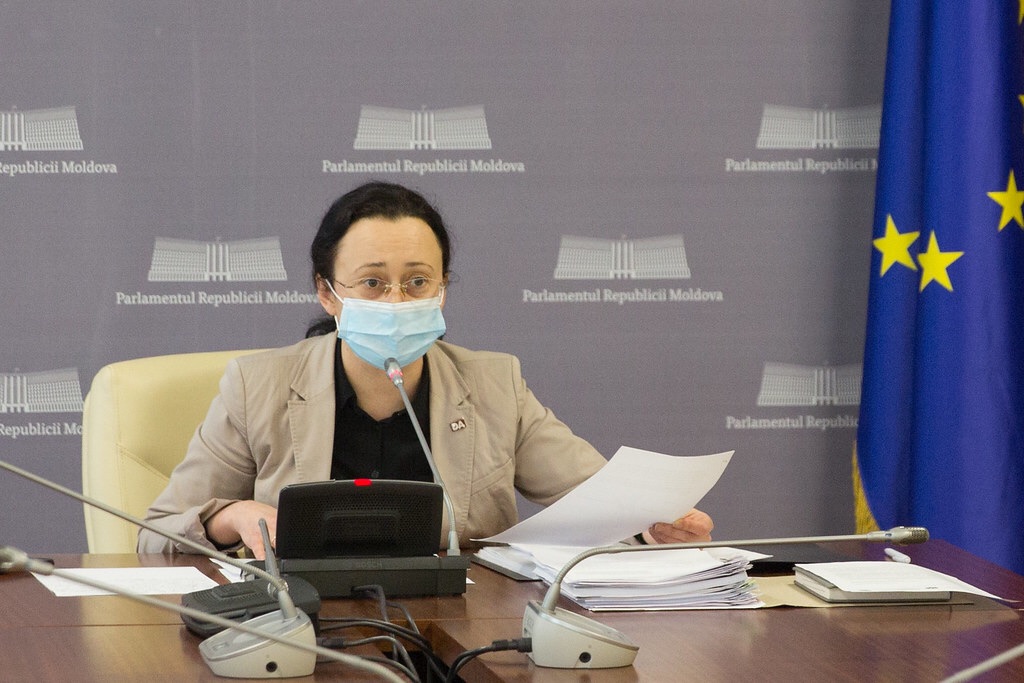
Massive advancements in the quest for gender equality have filled the Modern Era. In the early 20th century, suffrage was pivotal in allowing women to obtain the right to vote. No-fault divorce, maternity leave, the Voting Rights Act and the Civil Rights Act served to further advance the position of women. Around the world, these acts and ones like it have served to acknowledge and reform many factors limiting women’s role in society.
Need for Change
Despite many of these advances, a great deal more progress is necessary. Women are far more likely to be victims of sexual, spousal and physical abuse than men. Additionally, women still make approximately 60% of what their male counterparts earn per hour. If one acknowledges gender inequality now more than ever, why is gender equality progress so difficult to achieve? The answer may lie in the many problems the Republic of Moldova has seen. Specifically, the state of gender inequality in Moldova epitomizes that of countries gender inequality plagues, due to its deep-seated history of gender prejudice, as well as the limited effectiveness of implementing gender-based reforms.
Current Reform Efforts
Gender equality issues in Moldova have long struggled under the reign of communism. As a former member of the Soviet Union, the nation faced many limitations on expanding its people’s liberties and its economy. As a result of regressive economic situations, much of Moldova’s social culture relies on predicated, traditional gender roles. This makes the achievement of gender equality difficult, as society expects women to remain in their traditional gender roles.
Currently, Moldova’s gender equality efforts have appeared to be keeping up with those of other countries. In 2006, the government passed the Convention of the Elimination of All Forms of Discrimination Against Women. In 2016, the Republic of Moldova executed the 2030 Sustainable Development Agenda which attempted to provide social and economic freedom to all human beings. Additionally, it adopted Law No. 71, which introduced paid paternity leave of 14 days and banned the use of sexist imagery and rhetoric in advertisements. Furthermore, it promoted the empowerment of womens’ status in politics at the national and local levels as well as introduced a minimum 40% Parliament gender requirement in order to enact decision and electoral college processes.
Is it Enough?
Despite the implementation of these and similar protocols, the work is far from complete regarding solving gender equality issues in Moldova. Many of the changes are protocols and they do not reflect immediate, or even effective action towards gender reformation.
Flaws in gender equality within Moldova’s government exemplified the need for further action. Gender equality in Moldova is incredibly hard to achieve when there is a huge limitation on Moldovan womens’ political power, as they possess only a fraction of representation in government in comparison to their male counterparts.
Additionally, despite the passing of these legislations years ago, Moldova still ranks 23rd in countries with the highest gender gap. This gap is so pervasive that women still experience prejudice in the form of severe wage differences, segregation of economic level, finite aid for childcare and unequal partner support for childcare.
Moldova also has a continued issue with domestic violence towards women. A family study on violence against women found that 63% of women suffered from violent partners. The study also showed that one out of 10 women experienced some form of economic violence.
A Hopeful Future for Women
While much more work is necessary, hope exists for gender equality in Moldova. While many countries around the world have yet to seriously acknowledge or even pass legislation toward the issue of gender equality, the aforementioned legal efforts show a much more profound commitment to its cause. Furthermore, there have been sizable steps in executing the issue of gender equality. Parliament, though not yet at 40%, has reached 25.7% representation and 36% in local municipalities. Moreover, Moldova’s Minister of Foreign Affairs and European Integration, Oleg Tulea, suggests the decrease in maternal mortality rate and successful birth rates were a result of a decrease in female-directed violence.
Outside intervention has also played a role in assisting women who experience violence. For instance, the U.S. NGO Global Rights for Women taught and created manual addressing how to approach cases of domestic violence. In addition, the document covers other issues, like gender gaps, human trafficking and overall advancement. Recently, Moldova elected the country’s first female president. Maia Sandu won an impressive 57% of the vote and stands as a staunch Europeanist. This also serves as a dramatic change to the isolationist policies, previously popular in Moldova.
The path to solving gender equality issues in Moldova is a long and formidable process. However, with recent successes, the idea of profound advancement is no longer just a dream, but an ever-evolving reality.
– James Hurwitz
Photo: Flickr

Anti-Immigration Views Harm Migrants in Italy
Immigration Policy in Italy
During the late 2010s, it was found that many in the Italian government were in favor of pushing for more emphasis on a migration-focused dialogue among the EU member states. The Italian government hoped that by communicating more with the countries of origin, it would be able to support migrants in a more humane manner that would give more control over the number of people on Italian land. The EU accepted several suggestions put forth by the non-paper called the Migration Contact. Some of these recommendations include urging greater investments in border control and security while also reaching out to readmission and resettlement programs to improve upon local asylum systems. This would give migrants better opportunities to return home should they be unable to stay or attain citizenship in Italy.
Slow Yet Steady Progress
Although the anti-immigration policies were strict, late 2020 and early 2021 have seen a slow but steady change to improve the laws that cracked down on those seeking asylum and any who tried to help them. The new legislation is currently taking steps to make it easier for migrants to become citizens and withdrawing orders given to coastal guards to harass those attempting to come ashore. One such action would be the reintroduction of special protection permits. This would be given to those who have relations with established Italian citizens, those with serious health issues (mental and physical) and people who do not meet asylum requirements but are escaping inhumane treatment in their homelands.
Current Migrant Policies
The political view toward immigration and migrants was originally negative, however, many in the government did not want to withdraw the extended helping hand from those who needed it. Italy’s current migrant laws have designated funds for integration policies, funding for language courses as well as intercultural activities, housing and educational purposes. The newer policies also want to focus on the risks involved when migrants come to Italy. This includes personal preferences such as refusing regular fingerprint collection, which used to lead to an immediate rejection of any requests for asylum.
Organizations Helping Migrants and Refugees in Italy
Organizations within Italy are working to provide the support that the government has not yet granted to refugees. Groups such as Choose Love, Donne di Benin City and Baobab Experience work within Rome and Palermo to ensure that migrants receive accommodation, food and clothing. The organizations also offer legal assistance so that individuals have better chances of gaining citizenship.
Choose Love has reached more than one million people through more than 120 projects in Italy and 14 other countries. These organizations help to fulfill the essential needs of migrants in Italy who are unable to return to their homelands and have no other means of support.
– Seren Dere
Photo: Flickr
Giga Shanghai: Tesla’s Gigafactory in China
What is a Gigafactory?
Tesla has been revered for its innovation in the electric vehicle (EV) market. Every year, the company seems to attract higher demand from around the world. With demand showing no signs of slowing down, Tesla was forced to rethink how it handles production. The Gigafactory serves as a production powerhouse to resolve the demand problem.
With the addition of the Shanghai Gigafactory, or Giga Shanghai, Tesla now says that it can produce roughly half a million vehicles per year. Gigafactories centralize production and allow for more parts to be made in-house. This cuts time and costs which ultimately results in lower prices for the consumer.
Tesla also made it paramount to make the Gigafactories as environmentally friendly as possible. All three Gigafactories are zero net energy. This means that they only rely on energy from renewable sources. In the case of Gigafactories, this means lots of solar power and no harmful byproducts.
How Giga Shanghai Helps Impoverished Chinese Citizens
Perhaps the most obvious way that Giga Shanghai helps is by providing jobs in China. Since its completion in 2019, the Gigafactory has employed roughly 2,000 people. Many of the jobs are in the production line so they are attainable for everyday citizens with no formal secondary education.
In addition to jobs, Giga Shanghai serves as a solution to the city’s immense pollution problem, with the most impoverished citizens living in the hardest-hit areas. Shanghai usually has an air quality index (AQI) that hovers around 150. Good air quality levels mean an AQI of between zero and 50. In a country where up to 1.24 million people die from pollution-related illnesses every year, Giga Shanghai proves that factories can still operate on a massive scale without relying on fossil fuels and other non-renewable energy sources.
If the energy technology used in Giga Shanghai is applied to other factories in the city, thousands of lives can be saved every year, especially the lives of the most impoverished citizens who cannot afford to move out of the most polluted areas.
Cutting Costs and Bolstering Relations
Before Giga Shanghai, the price of the world’s most popular EV (Tesla Model 3) remained too high for many people in China and abroad. Now, with the ability to produce the Model 3 in China, production and transportation costs have been slashed across Asia and Europe. Compared with the U.S. models, the production cost of the Chinese Tesla Model 3 has dropped by up to 28%. Now more than ever, Chinese citizens can access clean and reliable personal transportation that does not pollute their cities.
Giga Shanghai has also opened the door for new trade opportunities with European nations. Now, countries such as Germany, France, Italy, Portugal and Sweden prefer to purchase Teslas from China since the cost is lower. Trading in higher volume with developed economies means that China is inching closer to becoming a fully developed economy.
Giga Shanghai and the Future
Tesla CEO, Elon Musk, has stated that he would like to see 10 to 20 Gigafactories built over the course of the next couple of decades. Giga Shangai is the “guinea pig” since it is the first Gigafactory outside of the United States. So far, things appear to be running smoothly.
Soon, Gigafactories could be popping up in other emerging markets like Argentina, Mexico and Morocco. Gigafactories may be a stepping stone to help emerging markets become better developed. Job creation is a significant benefit of a Gigafactory. They advance industry, create new opportunities to trade with other countries and offer a clean alternative to gas-powered vehicles. Ultimately, Gigafactories can serve as a catalyst for global poverty reduction.
– Jake Hill
Photo: Flickr
5 Facts About IDPs in Myanmar
5 Key Facts About IDPs in Myanmar
Finding a Path Forward
International NGOs and the U.N. have a presence in Myanmar. However, access to sensitive regions is not always possible for aid workers. Fortunately, many ethnic groups have grassroots organizations that deal with various issues faced by IDPs and refugees in neighboring countries. Women’s rights groups have been particularly vocal in advocating for the rights of ethnic minorities throughout the country. Unfortunately, at leadership levels and in educational opportunities, there is still a wide gender gap. This makes women’s rights groups’ work crucial in shifting attitudes to be inclusive of all voices in Myanmar.
The Women’s League of Burma (WLB) is a collective of 13 different organizations representing several ethnic groups from Myanmar. While each organization has specific needs, all share the same goal of involving women in peace negotiations between ethnic militias and the Myanmar military. There have been ceasefires of varying success over the years. However, long-term peace agreements have been elusive and certain voices, such as those from WLB, are crucial in advocating for ethnic minorities. Voices from the WLB are also important in defending the rights of children and other vulnerable groups.
Despite uncertain times for the future of Myanmar, there are hopeful signs that the long-term issues faced by ethnic minorities are receiving more attention, both within Myanmar and throughout the international community.
– Matthew Brown
Photo: Flickr
5 GlobalGiving Projects Making a Difference
GlobalGiving is a worldwide nonprofit network that connects charities to potential donors. The website primarily acts as a platform for other nonprofits to gain traction in fundraising efforts. Since the organization’s establishment in 2002, it has helped raise over $552 million for projects in 170 countries. GlobalGiving vets each project thoroughly so donors can feel confident their money is going to those who need it most. Here are five GlobalGiving projects.
5 GlobalGiving Projects
GlobalGiving is an example of the remarkable power of change in the world. Millions of people have donated since 2002 and millions more experienced others’ kindness. To explore the 5,713 current GlobalGiving projects, visit the website.
– Emma Maytham
Photo: Flickr
7 Organizations that Fight for Gender Equality
In order to alleviate global poverty, it is imperative to fight for gender equality. The President of the United Nations International Fund for Agricultural Development said, “When you invest in a man, you invest in an individual. When you invest in a woman, you invest in a community.” Women all over the world continue to struggle for equality in the workplace. Additionally, women often bear the burden of completing domestic responsibilities and unpaid labor.
Poverty Among Women
Poverty affects women especially. Women do not have the same opportunities as men in receiving a quality education, work and owning property. Thus, their ability to be productive citizens often has severe limits. Many young girls learn to prioritize domestic responsibilities over education. Consequently, women are often illiterate and unable to find employment. This hinders the fight for gender equality and the economic development of a country as well. Moreover, global poverty will prevail until the world achieves gender equality.
Fortunately, many organizations fight for gender equality within their respective countries. Here are seven organizations that strive to empower women and alleviate poverty.
7 Organizations that Fight for Gender Equality
Looking Ahead
These seven organizations strive to empower women, fight for gender equality and improve the economic development of countries. Providing girls and women with tools to succeed will improve work productivity and decrease education gaps and gender-based violence.
– Marielle Marlys
Photo: Flickr
Smile Train Improves the Lives of Children With Clefts
Cleft Lips and Palates
Cleft lip occurs when the lip does not completely form during fetal development. On the other hand, cleft palate occurs when the roof of the mouth does not completely close during fetal development, leaving an opening that can extend into the nasal cavity. Clefts can also occur in varying degrees.
The cause of cleft lip and palate is unclear but research shows that both genes and the environment are contributing factors. In addition, several syndromes are commonly associated with cleft lip and palate. This includes Down’s syndrome and Stickler syndrome.
Cleft deformities can result in a range of issues such as feeding difficulties, dental problems, hearing impairments, speech impediments and breathing struggles. Cleft surgeries and other essential cleft services are imperative because they significantly improve a child’s quality of life.
Smile Train’s Mission
Smile Train is the world’s largest organization that focuses on helping children with clefts in developing countries. It works on a sustainable model that goes beyond simply providing cleft surgeries. It also works to provide other essential services to address the struggles that come with cleft lips or palates. These services include nutritional support, dental care, orthodontic treatment and speech therapy. Smile Train works in more than 70 countries and has helped more than 1.5 million children in the past 20 years.
Smile Train’s sustainable model focuses on providing training, funding and resources to empower medical staff in developing countries to provide free cleft surgeries and care in their very own communities. Once these doctors are trained, a ripple effect occurs as they train more doctors within their communities and beyond. This means that children with clefts will receive quality care and treatment for years to come.
A Smile Train Story
During the early stages of the COVID-19 pandemic in the Philippines, a little girl named Elizabeth was born with a cleft lip. Financial difficulties made it impossible for her parents to afford the necessary treatment and care for her. The family learned about Smile Train partner, Tebow CURE. Through the assistance of Smile Train donors, Elizabeth was able to have surgery at no cost. The surgery helped to ensure that Elizabeth has a good quality of life ahead of her.
Smile Train gives parents in developing countries renewed hope that their children will lead healthy and productive lives despite difficulties.
– Olivia Bay
Photo: Flickr
Children and Wales’ Waking Poverty
Of any nation in the United Kingdom, Wales has had the highest increase in child poverty. Approximately 200,000 children (in households up to 60% of median income) live in poverty, or one in three. Likewise, 90,000 children (in households up to 50% of median income) live in severe poverty. In total, from 2017-2018, 29% of children suffered from poverty. This is due to high living costs, unemployment, public spending and benefit cuts. As a result of the U.K. government’s tax and welfare reforms, experts predict a continuous rise of Wales’ waking poverty.
Poverty-Reduction Legislation
To combat this waking poverty, some legislation has been and is currently undergoing implementation. For example, the Children and Families (Wales) Measure 2010 and the Rights of Children and Young Persons (Wales) Measure 2011 legislation have helped children in need.
In addition, the Childcare Funding (Wales) Bill provides funding 30 hours per week, up to 48 weeks per year, to working parents to assist in the education and childcare of their three- and four-year-old children. Westminster had also passed the Children and Families Act 2014, which provides flexible working for parents and focuses on family justice.
The rights and welfare of children go hand-in-hand. Addressing this, the Children (Abolition of Defense of Reasonable Punishment) (Wales) Bill ensures children’s rights in the face of any domestic assault or punishment that parents inflict, as well as instilling parenting guidelines and counseling.
COVID-19
COVID-19 has contributed to this waking poverty. Due to the pandemic, more children have suffered mentally, emotionally and physically. It has severely affected the educational system, as countless children have had to stay at home due to the outbreaks. The tight governmental restrictions have kept children at home, but at the expense of their emotional well-being.
In response, Wales’s First Minister Mark Drakeford announced that children may participate in their organized sports if games and practices take place outside their county boundaries. Additionally, children under the age of 11 will not have to social distance since their risk of transmission is low. As the cases lessen, guidelines will gradually ease in Wales and people can return to work and healthy, recreational activity.
ECPN and Moving Forward
While such legislation has occurred, Wales needs to take more steps to decrease Wales’ waking poverty. Change lies with the Welsh and U.K. government. In Wales, The End Child Poverty Network Cymru (ECPN) appeals to Wales for better, new strategies to combat this poverty.
ECPN, operating since 2004, is a coalition that Children in Wales manages. It specifically addresses the state of impoverished Welsh children by increasing public awareness, implementing measures to support children and ensuring all governmental policies are intact to eliminate child poverty. ECPN’s work brought the issue to the forefront at the United Nations Committee, which inquired and made recommendations on child welfare reform.
Organizations like the ECPN call for child poverty pledges from political parties nearing the 2021 election to the National Assembly for Wales. Meanwhile, in the U.K., coalitions appeal to respective political parties for reduction strategies, in addition to closing the link between benefits and inflation.
All this aid will ensure better survival, physically and mentally, for Welsh children. In time, Wales’ waking poverty will fall with more action and policy on the part of the United Kingdom and Welsh government.
– Shelby Gruber
Photo: Flickr
Gender Equality Issues in Moldova
Massive advancements in the quest for gender equality have filled the Modern Era. In the early 20th century, suffrage was pivotal in allowing women to obtain the right to vote. No-fault divorce, maternity leave, the Voting Rights Act and the Civil Rights Act served to further advance the position of women. Around the world, these acts and ones like it have served to acknowledge and reform many factors limiting women’s role in society.
Need for Change
Despite many of these advances, a great deal more progress is necessary. Women are far more likely to be victims of sexual, spousal and physical abuse than men. Additionally, women still make approximately 60% of what their male counterparts earn per hour. If one acknowledges gender inequality now more than ever, why is gender equality progress so difficult to achieve? The answer may lie in the many problems the Republic of Moldova has seen. Specifically, the state of gender inequality in Moldova epitomizes that of countries gender inequality plagues, due to its deep-seated history of gender prejudice, as well as the limited effectiveness of implementing gender-based reforms.
Current Reform Efforts
Gender equality issues in Moldova have long struggled under the reign of communism. As a former member of the Soviet Union, the nation faced many limitations on expanding its people’s liberties and its economy. As a result of regressive economic situations, much of Moldova’s social culture relies on predicated, traditional gender roles. This makes the achievement of gender equality difficult, as society expects women to remain in their traditional gender roles.
Currently, Moldova’s gender equality efforts have appeared to be keeping up with those of other countries. In 2006, the government passed the Convention of the Elimination of All Forms of Discrimination Against Women. In 2016, the Republic of Moldova executed the 2030 Sustainable Development Agenda which attempted to provide social and economic freedom to all human beings. Additionally, it adopted Law No. 71, which introduced paid paternity leave of 14 days and banned the use of sexist imagery and rhetoric in advertisements. Furthermore, it promoted the empowerment of womens’ status in politics at the national and local levels as well as introduced a minimum 40% Parliament gender requirement in order to enact decision and electoral college processes.
Is it Enough?
Despite the implementation of these and similar protocols, the work is far from complete regarding solving gender equality issues in Moldova. Many of the changes are protocols and they do not reflect immediate, or even effective action towards gender reformation.
Flaws in gender equality within Moldova’s government exemplified the need for further action. Gender equality in Moldova is incredibly hard to achieve when there is a huge limitation on Moldovan womens’ political power, as they possess only a fraction of representation in government in comparison to their male counterparts.
Additionally, despite the passing of these legislations years ago, Moldova still ranks 23rd in countries with the highest gender gap. This gap is so pervasive that women still experience prejudice in the form of severe wage differences, segregation of economic level, finite aid for childcare and unequal partner support for childcare.
Moldova also has a continued issue with domestic violence towards women. A family study on violence against women found that 63% of women suffered from violent partners. The study also showed that one out of 10 women experienced some form of economic violence.
A Hopeful Future for Women
While much more work is necessary, hope exists for gender equality in Moldova. While many countries around the world have yet to seriously acknowledge or even pass legislation toward the issue of gender equality, the aforementioned legal efforts show a much more profound commitment to its cause. Furthermore, there have been sizable steps in executing the issue of gender equality. Parliament, though not yet at 40%, has reached 25.7% representation and 36% in local municipalities. Moreover, Moldova’s Minister of Foreign Affairs and European Integration, Oleg Tulea, suggests the decrease in maternal mortality rate and successful birth rates were a result of a decrease in female-directed violence.
Outside intervention has also played a role in assisting women who experience violence. For instance, the U.S. NGO Global Rights for Women taught and created manual addressing how to approach cases of domestic violence. In addition, the document covers other issues, like gender gaps, human trafficking and overall advancement. Recently, Moldova elected the country’s first female president. Maia Sandu won an impressive 57% of the vote and stands as a staunch Europeanist. This also serves as a dramatic change to the isolationist policies, previously popular in Moldova.
The path to solving gender equality issues in Moldova is a long and formidable process. However, with recent successes, the idea of profound advancement is no longer just a dream, but an ever-evolving reality.
– James Hurwitz
Photo: Flickr
Cleaning Up the Thai Fishing Industry
In recent weeks, Thailand experienced a new wave of COVID-19 cases originating from a large seafood market near Bangkok. The Prime Minister of Thailand wasted no time in blaming the outbreak on human smuggling networks and illegal immigrants. Most of those working at this particular market are from neighboring Myanmar. This ongoing outbreak brings Thailand’s fishing industry back into focus. The industry faces international pressure to address findings of horrific working conditions, unfair wages and forced labor. This article discusses the importance of the Thai fishing industry, the human rights abuses uncovered in recent years and what some are doing to address these issues.
Thai Fishing Industry
The Thai fishing industry exports more than $6 billion worth of products annually and employs more than 800,000 people. It is the world’s third-largest seafood exporter and the world’s leading exporter of shrimp. The industry came under fire in the E.U. in 2014 due to reports uncovering widespread forced labor, worker abuses and environmental degradation in the industry.
Burmese immigrants represent a majority of those working in the Thai fishing industry, followed by a smaller percentage of Thais, Cambodians and Laotians. Workers on fishing vessels are exclusively men, while men and women each work in the seafood processing sector. There is a mixture of regular and irregular workers, which makes ascertaining the true number of immigrants in the fishing industry difficult. About 3 million labor migrants legally live in Thailand and an estimated two million more are undocumented.
Poor Working Conditions
Working conditions on Thai fishing vessels are notoriously challenging. In multiple reports, workers discuss working 18-20 hour days with inadequate food, water and medical supplies. Between 14% and 18% of migrants report being victims of forced labor. Among these victims of human trafficking, over half report seeing a coworker killed in front of them. Threats from employers and beatings are common, along with working at sea for years at a time without being allowed to leave the vessel. These conditions affect all nationalities in the Thai fishing industry, but undocumented immigrants are the most vulnerable to mistreatment.
Solutions
Although much work is necessary to address issues in the Thai fishing industry, Thailand has been largely receptive to suggestions that organizations such as the ILO and other national and international human rights NGOs have made. The government has improved legal frameworks and compliance measures for fishing companies. Additionally, wages have increased and housing conditions are improving, according to respondents in a recent ILO survey released in 2020.
Specific laws that have gone into place include the elimination of recruitment fees that workers pay, banning the practice of employers withholding identity documents from workers and banning child labor in the fishing industry. Going forward, regional compliance will be essential in enforcing these legal frameworks. Thailand is attempting to set that precedent in the ASEAN region. In response, the E.U. lifted its “yellow card” rating for the industry and continues to accept seafood imports.
The Labor Protection Network
For more than 15 years, the Labor Protection Network (LPN) has been spearheading efforts to clean up the Thai fishing industry. LPN conducts direct action raids on illegal fishing boats, provides short- and long-term shelter for victims and educates children in its centers. Additionally, LPN has brought international attention to the industry through its advocacy campaigns. A notable part of these efforts is the appearance of co-founder Patima Tungpuchayakul in the documentary “Ghost Fleet.” In 2017, Tungpuchayakul received a nomination for a Nobel Peace Prize for her efforts in human rights.
Each year, LPN also provides legal assistance to more than 3,000 migrants. It provides assistance in Thai, Burmese, Khmer or Lao, depending on migrants’ needs. Victims of human trafficking in Thailand have a right to government protection and legal assistance. LPN plays a crucial role in identifying victims of human trafficking that grants these protections, as the Thai authorities sometimes struggle to identify victims through its enforcement procedures.
Through the work of the government, LPN and other NGOs, the Thai fishing industry is improving its standards to meet international demands. With this spotlight on the human rights issues involved in the industry, funding and monitoring remain critical to building on current progress.
– Matthew Brown
Photo: Flickr
Poverty and Plastic Pollution in the Sundarbans
Fringed by the large arc of the Bay of Bengal, the coastal population here relies on the ocean, upstream rivers, rich delta soils, monsoons and mangrove forests for its livelihood. Primary industries are marine and freshwater fishing, rice farming and tourism. Life here teeters on a fragile balance with nature. Annual monsoons cause floods and rising ocean levels threaten to submerge the lands. However, they also bring fertility and rich aquatic life that are vital to the livelihood of millions.
A particularly grave human-made threat to this delicate coastal ecosystem is plastics. Plastics pour into the bay from upstream rivers and neighboring areas and choke the coastal lands with the locally generated waste.
Impact of Plastic Pollution in the Sundarbans
The plastic in the food supply chain gravely impacts the fishery industry of the delta region, as evident in its clogged mangroves and plastic-choked fish farms. Plastic also pollutes the population’s primary food source: fish and other aquatic life. As plastics disintegrate into fundamental particles, they make their way into the biota and eventually into humans, causing many health issues.
The area’s waste-blanketed beaches also deter tourism. Accumulations of plastic mar beautiful coastlines due to poor infrastructure and waste management.
Additionally, increasing plastic use by ever-growing populations depletes natural resources and poisons life-giving food sources. This creates conditions for poverty and unsustainable living in the Sundarbans. Reducing plastic accumulation in the ocean and coastal areas of the Bay of Bengal is critical and needing concerted, multi-pronged actions.
Addressing the Plastic Pollution Issues at the Source
Measuring and identifying pollution problems upstream, as with the National Geographic-led Ganges Sea to Source Expedition project, will be vital to deploying preventive solutions closer to their source. Projects such as this one seek to understand the plastics’ journey in the river, tracking the patterns, volumes and trajectory into the ocean. The Ganges, one of the world’s largest rivers, is a principal source of water into the Bay of Bengal and a principal source of its plastics. The Ganges and two other rivers are estimated to empty one to three billion microplastics into the Bay of Bengal each day.
Waste Management Programs
Waste management programs to reduce plastic in the ocean and neighboring coastlines are critical in this fight against poverty and plastic pollution. Such programs can include installing waterway bins and collectors in the bay and plastic collection programs in coastal areas. Such programs have the added benefit of employing local labor in building these infrastructures. However, solutions such as installing obstructive bins in the ocean have their limitations. A push to longer-term restructuring and design will be necessary while relying on short-term solutions.
Awareness and Innovative Products
Large-scale education campaigns on anti-littering and plastic-use awareness are also crucial to addressing current pollution challenges. Encouraging reuse, responsible disposal of wastes and moving to environment-friendly alternatives in daily life can help slow the current plastic pollution rates.
In the long term, establishing programs that focus on bio-friendly products and innovations offers the best route out of the current predicament. Boosting programs and research in topics that rethink current practices and modes of plastic-dependent systems can also stimulate the local economy and employment while generating viable solutions. Levying taxes to deter plastic use should also be considered within a broader governance and policy framework.
As gloomy as the Sundarbans’ current pollution circumstances seem, there are many paths to reversing plastic’s impacts in the Bay of Bengal while boosting labor in local populations with innovation, research and collective action.
– Mala Rajamani
Photo: Flickr