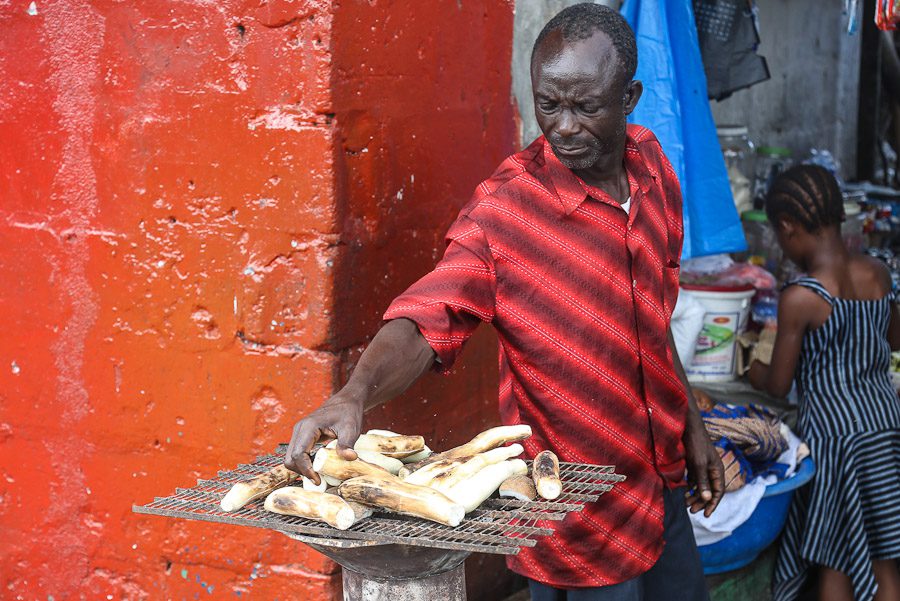
 The Bangladesh Rural Advancement Committee (BRAC) is a nongovernmental organization that has been making significant strides in improving the lives of Liberians through its diverse range of programs and initiatives. With a mission to alleviate poverty and empower communities, BRAC has established a strong presence in Liberia, working towards addressing key challenges such as education, health, livelihood support and community development.
How Did BRAC Begin?
Founded by Sir Fazle Hasan Abed in 1972, BRAC has grown into one of the largest NGOs in the world. While working as a senior corporate executive at Pakistan Shell Oil, his life changed dramatically when the 1970 cyclone and 1971 Liberation War in Bangladesh unfolded. This prompted him to leave his job and relocate to London, where he played a crucial role in starting Action Bangladesh and HELP Bangladesh to support the war.
Why Is BRAC Helping Liberia?
Liberia is a country that struggles with extreme poverty, with more than half of its population living below the poverty line. The wars that took place until 2003 have left a devastating impact on health care and educational facilities, with buildings being destroyed and equipment being stolen. As a result, most health care workers, university faculty and hospital and medical school administrators decided to flee the country. This has caused a decrease in life expectancy, a significant dropout rate, substandard learning conditions and a lack of qualified teachers.
Sustainable agricultural production in Liberia also often receives insufficient attention regarding policies and programs. Poor investment in this sector has resulted in reduced farmland, mismanagement of water resources and negative impacts on food distribution and production. Pest management practices and technology adoption are also hindered, while fertilizers and modern cultivation methods still need improvement. Additionally, inadequate road networks and high transportation costs decrease food production, further aggravating the situation.
How Is BRAC Helping Liberia?
Established in 2008, BRAC Liberia adopts a community-driven strategy to create tailored and influential initiatives. With a focus on urban, rural and refugee populations, the program’s interventions prioritize the fair involvement of all community groups. It directly engages with communities, ensuring their voices and stories remain at the heart of BRAC’s programs.
Agriculture
Regarding agriculture, the programs conducted by BRAC Liberia focus on training farmers in climate-smart agriculture techniques and poultry and livestock management. These programs provide valuable knowledge and equip farmers with essential resources like seeds, tools, poultry and livestock. Additionally, to ensure ongoing assistance, the organization recruits and trains local leaders who act as community promoters, offering on-site support and helping farmers overcome difficulties.
BRAC Liberia is also committed to improving the adoption of nutrient-rich crops to address child malnutrition in impoverished communities. The organization actively involves lactating, pregnant women and young mothers in nutrition forums and awareness campaigns to achieve this. These initiatives aim to educate them on the significance of breastfeeding, child nutrition, hygiene practices and food safety measures.
Education
BRAC Liberia’s education program is based on a community-led model that aims to foster and maintain high-quality education in Liberia. This approach prioritizes child-centered learning, teacher development and preserving children’s well-being. Teachers are also trained to ensure they have the necessary skills and knowledge to provide an excellent education to their students. In June 2021, a remarkable majority of the 750 participants in UPGI (Ultra-Poor Graduation Initiative) completed their studies, with an impressive graduation rate of 85%.
Health
Regarding health, the organization has developed an integrated network in Liberia consisting of community health promoters and health program personnel. This network aims to provide vital health care services in five crucial domains: reproductive and child health care, Malaria control, Tuberculosis (TB) control, family planning and basic curative services. This network also plays a pivotal role in the emergency response efforts for Ebola and COVID-19.
Microfinance
BRAC Liberia’s main objective is to offer various financial services to individuals at the base of the socioeconomic ladder, with a focus on empowering impoverished women residing in remote rural areas who face significant challenges in accessibility. By providing self-employment prospects and strengthening financial stability, it aims to empower them economically. As of July 2023, $19.9 million was distributed and granted as loans.
Conclusion
BRAC’s work in Liberia encompasses a comprehensive approach that tackles socioeconomic challenges and fosters community development. The organization’s efforts to improve access to education, enhance health care services and empower individuals through entrepreneurship have significantly impacted lives in Liberia. Furthermore, BRAC’s agriculture and community development initiatives have contributed to sustainable livelihoods and empowered local communities.
– Sara Hatab
Photo: Wikimedia Commons

Renewable Energy in Angola
While incredibly low, this is nothing compared to rural areas’ 10% electrification rate. This inequality is further widened due to rural areas’ lack of other options. With 54% of the nation concentrated in rural areas, these regions have nowhere else to turn. With the government planning to eliminate fossil fuel subsidies causing energy prices to rise, the government has begun to push for renewable energy in Angola.
Angola’s Renewable Energy Revolution
Angola is in an optimal geographical position for renewable energy production. Studies conducted by the Ministry of Energy and Water found that the nation has the potential to generate 16 GW in solar power, 4 GW in wind power and 18 GW in hydropower. Using this to its advantage, the government of Angola has created the Angola 2025 Plan, which aims to utilize renewable energy to boost its energy production.
In this plan, the nation’s electrification rate would jump to 60%, with 70% coming from renewable sources. Part of this increase will be due to the three massive solar projects that the Government of Angola recently approved. One of these projects will be a partnership between the United Arab Emirates and Angola, resulting in a 150 MW solar farm.
Transforming Lives and Igniting Economic Opportunities
The benefit is threefold. First, this shift to renewable energy can massively benefit the electrification rates and provide electricity to underserved areas. For example, projects like the Masdar solar plant can bring electricity to 90,000 homes.
Second, renewable energy in Angola opens up many job opportunities by utilizing new technologies and creating an entirely new industry. Additionally, this massive boost in the energy sector is more significant for foreign investors and creates even more job opportunities.
This double-win for the job market will help drastically reduce poverty levels and close the inequality gap. Because many of these solar projects have taken place in rural areas like the Masdar solar plant, it directly gives these opportunities to the concentrated areas of low-income households.
Conclusion
While renewable energy in Angola is still an emerging market, its potential to completely shift the country’s economy and bring electricity to millions of people highlights its importance. By harnessing its abundant solar, wind and hydroelectricity resources, Angola can meet its energy needs and emerge as a regional leader in clean energy innovation.
– Aman Chaudhary
Photo: Flickr
Improving Africa’s Infrastructure: Top 5 Projects
Grand Ethiopian Renaissance Dam (Ethiopia)
Under its original name, Project X, the Grand Ethiopian Renaissance Dam began construction in April 2011. Its construction immediately brought jobs into the region and, upon completion, would create a bridge allowing safe passage over the Blue Nile River. The project would be instrumental in improving Africa’s infrastructure by distributing water to Ethiopia, Sudan and Egypt. The dam would also handle significant floods in the area and help irrigation by watering 500,000 hectares of land (1 million acres).
Lekki Deep Water Port (Nigeria)
This aquatic marvel was started in 2003 to allow for more efficient trading and storage for the West African region. The Lekki Deep Water Port construction was granted non-recourse project financing, meaning the loan is paid back with profits from the finished project. With a capacity to hold 15,000 containers and handle 2.5 million TEUs (twenty-foot equivalent units) annually, the port has been critical in improving Africa’s infrastructure. The port has increased import and export turnaround times and reduced the delays of supplies and materials to the region.
Dangote Petroleum Refinery (Nigeria)
In addition to the country’s water port is the Dangote Petroleum Oil Refinery. Nigeria is the second biggest oil-rich country in Africa, but the country is reliant on imported petroleum products. The Dangote Petroleum Refinery broke ground in July 2017 with the expectations of meeting 100% of Nigeria’s gasoline needs and doubling the country’s refining capacity. With a capacity to produce 650,000 barrels of oil daily, the refinery is undoubtedly Africa’s most significant.
Siemens Mobility High-Speed Rail Lines (Egypt)
Egypt and Siemens are working on a project to lay 2,500km (1400 miles) of high-speed tracks through 60 cities in the coming years. The project began in September 2021 and is scheduled to conclude in 2027. The trains will significantly improve Africa’s infrastructure by linking cities and trade routes along the Red and Mediterranean Seas. This project is full of promises and will contribute substantially to the region’s growth.
Google Equiano High-Speed Internet
Google and its reach knows no ends and the Equiano High-Speed Internet project is just another example. This 12,000km subsea internet cable was dropped in April 2022 and operational by December 2022. The cable runs from Lisbon, Portugal, down the west coast of Africa to Cape Town, South Africa. The cable provides high-speed internet access and a digital connection to the outside world for many African countries.
This cable passes through several countries, vastly improving Africa’s infrastructure and creating substantial job markets in each area. Namibia is projected to add 21,000 jobs and South Africa is looking to add around 180,000 jobs, all thanks to Google Equiano. Additionally, Nigeria will see the greatest influx in job opportunities as the country is projected to add 1.6 million jobs. Fittingly, the high-speed cable was named after Nigerian-born writer and abolitionist Olaudah Equiano.
Looking Forward
Africa is preparing for and entering into the next incarnation of its development. Projects like those mentioned above are scattered across the continent and help assist with the transitions and new additions to the region. These projects help connect Africa to its neighbors near and far.
– Ryan Johnson
Photo: Pixabay
Helping Women: Nonprofits in Lithuania
The Lithuanian Women’s Lobby
The Lithuanian Women‘s Lobby Organisation (LWLO), an integral member of the European Women’s Lobby Organisation (EWLO)—the largest umbrella group for women’s rights in Lithuania and the EU—was established in 2004.
This organization advocates for gender equality and women’s rights across various societal sectors. In addition, the organization actively influences policy-making processes, raises awareness about gender issues and promotes women’s participation in decision-making at all levels. It focuses on addressing issues such as:
Additionally, the organization’s annual “Blossom of Hope” campaign has raised more than 300,000 euros for buying medical supplies for Lithuanian women diagnosed with breast cancer.
The Vilnius Women’s House
The Vilnius Women’s House is a nongovernmental, nonprofit in Lithuania that collaborates with women who have encountered violence and provides diverse avenues of assistance. In 1996 the organization opened the first crisis center for survivors of gender based violence in the history of the three Baltic states of Lithuania, Latvia and Estonia.
In addition, it primarily focuses on providing support and assistance to women who have experienced violence. The organization offers various services and resources to help these women rebuild their lives and overcome the challenges women face due to violence such as:
An article from the European Scientific Journal in 2015 reported that women involved with Vilnius Women’s House displayed higher trust in governmental competence.
IWAV
The International Women’s Association of Vilnius (IWAV) is a nonprofit organization located in Vilnius, the capital of Lithuania, dedicated to fostering friendship, cultural exchange and personal development among women of diverse backgrounds. IWAV provides a platform for members to connect, share experiences and build meaningful relationships. Additionally, the association promotes cultural exchange and integration through language exchange sessions, cooking classes and workshops, allowing members to learn about different cultures while sharing their traditions.
IWAV also engages in charitable initiatives to support local communities and organizations in need. This includes fundraising events, donations and volunteering efforts aimed at benefiting causes such as education, health care and social welfare. Furthermore, the association offers opportunities for personal and professional development through workshops, seminars and skill-building activities focused on topics like career advancement, entrepreneurship, health and wellness and intercultural communication.
Moterys Kalba (Women Speak)
Moterys Kalba, translating to “women speak”, is one of the nonprofits in Lithuania dedicated to empowering women and promoting gender equality in the country. Through social projects, the organization seeks to draw attention to gender-related issues and uplift and empower women.
Furthermore, it organizes workshops, events and creative online campaigns to raise awareness about issues such as sexual and domestic abuse, as well as advocate for women’s rights and enduring social and political change. One particular video project entitled #Mudusuang (#ManyofUs) won the People’s Choice Award for Gender Equality in 2016 for respecting diversity, encouraging social dialogues and preventing discrimination and violence against women.
Looking Forward
Investing in empowering women is vital to the success of a developed, progressive nation. According to the U.S. Agency for International Development, when women occupy more than 30% of political seats in a country, it is deemed “more inclusive, egalitarian and democratic.”
These nonprofits in Lithuania ensure empowered women are better able to participate in decision-making processes. They can advocate for their rights and challenge discriminatory norms and practices, fostering positive change for years to come.
– Bella Simokaitis
Photo: Flickr
Lack of Technology for Education for Bolivian Students
Root Causes of the Lack of Technology in Education
The lack of technology for education for Bolivian students can be attributed to a mix of factors, painting a complex picture of the challenges facing their education system. One significant contributor is the economic disparity prevalent in the country, where a considerable portion of the population faces financial constraints hindering their access to modern educational tools.
Limited infrastructure, especially in remote and rural areas, accelerates the problem, making it difficult to establish reliable internet connectivity and access to electronic devices.
Much of Bolivia’s citizenry remains poor, thus lacking widespread “Information and Communications Technology” (ICT) use.
According to Bolivia’s telecoms authority’s data, only about 40% of Bolivians and only 3% in rural areas have internet access. These households experienced the region’s worst connection speed. Therefore, it is uneasy to introduce ICT in secondary schools in this kind of setting, knowing the issue of the lack of technology for education is prominent.
Challenges of Lack of Technology for Education
The absence of advanced technological tools in classrooms hinders students’ access to current information and interactive learning experiences. This digital divide perpetuates inequality, as students in impoverished areas face disparities in educational opportunities compared to their counterparts in more affluent regions. Educational disadvantage translates into a workforce needing more digital skills for contemporary jobs, perpetuating low-income employment opportunities. Insufficient access to quality education perpetuates a cycle of poverty, limiting opportunities for individuals and communities.
Solving Lack of Technology for Education
Help Bolivia Foundation – Started in 2018 as a prominent foundation incorporated in Canada, it aims to alleviate poverty resulting from the lack of technology by funding educators and equipment to teach basic computer skills to 24 students over a year. With the purchase of six new computers for the dedicated computer room, the initiative provides a vital opportunity for these students to acquire fundamental computer skills, internet knowledge and proficiency in software packages such as Office. The Help Bolivia Foundation has made strides in providing a platform for these students to access technology, empowering them with the tools necessary for future success and socioeconomic advancement.
One Student, One Computer – Operating since 2014, “One Student, One Computer” strives to address the adverse impact of technological poverty on education and subsequently alleviate poverty. With an emphasis on improving access to information and technology, the program, aligned with the Patriotic Agenda 2025, aspires to enhance the quality of education in Bolivia.
Through initiatives like providing Quipus computers with tactile screens, rotating cameras and wireless connectivity, the program aims to make classes interactive, bridging the digital gap. These computers, costing $410 each and assembled locally, cater to the needs of private high schools and garner interest from countries like Argentina, Ecuador and Peru. The success of initiatives like the “Yes I Can” program has played a pivotal role, culminating in UNESCO declaring Bolivia free of illiteracy in December 2008.
Conclusion
Researchers and education organizations alike have become more conscious of the critical need to address the use of technology in the classroom. Efforts like the “One Student, One Computer” program gained traction. There is hope for bridging the technological gap and fostering a more equitable educational environment, paving the way for enhanced socioeconomic development in Bolivia.
– Mahima Bhat
Photo: Flickr
4 Ways To Help the Congo
Health Care
The U.S. continues to provide extraordinary aid to those help people living in the Congo. Over the past 20 years, the U.S. has contributed over $1.7 billion to the Congo to provide health assistance. Health Care aids help the citizens of the DRC fight against infectious diseases such as HIV, Ebola and measles. While this has made a groundbreaking impact on the DRC’s inhabitants, these diseases have not completely disappeared and the country is still fighting against the spread of infectious diseases to this day.
Agriculture
An overreliance on agriculture is expected in a country as rich in natural wealth as the Congo. Agriculture has an impact on the country’s prosperity by employing its inhabitants while providing essential food supplies for families. Agriculture production accounts for 42.5% of the DRC’s gross domestic product by providing food security and sustainable economic development. The U.S. aims to support agricultural success by offering loans to Congolese enterprises. United States Agency for International Development (USAID) has recorded that 70% of the population has been employed in agricultural practices. This is a huge part of the country’s population. However, the issue remains to exist. Only a tiny portion of the land is properly farmed, although a sizable portion of the people are employed in agriculture. This is where USAID comes in. USAID supports farmers to improve cultivated land and food security for its population.
The DRC benefits as a Feed the Future (FTF) country. This means that it is one of a select group of countries that is committed to improving its sustainability in agriculture. USAID assists in improving household income and enabling men and women to participate in the market.
USAID’s work focuses on fostering Congolese women’s empowerment by providing women with the necessary tools to improve the lives of their families. A huge portion of women account for agricultural work within the DRC. Therefore by empowering Congolese women, USAID is significantly contributing to the improvement of family life and nutrition among the poorest parts of the country.
Humanitarian Support
Over 600,000 people were forced to leave their homes in 2022 due to an ongoing conflict crisis. This brings displacement rates to nearly 6 million. This is the highest rate of displacement amongst other African countries and a significant increase from the 5.5 million displaced people in 2021. USAID aims to build the foundations of peace in a country that has suffered a long history of conflict. This is being achieved through supporting community-led efforts to prevent conflict and provide holistic services to survivors of gender-based violence. The goal is to advance peace in the DRC and Do No Harm. USAID continues to provide essentials to those impacted, such as food aid, health care and shelter to those who have been forced to flee their homes due to the crisis of conflict and violence. Thus helping the economy to recover and improve the lives of families across the country.
Education
The DRC’s education system fights to survive against the displacement and poverty caused by ongoing conflict. The government provides a free education scheme that gives thousands of children from low-income families access to a well-rounded primary education.
Teachers and parents battle against an inequality of resources, which favors urban over rural schools. This inadequate provision of school resources causes issues such as overcrowded classrooms and irregular salaries for teachers. Thus making the continuation of certain rural schools a challenge that is faced by teachers, students and parents alike.
This is accompanied by the ongoing threat of armed conflict. Studies show that more than 2 million school-aged children are missing out on education due to the impact of violence and due to the lack of school provisions and equality of resources, the quality of education in some schools remains poor. More than 420 schools were affected by attacks and conflict within eastern and western DRC. Therefore, to help the Congo, protection and resources for school-aged children are needed, to allow them access to real education.
– Éadaoin O’Leary
Photo: Pixabay
Humanitarian Aid International: Addressing Poverty in India
About Humanitarian Aid International
Humanitarian Aid International started like any other NGO. It was formed by a team of professional humanitarian workers and academics whose purpose was to alleviate poverty in the local communities of India. After realizing how international NGOs often neglect the opinions of local NGOs while making critical decisions, HAI broadened its purpose to include the representation of local NGOs in national and international humanitarian circles. HAI’s model for providing aid to communities prioritizes understanding the local context, which includes the communities’ cultural beliefs and practices behind their poor conditions. The organization determines the aid it provides with this local context in mind.
Working at the Local Level
India is one of the world’s most religiously and ethnically diverse countries. Therefore, Indian communities often suffer from unique economic problems shaped by their cultural traditions and history, one example being the severe income inequality between higher and lower castes. HAI considers factors such as discrimination and equity in determining aid for impoverished communities. Consequently, the nonprofit can develop multifaceted responses to complex issues.
In the case of Hindu refugees fleeing persecution in Pakistan, HAI was able to gain a profound understanding of the refugees’ plight by constantly interacting with them respectfully and inquisitively. Realizing that the refugee camps lacked not just electricity but also educational facilities and clean running water, HAI actively provided resources to satisfy these needs; they adapted the aid to reflect the non-Western reality of these camps, evident in the Hindi lessons for children and adults alike.
Interview With David Leitner
David Leitner, a professor of Cultural Anthropology at Las Positas College, Livermore, California, explains how communities perceive the world in unique ways. According to Leitner, these perceptions shape the communities’ material needs. Humanitarian organizations like HAI need to understand these material needs to optimize the aid they provide.
“Culture is both a sort of lens through which you interpret your experiences and also a tool kit you have available to react to the world in response to your needs and wants,” said Leitner. HAI also utilizes its model of understanding local context to promote and advance children’s and women’s rights, ideas that vary locally and nationally based on cultural and social differences.
Why This Is Important
According to Leitner, no two communities share everything in common. Therefore, utilizing a universal model to provide aid to local communities can be ineffective since “If both sides have different assumptions about the problem that needs to be solved, it can lead to some serious misunderstandings.” Additionally, understanding a community’s specific economic and cultural conditions can reveal hidden sociopolitical structures that may help explain systemic poverty.
“Coming in from the outside, there’s oftentimes a lot of information that you can only get if you have had a chance to first allow the local people to trust you. This can sometimes reveal hidden power structures that you may not be aware of,” said Leitner. This knowledge can also be applied to HAI’s advocation for the representation of local NGOs in international humanitarian discussions. International NGOs regularly neglect these organizations despite often being the only ones who provide direct aid to impoverished communities worldwide.
Consensus has been reached during events such as the World Humanitarian Summit 2016 to provide more funding to local NGOs and include them in discussions on humanitarian issues. However, non-Western local NGOs have neither been provided the necessary amount of aid nor the representation in international coalitions that Western organizations largely dominate. To diversify international humanitarian networks, earning the trust of local NGOs is necessary, as each deals with different communities with unique causes behind their impoverishment. HAI intends to do just that with active advocacy of its model and local NGOs in national and international spheres.
The Future
HAI has done much good work advocating for its model within the international humanitarian sphere. It has hosted the international secretariat of Charter4Change and signed the Climate Charter, signaling a dedication to supporting local actors and communities. It is also a member of large NGO networks like the World Humanitarian Action Forum and Sphere India, among other accomplishments.
The organization’s work in local communities is a continuous and ever-changing process. It runs multiple campaigns, ranging from providing educational resources to students from poor neighborhoods with insufficient education facilities to laying out ways for people to sponsor individual children whose circumstances have disproportionately disadvantaged them. Ultimately, HAI’s work has humanized the impoverished communities that are often unheard of by universal models of providing humanitarian aid. Thanks to NGOs like HAI, the hope for increasing local NGO participation in humanitarian efforts is on a positive trajectory.
– Parth Mishra
Photo: Flickr
Witchcraft in the Central African Republic
However, with greater international awareness being brought to the issue in recent years, many organizations are doing their part to help. Here is everything you need to know about witchcraft in the Central African Republic.
The CAR Is in the Midst of a Brutal Civil War
Since its inception in 1960, the CAR has suffered from decades of instability and violence. In 2020, the Patriots for Change (CPC) was formed to disrupt the 2020-2021 CAR election. Most recently, the CPC renewed its attacks on the government in early 2023, equipped with better weaponry. As the CAR delves deeper into intraregional conflict, the humanitarian crisis worsens, contributing to poverty and poor living conditions.
Witchcraft and Vulnerable Groups
In the CAR, the law specifies that suspected witchcraft in and of itself is not a crime but rather its “harmful use.” This applies explicitly to accusations of witchcraft, which refer to intentions to do harm to people, damage property and disrupt the public.
Accusations of witchcraft are intrinsically tied to social marginalization and contribute to the filtering out of unwanted people, most especially elderly women. Most of the people who are accused of witchcraft are around the age of 55, with an increased emphasis on isolated women who may be divorced, widowed, childless or otherwise alone. From January 2020 to June 2021, almost 60% of the defendants held in the women’s remand prison in Bangui could be classified into one of these categories.
The CAR’s Rule of Law Is Difficult To Enforce
Prosecutions are almost entirely sourced from the confessions of the accused. Accused people who refuse to confess face an increased risk of vigilante justice and mob violence. At the same time, within the judicial system, refusing to confess may be the only way to avoid conviction. Cases of witchcraft are considered carefully due to their sensitive nature, which causes judges to search for a conviction by whatever means necessary. Accusations of witchcraft are significantly more common in rural areas where law enforcement and the judicial system have limited power.
Communities Rely on Support From Local NGOs
Caritas CAR is one such NGO providing services since CAR’s inception in 1960. Among its primary goals of alleviating the pressures of poverty in the CAR, Caritas CAR also focuses on building a stronger society. Most accusations of witchcraft come from somebody the accused knows and by providing social resources, Centralis CAR targets this problem at its root.
The CAR still has a long way to go with some of the highest rates of remand detention in the world, unparalleled conflict and levels of poverty and a targeted system of persecution of the most vulnerable people in society. However, the CAR and its people continue to work toward a better, more connected society through NGOs like Caritas CAR.
– Anjum Alam
Photo: Flickr
The Exploitation of Child Labor in Agriculture
A Hazardous Work Environment
Agricultural labor is considered high risk, with tasks such as transporting heavy equipment and using machinery without proper protection becoming a significant hazard for kids involved in the work. Insufficient education can also lead to children not properly understanding the dangers of pesticides, contributing to the risks in the field. Reports of children experiencing headaches and fever after exposure to pesticides are a common casualty.
While this work can be dangerous for everyone, children, whose bodies are still developing, are particularly susceptible to harm. Working in the agricultural sector from a young age threatens children’s physical as well as emotional and psychological well-being. Some children also face stunted growth due to quitting education to work.
What Causes Child Labor?
Agricultural child labor is heavily intertwined with impoverishment and lack of food access. Households that struggle financially turn into child labor before prioritizing children’s education. Additional factors contributing to child labor in agriculture include having limited access to quality job opportunities and education, which limits the understanding of what child labor is within various communities.
During circumstances of crisis, such as during a conflict or natural disasters, children’s livelihoods change drastically and child labor increases. Migration, infrastructure wreckage or loss of family income can become driving forces for using child labor as a coping strategy.
Child Labor’s Invisibility
Child labor in agriculture often goes unnoticed, as many children work without pay to help their families on small, local farms. Qu Dongyu, chief of the Food and Agriculture Organization of the United Nations (FAO), emphasized that not all instances of children participating in agricultural tasks can be categorized as child labor, as some may just be learning or helping their families.
The thin line between what constitutes child labor and what doesn’t makes it challenging to recognize instances of child labor in agriculture at times. Additionally, caregivers may sometimes lack awareness regarding the harmful repercussions of child labor, seeing it as a necessary and obvious coping strategy for survival. What constitutes child labor includes work that puts children at risk, deprives them of acquiring proper education and, overall, denies them of having a childhood.
The Work Toward Eradicating Child Labor in Agriculture
FAO shows a steep decline in child labor in agriculture in Asia starting in 2017. However, the trend shows increased agricultural child labor, with 10 million kids working in the sector from 2012 to 2019. However, organizations like the ECLT Foundation are fighting to eradicate child labor. The ECLT Foundation focuses on tobacco-growing farms and, since 2011, has reached up to 711,000 community members through advocacy programs. Additionally, the foundation has helped up to 204,000 children previously involved in child labor.
– Paula Pujol-Gibson
Photo: Unsplash
How Traditional Drumming in Ghana Is Helping People
Cultural Roots
Ghanaian traditional drumming is deeply rooted in the cultural fabric of the nation. With diverse ethnic groups, each with its unique drumming traditions, these rhythms have been passed down through generations, embodying stories, rituals and social connections. Prominent ethnic groups like the Ashanti, Ewe, Dagomba and Fanti each possess distinct rhythms, dances, chants and drum traditions. The drums are bearers of cultural identity and communal spirit.
Empowering Communities
In recent years, traditional drumming has catalyzed economic empowerment at the grassroots level. Numerous community-based initiatives have emerged, utilizing the art of drumming to generate income and combat poverty. In the South Dayi district town of Peki, drum “cavers” hand make the drums to be sold in sets for 5,000 Ghanain credits ($415).
Particularly in Southern Ghana, drum makers can sell sets of drums to art centers, which sell in markets that showcase the makers’ craftsmanship, along with handicraft sellers showcasing other goods like woven Kente cloth, wooden sculpture, beadworks, etc. One prominent example is the Chale Wote Street Art Festival, supported by the Ghanaian Ministry of Tourism. The revenue generated from drum sales goes back to the community and the carvers business.
Tourism and Cultural Exchanges
Ghana’s traditional drumming has become a magnet for cultural tourism. The country’s vibrant music and dance festivals attract domestic and international visitors eager to experience traditional drumming. The economic impact of tourism on local communities cannot be overstated, as it creates employment opportunities, stimulates local businesses and encourages the preservation of traditional cultural practices. Such drums are sold to art centers that cater to tourists and typically take greater latitude in drum design.
In addition to tourism, cultural exchange programs have further elevated the status of traditional drumming in the global arena. For instance, Ed Sheeran collaborated with Ghanaian artist Fuse in 2018 and made headlines for singing as part of the collaboration in Twi (spoken in southern and central Ghana). Collaborations between Ghanaian drumming groups and international artists or institutions provide exposure, fostering a deeper appreciation for the art form. This exposure contributes to poverty alleviation by creating performance opportunities. It also bolsters the global recognition of Ghanaian drumming traditions, which can positively reinforce awareness, diversity and tourism.
Educational Initiatives
Beyond economic avenues, traditional drumming has found its way into education as a tool for empowerment. In the southern part of Ghana, where the tonal language of Twi is spoken, “talking drums” mimic the speech patterns and these drum patterns are used in some schools to signal the beginning or end of classes or the start of recess. These rhythms are additionally used in ceremonies and weddings and to recite poetry.
Many organizations and schools in Ghana are incorporating traditional drumming into their curricula, promoting culture and skill development. Promoting music in schools can improve students’ social connectedness, mathematics, reasoning and listening. By teaching the art of drumming to the younger generation, these initiatives empower youth with valuable skills and disciplines that contribute to breaking the cycle of poverty.
Conclusion
Ghanaian traditional drumming is not merely an art form but a force for change and resilience. Through economic initiatives, cultural tourism, educational programs and global recognition, traditional drumming in Ghana is fighting poverty one beat at a time. As these rhythmic traditions continue reverberating across communities, they serve as a testament to the transformative power of culture.
– Ava Johnson
Photo: Flickr
Beyond Borders: The Impact of BRAC on Lives in Liberia
How Did BRAC Begin?
Founded by Sir Fazle Hasan Abed in 1972, BRAC has grown into one of the largest NGOs in the world. While working as a senior corporate executive at Pakistan Shell Oil, his life changed dramatically when the 1970 cyclone and 1971 Liberation War in Bangladesh unfolded. This prompted him to leave his job and relocate to London, where he played a crucial role in starting Action Bangladesh and HELP Bangladesh to support the war.
Why Is BRAC Helping Liberia?
Liberia is a country that struggles with extreme poverty, with more than half of its population living below the poverty line. The wars that took place until 2003 have left a devastating impact on health care and educational facilities, with buildings being destroyed and equipment being stolen. As a result, most health care workers, university faculty and hospital and medical school administrators decided to flee the country. This has caused a decrease in life expectancy, a significant dropout rate, substandard learning conditions and a lack of qualified teachers.
Sustainable agricultural production in Liberia also often receives insufficient attention regarding policies and programs. Poor investment in this sector has resulted in reduced farmland, mismanagement of water resources and negative impacts on food distribution and production. Pest management practices and technology adoption are also hindered, while fertilizers and modern cultivation methods still need improvement. Additionally, inadequate road networks and high transportation costs decrease food production, further aggravating the situation.
How Is BRAC Helping Liberia?
Established in 2008, BRAC Liberia adopts a community-driven strategy to create tailored and influential initiatives. With a focus on urban, rural and refugee populations, the program’s interventions prioritize the fair involvement of all community groups. It directly engages with communities, ensuring their voices and stories remain at the heart of BRAC’s programs.
Agriculture
Regarding agriculture, the programs conducted by BRAC Liberia focus on training farmers in climate-smart agriculture techniques and poultry and livestock management. These programs provide valuable knowledge and equip farmers with essential resources like seeds, tools, poultry and livestock. Additionally, to ensure ongoing assistance, the organization recruits and trains local leaders who act as community promoters, offering on-site support and helping farmers overcome difficulties.
BRAC Liberia is also committed to improving the adoption of nutrient-rich crops to address child malnutrition in impoverished communities. The organization actively involves lactating, pregnant women and young mothers in nutrition forums and awareness campaigns to achieve this. These initiatives aim to educate them on the significance of breastfeeding, child nutrition, hygiene practices and food safety measures.
Education
BRAC Liberia’s education program is based on a community-led model that aims to foster and maintain high-quality education in Liberia. This approach prioritizes child-centered learning, teacher development and preserving children’s well-being. Teachers are also trained to ensure they have the necessary skills and knowledge to provide an excellent education to their students. In June 2021, a remarkable majority of the 750 participants in UPGI (Ultra-Poor Graduation Initiative) completed their studies, with an impressive graduation rate of 85%.
Health
Regarding health, the organization has developed an integrated network in Liberia consisting of community health promoters and health program personnel. This network aims to provide vital health care services in five crucial domains: reproductive and child health care, Malaria control, Tuberculosis (TB) control, family planning and basic curative services. This network also plays a pivotal role in the emergency response efforts for Ebola and COVID-19.
Microfinance
BRAC Liberia’s main objective is to offer various financial services to individuals at the base of the socioeconomic ladder, with a focus on empowering impoverished women residing in remote rural areas who face significant challenges in accessibility. By providing self-employment prospects and strengthening financial stability, it aims to empower them economically. As of July 2023, $19.9 million was distributed and granted as loans.
Conclusion
BRAC’s work in Liberia encompasses a comprehensive approach that tackles socioeconomic challenges and fosters community development. The organization’s efforts to improve access to education, enhance health care services and empower individuals through entrepreneurship have significantly impacted lives in Liberia. Furthermore, BRAC’s agriculture and community development initiatives have contributed to sustainable livelihoods and empowered local communities.
– Sara Hatab
Photo: Wikimedia Commons