Lack of Technology for Education for Bolivian Students
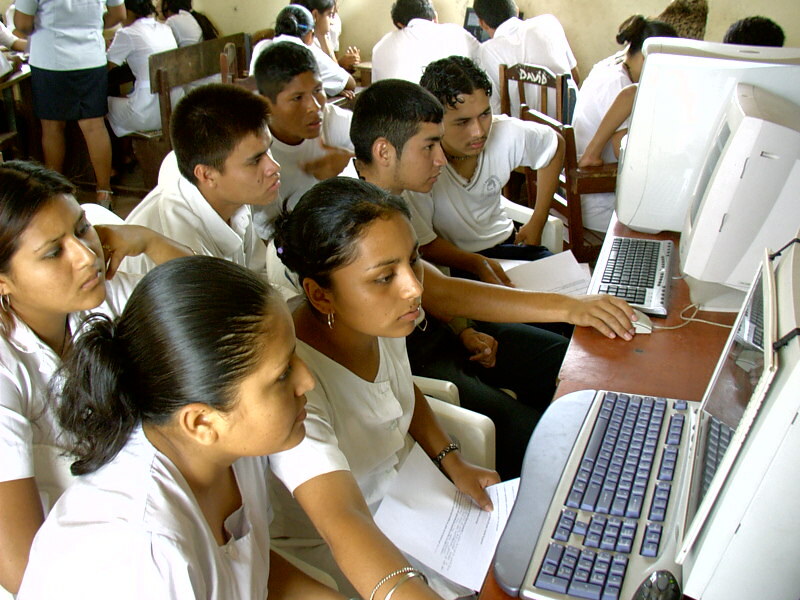 The challenges posed by the lack of technology for education have shaped the educational landscape for Bolivian students, marking a distinctive element of the nation’s developmental course. While Bolivia struggles with the challenges posed by the digital divide, economic researchers are examining the intricate relationship between technological accessibility and academic opportunities. They aim to shed light on the profound implications on educational advancement and prospects of Bolivian students.
Root Causes of the Lack of Technology in Education
The lack of technology for education for Bolivian students can be attributed to a mix of factors, painting a complex picture of the challenges facing their education system. One significant contributor is the economic disparity prevalent in the country, where a considerable portion of the population faces financial constraints hindering their access to modern educational tools.
Limited infrastructure, especially in remote and rural areas, accelerates the problem, making it difficult to establish reliable internet connectivity and access to electronic devices.
Much of Bolivia’s citizenry remains poor, thus lacking widespread “Information and Communications Technology” (ICT) use.
According to Bolivia’s telecoms authority’s data, only about 40% of Bolivians and only 3% in rural areas have internet access. These households experienced the region’s worst connection speed. Therefore, it is uneasy to introduce ICT in secondary schools in this kind of setting, knowing the issue of the lack of technology for education is prominent.
Challenges of Lack of Technology for Education
The absence of advanced technological tools in classrooms hinders students’ access to current information and interactive learning experiences. This digital divide perpetuates inequality, as students in impoverished areas face disparities in educational opportunities compared to their counterparts in more affluent regions. Educational disadvantage translates into a workforce needing more digital skills for contemporary jobs, perpetuating low-income employment opportunities. Insufficient access to quality education perpetuates a cycle of poverty, limiting opportunities for individuals and communities.
Solving Lack of Technology for Education
Help Bolivia Foundation – Started in 2018 as a prominent foundation incorporated in Canada, it aims to alleviate poverty resulting from the lack of technology by funding educators and equipment to teach basic computer skills to 24 students over a year. With the purchase of six new computers for the dedicated computer room, the initiative provides a vital opportunity for these students to acquire fundamental computer skills, internet knowledge and proficiency in software packages such as Office. The Help Bolivia Foundation has made strides in providing a platform for these students to access technology, empowering them with the tools necessary for future success and socioeconomic advancement.
One Student, One Computer – Operating since 2014, “One Student, One Computer” strives to address the adverse impact of technological poverty on education and subsequently alleviate poverty. With an emphasis on improving access to information and technology, the program, aligned with the Patriotic Agenda 2025, aspires to enhance the quality of education in Bolivia.
Through initiatives like providing Quipus computers with tactile screens, rotating cameras and wireless connectivity, the program aims to make classes interactive, bridging the digital gap. These computers, costing $410 each and assembled locally, cater to the needs of private high schools and garner interest from countries like Argentina, Ecuador and Peru. The success of initiatives like the “Yes I Can” program has played a pivotal role, culminating in UNESCO declaring Bolivia free of illiteracy in December 2008.
Conclusion
Researchers and education organizations alike have become more conscious of the critical need to address the use of technology in the classroom. Efforts like the “One Student, One Computer” program gained traction. There is hope for bridging the technological gap and fostering a more equitable educational environment, paving the way for enhanced socioeconomic development in Bolivia.
– Mahima Bhat
Photo: Flickr
