 Iran is one of the Middle East’s most politically important countries and its central government has transformed significantly over the past century. Once a monarchy, Iran became an Islamic republic in 1979, but its elected presidents ultimately ceded authority to the Rahbar, a theocratic Supreme Leader.
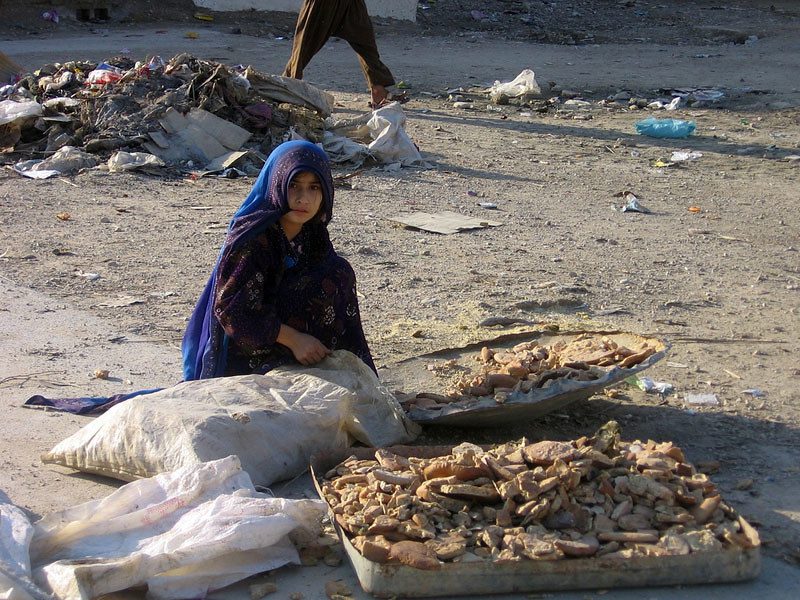
Iran’s authoritarian government and association with terrorist groups have often forced U.S. sanctions. Its high-profile human rights abuses have similarly attracted criticism, with the prostitution and trafficking industries particularly on the rise. Prostitution is technically illegal in Iran, but a failing economy and government inaction have allowed it to proliferate. In 2023, the U.S. World Trafficking in Persons Report ranked Iran as a Tier 3 country, signaling a lack of anti-trafficking initiatives. Prostitution rings often target young girls aged 13 to 17, selling them into service in neighboring countries like Afghanistan and the United Arab Emirates (UAE).
Here’s what to know about child prostitution in Iran:
Poverty Encourages Child Prostitution in Iran
As U.S. sanctions continue to hinder Iran’s economic growth, the nation’s population of roughly 88 million grapples with inflation and unemployment. In September 2023, the Iranian Statistics Center reported the country’s Misery Index at 60.4%, a record high. The Misery Index is a combined assessment of inflation and unemployment rates, aiming to understand Iran’s economic outlook individually.
According to the World Bank, by November 2023, more than 10 million Iranians had fallen victim to poverty. To better their families’ circumstances, many children are forced to work because of loopholes in Iran’s child labor laws. About 15% of Iranian children participate in the labor force and many live on the streets in the country’s urban centers, vulnerable to predation from prostitution rings. Some families even rent their children to criminal organizations, which then make the children beg for money. If children fall short of their quotas, they are often moved into commercial sex work.
Iran’s Temporary Marriage System
Sexual affairs outside of marriage are illegal in Iran, punishable by 100 lashes. However, the Iranian government recognizes so-called “temporary” marriages, allowing couples to legally participate in sex without the formality of a lifelong union. A temporary marriage or sigheh, as it’s called in the country –allows a man to marry a woman for a predetermined period, ranging from an hour to several months or even years. By design, these arrangements absolve men of any financial responsibility to their partners, functioning instead as legalized casual sex. Though some advocates for sigheh cite its religious antecedents, many of its critics point to its potential for sexual exploitation. According to Iranian law, girls as young as 13 can enter into sigheh, providing a legal avenue for child prostitution in Iran.
Afghan Refugees Are Especially Vulnerable
In August 2021, despite a U.S.-led invasion that had forced its ousting 20 years prior, the Taliban regained power in Afghanistan. The Taliban is an Islamic fundamentalist group, often curtailing human rights in observance of an extremist doctrine. As a result, more than 750,000 Afghans have sought refuge in Iran, hoping for economic opportunity and relief for families back home. However, according to the U.S.’s 2023 World Trafficking in Persons Report, many immigrating Afghans have trouble obtaining documentation and their children are especially vulnerable to forced marriage and sex trafficking.
Government Officials Fail To Address Child Prostitution
As evidenced in the U.S.’s 2023 World Trafficking in Persons Report, Iran has failed to protect its most vulnerable populations, with some government officials even complicit in the sex trade. For instance, despite the recent influx of Afghan refugees, the Iranian government often neglects to screen immigrants for indications of sex trafficking, even denying foreign trafficking victims access to government welfare services. Reportedly, the Iranian police and IRGC, a branch of the Iranian armed forces, even collaborate with sex traffickers based in Dubai, discouraging the Iranian government from investigating and apprehending major traffickers. As a result, victims, adults and children alike endure the most significant penalties, including lashings, public shaming and imprisonment.
Looking Ahead
Subject to widespread poverty, temporary marriages and poor governmental oversight, Iranian children often fall victim to prostitution and are recruited into crime rings that prey on the disadvantaged.
Despite the Iranian government’s half-hearted response, the international community remains committed to investigating child prostitution in Iran. For instance, the U.S. State Department publishes yearly reports on global human trafficking, specifically detailing its prevalence in Iran. These reports include thorough recommendations for curtailing trafficking’s spread, such as: providing protection services to trafficking victims, proactively identifying potential trafficking victims, especially children and adhering to the U.N. TIP protocol, an international standard meant to impede human trafficking. Similarly, on the domestic front, a feminist movement has challenged Iran’s compulsory hijab laws, criticizing the fundamentalist morality that informs many Iranian institutions, including the sigheh.
– Sydney Verdi
Photo: Flickr

Mercy Ships’ Campaign To Grow Africa’s Health Care System
Mercy Ships’ Overview
Mercy Ships is a faith-based international development charity that sends hospital ships to some of the poorest countries in the world, delivering essential, accessible health care to people in desperate need. Following the principles of Jesus Christ, Mercy Ships serves as a movement to provide hope and healing to individuals suffering from disability, disfigurement and disease.
Maintaining its Christian values wherever its volunteers go, the initiative’s volunteers are driven by a desire to provide surgical treatment and improved health care to nations susceptible to conditions including HIV/Aids, TB and Malaria with limited means of combating such ailments. This is particularly prevalent in Sub-Saharan Africa, where most countries the nonprofit partnered with reside.
Partnering With Host Countries
Mercy Ships estimates that in low-income and lower-middle-income countries, nine out of 10 people have no access to basic surgical care. For example, more than 69% of people in Sub-Saharan Africa live on less than £2 ($2.5) daily. Health care in these countries either doesn’t exist or is unaffordable to most of the population. To overcome this, the organization has established partnerships with each country it has lent its support to, addressing the needs of each nation.
Impact on Host Nations
During a 10-month stay in Guinea from 2018 to 2019, the faith-based program delivered 2,442 life-changing surgeries onboard its hospital ship, treated more than 7,937 patients at a land-based dental clinic and trained and mentored 1,254 local health care professionals. In Madagascar, the charity’s efforts from 2015 to 2016 contributed to 1,682 surgeries and 29,043 dental procedures. It also trained and mentored 1,546 health professionals.
Their flagship vessel, the Africa Mercy, the largest hospital ship in the world, was docked in Senegal in 2019. More than 400 volunteers were located on board to provide necessary treatment for conditions encompassing dental and eye problems, cleft lips and palates, tumors, club feet, childbirth injuries, burns and more. During the ship’s stay in the port of Dakar, the organization provided 1,407 surgeries aboard and treated more than 5,000 dental patients in its land-based facilities.
Katie’s Story
‘‘All the members on the ship are completely volunteers, from the ship captain to the deck hands, to the surgeons and catering staff. I worked as a scrub nurse, handing the surgical instruments to the surgeon and ensuring the procedures were sterile and safe. I worked 50 hours a week on average,’’ stated Katie Fletcher, a nurse employed by the National Health Service in England.
Fletcher discovered Mercy Ships and its cause when she was 18 years old and before she started training to become a nurse at a music festival. Sharing the organization’s Christian values, she soon felt compelled to apply her training and knowledge towards Mercy Ships and its life-changing work in 2023 during a two-week volunteer placement.
Her campaign began with a fundraiser, where she successfully raised £3,000 (nearly $4,000). She achieved this through a combination of quiz nights, raffles, a sponsored walk around the Gower Peninsular in South Wales and campaigning on behalf of the charity through avenues such as BBC Radio and newspapers. More than half of the funds went towards the charity. More than half of these funds were invested in medication and other logistics to perform the surgeries, contributing to the campaign’s overall success.
Katie envisages Mercy Ships and its local apprenticeships onboard the ship will make health tourism more sustainable by teaching the locals safe surgery techniques despite frequently traveling to new destinations after a certain period.
– Thomas Perry
Photo: Flickr
AI for Ethiopia: Harnessing Technology to Combat Poverty
AI Powered Tools for Ethiopia
Imagine AI-powered tools analyzing weather patterns and advising farmers on optimal planting times and crop selection, maximizing yields and mitigating the drought risk – a frequent threat in Ethiopia. This potential is not merely hypothetical. A project by the International Crops Research Institute for the Semi-Arid Tropics (ICRISAT) uses AI to analyze satellite imagery and provide farmers with personalized agricultural advice, leading to a 20% increase in yields for participating farmers.
Business Analysis With AI
Beyond agriculture, AI can empower financial inclusion. Ethiopia boasts a young population, many needing access to traditional banking services. AI-powered mobile banking platforms can bridge this gap, offering secure and convenient financial services to millions, fostering entrepreneurship and driving economic growth. For instance, the AI-powered mobile money platform M-PESA has revolutionized financial inclusion in Kenya, increasing financial access for millions and boosting overall economic activity.
Growth of Ethiopian Heath Care With AI
The potential of AI extends even further. In health care, AI improves public health outcomes and reduces treatment costs. According to the Novartis Foundation and Microsoft, post-COVID-19 artificial intelligence plays a crucial role in Africa. The study “Reimagining Global Health through Artificial Intelligence: The Roadmap to AI Maturity” examines how adopting AI-based health solutions can help low-income countries overtake high-income ones. Compared to conventional techniques, artificial intelligence in health care offers numerous advantages:
According to the 2020 Partech report, $189 million in funding was given to African companies in the health technology space in 2019. This sum is equivalent to a 969 % increase over 2018 and represents 9.3% of the total amount granted to entrepreneurs operating in Africa. As a result, the health technology industry is raising substantial capital and expanding.
Improvising Teaching Methods With AI
AI-powered tutors can personalize learning experiences, catering to individual student needs and enhancing educational attainment. Of course, harnessing AI effectively as a technology to combat poverty requires careful consideration. Ethical concerns surrounding data privacy and potential job displacement must be addressed with comprehensive regulations and responsible implementation. Additionally, digital literacy initiatives are crucial to ensure equitable access and prevent exacerbating existing inequalities.
Conclusion
Ethiopia’s burgeoning internet user base presents a unique opportunity to leverage AI technology to combat poverty and promote sustainable development. By embracing this technology responsibly and inclusively, Ethiopia can unlock a brighter future for its people, transforming challenges into opportunities and paving the way for a more prosperous and equitable society.
– Vincenzo Marino
Photo: Wikimedia Cpmmons
Syrian Women’s Textile Cooperatives in Refugee Camps
Al Badia Cooperative: A Symbol of Cultural Preservation
The Al Badia Cooperative in Lebanon is one such beacon of hope. Renowned for its traditional embroidery techniques, Al Badia has become a textile group; it’s a symbol of cultural preservation. Here, women meticulously create patterns that tell stories of their homeland, keeping the rich tapestry of Syrian heritage alive. These artisans, many of whom had to flee their homes with little more than the clothes on their backs, find solace and dignity in the rhythmic movement of their needles and threads.
UNHCR’s Role in Supporting Livelihoods
The United Nations High Commissioner for Refugees (UNHCR) plays a pivotal role in supporting these cooperatives. By providing materials, training and a platform to sell these textiles, organizations like UNHCR are aiding in livelihood creation and helping preserve a vital part of Syrian culture. This support has been crucial in turning these initiatives from small-scale projects to sustainable income and cultural preservation sources.
Economic and Psychological Impact
The economic impact within the camps is palpable. For many women, the cooperatives offer not only a source of income but also a sense of normalcy and purpose. The earnings from these cooperatives often go towards supporting entire families and providing food, education and healthcare. Beyond the economic benefits, these cooperatives are a testament to the resilience and strength of Syrian women, who demonstrate remarkable fortitude in the face of adversity.
Cultural Significance Amidst Displacement
In a time when displacement threatens to erase cultural identities, these textiles stand as a defiant symbol of heritage and history. These fabrics are more than just craftsmanship products; they are narratives woven with threads of resilience, hope and a deep longing for a homeland left behind.
Conclusion: A Movement Beyond Economics
The emergence of textile cooperatives in refugee camps is more than an economic initiative. It is a movement that is preserving the intricate art of Syrian textiles, empowering women with a sense of purpose and ensuring that even in the face of displacement, the vibrant tapestry of Syrian culture continues to flourish. Through their work, these women are not only contributing to their communities. Still, they are also keeping the stories and traditions of Syria alive for future generations.
– Hana Al-Khodairi
Photo: Freepik
The Osaka Foundation: Improving Haiti’s education system
These events have caused a significant decrease in Haiti’s Human Capital Index (HCI). Human capital is essentially the skills and experiences citizens develop that can benefit countries and their infrastructures, an example being a country having quality education. Countries with higher human capital allow citizens to excel in productivity, which will, in turn, benefit countries economically.
In Haiti, the HCI is 0.4 out of 0.8, meaning there needs to be more effort in developing a quality education for Haitian students. According to the World Bank, “a child born today in Haiti will grow up to be only 45% as productive as they could be if he or she had enjoyed full access to quality education and health care.” This statistic represents the importance of bettering Haiti’s education system.
Facts About Haiti’s Education System
According to Schools for Haiti (a non-profit organization focusing on religious teachings), “the enrollment rate for a primary school in Haiti is 57% and fewer than 30% of the students reach 6th grade.”
The low enrollment in Haiti is because of the lack of public education. Most schools in Haiti are private and require tuition payments for children to attend, which many families cannot afford. According to Reuters, “most Haitian citizens live on less than $3 per day,” and the cost of private schooling can range from $1,400.00 in inner-city areas to $552.00 in the countryside annually in Haiti.
Currently, violent gangs grow staggeringly as the government is in shambles following the pandemic and the assassination of their President, Jovenel Moïse, in 2021. The weak government leadership has allowed Haitian gangs to dominate Haiti’s food supplies, money circulation and schools. The power these gangs have over the education system is tremendous; children are being recruited into gangs as it is the only organization providing food and protection to citizens and schools are dealing with raids, leaving the students in dangerous situations.
Violent Attacks
UNICEF reports that within the past year in Port-au-Prince, Haiti’s capital and most populated city: “72 schools have been targeted, compared to eight during the same four-month period the year before. This includes at least 13 schools targeted by armed groups, one school that was set on fire, one student who was killed and a school in which two staff members were kidnapped.”
In response to these violent attacks, many schools have shut down to protect the students and their staff. In the same report, UNICEF states, “In the first six days of February alone, 30 schools were shuttered as a result of escalating violence in urban areas, whereas since last year October, it has been found that 1 in 4 schools has remained closed.”
The Importance of Education in Haiti
Education is the key to social mobility for many, especially in underdeveloped countries where they understand the privilege of quality education. In an article by Joseph Burns, a writer for New Trader U, “Quality education plays an integral role in nurturing generations of minds. While the classroom provides structured learning, gaining knowledge is a lifelong endeavor that brings immense personal fulfillment.”
Education is a vehicle for a better future for their children, so many parents in Haiti are adamant about paying for their education despite the high expense. The children in Haiti have numerous obstacles to earning a quality education.
The Osaka Foundation
Over the years, there has been a great effort to create a more stable free education experience for Haitian children that can manifest a bright future for Haiti’s children. Many organizations and nonprofits plan on bringing high and equal education to Haiti’s students. Garry Jules is the coordinator and VP of Business Development of The Osaka Foundation. The Osaka Foundation is a non-profit organization in Jacmel that educates children ages 5 to 11 in sports, music, technology and primary education to empower and inspire Haiti’s youth.
Jules expresses concern with the violent events in Haiti but wishes many to know that is not the only aspect of Haiti. There is so much untapped brilliance in Haiti’s children, academically and physically. They are just not allowed to express it within the current academic structure. Jules spoke with the Borgen Project, saying, “We cannot just be the subject in the news for them; we must get involved. So, one of our missions is to reach out to students in the diaspora, in general, to make changes.”
The Osaka Foundation supports incorporating sports in their education program to show alternative ways students can learn, as sports are one of the more popular activities to entertain themselves throughout their days. Jules emphasizes the importance of Haitians working with what they currently have. Strengthening the education of sports can bring hope to the students and their futures: “Allow them to become professional athletes if they can benefit from a scholarship from other universities in the world and then that’s a way for them to promote Haiti socially too,” Jules states.
Conclusion
Haiti’s education system faces struggles, but they are endeavors the Haitian community is willing to battle to bring in quality education and future generations that can shine a light on Haiti’s unique attributes and capabilities.
– Jessica Jean-Baptiste
Photo: Flickr
Breaking Barriers: Bulogo Women Empowering Communities
From Small Seeds to Mighty Businesses
Born in 2005, the Bulogo Women’s Group blossomed from a simple yet powerful desire: to mobilize and empower women through enterprise, agriculture, health, human rights promotion and protection of the environment and girl child education.
The Bulogo Women’s Group takes its mission further by partnering with NGOs like Street Business School (SBS). Recognizing the unique needs of women in their community, many of whom lack formal education and the concept of business ownership may feel daunting, Bulogo harnesses the power of SBS’s tailored curriculum.SBS’s program, designed specifically for women like those in Bulogo, integrates coaching and confidence-building elements to empower graduates to not only acquire practical knowledge but also believe in their entrepreneurial potential. This holistic approach equips these women with the tools and the courage to step out of their comfort zones and turn their business aspirations into reality.
Juliet Basilika is one such example of how the Bulogo Women are empowering communities. After graduating from the Street Business School (SBS) program through the Bulogo Women’s Group, Juliet joined forces with three fellow graduates to create the Bakuseka Foundation, a unique catering business in their village of Nawango.
The Power of Prescience
Juliet and her companions, all with backgrounds in subsistence farming, faced a common challenge: their village market was already saturated with agricultural produce. Instead of following the well-trodden path, they dared to be different. With a shared vision and just $24 each or a total of $96, these determined women pooled their resources and invested in cooking and serving equipment. Their bold move transformed them into the village’s first-ever meal service providers for weddings and other ceremonies.
The journey, however, wasn’t without obstacles. Skepticism and even disdain greeted their venture, with some community members doubting their ability to succeed. Yet, Juliet and her colleagues persevered, fueled by their belief in themselves and the transformative power of education. After earning their initial income from catering gigs, they innovated further, renting out their equipment to others and soon their earnings surpassed their wildest expectations.
Blooming Employment
Today, the Bakuseka Foundation has gone beyond generating income for Juliet and her team; it has become a source of livelihood for many in the community. To manage the physical demands of their work, the group now employs several men for heavy lifting tasks. Each day, the women earn an average of $5 each, a testament to their hard work and the success of their venture. Moreover, they reinvest most of their profits back into the business, aiming to purchase server shirts and party chairs to expand their rental services and further increase their income.
“The name Bakuseka means they laugh at us,” Juliet shares with a beaming smile. “But we are starting to prove them wrong.”This is a testament to the impact of the Bulogo Women’s Group in bringing life-changing opportunities to women like Juliet, transforming lives empowering communities and breaking the cycle of poverty.
Challenges
Like most women in Uganda, the journey is not without its challenges. Access to financing, limited infrastructure and traditional gender roles remain significant hurdles. Yet, the Bulogo Women’s Group continues to persevere, forging partnerships with international organizations and NGOs like the Universal Charitable Fund to secure funding for their women and empower their communities. Their unwavering spirit and collaborative approach are their greatest weapons, propelling them forward in the face of adversity.
The initiatives brewing in Bulogo may seem small, but their impact resonates loud and clear a testament to the power of women empowering communities through enterprise.
– Abraham Ikongshul
Photo: Flickr
Aurat Foundation: Fighting Poverty in Pakistan
Deeply Rooted Inequalities in Pakistan
Social inequalities, specifically those rooted in gender workplace discrimination, are the first factor leading to individuals being poor in Pakistan. According to the World Bank, gender inequalities remain persistent in Pakistan, with only one out of four working-age women participating in the labor force and 80% of these women working in agriculture. The majority of women therefore find themselves concentrated in low-paid jobs and have limited opportunities for upward mobility in the formal sector of the economy, making these social inequalities a primary factor of being poor in Pakistan.
Environmental Degradation in Pakistan
Environmental Degradation is the second factor contributing to being poor in Pakistan today. Asian Development Bank (ADB) outlines a clear connection existing between environmental degradation and poverty, with both factors continually reinforcing each other. “Increasing air pollution and contamination of ground and surface water,” for example, are “the most commonly cited indicators of environmental degradation in Pakistan” and ones that those living in poverty are especially vulnerable to. Long-term exposure to these pollutants has significant effects on the health of impoverished individuals, who must then devote significant portions of their already limited incomes to health costs.
Limited Poverty Reduction Programs
The final factor contributing to being poor in Pakistan is the insufficient poverty reduction programs that the country has implemented. Although Pakistan indeed has a long history of poverty reduction programs, these programs tend to focus on only one measure of poverty and thus often fall short of reducing overall poverty levels. These programs also account for only about 2% of GDP and have a limited outreach, thus making them the third factor that is contributing to poverty in Pakistan.
The Good News: Aurat Foundation
Established in 1986, the Aurat Foundation focuses on spreading awareness and creating a society where men and women are coequal, both possessing the right to lead their lives in whichever ways they decide. This right extends to the formal sector of the economy, a sector that with a current male domination. Throughout its many years of operation, the Aurat Foundation has therefore established itself as a prominent NGO in Pakistan, specifically focusing on “providing grants, undertaking advocacy for women’s economic empowerment through gender-responsive budgetary allocations and incorporating of women’s concerns into the macro-economic policy framework and social protection programs.”
In addition to women’s political and economic empowerment, the Aurat Foundation contributes to disaster relief, particularly in launching the Motherland Flood Relief Campaign which responded to “Pakistan’s worst-ever floods in 2010.” These floods are ones that disproportionately affect the poor in Pakistan as these individuals lack the resources necessary to rebuild their lives after such a disaster.
In understanding these deeply rooted inequalities, the effects of environmental degradation and limited poverty reduction programs, the detrimental effects of being poor in Pakistan become clear. However, looking at the Aurat Foundation’s work, people can learn how to mediate these effects for each impoverished individual in Pakistan for a better future.
– Staff Reports
Photo: Pixabay
HIV/AIDS in Belize
The First Case and How It Spreads
In 1986, health care professionals diagnosed the first case of HIV/AIDS in Belize and subsequently, HIV made its way into the wider community. The transmission of the virus is accelerated by poverty, inadequate use of condoms and cultural beliefs that encourage men to engage in numerous sexual relationships. According to the Prime Minister of Belize, young people from impoverished and migrant families are at the highest vulnerability of contracting and spreading HIV/AIDS in Belize. The Joint United Nations Programs on HIV/AIDS claims 2,400 adults (prevalence of 2.01%) were living with HIV/AIDS in 1999.
Challenges
According to the Government of Belize, the country faces multiple challenges in implementing HIV/AIDS prevention and care programs. Those challenges are a growing heterosexual epidemic, rising mother-to-child (MTCT) transmission rates, gender inequity making it difficult for women to negotiate the use of condoms and misconceptions/stigma about how HIV/AIDS spreads.
USAID Involvement
The U.S. Agency for International Development (USAID) supports HIV/AIDS in Belize even though it does not have a presence in Belize. The country of Belize is part of the USAID’s Central American Regional HIV/AIDS Program. During the 2001 fiscal year, the United Nations Development Program (UNDP) allocated USD 3.7 million. The program enhances the capabilities of Central American organizations to provide HIV/AIDS prevention and care services to target audiences. It implements a condom social marketing strategy among high-risk groups for HIV infection.
NAC Belize National Response
The National AIDS Commission of Belize’s goal is to provide updated information on HIV in the response to HIV. They want to reach the national goal of ending the epidemic by 2030. National statistics indicate that Belize’s HIV Strategic Plan addresses these developments in the response by calling for more research, increased targeted and behavior change, communication education and coordination of programs and services as initiatives towards reducing the spread and impact of HIV and AIDS through sustainable systems of greater access to HIV prevention, treatment, care and support.
Prevention Measures
Combination Prevention is a program approach that is supposed to reduce the transmission of HIV by applying a combination of behavioral, biological and structural interventions. Combination approaches help ensure people can access the interventions that suit their needs at different times. There is also evidence that people on effective anti-HIV treatment who are properly keeping with treatment are less likely to spread HIV to others. ART (antiretroviral therapy) at the individual level reduces viral load and infectiousness, making it a prevention method.
Mass Communication Helps
Acknowledging the importance of mass communication for prevention, the Ministry of Health (MOH) implements several public education initiatives throughout the year, particularly during World AIDS Week activities, such as the “Get Tested Today Campaign.” Mass media informs and educates the general public about PMTCT. One of the leading civil society organizations using mass media is PASMO. Another is BFLA, which is using mass media to advertise SRH services and condom use. Another is the Belize Red Cross, which uses billboards to spread awareness through the “Faces” campaign. Currently, the Global Fund(GFATM)-Round 9 grant awarded to the Belize Civil Society Movement (BCM) is filling a gap in the mass media campaign by targeting young people with a “Behavior Change Communication” campaign that focuses on delaying sexual activity, reducing partners and promoting safer practices among young people aged 15-24 years.
Donor Support/Other Support
There is also Donor and other support for HIV/AIDS in Belize, such as the support provided by the UNAIDS and the National Institutes of Health (NIH). The NIH funds HIV prevention research in Belize and other developing nations, including studies to evaluate interventions to prevent mother-to-child transmission (MTCT). During the 1998-99 fiscal year, UNAIDS provided $450 million for national programs in the Central American region and is starting to fund regional work, including the USAID-supported mobile populations initiative and HIV/AIDS meetings and conferences.
Conclusion
HIV/AIDS in Belize remains a critical public health concern, demanding continued attention, resources and strategies to lessen its impact. Stigma, access to health care and funding constraints persist despite significant progress in prevention, treatment and awareness efforts.
– AuiCha Conley
Photo: Pixabay
The Reality of Child Prostitution in Iran
Iran’s authoritarian government and association with terrorist groups have often forced U.S. sanctions. Its high-profile human rights abuses have similarly attracted criticism, with the prostitution and trafficking industries particularly on the rise. Prostitution is technically illegal in Iran, but a failing economy and government inaction have allowed it to proliferate. In 2023, the U.S. World Trafficking in Persons Report ranked Iran as a Tier 3 country, signaling a lack of anti-trafficking initiatives. Prostitution rings often target young girls aged 13 to 17, selling them into service in neighboring countries like Afghanistan and the United Arab Emirates (UAE).
Here’s what to know about child prostitution in Iran:
Poverty Encourages Child Prostitution in Iran
As U.S. sanctions continue to hinder Iran’s economic growth, the nation’s population of roughly 88 million grapples with inflation and unemployment. In September 2023, the Iranian Statistics Center reported the country’s Misery Index at 60.4%, a record high. The Misery Index is a combined assessment of inflation and unemployment rates, aiming to understand Iran’s economic outlook individually.
According to the World Bank, by November 2023, more than 10 million Iranians had fallen victim to poverty. To better their families’ circumstances, many children are forced to work because of loopholes in Iran’s child labor laws. About 15% of Iranian children participate in the labor force and many live on the streets in the country’s urban centers, vulnerable to predation from prostitution rings. Some families even rent their children to criminal organizations, which then make the children beg for money. If children fall short of their quotas, they are often moved into commercial sex work.
Iran’s Temporary Marriage System
Sexual affairs outside of marriage are illegal in Iran, punishable by 100 lashes. However, the Iranian government recognizes so-called “temporary” marriages, allowing couples to legally participate in sex without the formality of a lifelong union. A temporary marriage or sigheh, as it’s called in the country –allows a man to marry a woman for a predetermined period, ranging from an hour to several months or even years. By design, these arrangements absolve men of any financial responsibility to their partners, functioning instead as legalized casual sex. Though some advocates for sigheh cite its religious antecedents, many of its critics point to its potential for sexual exploitation. According to Iranian law, girls as young as 13 can enter into sigheh, providing a legal avenue for child prostitution in Iran.
Afghan Refugees Are Especially Vulnerable
In August 2021, despite a U.S.-led invasion that had forced its ousting 20 years prior, the Taliban regained power in Afghanistan. The Taliban is an Islamic fundamentalist group, often curtailing human rights in observance of an extremist doctrine. As a result, more than 750,000 Afghans have sought refuge in Iran, hoping for economic opportunity and relief for families back home. However, according to the U.S.’s 2023 World Trafficking in Persons Report, many immigrating Afghans have trouble obtaining documentation and their children are especially vulnerable to forced marriage and sex trafficking.
Government Officials Fail To Address Child Prostitution
As evidenced in the U.S.’s 2023 World Trafficking in Persons Report, Iran has failed to protect its most vulnerable populations, with some government officials even complicit in the sex trade. For instance, despite the recent influx of Afghan refugees, the Iranian government often neglects to screen immigrants for indications of sex trafficking, even denying foreign trafficking victims access to government welfare services. Reportedly, the Iranian police and IRGC, a branch of the Iranian armed forces, even collaborate with sex traffickers based in Dubai, discouraging the Iranian government from investigating and apprehending major traffickers. As a result, victims, adults and children alike endure the most significant penalties, including lashings, public shaming and imprisonment.
Looking Ahead
Subject to widespread poverty, temporary marriages and poor governmental oversight, Iranian children often fall victim to prostitution and are recruited into crime rings that prey on the disadvantaged.
Despite the Iranian government’s half-hearted response, the international community remains committed to investigating child prostitution in Iran. For instance, the U.S. State Department publishes yearly reports on global human trafficking, specifically detailing its prevalence in Iran. These reports include thorough recommendations for curtailing trafficking’s spread, such as: providing protection services to trafficking victims, proactively identifying potential trafficking victims, especially children and adhering to the U.N. TIP protocol, an international standard meant to impede human trafficking. Similarly, on the domestic front, a feminist movement has challenged Iran’s compulsory hijab laws, criticizing the fundamentalist morality that informs many Iranian institutions, including the sigheh.
– Sydney Verdi
Photo: Flickr
African Pastoralism and Resilience Through Drought
 The resilience of pastoralism highlights the deep-rooted symbiosis between humans and their livestock. People worldwide have practiced it for millennia, nurturing and breeding a variety of animals such as sheep, goats, cattle, donkeys, camels, horses, reindeer and llamas. Furthermore, the environment and the needs of their herds heavily influence the dynamics of pastoralism. This practice encompasses a range of approaches, from nomadic to sedentary and spans diverse regions, including Kenya, Iran, Somalia, and Nepal.
Pastoralism: The African Case
In Africa, pastoralism is not only widespread but also vital to the continent’s economy. According to the Food and Agriculture Organization of the United Nations, this practice spans 43% of Africa’s landmass, supporting a staggering 268 million individuals. The mobility of these pastoralists, who adeptly navigate their herds to different resource hubs for sustenance, has historically enabled them to thrive in the face of the continent’s unpredictable environment and safeguard their livestock across seasons.
However, this resilience is now under threat due to environmental extremes, as evidenced by the severe drought currently ravaging the Horn of Africa (HoA), one of the world’s most economically vulnerable regions. From northern Kenya to southern Ethiopia, this drought has resulted in the loss of more than three million livestock, amplifying vulnerabilities within pastoralist communities.
This is not the first hurdle to test the resilience of pastoralists. Across Eastern and Southern Africa, they’ve grappled with a series of mounting challenges, including expansive industrialization, the privatization of communal lands and wildlife conservation initiatives. Furthermore, these developments not only hinder pastoralists’ traditional mobility but also undermine their ability to weather the unpredictable impacts of climate change, such as the ongoing drought previously mentioned.
The Impact of the DRIVE Project
In response to the mounting challenges faced by pastoralists, the ambitious De-risking, Inclusion and Value Enhancement of Pastoral Economies (DRIVE) project, funded by the World Bank and in partnership with ZEP-RE – a leading reinsurer in Africa and a specialized institution of the Common Market for Eastern and Southern Africa (COMESA) – aims to catalyze positive change in pastoral economies. With a budget of $360.5 million, DRIVE aims to reach more than 1.6 million pastoralists across 2,500 groups over a five-year period.
In addition, this initiative focuses on safeguarding pastoralists against the financial toll of extreme weather events like droughts through innovative financial services, including drought insurance and digital savings accounts. By incentivizing diversification of wealth beyond livestock holdings, pastoralists can better weather small shocks and access insurance linked to their digital accounts to mitigate more severe ones.
Looking Forward
DRIVE’s comprehensive strategy not only seeks to enhance resilience to climate change but also to stimulate the commercialization of livestock production and promote inclusivity, with a focus on marginalized groups like women. By empowering pastoralist communities through the DRIVE project, they will be better equipped with the tools needed to navigate the dynamic challenges of their environment while ensuring the sustainability of their livelihoods and overall well-being.
– Ani Gonzalez Ward
Photo: Unsplash
ETIV Do Brasil: Empowering the Youth in Itacaré
Poverty, Economic Inequality and Education in Brazil
In 2003, the Brazilian government implemented Bolsa Família, the Brazilian Cash Transfer, to eradicate hunger and alleviate poverty. Following the Brazilian economic crisis in 2014 and the COVID-19 pandemic in 2020, the government expanded the program, hoping to actualize this goal. However, in 2022, the World Bank reported the poverty rate to be 24.3%, on par with statistics from 2014. Despite ongoing efforts to alleviate poverty in Brazil, the poverty rate has largely remained stagnant.
Economic disparity in the country is pronounced, with a notable contrast in wealth distribution. As of November 2023, data from Statista revealed that approximately 49% of Brazil’s wealth was concentrated within the top 1% of the population. In stark contrast, the bottom half of the population experienced a negative wealth of 0.4%, indicating that their debts exceeded their assets. The economic disparities in Brazil are most pronounced between the wealthier southern regions and the poorer northern areas, as well as between urban and rural areas and within cities.
In 2021, the World Bank reported Brazil had a Gini coefficient of 0.53, constituting the country as one of the most unequal countries in the entire world. Recognition and acknowledgment of economic inequality in Brazil is one of the first steps towards reducing poverty in the nation. This is because economic inequality strongly impacts education in Brazil due to the enrollment of students in higher education largely dependent on their family income.
ETIV do Brasil
ETIV do Brasil is dedicated to breaking the cycle of poverty among the youth in Itacaré, ensuring they have increased access to opportunities through education. Located in Itacaré, within the state of Bahia in the Northeast of Brazil, an area known for its economic challenges, the organization aims to uplift the local community. With approximately 15 million residents in Bahia, statistics indicate that around 42% of the population falls below the poverty line, while an additional 13% are extremely poor.
ETIV do Brasil, guided by its mission to Educate, Transform, Integrate and Value (ETIV) every member of the local community, was established in October 2015. Despite its relatively recent inception, the nonprofit has already empowered more than 450 children. Additionally, the organization has collaborated with more than 100 volunteers hailing from 23 different countries, fostering a diverse and global perspective. Furthermore, ETIV has forged more than 35 partnerships, both within the local community and internationally.
Recently, The Borgen Project had the opportunity to interview Chloe Bonfield, who volunteered for ETIV do Brasil while on a missionary trip to Brazil. Bonfield described the organization as “the epitome of community spirit, resilience and strength.” Bonfield told The Borgen Project, “ETIV allows individuals to come together to support one another. Children can learn life skills that help the entire community overcome adversity”.
ETIV do Brasil: Gender Equality
The nonprofit plays a crucial role in promoting gender equality and female empowerment through two dedicated programs: the Girls Empowerment Club and the Girls Health Club. These initiatives operate in a total of 10 programs across Itacaré. In January 2024, a study published in BMC Public Health drew attention to gender roles in Brazil by comparing urban and rural areas. The research revealed that both girls from urban and rural regions exhibited higher rates of participation in household chores than boys.
The study suggests there is a correlation between children’s compliance with typical gender roles and behaviors. Bonfield told The Borgen Project that gender equality programs such as those with ETIV do Brasil “teach children their future is a world of possibilities.” Not only do these programs provide children with the skills and education needed to progress, but they also demonstrate to them their desires and goals are achievable,” Bonfield shared.
ETIV do Brasil: Environmental Education
Itacaré is a community whose livelihoods are largely reliant on fishing and subsistence agriculture. More than three-quarters of all tropical commercial fish depend on the success of mangrove forests. Therefore, an understanding of the environment and being able to maintain it remains imperative. As part of encouraging sustainability practices with ETIV do Brasil, Bonfield describes how they “often planted Mangroves with children.” Not only does this educate the children, but it also helps the entire local community to flourish.
Conclusion
ETIV do Brasil educates children, builds relationships between community members and fosters respect and awareness for the local environment. The initiative’s educational programs provide children with opportunities for a better future as well as empower them to make positive changes in their lives and communities.
– Heidi Helen Horgan
Photo: Pexels