The Exploitation of Child Labor in Agriculture
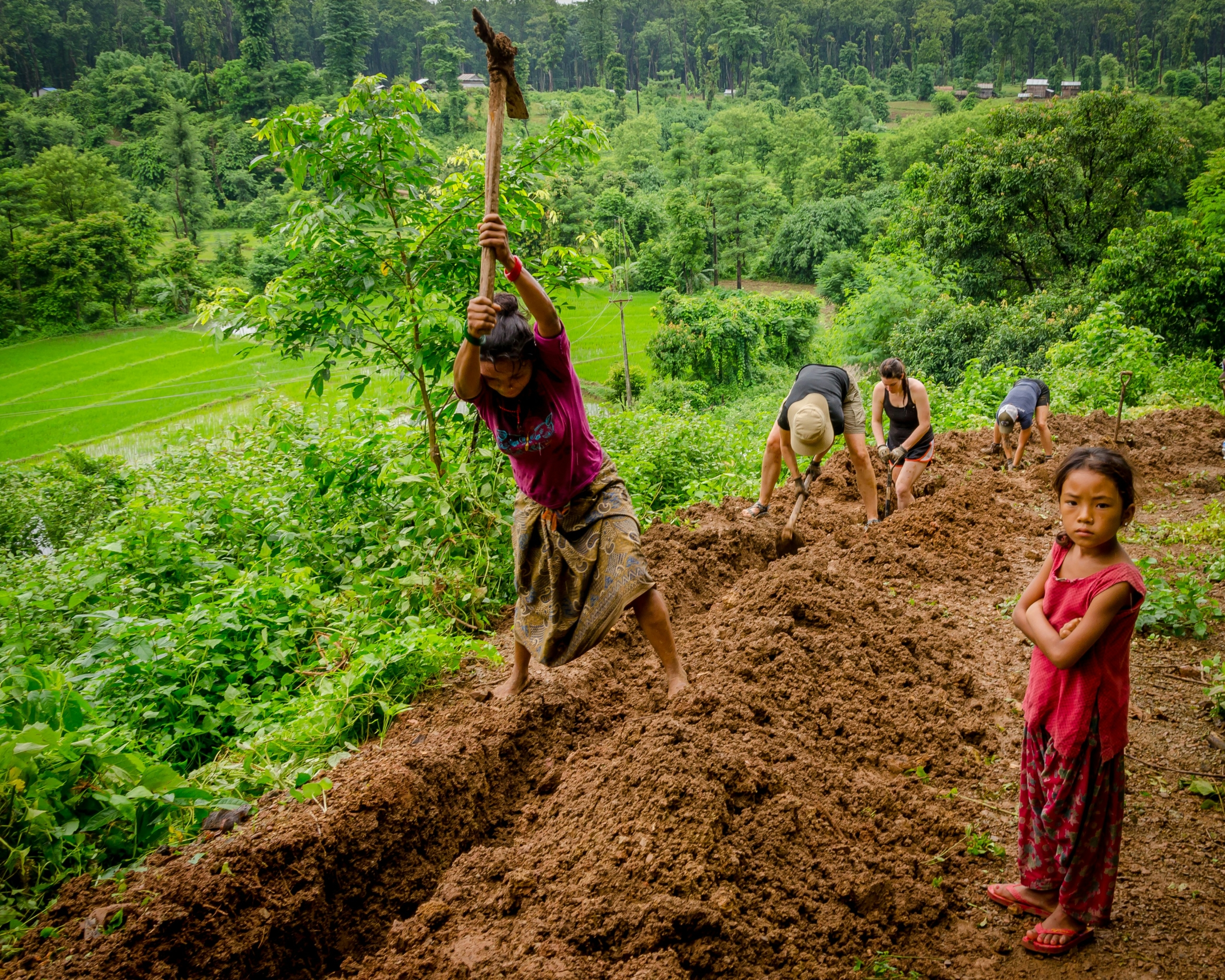 Child labor is a worldwide occurrence, with up to 70% in the agricultural sector. In developing countries with higher poverty rates and limited access to quality education, many children work on farms to support their families and earn incomes. The International Labor Organization (ILO) shows that the African continent has the highest number of child laborers in agriculture, with up to 72 million kids working on farms, raising livestock or farming crops. In Asia, that number reaches up to 62 million.
A Hazardous Work Environment
Agricultural labor is considered high risk, with tasks such as transporting heavy equipment and using machinery without proper protection becoming a significant hazard for kids involved in the work. Insufficient education can also lead to children not properly understanding the dangers of pesticides, contributing to the risks in the field. Reports of children experiencing headaches and fever after exposure to pesticides are a common casualty.
While this work can be dangerous for everyone, children, whose bodies are still developing, are particularly susceptible to harm. Working in the agricultural sector from a young age threatens children’s physical as well as emotional and psychological well-being. Some children also face stunted growth due to quitting education to work.
What Causes Child Labor?
Agricultural child labor is heavily intertwined with impoverishment and lack of food access. Households that struggle financially turn into child labor before prioritizing children’s education. Additional factors contributing to child labor in agriculture include having limited access to quality job opportunities and education, which limits the understanding of what child labor is within various communities.
During circumstances of crisis, such as during a conflict or natural disasters, children’s livelihoods change drastically and child labor increases. Migration, infrastructure wreckage or loss of family income can become driving forces for using child labor as a coping strategy.
Child Labor’s Invisibility
Child labor in agriculture often goes unnoticed, as many children work without pay to help their families on small, local farms. Qu Dongyu, chief of the Food and Agriculture Organization of the United Nations (FAO), emphasized that not all instances of children participating in agricultural tasks can be categorized as child labor, as some may just be learning or helping their families.
The thin line between what constitutes child labor and what doesn’t makes it challenging to recognize instances of child labor in agriculture at times. Additionally, caregivers may sometimes lack awareness regarding the harmful repercussions of child labor, seeing it as a necessary and obvious coping strategy for survival. What constitutes child labor includes work that puts children at risk, deprives them of acquiring proper education and, overall, denies them of having a childhood.
The Work Toward Eradicating Child Labor in Agriculture
FAO shows a steep decline in child labor in agriculture in Asia starting in 2017. However, the trend shows increased agricultural child labor, with 10 million kids working in the sector from 2012 to 2019. However, organizations like the ECLT Foundation are fighting to eradicate child labor. The ECLT Foundation focuses on tobacco-growing farms and, since 2011, has reached up to 711,000 community members through advocacy programs. Additionally, the foundation has helped up to 204,000 children previously involved in child labor.
– Paula Pujol-Gibson
Photo: Unsplash
