How Traditional Drumming in Ghana Is Helping People
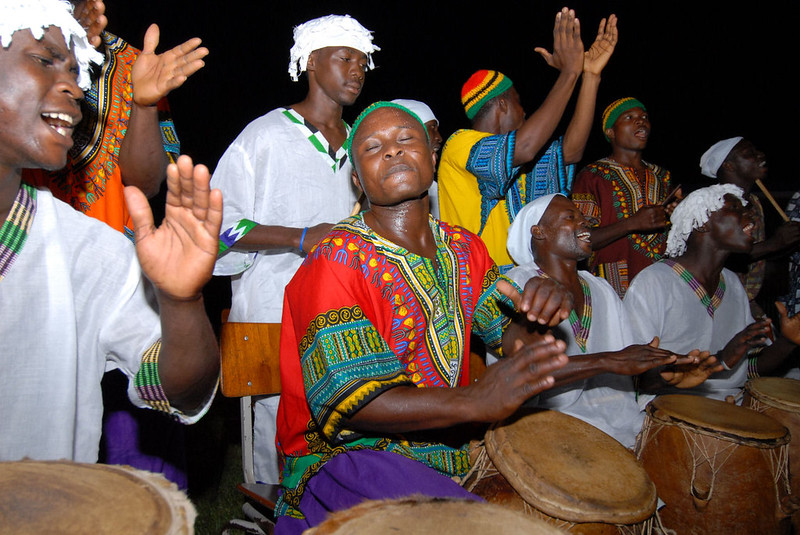 The traditional practices of the drumming rituals in Ghana are deeply rooted in the people’s belief systems. Social workers investigating have also found that traditional drumming in tribes can positively impact the community’s welfare by boosting economic resilience, attracting tourism and creating educational opportunities. Traditional drumming in Ghana has emerged as an unexpected ally in the fight against poverty, weaving together economic empowerment, community development and cultural preservation.
Cultural Roots
Ghanaian traditional drumming is deeply rooted in the cultural fabric of the nation. With diverse ethnic groups, each with its unique drumming traditions, these rhythms have been passed down through generations, embodying stories, rituals and social connections. Prominent ethnic groups like the Ashanti, Ewe, Dagomba and Fanti each possess distinct rhythms, dances, chants and drum traditions. The drums are bearers of cultural identity and communal spirit.
Empowering Communities
In recent years, traditional drumming has catalyzed economic empowerment at the grassroots level. Numerous community-based initiatives have emerged, utilizing the art of drumming to generate income and combat poverty. In the South Dayi district town of Peki, drum “cavers” hand make the drums to be sold in sets for 5,000 Ghanain credits ($415).
Particularly in Southern Ghana, drum makers can sell sets of drums to art centers, which sell in markets that showcase the makers’ craftsmanship, along with handicraft sellers showcasing other goods like woven Kente cloth, wooden sculpture, beadworks, etc. One prominent example is the Chale Wote Street Art Festival, supported by the Ghanaian Ministry of Tourism. The revenue generated from drum sales goes back to the community and the carvers business.
Tourism and Cultural Exchanges
Ghana’s traditional drumming has become a magnet for cultural tourism. The country’s vibrant music and dance festivals attract domestic and international visitors eager to experience traditional drumming. The economic impact of tourism on local communities cannot be overstated, as it creates employment opportunities, stimulates local businesses and encourages the preservation of traditional cultural practices. Such drums are sold to art centers that cater to tourists and typically take greater latitude in drum design.
In addition to tourism, cultural exchange programs have further elevated the status of traditional drumming in the global arena. For instance, Ed Sheeran collaborated with Ghanaian artist Fuse in 2018 and made headlines for singing as part of the collaboration in Twi (spoken in southern and central Ghana). Collaborations between Ghanaian drumming groups and international artists or institutions provide exposure, fostering a deeper appreciation for the art form. This exposure contributes to poverty alleviation by creating performance opportunities. It also bolsters the global recognition of Ghanaian drumming traditions, which can positively reinforce awareness, diversity and tourism.
Educational Initiatives
Beyond economic avenues, traditional drumming has found its way into education as a tool for empowerment. In the southern part of Ghana, where the tonal language of Twi is spoken, “talking drums” mimic the speech patterns and these drum patterns are used in some schools to signal the beginning or end of classes or the start of recess. These rhythms are additionally used in ceremonies and weddings and to recite poetry.
Many organizations and schools in Ghana are incorporating traditional drumming into their curricula, promoting culture and skill development. Promoting music in schools can improve students’ social connectedness, mathematics, reasoning and listening. By teaching the art of drumming to the younger generation, these initiatives empower youth with valuable skills and disciplines that contribute to breaking the cycle of poverty.
Conclusion
Ghanaian traditional drumming is not merely an art form but a force for change and resilience. Through economic initiatives, cultural tourism, educational programs and global recognition, traditional drumming in Ghana is fighting poverty one beat at a time. As these rhythmic traditions continue reverberating across communities, they serve as a testament to the transformative power of culture.
– Ava Johnson
Photo: Flickr
