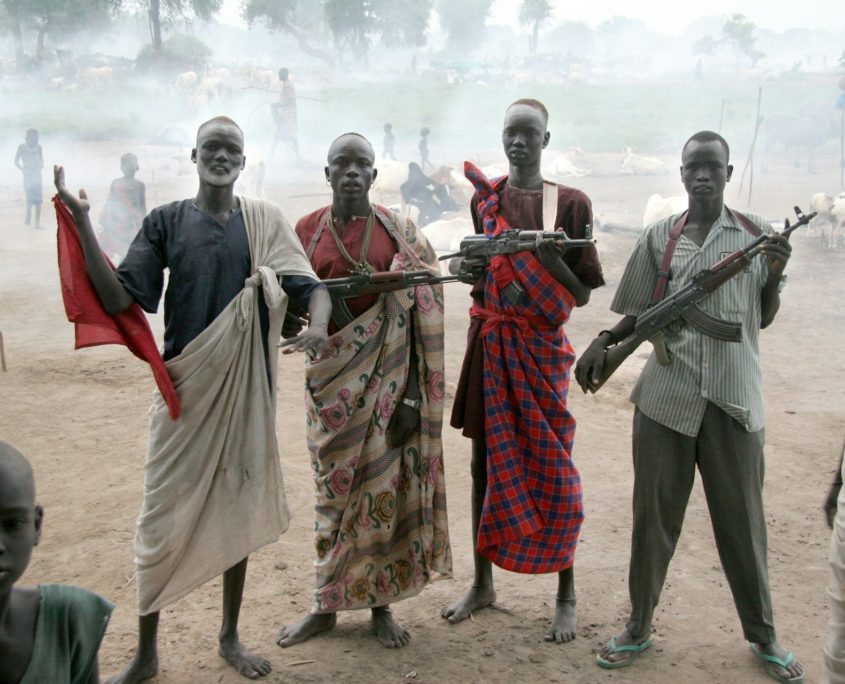
 Since the Sudan conflict began in April 2023, an estimated 13,752 lives have been lost, more than 8 million people have been displaced and 24.8 million people, half of Sudan’s population, need humanitarian assistance. Amid the challenges faced by international aid, Emergency Response Rooms (ERR) and localized, community-based aid groups, have emerged as a crucial force supporting victims of the conflict.
Roots of the Conflict
Sudanese journalist Nesrine Malik attributes the April 2023 conflict to the 2003 Darfur genocide. The then-president Omar al-Bashir deployed the Janjaweed militia, later formalized into the Rapid Support Forces (RSF), resulting in the loss of approximately 300,000 lives in the Darfur region as they suppressed a burgeoning rebellion.
In 2019, a successful revolution and military coup brought an end to al-Bashir’s 30-year rule. However, the subsequent power-sharing agreement between the Sudanese Army (SAF) and the RSF only intensified and fueled the flames of the current war, as leaders from both sides vied for dominance and control.
Impact on Civilian Lives
As of October 2023, 5 million people face emergency-level food insecurity. In Bahri City, 38 soup kitchens that supported 200,000 people can no longer source or distribute food due to energy blackouts. Subsequently, a warning from a February 2024 Clingendael report suggests a potential worst-case scenario where famine could claim the lives of 1 million people.
Furthermore, with approximately 30 million people deprived of health care, vulnerability to diseases such as malaria, measles, dengue and cholera has escalated significantly. Widespread human rights violations persist, as a December 2023 United Nations (U.N.) report reveals that RSF members allegedly perpetrated 118 cases of sexual violence, including 19 involving children.
Impact on Aid
Once in Sudan, bureaucratic hurdles often prevent aid from reaching those in need. The U.N. refers to difficulties government authorities place on aid groups, including obtaining visas, transporting aid and importing supplies. In December, fighting engulfed a humanitarian hub in Gezira state, displacing the 800,000 people it supported.
In fact, only 40,000 of those displaced have received aid as 70 World Food Programme (WFP) trucks were stuck in Port Sudan for two weeks in January, awaiting clearance. Both sides in the conflict are weaponizing international aid. The leader of the SAF has expressed intentions to obstruct aid to RSF-controlled regions and prohibit cross-border humanitarian assistance from neighboring states. Meanwhile, the RSF has imposed telecom blackouts which have hindered the delivery of essential supplies.
Additionally, armed fighters have reportedly looted aid trucks and warehouses, exacerbating the challenges in providing critical support to those in need. Constant threat looms over individuals providing life-saving aid. The Aid Worker Security Database reported the deaths of 25 aid workers in 2023. Since April of that year, the World Health Organization (WHO) has registered 60 attacks on health workers.
Emergency Response Rooms and Localised Aid Efforts
The urgency of aid is clear but the response remains insufficient. The U.N. has appealed $2.6 billion to address the crisis, yet it has only secured 3.59% of this amount. The number of national NGOs, international NGOs and U.N. Agencies had dropped from 174 to 85, three months into the conflict. Recognizing this shortfall, highly localized and volunteer-driven efforts of Emergency Response Rooms (ERR) are filling the gap.
The ERRs ensure the availability of fundamental services by assessing local needs and mobilizing volunteers to address them. ERRs have a diverse range of responsibilities, including providing daily meals, assisting pregnant women and individuals with chronic diseases, coordinating with local electricians to repair damaged power lines, facilitating the return of medical staff to hospitals, sourcing fuel for ambulances and disseminating information about safe passages or reported conflict areas.
In addition, the impactful work of ERRs has reached more than 4 million civilians and evacuated 12,000 people. These organizations prioritize transparency in their operations, adopt a decentralized and horizontal organizational structure and adhere to democratic decision-making processes. These principles are aimed at delivering a person-centered response working to prevent Sudan from total collapse.
Challenges Confronting Emergency Response Rooms
The ERRs face challenges of being overstretched, underfunded and lacking resources. The Sudan Crisis Coordination Unit emphasizes a prevailing mentality that sees the local response as “not integral to the international humanitarian response.”
Supporting community-led responses saves lives and directly contributes to shaping a more representative and responsive Sudan that meets its citizens’ needs. The head of USAID has recognized the efforts of ERRs and expressed intentions to shift from a model dependent on the U.N. to one that acknowledges the role of community-based groups.
Strengthening the Emergency Response Rooms
A report from Shabaka in January 2024 offers guidelines for aiding Emergency Response Rooms (ERRs). It emphasizes several crucial aspects: providing ERRs with ample, adaptable funding for necessary staff, supplies and medicines; enhancing communication and coordination among ERRs, medical facilities and humanitarian groups.
Moreover, establishing security measures to shield ERRs from conflict, harassment and intervention; upholding medical neutrality and humanitarian principles to keep ERRs open to all in need; and endorsing training and capacity building for ERR staff in trauma care, infection prevention, mental health and psychosocial support.
Moreover, the Sudanese people show remarkable resilience in the face of war. However, there is a need for the international community to actively recognize and support the model that ERRs offer for humanitarian work, to bolster aid efforts in the country.
– Ben Miley-Smith
Photo: Unsplash

Elderly Poverty in Brunei
Hajah Nor Ashikin binti Haji Johari, Permanent Secretary at the Ministry of Culture, Youth and Sports (MCYS), highlighted the profound economic impact of the aging global population, noting the substantial expenditures on health care, research and support services. Furthermore, Hajah pointed out the rapid growth of the aging population and its broad implications. During Brunei’s chairmanship of the Association of Southeast Asian Nations (ASEAN) in 2021, Johari emphasized Brunei’s leadership in endorsing the ASEAN Comprehensive Framework on Care Economy.
Additionally, in 2017, an action plan spanning five years was adopted to enhance elderly development, welfare and protection, aiming to create a senior-friendly support system and reduce elderly poverty in Brunei. Unfortunately, an aging demographic compounded by an ominous surge in noncommunicable diseases (NCDs) such as heart disease, cancer, chronic respiratory disease and diabetes challenges Brunei’s socio-economic development.
Addressing Poverty and Social Protection in Brunei
Bruneians who live in poverty prefer to use the phrasings “living in need” and “difficult life” over “poverty” and “poor.” This exchange of phrasings intends to protect an individual’s self-confidence and self-esteem. Yet this preference challenges officials’ attempts to accurately assess the severity of poverty and implement targeted interventions.
However, Brunei’s social protection schemes encounter challenges. These challenges include limited coverage, differential treatment between public and private sectors, exclusion of unemployed individuals and inadequate support for vulnerable groups such as divorcees, widows/widowers, single parents, orphans, the abused and disabled people.
The Dual Impact of an Ageing Society
Across developing countries, evidence showcases the productivity, creativity, vitality and participation of older adults in workplaces, communities, households and families. According to ageInternational, some of the pros of an aging society include:
In addition, the aging population significantly impacts the labor market. The dependency ratio, which compares the number of economically inactive individuals to those who are economically active, is set to increase. According to the International Labour Organization, some of the cons of an aging society include:
Brunei at a Demographic Crossroads
As Brunei Darussalam navigates through its complex demographic and health landscape, proactive and holistic measures become imperative for securing the future prosperity of its people. Moreover, by addressing the multifaceted challenges head-on, Brunei is poised to set a precedent for demographic resilience and health sustainability.
Above all, the nation’s commitment to comprehensive solutions promises not only to enhance the well-being of its aging population and reduce elderly poverty in Brunei but also to pave the way for long-term national growth. At this pivotal juncture, Brunei’s journey offers valuable insights into the power of foresight and action in shaping a thriving society.
– Pamela Fenton
Photo: Unsplash
How ActionAid International Is Improving Public Health in Kenya
ActionAid: An Overview
ActionAid is a global movement working toward improving public health in Kenya. It also aims to eradicate poverty and injustice by supporting people and communities to claim their rights and achieve sustainable change. The organization was founded in 1972 and focused on empowering developing communities and marginalized groups to advocate for access to health care resources. At the heart of the group’s approach is the belief that poverty is not simply based on lack of income but is also about community marginalization. The organization works in various Kenyan locations to address the root causes of poverty, including unequal distribution of resources, discrimination and lack of access to education and health care.
ActionAid’s methods and programs differ from the standard nonprofit approach, encompassing many overlooked issues, including women’s health rights, climate justice, humanitarian responses and economic justice. Through grassroots mobilization, advocacy campaigns and partnerships with other impactful organizations, the nonprofit is improving public health in Kenya. This society seeks to amplify the voices of affected populations by creating community-led initiatives and providing essential resources to influence policy changes that address the systemic inequalities faced by marginalized communities in the country. The organization focuses on three critical areas for improving public health in Kenya: empowerment, solidarity and campaigning for social justice.
The Response to Poverty and Rights
In addition to its programmatic work, ActionAid also conducts research plans, policy analysis and public awareness campaigns to raise awareness about the fundamental causes of poverty and advocate for changes at the national and international levels. One of these impactful plans, labeled “Strategic Objective 2,” involves facilitating young people and communities living in poverty and exclusion to advocate for their rights with democratic governance for access to the advancement of economic opportunities for young people. This plan aims to build capacity among youth and marginalized communities, providing them with the necessary skills, knowledge and resources to effectively engage with policymakers, demand accountability and participate in decision-making processes that affect their lives.
The organization also works with various impoverished communities to provide them with essential resources, capacity-building initiatives and support to address specific needs and challenges. One of these impactful plans, labeled “Strategic Objective 3,” involves:
Through these collaborative efforts, the organization strives to foster resilience, self-reliance and dignity among communities facing poverty and exclusion. Furthermore, ActionAid is committed to maintaining long-term partnerships with local organizations such as the Foreign Ministry of Affairs of Denmark to ensure that interventions are culturally sensitive, contextually appropriate and sustainable in improving public health in Kenya.
Addressing Food Insecurity and Access To Clean Water
ActionAid, recognizing the critical importance of addressing food insecurity and lack of clean water access, has implemented several initiatives across Kenya to tackle these pressing issues. The organization aims to empower communities to secure their right to food and clean water through grassroots mobilization, advocacy campaigns and educational strategies. The organization has implemented these sustainable solutions in multiple locations nationwide, including Turkana, Garissa and Baringo.
In addition to addressing the immediate need for resource accessibility, ActionAid also recognizes the importance of education in influencing communities to break the cycle of poverty and achieve sustainable development. One of the most notable programs developed to address this issue is the “Education For Life Project (EFL),” which equips marginalized youth and adults with the essential skills and knowledge for personal and developmental growth.
The EFL project goes beyond traditional classroom education by incorporating practical, hands-on learning experiences tailored to participants’ and their communities’ specific needs and aspirations. The initiative is currently implemented in five regions of Kenya (Kisumu, Garissa, Kilifi, Migori and Isiolo) in partnership with Voluntary Services Overseas (VSO) and Leonard Cheshire (LC) to influence positive school and life skills for the most marginalized populations.
– Caleb Ilayan
Photo: Unsplash
Suicide Prevention in the Central African Republic
Factors Contributing to the Decline in Suicide Rates
Fortunately, the Central African Republic has seen a 3.91% decline in suicide rates per 100,000 individuals. Addressing other problems like drug abuse, unemployment and food scarcity helps relieve depressed individuals from further stress, contributing to this decline.
In addition, between 2004 and 2008, the United Nations (U.N.) reported multiple drug seizures of cocaine and other illicit substances from parts of West Africa. By 2024, Amphetamine-type stimulants (ATS) and methamphetamine have become two of the most common forms of drug use in Africa, alongside cannabis.
Michael Groat, director of psychology at Silver Hill Hospital in New Canaan, explained that suicide and addiction stem from a desire to end pain. The combination of depression and drug use can be lethal, leading to addiction and possibly intentional or unintentional overdose.
Addressing Substance Abuse and Mental Health Issues
RehabPath has created a referral page for several treatment facilities for those struggling with substance abuse in the Central African Republic. Moreover, RehabPath recommends facilities like the Continental Brain Clinic and Synapse Azalea, which dedicate themselves to helping people recover from addiction and hopefully prevent some from committing suicide via drug overdose.
Drug use is not always the reason for suicide as mental health problems are considered one of the biggest factors for suicide. Mental health issues can include but are not limited to anxiety, depression, or bipolar disorder which can be situational-based or even genetically linked. Not every individual who suffers from depression or another form of mental illness will commit suicide however, it is still recommended that those who are struggling seek help before their health deteriorates further.
Funding Challenges for Mental Health
Those struggling with mental health in the Central African Republic have limited options due to low government investments. The African government lends 311.53 XAF, the United States (U.S.) equivalent of $00.50, to mental health practices. Strong Minds Uganda is currently trying to raise awareness of Africa’s unfunded mental health care system. In addition, the organization has managed to raise enough awareness for an article on the World Health Organisation (WHO) website.
Success of Group Therapy Initiatives
Recently, both WHO and Strong Mind have provided group therapy sessions to more than 160,000 women and young people in both Uganda and Zambia. Fortunately, approximately 80% of these figures have reported a significant levity in their depression. Whilst this news is encouraging there are thousands more who need help, especially men as it has been reported more males are likely to commit suicide than females on a 3:1 ratio.
Socio-Economic Factors and Suicide Rates
The men living in Africa are not the only ones who struggle. It is reported suicide rates have become increasingly high in multiple black communities including countries such as the U.S.Psychiatrist Patricia Harris, who is Everyday Health’s chief health and medical editor suggests multiple reasons for the increase including cyber-bullying, pressure to live up to a ‘strong black person’ image and the lack of representation in mental health services.
Moreover, the Central African Republic has an abysmal lack of funding. With 70% of the country living in extreme poverty, it is no surprise that men fall into despair and want to end their lives. The World Bank has suggested strengthening the human capital of Central Africa to invest in agricultural pursuits thus boosting agriculture further to decrease poverty.
Furthermore, this could potentially save lives as the people of the country will feel less pressure regarding feeding their families and maintaining a healthy household. For now, both men and women rely on the compassion of others. Interaction with other individuals can be beneficial to a person’s mental health and prolonged isolation can worsen symptoms of depression. Isolation can be caused by feeling unwanted or like an outcast around a particular group of people.
Efforts to Combat Mental Health Stigma and Isolation
The World Health Organization (WHO) started World Mental Health Day in 2022. This day is dedicated to raising awareness of suicide and mental illness in the Central African Republic. This campaign aimed to reach 10 million African people, help them seek treatment for any of their medical conditions and support their families and friends in the interim.
In 2024, the Central African Republic has put new plans into place to help the most isolated citizens. Plans include efforts for suicide prevention in the Central African Republic. These plans include vital multisectoral assistance to 1.9 million vulnerable people and localizing humanitarian responses. Looking forward, these plans with the help of donations from humanitarian organisations, should provide those struggling with their mental health some form of hope to achieve a healthier, happier future.
– Phoebe Vaughan
Photo: Unsplash
How LFAM in Sierra Leone is Reducing Maternal Mortality
The Life for African Mothers Charity (LFAM) has been actively working on reducing the maternal mortality rate in Sub-Saharan Africa since 2005. LFAM is helping Sierra Leone through its essential programs and projects to lower the maternal mortality ratio.
What LFAM Does
In 2020, nearly 800 preventable maternal deaths occurred daily worldwide. A maternal death took place every two minutes; a further 95% of these deaths took place in low and lower-middle-income countries. LFAM provides tailored training to midwives in Sub-Saharan Africa through various means, such as skill-sharing workshops and medication distribution. The nonprofit has trained around 1,000 midwives and shipped five million tablets to date, contributing to the approximately one million women saved by the organization.
LFAM’s 15-Year Journey in Sierra Leone
In 2008, LFAM was called by the United Nations Population Fund to assist Sierra Leone and Liberia in reducing their Maternal Mortality Ratio. The U.N. had designated Sierra Leone as one of the most dangerous places on earth to have a baby. In 2009, LFAM started helping; medications to treat and prevent hemorrhages were sent to Sierra Leone and U.K.-based midwives traveled to share their skills and complete training programs.
LFAM is helping in Sierra Leone through its contribution to the resilience of the communities by empowering midwives and preventing post-partum hemorrhage. The initiative is positively impacting the country’s maternal health care.
LFAM’s Recent Workshop in Sierra Leone
In Sierra Leone, less than half of pregnant women receive care from experienced birth attendants. In response, the program has been helping the nation through several methods, including midwifery workshops. LFAM held a two-day event in January 2024, for midwives to attend. The event occurred at Kailahun District Hospital and 20 midwives and nurses participated in the workshop. This intense training event covered postpartum hemorrhage management, resuscitation scenarios and labor care guidance. The focus of these workshops is empowering individual midwives to save lives in low-resource settings.
Enhancing Service Reach
LFAM is helping Sierra Leoneans by distributing life-saving medications such as Misoprostol. However, this has been challenging. The nonprofit encountered challenges when ensuring these medications’ timely and safe delivery. Additionally, transporting supplies from the airport to the hospital and distributing them across the country posed logistical hurdles for several reasons, such as the state of the roads.
In a positive turn of events in January 2024, the organization received a contribution from a U.K. foundation for a new vehicle. This donation has allowed LFAM to revolutionize the way it transports medication and midwives as distribution efforts are simplified and accessibility is increased. This donation will hopefully lead to a further reduction in Sierra Leone’s maternal mortality rate as the effectiveness of LFAM’s work continually increases.
– Arabella Wood-Collins
Photo: Flickr
Empowering the Underserved With Technology: AI for Africa’s Poor
In a conversation with Karishma Muthukumar, a nongovernmental organization (NGO) leader and session panelist at the 2023 United Nations (U.N.) AI for Good Global Summit, The Borgen Project, explores insights and opportunities for leveraging AI to uplift Africa’s impoverished, aligning with Sustainable Development Goals (SDGs). As the continent progresses, AI emerges as a beacon for positive change.
Employability of AI for Africa’s Poor
Despite the expansion in technology and infrastructure access, the scarcity of resources due to COVID-19 has outpaced growth in various regions of Africa. A stark reality persists as less than 20% of the continent has implemented a comprehensive strategy to address electricity shortages, with approximately 600 million people needing more basic access to electricity as of 2022. Achieving Sustainable Development Goal 7 (SDG-7) by 2030, which aims to ensure universal access to affordable, reliable, sustainable and modern energy, remains a formidable challenge.
The pivotal question no longer revolves solely around how artificial intelligence (AI) will affect people but how millions of individuals will harness AI for their benefit. As rightly indicated by Muthukumar, the disparities in technological advancements pose significant challenges. The effects of AI are poised to unfold differently in developing versus developed countries and the requisite investments and regulations these countries need are also likely to be different.
A critical determinant in this evolving landscape is pertinent data and infrastructure availability. Wealthier nations leverage their extensive datasets to develop sophisticated AI models and proposals. However, gaining access to reliable data in Africa is not trivial, creating a barrier for technological advancements to reach those who need them the most. Nevertheless, instances of innovation, such as Kenya’s M-Pesa, which has revolutionized the payment world through mobile data, serve as a reminder of the transformative possibilities that lie ahead.
Technological Challenges for AI Advancement in Africa
It is crucial to overcome technological challenges to make AI impactful for people experiencing poverty. Research stresses distinguishing short-term and long-term values in AI adoption. An important strategy involves customizing technology from developed nations for local use, facilitating the creation of solutions that resonate with the specific needs of diverse communities.
Another strategy involves decentralizing AI products to meet local needs. This not only has the potential to uplift incomes but can also stimulate economic growth. However, implementing such strategies is challenging, particularly in regions with trust issues, as easy code modification is possible in those cases. Society plays a vital role in monitoring new systems and highlighting abuses to ensure technology reaches those in need efficiently.
Cost Management and Innovation Take Center Stage in Health Care
With the automation of medical procedures, artificial intelligence can help health professionals do more and reach more people with limited resources. Currently, less than 30% of the applications deploy artificial intelligence in health care. AI has the potential to improve outcomes and decrease treatment costs, thus making diagnosis accessible to a larger group of the population.
Several African countries have adopted artificial intelligence today to automate radiology tasks, enabling more frequent tests to rule out the severity of diseases, thus actively assisting in medical diagnostics. The Artificial Intelligence for Good Global Summit extensively explored empathy-based artificial intelligence as a promising future to complement patient care. Muthukumar emphasized how artificial intelligence can empathize with patients, particularly in critical situations like wait times. This can lead to medical innovations and a significant enhancement in the meaningful connection between caregivers and those needing care.
Nurturing Hope for the Future of AI for Africa’s Poor
Successful adoption of AI for Africa’s poor hinges on strong foundations in data, infrastructure and governance. The potential transformative applications in Africa may not necessarily replace humans but rather create new opportunities for them.
In the quest for cost containment and improved infrastructure, African nations must carefully balance adopting foreign AI solutions with promoting local innovations and regulations. This approach promises to uplift underserved communities, especially in vital sectors like health care and employment.
Crucially, this strategy resonates with the region’s commitment to implementing secure and practical solutions, contributing to a digital transformation that narrows the digital divide toward achieving the SDG goals.
– Sudha Krishnaswami
Photo: Flickr
Emergency Response Rooms and Local Response in Sudan
Roots of the Conflict
Sudanese journalist Nesrine Malik attributes the April 2023 conflict to the 2003 Darfur genocide. The then-president Omar al-Bashir deployed the Janjaweed militia, later formalized into the Rapid Support Forces (RSF), resulting in the loss of approximately 300,000 lives in the Darfur region as they suppressed a burgeoning rebellion.
In 2019, a successful revolution and military coup brought an end to al-Bashir’s 30-year rule. However, the subsequent power-sharing agreement between the Sudanese Army (SAF) and the RSF only intensified and fueled the flames of the current war, as leaders from both sides vied for dominance and control.
Impact on Civilian Lives
As of October 2023, 5 million people face emergency-level food insecurity. In Bahri City, 38 soup kitchens that supported 200,000 people can no longer source or distribute food due to energy blackouts. Subsequently, a warning from a February 2024 Clingendael report suggests a potential worst-case scenario where famine could claim the lives of 1 million people.
Furthermore, with approximately 30 million people deprived of health care, vulnerability to diseases such as malaria, measles, dengue and cholera has escalated significantly. Widespread human rights violations persist, as a December 2023 United Nations (U.N.) report reveals that RSF members allegedly perpetrated 118 cases of sexual violence, including 19 involving children.
Impact on Aid
Once in Sudan, bureaucratic hurdles often prevent aid from reaching those in need. The U.N. refers to difficulties government authorities place on aid groups, including obtaining visas, transporting aid and importing supplies. In December, fighting engulfed a humanitarian hub in Gezira state, displacing the 800,000 people it supported.
In fact, only 40,000 of those displaced have received aid as 70 World Food Programme (WFP) trucks were stuck in Port Sudan for two weeks in January, awaiting clearance. Both sides in the conflict are weaponizing international aid. The leader of the SAF has expressed intentions to obstruct aid to RSF-controlled regions and prohibit cross-border humanitarian assistance from neighboring states. Meanwhile, the RSF has imposed telecom blackouts which have hindered the delivery of essential supplies.
Additionally, armed fighters have reportedly looted aid trucks and warehouses, exacerbating the challenges in providing critical support to those in need. Constant threat looms over individuals providing life-saving aid. The Aid Worker Security Database reported the deaths of 25 aid workers in 2023. Since April of that year, the World Health Organization (WHO) has registered 60 attacks on health workers.
Emergency Response Rooms and Localised Aid Efforts
The urgency of aid is clear but the response remains insufficient. The U.N. has appealed $2.6 billion to address the crisis, yet it has only secured 3.59% of this amount. The number of national NGOs, international NGOs and U.N. Agencies had dropped from 174 to 85, three months into the conflict. Recognizing this shortfall, highly localized and volunteer-driven efforts of Emergency Response Rooms (ERR) are filling the gap.
The ERRs ensure the availability of fundamental services by assessing local needs and mobilizing volunteers to address them. ERRs have a diverse range of responsibilities, including providing daily meals, assisting pregnant women and individuals with chronic diseases, coordinating with local electricians to repair damaged power lines, facilitating the return of medical staff to hospitals, sourcing fuel for ambulances and disseminating information about safe passages or reported conflict areas.
In addition, the impactful work of ERRs has reached more than 4 million civilians and evacuated 12,000 people. These organizations prioritize transparency in their operations, adopt a decentralized and horizontal organizational structure and adhere to democratic decision-making processes. These principles are aimed at delivering a person-centered response working to prevent Sudan from total collapse.
Challenges Confronting Emergency Response Rooms
The ERRs face challenges of being overstretched, underfunded and lacking resources. The Sudan Crisis Coordination Unit emphasizes a prevailing mentality that sees the local response as “not integral to the international humanitarian response.”
Supporting community-led responses saves lives and directly contributes to shaping a more representative and responsive Sudan that meets its citizens’ needs. The head of USAID has recognized the efforts of ERRs and expressed intentions to shift from a model dependent on the U.N. to one that acknowledges the role of community-based groups.
Strengthening the Emergency Response Rooms
A report from Shabaka in January 2024 offers guidelines for aiding Emergency Response Rooms (ERRs). It emphasizes several crucial aspects: providing ERRs with ample, adaptable funding for necessary staff, supplies and medicines; enhancing communication and coordination among ERRs, medical facilities and humanitarian groups.
Moreover, establishing security measures to shield ERRs from conflict, harassment and intervention; upholding medical neutrality and humanitarian principles to keep ERRs open to all in need; and endorsing training and capacity building for ERR staff in trauma care, infection prevention, mental health and psychosocial support.
Moreover, the Sudanese people show remarkable resilience in the face of war. However, there is a need for the international community to actively recognize and support the model that ERRs offer for humanitarian work, to bolster aid efforts in the country.
– Ben Miley-Smith
Photo: Unsplash
“Water Life” in Ethiopia
Shining Light on Water Poverty
In 2018, alongside WaterAid and the H&M Foundation, Aida created a series of works focusing on the scarcity of safe water. WaterAid is an NGO established in 1981 to provide clean water and sanitation to people around the world. Its mission is to “transform the lives of the poorest and most marginalized people by improving access to safe water, sanitation and hygiene.”
Founded in 2013, the H&M Foundation is an NGO based in Stockholm, Sweden that uses “philanthropic resources to find, fund and facilitate disruptive innovations, initiatives and research that enable a socially inclusive and planet positive textile industry.” Its website states “We believe that change is best achieved when a diverse group of people join forces and commit to a common agenda to solve complex challenges.”
WaterAid gave Aida “complete artistic freedom” and provided her with “information about the issues around water security, especially in Ethiopia.” The Water Life exhibition developed from a conversation about the pairing of art and advocacy, the issues of access to safe water and the impact that water scarcity had on women and children in Africa.
For the Water Life exhibition, Aida photographed the women in the Afar region in Northern Ethiopia, “one of the hottest and driest places on Earth.” Her goal was to address the issue of water scarcity without the clichés that mainstream media and aid organizations often represent, stating that she realized that “art can be a form of advocacy,” Canon reports.
Water Scarcity
Water scarcity is the lack of sufficient clean water to meet daily demands. Access to fresh drinking water dwindles due to both human factors and extreme weather conditions. Globally, 785 million people do not have access to clean drinking water. Each day more than 800 children die from preventable diseases that poor water causes in many communities around the world. The scarcity of safe water supplies can cause families and their communities to become locked in poverty for generations.
In the past 20 years, “Ethiopia has made remarkable strides in ensuring access to safe drinking water,” USAID reports. However, it continues to “face challenges in overall water, sanitation and hygiene and WASH coverage.” According to USAID, “in Ethiopia, diarrheal disease is the second cause of hospital admission and death among children under 5 years of age.”
Water scarcity affects women and children the most. According to World Vision, children are “more vulnerable to diseases of dirty water” and women and girls ” often bear the burden of carrying water for their families for an estimated 200 million hours each day.”
In Conclusion
Access to safe water and sanitation is a precondition to life and a declared human right. Water is vitally important to sustainable development – from health and nutrition to gender equity and economics. The artistic perspective of Aida Muluneh transitioned from a conversation into a vibrant artistic advocacy addressing the global issue of water scarcity.
Aida intended to create images that showed the challenges of water scarcity and emphasize the strength and resilience of the women who face these daily difficulties framed by the beauty, heritage and culture of the continent. “I could not stop thinking about the time it takes to collect water. Today, and every day, girls and women will spend more than 200 hours walking for water. If a young girl must spend three hours transporting water, whether for cooking feeding, bathing or drinking, that is three hours she could have been in school, getting an education,” Aida wrote for WaterAid.
– Pamela Fenton
Photo: Flickr
Reducing Poverty: The Coffee Trade in Honduras
Coffee and Honduras
Honduras provides excellent conditions for producing high-quality coffee beans. Honduras is the largest Central American coffee producer and the sixth-largest coffee producer globally which is predominantly exported to the United States (U.S.) and Europe. The Honduran geography and climate make it the perfect location for growing these award-winning coffee beans due to its rich volcanic soil, large amounts of sun, rain and high altitudes.
This lucrative trade is appealing to the people of Honduras, but due to the often-unstable climate, it can be a risky business. Hurricane Mitch had a colossal impact on the coffee trade in Honduras. It resulted in Honduran production of coffee plummeting from £15 million in 1997, to £4 million in 1999. Coupled with the widespread poverty and inequality, leaving many without financial safety nets, these factors significantly heighten the hurdles coffee farmers must overcome.
Fairtrade Addressing the Issue
The Fairtrade cooperative COMSA dedicates itself to offering farmers technical and scientific advice to mitigate the effects of the changing climate and optimize farm productivity. However, COMSA’s contributions extend beyond agricultural guidance. It also delivers essential services such as children’s education and waste management and recycling for the local community. Freak weather events like droughts and landslides challenge many coffee farmers’ stability within the trade. Nonetheless, Fairtrade offers essential support and advice, positioning farmers to better mitigate these occurrences. Fairtrade’s support equips farmers with the tools to navigate and overcome these challenges, contributing to a more resilient coffee trade and reduced poverty in Honduras.
Impact of Promoting Sustainable Coffee Farming
The aid and advice given to farmers in Honduras must be sustainable due to the changing nature of the planet. The promotion of the protection of natural resources and the resilience to the challenges of the changing climate is pivotal to this. Organizations like Hondu Café have teamed up with the United States Agency for International Development (USAID). They promote sustainable coffee production, showcasing promising developments in the industry:
Looking Forward
The coffee trade in Honduras is at the forefront of promoting sustainable growth. It is proving pivotal in educating farmers and enhancing their production techniques. This initiative not only aids in poverty alleviation but also highlights the importance of understanding and supporting local industries to tackle global poverty challenges. Through targeted support and education, Honduras is carving a path toward economic resilience and environmental sustainability within the coffee sector.
– Cordelia Moore
Photo: Unsplash
Child Poverty in Belarus and the Chernobyl Disaster
Child Poverty in Belarus
According to UNICEF, a child lives in multidimensional poverty if that child experiences two or more deprivations. As a result, a 2017 study from The Guardian reveals that the proportion of children living in institutional care in the region is 2%–5%. Various reasons outside of poverty include large families who are unable to care for their children and the stigmatization of and discrimination against children with disabilities. However, even in Belarusian orphanages, almost 100 children have been living on the brink of starvation in the capital of Minsk.
One of the contributing factors to child poverty in Belarus is starvation, leading to a government report of over 30,000 Belarusian orphans placed in public institutions. ChildFund International, a development organization founded in 1938, focuses on caring for Belarusian children living in extreme poverty. Since 1993, ChildFund been helping Belarus care for both orphaned and disabled children through the USAID-funded Supporting Orphans and Vulnerable Child program, enacted for children placed in public institutions to live with foster families. It is through ChildFund’s efforts that “three of five piloted communities stopped placing children in orphanages, and the overall rate of children institutionalization has declined by 25 percent.” This is a significant step in the right direction. ChildFund cares for orphans whether or not they have a disability. They make children’s health care their top priority over anything else.
The Chernobyl Disaster
Another factor that is also associated with child poverty in Belarus is the Chernobyl disaster. A study by UNICEF reveals that Belarus has absorbed an estimated 70% of the nuclear fallout. This is likely because Belarus’s border with Ukraine is just 4 miles from the Chernobyl power plant. More than 20% of adolescent children in Belarus suffer from disabilities caused by birth defects, such as congenital heart defects. Health care in Belarus is a problem because of the Chernobyl disaster. The effects of the disaster continue to plague the people despite the country’s best efforts at improving children’s health. According to UNICEF, “48.6% of children in residential care institutions are children with disabilities.”
Chernobyl Children International (CCI), founded in 1991, works to help children in the region who have been impacted by the Chernobyl disaster, including various facilities in Belarus, such as the Vesnova Home for Invalid Children. The Vesnova Home has helped more than 170 children and teenagers born with severe birth defects resulting from the disaster. It was pioneered as a form of independent living and is a part of CCI’s programs.
Through the intervention of CCI, children can live independently in this institutional program rather than in an adult mental asylum. Without CCI, these children would not have attended any educational institutions. They would also have little to no connection with their peers because of their differences. UNICEF highlights that disability is the main reason for child abandonment. It is also why many children throughout the country live in residential homes. This illustrates how child poverty strikes a family if they are provided any special accommodations if they possess any disability. CCI works with children and their families that continue to suffer from the economic outcome of the Chernobyl accident.
Helping the Children of Chernobyl
The Chernobyl disaster occurred more than 38 years ago. However, it became the starting point of a sharp rise in birth defects, which correlates with child poverty in Belarus. There are 2.7 deaths per 1,000 live births, a key demographic indicator in the under-five mortality rate. According to CCI, “Chernobyl is not something from the past. Chernobyl ‘is forever.’ The impact of that single shocking nuclear accident can never be undone; its radioactive footprint is embedded in our world forever and countless millions of people are still being affected by its deadly legacy.”
As a result, CCI continues to stay active in helping Belarus as it provides social support for children. As a result of Chernobyl, in the economic field, “children are the poorest sector of the population, facing 1.5 times greater risk of poverty than the average level across the country.” Whether they were born before or after it, the disaster continues to leave wounds for those who were affected. Consequently, child poverty continues to exist in Belarus. It is the efforts of CCI and various other organizations that ensure that every child is cared for regardless of their disabilities. This will lead to Belarus progressing toward fighting against child poverty and poverty as a whole in this country.
Chernobyl Children International’s founder, Adi Roche, stated perfectly that “CCI is founded on hope and courage: the hope that the children—one by one and heartbeat by heartbeat—will thrive; and the courage to envision and create a better world.”
It is the efforts of various facilities and organizations that have led to foreign aid. They ensure that Belarus is not alone in its struggles against child poverty.
– Nevin Guler
Photo: Flickr
Crime and Poverty in the Dominican Republic
The complex relationship between crime and poverty requires solutions that address the underlying issues. The Peace Corps, the United States Agency for International Development (USAID), Crime Stoppers and the Pact are groups working to reduce poverty in the Dominican Republic.
How Crime and Poverty Are Interlinked
The World Bank, in its report “Conflict and Poverty,” sheds light on four critical issues that underscore the cyclical nature of the relationship. Delving into the consequences of conflict, it becomes evident that a child’s schooling will be reduced by nearly one-third if they encounter conflict and subsequent health issues, including addiction, diabetes, depression and post-traumatic stress disorder (PTSD).
USAID Supports Education in the Dominican Republic
In the Dominican Republic, impoverished children will drop out of primary school to earn income for their families. Recognizing the need to break this cycle, USAID has partnered with the Ministry of Education of the Dominican Republic to ensure children receive proper education and opportunities to reduce the risk of criminal involvement. To address the multifaceted challenges faced by these vulnerable children, USAID has outlined three specific goals within its collaborative efforts with the Ministry of Education:
Crime Stoppers and Their Anonymous Services
Crimes committed in the Dominican Republic could go unreported to the authorities due to apathy or fear of repercussions. Estimates suggest that around 70% of observable crimes go unreported.
On September (2023). Crime Stoppers discussed opening an office within D.R. as an anonymous hotline to serve the people. The previous record from Crime Stoppers suggests a high success rate, with other offices already located within Latin America.
Peace Corps Projects Within the Dominican Republic
The Peace Corps is leading other nonprofit organizations in addressing the education gap within the Dominican Republic. The volunteers work with community leaders to provide a needed set of skills. In partnership with other nonprofits, the organization has established three projects in the Dominican Republic. The projects aim to help vulnerable children with low literacy.
The Pact’s Work Within the Dominican Republic
The Pact, an international nonprofit working for human development, recognizes the need for civil actors to seek change at a societal level. Using their research in human development, the Pact, in conjunction with USAID, set up the Civil Society Strengthening Activity program. The Dominican Republic’s poverty rate will drop because of this $12.5 million initiative that emphasizes the abilities of community leaders and how to use them to enact legal policies focused on women and children.
Conclusion
Crime and poverty in the Dominican Republic are interlinked. While this creates a complex phenomenon, the resolution to reducing crime is reducing poverty. International nonprofits, governments and programs aid developing nations to discover solutions that suit the country’s needs. As the World Bank states, “poverty alleviation in fragile states recognizes the need for organizations such as the U.N. and IMF to coordinate state capacity.”
– Luis Lujano-Garcia
Photo: Flickr