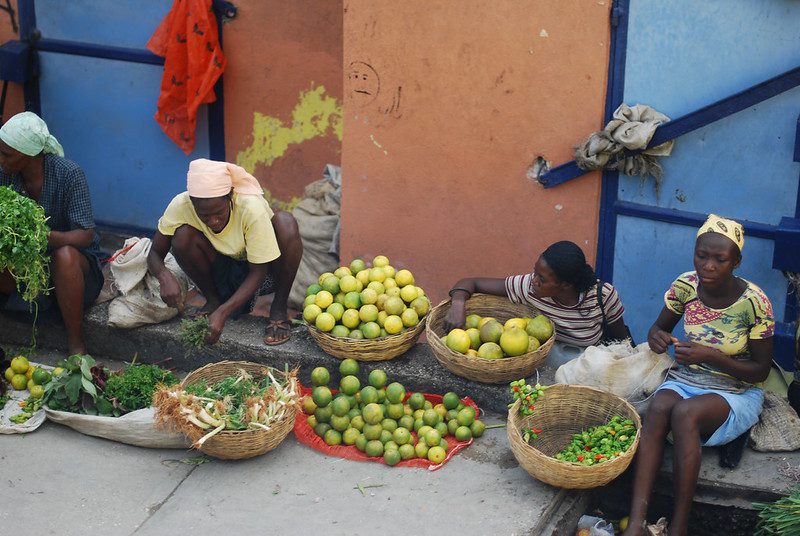
 The ongoing humanitarian crisis in Haiti has forcibly displaced an estimated 300,000 people, with women and young girls being the most vulnerable groups. These women not only struggle with the loss of their homes but also face the violent threats posed by criminal gang members. As tensions escalate in the country’s capital, access to health services, food and clean water has become increasingly scarce. International aid representatives are urging the Haitian government to act against the violence and to prioritize women’s voices and experiences in their political agenda.
Women at the Forefront of the Crisis in Haiti
Following the assassination of President Jovenel Moise in July 2021, Haiti fell into a state of political instability. The country’s capital, Port-au-Prince, became a center for gang violence. Since then, violence has victimized a total of 5,400 individuals and authorities have reported an additional 3,000 murder cases. Women, among the most vulnerable residents, are experiencing an unprecedented increase in gender-based violence. Many women face risks of sexual exploitation and sexual slavery.
In a study conducted in 2023 by the women’s organization, MARIJAN, 63% of the 299 women and girls from marginalized neighborhoods in Port-au-Prince responded that they were forced to relocate due to the ongoing violence. Additionally, one in five of these women disclosed that they had been victims of rape and 17% reported experiencing some form of physical violence. Natalie Eleanor Virginia, General Coordinator for MARIJAN, IRC partner organizer in Port-au-Prince, observes: “Women and girls are faced with an inhuman social reality. In marginalized neighborhoods, they are exposed to physical and psychological violence; beatings, intimidation, gang rape and murder are some of the methods gangs use to establish their domination and force women and girls into total submission”.
Virginia clarifies that those who have managed to escape their neighborhoods and have sought refuge in one of the many camps around Port-au-Prince are not exempt from the dangers. On the contrary, physical and verbal violence and sexual exploitation remain prevalent in the camps. Instances of female kidnappings have also been on the rise. In 2023, nearly 1,000 women were reported missing– which is almost equal to the number of victims in 2022 and practically three times more than in 2021. The number of women at risk of being kidnapped will only continue to rise as many roads they travel are under the control of various gangs.
Gang Violence and Medical Access in Haiti
Over the last three years, the increasing number of gang-related attacks on hospitals in Port-au-Prince has severely limited people’s access to health care services. Less than half of the capital’s health facilities are still operational and they risk running out of supplies. In March of this year, the United Nations (U.N.) warned that about 3,000 pregnant residents of Port-au-Prince might soon lose access to essential health services. Among these women, an estimated 450 could face life-threatening complications.
The U.N. also noted that an additional 521 victims of sexual violence would be unable to access medical services. Even before the crisis, Haiti struggled to provide adequate health services for its female residents. Each year, more than 1,500 Haitian women die from childbirth or pregnancy-related complications. Additionally, only 3% of rape victims receive the necessary treatment within 72 hours of the incident.
Lending a Voice and Hand to the Silenced
In early May 2024, the U.N. held a press conference to highlight recent developments in Haiti concerning its female residents. The panel of experts expressed concerns about the insufficient aid provided to Haitian women. Additionally, it criticized the Haitian government for undermining state institutions designed to serve the most vulnerable populations. The experts also revealed that the government’s failure to effectively address corruption has made it complicit in gang violence and activities. A panelist emphasized the gravity of the situation, stating, “No one should be forced to choose between their safety and their ability to provide for themselves and their families, attend school, access health care and basic services, including sexual and reproductive care.”
The UNFPA has also spoken out for the cause, demanding additional funding. Since the crisis began, the organization has supported three hospitals in Port-au-Prince that provide maternal health services. Additionally, the UNFPA has supplied 13 health centers in the country’s capital and neighboring regions with necessary items, including rape kits.
The U.N. Women has contributed its share of aid by partnering with Rapha International. Together, they have provided emergency aid to female survivors of sexual violence, including counseling, medical assistance, economic support and refuge. The two organizations have also developed an online platform that allows victims of sexual violence to seek medical and psychosocial assistance anonymously. Since its launch, more than 2,000 women have used the system. Additionally, it has enabled approximately 230 women to access hygiene kits or food supplies.
Taking Matters into Her Own Hands
Despite the grim political state in Haiti, the women continue to demonstrate strength and resilience. Many have united and now identify themselves as “peace mediators.” This newfound hope stems from the creation of the project “Fanm Djamn Pou Lape.” The project focuses on empowering women and encourages their participation in peacebuilding efforts.
Since its inception in 2022, 97 women from various metropolitan areas around Port-au-Prince have committed to resolving conflicts within their communities. The project has successfully developed safe havens and brought together victims of gang-related violence. It aims to build and strengthen communities by focusing on collective memories. Matienge, a young woman and member of the project, explains, “By encouraging collective remembrance of past experiences, we have fostered a shared understanding of events, promoting reconciliation and building both individual and community strength.”
Looking Ahead
The humanitarian crisis in Haiti continues to severely impact women and girls. It exacerbates their vulnerability to violence and limits access to essential services. The U.N. and various organizations are calling for urgent action and increased aid to support these affected populations. Initiatives like “Fanm Djamn Pou Lape” demonstrate the resilience and determination of Haitian women. They play a crucial role in peacebuilding and community strengthening amid ongoing challenges.
– Yasmine Nowroozi
Yasmine is based in Laval, Quebec, Canada and focuses on Global Health and Politics for The Borgen Project.
Photo: Flickr

Assisting Zambia’s Agricultural Communities
Despite a slight rise in urban poverty since 2015 due to factors such as the impact of COVID-19, the urban poverty rate remains around 31.9%, which is about half the national average. This difference is usually attributed to the nature of industry, which differs between these regions. While rural areas primarily derive their income from the agricultural industry, urban areas have benefitted from the growth of construction and financial sectors.
Challenges Facing Zambia’s Agricultural Sector
Multiple factors have contributed to Zambia’s agricultural industry’s deterioration. A report by the International Growth Center (IGC) found that while the sector employs 59% of the workforce, it makes up only 3.4% of the country’s national gross domestic product (GDP). The IGC lists a number of factors that contribute to this underperformance, many of which converge around issues of low levels of funding and limited access to sophisticated technology, hindering farmers’ ability to harvest and deliver crops cost-effectively and efficiently.
The report outlines a specific issue: many farmers’ limited access to suitable finance and insurance. Where 85% of the credit is dedicated to larger-scale commercial producers, many small-scale farmers lack access to the same financial services. This limits their growth potential and makes it difficult for them to compete. Many of the factors contributing to agricultural decline are out of farmers’ control, such as increasing levels of drought. However, improving the accessibility of financial resources among Zambia’s agricultural communities would empower small-scale farmers. Additional finances would allow them to invest in efficient technology, make bigger agricultural investments and track their supply and demand.
Supporting Zambia’s Agricultural Communities
Various schemes have been introduced to support Zambia’s agricultural communities. The International Development Enterprises (iDE), a global organization that works to empower entrepreneurs in the fight against global poverty, has run a number of schemes across the country. Recognizing the impact technology can have, iDE has set up demonstration plots to showcase various labor-saving technologies, such as water-saving irrigation systems. These plots have become important centers of community for farmers to meet, sell products and learn about productive farming practices and technologies. iDE has also helped lift a number of rural farmers out of poverty through the provision of microloans, supplying them with the necessary capital to cover the costs of crops and propel their small businesses.
E-Commerce Empowering Zambia’s Agricultural Sector
The move toward introducing forms of e-commerce into Zambia’s agricultural communities has and will have, a profound impact. The introduction of e-commerce will empower and assist small-scale farmers to gain control and autonomy over their finances. Assisted with funding from the Citi Foundation, the World Food Programme (WFP) has recently introduced an initiative that seeks to boost financial inclusion and resilience among Zambia’s agricultural communities.
In addition to helping farmers further develop their financial literacy skills and increasing their access to affordable credit, the scheme aims to scale up the financial app “Maano.” This is an e-commerce platform that allows farmers to advertise their products and track levels of supply and demand. Schemes like this empower small-scale entrepreneurs, recognizing the benefits that financial autonomy and management can have for rural farmers.
Final Remark
The decline of Zambia’s agricultural productivity can be partially explained by large-scale factors such as increasing levels of drought and low government funding. However, declining levels of productivity and efficiency could be reduced through empowering farmers on an individual economic scale. By teaching farmers financial literacy skills, they will be able to manage their sales more efficiently. Furthermore, it will ensure that they are maximizing the economic potential of their crops. This financial control will also assist farmers in achieving long-term economic resilience in the face of possible market fluctuations.
– Aimee Masters
Photo: Flickr
3 NGOs Fighting the Water Crisis in Eswatini
3 NGOs Fighting Eswatini’s Water Crisis
Looking Ahead
Efforts to tackle the water crisis in Eswatini show promise through the collaborative work of NGOs like WaterAid, Thirst Project and SWA. These organizations focus on improving water access and sanitation infrastructure, essential for the well-being of rural communities. With ongoing support and strategic initiatives, Eswatini aims to significantly enhance clean water availability. Initiatives will also improve sanitation coverage, whilst addressing critical public health challenges.
– Sophia Manole
Photo: Flickr
Food Crisis in Kenya: Challenges and Responses
Urban Impact: Food Insecurity in Nairobi
Low-income communities in Nairobi, where 60% of the city’s four million residents live in urban slums, are severely impacted by the nation’s food crisis. The scarcity of available food has driven up prices, exacerbating the difficulty of affording quality food. Migrant households suffer disproportionately, with 65% spending more than a third of their income on food.
Drought Effects in Northern Kenya
The northernmost region of the country, particularly the arid and semi-arid lands (ASAL), faces the most severe impacts of drought, experiencing high food insecurity and diminished food production due to decreased rainfall. These areas typically receive little to no rain, exacerbating the situation. In Kenya’s rural regions, malnutrition is a growing problem, with more than two million people highly food insecure. As of 2021, the Integrated Food Security Phase Classification (IPC) identified more than one million people in crisis and more than 300,000 in extreme conditions.
World Food Programme Initiatives
The World Food Programme (WFP) in Kenya provides food and cash aid, impacting more than half a million beneficiaries through various projects. The WFP has introduced H2Grow, a project that promotes hydroponics to innovate agricultural production among struggling farmers. Additionally, the Cash for Schools project has expanded the impact of school meal programs. By securing more stable markets, the WFP ensures children receive adequate nutrition and supports local farmers effectively.
Action Against Hunger’s Response
Action Against Hunger is addressing the rising malnutrition cases exacerbated by the food crisis in Kenya, particularly around Nairobi and in regions like Isiolo and Marsabit. These areas are experiencing heightened malnutrition due to a prolonged drought affecting food quality and distribution. In 2023, Action Against Hunger supported nearly one million people through programs that treat malnutrition, enhance water access and educate farmers on the adaptations for the changing climate.
Looking Forward
The food crisis in Kenya poses a dire threat to a vast number of people, risking starvation, malnutrition and poverty across the nation. With high food prices and low agricultural output, food insecurity is escalating in impoverished areas and even among middle-class residents of urban centers like Nairobi. In response, Kenya has garnered support from numerous international organizations such as the World Food Programme, Action Against Hunger and Food Banking Kenya. These groups strive to provide the nation with adequate and reliable food sources. Despite increased rainfall in 2023, the crisis still severely affects more than 1.5 million people. Without sustained aid, the conditions in Kenya are likely to deteriorate further.
– Immanuel Wiggins
Photo: Flickr
The Gavi Group: Working Toward Immunization in Haiti
The Gavi Group
The Gavi Group, a vaccine alliance, aims to save lives and protect people’s health by increasing equitable and sustainable use of vaccines. This organization has successfully vaccinated approximately 1 billion children in 78 lower-income countries, preventing more than 17.3 million future deaths. Gavi collaborates extensively with various organizations, including UNICEF, advocating for increased support in providing essential vaccinations to low-income areas. In 2022, Gavi partnered with 19 manufacturers that supply prequalified vaccines supported by the alliance.
Zero-Dose Children
The zero-dose children program is one of its main programs, it targets children who have not received any routine vaccines. The Gavi Group defines zero-dose children as those who lack the first dose of the diphtheria-tetanus-pertussis (DTP1) vaccine. Children younger than seven require five doses of DTP1. Due to its high poverty rate, Haiti has many communities that lack access to these essential vaccinations.
Improving Vaccination Rates in Haiti
According to the Gavi group, Haiti has 64,706 children who have not received any routine vaccines. The coverage rate for the DTP vaccine in Haiti rose to 75% in 2022. There has been a consistent increase in the number of children receiving the DTP1, DTP2 and DTP3 vaccines. This progress enables children in low-income communities to grow up without the threat of these diseases. Children are fundamental to the future of our society and need protection. Enhancing vaccination rates in developing countries can potentially improve the future of health care in these areas.
Looking Ahead
Despite facing severe economic hardships, Haiti has made significant strides in improving its immunization rates. Through strategic health interventions and effective partnerships, the country increased its coverage rate for the DTP vaccine to 75% in 2022. The Gavi Group’s efforts have been instrumental in vaccinating thousands of zero-dose children, ensuring they are protected from preventable diseases. These advancements highlight the importance of continued support and collaboration to enhance health care outcomes in Haiti.
– Tess Curran
Photo: Flickr
The Fight Against Sleeping Sickness in the DRC
Neglected Tropical Diseases
Neglected tropical diseases (NTDs) are bacterial and parasitic diseases that thrive in tropical environments, currently affecting more than one billion individuals worldwide, especially those in low-income countries and marginalized populations. Despite their devastating impact on health, the pharmaceutical industry pays relatively little attention to NTDs due to financial disincentives to research and develop new treatments for impoverished populations. Individuals affected by NTDs often face stigma within their communities, which further hinders their access to necessary care.
DNDi’s Focus On Sleeping Sickness
The Drugs for Neglected Diseases Initiative (DNDi) is a nonprofit research and development organization focusing on the lack of awareness surrounding NTDs and is actively working to develop new treatments for sleeping sickness. Currently, about 65 million individuals in the rural areas of sub-Saharan Africa are at risk of contracting sleeping sickness. Specifically, in the last five years, the DRC has reported 61% of all cases, highlighting a staggering need for concern and action.
Sleeping sickness, transmitted through tsetse fly bites, initially causes symptoms like fever, chills and headaches in infected individuals. These symptoms quickly progress to attack the central nervous system, leading to sleep disruptions, severe neuropsychiatric disorders, convulsions and potentially a coma. Without treatment, sleeping sickness usually proves fatal rapidly.
Complicating its treatment, the initial symptoms of sleeping sickness closely resemble those of malaria, another prevalent disease in the DRC. This similarity often leads to misdiagnosis and mistreatment, with the correct diagnosis frequently coming too late. Historically, the only available treatment was melarsoprol, an arsenic derivative that carried a fatality rate of 10-50%. Additionally, factors like massive population displacement, violence and persistent poverty in the DRC exacerbate this and other epidemics, hindering effective treatment efforts.
Recognizing these ongoing challenges, the DNDi acknowledges the critical importance of early diagnosis to prevent the progression of symptoms to the neurological stage. DNDi is urgently investing in the research and development of safe and effective treatments for sleeping sickness.
DNDi Receives Impactful Grant
The DNDi received a $12 million grant from the Bill and Melinda Gates Foundation to accelerate the development of an innovative new drug for sleeping sickness. DNDi has already revolutionized treatment with Fexinidazole, a new single-pill, single-dose medication. Along with a new rapid diagnostic test, this grant has significantly advanced the sustainable elimination of the disease. The funding will continue until the end of 2027 to support the delivery of this new cure to various rural areas in the DRC. The World Health Organization (WHO) and DNDi are optimistic about reaching and sustaining zero cases of sleeping sickness in the DRC by 2030.
Optimistic Future Ahead
Health professionals have screened more than 2 million individuals for sleeping sickness, including 749 patients from the DRC, where the new innovative drug, Fexinidazole, has proven effective and safe for adults and children. This advancement and continued treatment efforts offer hope for the DRC’s future in combating disease burden and poverty.
– Kewe Chen
Photo: Flickr
The Humanitarian Crisis and Women in Haiti
Women at the Forefront of the Crisis in Haiti
Following the assassination of President Jovenel Moise in July 2021, Haiti fell into a state of political instability. The country’s capital, Port-au-Prince, became a center for gang violence. Since then, violence has victimized a total of 5,400 individuals and authorities have reported an additional 3,000 murder cases. Women, among the most vulnerable residents, are experiencing an unprecedented increase in gender-based violence. Many women face risks of sexual exploitation and sexual slavery.
In a study conducted in 2023 by the women’s organization, MARIJAN, 63% of the 299 women and girls from marginalized neighborhoods in Port-au-Prince responded that they were forced to relocate due to the ongoing violence. Additionally, one in five of these women disclosed that they had been victims of rape and 17% reported experiencing some form of physical violence. Natalie Eleanor Virginia, General Coordinator for MARIJAN, IRC partner organizer in Port-au-Prince, observes: “Women and girls are faced with an inhuman social reality. In marginalized neighborhoods, they are exposed to physical and psychological violence; beatings, intimidation, gang rape and murder are some of the methods gangs use to establish their domination and force women and girls into total submission”.
Virginia clarifies that those who have managed to escape their neighborhoods and have sought refuge in one of the many camps around Port-au-Prince are not exempt from the dangers. On the contrary, physical and verbal violence and sexual exploitation remain prevalent in the camps. Instances of female kidnappings have also been on the rise. In 2023, nearly 1,000 women were reported missing– which is almost equal to the number of victims in 2022 and practically three times more than in 2021. The number of women at risk of being kidnapped will only continue to rise as many roads they travel are under the control of various gangs.
Gang Violence and Medical Access in Haiti
Over the last three years, the increasing number of gang-related attacks on hospitals in Port-au-Prince has severely limited people’s access to health care services. Less than half of the capital’s health facilities are still operational and they risk running out of supplies. In March of this year, the United Nations (U.N.) warned that about 3,000 pregnant residents of Port-au-Prince might soon lose access to essential health services. Among these women, an estimated 450 could face life-threatening complications.
The U.N. also noted that an additional 521 victims of sexual violence would be unable to access medical services. Even before the crisis, Haiti struggled to provide adequate health services for its female residents. Each year, more than 1,500 Haitian women die from childbirth or pregnancy-related complications. Additionally, only 3% of rape victims receive the necessary treatment within 72 hours of the incident.
Lending a Voice and Hand to the Silenced
In early May 2024, the U.N. held a press conference to highlight recent developments in Haiti concerning its female residents. The panel of experts expressed concerns about the insufficient aid provided to Haitian women. Additionally, it criticized the Haitian government for undermining state institutions designed to serve the most vulnerable populations. The experts also revealed that the government’s failure to effectively address corruption has made it complicit in gang violence and activities. A panelist emphasized the gravity of the situation, stating, “No one should be forced to choose between their safety and their ability to provide for themselves and their families, attend school, access health care and basic services, including sexual and reproductive care.”
The UNFPA has also spoken out for the cause, demanding additional funding. Since the crisis began, the organization has supported three hospitals in Port-au-Prince that provide maternal health services. Additionally, the UNFPA has supplied 13 health centers in the country’s capital and neighboring regions with necessary items, including rape kits.
The U.N. Women has contributed its share of aid by partnering with Rapha International. Together, they have provided emergency aid to female survivors of sexual violence, including counseling, medical assistance, economic support and refuge. The two organizations have also developed an online platform that allows victims of sexual violence to seek medical and psychosocial assistance anonymously. Since its launch, more than 2,000 women have used the system. Additionally, it has enabled approximately 230 women to access hygiene kits or food supplies.
Taking Matters into Her Own Hands
Despite the grim political state in Haiti, the women continue to demonstrate strength and resilience. Many have united and now identify themselves as “peace mediators.” This newfound hope stems from the creation of the project “Fanm Djamn Pou Lape.” The project focuses on empowering women and encourages their participation in peacebuilding efforts.
Since its inception in 2022, 97 women from various metropolitan areas around Port-au-Prince have committed to resolving conflicts within their communities. The project has successfully developed safe havens and brought together victims of gang-related violence. It aims to build and strengthen communities by focusing on collective memories. Matienge, a young woman and member of the project, explains, “By encouraging collective remembrance of past experiences, we have fostered a shared understanding of events, promoting reconciliation and building both individual and community strength.”
Looking Ahead
The humanitarian crisis in Haiti continues to severely impact women and girls. It exacerbates their vulnerability to violence and limits access to essential services. The U.N. and various organizations are calling for urgent action and increased aid to support these affected populations. Initiatives like “Fanm Djamn Pou Lape” demonstrate the resilience and determination of Haitian women. They play a crucial role in peacebuilding and community strengthening amid ongoing challenges.
– Yasmine Nowroozi
Photo: Flickr
Khilo aur Barho: Education Initiative in Pakistan
British Foreign Aid Allocation
In the 2023/24 fiscal year, the Foreign, Commonwealth and Development Office (FCDO) allocated £41.54 million in official development aid (ODA) to Pakistan. Furthermore, current plans are to increase this amount to £133 million in 2024/25. The aid strategically focuses on education, support for women and girls, humanitarian efforts and climate change initiatives. Programs like GOAL have already had a positive impact on millions of children.
Educational Challenges in Pakistan
Despite some progress in recent years, Pakistan’s education system still faces significant challenges. Both government and private schools struggle to provide quality education. A nongovernmental organization focused on women’s rights in Punjab attributes the state’s historic neglect of education to insufficient resource allocation and lack of budget prioritization. This situation highlights widespread governance failures that compromise educational standards and perpetuate public distrust in the system. Reports indicate problems such as absentee teachers, bribery for teaching positions and inadequate government oversight in private schools, all of which further exacerbate the educational crisis.
The COVID-19 pandemic has exacerbated educational challenges, resulting in 26.2 million children out of school by 2024. Girls face disproportionate effects, with only 64% in Punjab and 54% in KP ever attending school. Systemic deficiencies and socio-cultural barriers compound these ongoing challenges, as families in impoverished areas often prioritize boys’ education due to financial constraints and traditional gender roles. High education costs, including fees and related expenses, frequently push girls into labor or early marriage.
Strategies for Educational Reform
Khilo aur Barho’s approach to improve educational outcomes:
Looking Ahead
The Khilo aur Barho initiative is making strides toward addressing educational disparities in Pakistan. With the goal of enrolling 100,000 children in school and ensuring that 150,000 girls can read by age 10, this program focuses on improving access to education in Khyber Pakhtunkhwa and Punjab. By targeting marginalized groups and enhancing teaching quality, the initiative aims to create lasting change in the educational landscape of Pakistan.
– Georgia O’Keeffe
Photo: Flickr
Uganda’s Economic Growth in the Face of Global Challenges
Economic Growth and Performance
In 2024, Uganda’s economy is expected to grow by 6.0%, a testament to its resilience and robust economic strategies. This growth projection follows a substantial 6.3% increase in real GDP in 2022, reflecting the country’s capacity to bounce back from economic downturns. The primary drivers of this growth have been the agriculture and services sectors. Agriculture, particularly food crops, has thrived due to favorable weather conditions and government initiatives aimed at boosting productivity and sustainability.
The services sector has also shown strong growth, especially in trade, repairs and health services. For example, as more Ugandans move to urban areas, there is an increasing need for retail services, which has led to the proliferation of shopping malls, supermarkets and smaller retail outlets. Improved transportation networks and better logistics support this growth, making it easier for businesses to distribute goods across the country.
Inflation and Monetary Policy
Inflation in Uganda peaked in late 2022, driven by global supply chain disruptions and high commodity prices. However, it has since been on a declining path, due to the Bank of Uganda’s (BOU) monetary policy. The BOU has implemented measures aimed at stabilizing inflation around 5%, which include adjusting interest rates and using open market operations to control liquidity. The proactive approach aims to mitigate economic shocks and prevent unnecessary volatility in monetary policy reactions.
External Financial Support and Debt Management
A significant challenge Uganda face is its reliance on external financing, particularly in light of global monetary tightening and rising borrowing costs. However, Uganda’s external debt profile is relatively favorable, as it is predominantly owed to multilateral creditors such as the World Bank, IMF and African Development Bank. These institutions offer concessional loans with lower interest rates and longer repayment periods, which reduces the risk associated with commercial loans. Increasing domestic revenue through improved tax collection is crucial for financing development projects and maintaining debt sustainability. Effective tax policies and administration could further enhance government revenue, reduce dependence on external debt and provide more resources for essential public services and infrastructure projects.
Sectoral Contributions and Structural Challenges
Uganda’s economic growth has been uneven across different sectors. While agriculture and services have performed well, the industrial sector has struggled, particularly in construction. The construction sector has faced challenges such as high costs of materials, regulatory hurdles and insufficient infrastructure investment. Additionally, Uganda faces structural challenges like the impact of climate change, limited fiscal space and stagnant productivity. These ongoing challenges are compounded by high local lending rates, which stifle business growth and innovation.
Investment and Development Initiatives
International organizations like the World Bank, International Finance Corporation (IFC) and Multilateral Investment Guarantee Agency (MIGA) are actively supporting Uganda’s development across various sectors. These organizations invest in projects that aim to diversify the economy, support smallholder farmers and improve access to finance and jobs. For example, initiatives in the agricultural sector focus on enhancing productivity through modern farming techniques and access to markets. In the financial sector, efforts are being made to increase access to credit for small and medium-sized enterprises (SMEs), which are vital for job creation and economic diversification.
Strategic and Policy Recommendations
Enhancing coordination between fiscal and monetary authorities is essential for maintaining economic stability. For instance, aligning fiscal policies with monetary policy objectives could help control inflation and ensure sustainable public finances. Additionally, Uganda should focus on boosting productivity in established sectors like agriculture while exploring new growth avenues such as value-added production and export diversification. Investing in infrastructure, education and health services is critical to improve human capital and support long-term economic growth. Climate change adaptation and transition financing present opportunities that Uganda can potentially capitalize on to bolster its external balance position.
Looking Ahead
Uganda’s steady economic growth, driven by agriculture and services sectors, reflects its resilience amid global challenges. Effective monetary policies have stabilized inflation, creating a favorable environment for recovery. External financial support and strategic investments in infrastructure and education aim to enhance Uganda’s economic stability and long-term growth prospects. Addressing structural challenges and boosting productivity remain crucial for sustaining this progress.
– Sofia Reynoso
Photo: Flickr
4 Organizations Helping the People of Togo
4 Organizations Helping the People of Togo
Looking Ahead
Togo is making strides toward reducing poverty with the aid of international organizations and positive economic developments. CARE, Caritas Togo, SOS Children’s Villages and AAM Nation Care are key contributors, offering vital resources and support to those in need. As these ongoing efforts persist, Togo is on a path toward a more stable and prosperous future for its citizens.
– Kimran Gill
Photo: Flickr
Ben & Jerry’s: Divesting from Israel
“We believe it is inconsistent with our values for our product to be present within an internationally recognized illegal occupation,” wrote Ben & Jerry’s in a statement. Corporate divestments from Israel not only shift significant financial resources but also set precedents for other investors and reflect growing societal concerns about corporate responsibility in geopolitical conflicts.
What Is Divestment?
Divestment is the process of selling off assets for either financial, ethical or political reasons. In the context of the Israel-Hamas war, divestment refers to the withdrawal of investments from companies or entities operating in Israel or the occupied Palestinian territories.
Anyone who has watched the news in recent months has seen students at major universities calling for divestment. Protestors at Columbia University, for example, have a long list of divestment targets, demanding the college disclose and divest from companies like Amazon, Google and Airbnb.
Other major corporations, including Hudson’s Bay Company and UniCredit, have also announced divestments. To understand the significance of major corporate divesting from Israel, let’s consider Ben & Jerry’s as a case study.
Impacts of Ben & Jerry’s Divesting from Israel
Ben & Jerry’s divestment from the occupied Palestinian territories represents a strong ethical stance, influences public discourse, interacts with complex legal and political frameworks and applies economic pressure. This move highlights the potential for businesses to impact global human rights and policy issues through their investment decisions.
The Ben & Jerry’s divestment has placed economic pressure on Israel with an impact on both U.S. and Israeli economies and contributed to a broader social and political discourse around Israel’s occupation of Palestinian territories.
Economic Pressure on Israel
Ben & Jerry’s divestment from Israeli-occupied Palestinian territories puts economic pressure on Israel by challenging the legitimacy of its occupation and potentially promoting other companies or countries to reconsider their business ties.
The tangible economic pressure from divestment involves a combination of direct financial losses, disruptions in supply chains, impacts on local employment, stock market reactions, regulatory costs and changes in consumer behavior. Collectively, these pressures incentivize changes in policies and practices, aligning business operations with human rights considerations.
Impact on Israel and the US Markets
In Israel, the decision led to increased support for local ice cream brands and alternative suppliers. Local impacts include the reallocation of market share within Israel’s economy, particularly in the affected territories. In the U.S., depending on Ben & Jerry’s political affiliation, many consumers have supported and boycotted the company’s decision, leading to temporary influxes or declines in sales within certain demographics or regions.
The shifts in consumer preferences due to the controversy could have led to short-term changes in market share within the premium ice cream segment. In the past year, Ben & Jerry’s has lost nearly $1 billion in sales. This has allowed competitors like Häagen-Dazs, Baskin-Robbins and smaller artisanal brands to see an uptick in sales from consumers boycotting Ben & Jerry’s.
State-Level Regulations That Penalize Companies
The Israeli government lobbied states like North Carolina with anti-BDS (Boycott, Divestment, Sanctions) laws, which penalize companies that boycott Israel, potentially impacting business relations and financial interests. These state-level regulations prohibit state entities from contracting with or investing in companies that participate in boycotts against Israel or Israeli-controlled territories.
Broader Economic and Political Reactions
Human Rights Watch praised Ben & Jerry’s decision to stop selling ice cream in Israeli settlements in the occupied West Bank, urging the U.S. to follow suit in response to human rights abuses. The move by Ben & Jerry’s prompted reactions from various political and business entities. Israeli officials and pro-Israel groups in the U.S. pushed back strongly, labeling the move as economic terrorism and antisemitic. They warned of broader economic ramifications, including potential boycotts of Unilever products and strained business relations between U.S. entities and the company.
In summary, Ben & Jerry’s divestment from the occupied Palestinian territories not only applies economic pressure but also reflects a strong moral position, influences public discourse and interacts with complex legal and political frameworks in the name of human rights advocacy.
– Sheridan Smith
Photo: Flickr