Support For Displaced Persons In Burkina Faso
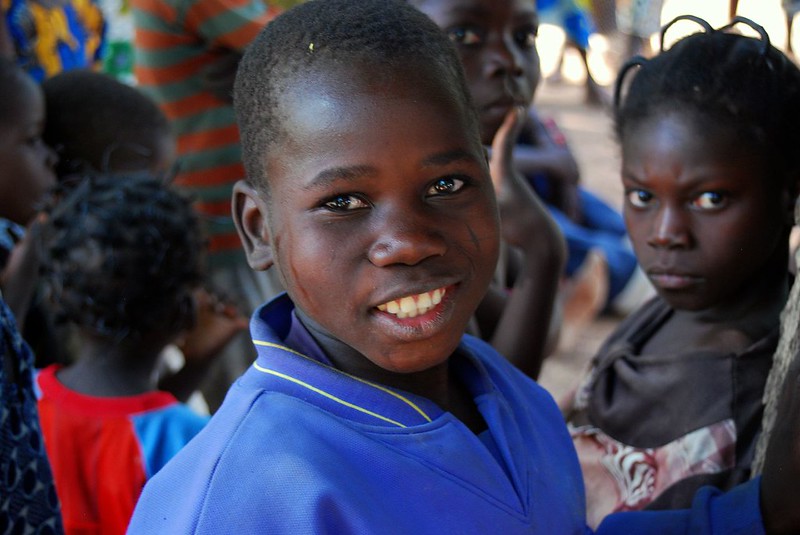 Burkina Faso, a low-income West African country, is facing a series of unprecedented crises. It has endured droughts, internal conflicts and terrorism, which have displaced millions and left about 6 million people reliant on humanitarian aid. The scope of this crisis is vast, with many displaced persons in Burkina Faso needing assistance.
Crisis in Burkina Faso
The crisis in Burkina Faso has reached catastrophic levels, compounded by inadequate funding that limits necessities, a lack of international diplomatic intervention to help broker peace and insufficient media coverage to raise awareness and spur action. In 2023, the country experienced its highest number of armed conflicts, which displaced more than 2 million people by year’s end. With ongoing disputes revealing no signs of diminishing, the number of displaced continues to rise.
The UNHCR and Digital Hub
The United Nations High Commissioner for Refugees (UNHCR) collaborates with various organizations to offer programs that equip displaced persons with sustainable income sources. This initiative reduces their dependency on humanitarian aid and helps restore their normal lives.
In 2022, UNHCR and Wakatlab launched a “digital hub” in Kaya, a northern city in Burkina Faso, to support displaced people. This center offers round-the-clock internet access and uses solar panels for sustainable, low-cost electricity. It aims to enhance digital literacy and social media knowledge among displaced people and host communities, while also providing educational opportunities in information technology, agriculture, entrepreneurship and computer sciences. The hub has already enabled many individuals to start successful businesses and rebuild their lives. Its successful model holds the potential for replication in other areas to improve the lives of internally displaced people and refugees.
Models for Expansion in Burkina Faso
Launching programs across Burkina Faso and neighboring countries could enhance the lives of displaced people, provide them with opportunities and help reduce the burden on host communities. The UNHCR and other organizations can potentially replicate successful programs from around the world in regions that host refugees. Below are some successful initiatives currently operating in similar environments:
- Melkadida Compact- Ikea Foundations’s collaboration with UNHCR. A few years ago, the Ikea Foundation began a partnership with UNHCR in a remote area of Ethiopia. This collaboration focuses on enhancing the region’s water and electricity supply, food security and job opportunities for refugees and host communities. The goal is to help these communities become self-sustaining and reduce their reliance on aid. This partnership has positively impacted more than 200,000 refugees offering them job training opportunities.
- Win-Win Program. Talent Beyond Boundaries (TBB) is a nonprofit organization operating in seven countries hosting refugees, including Jordan. TBB strives to match refugees with global job opportunities that align with their talents and education. So far, it has helped 1,200 refugees secure jobs worldwide. The program aims to assist an additional 15,000 in finding employment over the next five years.
Looking Ahead
Globally, 117.3 million people have been forced to leave their homes, becoming refugees or internally displaced. Most endure deplorable living conditions and extreme poverty throughout their lives. Reducing global poverty requires providing individuals with opportunities to support themselves and escape poverty. This is never more so than for the displaced persons in Burkina Faso.
– Maria Waleed
Maria is based in Yokohama, Kanagwa, Japan and focuses on Good News and Global Health for The Borgen Project.
Photo: Flickr
