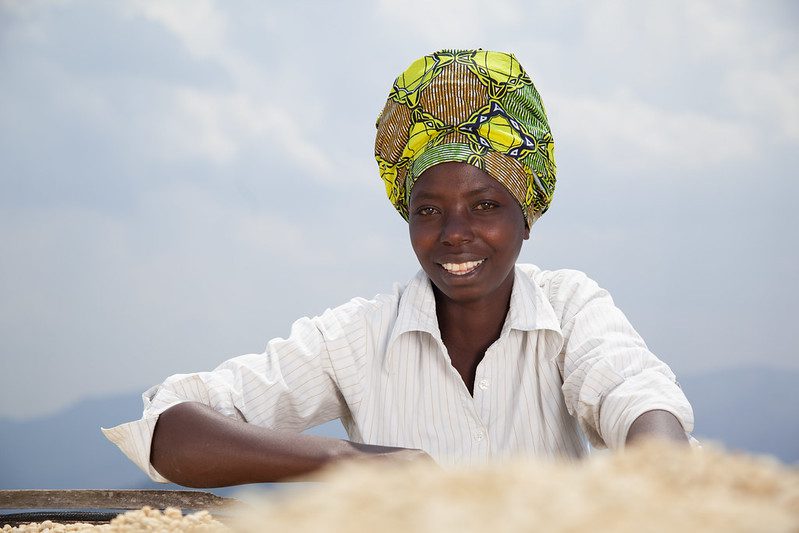
 It has been 30 years since the tragic 1994 Rwandan genocide, and Rwanda is still reeling from its aftershocks. The conflict, which claimed 800,000 civilian lives and displaced 1.5 million people, left the country’s infrastructure in ruins, with homes, schools and medical centers reduced to rubble. That year, the United Nations (U.N.) reported that the poverty rate in Rwanda peaked at 78%, rendering a significant portion of the population unable to afford necessities. Today, nearly half of all Rwandans live below the poverty line and 16% are in extreme poverty. Yet, despite these grim statistics, hope is on the horizon for sustainable economic growth.
A Strategic Partnership
The Government of Rwanda seeks to eradicate extreme poverty by 2030. A strategic partnership with civil society organizations, such as the U.S.-based NGO Village Enterprise, could support this goal. Village Enterprise specializes in entrepreneurial training in rural Africa, equipping aspiring business owners with the necessary skills and capital to get their ideas off the ground.
In the next few years, its work in Rwanda will offer more than 31,000 participating households training, startup cash ($180 per small business group of target size three households) and business mentoring to support the launch of enterprises like hairdressing, farming and bicycle repair. As such, the program is a critical component of the government’s effort to reduce unemployment and boost the national standard of living.
Village Enterprise’s Poverty Graduation Approach
Village Enterprise’s poverty graduation approach has already shown significant success. This model, designed to lift individuals from extreme poverty and give them the tools to achieve financial independence, is a game-changer. Many beneficiaries, particularly women, who comprise 82% of the program, have reported a substantial increase in income, improved living conditions and a newfound sense of agency.
Celeste Brubaker, Chief of Impact and Innovative Financing at Village Enterprise recounts speaking with program participants indelibly proud of the progress they have made and the lives they have built: “The entrepreneurs often explain how their businesses have empowered them to achieve goals such as improving their diets, sending their children to school or upgrading their homes.” Stories like these underscore the people-centered mission at the heart of the fight against extreme poverty and emphasize its outsize impact.
Bellancile’s story is a testament to the program’s efficacy. Bellancile, 42, of Butare, Rwanda, shares: “I used to believe that a woman eats because her husband works, but now I’m the one feeding my family.” Bellancile’s experience is among many. Since Village Enterprise established its presence in Rwanda in 2021, nearly 14,000 entrepreneurs and 6,000 new businesses have emerged from its entrepreneurial program, with the figures to increase in the next couple of years.
A New and Promising Contribution
On July 17, 2024, the Fund for Innovation and Development (FID), an independent body hosted by the French Development Agency (AFD), issued a $1.3 million grant to Village Enterprise. These funds, combined with a $6.5 million grant awarded to the organization by the United States Agency for International Development (USAID) last year, will cofinance its initial scaling work in Rwanda.
Village Enterprise is also partnering with the Rwandan government to extend the program’s reach, seeking to raise an additional $22 million to establish an outcomes fund, which Brubaker believes will “incentivize service providers who effectively support communities and discourage participation from less effective organizations.” Increasing the organization’s capacity beyond its current operations in four Rwandan districts could enable its entrepreneurial training to serve an additional 125,000 households by 2027.
Navigating the Challenges
Overall, the country’s economic outlook is positive. The World Bank reported a 7.6% growth in gross domestic product (GDP) for the first three quarters of 2023 and anticipates significant gains in the next two years. Village Enterprise’s entrepreneurial program has played a role in the country’s economic recovery. However, challenges persist, including external shocks, limited resources, ineffective sequencing, difficulties in impact measurement and disjointed coordination.
Despite the obstacles, though, Jean Pierre Sibomana, Village Enterprise’s Rwanda Scaling Project Director, points to reasons to be optimistic: “The country is focused on sustaining livelihoods through initiatives like Ejo Heza, a pension program for especially those working in the informal sector, as well as job creation and the development of the education sector… It’s a long journey, but looking at how committed the government is, it presents hope.” Indeed, Village Enterprise’s entrepreneurial training program, bolstered by philanthropic contributions, may prove a linchpin of the government’s efforts to eradicate extreme poverty in the near future.
Maurice Nirere, Village Enterprise’s Senior Manager of Monitoring and Evaluation in Rwanda, recommends other pan-African governments follow suit. He emphasizes the importance of international collaboration, stating that by “putting in place well-designed strategies and anti-poverty policies, [governments can demonstrate] a political willingness to combat poverty and [create] a room to collaborate with international agencies.” This call for global collaboration makes aid agencies and governments part of a shared mission and fosters a sense of shared responsibility.
Looking Ahead
Village Enterprise’s progress in Rwanda has made a tangible impact, changing lives and stabilizing rural areas embroiled in extreme poverty. Emerance of Rulindo, Rwanda, has forged a path to success and independence with the organization’s support. She and her business partners, Lucie and Domithile, are now not merely surviving but providing for their families in ways they never imagined possible. Their tenacity and even the name of their business, “Bright Future,” signal prosperous days ahead for thousands across Rwanda.
– Natalie Kaufman
Natalie is based in Orlando, FL, USA and focuses on Business and Good News for The Borgen Project.
Photo: Flickr

3 Initiatives Improving India’s Literacy Rate
National Literacy Mission
The Government of India founded the National Literacy Mission in 1988. The initiative focuses on two main projects: The total and post-literacy programs. The Total Literacy Program focuses on teaching adults basic literacy. The second program was implemented afterward and is aimed at neo-literates. This means people who have picked up literacy skills in an informal setting later in life. The Continuing Education Program is the Mission’s third program. It provides spaces such as reading rooms and libraries for the members of the programs.
The National Literacy Mission has covered more than 597 districts and when including all three programs, the NLM has covered 150 million neo-literates. Additionally, 125.6 million people have been made literate through this program. Gender disparity is another crucial aspect of this program, as the initiative comprises 60% female to 40% male counterparts. There is also a focus on working with India’s most underprivileged, working with 23% of learners from the Scheduled castes and 12% belonging to the Scheduled tribes. This project is ongoing, but significant progress has been made, with a jump from 52.21% literacy in 1991 to 65.37% in 2001.
Padhe Bharat Badhe Bharat
Padhe Bharat Badhe Bharat (PBBB) is a literacy initiative that was founded in 2014. It focuses on children within government schools, working with them to solidify their reading and writing skills to set them up for higher education. The program also works with teachers to help train and mentor them within the program. PBBB also aims to make reading a joyful and natural skill for children. The lessons are taught in their mother tongue and the Ministry of Education implements initiatives like the ‘100-Day Reading Challenge’ launched in 2022, which ensures that children are supplied with reading material in their native language. The program is made up of two components: system and classroom. This means emphasizing sufficient teacher training and learning material combined with the more intangible effort of having a supportive learning environment.
The Central Government has supplied specialized bridge material for tribal populations, free textbooks, supplementary reading and teacher training. The program aims to create a supportive and informed group of teachers and administrators who can help support their children as they progress through their education. Although PBBB is focused on early learning, the skills the students learn are made to be lasting and hugely foundational.
Beti Bachao Beti Padhao
Beti Bachao Beti Padhao (BBBP) was created in 2015 by the Prime Minister. It focuses on women’s empowerment, with the name meaning “save the girl child, educate the girl child.” The initiative is trying to shift how society views women and girls. Additionally, it strengthens their education and gives them a place in the world further than the home. The program has launched many successful initiatives. BBBP has implemented training programs for district-level officers and frontline workers. Some other notable progress is the organization of street plays in villages and markets in Pithoragarh that focus on the struggles that girls face in their lifetime, for example, abortion. The plays generate awareness of these issues in a more interactive sense than classes or pamphlets.
Additionally, the ‘Udaan – Sapneya Di Duniya De Rubaru’ scheme in the Mansa district allows girls to spend the day with a person of their desired profession (doctor, lawyer, etc). This program has been hugely successful, with the participation of more than 70 girls. The program also offers financial incentives and awards for girls in school. It creates guidelines and protocols to make schools safe and supportive for them. These are only a few examples of Beti Bachao Beti Padhao’s initiatives and this program only continues to support and empower women. Although this program is not strictly centered on India’s literacy rate, it creates an important precedent for future education and empowerment of women. Beti Bachao Beti Padhao allows women to grow beyond anything expected by creating supportive environments and opportunities for education and awareness.
Looking Ahead
These three initiatives have helped improve India’s literacy rate and empower underprivileged groups. These ongoing initiatives focus on adult and child literacy and emphasize gender equality and supportive educational environments. The National Literacy Mission has made significant strides in adult education. Furthermore, Padhe Bharat Badhe Bharat has laid a strong foundation for early childhood literacy. Beti Bachao Beti Padhao continues to empower and educate girls, changing societal attitudes. Together, these programs pave the way for India’s more literate society.
– Sofia Hattiangadi
Photo: Unsplash
Refugee-Led Innovation Fund: UNHCR Empowering Communities
At its core, the Refugee-Led Innovation Fund is a recognition of the untapped potential within refugee populations. It challenges the traditional humanitarian aid model and places refugees at the forefront of problem-solving. The fund provides a platform for individuals to identify pressing community needs. Furthermore, it encourages the development of innovative solutions that directly address their challenges.
Refugee-Led Innovation Fund
One of the primary objectives of this fund is to empower refugee communities. These communities often face significant challenges in accessing resources and funding, which can limit their ability to create lasting positive change. This fund provides up to $45,000 in financial support, along with mentorship, technical expertise, and networking opportunities.
This fund is unique in its approach. It prioritizes organizations led by people with lived experience of forced displacement, including refugees, asylum-seekers, internally displaced persons and stateless individuals, according to FundsForNGOs. The fund focuses on those who have firsthand experience of these challenges, to ensure that solutions are driven from the people who understand the needs of their communities best.
The fund places a special emphasis on supporting underrepresented groups, women, people with disabilities, and Indigenous populations. These groups often face additional layers of marginalization, making it even more difficult for them to access traditional forms of funding and support. The UNHCR’s Refugee-Led Innovation Fund not only provides financial resources but also helps these groups build their organizational capacity, ensuring that their voices are heard and their initiatives can thrive.
Application Process and Criteria
The application process for the fund is designed to be accessible and supportive. It involves two stages: an initial expression of interest, followed by a full proposal for shortlisted organizations. The criteria for assessment include innovation, impact, engagement, and the feasibility of implementation.
This process ensures that only the most promising and impactful projects receive funding, while also providing support to applicants throughout the process. This helps to level the playing field, allowing smaller or less established organizations to compete on equal footing with larger, more established ones.
These four organizations from 2024 are prime examples of how community-driven innovation drives meaningful change in the fight against poverty
Bridging Gaps and Afri-Youth Network – Uganda
In Uganda’s Bidibidi Refugee Settlement, a lack of access to financial markets, entrepreneurship education and banking systems hinders refugees from starting social enterprises and becoming self-sufficient. This perpetuates cycles of poverty and inequality. The Bridging Gaps and Afri-Youth Network addresses this challenge by providing entrepreneurship training, micro-loans and long-term coaching. Its work focuses on increasing female participation, empowering up to 60 refugee entrepreneurs to break free from poverty and create sustainable income sources for their communities, according to UNHCR.
Fundación MUEVE – Ecuador
Ecuador has seen an influx of Venezuelan refugees and migrants, leading to elevated levels of unemployment and economic marginalization. Fundación MUEVE is establishing a creative and digital hub focused on technological training and innovation to address these challenges. The hub will offer training in digital skills, such as 3D printing and scanning and foster a collaborative ecosystem to promote socioeconomic integration and social cohesion, according to UNHCR. Reaching more than 500 individuals, the project aims to reduce unemployment and promote economic and social inclusion through digital innovation.
Let’s Read – Jordan
In Jordan’s Zaatari Refugee Camp, educational barriers, including unreliable internet connectivity and a lack of digital resources, negatively impact refugee children’s learning and development. According to UNHCR, girls are disproportionately affected. Let’s Read is working to bridge this gap by providing easy access to learning through both technological and offline solutions. The project will create and distribute educational content via WhatsApp. Additionally, it offers personalized learning experiences through AI-based platforms, and develops offline learning resources, UNICEF reports. The project will enhance educational outcomes and boost digital literacy. It will create a resilient learning ecosystem that empowers refugees, especially girls and women, to thrive despite challenges.
Kalobeiyei Initiative 4 Better Life – Kenya
Kenya is facing a severe food crisis due to prolonged drought, affecting millions and leading to increased malnutrition rates, particularly among children and pregnant women, UNHCR reports. The Kalobeiyei Initiative 4 Better Life is addressing these food security and nutrition challenges in the Kakuma refugee community. The program is cultivating nutrient-rich sprouts in recycled plastic containers. This innovative approach not only improves food security and well-being but also provides skill-building opportunities for up to 200 individuals from both refugee and host communities, according to UNICEF. This project is helping to mitigate the impact of the food crisis on vulnerable populations through community cooperation and resilience.
Refugee-Led Innovation Fund: The Potential
The UNHCR’s Refugee-Led Innovation Fund is a transformative initiative that is redefining the role of refugees in humanitarian response. The fund is providing the necessary resources and support to unlock the potential of refugee-led organizations to drive innovation, create sustainable livelihoods and build resilient communities.
– Sumaiya Sultana
Photo: Flickr
Uplifting Digital Poverty in Ukraine
Digital Poverty Alliance
Founded in 2021, Digital Poverty Alliance is an independent charity in England and Wales. It advocates for the creation of sustainable social change against digital poverty, aiming to end digital poverty for all by 2030.
Digital Poverty Alliance brings to light the vital role that digital services have in supporting disadvantaged families and children. These vulnerable groups do not have the digital means to access simple educational initiatives or resources. This prevents them from engaging in new and exciting learning opportunities. Eradicating digital poverty gives individuals access to life-changing benefits, enabling individuals to have a sufficient level playing field.
It aims to unify communities and organizations to build solutions based on evidence, behavioral science and research to create impactful results, according to its website. This organization continues to tackle digital poverty by lobbying with the government, public and other stakeholders.
Digital Poverty Alliance recognizes that initiatives are necessary to create a change in the lives of diverse communities. The organization believes that access to digital is a fundamental right irrespective of the individual’s socio-economic background. The organization aims to create innovative programs to empower communities through the use of technology.
Success Stories
Digital Poverty Alliance has donated 100 laptops to St Mary’s Ukrainian School, London. The school has played a crucial role in welcoming 780 children since the beginning of the war. It is important to recognize that 70% of its staff consists of displaced teachers. These laptops have been instrumental in educating the children and useful to the teachers in preparing the lessons and activities.
Digital Poverty Alliance’s collaboration with Vodafone to provide the Ukrainian Cultural Centre, located in London, with prepaid SIM cards to support families fleeing the war. These online services allow them to be in contact with family and friends in Ukraine. Furthermore, they are able to use the services to obtain vital information about their home country.
Looking Ahead
Digital poverty in Ukraine exacerbates existing inequalities. It hampers the education and growth of those individuals impacted by digital exclusion. It is important to recognize and support important initiatives such as that of the Digital Poverty Alliance to uplift those impacted by digital poverty in Ukraine.
– Caren Thomas
Photo: Flickr
Village Enterprise: Equipping Business Owners in Rural Rwanda
A Strategic Partnership
The Government of Rwanda seeks to eradicate extreme poverty by 2030. A strategic partnership with civil society organizations, such as the U.S.-based NGO Village Enterprise, could support this goal. Village Enterprise specializes in entrepreneurial training in rural Africa, equipping aspiring business owners with the necessary skills and capital to get their ideas off the ground.
In the next few years, its work in Rwanda will offer more than 31,000 participating households training, startup cash ($180 per small business group of target size three households) and business mentoring to support the launch of enterprises like hairdressing, farming and bicycle repair. As such, the program is a critical component of the government’s effort to reduce unemployment and boost the national standard of living.
Village Enterprise’s Poverty Graduation Approach
Village Enterprise’s poverty graduation approach has already shown significant success. This model, designed to lift individuals from extreme poverty and give them the tools to achieve financial independence, is a game-changer. Many beneficiaries, particularly women, who comprise 82% of the program, have reported a substantial increase in income, improved living conditions and a newfound sense of agency.
Celeste Brubaker, Chief of Impact and Innovative Financing at Village Enterprise recounts speaking with program participants indelibly proud of the progress they have made and the lives they have built: “The entrepreneurs often explain how their businesses have empowered them to achieve goals such as improving their diets, sending their children to school or upgrading their homes.” Stories like these underscore the people-centered mission at the heart of the fight against extreme poverty and emphasize its outsize impact.
Bellancile’s story is a testament to the program’s efficacy. Bellancile, 42, of Butare, Rwanda, shares: “I used to believe that a woman eats because her husband works, but now I’m the one feeding my family.” Bellancile’s experience is among many. Since Village Enterprise established its presence in Rwanda in 2021, nearly 14,000 entrepreneurs and 6,000 new businesses have emerged from its entrepreneurial program, with the figures to increase in the next couple of years.
A New and Promising Contribution
On July 17, 2024, the Fund for Innovation and Development (FID), an independent body hosted by the French Development Agency (AFD), issued a $1.3 million grant to Village Enterprise. These funds, combined with a $6.5 million grant awarded to the organization by the United States Agency for International Development (USAID) last year, will cofinance its initial scaling work in Rwanda.
Village Enterprise is also partnering with the Rwandan government to extend the program’s reach, seeking to raise an additional $22 million to establish an outcomes fund, which Brubaker believes will “incentivize service providers who effectively support communities and discourage participation from less effective organizations.” Increasing the organization’s capacity beyond its current operations in four Rwandan districts could enable its entrepreneurial training to serve an additional 125,000 households by 2027.
Navigating the Challenges
Overall, the country’s economic outlook is positive. The World Bank reported a 7.6% growth in gross domestic product (GDP) for the first three quarters of 2023 and anticipates significant gains in the next two years. Village Enterprise’s entrepreneurial program has played a role in the country’s economic recovery. However, challenges persist, including external shocks, limited resources, ineffective sequencing, difficulties in impact measurement and disjointed coordination.
Despite the obstacles, though, Jean Pierre Sibomana, Village Enterprise’s Rwanda Scaling Project Director, points to reasons to be optimistic: “The country is focused on sustaining livelihoods through initiatives like Ejo Heza, a pension program for especially those working in the informal sector, as well as job creation and the development of the education sector… It’s a long journey, but looking at how committed the government is, it presents hope.” Indeed, Village Enterprise’s entrepreneurial training program, bolstered by philanthropic contributions, may prove a linchpin of the government’s efforts to eradicate extreme poverty in the near future.
Maurice Nirere, Village Enterprise’s Senior Manager of Monitoring and Evaluation in Rwanda, recommends other pan-African governments follow suit. He emphasizes the importance of international collaboration, stating that by “putting in place well-designed strategies and anti-poverty policies, [governments can demonstrate] a political willingness to combat poverty and [create] a room to collaborate with international agencies.” This call for global collaboration makes aid agencies and governments part of a shared mission and fosters a sense of shared responsibility.
Looking Ahead
Village Enterprise’s progress in Rwanda has made a tangible impact, changing lives and stabilizing rural areas embroiled in extreme poverty. Emerance of Rulindo, Rwanda, has forged a path to success and independence with the organization’s support. She and her business partners, Lucie and Domithile, are now not merely surviving but providing for their families in ways they never imagined possible. Their tenacity and even the name of their business, “Bright Future,” signal prosperous days ahead for thousands across Rwanda.
– Natalie Kaufman
Photo: Flickr
Connecting Classrooms: Pursuing Partnership
Connecting Classrooms
Intending to help young people worldwide develop the knowledge, skills and values they need for work in a global economy, the British Council launched Connecting Classrooms Three in 2016. This U.K.-based initiative with a worldwide perspective goes beyond just providing aid. It educates children about solutions to world hunger, introduces them to the Sustainable Development Goals and funds the creation of “digital hubs.” Through transnational conversations and an international focus, Connecting Classrooms centers on nurturing young people’s drive to advocate for global development.
Fostering Global Citizenship Through Education
The program has successfully built relationships and, most importantly, friendships between teachers and students in the U.K. and developing countries. By fostering global friendships, children have the opportunity to see themselves as part of a community that transcends nationality, which is essential for nurturing the next generation of global citizens.
By broadening the perspectives of U.K. students, the Connecting Classrooms program promotes international solidarity. A key focus of the program is building transferable skills such as advocacy and awareness-raising, which students are likely to carry into their adult lives. Developing these skills, along with a familiarity with the Sustainable Development Goals and other global development issues, represents a promising, future-oriented and long-term approach to advocating for global development.
The program has also brought material benefits to schools in developing countries. For example, in Lebanon, which has the largest participation in the Connecting Classrooms program in the region, 3,500 teachers and headteachers are engaging in programs that enhance their professional development, thereby improving the quality of education for young Lebanese students. Additionally, from 2012 to 2016, Zambia established 17 digital hubs to enrich students’ learning, complementing the professional development training that teachers received.
Beyond Connecting Classrooms: All Saints Junior School
The power of partnership extends beyond schools participating in Connecting Classrooms and is evident across the U.K. All Saints Junior School’s relationship with the community of Soma in The Gambia is a prime example of the success in promoting global educational connections. Through their “Learning through Friendship” project, supported by the Kaira Konko Scout Fellowship—a Gambian Scout group in Soma that undertakes various community projects—All Saints staff visit Soma every Feb. half term. During these visits, they engage with and address global issues together, focusing on themes such as peace, friendship, sustainable gardening and renewable energy.
In 2022, All Saints funded the delivery of 1.5 tons of rice, 220 kg of onions, 260 liters of oil and £125 worth of fish, which was distributed across five schools that the World Food Programme had supplied with only three weeks’ worth of food. This delivery was crucial because hunger not only hampers students’ ability to learn but also affects teachers, who often go hungry. According to the Kaira Konko manager, this makes it difficult for them to teach effectively.
All Saints’ generous fundraising efforts have supported several aid programs, including the purchase of bicycles for students who live more than 8 km from their schools, helping them maintain regular attendance. The funds also supported the creation of a new library in Sitahuma, 30 minutes outside of Soma and the construction of teacher accommodation in 2020 to boost teacher morale. By engaging young people in this process of fundraising and fostering international friendships, All Saints’ students are developing essential skills needed to live and thrive in a globalized world, echoing many of the proficiencies that the Connecting Classrooms program aims to provide.
Pursuing Partnership
Transnational partnerships between educational institutions have proven to be mutually beneficial. Initiatives that promote such collaborations, whether through funding partnerships like Connecting Classrooms or by recognizing schools with exceptional international outlooks as the International School Awards could be prioritized in government policy.
– Tilly Phillips
Photo: Flickr
Improving Education in Nepal
The Issue
Overall, education in Nepal struggles in a few facets. For one, socioeconomic, ethnic and gender differences exist and often pose challenges in the educational system, according to UNICEF. Secondly, the actual education within primary and secondary schools is quite inconsistent. Also, environmental pressures exist, due to the high earthquake risk, and only 11% of schools are earthquake-resistant, UNICEF reports. UNICEF’s partnership with Nepal and its government has made progress, but there is room for improvement.
In 2015, Nepal was hit by two consecutive earthquakes, damaging more than 9,300 schools, and the enrollment rate for schools went down by 6%. At this time, 700,000 people were plunged into poverty, posing a challenge regarding education, WENR reports. Most Nepalis cannot afford private education, but now, even public education is a struggle for low-income households. As a result, a vast gap between socioeconomic groups exists in schools; 65% of the higher-income students were progressing as expected, while of the lower-income students, only 12% were reaching that target, according to UNICEF.
Additionally, access to education is a dire problem. The geographical remoteness within Nepal causes accessibility to schools to be extremely challenging, solely based on proximity. Long distances from schools are the reason for several students dropping out, according to WENR.
The number of female students dropping out is substantially higher than male students. Firstly, child marriage still exists in Nepal, leading to several families marrying off their girls at younger ages. Secondly, female education in Nepal is a pressing issue, as it is not perceived as a priority. According to WENR, in Nepal, there is still a belief that women do not require an education.
Education in Nepal: Solutions
The World Bank’s Program for Results (PforR) aims to help the Nepali government implement more into the education sector. The School Sector Development Program (SSDP) focuses on supporting the Nepali Government’s own SSDP, the PforR and has nine joint-financing partners. After five years of the SSDP, ending in 2022, the rate of students reaching twelfth grade increased by 21.6% for boys and 33.9% for girls, the number of out-of-school children decreased by 6.76%, and in the 15 “most disadvantaged districts,” enrollment increased by more than 7%, according to the World Bank.
Overall, nearly 8.1 million students, nationally, benefitted from the SSDP. With the support of the World Bank, the SSDP created targeted scholarships, which allowed girls and disadvantaged children to continue their educational careers, the World Bank reports.
Additionally, UNICEF partnered with the SSDP as another JFP to improve the quality of early childhood education (ECE). Right now, enrollment for ECEs is only 51%, so UNICEF is also working towards increasing accessibility. Another goal is to support students entering school later in their careers, as well as those choosing alternative educational paths, including informal classes, etc. Along with that, strengthening the overall safety plan of schools (Comprehensive School Safety Master Plans), and checking in on out-of-school students (often those with disabilities) are on its list as well, UNICEF reports.
Overall, with help from UNICEF and the World Bank, education in Nepal is slowly improving. However, there is still scope for improvement. At this point, 770,000 children do not attend school, according to UNICEF. Working towards getting more children in school and jumpstarting their careers is the next step to improving Nepal’s education as a whole.
– Lakshya Anand
Photo: Flickr
China: The Great Hero for Poverty in Timor-Leste
Belt and Road Initiative
After President Xi Jinping of China met with the Prime Minister of East Timor-Leste, new hopes for strengthened economic ties emerged, leveraging roads and sea routes that link China with Asia, Africa and Europe. By joining the Belt and Road Initiative in 2017, Timor-Leste enhanced its bilateral relations with China, contributing to greater social stability. This collaboration allows China to extend its innovations in industrialization, infrastructure and food sufficiency to East Timor, improving overall quality of life.
With 43% of its population engaged in agriculture, Timor-Leste stands to benefit from shared technological advances, water conservancy construction and irrigation techniques. This partnership is expected to boost cooperation in fisheries and reduce poverty in Timor-Leste, fostering a more self-sufficient environment. Collaborating with China also enables East Timor to advocate for the development of the Global South and strengthen its connections with international programs, including those of the United Nations (U.N.).
China’s Collaboration with the UNICEF
In Feb. 2024, China and UNICEF launched a $1.5 million project to assist the Timor-Leste community affected by floods and COVID-19. East Timor is vulnerable to heavy rains, mountain runoff and low soil permeability, making flooding a significant problem, especially as the pandemic lockdown left the majority unprepared. China’s objective with this project is to improve access to education, nutrition and sanitation for children impacted by this natural disaster. This collaboration between China and UNICEF aims to support 150,000 children and women in health and education, particularly important as flooding has destroyed many school buildings. Specifically, the project plans to provide nutrition services to 83,000 children and offer 34,000 pregnant women lessons in nutrition and breastfeeding. Moreover, it focuses on delivering life-saving assistance during these natural disaster emergencies.
Looking Ahead
Although Timor-Leste faced significant economic losses due to poverty, stemming from the depletion of its Petroleum Fund and a lack of jobs, China has helped rejuvenate the country toward a more developed state. The Belt and Road Initiative has enhanced access to roads and trade and preparations for climate-induced disasters have improved over time. Through these ongoing initiatives, Timor-Leste is progressing toward becoming a self-sufficient nation.
– Linda Yoonseo Lee
Photo: Flickr
Russian Minorities in Estonia and Latvia: Combating Discrimination
Citizenship and Language
Many Russian-speaking residents of Estonia do not have citizenship. According to data from 2017, 19% of ethnic Russians living in Estonia are non-citizens. This, combined with Estonian language requirements, makes it harder for Russians living in Estonia to find work and housing, and to benefit from social services. As a result of these factors, 24.6% of ethnic Russians in Estonia are at risk of poverty, compared with just 18.9% of Estonians, according to 2019 data.
In Latvia, Russian language education will be phased out by 2025 under a recent law that received criticism from the Office of the U.N. High Commissioner for Human Rights (OHCHR). A similar law has also been enacted in Estonia, with similar criticism from the OHCHR.
Discrimination: A Political Talking Point
Importantly, the Russian government has often used the alleged discrimination of Russian minorities within post-Soviet countries as a political talking point. Indeed, this was one of Putin’s justifications for the 2014 annexation of Crimea and the 2022 invasion of Ukraine., according to the Centre for East European and International Studies (ZOIS).
However, this does not detract from the legitimacy of such anti-Russian discrimination when it does occur. There is a danger that anti-Russian ginned up in the wake of Russia’s ongoing war with Ukraine could exacerbate existing issues of inequality and discrimination within Latvia and Estonia. A survey conducted in the immediate aftermath of the 2022 invasion found that 40% of those residing in Latvia agreed that attitudes towards the country’s Russians were worsening, ZOIS reports.
Estonian-Russian Language Group
Started in 2012, Keelengrupp is an informal grassroots community group that offers free Estonian and Russian language classes in a relaxed and informal setting. The organization serves the dual purpose of helping Russian speakers overcome language barriers while also helping to build bridges across communities.
It organizes meetings through the Keelengrupp Facebook group and often revolves around leisure activities such as playing board games or watching movies, according to Cambridge University Press. Such activities allow for civic, multicultural, and multilingual exchange in an otherwise stratified society, while also helping Russian speakers acquire the Estonian language skills necessary to succeed professionally and financially.
Promoting the Russian Language in Estonia
Founded in 1996, the Latvian Association for the Support of Schools with Instruction in Russian (LASHOR) focuses on promoting Russian language education in Latvia. LASHOR has been an outspoken critic of Latvia’s recent restrictions on Russian education, speaking up on the topic during the 15th session of the U.N. Forum on Minority Issues in Geneva in 2022. It has also advocated for the adoption of the Law on Educational Institutions of National Minorities, which would seek to provide opportunities for studying the languages of national minorities. As of April 2021, nearly 5,000 people have signed the LASHOR petition in support of the proposed law.
Despite the challenges Russian minorities in Estonia and Latvia face, grassroots organizations and groups are working to overcome the language-based segregation of Russian speakers through community building and language learning. Going forward, the goal is that this community-based approach will better enable disadvantaged Russians to navigate Estonian and Latvian society, with the eventual hope of also bringing about changes to government policy.
– Josephine Koch
Photo: Unsplash
Cage Homes in Hong Kong
As a result, the limited land availability has driven the creation of smaller living units. Property developers have responded to the demand for affordable housing by continuously downsizing unit areas. The city’s mountainous terrain also restricts development space, with 75% of the territory comprising green spaces or protected country parks.
Simon’s Story
Simon had lived in a 12-square-foot “cage home” for eight years. As a retiree, he has given up hope of securing public housing, where the waiting list stretches five years and includes more than 100,000 families. He receives $867 a month from the government. After paying $330 for rent, the remaining amount is too scanty to support him until the end of the month.
These tiny living spaces, often no larger than 20 square feet, are cramped and used for living and storage, providing barely enough room for one person. They frequently fail to meet safety regulations, have poor insulation, receive little maintenance and can significantly impact tenants’ physical and psychological well-being.
Nutritional Crisis in Cage Homes in Hong Kong
A recent study by Crystal Ying Chan, a research assistant professor at the Chinese University of Hong Kong, found that children living in these units face higher risks of food insecurity and nutrient deficiencies. In a survey of 469 “cage home” families, 25% of children aged 6 to 8 were overweight or obese, nearly double the citywide average of 13%. Additionally, almost one in four children from infancy to age 17 were underweight, compared to the citywide average of one in a hundred. Moreover, children in half of the surveyed households had experienced food insecurity in the past year.
Solutions
Many projects and institutes are working to support people living in cage homes in Hong Kong. A program led by Crystal Ying Chan has partnered with a team of nurses, social workers and dietitians to deliver food and care services to residents of subdivided flats. Chan’s community intervention model aims to offer essential services directly to these families, reducing their reliance on an overburdened health care sector and overcoming language and cultural barriers foreign workers face. This model emphasizes grassroots experiences and tailors support to each family’s unique circumstances.
Furthermore, to address the housing crisis, the Hong Kong government has planned the development of a Northern Metropolis near the China border, which aims to provide housing for 2.5 million people. Additionally, city officials have pledged to prevent developers from constructing extremely small homes, specifically those less than 200 square feet.
Final Note on Cage Homes in Hong Kong
Cage homes in Hong Kong reveal serious housing challenges, with more than 220,000 people living in spaces as small as 12 square feet. This leads to significant health issues and food insecurity, especially among children. While community support and government plans for new developments offer hope, substantial challenges persist until these solutions are fully implemented.
– Cindy Hong
Photo: Flickr
Everything You Need to Know about Poverty in Jordan
A Poor Economic State
Jordan’s economic state is reflected in its average monthly salary, which ranges from $850 to $1,130. Even so, the country has a high cost of living index of 41.2, posing a challenge for families in low-income households and worsening poverty. This makes it difficult for them to meet their needs. For comparison, the cost-of-living index in Egypt is 21.0. The cost of living exceeds the average salary of the local Jordanian population, making it difficult for them to live comfortably. Even though they earn less on average, a large portion of their income is spent on necessities, worsening Jordan’s poverty rates.
The Economic Research Forum notes that income inequality in Jordan is low, as measured by the Gini index. However, in 2016, the pre-tax national income shares of 10% of the distribution exceeded 40%, highlighting that most of the country’s income is concentrated among the wealthiest.
High Unemployment Rates
One reason for the high poverty levels in Jordan is the increase in unemployment rates among the Jordanian youth. According to the Department of Statistics, as of March 2024, the unemployment rate has increased to 21.4%. According to the Atlantic Council, long-standing issues in the labor market, such as a decline in the necessary skills for certain jobs within the population, are also contributing to rising unemployment rates.
Regional Instabilities
Wars in neighboring countries have put a significant strain on Jordanian society. The influx of refugees from these countries has increased the population to 11 million since 2000. With Jordan hosting more than 745,000 refugees, the government is at the forefront of hosting refugees per capita worldwide. This has impacted the labor markets, health care, educational quality and increased living expenses.
As refugees struggle to find jobs and face limited quality education and health care, many Syrians in Jordan rely on international aid. This creates pressure on Jordan’s already strained resources and creates challenges for both the host country and the refugees.
Children Are Among the Most Affected
As poverty rates rise in Jordan, the impact on children is becoming more evident. The United Nations Children’s Fund (UNICEF) explains that of the 3.16 million children in Jordan, one in five is multidimensionally vulnerable. Furthermore, a World Health Organization (WHO) study found that 13.8% of the 9,734 births analyzed were underweight. This elevated low birth rate poses a significant challenge to public health in Jordan.
Moving Forward
As Jordan faces poverty challenges, it is implementing solutions to address them. According to the World Bank, in 2021, the Jordanian government launched a 10-year, three-track agenda to modernize politics, the public sector and the economy. The plan aims to create one million new jobs and empower women and children to participate in Jordanian politics. Consequently, according to a U.N. report, Jordan’s strategies have increased economic growth, rising from 2.4% in 2022 to 2.6% in 2023.
To assist refugees, Jordan has established a system to address their needs, including cash and voucher assistance schemes that also benefit Jordanian citizens. The support includes employment opportunities for both Jordanians and Syrians. More than 2.8 million people have benefited from this project, which improved local services and created 45,000 working days of employment.
In summary, Jordan is firmly working to address its high poverty rates through targeted assistance and modernization efforts, aiming to improve the lives of Jordanian citizens and refugees.
– Nouf Hunaiti
Photo: Wikimedia Commons