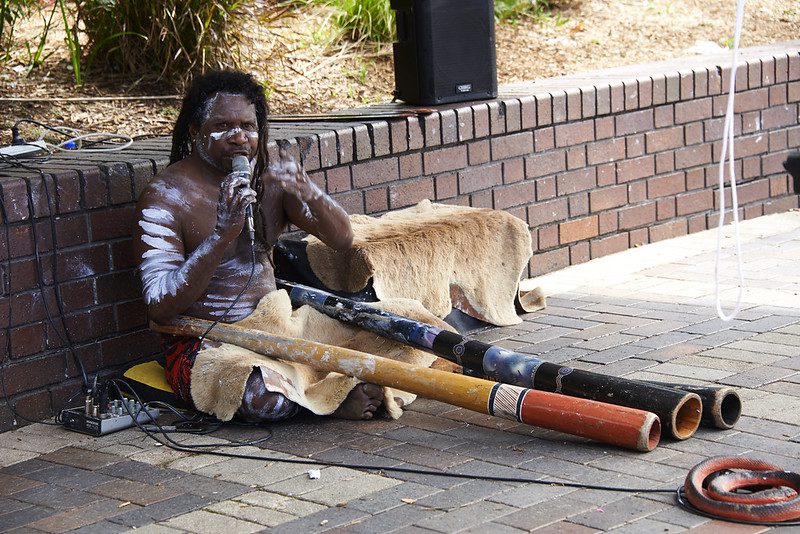
 According to the Parliament of Australia, about 30% of Aboriginal households currently live in income poverty. Programs such as the Community Development Employment Projects, Community Housing and Infrastructure Program and the Ministerial Council on Education, Employment, Training and Youth Affairs are working to change that.
A Background in Aboriginal Colonization
On Jan. 26, 1788, British colonizers established the first colony in Australia, naming it New South Wales and comprising convicts and leaders from the Royal British Navy. They declared the land property of Great Britain’s King George III. This event marked the beginning of suffering for Aboriginal peoples, as diseases such as syphilis, smallpox and the flu spread rapidly. At the time of the colony’s establishment, an estimated 750,000 Aboriginal people inhabited the island. By 1789, nearly half of the Aboriginal population in the Sydney Basin had succumbed to smallpox.
Aboriginal Poverty and Employment Disparities
Poverty among Aboriginal people is especially severe in remote areas of Australia. The Aboriginal and Torres Strait Islander Health Performance Framework reports a significant disparity in employment rates between Aboriginal and non-Indigenous populations. For Aboriginal individuals, the employment rate is 32%, compared to 58% for non-Indigenous people. In 2021, this gap was pronounced among those aged 15 to 24, with Aboriginal employment at 52% and non-Indigenous at 75%. The disparity widens among those aged 25 to 44, where Aboriginal employment increased from 51% in 2016 to 56% in 2021.
Aboriginal poverty rates continue to be alarmingly high, with welfare dependency prevalent in these communities. Nearly half of the adult Aboriginal population receives some form of welfare aid, as reported by the Australian Parliament. Furthermore, the Australian Institute of Health and Welfare indicates that 43% of Indigenous adults earn a gross weekly income of just under $500. While there has been some progress in narrowing the income disparity, significant gaps remain. In 2011, the gross weekly household income difference between Aboriginal and non-Aboriginal Australians was $379. By 2016, this gap had decreased to $332 and by 2021, it further reduced to $316, showing a gradual but steady decrease in income inequality.
Educational Disparities
In 2001, national benchmark tests revealed a nearly 20% difference in the literacy levels of Aboriginal and non-Indigenous students. According to the Australian Parliament, in year three, 72% of Aboriginal students achieved minimum reading standards, whereas the number for the entirety of year three students was 90.3%. The Australian Council for Education Research stated, “Without success in literacy and numeracy, young Indigenous Australians will continue to face difficulty in remaining at school to complete year 12, entering university and other post-school education training.” Lacking the proper education makes employment difficult, so the Ministerial Council on Education, Employment, Training and Youth Affairs created the National Indigenous English Literacy and Numeracy Strategy in 2000.
Initiatives in Indigenous Communities
Between 2016 and 2021, the median weekly household income for Aboriginals increased by 18%, compared to an 11% increase in other households, as reported by the Australian Institute of Health and Welfare. The strategy for improving Indigenous communities’ education and health focuses on six key areas: enhancing school attendance, addressing hearing issues, resolving health problems, correcting nutritional deficiencies and enriching preschool experiences. These ongoing efforts are part of the National Indigenous Education and Lifestyle Strategy (NIELNS), which aims to tackle the underlying causes of Aboriginal poverty by enhancing education and health outcomes.
The Community Housing and Infrastructure Program (CHIP) allocates funds for community and public housing for Aboriginal people in Australia and it also provides municipal services. Additionally, the National Aboriginal Health Strategy directs funding toward housing, specifically targeting more rural and remote Aboriginal communities.
Looking Forward
While programs addressing Aboriginal poverty have seen gradual success, ongoing efforts remain essential for creating meaningful, long-term improvements. The disparities in income, education and employment between Indigenous and non-Indigenous Australians continue to pose significant challenges. With targeted initiatives focused on education, housing and infrastructure, there is hope for sustained progress. Overcoming these deeply rooted inequalities potentially requires continued dedication and comprehensive support across all levels of society.
– Maya Renfro
Maya is based in Chicago, IL, USA and focuses on Good News for The Borgen Project.
Photo: Flickr

Cyclone Yagi Devastates Asia’s Vulnerable Communities
Cyclone Yagi
In September 2024, Cyclone Yagi, one of the strongest typhoons to hit Southeast Asia in the past 30 years, devastated more than 1,200 villages across 106 districts in 15 provinces in Vietnam. It damaged nearly 240,600 homes, 1,530 schools and 570 health facilities. The storm displaced more than 72,000 people and approximately 570,000 people, including 163,020 children, are in need of assistance.
Relief Efforts
In Vietnam, the government’s disaster management units have partnered with local NGOs to set up emergency shelters and distribute essential supplies. The Vietnam Red Cross, alongside the International Federation of Red Cross and Red Crescent Societies (IFRC), is at the forefront of these relief operations. Their teams are providing food, clean water, hygiene kits and emergency shelter to thousands displaced by the floods and landslides. Psychological support is also being offered to help people cope with trauma.
Plan International, known for its work in child protection, focuses on the needs of vulnerable groups, particularly children and women. In collaboration with local authorities, the organization is distributing hygiene kits and ensuring that children who are among the most affected receive psychological support. The organization’s child-friendly spaces within shelters offer a safe environment where children can engage in activities and recover from the disaster’s emotional toll.
Furthermore, in response to the storm’s widespread destruction, international organizations like the United States Agency for Internal Development (USAID) have pledged financial support. USAID has committed $1 million in humanitarian aid to provide immediate relief and support long-term recovery. This funding is helping to ensure that emergency teams can continue to distribute food, water and medicine while also addressing the urgent need for rebuilding homes and infrastructure in affected areas.
Meanwhile, local authorities are working with various international organizations to ensure that aid reaches remote areas, many of which remain cut off due to floodwaters and landslides. The priority is to restore access to clean water, power and health care services in the most affected regions. Long-term recovery plans are being developed, focusing on rebuilding homes, restoring livelihoods and strengthening disaster preparedness for future storms and natural disasters.
Final Note
As efforts continue, humanitarian organizations stress the need for ongoing support and donations to sustain relief operations. With the threat of more rainfall looming, these efforts are crucial to prevent further devastation and to help communities rebuild their lives.
– Trinity Lee
Photo: Flickr
RSF and SAF Roles in Sudan’s Humanitarian Crisis
Historical Background and Militarization
The RSF, initially known as the Janjaweed militias, gained official recognition from the government in 2013 as an auxiliary unit of the SAF. In an interview with The Borgen Project, Professor Bakry Elmedni, President of the Sudan Studies Association and a faculty member at Long Island University, noted that initially, the RSF focused on border security. The enactment of the Rapid Support Forces Act in 2017 integrated them fully into the national armed forces, aiming to legitimize the group and define their roles in maintaining security and combating rebel factions. Post-legislation, the RSF expanded its recruitment, drawing significantly from Arab Tribes and marginalized communities. It began developing foreign relationships, receiving substantial funding from Gulf nations, notably Saudi Arabia and the United Arab Emirates. During the tenure of the joint transitional government, the RSF leader, General Mohamed Hamdan Dagalo, publicly criticized the SAF’s recruitment strategies, labeling them ineffective.
Overthrow and Intensification of Conflict
On Oct. 25, 2021, the RSF and the SAF overthrew the civilian faction of the government. Professor Elmedni explains that the RSF objected to the civilian government’s shortcomings, while the SAF sought to restore the al-Bashir regime. He adds that the SAF likely harbored resentment toward the RSF for gaining legitimacy and access to resources, intensifying existing tensions.
Civilian Impact and Response to Crisis
Both armed factions are deliberately exacerbating the humanitarian crisis in Sudan. Professor Elmedni notes that civilians are often caught in the crossfire of fighting between the SAF and RSF in urban areas, leading to widespread displacement. Additionally, these groups have been attacking civilian infrastructure and engaging in unlawful killings, with some incidents in West Darfur being ethnically targeted. “It is miserable for anyone who wants to deliver aid,” Dr. Elmedni says. Humanitarian workers face significant dangers, as they lack protection and risk their lives on duty. He also mentions that delivering aid is challenging without ceasefires and with roads blocked by checkpoints. Both the RSF and SAF are manipulating food supplies as a control mechanism by targeting regions needing humanitarian aid, looting supplies and deliberately killing aid workers.
Contributions of Humanitarian Efforts in Sudan
Due to the intense difficulties in humanitarian aid distribution and the risks faced by workers, larger organizations struggle to travel throughout the country and reach those in need. The leading humanitarian organizations are local kitchens mainly concentrated in the capital of the country, Khartoum, to help citizens dealing with food insecurity. However, larger organizations such as the Sudanese Red Crescent (IFRC) manage to support displaced people by providing necessities in major migration routes. Annually, they help 100 million people gain access to clean drinking water, sanitation and hygiene. Additionally, they offer health and emergency services, which are vital given that 70% of hospitals in Sudan are no longer operational.
Looking Ahead
Despite the challenges posed by the conflict in Sudan, humanitarian organizations continue to work to deliver aid to those in need. Local and international groups, such as the Sudanese Red Crescent, have provided crucial support, including clean water, sanitation and health services, to displaced populations. These ongoing efforts aim to alleviate the suffering of millions, offering a lifeline of hope as the country navigates this critical period.
– Floria Persis
Photo: Flickr
How UNPRPD is Addressing Disability and Poverty in Cameroon
Of the 28.6 million people in Cameroon, 5.4% have a disability. In higher prevalence regions like South and Littoral, this figure can increase to 11%. Discriminatory treatment of disabled people in Cameroon increases the likelihood of these individuals experiencing poverty. For example, disabled adults between the ages of 18-49 in North West Cameroon were almost three times more likely to live in the poor quarter in comparison to non-disabled adults. The United Nations Partnership on the Rights of Persons with Disabilities (UNPRPD) has partnered with U.N. Cameroon to address the experience of disabled people in the Central African country and decrease the chance of individuals becoming impoverished.
UNPRPD’s Work
UNPRD supports nations in implementing a disability-inclusive CRPD, which focuses on the human rights of people with disabilities. The Partnership funds this support with the vision that every person with a disability can fully participate in society and be completely respected, protected, and fulfilled.
With a budget of $700,000, UNPRPD has implemented a program that aims to strengthen disability inclusion within Cameroonian public institutions by monitoring disability-inclusive legislation of key duty bearers, such as CONRHA and CHRC.
UNPRD has identified a Strategic Framework to promote disability inclusion, with five preconditions that must be in place to ensure that the addressing of the rights of disabled persons in Cameroon:
These preconditions aim to educate Organizations of Persons with Disabilities so that they can further understand how to improve the experiences of those with disabilities.
Disability and Poverty in Cameroon
UNPRPD’s program could have a significant impact on disability and poverty in Cameroon. Equality and non-discrimination are key to reducing the link between disability and poverty; negative attitudes towards disability increase the likelihood of disabled people experiencing poverty due to lack of understanding, inclusion and respect. According to a 2021 Country Report, a key finding of the program indicated that the development of the non-discriminatory provision of the CRPD to the public, schools and hospitals would combat the stigmatization and exclusion of disabled persons. False perceptions and beliefs about disability are damaging, therefore UNPRD addressing these issues that disabled people face is crucial in destigmatizing disability and reducing poverty.
Another key precondition that targets poverty in the lives of disabled persons is accessibility. Cameroonian laws that ensure disabled people can access public and private buildings are not always enforced. Moreover, budgets to improve accessibility measures are minimal, excluding disabled persons from having the same opportunities as non-disabled Cameroonians, according to a 2021 Country Report. UNPRPD’s program addresses accessibility issues, minimizing the risk of poverty for disabled people by enabling these individuals the same education and employment opportunities.
Final Thoughts
By 2050, the Cameroonian population could increase by 85%, meaning that an estimated 51,279,577 people will live in the Central African nation. A significant population increase would translate to an increase in poverty also, but UNPRPD is working to prevent this.
The Cameroonian Ministry of Social Affairs (MINAS) met with the UNPRPD program’s steering committee (UNFPA, OHCHR and UNESCO) in May 2024 to discuss its results. Pauline Irène Nguene, Minister of Social Affairs in Cameroon, commended those involved in the project. Nguene directly addressed one of the program’s preconditions – accessibility – and expressed that people with disabilities “will have access to inclusive services without discrimination in Cameroon.”
In a visit to Cameroon in August 2024, the U.N. High Commissioner also noted that more than 40% of Cameroonians are under 15. Indeed, Volker Türk was optimistic that the new generation would “prompt social change […] on equality, on accountability and more”, promising a brighter tomorrow for all Cameroonians.
The UNPRD helps cultivate a more inclusive society for people struggling with disability and poverty in Cameroon, helping individuals in their everyday lives.
– Megan Hall
Photo: Unsplash
Addressing the Causes of Hunger in The Gambia
Causes of Hunger
World Food Programme
The World Food Programme (WFP) has launched two programs in partnership with the Government of The Gambia to address the causes of hunger and food insecurity in the country and offer sustainable solutions.
Final Thoughts
In conclusion, it is crucial to address the root causes of hunger in The Gambia for the well-being of its population. The country can significantly reduce food insecurity by addressing climate-related challenges, mitigating the impact of inflation, and tackling unemployment. Initiatives led by organizations such as the WFP demonstrate the potential for positive change through targeted interventions. With continued support from the international community and collaborative efforts, there is hope for a future where hunger is less prevalent and communities in The Gambia can thrive.
– Maria Waleed
Photo: Flickr
Initiatives Supporting Mental Health in Zimbabwe
However, with support from developed countries and effective government programs, Zimbabwe is making significant strides in addressing its mental health challenges. Key initiatives include the World Health Organization’s Special Initiative for Mental Health and the Zimbabwe Life Project. These efforts aim to improve mental health systems, foster successful global partnerships and offer individuals and nations the chance to contribute.
The WHO’s Special Initiative for Mental Health
In 2020, more than 100 stakeholders, including nonprofits and politicians, backed the strategy outlined by WHO’s Special Initiative for Mental Health. These programs provide training to equip mental health professionals and caregivers with the skills needed to offer effective mental health support. Between 2021 and 2022, the WHO’s Special Initiative for Mental Health increased investments in mental health.
Furthermore, it expanded the capacity of general health staff in primary health care centers to identify and assist Zimbabweans experiencing mental disorders. The initiative emphasizes the importance of human rights for those struggling with mental health, including access to information and the right to privacy. This approach fosters a more inclusive and supportive environment.
The Zimbabwe Life Project
The Zimbabwe Life Project (ZLP), established in 2018, is a nonprofit organization that promotes mental health, well-being and resilience in Zimbabwe. The organization seeks to develop a skills exchange program involving mental health professionals in Zimbabwe. This initiative will facilitate participatory exchanges of knowledge, skills and experiences.
A primary objective is to share specialized mental health expertise and foster positive partnerships between mental health professionals in the U.K. and Zimbabwe. Furthermore, ZLP initiatives focus on continuous, comprehensive mental health care in Zimbabwe. In 2019, the organization donated medical equipment worth more than $20,000 to the nation.
Conclusion
Supporting mental health initiatives in Zimbabwe is crucial as the country faces significant challenges in meeting the mental health needs of its population. A combination of limited resources and a shortage of trained professionals has made access to care difficult for many. However, focused efforts are underway to improve mental health systems, foster global collaboration and provide essential knowledge and resources to those in need.
International organizations like the WHO have supported Zimbabwe’s mental health sector. Indeed, programs like the WHO’s Special Initiative for Mental Health and the ZLP have made strides in increasing awareness, training health care providers and integrating mental health care with primary health services. These initiatives aim to treat mental illness and promote long-term resilience and well-being across communities.
– Alysha Miller
Photo: Flickr
Top 10 Sectors Attracting Foreign Investment in Nigeria
The banking sector attracted $2.07 billion, but long-term investments in key growth sectors lagged. “Other Investments” rose sharply, raising concerns about reliance on foreign loans. Sustainable growth hinges on addressing exchange liquidity, boosting oil exports and improving infrastructure to attract more FDI. Nonetheless, based on first-quarter performance in 2024, here are the top 10 sectors attracting the most foreign investment in Nigeria:
Conclusion
Nigeria’s foreign capital inflows in Q1 2024 showcase a significant rebound, driven by the government’s fiscal and monetary reforms. These reforms are aimed at bolstering investor confidence. While the banking and trading sectors dominated foreign investment in Nigeria in 2024, key industries like telecommunications, agriculture and manufacturing also witnessed notable growth. Indeed, this underscores Nigeria’s potential as a diversified investment destination. However, the concentration of Foreign Portfolio Investments and the continued reliance on external borrowing raise concerns about long-term economic stability.
To sustain growth and attract more Foreign Direct Investment (FDI), Nigeria may need to prioritize enhancing infrastructure, addressing regulatory bottlenecks and improving the overall investment environment. If these challenges are tackled, the nation can position itself as a thriving hub for short- and long-term foreign investment. The country will be able to foster sustainable economic growth and job creation.
– Laila Alaya
Photo: Wikimedia Commons
Lily’s Leaves in Nepal Transforming the Lives of Deaf Women
Tailoring and Business
Lily’s Leaves was set up to empower women by educating them on how to set up tailoring businesses and providing them with transferable skills and basic-to-advanced knowledge. Lily’s Leaves offers basic training to women, many of whom are deaf and starting up. However, it also provides more in-depth advanced tailoring and jewelry-making training. When women complete their training, they are aided in setting up and running their businesses. The project has also opened outlets, grants and loans for these women, creating many new opportunities for marginalized communities like deaf women in Nepal, as it offers new employment and business skills that can generate an income and lift their families out of poverty.
Anju Majhi is a woman who has been attending tailor training at Lily’s Leaves for five months. Majhi mentions how her family background is financially weak and has always suffered from poverty as they struggled to make ends meet. Before the training, Majhi was unemployed and had no source of income. She then expresses, “But now, … I am earning a good income that has significantly improved my family’s financial situation. I am proud … to become self-sufficient. This training has … given me the confidence to pursue my dreams.”
Education for Children
Lily’s Leaves offers basic education classes for young girls from impoverished backgrounds, providing them with the resources and skills needed to break barriers and build a future of economic stability and confidence. Pramila Oli, a 21-year-old deaf woman from the Dang District in Nepal, recently joined Lily’s Leaves social enterprise. In a region where opportunities for disabled young women are scarce, Oli’s father struggled to support their family of nine. Thanks to a monthly allowance from Lily’s Leaves, Oli was able to pass her Class 12 school exams, equivalent to A Levels in the U.K. Lily’s Leaves continues to break barriers for young, disabled individuals by supporting their education and offering additional skills, such as tailoring.
Lily’s Leaves has also worked closely with several community schools, offering material support to children from extremely impoverished backgrounds. It distributes free school rucksacks and reusable sanitary pads to students who cannot afford these basic items. By prioritizing children’s health and ensuring access to essential school supplies, Lily’s Leaves helps improve their quality of life while promoting well-being. Lily, the founder, often visits these schools to lead discussions on menstrual hygiene for both girls and boys, breaking down taboos and raising awareness—a vital step toward changing perceptions and fostering inclusion, especially for vulnerable groups.
Jewelry-Making
The Kathmandu Training Center provides care and education for young women, training them to an advanced, professional standard in silver jewelry-making. Lily’s Leaves facilitates international sales through its website, making generating income from overseas customers easy. The center focuses on training many disabled and deaf women in Nepal, offering them employment opportunities while fostering confidence and teamwork with their non-disabled peers.
Shirishti Sharma, a woman who cannot speak or hear, has been working with Lily’s Leaves for 1.5 years as a tailor and jewelry artist. Reflecting on her journey, she says, “Despite the conservative and discriminatory attitudes in our society, I am now able to stand on my own two feet and even provide some financial support for my family.” Through Lily’s Leaves, Sharma has gained the ability to support her family, embrace newfound confidence and reintegrate into society with valuable skills and knowledge that have transformed her life.
Transforming Women’s Lives
Lily’s Leaves is a successful initiative that has transformed the lives of many deaf women in Nepal, including children. By providing materials to schools and teaching vulnerable populations income-generating and interpersonal skills, it fosters economic stability, personal confidence and a healthy, collaborative community. The project benefits not only deaf women through employment opportunities but also positively impacts younger generations, both female and male, across Nepal.
– Chelsey Saya McLeod
Photo: Flickr
Tiny Food Gardens for Children’s Homes in Suriname
Forest 93
Suriname is the smallest country in South America and simultaneously the world’s most forested country, according to CEOWORLD. Its forests, stewarded by the Indigenous and Maroon population, cover more than 93% of the country. Green Growth Suriname (GGS) established Forest93 as a national campaign to strengthen the public’s connection to nature and raise awareness of the need for nature legislation and novel approaches to data collection.
The name of this campaign serves as a reminder of the Surinamese government’s pledge made at COP-23 to maintain 93% forest cover. In 2021, successful fundraising by GGS enabled the launch of the Tiny Food Gardens initiative. In 2023, the Fernandes Bottling Company donated funds through a Christmas Caravan fundraising to GGS to expand the Tiny Food Gardens program.
Tiny Food Gardens
The Tiny Food Gardens program (TFG) launched during the COVID-19 pandemic in 2021, a time of increased hardship. Following the economic struggles caused by inflation and a plunge in gross domestic product per capita in 2016, Suriname faced further challenges due to the pandemic. According to the International Labor Organization’s Suriname Mid-term Market Labor Policy 2022-2025, unemployment rose and more businesses failed in 2021 compared to 2019. These circumstances heightened the need for initiatives to improve access to healthy food, particularly for the vulnerable inhabitants of children’s homes in Suriname.
The TFG initiative provides gardening training, educational booklets to monitor plant growth and informative sessions on sustainable solutions to single-use plastic, such as using plastic bottles for planting, in children’s homes. With this knowledge, the homes can grow their spices and vegetables. TFG ensured the homes could run their gardens as independently as possible by training youths in woodwork to craft gardening tables using a “train-the-trainer” approach. To ensure proper project implementation, part of the group monitored the gardening activities in children’s homes in Suriname for the first six months.
Impact
Children’s homes had tiny gardens in the form of gardening tables created as part of a social program for incarcerated people. Forest93 reports that at least two gardening tables were delivered to six children’s homes in Paramaribo, Wanica and Commewijne districts. More than 150 children participated in the TFG program. They helped cultivate 53 small gardens. Eleven young people completed the train-the-trainer course, four of whom gained valuable experience monitoring the project.
In addition to learning gardening as an essential life skill, studies have shown that gardening benefits mental and physical health. Additionally, Forest93 allocated a budget to install water tanks for rainwater storage for irrigation after it became apparent that homes participating in the project experienced increased water bills.
Conclusion
The TFG program has helped children’s homes cut costs while providing healthy meals. This initiative, initiated by ambassadors of Forest93 Suriname, plays a significant role in encouraging youth and the wider community to reimagine the possibilities of creating food security. TFG teaches young people to maintain a garden and enables them to experience the (mental) health benefits of connecting with nature.
– Tanisha Groeneveld
Photo: Pexels
Aboriginal Poverty in Australia
A Background in Aboriginal Colonization
On Jan. 26, 1788, British colonizers established the first colony in Australia, naming it New South Wales and comprising convicts and leaders from the Royal British Navy. They declared the land property of Great Britain’s King George III. This event marked the beginning of suffering for Aboriginal peoples, as diseases such as syphilis, smallpox and the flu spread rapidly. At the time of the colony’s establishment, an estimated 750,000 Aboriginal people inhabited the island. By 1789, nearly half of the Aboriginal population in the Sydney Basin had succumbed to smallpox.
Aboriginal Poverty and Employment Disparities
Poverty among Aboriginal people is especially severe in remote areas of Australia. The Aboriginal and Torres Strait Islander Health Performance Framework reports a significant disparity in employment rates between Aboriginal and non-Indigenous populations. For Aboriginal individuals, the employment rate is 32%, compared to 58% for non-Indigenous people. In 2021, this gap was pronounced among those aged 15 to 24, with Aboriginal employment at 52% and non-Indigenous at 75%. The disparity widens among those aged 25 to 44, where Aboriginal employment increased from 51% in 2016 to 56% in 2021.
Aboriginal poverty rates continue to be alarmingly high, with welfare dependency prevalent in these communities. Nearly half of the adult Aboriginal population receives some form of welfare aid, as reported by the Australian Parliament. Furthermore, the Australian Institute of Health and Welfare indicates that 43% of Indigenous adults earn a gross weekly income of just under $500. While there has been some progress in narrowing the income disparity, significant gaps remain. In 2011, the gross weekly household income difference between Aboriginal and non-Aboriginal Australians was $379. By 2016, this gap had decreased to $332 and by 2021, it further reduced to $316, showing a gradual but steady decrease in income inequality.
Educational Disparities
In 2001, national benchmark tests revealed a nearly 20% difference in the literacy levels of Aboriginal and non-Indigenous students. According to the Australian Parliament, in year three, 72% of Aboriginal students achieved minimum reading standards, whereas the number for the entirety of year three students was 90.3%. The Australian Council for Education Research stated, “Without success in literacy and numeracy, young Indigenous Australians will continue to face difficulty in remaining at school to complete year 12, entering university and other post-school education training.” Lacking the proper education makes employment difficult, so the Ministerial Council on Education, Employment, Training and Youth Affairs created the National Indigenous English Literacy and Numeracy Strategy in 2000.
Initiatives in Indigenous Communities
Between 2016 and 2021, the median weekly household income for Aboriginals increased by 18%, compared to an 11% increase in other households, as reported by the Australian Institute of Health and Welfare. The strategy for improving Indigenous communities’ education and health focuses on six key areas: enhancing school attendance, addressing hearing issues, resolving health problems, correcting nutritional deficiencies and enriching preschool experiences. These ongoing efforts are part of the National Indigenous Education and Lifestyle Strategy (NIELNS), which aims to tackle the underlying causes of Aboriginal poverty by enhancing education and health outcomes.
The Community Housing and Infrastructure Program (CHIP) allocates funds for community and public housing for Aboriginal people in Australia and it also provides municipal services. Additionally, the National Aboriginal Health Strategy directs funding toward housing, specifically targeting more rural and remote Aboriginal communities.
Looking Forward
While programs addressing Aboriginal poverty have seen gradual success, ongoing efforts remain essential for creating meaningful, long-term improvements. The disparities in income, education and employment between Indigenous and non-Indigenous Australians continue to pose significant challenges. With targeted initiatives focused on education, housing and infrastructure, there is hope for sustained progress. Overcoming these deeply rooted inequalities potentially requires continued dedication and comprehensive support across all levels of society.
– Maya Renfro
Photo: Flickr
The UK’s Response to the Humanitarian Crisis in Lebanon
UK Government Donation to UNICEF in Lebanon
The British government announced it was donating £5 million to UNICEF to support the response to the humanitarian crisis in Lebanon. The package aims to address the needs of those displaced, including 74,000 children. To reach those displaced in Lebanon the money, sent on September 27, 2024, will go towards medical supplies, hygiene kits and fuel for water stations. The aid also includes training for emergency teams to respond to health and nutrition needs.
UNICEF currently has 35 shelters in Lebanon, which can host more than 14,000 people. Since the majority of these shelters are public schools the rising conflict has disrupted children’s learning. Despite this, UNICEF has delivered 26,380 liters of bottled water, 2,900 sleeping bags and two large high-performance tents to support demands for shelter.
The Development Director and Deputy Head of Mission at the British Embassy Beirut, Victoria Dunne welcomed the news on the UNICEF donation and stated: “We are profoundly saddened by the civilian deaths in Lebanon. The number of casualties and the scale of displacement is distressing…The U.K. has been and will remain a strong supporter of Lebanon.”
Poverty Rates and Humanitarian Crisis in Lebanon
Before the violence between Israel and Lebanon resurfaced, the country was already battling rising poverty rates. According to the World Bank, the level of poverty in the Middle Eastern country has “more than tripled over the last decade” and currently affects 44% of the population, as of May 2024. The World Bank recommends various interventions to reduce poverty in Lebanon. This includes implementing a social safety net, and macro-fiscal reforms to support price stability, allow space for social spending and make public transportation more accessible so citizens can reach public services such as healthcare.
The conflict could further damage Lebanon’s economy; the potential decline in tourism rates could produce a $450 million loss alongside the real estate and foreign direct investment sector, totalling $550 million in losses. This bleak economic forecast resulting from this conflict could exacerbate pre-existing poverty and humanitarian crisis in Lebanon unless a strong infrastructure and aid can support vulnerable citizens.
The UK’s Role in Lebanon’s Development
The U.K. has long played a role in assisting in social and economic development in Lebanon. This includes trade deals such as an agreement in 2019 between the two countries which led to Lebanon becoming the U.K.’s 100th largest trader in 2022.
Lebanon has also been a key beneficiary of the U.K.’s Official Development Assistance (ODA) program receiving £804 million from 2010-2021, where 94% was given for humanitarian purposes. The U.K. also led a Community Stability Program to alleviate tensions between Lebanese and refugee communities by strengthening institutional responses to community conflict.
The Conflict Moving Forward
Though it is unclear how long the conflict between Lebanon and Israel will last, the rates of death and internal displacement are continuously increasing. As of September 10, 2024, the death toll from Israeli attacks was 589. However, since then the number of casualties and displaced persons has increased as Israel has carried out around 1,600 strikes in Lebanon whilst Hezbollah has launched 200 rockets towards Israel.
The U.K.’s legacy of humanitarian and development support to Lebanon should indicate that the British government will continue to provide humanitarian assistance to Lebanon should the crisis continue. The donation of £5 million to UNICEF will help international organizations working in the country to house the displaced and protect vulnerable groups such as children.
– Sofia Brooke
Photo: Flickr