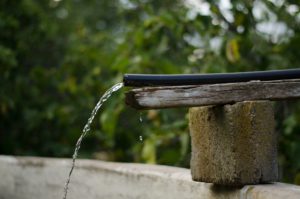
 Despite championing itself as the first country to enshrine the right to clean drinking water in its constitution, Uruguay has had a tumultuous relationship with water in the last few years. Uruguay’s water crisis, which began in 2018 and was triggered by severe droughts and a lack of rainfall, combined with poor government management and crisis response, reached a dangerous peak in the winter of 2023. Given Uruguay’s reliance on agricultural exports, this threatened the availability of safe drinking water, public health and economic productivity.
Thankfully, Uruguay’s water crisis ended in August 2023, with heavy rainfall and efforts by the government and international organizations to help replenish depleted supplies. However, this does not mean that policymakers in Montevideo can sit back and relax. On the contrary, efforts to improve infrastructure and protect water sources must be continued so that the country does not find itself in the same situation soon.
Why Was There a Water Crisis in Uruguay?
Many blame climate instability for Uruguay’s water crisis. The “La Niña” weather phenomenon contributed to rising temperatures and worsening droughts, persisting much longer than in the past. However, many argue that the climate emergency alone cannot be blamed. Poor government planning in the wake of these meteorological changes greatly worsened the effects of global warming.
It meant that Uruguay quickly found itself in a very vulnerable position. Water resource exploitation is very high in Uruguay; around 80% of freshwater is dedicated to farming and agriculture, limiting the amount of water for personal use. The government’s priority has been using water for “productive activities- agriculture, irrigation and big industry” and sufficient measures were not taken to prevent Uruguay’s water crisis.
Additionally, there was a historic lack of progress regarding water infrastructure projects. Before the crisis, the most recent reform to the waterways took place in 1987, as there has been a clear lack of political incentives to pursue projects to improve water infrastructure until now. For example, ex-president José Mujica proposed the Casupá Project in 2013, “which would have been able to fulfill 70% of Montevideo’s demand.” However, this program never came to fruition, as successive administrations made no moves to make it a reality.
What Were the Impacts of the Water Crisis?
Uruguay’s water crisis spelled trouble for its citizens, specifically for those living in Montevideo (home to around one-third of the total population). The Paso Severino Reservoir, the capital city’s main water source, reached around 1.7% of its total capacity in July 2023. In response to this scarcity, the State Sanitary Works Administration took water from sources near the River Plate, much more brackish than water from the reservoirs.
Although it was deemed safe, sick people and pregnant women were advised not to drink it. The sodium and chloride levels of the water pumped through the taps “exceeded what the World Health Organization considers safe for human consumption.” Bottled water was available and made exempt from taxes, but these quickly became scarce, partly due to panic-buying. The government provided free bottles to the most impoverished communities in affected areas.
Uruguay’s water crisis also had a significant impact on agricultural production. This sector accounts for around 7% of the nation’s gross domestic product (GDP) and 70% of total exports. The lack of water greatly affects agricultural output, especially between the end of 2022 and the beginning of 2023, “when it declined by 25% on a year-on-year basis.” The lack of water hit soybean production and cattle farming the hardest.
Another significant consequence of Uruguay’s water crisis was the growing political unrest due to poor drinking water quality and negative public perceptions of President Lacalle’s emergency response. Around 60% of the population was affected by the government’s decision to reroute water from rivers for public consumption, with the most vulnerable groups being especially affected. Around 63% of the population condemned the government’s response to the drought, with organized protests and campaigners shouting, “¡No es sequia, es saqueo! — It’s not drought, it’s pillage!”
What Was the Government’s Response?
Short-term solutions were enacted at the height of the drought to address immediate needs. Similarly, the government embarked on a long-term strategy to manage the current emergency and prevent future occurrences. Vowing it is “committed to improving the country’s water infrastructure and resilience to drought,” the government invested $500 million into plans to improve Uruguay’s waterways.
These included renovating sanitation systems, constructing another potable water source for the capital city and more reservoirs and desalination plants. There are also plans to repair damaged pipes to reduce water losses, with reports indicating that around 50% of the state-owned water company’s potable water supplies were lost due to leaks. The company has proposed a plan to reduce this by 25% in the next two decades.
What Role Have International Organizations Played?
During the crisis, the government also called on the Uruguayan Red Cross to help deal with demand and support plans to mitigate the consequences of shortages. The Inter-American Development Bank (IDB) also approved a $200 million loan “to support a program in Uruguay to boost water security and environmental sustainability.”
This loan aimed to improve water resource management and solid waste management to minimize contamination of potential future drinking water sources. Also, the IDB investment helped to improve Uruguay’s crisis responses, boosting resilience to changing weather dynamics alongside government refurbishments of its water systems.
Final Note
President Luis Lacalle Pou announced the end of the water crisis in August 2023 after three years of shortages and drinking water scarcity. This was mostly due to heavy rainfall in the region, which helped to refill water sources that were gravely depleted. However, the repairs to the water systems and programs to improve water security and management will hopefully pay dividends in the future, protecting Uruguay from the same situation.
– Ciara Howard
Ciara is based in Brighton, UK and focuses on Good News and Global Health for The Borgen Project.
Photo: Pxhere

Changing the Stigma Around HIV/AIDS in Saudi Arabia
History of HIV/AIDS in Saudi Arabia
The first case of HIV was described in the 1980s, however, reporting in Saudi Arabia did not start until 2004. Stigma has formed because people are unaware of how long this disease has been around and who it is affecting. Improvement in reporting has allowed the government and private companies to create programs to help people with HIV and in the process remove any stigma. Despite people being considerably more educated, there is still a large portion of people who feel negatively towards individuals with HIV.
Changing the Stigma
The Saudi government funded a blood screening program as early as 1984. This was a new technique at the time that helped track and diagnose the disease as it spread. In 1994, it founded the Saudi National Aids Program. Since then the government has also made treatment free for individuals diagnosed with HIV. Efforts have been made to improve public knowledge about the disease and how to get tested.
Founded as a countermeasure to the HIV epidemic, the purpose of the Saudi National Aids program is to provide education and treatment to the public. The Program has created amendments to the treatment guidelines for HIV that have allowed for more people to access care. The program claims to be responsible for improving treatment so much so that in 2018 about 93% of reported cases were currently receiving treatment.
Public awareness campaigns create awareness that the government cannot. Progress begins when citizens can support each other through difficult times. Evidence of this was found in a survey that showed that the majority of people felt that they would still be friends with someone if they had HIV/AIDS. Improvement in the resources available for communities is another way awareness is being built. The Saudi Government has released informational brochures that allow community members to educate themselves.
Making Improvements
Since the start of the 2000s, the Saudi people have worked hard to create awareness around HIV/AIDS. In that time, studies have shown improvements in public knowledge and an improvement in attitude towards the disease. The reason public awareness is so important is that it creates a safe environment for people to talk about their health issues. The improved stigma around HIV/AIDS in Saudi Arabia has led to an increase in diagnoses among men. The Saudi Arabian people have shown that they want to improve the quality of life for people with HIV/AIDS, and as public awareness rises so will the amount of people helped.
– Kaleb Monteith
Photo: Flickr
Tackling Illiteracy Rates in South Africa
Root Cause of the Problem
During apartheid, the South African government implemented many policies that allowed for racial segregation and discrimination to take place, in the education system and other governmental systems alike. In 1953, the government announced the Bantu Education Act which replaced local schools with more schools under government control to decrease learning opportunities for black students.
According to a Stanford University article, 96% of teachers held education certificates in white schools compared to a measly 15% in black schools.
Unfortunately, the legacy continues today, with schools having inadequate infrastructure, overcrowded classrooms and a shortage of qualified teachers. Barriers such as hunger and malnutrition further exacerbate the problem of illiteracy in South Africa.
Empowerment Through Education
Many different charities are currently working hard to tackle the problem of the illiteracy rate in South Africa. MySchool MyVillage MyPlanet community program work continuously supports and raises funds for schools, charities and welfare organizations. Most recently it cooperated with different organisations to tackle the issue. The program collaborated with Builders and most recently created three Grade RR classrooms for a non-profit school in Cape Flats. Adri Marais, CEO of the school Christel House stated: “These top quality grade RR classrooms are putting an additional 60 students per year on a pathway out of poverty.”
Relate Bracelets and Shine Literacy are two non-profits that have also collaborated to help tackle illiteracy rates in South Africa. Relate Bracelets is an organization creating handmade bracelets whilst providing employment opportunities for underprivileged individuals, its focus is to create sustainable initiatives. Shine Literacy focuses on early intervention programs which support reading and writing skills for Grade 2 and Grade 3 students.
Although the program ended, the two organizations worked to raise funds and awareness for literacy initiatives. This collaboration aimed to encourage the culture of reading amongst children, and its main goal was to create a nation of lifelong readers and learners.
Nal’ibali
Nal’ibali, a national reading campaign in South Africa has been making strides to improve the literacy rate in the country. Nal’ibali aims to create and nurture a culture of reading in children and for all children to have positive experiences with stories and reading books.
In 2022, Nal’ibali reached more than 22 million people (37% of the target) through radio, television and by distributing material to read. The organization also reached more than 2 million children (75% of the target) through children read to on World Read Aloud Day, as well as various reading programmes and partnerships. It frequently collaborates with PRAESA to develop and implement literacy programs, and the partnerships help to make their initiatives more accessible for everyone.
Unified Efforts
South Africa has taken many legislative and policy measures to address the illiteracy rate and alleviate the problem. In September 2024, President Ramaphosa signed a law which made one year of pre-primary education compulsory. In 2024, the Basic Education Laws Amendment Act was also enacted to introduce compulsory education, regulated homeschooling and the abolition of corporal punishment backed by fines.
Despite these advancements, challenges still exist when it comes to tackling illiteracy rates in South Africa. A significant literacy gap remains and unified efforts are necessary to end the problem. The enactment of the Basic Education Laws Amendment alongside the combined efforts of the multiple organizations mentioned in this piece demonstrates a commitment to reducing the illiteracy rate and nurturing a culture of reading across the country in general.
– Ayat Aslam
Photo: Flickr
Uruguay’s Water Crisis
Thankfully, Uruguay’s water crisis ended in August 2023, with heavy rainfall and efforts by the government and international organizations to help replenish depleted supplies. However, this does not mean that policymakers in Montevideo can sit back and relax. On the contrary, efforts to improve infrastructure and protect water sources must be continued so that the country does not find itself in the same situation soon.
Why Was There a Water Crisis in Uruguay?
Many blame climate instability for Uruguay’s water crisis. The “La Niña” weather phenomenon contributed to rising temperatures and worsening droughts, persisting much longer than in the past. However, many argue that the climate emergency alone cannot be blamed. Poor government planning in the wake of these meteorological changes greatly worsened the effects of global warming.
It meant that Uruguay quickly found itself in a very vulnerable position. Water resource exploitation is very high in Uruguay; around 80% of freshwater is dedicated to farming and agriculture, limiting the amount of water for personal use. The government’s priority has been using water for “productive activities- agriculture, irrigation and big industry” and sufficient measures were not taken to prevent Uruguay’s water crisis.
Additionally, there was a historic lack of progress regarding water infrastructure projects. Before the crisis, the most recent reform to the waterways took place in 1987, as there has been a clear lack of political incentives to pursue projects to improve water infrastructure until now. For example, ex-president José Mujica proposed the Casupá Project in 2013, “which would have been able to fulfill 70% of Montevideo’s demand.” However, this program never came to fruition, as successive administrations made no moves to make it a reality.
What Were the Impacts of the Water Crisis?
Uruguay’s water crisis spelled trouble for its citizens, specifically for those living in Montevideo (home to around one-third of the total population). The Paso Severino Reservoir, the capital city’s main water source, reached around 1.7% of its total capacity in July 2023. In response to this scarcity, the State Sanitary Works Administration took water from sources near the River Plate, much more brackish than water from the reservoirs.
Although it was deemed safe, sick people and pregnant women were advised not to drink it. The sodium and chloride levels of the water pumped through the taps “exceeded what the World Health Organization considers safe for human consumption.” Bottled water was available and made exempt from taxes, but these quickly became scarce, partly due to panic-buying. The government provided free bottles to the most impoverished communities in affected areas.
Uruguay’s water crisis also had a significant impact on agricultural production. This sector accounts for around 7% of the nation’s gross domestic product (GDP) and 70% of total exports. The lack of water greatly affects agricultural output, especially between the end of 2022 and the beginning of 2023, “when it declined by 25% on a year-on-year basis.” The lack of water hit soybean production and cattle farming the hardest.
Another significant consequence of Uruguay’s water crisis was the growing political unrest due to poor drinking water quality and negative public perceptions of President Lacalle’s emergency response. Around 60% of the population was affected by the government’s decision to reroute water from rivers for public consumption, with the most vulnerable groups being especially affected. Around 63% of the population condemned the government’s response to the drought, with organized protests and campaigners shouting, “¡No es sequia, es saqueo! — It’s not drought, it’s pillage!”
What Was the Government’s Response?
Short-term solutions were enacted at the height of the drought to address immediate needs. Similarly, the government embarked on a long-term strategy to manage the current emergency and prevent future occurrences. Vowing it is “committed to improving the country’s water infrastructure and resilience to drought,” the government invested $500 million into plans to improve Uruguay’s waterways.
These included renovating sanitation systems, constructing another potable water source for the capital city and more reservoirs and desalination plants. There are also plans to repair damaged pipes to reduce water losses, with reports indicating that around 50% of the state-owned water company’s potable water supplies were lost due to leaks. The company has proposed a plan to reduce this by 25% in the next two decades.
What Role Have International Organizations Played?
During the crisis, the government also called on the Uruguayan Red Cross to help deal with demand and support plans to mitigate the consequences of shortages. The Inter-American Development Bank (IDB) also approved a $200 million loan “to support a program in Uruguay to boost water security and environmental sustainability.”
This loan aimed to improve water resource management and solid waste management to minimize contamination of potential future drinking water sources. Also, the IDB investment helped to improve Uruguay’s crisis responses, boosting resilience to changing weather dynamics alongside government refurbishments of its water systems.
Final Note
President Luis Lacalle Pou announced the end of the water crisis in August 2023 after three years of shortages and drinking water scarcity. This was mostly due to heavy rainfall in the region, which helped to refill water sources that were gravely depleted. However, the repairs to the water systems and programs to improve water security and management will hopefully pay dividends in the future, protecting Uruguay from the same situation.
– Ciara Howard
Photo: Pxhere
Poverty in Southeastern Turkey: A Brighter Future
Poverty in Southeastern Turkey and the GAP Project
Southeastern Anatolia ranks among Turkey’s regions with the lowest average income. Despite limited research on poverty in the region, existing studies indicate that conditions have seen little improvement since the early 2000s. The $14 billion investment aims to partially fund the Southeastern Anatolia Project (GAP) with the hopes it can continue its construction of needed infrastructure.
The GAP project was launched in the 70s as a region-wide investment project to provide the energy and water infrastructure to support an economic boom. However, throughout its history, the project continues to falter in its aims of revitalization. With renewed government support, the region now has a chance to attract further investment and drive sustainable development.
Insights from Mardin
The city of Mardin illustrates many of the challenges facing southeastern Turkey. This ancient city, which dates back to the Neo-Assyrian period, highlights the region’s rich history and its socioeconomic struggles. Mardin suffers from one of the country’s highest relative at-risk-of-poverty rates at 14.4%.
In 2021, Dr. Nurdan Atalay conducted ethnographic research in Mardin, revealing how top-down financialization and investment strategies exacerbate economic inequality and limit employment opportunities for women. In her book chapter, she noted, “…the women in this neighborhood have very limited opportunities to change their position in society… The impending economic crisis has the potential to worsen their situation.”
Mardin also accommodates a large population of refugees who fled Syria’s civil war and the 2023 earthquakes. More than 88,000 Syrian refugees live in the city, contending with the trauma of displacement and the strain on local resources. Reports detail the economic burden that border cities faced during the Syrian conflict. With the end of Assad’s rule, many refugees now look toward a hopeful future and the possibility of returning home.
The Potential of Tourism
Neighboring political progress isn’t the only cause for optimism in southeastern Turkey. The tourism industry holds immense potential to reduce poverty in the region. This area, rich in historical monuments and natural beauty, stands poised for economic growth if supported by infrastructure and investment.
The 1982 Tourism Incentives Act excluded southeastern Turkey, denying the region the development needed for a thriving tourism sector. Despite this, cities like Mardin actively seek to expand their tourism potential. Research indicates that Mardin’s residents support tourism growth, which promises to benefit both urban and rural communities.
In 2023, Mardin welcomed nearly 650,000 tourists, reflecting the industry’s growing role in the local economy. By fostering tourism, southeastern Turkey can unlock new opportunities for sustainable development and cultural preservation.
A New Chapter for Southeastern Turkey
With the government’s $14 billion investment and the prospect of peace in Syria, poverty in southeastern Turkey faces a turning point. The region’s lack of infrastructure has long created a cycle of poverty and underdevelopment. This new funding and strategic focus could break that cycle, paving the way for meaningful progress and prosperity.
– Charley Dennis
Photo: Flickr
Energy Crisis in the Andes
Challenges in Kewinal, Bolivia
Kewinal, Bolivia, is home to the Ragaypampa, an indigenous ethnic group, this remote community has petitioned for electricity for 15 years. Despite these ongoing efforts, Kewinal’s geographic isolation poses significant challenges. Electricity could drastically improve life in Kewinal. Without it, households rely on candles and kerosene lamps, increasing the risk of house fires. Schools lack projectors, computers and printers, leaving students ill-prepared for modern careers. Many young people leave the community in search of opportunities, while those who stay hope for progress. Health care facilities in Kewinal also suffer due to the absence of electricity. Medical centers cannot implement digital record-keeping systems, making it difficult to manage chronic illnesses. Additionally, local artisans, including woodworkers and potters, could double their incomes with access to electricity, providing economic stability and discouraging migration.
Water Scarcity in the Peruvian Andes
In Peru, water scarcity exacerbates energy challenges. Hydropower serves as a critical energy source in the Peruvian Andean-Amazonian basin, but farmers and hydropower plants compete for limited water resources. Droughts, worsened by global warming, have intensified this competition, leaving both sectors at a loss. Furthermore, irrigation for farming diverts water away from hydropower plants, reducing energy output and affecting surrounding areas. Research from the Natural Capital Project suggests collaborative strategies to balance agricultural and hydropower needs, promoting sustainable water usage and reducing conflicts.
Colombia and Ecuador
Communities in Colombia and Ecuador face similar crises, with drought and environmental degradation threatening energy production. High-altitude wetlands, known as paramos, play a critical role in water storage and distribution but have been degraded by deforestation, climate change and soil erosion. The energy crisis extends beyond rural areas, impacting urban centers like Bogotá, Colombia. Water shortages disrupt hydroelectric power, leading to rationing and the suspension of electricity exports. Conservation efforts aim to address these issues and restore balance.
Collaborative Efforts and Conservation Initiatives
Bolivia’s Electrification Program, supported by the Rockefeller Foundation, seeks to bring green energy to 56,000 rural households. Approved in 2023, the program focuses on delivering sustainable solutions to remote communities like Kewinal. “As we race to address the largest challenge of our time, the world’s most vulnerable must be prioritized. We cannot afford to leave the people of Kewinal – or anyone – behind,” says Ashvin Dayal, Senior Vice President at Power the Rockefeller Foundation.
In Ecuador and Colombia, conservation efforts led by organizations like the Fund for Protecting Water (FONAG) aim to revitalize ecosystems critical to water and energy production. FONAG has planted 40,000 water-storing paper trees and is cultivating an additional 100,000, demonstrating the potential for nature-based solutions to alleviate the energy crisis.
Looking Ahead
The energy crisis in the Andes represents a broader challenge of energy inequality and environmental degradation affecting vulnerable communities worldwide. Progress in electrification and ecosystem restoration offers hope, but significant challenges remain in reaching remote areas and addressing environmental damage. Indeed, efforts across the Andes highlight the importance of innovative, community-driven solutions and sustainable development. By prioritizing collaboration and conservation, stakeholders can potentially improve living conditions for rural populations and create a more equitable energy future.
– Michael Messina
Photo: Flickr
Malnutrition in Madagascar
Natural Disasters and Malnutrition
Madagascar is highly susceptible to extreme weather patterns, with an average of three natural disasters per year occurring, according to USAID. Studies indicate that natural disasters impact approximately 5 million people, with a further 8.8 million facing food insecurity. Natural disasters cause flooding, spread disease, and are one of the key precipitators of malnutrition in Madagascar, USAID reports.
Recently in 2022, Madagascar experienced two life-threatening cyclones – Batsirai and Emnati – which decimated infrastructure and destroyed crops through wind and flooding which significantly diminished living conditions The Batsirai and Emnati cyclones wiped out crops through high winds and devastating floods, with the majority of crops destroyed in areas hit by the cyclones. This significantly reduced the accessibility, availability and capacity of agricultural fields, food supply and production, resulting in food insecurity and malnutrition.
Floods also cause a spike in diarrheal infections as they increase the frequency of water parasites, according to Harvard T.H. Chan. Contamination of rivers as a result of flooding means that infections such as diarrhea and malaria are highly prevalent amongst rural populations, contributing to malnutrition as people do not have the resources to eat well following infection. In 2022 alone, 19,195 children aged 5 years and under were malnourished in Madagascar, according to Medecins Sans Frontiers (MSF).
Frequent Disruption of Agriculture
Natural disasters in Madagascar are recurring, and so is malnutrition. The frequent disruption of agricultural fields and contamination of water culminates in extreme hunger, with very few people able to access hospitals or obtain medicine.
In the South of Madagascar, 340,000 children could be experiencing malnutrition in some form as a result of extreme drought. Precipitation in Southern Madagascar has been decreasing for the last two decades and researchers have predicted that drought will continue to increase in intensity, duration and rate of occurrence, according to the International Monetary Fund (IMF). The constant lack of rainfall has disastrous implications on agriculture and food supply, with dried-out fields and vegetables common. The U.N. has found that many people have adopted coping mechanisms to subsist the drought, such as selling assets, cattle and houses in exchange for food and resources. According to UNICEF, 115,000 children in the Southeastern areas of Madagascar have acute malnutrition and require treatment.
Effects of Malnutrition
After 24 months of chronic malnutrition, the physical and psychological implications are irreversible. The effects of malnutrition on children include stunted growth, anemia, cognitive impairment and depleted resistance to disease. These effects are prolonged and will impact affected people for life, such as depleting the ability to concentrate and having a low height for their age. Those struggling with malnutrition may also have low energy levels, making it more difficult to attend school or work. As a result, their life prosperity is impaired and their already limited access to opportunity is limited further.
Fighting Malnutrition in Madagascar
The World Food Program (WFP) is helping to alleviate malnutrition in Madagascar through a series of support programs. Namely, the WFP supplies emergency food assistance to those who have experienced crises such as natural disasters like flooding and drought. It functions in the South and Southeast of Madagascar and aims to promote community building and help people prepare for emergencies.
To support regions vulnerable to natural disasters, the WFP provides short-cycle farming activities, cash transfers and disaster-resistant seed. The organization also distributes climate-related warnings to inform people of how and when to respond to natural disasters.
Additionally, the WFP offers technical and practical training and workshops that enhance the capabilities of communities across the country. It also issues national authorities with equipment to help in the event of an emergency. These schemes help to prepare communities for likely natural disasters so that they have the resources to survive and be properly nourished following climate changes such as floods and drought. In doing so, measures are in place to prevent malnutrition caused by natural disasters.
The WFP also supplies nutritional information and support to 42,000 children, pregnant women and breastfeeding women through the MIARO approach. This aims to act as a preventive measure for malnutrition, as the project offers feeding and activities that educate on market gardening and nutrition. This project strives to enhance community knowledge, access and availability of nourishing food and ameliorate malnutrition.
– Ella Dorman
Photo: Flickr
Fighting HIV in Lesotho
Universal HIV Treatment: Lesotho’s Test and Start Policy
In April 2016, Lesotho became the first country in sub-Saharan Africa to implement the “Test and Start” policy, which offers antiretroviral therapy (ART) to all HIV-positive individuals regardless of their CD4 count. This approach ensures early intervention, preventing the virus from progressing and reducing transmission rates. As of 2020, approximately 273,000 adults living with HIV in Lesotho were receiving antiretroviral therapy (ART), representing about 84% of the total HIV-positive adult population. Community-based testing initiatives have also played a key role. These programs bring services to rural areas through mobile clinics and health workers, enabling more individuals to know their HIV status and connect with treatment. Such efforts are vital in addressing HIV in Lesotho.
Advancing HIV Care Through Global Partnerships
International partnerships and government initiatives have significantly contributed to Lesotho’s HIV response. For the fiscal year 2024/2025, the Government of Lesotho allocated 233 million Maloti (approximately $15 million) for antiretroviral therapy (ART) procurement, demonstrating its commitment to a sustainable HIV response.
In 2022, PEPFAR contributed $75 million to support Lesotho’s HIV/AIDS response. This funding has been crucial in providing resources for HIV testing, prevention, and treatment, helping the country make significant progress toward achieving its UNAIDS 95-95-95 targets
These combined efforts, along with support from organizations like the Global Fund, have helped Lesotho progress toward the UNAIDS 95-95-95 targets. By 2020, 94% of people living with HIV in Lesotho knew their status. Additionally, 91% were receiving treatment, and 98% of those on treatment achieved viral suppression.
Using Technology to Improve HIV Care
Lesotho’s use of technology is revolutionizing HIV care and improving treatment outcomes. Electronic medical records (EMRs), implemented across healthcare facilities, improve patient tracking and continuity of care. For instance, HIV-positive pregnant women benefit from care recorded in EMRs linked to national health systems, ensuring more efficient service delivery.
Mobile health (mHealth) interventions, such as text message reminders, have also improved treatment adherence. A study in Lesotho found that patients receiving SMS reminders for medications and appointments demonstrated a 20% increase in adherence rates.
Digital tools have further enhanced public education campaigns, raising awareness about HIV prevention and reducing stigma. Mobile platforms ensure critical information reaches even the most remote communities.
Empowering Lives Through Comprehensive Care
Lesotho’s HIV programs are not limited to medical care—they also address the economic and social impacts of the epidemic. Many ART clinics now provide additional services, including food assistance and vocational training. These initiatives ensure patients remain healthy and economically active, reducing the cycle of poverty linked to HIV in Lesotho.
By addressing broader community needs, these programs empower individuals to lead productive lives and strengthen local economies. In rural areas, access to healthcare and economic support has helped families remain stable despite the challenges of living with HIV.
A Model for Global Progress
Lesotho’s progress provides a powerful example of how innovation and partnerships can transform a nation. By prioritizing health and integrating it with poverty reduction efforts, Lesotho demonstrates what can be achieved through collective action and sustained investment.
With continued collaboration and funding, Lesotho’s success story can serve as a model for other developing nations facing similar challenges. Indeed, as the global fight against HIV continues, HIV in Lesotho stands as a testament to the power of progress in overcoming an epidemic and its broader impacts on poverty.
– Fiza Meeraj
Photo: Unsplash
Organizations Helping to Reduce Poverty in Malta
Without significant government action, such as raising the minimum wage by more than the current average of 3% annually, this number might grow significantly in the next 10 years. To address this issue, numerous charities and organizations across the country focus on combating poverty through various initiatives, including alleviating food insecurity and providing educational services. Here are five charities and nonprofit organizations helping to reduce poverty in Malta.
Foodbank Lifeline Foundation
Established in 2018 by Reverend Kim Hurst, the organization started as an unofficial program to feed roughly 30 families that attended Saint Andrew’s Scots Church in Valletta. Due to the rising demand for food, Hurst formed the organization to help combat food insecurity throughout Malta. The organization relies on food donations and distributes the food in parcels on the islands of Malta and Gozo. Currently, the Foodbank Lifeline Foundation provides much-needed food security to more than 300 families in Malta and Gozo.
Foundation for Educational Services
Created in 2001 by Malta’s Ministry for Education, Sport, Youth, Research and Innovation, the organization provides various child care services across Malta. The initiative currently operates 13 childcare centers across Malta, aiming to give babies and toddlers a chance to develop a lifetime of learning in a fun, caring and stimulating environment. Foundation for Educational Services also provides various after-school programs for children on the islands of Malta and Gozo whose parents are at work.
Malta Foundation for the Well-Being of Society
Formed in 2014 by the then-president of Malta, Marie-Louise Coleiro Preca, the organization primarily focuses on fostering child participation in Maltese life. The organization does this through various projects, like The Right to Play and “The Children’s Manifesto.” In addition to these projects, the organization has established “Children’s Councils” throughout Malta, where children have a voice in their local communities.
Aditus
Established in 2011 by Neil Falzon, Nicola Mallia and Carla Camilleri, the organization primarily focuses on human rights in Malta. Aditus is “called on to monitor, report and act on access to human rights in Malta.” The organization works on projects and campaigns that revolve around migration and transition into life in Malta, like the #DontLetThemDrown hashtag campaign. In addition, the organization campaigns throughout Malta on issues like housing accommodations for those at risk of poverty and rights for undocumented people and families in Malta.
Caritas Malta
Founded in 1968, the organization focuses on charity and volunteer work for Malta’s impoverished citizens. Its most successful project, “New Hope,” focuses heavily on substance abuse and rehabilitation, family services and a prison inmate program.
However, the organization also provides other forms of social welfare, including employment assistance programs and counseling. The organization researches and outlines the various ways people live in poverty in Malta and details how the cost of living in Malta impacts all facets of Maltese life through its reports.
Conclusion
These five charities and nonprofit organizations are, among many others, dedicated to reducing poverty in Malta. Despite the challenges faced by some, the people of Malta have demonstrated a strong sense of community, working together to support and uplift one another.
– Julius Millan
Photo: Wikimedia Commons
The Unspoken Story Of The Chagossians
Although the U.K. retained control as part of the British Indian Ocean Territory, Mauritius has consistently contested this claim, asserting its rightful sovereignty over the islands. The Chagos Islands symbolize both immense natural beauty and profound human suffering. This duality persists, as the displaced Chagossians continue their fight for justice, recognition and economic equality.
Displacement of the Chagossian People
The British removal of the Chagossians marked a turning point in the archipelago’s history. Forced to leave their homeland, thousands resettled in Mauritius, Seychelles and the U.K., where they encountered poverty, legal identity struggles and limited opportunities. Attempts by the Mauritian government to alter Chagossian birth certificates deepened fears of cultural erasure.
From the 1960s and 1970s, displaced Chagossians struggled to rebuild their lives. Many arrived in new lands with no resources, legal identity or support systems. While the British government offered $3 million to Mauritius and a $4 million trust fund for the displaced, these measures failed to address the deep economic and social impacts of the removal.
Diego Garcia, transformed into a U.S.-U.K. military base, embodies the power imbalance that facilitated this displacement. Former U.K. Prime Minister Margaret Thatcher stated it would only be returned when “no longer needed.” Former U.S. Defense Department official Gary Sick admitted that during the removals, “nobody cared very much about these populations.” Currently, the Chagossian diaspora numbers more than 10,000, primarily in Mauritius and Seychelles, where economic and social challenges persist.
Legal Battles for Justice
In 1971, a U.K. immigration order banned the Chagossians from returning home. A 2000 High Court ruling initially favored the displaced community, but the British government overruled it using the Queen’s royal prerogative. Subsequent court decisions varied, with the House of Lords rejecting their right to return in 2008.
In 2024, U.K. Prime Minister Keir Starmer announced plans to transfer sovereignty of the Chagos Archipelago to Mauritius. This agreement includes a 99-year lease for U.K. and U.S. military operations and excludes Diego Garcia from resettlement due to its strategic importance.
The U.K. only recently acknowledged Mauritius’s claim, following advisory guidance from the International Court of Justice (ICJ), which ruled that the islands were taken against the people’s will. This long-standing legal battle highlights the enduring injustice faced by the Chagossians.
Efforts Toward a Brighter Future
Activist groups, such as Chagossian Voices, have amplified the struggles of the Chagossians on the global stage. Based in the U.K., the organization advocates for Chagossians worldwide, providing support and addressing social injustice. Its efforts led to the U.K. citizenship for Chagossian descendants and a $40 million support package for the community.
Chagossian Voices continues to emphasize the urgency of recognizing the community’s rights and addressing the need for resettlement. The organization works to ensure the global community does not overlook the Chagossians’ fight for justice, highlighting the importance of reparative justice, cultural preservation and recognition of their sovereignty.
Despite these ongoing efforts, many challenges remain unresolved. Key issues include resettlement, economic support and the continued use of Diego Garcia as a military base. The journey toward justice for the Chagossians is ongoing, requiring sustained advocacy and international attention.
A Path to Reconciliation
The Chagos Archipelago’s story is one of resilience and enduring hope amid profound challenges. The displaced Chagossians’ fight is more than a struggle for land; it is a quest for justice, cultural preservation and the right to self-determination. As advocacy efforts and international attention grow, the opportunity to transform the Chagos Islands from a symbol of displacement into one of reconciliation and perseverance emerges. The Chagossians’ unwavering determination reminds the world of the far-reaching consequences of colonialism and the pressing need for equitable solutions that uphold human dignity and justice.
– Zacc Katusiime
Photo: Flickr
Empowering Change: The Impact of USAID in Kazakhstan
Democracy and Governance
Kazakhstan possesses relatively strong state institutions; however, insufficient transparency and accountability undermine its attempts to promote good governance. Also, another significant barrier to effective governance is the perceived lack of judicial independence, which affects the country’s ability to attract foreign investment and maintain the rule of law.
USAID in Kazakhstan supports the creation of a “civil society, access to information, strengthening citizen initiative groups and promoting human rights.” The agency also facilitates partnerships between civil society organizations and the Government of Kazakhstan to implement reforms that drive meaningful change in creating a better living environment. For example, the USAID is assisting the Ministry of Information and Social Development in “developing transparent and fair procedures for awarding and monitoring grants to local non-governmental organisations.”
USAID is working with the International Organization for Migration (IOM) on the adoption of an agreement between Kazakhstan and Uzbekistan on the protection of rights of the migrant
Economic Growth and Trade
Since gaining independence in 1991, the economy of Kazakhstan has experienced significant growth, mainly due to the utilization of its vast oil and gas reserves. Thanks to robust economic growth, the national poverty rate plummeted from nearly 50% at the start of the century to just 2.7% in 2015. To combat inequality, Kazakhstan is committed to boosting the income share of the bottom 40% of its population from 22.8% to 27% of total income by 2025.
Nonetheless, the country faces various economic challenges stemming from its Soviet past, such as “weak trade links with other Central Asian nations and a cumbersome regulatory framework” that hampers business development. Also, there are notable inequalities between urban and rural areas, as well as among different regions.
The work of USAID in Kazakhstan aims to diversify its economy beyond the oil and gas sector, focusing on areas like transportation and logistics, horticulture, information technology, and tourism. Additionally, USAID works to identify and eliminate barriers to trade with Kazakhstan’s Central Asian neighbors, helping the country unlock its potential as a regional trade and investment hub.
Energy and Environment
USAID has been instrumental in helping Kazakhstan modernize its energy sector while prioritizing environmental protection. This includes enhancing energy efficiency, promoting renewable energy, and attracting private investment.
Kazakhstan, a significant energy player, is transitioning to clean energy technologies. Despite its reliance on coal, which generates more than 80% of its electricity and accounts for 82% of its greenhouse gas emissions, the government recognizes the need for reform. Kazakhstan aims to reduce greenhouse gas emissions by 15% from 1990 levels by 2030, and at least 50% by 2050
USAID focuses on helping Kazakhstan and Central Asia diversify their energy sources with wind, solar, and hydropower. With USAID assistance, the Government of Kazakhstan added more than 1 Gigawatt of renewable energy projects through competitive auctions. The auctions made it possible to create competitive conditions, attract international investors, and significantly reduce renewable energy prices. This allows citizens to enjoy using clean energy with a lower cost.
Health Care
USAID programs in Kazakhstan aim to enhance access to essential services to prevent and control infectious diseases like HIV/AIDS and COVID-19. Kazakhstan faces a significant challenge with drug-resistant tuberculosis, while HIV/AIDS continues to impact vulnerable groups, especially those who inject drugs. However, the corporation between USAID and the Kazakhstan government to test and adopt client-centred HIV strategies such as HIV self-testing and adopt policies to support people living with HIV such as multi-month dispensation of antiretroviral therapy.
Besides, the USAID participated in supporting Kazakhstan in combating the COVID-19 pandemic through the provision of training, technical assistance to medical providers and the promotion of hygienic practices for the prevention of COVID-19 transmission.
The impact of USAID in Kazakhstan is profound and multifaceted. Through its commitment to empowering change, the agency has contributed to economic growth, improved education and health outcomes, promoted environmental sustainability, and strengthened democratic governance. As Kazakhstan continues to evolve on the global stage, the partnership with USAID remains a beacon of hope and progress, underscoring the importance of international collaboration in achieving sustainable development goals. The journey ahead may be challenging, but with continued support and empowerment, Kazakhstan is poised to build a brighter future for all its citizens.
– Hoi Ieng Chao
Photo: Flickr