Malnutrition in Madagascar
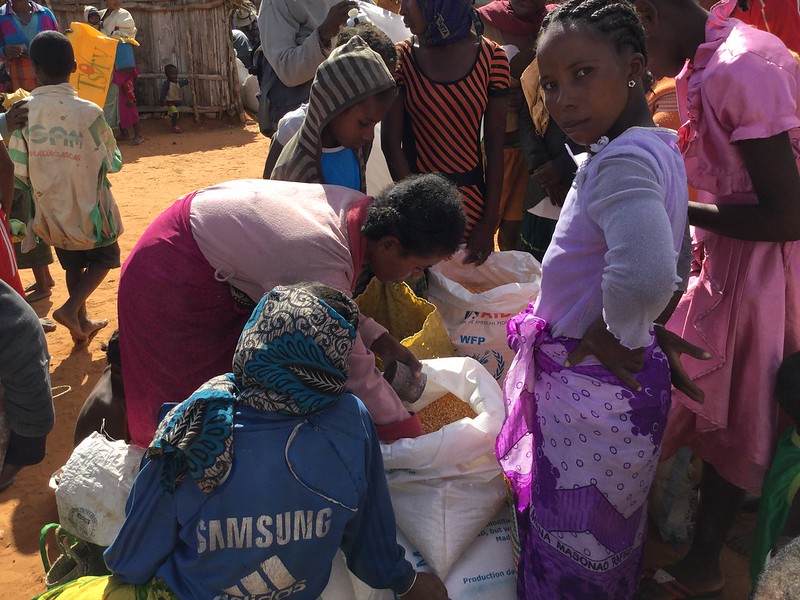 Madagascar is a large, rural island country and has a relatively young population, with 41% of citizens aged 15 years and under. The predominant public health issue in Madagascar is malnutrition, with the region fourth highest in the world in terms of its rates of chronic malnutrition. Approximately 50% of the Madagascan population has stunted growth, a key indicator of chronic malnutrition.
Natural Disasters and Malnutrition
Madagascar is highly susceptible to extreme weather patterns, with an average of three natural disasters per year occurring, according to USAID. Studies indicate that natural disasters impact approximately 5 million people, with a further 8.8 million facing food insecurity. Natural disasters cause flooding, spread disease, and are one of the key precipitators of malnutrition in Madagascar, USAID reports.
Recently in 2022, Madagascar experienced two life-threatening cyclones – Batsirai and Emnati – which decimated infrastructure and destroyed crops through wind and flooding which significantly diminished living conditions The Batsirai and Emnati cyclones wiped out crops through high winds and devastating floods, with the majority of crops destroyed in areas hit by the cyclones. This significantly reduced the accessibility, availability and capacity of agricultural fields, food supply and production, resulting in food insecurity and malnutrition.
Floods also cause a spike in diarrheal infections as they increase the frequency of water parasites, according to Harvard T.H. Chan. Contamination of rivers as a result of flooding means that infections such as diarrhea and malaria are highly prevalent amongst rural populations, contributing to malnutrition as people do not have the resources to eat well following infection. In 2022 alone, 19,195 children aged 5 years and under were malnourished in Madagascar, according to Medecins Sans Frontiers (MSF).
Frequent Disruption of Agriculture
Natural disasters in Madagascar are recurring, and so is malnutrition. The frequent disruption of agricultural fields and contamination of water culminates in extreme hunger, with very few people able to access hospitals or obtain medicine.
In the South of Madagascar, 340,000 children could be experiencing malnutrition in some form as a result of extreme drought. Precipitation in Southern Madagascar has been decreasing for the last two decades and researchers have predicted that drought will continue to increase in intensity, duration and rate of occurrence, according to the International Monetary Fund (IMF). The constant lack of rainfall has disastrous implications on agriculture and food supply, with dried-out fields and vegetables common. The U.N. has found that many people have adopted coping mechanisms to subsist the drought, such as selling assets, cattle and houses in exchange for food and resources. According to UNICEF, 115,000 children in the Southeastern areas of Madagascar have acute malnutrition and require treatment.
Effects of Malnutrition
After 24 months of chronic malnutrition, the physical and psychological implications are irreversible. The effects of malnutrition on children include stunted growth, anemia, cognitive impairment and depleted resistance to disease. These effects are prolonged and will impact affected people for life, such as depleting the ability to concentrate and having a low height for their age. Those struggling with malnutrition may also have low energy levels, making it more difficult to attend school or work. As a result, their life prosperity is impaired and their already limited access to opportunity is limited further.
Fighting Malnutrition in Madagascar
The World Food Program (WFP) is helping to alleviate malnutrition in Madagascar through a series of support programs. Namely, the WFP supplies emergency food assistance to those who have experienced crises such as natural disasters like flooding and drought. It functions in the South and Southeast of Madagascar and aims to promote community building and help people prepare for emergencies.
To support regions vulnerable to natural disasters, the WFP provides short-cycle farming activities, cash transfers and disaster-resistant seed. The organization also distributes climate-related warnings to inform people of how and when to respond to natural disasters.
Additionally, the WFP offers technical and practical training and workshops that enhance the capabilities of communities across the country. It also issues national authorities with equipment to help in the event of an emergency. These schemes help to prepare communities for likely natural disasters so that they have the resources to survive and be properly nourished following climate changes such as floods and drought. In doing so, measures are in place to prevent malnutrition caused by natural disasters.
The WFP also supplies nutritional information and support to 42,000 children, pregnant women and breastfeeding women through the MIARO approach. This aims to act as a preventive measure for malnutrition, as the project offers feeding and activities that educate on market gardening and nutrition. This project strives to enhance community knowledge, access and availability of nourishing food and ameliorate malnutrition.
– Ella Dorman
Ella is based in Worcestershire, UK and focuses on Global Health for The Borgen Project.
Photo: Flickr
