How Lack of Shelter and No Electricity Led to Hypothermia in Gaza
 According to the United Nations (U.N.), in the last month, eight newborns have died of hypothermia in Gaza, causing an outcry from international organizations. The cases of hypothermia come from the freezing conditions in Gaza. Gaza is experiencing its coldest month, with a lack of proper equipment and resources its people need to survive.
What Is Hypothermia?
Doctors classify hypothermia as a medical emergency resulting from a drop in body temperature below 95 degrees Fahrenheit (35 degrees Celsius). It happens when the body loses heat faster than it can produce, causing the body to enter into a dangerously low body temperature. When the body is left in this condition, the heart, nervous system and other organs are unable to function properly. Without treatment, hypothermia can shut down the heart and respiratory systems, ultimately causing death.
Hypothermia is now one of the many preventable diseases/conditions that are now taking place in the Strip as a result of the ongoing conflict.
The Destruction of Residential Buildings
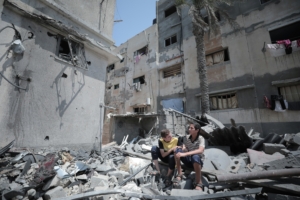
The Israeli onslaught in the Strip has made it difficult for aid to enter Gaza. Additionally, the incessant bombing has destroyed residential buildings, leading people to use tents as a new way of shelter. The bombing has damaged approximately 66% of the total structures in the Strip, with damage ranging from moderate to destruction.
Specifically 163, 778 structures have been damaged, including “52,564 structures that have been destroyed, 18,913 severely damaged, 35,591 possibly damaged structures and 56,710 moderately affected.” The destruction displaced 1.9 million civilians, forcing them to rely on tents as shelter. Yet, tents have quickly been unable to prove themselves as enough to deal with the cold weather enveloping the Strip.
January is Gaza’s coldest month in which temperatures can drop as low as 50 degrees Fahrenheit (10 degrees Celsius), underscoring the challenges faced by those relying on them for survival.
Lack of Electricity in Gaza
The lack of shelter is a significant challenge in the Strip. However, the lack of electricity also plays a critical role in preventing Gazans from staying warm. Before the war, Gaza had an average of 7-13 hours of electricity each day, with occasional blackouts. However, after October 7, according to a report from the United Nations Office for the Coordination of Humanitarian Affairs (OCHA), there were zero hours of electricity available for Gazans in 2024.
Gazans now solely rely on solar panels to charge their phones or other electronic devices. However, only about 12,400 solar panels are available for a population of roughly two million. Without electricity, Gazans will not be able to keep themselves warm. They must rely on blankets and clothing, which are already scarce in the region. So, for many individuals, freezing is the only option they have, in the end causing hypothermia in Gaza to become a reality.
Looking Ahead
International organizations have been outspoken about the lack of resources in the Strip and continue to pressure American and Israeli government officials to let aid in. The OCHA has also repeatedly stressed the importance of protecting civilians and civilian infrastructure. The U.N. and its partners have also provided critical medical support to those in the Strip. Between December 22 and January 8, about 560,000 people received primary and health care services. However, this work remains insufficient and much more work lies ahead.
– Aya Diab
Aya is based in New York City, NY, USA and focuses on Global Health and Politics for The Borgen Project.
Photo: Unsplash
