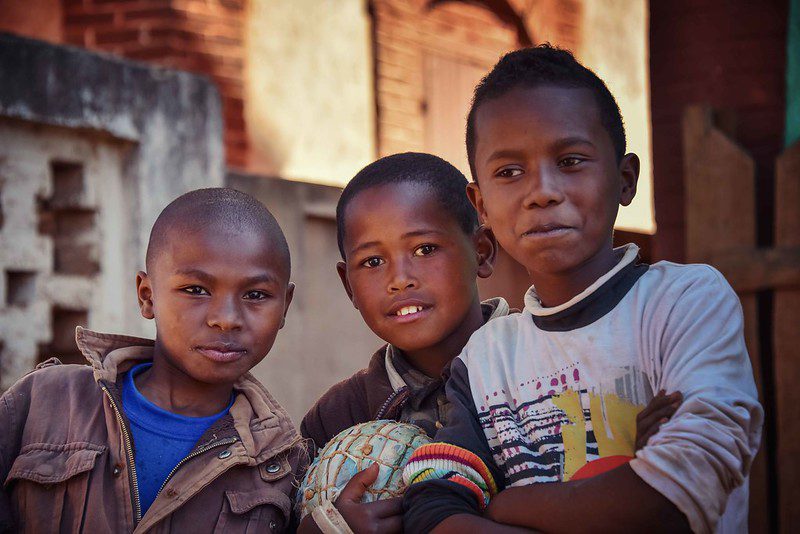
 Across Africa, where poverty, unemployment, and inequality often impact he potential of young people, football appears to be redrawing the lines. Such is the case in the heart of Kibera, Nairobi’s vast informal settlement, where a group of young women trains relentlessly at Kibera Soccer Women FC, the first team from an informal settlement to reach Kenya’s Premier League. Football academies in Africa are changing lives.
Football as a Health and Education Gateway
Kibera Soccer FC links training to community wellness: players serve as peer educators on sexual and reproductive health, gender-based violence and education advocacy, working alongside NGOs and schools. The club’s involvement helps destigmatise critical topics and guides peers to vital resources and services rarely available in informal settlements.
In Uganda, Kampala Kids League has engaged more than 16,000 children from 160 schools, minority communities and orphanages since 1998. Through football, basketball and even baseball, it provides structured play and life-skills lessons, delivered by more than 2,000 trained volunteers. Embedding sport in everyday life has helped keep kids in school and connected to community support.
Tackling Sexual Health and Gender Norms
In Malawi, the Health Goals Malawi project, run by the Liverpool School of Tropical Medicine in partnership with the LFC Foundation, used football to engage adolescent boys and young men aged 14–24 in HIV self-testing initiatives. During its first year, the programme distributed more than 3,300 self-test kits, resulting in a jump in self-reported testing rates from 53% to 83%. This sharp increase not only improved testing coverage but also helped normalise discussion around HIV, reducing stigma associated with knowing one’s status.
Meanwhile, in South Africa, WhizzKids United, a school-based 12-week football curriculum focused on HIV prevention, demonstrated significant behavioural impact. Evaluation studies found that participants showed greater HIV-related knowledge and reduced stigma compared to peers receiving only classroom education. The program also addressed gender norms: schools reported noticeable increases in respect and understanding between male and female students following sessions.
These approaches are proving that football pitches, traditionally reserved for footwork, can be influential platforms for action. By integrating self-testing access, role-model-led education and open conversations, such football-based health programmes are delivering measurable strides in HIV awareness, testing and gender-equitable attitudes across the region.
Sport-Based Employment and Soft Skills
Beyond health, football programmes are nurturing employability and entrepreneurship in youth facing unemployment. The Laureus Sport for Good SESLA fund has invested more than €150,000 per site into sport-driven youth employability projects. In Mozambique, a capoeira and football hybrid programme trains young people in leadership, peer mentoring and conflict resolution. These are all skills that local employers value.
Coaches Across Continents, active in 113 countries, including many African nations, reports that its training equips coaches to teach life skills alongside football. Its 2021 annual report highlights core programmes in “Choice for Women” and entrepreneurship, bridging sport with digital literacy and gender empowerment.
In Cameroon, the youth-focused JumpStart Academy Africa has expanded its leadership curriculum to include sport-derived modules, training more than 20,000 students in entrepreneurial leadership through teamwork, communication and problem-solving skills directly applicable to self-employment and small business ventures.
Building Peace and Community Cohesion
In Sierra Leone and Liberia, two countries still recovering from civil war, local football tournaments have united young people across ethnic divides, promoting peace and dialogue. Schools introduce “Fun Football” curricula in Nigeria that bring together displaced children and local youth, promoting inclusion, life skills and psychosocial healing. These initiatives go far beyond skills on the ball; they create peer networks, shared goals and community trust.
Anchoring Sport in Community Ecosystems
Football isn’t isolated; it’s embedded in community ecosystems. Charts show that in Kibera, players mentor younger peers as part of CFK Africa’s programs, developing continuity and local leadership.
In Kampala, organisations like Kids Club Kampala have doubled youth participation in football and mentoring sessions—reaching more than 64 regularly attending participants—with trained coaches providing emotional support, discipline and real-world advice to steer young boys away from crime and substance abuse.
Meanwhile, Coaches Across Continents has trained more than 74,000 coaches across 133 countries—including Uganda—to use sport as a platform for community leadership, gender equity and educational outcomes.
Football Academies in Africa
Football is one of Africa’s most accessible sports; ongoing trends suggest that it is one of its most effective tools for development. Whether by promoting health, education, peace or employment, football academies in Africa are helping youth unlock potential and build brighter futures. As these grassroots initiatives continue to grow, they offer a model of how sport could drive real, measurable change in the fight against poverty.
– James Harwood
James is based in England, UK and focuses on Good News and Global Health for The Borgen Project.
Photo: Flickr

Housing First: The Program Combatting Homelessness in France
However, with an ongoing lack of affordable housing, homelessness has become an increasingly real threat for many living in France. Those living in poverty often have nowhere to seek refuge and are forced into a life on the streets. In fact, the number of homeless households in France doubled from 141,500 in 2010 to 333,000 in 2023, illustrating France’s recent struggles to combat the rise of homelessness and poverty as a whole. In response to this ongoing crisis, France has adopted the Housing First model to create more affordable, permanent housing options, aiming to reduce the homeless population throughout the country.
The Housing First Model
The Housing First model is an approach that provides permanent supportive housing (PSH) for those struggling with homelessness. This model is based on the belief that housing stability is a critical foundation of life. With basic housing needs covered, beneficiaries are less likely to slip back into homelessness as they can better work towards a high quality of life while pursuing personal and professional goals without struggling for the bare necessities.
This focus on permanent supportive housing is known to be effective, as Housing First PSH programs have a 98% one-year housing retention rate. Crucially, this means that Housing First is not just a temporary solution to a larger issue, but a successful long-term solution.
Housing First differs from other models as it is non-discriminatory and highly flexible. While many approaches require beneficiaries to address all of their health problems and go through a long series of programs before receiving housing, Housing First has no prerequisites, making it a widely applicable solution to homelessness.
In France, as 440,000 homeless people moved into housing between 2018 and 2022, it is clear that the model has been highly effective since its implementation in 2017, according to the Homeless World Cup. Additionally, since 2017, France has opened more than 7,200 new boarding houses in 44 communities as it implements Housing First, providing reliable housing to those struggling with homelessness.
Five-Year Plan
In 2023, France published a five-year plan with Housing First to maintain and build on their success with the model since 2017, according to the 2023 government document. To continue combating the homelessness crisis, the plan focuses on three key pillars:
These pillars illustrate how France plans to reinforce an already successful program, allowing the model to expand and provide the maximum amount of aid possible to the homeless population sustainably for years to come.
The Future
While poverty and homelessness remain at the forefront of political and social thought in France, the adoption of the Housing First model is a clear sign of the French government’s commitment to improving its response to the ongoing housing crisis while improving the lives of those experiencing poverty by offering accessible and permanent housing. Although the homeless crisis is far from solved, Housing First is a sustainable, long-term solution improving the lives of those in poverty throughout 44 communities in France.
– Jack Schuchard
Photo: Wikimedia Commons
How Football Academies in Africa Are Changing Lives
Football as a Health and Education Gateway
Kibera Soccer FC links training to community wellness: players serve as peer educators on sexual and reproductive health, gender-based violence and education advocacy, working alongside NGOs and schools. The club’s involvement helps destigmatise critical topics and guides peers to vital resources and services rarely available in informal settlements.
In Uganda, Kampala Kids League has engaged more than 16,000 children from 160 schools, minority communities and orphanages since 1998. Through football, basketball and even baseball, it provides structured play and life-skills lessons, delivered by more than 2,000 trained volunteers. Embedding sport in everyday life has helped keep kids in school and connected to community support.
Tackling Sexual Health and Gender Norms
In Malawi, the Health Goals Malawi project, run by the Liverpool School of Tropical Medicine in partnership with the LFC Foundation, used football to engage adolescent boys and young men aged 14–24 in HIV self-testing initiatives. During its first year, the programme distributed more than 3,300 self-test kits, resulting in a jump in self-reported testing rates from 53% to 83%. This sharp increase not only improved testing coverage but also helped normalise discussion around HIV, reducing stigma associated with knowing one’s status.
Meanwhile, in South Africa, WhizzKids United, a school-based 12-week football curriculum focused on HIV prevention, demonstrated significant behavioural impact. Evaluation studies found that participants showed greater HIV-related knowledge and reduced stigma compared to peers receiving only classroom education. The program also addressed gender norms: schools reported noticeable increases in respect and understanding between male and female students following sessions.
These approaches are proving that football pitches, traditionally reserved for footwork, can be influential platforms for action. By integrating self-testing access, role-model-led education and open conversations, such football-based health programmes are delivering measurable strides in HIV awareness, testing and gender-equitable attitudes across the region.
Sport-Based Employment and Soft Skills
Beyond health, football programmes are nurturing employability and entrepreneurship in youth facing unemployment. The Laureus Sport for Good SESLA fund has invested more than €150,000 per site into sport-driven youth employability projects. In Mozambique, a capoeira and football hybrid programme trains young people in leadership, peer mentoring and conflict resolution. These are all skills that local employers value.
Coaches Across Continents, active in 113 countries, including many African nations, reports that its training equips coaches to teach life skills alongside football. Its 2021 annual report highlights core programmes in “Choice for Women” and entrepreneurship, bridging sport with digital literacy and gender empowerment.
In Cameroon, the youth-focused JumpStart Academy Africa has expanded its leadership curriculum to include sport-derived modules, training more than 20,000 students in entrepreneurial leadership through teamwork, communication and problem-solving skills directly applicable to self-employment and small business ventures.
Building Peace and Community Cohesion
In Sierra Leone and Liberia, two countries still recovering from civil war, local football tournaments have united young people across ethnic divides, promoting peace and dialogue. Schools introduce “Fun Football” curricula in Nigeria that bring together displaced children and local youth, promoting inclusion, life skills and psychosocial healing. These initiatives go far beyond skills on the ball; they create peer networks, shared goals and community trust.
Anchoring Sport in Community Ecosystems
Football isn’t isolated; it’s embedded in community ecosystems. Charts show that in Kibera, players mentor younger peers as part of CFK Africa’s programs, developing continuity and local leadership.
In Kampala, organisations like Kids Club Kampala have doubled youth participation in football and mentoring sessions—reaching more than 64 regularly attending participants—with trained coaches providing emotional support, discipline and real-world advice to steer young boys away from crime and substance abuse.
Meanwhile, Coaches Across Continents has trained more than 74,000 coaches across 133 countries—including Uganda—to use sport as a platform for community leadership, gender equity and educational outcomes.
Football Academies in Africa
Football is one of Africa’s most accessible sports; ongoing trends suggest that it is one of its most effective tools for development. Whether by promoting health, education, peace or employment, football academies in Africa are helping youth unlock potential and build brighter futures. As these grassroots initiatives continue to grow, they offer a model of how sport could drive real, measurable change in the fight against poverty.
– James Harwood
Photo: Flickr
Elderly Poverty in South Africa: Progress and Challenges
Multi-generational households are common in South Africa. South Africa’s population continues to age as the country progresses through the demographic transition. Living among close family members helps the elderly substantially, as roughly one quarter of South Africa’s elderly live on less than $100 a month. White South Africans accumulated inter-generational wealth and secured retirement benefits, while the apartheid regime denied the same opportunities to Black South Africans and those of Indian descent, according to Human Rights Watch.
Pensions and Politics
Remedying the problem began before the formal end of Apartheid. Under the leadership of F.W. de Klerk, pension amounts for black South Africans increased while white pension amounts reduced. This continued until 1994 when all groups formally equalized. Although Apartheid was formally abolished, the majority of Black South Africans lacked any form of private pension or financial safety in their old age.
After the peaceful transition of power, the new democratic government led by the African National Congress began constructing and expanding the Old Age Grant, which was to become the bedrock of South Africa’s Social Security. New amendments in 2008 equalized access by setting the age for both men and women at 60 to be able to file a claim. Adjusted for inflation, South Africa’s social grant expenditure has quadrupled since 1994. As of 2025, social assistance is a cornerstone of the welfare system, accounting for roughly 11% of the national budget.
Dynamics of Aging
Despite these efforts, elderly poverty remains a difficult policy area to tackle as the country’s leaders have to address the current needs as well as plan for future aging. Complicating the problem are the normal occurrences of health issues as a result of aging. Aging increases the risk for chronic diseases (hypertension, diabetes, arthritis), disabilities and frailty.
In South Africa, the health system is struggling to meet geriatric care needs. Primary care clinics are free and generally available, but they are often crowded and not elderly-friendly. The state offers a Grant-in-Aid, which equates to an extra R500 per month for pensioners who require full-time care, but this amount is grossly insufficient (R500 is less than the minimum wage for just one day of a caregiver’s labor).
Gaps in Elderly Support Services
In 2025, roughly 20 years after South Africa’s Older Persons Act became effective, the state is still struggling with filling its deficits. According to a recent University of Cape Town study, the Department of Social Development (DSD) allocates only about 2% of its older persons budget to services other than the pension.
Further complications emerge due to the program’s structure. Similar to programs like Medicare in the United States (U.S.), funding for these elderly programs is dependent on the state of residence. This structure, coupled with an inefficient inter-agency entanglement that potentially jeopardizes quality of life and health care, is often the dilemma many elderly South Africans face.
Filling the Deficits
In the current system, where government, private pensions and safety nets vastly underperform, nonprofit organizations are often the deciding factor between life and death. Fortunately, South Africa reportedly has a vibrant civil society sector that specializes in aging, stemming from church groups and charities that historically ran old age homes or feeding schemes for those excluded by Apartheid.
Among the notable systems is the Age-in-Action (the South African Council for the Aged). Founded in 1956, it is essentially a federation of organizations for older persons. These member organizations range from big provincial NGOs (like TAFTA in KwaZulu-Natal or BADISA in Western Cape) to small local elder clubs and religious charities. Together, they provide vital services to the elderly, often with minimal resources. According to its mission, it represents more than 2.7 million older people nationwide and has at least 800 member NGOs under its umbrella.
International aid has also been crucial. The United Nations Population Fund (UNFPA) and World Health Organization (WHO) are helping the government develop a National Strategy on Healthy Ageing, aligning with the United Nations (U.N.) Decade of Healthy Ageing (2021–2030). This strategy aims to incorporate older persons’ needs into public health planning.
At the grassroots, many communities have self-help groups for seniors. Stokvels (rotating savings clubs) among elderly women are common; they pool bits of their pension to save for emergencies or to start small vegetable gardens together. Churches also play a vital role as they often organize visits to sick elders, help with chores or run soup kitchens for the elderly. Traditional leadership structures in some rural areas also provide support. For example, chiefs might allocate a piece of communal land for an old age vegetable garden or community caregivers.
Future of Elderly Poverty in South Africa
Addressing elderly poverty in South Africa remains a collaborative process that continues to evolve, with ongoing efforts to expand support to meet current and future needs.
– Maxwell Marcello
Photo: Flickr
How the Youth Uplifts Communities from Violence in Colombia
History of Violence in Colombia
Colombia has a history of organized crime and violence. Most notorious were Colombia’s Cali Cartel and rival Medellín Cartel, led by Pablo Escobar. In the 1980s and 90s, each generated billions of dollars from trafficking Cocaine and ruled their territories ruthlessly. Escobar even waged a personal war against the Colombian government for a period.
These gangs in Colombia often targeted the youth for recruitment. Children tend to be more impressionable, vulnerable to violence or threats of violence. They can be targeted if they lack education or live in poverty, as they have fewer other opportunities.
These historic patterns appear to have re-emerged with the shooting of Turbay. The youth who shot him had reportedly been paid to do so, indicating there were additional factors at play. His young age and likelihood of facing far less harsh criminal penalties might have played a role in why he was targeted.
Employment Reducing Violence in Colombia
Despite violence remaining prevalent across Colombia, it has reduced significantly since the 1980s and 1990s. With some support, the youth have begun to find better opportunities and take their country a step in the right direction.
Access to employment has helped the youth improve their lives and lift themselves out of poverty. Research shows that unemployment and less access to income can result in increased rates of violence, so reducing these issues spells hope.
William Alarcon, former operational manager at AES, explains how two young women coming from typically more dangerous areas of Colombia gained employment at his company. “One of the ideas in the company where I work was to give the chance to some people coming from those areas, it’s a good idea… they were very good [at] labor. They also had the intention to study more, to learn more,” he says. As a result, they were able to benefit their communities and, in particular, their families and their children, so they wouldn’t have to go through the same struggle as they did.
Alarcon also recalled how gaining employment at 25 not only benefited him, but also gave him the chance to give back. “I could improve lives, I worked making aqueducts for people in rural areas… I was very happy to see the face of those people, the happiness of the people [when they received water to their house],” he says.
Education Reducing Violence in Colombia
Education also directly relates to poverty and, by extension, violence in Colombia. Research shows that more education is correlated with more and better career opportunities. Professional experience can be difficult to get at a young age with limited available positions, but education can offer valuable skills and knowledge, making young people more employable.
“The advice to young people is to study, at least to go to make a technical career and if they can, go to a university because,” says Alarcon. “I compare people who study, at the end, can get better lives, better things, they can travel, they can educate their children in a better way.”
He also recommends that the Colombian government promote and provide access to education, particularly in areas of violence, to give the youth more opportunities. A process that the Colombian government has begun to consider with recent initiatives.
Looking Ahead
Despite the history of violence in Colombia and some ongoing issues, the country has a hopeful future because of the hard work of its youngest and the support from those around them. Violence is still an issue, but some trends show signs of promise. Through employment, education and general self-improvement, the country’s youth can potentially reshape their future.
– Jesse Correll
Photo: Flickr
Poverty Reduction and Renewable Energy in Tajikistan
Tajikistan’s Energy Sector
The country’s energy sector is under considerable strain, especially during the winter months when energy demand peaks. Although statistics show that rural populations technically have near-universal electricity access, putting it to 100% access, around 1 million people still endure frequent blackouts and voltage fluctuations. These inconsistent supplies force many families to rely on coal and firewood for heating and cooking, which not only increases their daily burden but also exposes them to significant health risks due to indoor air pollution. These conditions also hinder productivity, restrict educational opportunities and strain public services such as health clinics and schools. Without reliable electricity, development, renewable energy and poverty reduction remain stunted in many parts of the country.
International Initiatives
In response to these challenges, a number of national and international initiatives have begun to promote the use of renewable energy in Tajikistan. To reduce wastage via energy loss, the European Union (EU), for example, has funded through a €20 million investment grant a strategy to modernise Tajikistan’s electricity grid, which will help update the grid to prepare for future renewable energy investments and lead to a much cleaner, renewable Tajikistan. Projects such as this allow rural areas to gain more access to the grid and consistent electricity, allowing critical institutions like schools and medical centers to operate without interruption.
The United Nations Development Programme (UNDP) has supported community-led hydropower projects in areas such as the Rasht Valley, empowering local authorities to manage and distribute energy resources more effectively. By focusing on local people, especially the youth, it enables the project to be fully accepted and utilised by the locals, allowing them the skills to fix any issues, but also find good, high-quality employment that leads to further success in renewable energy and poverty reduction.
Positive Outcomes and Ongoing Challenges
These renewable energy initiatives carry far-reaching socioeconomic benefits. Access to reliable electricity enables small businesses, such as tailoring, carpentry and food processing in order to operate more efficiently and extend their hours, thereby boosting household incomes. Electrified schools can incorporate digital tools and access online educational resources, while clinics can refrigerate vaccines and power medical equipment, greatly improving the quality of health care. In addition, shifting away from traditional fuels such as coal and firewood reduces indoor air pollution, which is a leading contributor to respiratory illnesses, especially among women and children.
Despite the positive outcomes, several barriers continue to hinder the large-scale adoption of renewable energy in Tajikistan. High upfront costs and limited access to domestic financing make it difficult to scale solar and micro-hydro projects. Climate change poses an additional threat, as unpredictable water flows from glacial melt and droughts may jeopardize the long-term viability of hydropower. Furthermore, cumbersome regulatory processes could discourage private investment and slow the implementation of new technologies.
Potential Solutions
To address these issues and realize its clean energy potential, Tajikistan may need to prioritize a combination of financial innovation and policy reform. Encouraging public-private partnerships could unlock new funding streams for decentralized renewable systems, especially in underserved rural areas. Expanding regional energy trade may allow the country to monetize its surplus hydropower during peak production periods. Investing in energy storage technologies, such as batteries and pumped hydro storage, could also help manage seasonal variations in supply and increase grid reliability.
Looking Forward
In conclusion, Tajikistan’s abundant renewable energy resources present an opportunity for renewable energy and poverty reduction and support sustainable development. By improving energy access, especially in rural areas, the country can potentially enhance public services, grow local economies and promote environmental health. With continued international collaboration and a strong domestic policy framework, there’s hope that Tajikistan can transform its energy sector into a cornerstone of resilience, prosperity and social equity.
– Max Jenkins
Photo: Flickr
USAID Programs in Belarus: Civil Society and Economic Resilience
Supporting Civil Society Under Pressure
Belarus is one of the least hospitable places for independent organizations in Eastern Europe. Independent groups are under legal pressure, state surveillance and have little ability to raise funds. Despite the obstacles, USAID works with international organizations and nongovernmental organizations (NGOs) based in neighboring Lithuania and Poland to engage Belarusian activists, educators and community leaders.
Through these partnerships, USAID facilitates online legal livelihood education, digital safety training and capacity-building workshops for NGOs and independent media. Other programs concentrate on training Belarusian organizations to function safely, navigate legal risks or move their operation and work in exile. Other organizations offer training for journalists and youth leaders who focus on local development projects or social advocacy campaigns. These programs might be small in scale, but they are helping to maintain a store of civic knowledge that is under abundant pressure in the country, where independent institutions find themselves under increasing threat.
HIV/AIDS Prevention and Access
In the health field, USAID has long concentrated on the prevention and care for those with HIV/AIDS. Belarus continues to be included among countries in regional health programs prepared by international organizations, such as UNAIDS and the World Health Organization (WHO). USAID supports these efforts by underwriting outreach, training of health workers and community-based testing and education.
These projects are at the forefront of spreading the best global practices of care and nondiscriminatory treatment to Belarusian clinics and health care workers. This is especially vital in rural and underserved areas where stigma, ignorance and funding challenges impede efforts to combat the disease. While health programming does have to operate within state-approved spaces, it is one of the few spaces where international cooperation actually remains possible.
Basic Economic and Digital Skills Training
Belarus has faced increasing economic pressure in recent years, with rising unemployment, low wages and brain drain among young professionals. USAID-funded training programs, delivered online or through regional hubs, help fill this gap by teaching financial literacy, digital skills and basic entrepreneurship.
Participants — often young adults or individuals from marginalized communities — gain practical tools to start small businesses, improve budgeting or enter new job markets. Some programs focus on the IT sector, while others support craft-based entrepreneurship, agriculture or logistics. While the reach of these programs is modest, they offer opportunities to build resilience and reduce economic dependency on unstable state systems.
USAID Programs in Belarus
Although Belarus is not a major recipient of U.S. foreign assistance, USAID’s indirect engagement continues to provide vital support where it is most impactful. These programs don’t aim to change political systems — they aim to improve access to knowledge, health and opportunity for everyday people navigating life in a restrictive environment.
For the U.S., maintaining these connections is a strategic one. Supporting civil society, health care and economic education — even at a small scale — helps create long-term conditions for stability, dignity and local leadership.
– Polina Makarova
Photo: Flickr
Operation Phakisa Improves Socio-economic Conditions
Investing in Underserved Communities
With the end of apartheid in the late 20th century and the ushering in of democracy, the South African government implemented new legislation and programs geared toward improving the lives and well-being of all citizens. The Neighbourhood Development Partnership Grant (NDPG) was one of these early programs. This grant led to the identification of South African townships as a priority for social and economic redevelopment.
Since 2006, this program has implemented targeted efforts and initiatives to increase the development of local areas. In 2011, the Urban Networks Strategy emerged to leverage various profitable outcomes. These included:
As a result of these grants and programs, the South African government has seen significant change in one of its townships, Bara Square, Soweto. Through the NDPG, Bara Square received R36 million for “infrastructure, a new public park and trading facilities for street vendors.” Through this public investment, commuters have access to a safer public environment geared toward developing around people and community needs.
Launching Operation Phakisa
In 2014, President Jacob Zuma, the former president of the RSA, implemented Operation Phakisa. This initiative established new programs designed to address critical development issues, cultivating an inclusive society for all South Africans. Operation Phaksia’s subdivisions include:
As a result of these objectives, South African communities have seen notable improvements in education. As of September 2016, the program had connected 2,430 schools out of a set target of 3,250, providing them with devices and online access.
Expanding Access to Digital Education
With the exception of one province, all district officials and thousands of teachers received training and integration support. In terms of educational content and resources, 120 digital titles have been produced for students of all ages across disciplines. Programs like the NDPG and Operation Phakisa illustrate how legislative efforts in environmental infrastructure and education can have significant impacts on the everyday lives and well-being of citizens. These initiatives offer a model for how targeted public investments could break the cycle of poverty and foster more equitable growth.
– McKenzie Rentie
Photo: Pixabay
The Road to Eradicating Poverty Beyond Growth
About the UN Special Rapporteur
U.N. Special Rapporteurs (or Special Procedures) are unpaid independent human rights specialists accountable to the United Nations Human Rights Council (UNHRC). Additionally, their role involves producing thematic and country-specific reports, visiting countries in an official capacity, communicating human rights violation appeals and presenting findings to the UNHRC and the assembly.
Themes of Special Rapporteurs include the rights to health, education, food, water and sanitation, while others address themes such as extreme poverty and human rights and cruel treatment. Indeed, candidates go through a multi-stage competitive process in which they are evaluated based on objectivity and expertise, among other qualifications. As of 2024, there are 46 thematic and 14 country mandates.
A Roadmap for Eradicating Poverty Beyond Growth
Building on the 2024 report “Eradicating poverty beyond growth,” the Special Rapporteur on Extreme Poverty and Human Rights has initiated an 18-month project to develop a roadmap addressing the problems with existing aid mechanisms. It calls for policy advising submissions in five key policy areas: access to social protection and services; labour policies and the care economy; economic systems transformation; climate, environment and resources; and trade, finance, debt and global solidarity.
The original report challenges GDP growth-based methods of battling poverty by presenting the concept of a Human Rights economy. Prioritizing human rights, this economic format suggests financing social protection programs rather than economic growth. The ongoing project has involved calls for policy input from governments, academia, and multinational organizations, among other involved actors.
Policy Submissions
The Basic Income Earth Network (BIEN), Tax Justice Network (TJN) and the Global Coalition for Protection Floors (GCSPF) are examples of organizations that have publicized their submissions for policy recommendations to the Roadmap for Eradicating Poverty Beyond Growth. They each outline five ideas for policy improvement, overlapping on issues such as financial transparency along with the importance of social program investment.
BIEN’s submission stands on the idea that extreme poverty is manmade and must be eradicated. ITs overall recommendation highlights the benefit of a basic, unconditional universal income distributed individually. Under the umbrella of a basic income, BIEN’s five policy areas of improvement include access to social protection and services, and economic systems transformation.
Access to social protection and services would increase social security by creating economic stability. Meanwhile, transforming economic systems via basic income would allow individuals and households to participate in the market economy and investment, as the financial requirements to acquire basic needs would be met.
TJN and GCSPF
The TJN suggest that a fair, transparent tax policy has the potential to enable governments to reduce inequality by funding essential services. Furthermore, its 5 areas of interest contribute to achieving a human rights-based, effective taxation system. These include “Revenue to Fund Public Services” and “Redistribution to Reverse Inequalities.” The first outlines how a transparent tax system would avoid losing tax revenue to external financial centres, increasing tax revenue without needing to increase GDP.
The second advocates for income tax distribution in a way in which the wealthy cannot take advantage of tax benefits while lower-income households lack access to public services. Their submission also identifies a positive correlation between a state’s reliance on tax revenue and the strength of its democracy.
The GCSPF submission “Achieving Global Social Justice” advocates for change in the organization of poverty-related policies. Their five policy recommendations include “Eradicating Poverty With People Living in Poverty” and “Ratification of Existing and Adoption of New International Instruments.” The first addresses the need for a policy that takes into account the multidimensionality of poverty and works with individuals living in such conditions. It calls for deliberate participation and increased dialogue between relevant actors, including governments and academia.
The second identifies the need for heightened monitoring by U.N. agencies to ensure that member states are adhering to legally binding treaties and protocols. Overall, recommendations aim to provide financing and mobilization of universal social protections.
Eradicating Poverty: Beyond Submissions
The Roadmap for Eradicating Poverty Beyond Growth is now closed to submissions, with all being eventually published in a Beyond Growth Roadmap online repository. Before implementation, a collaborative effort between the Rapporteur, consultants and contributors will involve workshops and events to ensure policies are practical and founded in lived experience. The U.N. will present the initial version of the report at the Second World Summit for Social Development in early November 2025, with its final draft presented to the U.N. Human Rights Council in summer 2026.
– Emily Galán
Photo: Flickr
Hakainde Hichilema’s Push for Digital Inclusion in Zambia
What is Digital Inclusion?
Digital inclusion encompasses more than just internet access. It integrates digital literacy training to navigate the internet, high-quality tech support and access to applications that maximize the utility of internet access. Digital inclusion also incorporates measures that combat poverty. For example, easier access to job opportunities that someone without internet access might not discover. President Hichilema has diligently worked to tackle poverty in Zambia by enhancing digital connectivity through a variety of measures.
Hakainde Hichilema and Key Government Initiatives
Hakainde Hichilema has been the leader of Zambia’s United Party for National Development since 2006. He grew up in a rural community in the Monze District of Zambia, a region that he is now helping gain widespread access to reliable internet. His presidency is committed to pioneering how Zambia’s government can fight poverty by improving digital connectivity.
While running for president, he focused on education, jobs and digital inclusion in Zambia. His plan to improve digital inclusion in Zambia includes tax incentives, improvements to digital infrastructure, partnerships with companies for access to satellites, foreign partnerships with wealthier nations and building a free wi-fi network that all Zambians, including the poor, can take advantage of.
The details of these initiatives are as follows:
Ending Poverty with the Use of Digital Tools
Improvements to internet infrastructure in Zambia carry the potential to fight poverty by improving digital connectivity and empowering more people to utilize the internet. Indeed, doctors in hospitals can leverage the internet to reach patients, extending health care access to those facing unreliable transportation or mobility issues. Teachers can engage students across all levels of education, from pre-K through college. Overall, these examples, among many others, highlight the potential to fight poverty through improved digital inclusion in Zambia.
– Jeff Mathwig
Photo: Flickr
Millie Bobby Brown Champions Girls’ Rights and Education in Brazil
From Screen Star to Global Advocate
Brown rose to international fame as the lead in Netflix’s “Stranger Things,” but off-screen, she has become an influential voice. According to UNICEF, she became UNICEF’s youngest-ever Goodwill Ambassador at age 14 in 2018. As a UNICEF Goodwill Ambassador, Brown has used her global platform to speak out on issues ranging from child poverty and online bullying to girls’ education and mental health.
According to UNICEF, Brown visited the Cidade Tiradentes district in March 2025 to listen to problems associated with girls’ rights and education in Brazil. Some of these include girls’ experiences with gender-based violence, school dropout, period poverty and limited access to job opportunities.
“We talked about the importance of supporting each other through our respective challenges and I wanted them to feel empowered to make decisions about their future,” Bobby said in an interview with UNICEF.
Her experiences with public scrutiny and online harassment have helped shape a more empathetic approach to her advocacy. According to UNICEF, Brown has previously spoken out about her bullying experiences in school.
Issues Facing Girls’ Rights and Education in Brazil
According to UNICEF, there are limitations when it comes to adolescent girls’ rights and education in Brazil. Period poverty, which is a lack of access to feminine supplies and information about menstrual cycles, decreases school participation and affects more than 10 million girls in Brazil.
Violence continues to be a major concern in Brazil, with a report of sexual violence occurring every eight minutes against a girl in 2028. Additionally, in 2020, 14% of all births in the country were to adolescent mothers. This frequently results in disruptions to their education and long-term economic challenges, per UNICEF reports.
Between January and September of 2024, approximately 3,060 girls lost their lives to violence in Brazil, according to Human Rights Watch (HRW). Only about one-third of these cases were officially classified by police as femicides. Brazilian law defines femicides as “killings on account of being persons of the female sex.”
Human Rights Watch reports that some groups have exploited the digital rights of girls. Between November 2023 and April 2024, more than 80 girls reported seeing their manipulated photos on social media. These photos were “sexually explicit deepfakes of them.”
Brown’s On-the-Ground Engagement
Brown visited a school, painted a mural with students and also played capoeira, a traditional Brazilian game, during a physical education class. Brown also met with staff to learn about UNICEF’s Active School Search project. This project can assist in locating children who are not attending school. It can also provide them with the proper resources and guidance needed to help re-enroll them to continue their education.
Among the girls Brown spoke to was 14-year-old Kizzy. Kizzy told UNICEF that school is very important for anyone living in a marginalized area. “Having the school as a source of support for students is essential and always putting the students first is very important,” Kizzy told UNICEF.
According to Microsoft Network (MSN), Brown also engaged in meaningful discussions with the teacher to stress the need for supporting children living in vulnerable conditions. She focused on encouraging a cooperative effort to tackle both educational and social issues affecting the Brazilian community.
Recognizing the perspective of the students, she reassured them that their desire for knowledge about their bodies deserves immediate attention. “We are the change that the school needs and the community needs,” Brown said.
UNICEF Brazil Representative Youssouf Abdel-Jelil described Brown as an “inspiration to girls in Brazil and around the world.” Brown’s work left a lasting impact on those she encountered, according to MSN, strengthening UNICEF’s commitment to advancing children’s rights and instilling a sense of hope and resilience in the next generation.
– Clarissa Dean
Photo: Flickr