Operation Phakisa Improves Socio-economic Conditions
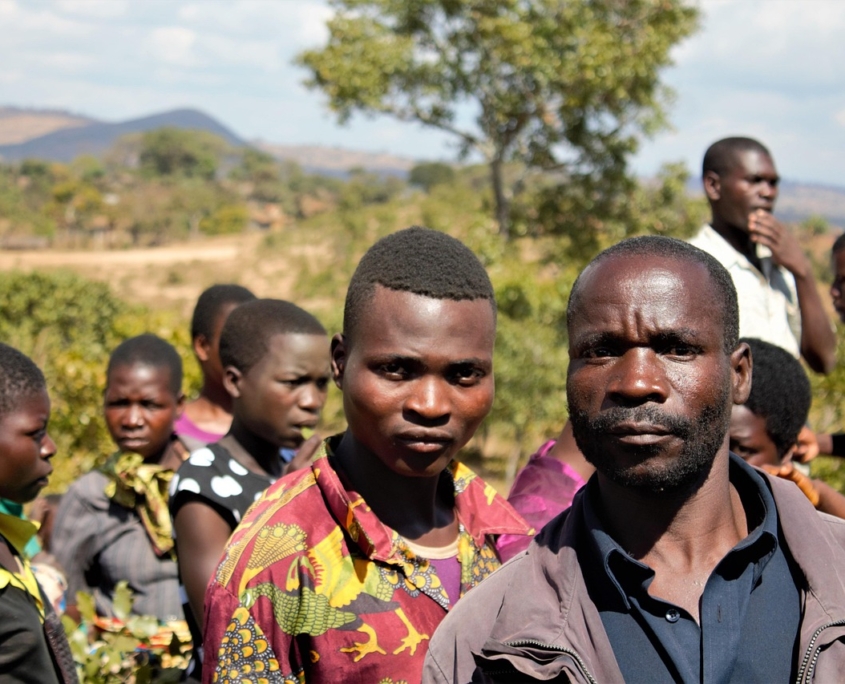 Located at the southernmost tip of Africa, the Republic of South Africa (RSA) is home to more than 64 million people. With a population of this size, it ranks 24th most populous country globally, according to Worldometer. The World Bank reports that the RSA also ranks among the world’s highest rates of inequality, with 63% of South Africans living in poverty based on the “upper-middle-income country poverty line.”
Investing in Underserved Communities
With the end of apartheid in the late 20th century and the ushering in of democracy, the South African government implemented new legislation and programs geared toward improving the lives and well-being of all citizens. The Neighbourhood Development Partnership Grant (NDPG) was one of these early programs. This grant led to the identification of South African townships as a priority for social and economic redevelopment.
Since 2006, this program has implemented targeted efforts and initiatives to increase the development of local areas. In 2011, the Urban Networks Strategy emerged to leverage various profitable outcomes. These included:
- Tackling unjust spatial development
- Strengthening strategic spatial planning
- Coordinate uses of planning, regulatory and investment tools
- Integrate and leverage public transport, infrastructure and land and housing investments
- Target more public resources
As a result of these grants and programs, the South African government has seen significant change in one of its townships, Bara Square, Soweto. Through the NDPG, Bara Square received R36 million for “infrastructure, a new public park and trading facilities for street vendors.” Through this public investment, commuters have access to a safer public environment geared toward developing around people and community needs.
Launching Operation Phakisa
In 2014, President Jacob Zuma, the former president of the RSA, implemented Operation Phakisa. This initiative established new programs designed to address critical development issues, cultivating an inclusive society for all South Africans. Operation Phaksia’s subdivisions include:
- Focus on addressing current priorities
- Use a phased implementation approach
- Prioritize the marginalized
- Integrate, coordinate and continue with current initiatives
- Ensure cost-effectiveness
- Dedicate focused human resources
As a result of these objectives, South African communities have seen notable improvements in education. As of September 2016, the program had connected 2,430 schools out of a set target of 3,250, providing them with devices and online access.
Expanding Access to Digital Education
With the exception of one province, all district officials and thousands of teachers received training and integration support. In terms of educational content and resources, 120 digital titles have been produced for students of all ages across disciplines. Programs like the NDPG and Operation Phakisa illustrate how legislative efforts in environmental infrastructure and education can have significant impacts on the everyday lives and well-being of citizens. These initiatives offer a model for how targeted public investments could break the cycle of poverty and foster more equitable growth.
– McKenzie Rentie
McKenzie is based in Dallas, TX, USA and focuses on Celebs and Politics for The Borgen Project.
Photo: Pixabay
