Namibia’s Resilience: USAID Programs in Namibia
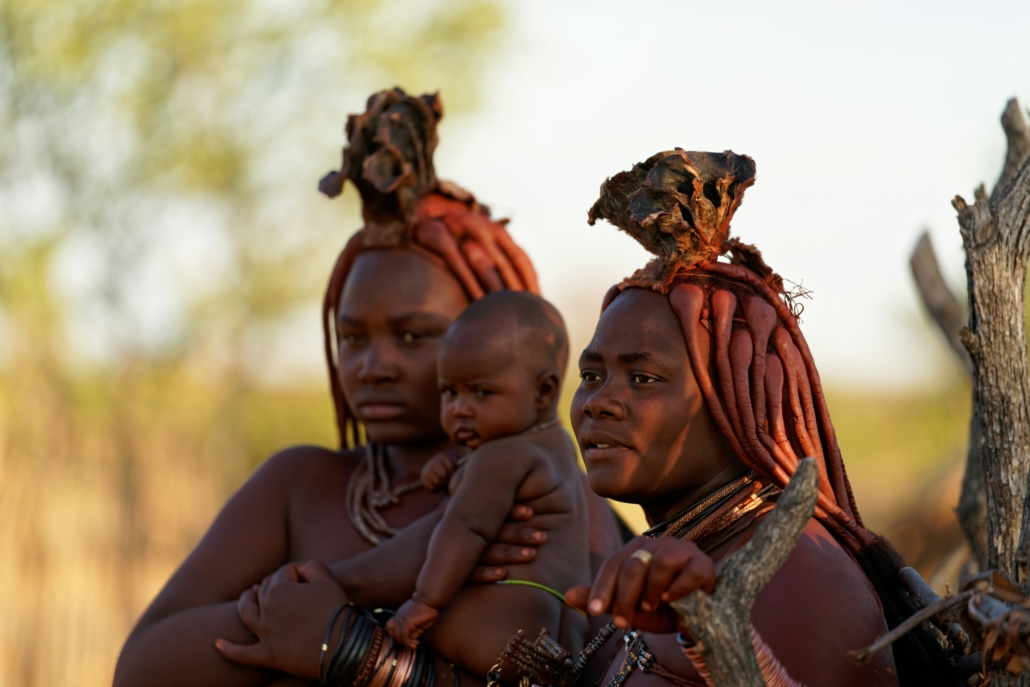 In light of USAID cuts and freezes, Namibia is delivering the Reach Namibia program, Lifeline Namibia and early childhood development initiatives. These three USAID programs in Namibia raise awareness about the importance of protecting and empowering the disadvantaged groups within Namibia’s youth.
About HIV/AIDS in Namibia
HIV/AIDS is particularly prevalent in Southern Africa, with Namibia having a high rate, as there are 210,000 cases, of whom 7,700 are children. Young girls and women, sex workers, men who have sex with men and trans Namibians remain the most vulnerable groups at risk of HIV. Namibia has been at the forefront of controlling the epidemic, especially the massive progress in almost eliminating mother-to-child transmission rates. Through antiretroviral therapy, HIV positive pregnant and breastfeeding mothers, 96% of newborn children were born free of the disease, yet the stigma and infection rates remain a challenge and are being tackled by leading programs which focus on the vulnerable groups in Namibia’s youth.
Reach Namibia
The first of the USAID programs in Namibia is Reach Namibia. Built on the foundations of the Dreams Hope program, Reach Namibia is an extension of the original program which aims to reduce the number of HIV/AIDS infections amongst young girls. It also empowers them with social protection, education, economic skills and reproductive services, in turn dismantling the stigma of adolescent children having HIV.
While overlapping in its goals and initiatives with Dreams Hope, Reach Namibia is gender inclusive for all HIV vulnerable children. By providing extensive health and social services, the program creates short-term and long-term support, including access to medical attention and equipping them with life skills. This increases their chances of accessing education, the job market and health services.
Reach Namibia offers job training courses from plumbing and bricklaying to baking and banking. Not only does this directly increase young people’s future opportunities, but it also tackles the stigma against young victims of HIV. Instead of others defining them by their disease, they become defined as hard-working and qualified young people, who manage the disease. Additionally, the program offers internships and placements to graduates, which are structured around the realistic job market. Therefore, it has an extensive socio-economic reach as well as providing health care. Reach Namibia addresses and tackles different issues within society simultaneously while empowering the most at-risk children and developing a resilient and hard-working generation.
Lifeline/Childline Namibia
Lifeline/Childline Namibia is a child-centered crisis helpline and child wellbeing organization in Namibia. USAID Health Evaluation and Applied Research Development supports the larger national strategy for parents and caregivers. Following the 2019 Violence Against Children and Youth Survey, which demonstrated that young children experienced a form of violence, 40% of Namibian girls and 45% of boys suffered from emotional, physical and sexual abuse in their childhood.
Zelanidia de Waal, a consultant at Childline, reinforces their goal of “empowering caregivers to break cycles of violence in their families and communities.” As such, Childline goes beyond the family structures, encouraging the communities of caregivers gives vulnerable children an outlet and support system outside of their homes. Between 2021 and 2023, Childline achieved a 51% response rate and showed continuous operational progression alongside increased referrals from government entities, reinforcing its collaborative efforts. For parents and caregivers, Childline provides information booklets which address parenting support, communications, gender norms, social media safety and child protection. Service providers distribute these resources and have an equal responsibility to supply caregivers with the necessary information and education. Ultimately, this will create a safer future for Namibia’s youth.
The Integrated Childhood Development Program
The Integrated Childhood Development Program (ICDP) prepares children for their transition from foundational learning to formal education. Namibia faces a significant challenge with many children failing to meet appropriate age learning levels. This is especially difficult for children with physical or educational disabilities or children who come from rural or disadvantaged backgrounds. ICDP specifically targets these vulnerable groups.
With an emphasis on early investment, the program highlights that “children aged 0-8 years are essential and highly effective.” The importance of addressing all stages of early development is highlighted, not just regarding education but by children’s emotional, social and speech development as well. UNICEF conducted the program’s research and worked with parents across Namibia to get direct access and insights, making the program relevant, accurate and trustworthy. From 2016-2022, UNICEF states that at least 50% of children entering Grade 1 went on to attend primary school. ICDP relies on a collaborative effort involving the government and communities, the private sector and parents. The comprehensive approach effectively ensures that early child development and education remain inclusive and empower vulnerable children across the country.
Looking Ahead
All three USAID programs in Namibia target different aspects of a child’s development from their early stages to their entry into higher education and the workforce. With a concentration on the vulnerable groups, Namibia and USAID’s efforts to reduce their exposure to HIV/AIDS, increase their access to education and develop their future prospects has been effective. In particular, the focus on parent-driven research and collaboration, addresses systemic issues. While creating relevant initiatives which are trustworthy, both vulnerable children, parents, caregivers and communities are able to access and act to protect and empower disadvantaged children across Namibia.
– Jule Riemenschneider
Jule is Oxford, UK and focuses on Good News for The Borgen Project.
Photo: Unsplash
