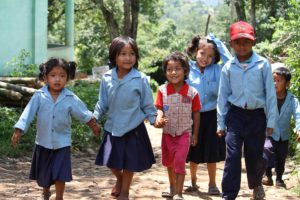
 In Nepal, young people are stepping forward to fight poverty in ways that fundamentally reshape communities. Youth unemployment in Nepal has hovered around 20% since 2022. While the country’s leaders continuously promise to tackle it, opportunities for young people remain scarce. Faced with this reality, the youth in Nepal are no longer waiting for government action and instead are building their own solutions.
Here are three youth organizations demonstrating how youth-led initiatives in Nepal can break poverty cycles and drive lasting change.
YUWA
YUWA, meaning “youth” in Nepali, is a nonprofit organization run by young people aged 16-29. The organization is rewriting poverty alleviation in Nepal by tackling what many nonprofit organizations overlook: young people’s agency, rights and civic power. Founded in 2009, the organization aims to amplify youth participation through empowerment and advocacy.
By increasing civic voice, enhancing leadership skills and shaping policy environments, YUWA seeks to alter the underlying systems that sustain multidimensional poverty. Active citizenship is one of YUWA’s core focuses. The organization believes that if young people are empowered to become more aware of the country’s issues, they are more likely to become active citizens who can influence their communities and thus the country as a whole.
YUWA runs various initiatives such as Prarambha and Pahichan. Prarambha is a two-day workshop targeted toward urban youths aged 18-27. Through activities, discussions and games, this young cohort forms plans and initiates local-level interventions within Kathmandu valley based on need, time and budget. Similarly, Pahichan is a three-day workshop targeted at semi-rural youths to learn necessary soft skills and foster innovative ideas to address social issues based on the region’s needs.
The Pahichan initiative was implemented in three provinces and six cities and reached 126 youths. By combining rights-education, leadership capacity and participatory advocacy, YUWA helps tackle the social and informational deficits contributing to poverty. In doing so, it empowers young people to act as change agents in their own lives and communities.
Hami Nepal
A central actor in the recent protests in Nepal, Hami Nepal is an organization founded in 2015 and registered in 2020. Its main objective is to connect donors with recipients, ensuring that all donations received directly benefit efforts to improve community living conditions. In crises, it provides direct relief: distributing food, winter clothing and medical assistance, helping vulnerable households meet basic needs so that, when hit by shocks, families do not have to choose between hunger, health or education.
This stabilization is key in preventing long-term poverty. Alongside aid delivery, Hami Nepal’s participation in youth mobilization and protest for accountability addresses systemic poverty: poor governance and lack of accountability have allowed inequalities to persist. By pushing for transparent governance, Hami Nepal seeks to change the structural causes of poverty.
In 2023, a magnitude 5.7 earthquake hit Jajarkot District, Karnali Province. In a 127-day project to provide relief to those affected by the earthquake, Hami Nepal helped more than 13,000 families. The organization set up nearly 100 community tents to offer temporary housing and a further 50 tents within schools to ensure a safe learning environment for students and teachers. Additional medical equipment was delivered to Nalgad Primary Hospital and more than 500 jackets were distributed across various schools in affected areas.
Hami Nepal addresses immediate issues but also seeks to implement sustainable long-term solutions. Through proactive engagement, youth advocacy and collaboration, the organization stands alongside communities, fostering resilience and guiding positive change in Nepal.
Yuwalaya
Yuwalaya is an organization that has built a platform for youths, adolescents and child club graduates. It bridges organizations working on children’s and youth rights, providing a safe space to collaborate with young people and help them attain the best opportunities in health and education.
One of Yuwalaya’s current initiatives is Creating Safe Space for Children (CSSC). This project seeks to strengthen school child protection systems to ensure that learning environments are safer and free from violence. It also equips teachers and local government actors with safeguarding and school safety plan development knowledge and tools.
Raising awareness among teachers and family members on issues such as early marriage, bullying and harassment can increase the likelihood of children staying in school. It can also reduce the risk of violence and early pregnancy, which in turn helps prevent the worsening of poverty cycles. So far, this three-year-long project has collaborated with 24 schools.
The formation of Shadow Governments in Karnali and Sudurpaschim Provinces was an additional initiative that allowed young people to engage with policymakers and influence local governance. The organization played a pivotal role in developing and submitting Nepal’s first-ever Youth-Led Universal Periodic Review (UPR) report to the United Nations. This effort ensured that the voices of young people and children are heard in shaping an equal future for all.
Through its initiatives, Yuwalaya tackles poverty by equipping young people to lead change, champion their rights and build pathways toward sustainable development.
Final Remarks
From offering training that builds employable skills to championing policy changes that amplify young voices, Nepal is witnessing youth-led poverty alleviation through nonprofit organizations. Their work demonstrates that investing in tools to help young people succeed improves their futures and uplifts entire communities.
– Elysha Din
Elysha is based in Guildford, Surrey, UK and focuses on Good News and Politics for The Borgen Project.
Photo: Flickr

The Power of Youth in Nepal: 3 Organizations Fighting Poverty
Here are three youth organizations demonstrating how youth-led initiatives in Nepal can break poverty cycles and drive lasting change.
YUWA
YUWA, meaning “youth” in Nepali, is a nonprofit organization run by young people aged 16-29. The organization is rewriting poverty alleviation in Nepal by tackling what many nonprofit organizations overlook: young people’s agency, rights and civic power. Founded in 2009, the organization aims to amplify youth participation through empowerment and advocacy.
By increasing civic voice, enhancing leadership skills and shaping policy environments, YUWA seeks to alter the underlying systems that sustain multidimensional poverty. Active citizenship is one of YUWA’s core focuses. The organization believes that if young people are empowered to become more aware of the country’s issues, they are more likely to become active citizens who can influence their communities and thus the country as a whole.
YUWA runs various initiatives such as Prarambha and Pahichan. Prarambha is a two-day workshop targeted toward urban youths aged 18-27. Through activities, discussions and games, this young cohort forms plans and initiates local-level interventions within Kathmandu valley based on need, time and budget. Similarly, Pahichan is a three-day workshop targeted at semi-rural youths to learn necessary soft skills and foster innovative ideas to address social issues based on the region’s needs.
The Pahichan initiative was implemented in three provinces and six cities and reached 126 youths. By combining rights-education, leadership capacity and participatory advocacy, YUWA helps tackle the social and informational deficits contributing to poverty. In doing so, it empowers young people to act as change agents in their own lives and communities.
Hami Nepal
A central actor in the recent protests in Nepal, Hami Nepal is an organization founded in 2015 and registered in 2020. Its main objective is to connect donors with recipients, ensuring that all donations received directly benefit efforts to improve community living conditions. In crises, it provides direct relief: distributing food, winter clothing and medical assistance, helping vulnerable households meet basic needs so that, when hit by shocks, families do not have to choose between hunger, health or education.
This stabilization is key in preventing long-term poverty. Alongside aid delivery, Hami Nepal’s participation in youth mobilization and protest for accountability addresses systemic poverty: poor governance and lack of accountability have allowed inequalities to persist. By pushing for transparent governance, Hami Nepal seeks to change the structural causes of poverty.
In 2023, a magnitude 5.7 earthquake hit Jajarkot District, Karnali Province. In a 127-day project to provide relief to those affected by the earthquake, Hami Nepal helped more than 13,000 families. The organization set up nearly 100 community tents to offer temporary housing and a further 50 tents within schools to ensure a safe learning environment for students and teachers. Additional medical equipment was delivered to Nalgad Primary Hospital and more than 500 jackets were distributed across various schools in affected areas.
Hami Nepal addresses immediate issues but also seeks to implement sustainable long-term solutions. Through proactive engagement, youth advocacy and collaboration, the organization stands alongside communities, fostering resilience and guiding positive change in Nepal.
Yuwalaya
Yuwalaya is an organization that has built a platform for youths, adolescents and child club graduates. It bridges organizations working on children’s and youth rights, providing a safe space to collaborate with young people and help them attain the best opportunities in health and education.
One of Yuwalaya’s current initiatives is Creating Safe Space for Children (CSSC). This project seeks to strengthen school child protection systems to ensure that learning environments are safer and free from violence. It also equips teachers and local government actors with safeguarding and school safety plan development knowledge and tools.
Raising awareness among teachers and family members on issues such as early marriage, bullying and harassment can increase the likelihood of children staying in school. It can also reduce the risk of violence and early pregnancy, which in turn helps prevent the worsening of poverty cycles. So far, this three-year-long project has collaborated with 24 schools.
The formation of Shadow Governments in Karnali and Sudurpaschim Provinces was an additional initiative that allowed young people to engage with policymakers and influence local governance. The organization played a pivotal role in developing and submitting Nepal’s first-ever Youth-Led Universal Periodic Review (UPR) report to the United Nations. This effort ensured that the voices of young people and children are heard in shaping an equal future for all.
Through its initiatives, Yuwalaya tackles poverty by equipping young people to lead change, champion their rights and build pathways toward sustainable development.
Final Remarks
From offering training that builds employable skills to championing policy changes that amplify young voices, Nepal is witnessing youth-led poverty alleviation through nonprofit organizations. Their work demonstrates that investing in tools to help young people succeed improves their futures and uplifts entire communities.
– Elysha Din
Photo: Flickr
Poverty Reduction in Sri Lanka
Praja Shakthi
Under the leadership of President Anura Kumara Dissanayake, the “Praja Shakthi” initiative was approved by the Cabinet and launched in July 2025. The program was introduced as part of a broader push to streamline and strengthen poverty reduction programs in Sri Lanka. It focuses on empowering communities through a bottom-up, people-centred approach.
Reports suggest that over the last few decades, the number of poverty reduction programs in Sri Lanka and their beneficiaries has skyrocketed, increasing from 1.10 million in 2010 to 1.79 million people in 2024. The aim was to have a “social security program” that vulnerable populations could access easily. Therefore, the government approved the program with the vision of achieving “Pohosath Ratak – Surakshitha Jeewithayak” (A wealthy country with a secure life).
Accordingly, the program is focused on “empowering communities to drive their own development.” This outlook has emphasized the importance of involving the community in identifying and bringing issues that affect them on an individual level to the forefront, rather than having others who don’t have first-hand experience of poverty speak on their behalf. To cement this approach, the Sri Lankan government has set up Community Development Councils that approve the proposals and help implement them.
Health and Education
It has been reported in The Morning report that the program has aimed to go beyond the poverty reduction mandates of the International Monetary Fund (IMF) and lift people out of poverty at both the regional and village levels. Reports indicate that a critical component of the program is the formal inclusion of health and education. Contrary to previous poverty reduction initiatives, Praja Shakthi has identified and recognized the role of education, giving it similar priority to its health, food security, transportation and marketing principles.
In terms of implementation, the strategy is to work through 14,008 grama niladhari offices across Sri Lanka. The program aims to raise the most impoverished families by assessing their educational, vocational and financial challenges, including their inability to save. Around 50 families per Grama Niladhari Division (GND) will be selected initially to receive personalized development plans focused on employability and entrepreneurship, with support from Samurdhi and Economic Development Officers.
While official selection criteria have yet to be fully disclosed, the government has stated its focus on targeting the most vulnerable households. With ambitious projections on the project’s outcomes and the promise of keeping a close eye on the program’s commitments, things appear to be moving in the right direction. However, the full impact will only become clear over time.
The Aswesuma Program
Another program that has recently gained traction in the media is the Aswesuma initiative. In its initial phase, the program was implemented to create a “poverty-free” Sri Lanka by 2048, focusing on transitioning from a welfare state to an entrepreneurial state. However, due to a lack of proper implementation and consideration for the beneficiaries, the policy received much backlash, lauded as overly politicized and inconsiderate.
However, under the recently revised provisions, Dissanayake announced a revised monthly allowance amount for beneficiaries qualifying under the scheme, which was set to kickstart in January 2025. Under the new structure, recipients were divided into four groups, each receiving a welfare amount proportional to their needs. The four categories include the extremely poor, poor, vulnerable and transitional groups receiving funds ranging from $197 to $56 through 2025. Twenty-two indicators have been identified to determine the selection criteria for prospective beneficiaries.
LIRNEasia’s 2023 national survey found that indicators such as electricity consumption, vehicle ownership and land ownership help identify the most vulnerable populations under the Aswesuma program. These measures allow poverty reduction efforts to be implemented more effectively across the state. As an added measure, the government has introduced a new digital platform to identify potential beneficiaries. The system stores data from four schemes under the Welfare Benefits Information System (WBIS), improving data access efficiency and reliability.
Conclusion
While it’s too early to measure the outcomes of these poverty reduction programs in Sri Lanka, the government’s renewed commitment and structural changes point to a promising shift in a people-centric, data-driven and inclusive perspective. Though the road ahead remains long and the full effect of these programs is yet to be seen, the nation’s fight against poverty has seen a remarkable shift, one where policy is streamlined to its people’s needs. With continued effort, implementation and accountability, Sri Lanka may be on a path to more long-lasting, equitable change.
– Vasudhaa Shakdher
Photo: Flickr
Higher Education in North Macedonia
A Consistent Decline
Higher education in North Macedonia is a part of a broader national education system under stress. North Macedonia’s primary and secondary student body has been steadily shrinking since 2021, which is by extension drying up the pool of applicants for higher education year over year.
In the 2021/2022 school year, primary and secondary school enrollment fell by a combined 3.1%, while the number of enrolled students who actually completed the academic year fell by 18%, a metric indicative of dropout rates combined with increasing levels of young people and families emigrating from the country.
Systemic Struggles
In 2021, North Macedonia’s education system introduced the Concept for Primary Education, a program designed to foster logical reasoning and critical thinking skills rather than rote memorization. However, three years later textbooks supporting this new framework have not been issued. Of the 126 textbooks necessary for all learning subjects, mandatory and elective, the Ministry of Education and Culture failed to provide 43, according to the Osservatorio Balcani Caucaso Transeuropa.
There are shortages even in areas with improved infrastructure. Many schools have to operate in two shifts due to overcrowding, which increases teacher workloads, forcing them to juggle large class sizes and insufficient teaching materials, while students are stuck in cramped and poorly maintained environments.
Much of these struggles stem from spending cuts and broader systemic problems. In the preceding decade, North Macedonia has steadily decreased national spending on the education sector, falling to just 3.8% of GDP, according to World Bank figures. The funds are subject to corruption and the bureaucratic inefficiencies of fragmented governing bodies.
Nonstarters and Brain Drain
These issues ripple upwards into higher education in North Macedonia. As many as 25% of North Macedonians have not finished high school. Of the remaining 75%, only 17% have attained a college education, according to Balkan Insight.
These numbers are indicative not only of an underskilled residential populace, but also of a loss of talent. Higher education graduates leave school to discover low wages, a lack of career options and overall limited economic prospects at home. As a result, many students reject higher education in North Macedonia in favor of studying abroad in Europe and often do not return.
This loss of students perpetuates the cycle of underdevelopment. North Macedonia spends between 116 and €433 million annually on developing students who ultimately leave its borders. Low investment in higher education facilities and technologies means that these students have to seek opportunities elsewhere.
On the Path to Educational Reform
In recent years, North Macedonia has adopted several reforms aimed at strengthening quality assurance, transparency and institutional performance in higher education. As of 2023, it has implemented the EU-backed rulebooks on “Determining Professional and Scientific Titles” and “Methodology, Standards and Procedure for Accreditation” in an effort to standardize educational policy and boost consistency across institutions.
North Macedonia has also invited EU-backed foreign experts to evaluate its university institutions and study programs. The intention is to bring external oversight and broader stakeholder participation into accreditation and quality control and meet the standards of the EU’s Agency for Quality of Higher Education (AQHE).
Beyond higher education in North Macedonia, broader primary school-level reforms are underway through World Bank–supported initiatives. For example, 20 schools are piloting the Whole Day Schooling model (WDS) to enrich the learning environment by extending the school day and offering more comprehensive student services. This reform is part of efforts to modernize the foundation feeding into secondary and higher education and to create more prepared students for the future.
The Future
Taken together, these reforms reflect a coordinated push to upgrade structures in pursuit of a more responsive, higher-quality education system. By strengthening pedagogical standards and teaching methods, universities can improve learning outcomes and make themselves more attractive to students considering education abroad. These reforms place higher education in North Macedonia on the path to improvement and are working to draw the currently drifting student populace back to its borders.
– Nikola Stojkovic
Photo: Flickr
Azerbaijan’s Poverty Rate: Progress and Challenges
This article examines how Azerbaijan’s Sustainable Development Cooperation Framework (2021–2025) shapes poverty reduction and identifies the steps needed to achieve lasting progress.
Poverty Trends in Azerbaijan
Over the past two decades, Azerbaijan has made significant progress in reducing poverty. In 2001, nearly half of the population lived below the national poverty line, according to the State Statistical Committee. By 2023, the Asian Development Bank estimated that only 5.2% of the population lived below the poverty threshold. Economic growth, social protection reforms and targeted poverty alleviation programs have driven progress.
Azerbaijan’s poverty rate indicates that, despite overall improvements, poverty disproportionately affects certain groups more than others. Rural areas, internally displaced persons, children from large households and individuals with disabilities continue to experience higher rates of poverty.
Social Protection and Reform Initiatives
The government implemented the DOST Agency to support its SDGs. The government expanded pensions to cover a broader range of groups, including families of martyrs, persons with disabilities, women with more than five children and low-income households, marking the fifth social reform package implemented since 2018. These programs aim to reduce Azerbaijan’s poverty rate.
Persistent Challenges
Azerbaijan’s economy remains highly dependent on oil and gas exports, leaving it vulnerable to global price fluctuations and energy transitions. The International Monetary Fund (IMF) reported that, although growth in the non-oil sector is increasing, the economy remains heavily dependent on hydrocarbons. Inflation rose to 4.9% in December 2024, partly due to price adjustments in energy, transportation and utilities.
Key social and economic challenges include limited income-generating opportunities for women, youth and smallholder farmers and unequal access to essential public services in health, education and social protection.
Looking Toward 2030 Goals
Azerbaijan is advancing toward the U.N.’s 2030 SDGs. The government has prioritized all 17 SDGs, 88 targets and 119 indicators, coordinating progress through the National Coordination Council for Sustainable Development. Voluntary National Reviews and the United Nations Sustainable Development Cooperation Framework (UNSDCF) have highlighted private sector engagement, social protection and inclusive education achievements.
The UNSDCF emphasizes people-centered policies and economic diversification beyond the hydrocarbon sector. Addressing these priorities aims to accelerate progress toward the 2030 Agenda and mitigate the risk that marginalized populations are left behind. These coordinated efforts aim to reduce Azerbaijan’s poverty rate, ensuring economic growth benefits all population segments.
– Isaac Nelson
Photo: Flickr
Elderly Poverty in Senegal
The Numbers
According to a 2018 World Bank report, only 7% of elderly citizens in Senegal live in extreme poverty. While this statistic brings hope for the elderly community, household numbers create a stark reality.
According to the “Senegal: Poverty Reduction Strategy Paper,” roughly 56% of households headed by a person over 60 live in poverty. Although these households make up just 6% of the population, they represent 19% of all households living in poverty. This data highlights that when older people serve as the main providers, the risk of poverty increases significantly.
Life for Older People in Poverty
Elderly poverty in Senegal means relying almost entirely on younger family members for food, shelter and medical bills. When families cannot provide, older adults face hunger, lack of medicine and isolation.
Formal pension and social insurance coverage remains limited in Senegal, leaving many older people without a steady income, and rural elders face extra hurdles including long travel times to health facilities and transport barriers that reduce their access to care. These barriers prevent many older Senegalese from living independently.
Plan Sésame
To address some of the challenges faced by older citizens, the Senegalese government created Plan Sésame in 2006. This plan was set up as a health coverage program for people aged 60 and over. Plan Sésame aimed to provide free medical care in all the country’s public health facilities.
The vast majority of elderly people in Senegal do not receive a pension and rely heavily on family members for financial support. Health care costs often compete with other basic needs like food and shelter; this dependence places older people in a vulnerable position, without the resources to make choices about their health.
While data on exact numbers reached is limited, research suggests thousands of seniors benefit annually from the program, especially in urban areas. Rural elders, however, sometimes face challenges in using the program because of transportation barriers and shortages of medical staff. Expanding Plan Sésame’s reach and ensuring equitable access remain crucial steps.
Economic Growth
Senegal’s economy began to recover in 2021 after the downturn that COVID-19 caused. The country recorded a substantial reduction in poverty due to strong economic performance during the 2010s. Despite challenges such as rising food and energy prices that the war in Ukraine caused, Senegal’s economy remained resilient in 2022. The average GDP growth rate stood at about 5%, and the incidence of poverty fell from 43% to 37.8%. Yet, these improvements have not reached everyone equally. Elders who cannot work or access social safety nets are often left behind, missing out on the benefits of economic growth.
Looking Forward
Senegal has the potential to lift even more citizens out of poverty if it invests further in elderly care. Strengthening Plan Sésame, creating pension schemes for informal workers, and improving transportation to health facilities could give older adults better access to care and independence. Addressing elderly poverty in Senegal is not only a moral responsibility but also a crucial step toward building a more inclusive economy that supports citizens of all ages.
– Arielle Telfort
Photo: Flickr
Fighting Hunger and Cholera in Sudan
The Scale of the Crisis
Since 2024, Sudan has endured one of its worst cholera epidemics in decades, with hundreds of thousands of suspected cases reported and thousands of deaths. At the same time, more than 25 million people are now acutely food insecure, with famine conditions confirmed in parts of Darfur. The war between Sudan’s military and the Rapid Support Forces has turned health into a casualty, destroying water systems and hospitals and blocking supply lines. Without outside help, this fight against cholera and hunger could possibly wipe out half of Sudan’s population.
Emergency Responses on the Ground
Despite these barriers, humanitarian organizations are working on the frontlines to contain the damage. The World Health Organization (WHO) and Médecins Sans Frontières (MSF) are leading cholera vaccination campaigns, distributing rapid diagnostic kits and deploying mobile health clinics into hard-to-reach areas. These global efforts are critical not only for treating current outbreaks but also for limiting future spread and helping rebuild Sudan.
Meanwhile, the World Food Program (WFP) has stepped in to confront hunger and malnutrition. WFP is providing food aid, therapeutic feeding for children, and cash assistance where local markets still function, ensuring that the most vulnerable can survive through the worst of the shortages. Local NGOs add another layer of support, such as SUDO, repairing broken water points and working with communities to restore sanitation systems.
Building Long-Term Resilience
Sudan’s health system should be able to withstand future shocks. That means training local health workers, strengthening laboratory capacity and investing in disease surveillance to enable early detection of outbreaks like cholera. International strategies like the WHO’s ‘Global Cholera Roadmap 2030’ provide a framework for reducing cholera deaths by 90% worldwide. Applying this roadmap in Sudan, through water and sanitation upgrades, vaccination drives and better outbreak detection, could turn the tide not just in this crisis, but for decades to come and help Sudan fully rebuild itself.
The Role of Funding and Coordination
The financial dimension is also critical. The WFP warns that humanitarian operations in Sudan remain severely underfunded, with hundreds of millions of dollars still needed this year. Donor countries and development banks will need to align funding with coordinated strategies, ensuring resources go where they are most necessary. These small global efforts could lead to a big step to help Sudan rebuild itself by fighting cholera and hunger!
A Path Forward
Sudan’s crisis is far from over, but the path forward is clearer than it may appear. By protecting humanitarian access, expanding vaccination & food aid and investing in long-term health resilience, global actors can help Sudan move from mere survival toward recovery. The country’s people have endured staggering loss; what they need now is a consistent international partnership that delivers not just aid, but the tools to rebuild their health and dignity.
– Nilay Ersoy
Photo: Flickr
FloodWatch India 2.0: Fighting Against Floods in India
To address these recurring challenges, the National Disaster Management Authority (NDMA) has turned to technology. The government’s tech-driven fight against floods in India using apps, mapping and smarter alerts represents a shift toward proactive preparedness and citizen-focused safety measures.
FloodWatch India 2.0: Real-Time Alerts at Scale
In the wake of the frequent floods, the government of India launched a revolutionary real-time flood alert app, FloodWatch India 2.0. The key features of the app are as follows:
GIS and Remote Sensing in Flood Risk Assessment
Geographic Information System (GIS) and remote sensing are widely used for identifying flood risk and vulnerability, as they allow the integration of digital elevation models, soil maps and historical rainfall data into regional development planning. These tools support pre-flood assessments, detection of prior floods and land use and land cover classification.
Flood risk maps are often created using compound hazard and vulnerability indices together with methods like the Analytical Hierarchy Process (AHP), which highlight high-risk zones such as in the Gangetic basin and flood-prone areas of Assam. Such approaches show that remote sensing and GIS are effective in minimizing runoff, supporting rainwater harvesting and preparing communities for potential disasters.
Advanced techniques are also being applied to improve accuracy and coverage. Remote sensing has been combined with clustering algorithms and multi-temporal satellite data to identify flood hotspots across south Asia, while integrated systems using machine learning with AHP generate detailed hazard maps that reflect varying vulnerability levels.
In urban areas, GIS and field surveys are applied to address drainage challenges, such as those along the Yamuna in Delhi. Other methods include using drainage density, slope and land use data to estimate flood risk or analysing time-series satellite images in data-deficient regions. Some approaches also incorporate community perception and mitigation measures into risk assessment, offering a more holistic understanding of hazards and ensuring that flood management strategies are both data-driven and socially responsive.
Floods, Food Security and Poverty in India
Floods are not only a humanitarian crisis but also a threat to economic and food security. Between 1900 and 2020, the country faced more than 300 floods that displaced 30 million people annually and caused more than 1,500 deaths each year. The 2013 Uttarakhand floods alone claimed more than 6,000 lives and caused losses exceeding $3.8 billion.
Such events disrupt food production, storage, access and utilization, directly undermining food security. This vulnerability feeds into poverty cycles, as families lose both food and income when crops, livestock and livelihoods are destroyed. Rural areas, with fragile housing and limited infrastructure, face prolonged recovery, while cities like Delhi and Chennai struggle with dense populations and inadequate drainage.
Weak early warning systems worsen the toll. Addressing these challenges requires resilient infrastructure—stronger drainage networks, flood barriers and durable housing—that can reduce damage and speed recovery. By breaking the cycle of flooding, hunger and poverty, India can strengthen long-term resilience.
A Technology-Backed Future
India’s reliance on technology, for example, FloodWatch India 2.0, demonstrates a clear evolution in disaster management. The integration of tech-driven fight against floods highlights not just preparedness but also resilience. As climate instability intensifies extreme weather, these innovations will play a critical role in safeguarding communities, reducing economic losses and ensuring a more secure future.
– Chhahat Kaur Gandhi
Photo: Wikimedia Commons
How Urban Agriculture in Morocco is Tackling Food Insecurity
The problem is particularly acute in rural areas but has also been affecting urban areas. In Morocco’s largest cities of Casablanca, Rabat, Fes and Tangier, thousands of families lack proper nutrition. Even when government programs and charities provide these families with food aid, their food is often unhealthy, lacking fresh fruits and vegetables. The evident food insecurity—lack of access to healthy, sufficient foodstuffs—across Morocco has caused millions of dollars in lost economic productivity and health care costs.
A Fitting Solution
The enormous toll of food insecurity in urban Morocco has given rise to a novel solution: urban agriculture. Urban agriculture refers to farming on dedicated plots of land within urban areas. The practice most commonly occurs within community gardens, rooftop farms and vertical farms in cities. These gardens and farms typically grow fresh fruits and vegetables that are then sold or donated to families in the community.
Across Morocco’s largest cities, several stakeholders have successfully deployed urban agriculture. In Casablanca, the country’s largest city, rooftop and community gardens have emerged in the neighborhoods of Hay Mohammadi and Sidi Moumen. The produce from these urban agriculture projects is sold in local markets at cheap prices, allowing needy Moroccans to access fresh and healthy fruits and vegetables they may not have otherwise been able to access.
Similarly, Morocco’s capital of Rabat has witnessed the proliferation of community gardens across public parks. These gardens largely produce “vegetables and herbs” for nearby families, alleviating local food insecurity.
Limitations Persist
Despite the success of urban agriculture in Morocco in providing fresh, healthy and affordable produce to families in need, there remain limitations to its broader effectiveness. They are few in number and small in size, especially compared to Morocco’s rural farms. This limits the amount of urban agriculture-sourced produce directly available to food-insecure Moroccan families.
Moreover, urban agriculture in garden spaces in Casablanca or on rooftops in Rabat is generally spearheaded by private—not public—stakeholders. It received only limited government sponsorship until 2025. The lack of sufficient government support for Moroccan urban agriculture may hamper the expansion of the practice.
Urban Agriculture’s Potential
Despite the limitations of urban agriculture in Morocco, it can continue to enhance food security for Moroccan families in need. The country has numerous families that do not have enough food to eat. Yet, private individuals and stakeholders have managed to create urban farms across cities like Casablanca and Rabat, to feed needy families fresh and healthy produce at an affordable cost.
The fresh, healthy and affordable nature of urban agriculture yields makes them an integral component of any viable plan for food security in urban Morocco.
– Pranav Kanmadikar
Photo: Pexels
Women’s Economic Empowerment in Southeast Asia
Women’s Economic Empowerment in Southeast Asia
ROSCAs are informal financial groups where members regularly contribute a fixed amount of money into a common fund. This fund is then rotated among members, granting each person access to a lump sum during their turn. Unlike traditional banks, these groups rely on social trust rather than collateral or credit scores, making them especially accessible for women in rural communities where formal financial institutions often exclude them.
In Vietnam’s Mekong Delta, for example, women farmers participate in ROSCAs to finance agricultural inputs or start small trade ventures. In Cambodia’s Kampong Cham province, these groups help women fund home-based businesses such as weaving or food production. Myanmar’s Chin State has seen women use ROSCA funds to diversify income by investing in poultry or tailoring.
Impact on Poverty and Social Capital
The benefits extend beyond just access to capital. By participating in ROSCAs, women build networks of mutual support and accountability that foster social cohesion. This social capital can be as valuable as the financial resources, encouraging collective problem-solving and resilience in the face of economic shocks.
Studies from the region indicate that households involved in community savings groups experience greater financial stability and reduced vulnerability to poverty. The ability to invest in income-generating activities directly improves livelihoods, while the collaborative nature of these groups enhances women’s confidence and decision-making power within their families and communities.
Driving Rural Economic Diversification
ROSCAs also contribute to broader rural economic diversification. By enabling women to access credit and manage savings, these groups help shift economies away from single-commodity dependence toward a wider variety of small-scale enterprises. This diversification is critical in mitigating risks associated with agricultural price volatility and climate change impacts.
In Cambodia, some ROSCAs have expanded to include group lending and microinsurance schemes. This allows members to pool risks and protect against crop failure or health emergencies. Such innovations demonstrate the potential for ROSCAs to evolve into more complex financial ecosystems tailored to local needs.
Best Practices and Policy Recommendations
Policymakers and development agencies can strengthen the impact of ROSCAs by considering the following:
Governments in Vietnam, Cambodia and Myanmar are increasingly recognizing the importance of grassroots financial mechanisms. Integrating ROSCAs into national poverty alleviation strategies could unlock significant progress toward economic empowerment and poverty reduction.
Looking Ahead
Community savings and loan groups exemplify how local solutions can address systemic barriers and advance women’s economic empowerment in Southeast Asia. By harnessing the power of collective action and social trust, ROSCAs offer a scalable, culturally appropriate path toward financial inclusion. Supporting these groups through policy, capacity building and access to formal financial systems will be vital to sustaining their impact. In a region where millions of women remain financially excluded, grassroots savings associations are not just a means of survival; they are engines of empowerment, transforming lives and communities one cycle at a time.
– De’Marlo Gray
Photo: Unsplash
Brazil Prosperity Fund: Unlocking Brazil’s Trading Power
Funding provided by the Brazil Prosperity Fund helped facilitate the exchange of information between U.K. scientists and the Brazilian Energy Program (BEP) on the most efficient ways to collect and utilize biogas. This led to the passing of Brazil’s Fuel of the Future law in October 2024, which regulates the country’s energy sector. The law was passed to reduce Brazil’s greenhouse gas emissions and establish the country as a market leader in the sale of renewable energy, maximizing its trading power.
São Paulo Metro System Expansion
The Brazil Prosperity Fund provided funding, along with the World Bank, for the Brazilian branch of the Future Cities Programme. The funds from this scheme were used to expand the existing metro system in São Paulo, South America’s largest conurbation, with a population of more than 20 million people.
A key innovation in this scheme was to help expand Brazil’s trading power by connecting the city’s international airport to the Barra Funda area via express trains in 2018. This has allowed easier access to the city center for international travelers and a good entry into the country.
The São Paulo municipal government intends to continue to expand its metro network, with seven new metro lines planned for construction over the next decade.
The Brazil Exportação Platform
Brazil’s trading power had previously been hampered by the lack of access Brazilian businesses had to international markets. The Brazil Prosperity Fund aimed to alter that by establishing the Brazil Exportação (BRAEXP) trading platform.
BRAEXP works by identifying potential international buyers for Brazilian businesses and suggesting methods of payment that are accessible both to the businesses themselves and to consumers based overseas. The platform reported more than 50,000 unique accesses between its foundation in November 2023 and June 2024.
Reforming Brazil’s Transfer Pricing
Economic advisors from the U.K. were also involved in designing reform to Brazil’s transfer pricing system. Brazil’s trading power had previously been limited by its transfer pricing laws. These laws left some goods vulnerable to “double taxation,” where foreign exporters risked paying significantly more than the market rate to sell their products in Brazil.
The Organization for Economic Co-operation and Development (OECD), the global policy forum that sets guidelines for international trade, has established the “arm’s length principle.” Under this agreement, any transaction between two parties must be priced within an appropriate range, as if the transaction were taking place between two entirely unrelated parties.
By enshrining this into Brazilian law in January 2024, the Brazilian government ensured fair competition between domestic and international producers. This makes Brazil a more attractive trading partner to developed nations.
The UK’s Trade With Brazil
The most recently published data shows that the total value of the U.K.’s trade with Brazil stood at approximately $16.6 billion for the year between April 2024 and March 2025. This represents an increase of more than 80% since the launch of the Brazil Prosperity Fund in 2018. The U.K.’s positive trade balance with Brazil increased, reaching more than $12 billion in the four quarters to the end of Q1 2025. This growth occurred despite the U.K.’s overall trade balance remaining negative during this period. These latest figures also show that Brazil is now the U.K.’s 26th largest trading partner globally and the country’s largest in South America.
Brazil’s trading power with the U.K. primarily stems from its exports of food and drink. These make up more than half of the U.K.’s imports from Brazil and utilize the South American country’s unique climate in an economically and environmentally sustainable way. Conversely, the U.K.’s leading exports to Brazil are medicinal and pharmaceutical products (17.4% of exports between April 2024 and March 2025) and mechanical power generators (10.2%). It is hoped that exports in both of these areas will further aid Brazil’s development and ability to produce exportable goods, while also improving the nation’s health care services.
Trade in the service sector, where the U.K. is a traditionally large exporter, between the two countries has been primarily based around financial services. By providing Brazilian businesses with access to London-based financial markets, this financial trade may allow for greater trade between Brazil and the rest of Europe, while also improving Brazil’s economic stability.
What Can We Learn From Brazil?
Brazil’s growing trade relationship with the U.K. is an example of a mutually beneficial arrangement between a developing nation and a developed nation, which overcomes geographic and linguistic barriers. This would not be as profitable for either country, without the recent acceleration of Brazil’s development, which was partially funded by international aid schemes such as the Brazil Prosperity Fund.
– Billy Stack
Photo: Pixabay