Foreign Aid to Lebanon
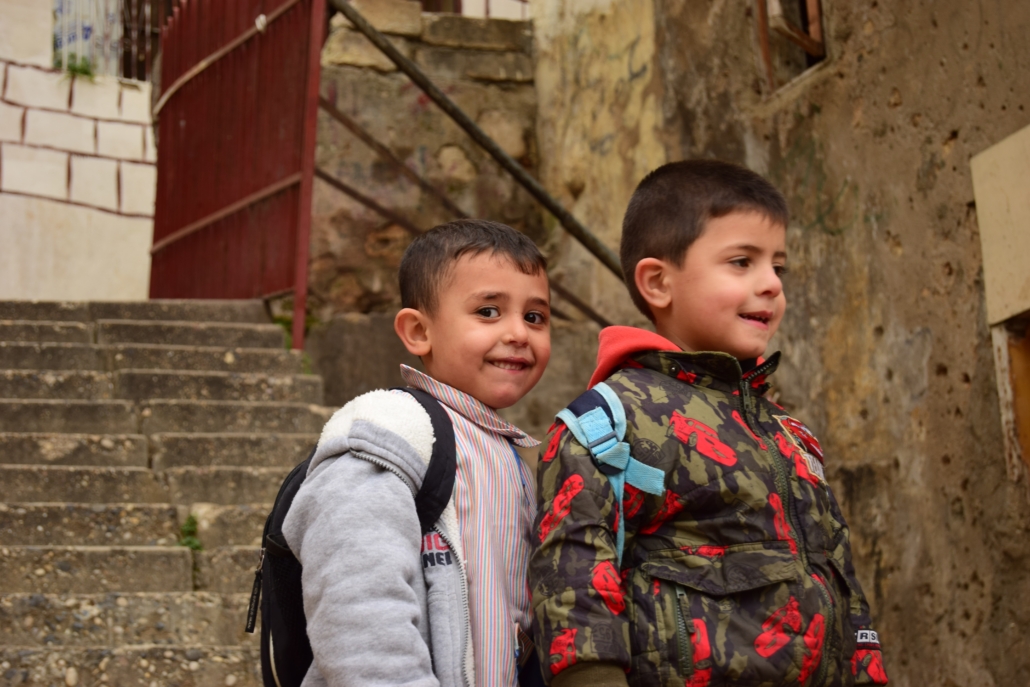
Lebanon is a culturally rich and diverse country in West Asia, with a population of more than 5 million. Following the outbreak of civil war in Syria in 2011, and the deadly explosion in the port of Beirut in 2020, a destabilized political landscape has increased the need for foreign aid to Lebanon.
The European Commission cites the political crisis in Lebanon as a reason for increased poverty statistics in the country: 36% of Lebanese live in extreme poverty, while 90% of Syrian refugees living in Lebanon are said to be dependent on aid to cover basic human needs.
As a result, various governments and intergovernmental organizations have organized aid to Lebanon. A look at different aid plans from the U.S., the EU and the U.K. showcases the different forms foreign aid can take and how it tackles extreme poverty.
US Aid
On June 14, 2023, the U.S. Agency for International Development (USAID) outlined its latest plans for foreign aid to Lebanon in a press release. USAID announced an additional $17.4 million in funding to help combat what it deems “deteriorating human conditions” in Lebanon, which it claims currently affect around 2.26 million people.
The press release also detailed how this particular boost in funding will be split between three different organizations fighting Lebanon’s current humanitarian crisis. It announced that $11.1 million will go toward the UN World Food Programme (WFP), while the remaining $6.3 million will go to two USAID partners: Relief International and International Medical Corps.
Since October 2022, the U.S. has provided close to $92 million in foreign aid to Lebanese citizens, and refugees from all countries currently in Lebanon.
As the largest contributor in USD to the Official Development Assistance (ODA) budget, providing $55.28 billion in 2022, the U.S. has continued to assist Lebanon through other international programs. According to the World Bank, 2021 saw the biggest spike since the end of Lebanon’s civil war in 1990 in its recipients of ODA, receiving 6.9% of its GNI to help its impoverished populations.
EU Aid
On a visit to Lebanon on March 30, 2023, European Commissioner for Crisis Management Janez Lenarčič announced €60 million in humanitarian aid from the EU to help those in the country most in need. According to the EU, money from this package will go towards funding food, education, health, cash support and disaster preparation, providing aid to the Lebanese population and Syrian refugees. While admitting that the lives of those in Lebanon could not be drastically improved until political unrest is resolved, Lenarčič claimed that “humanitarian aid is essential for the victims of Lebanon’s multiple crises.”
Since 2011, the EU has provided more than €3 billion towards improving the situation in Lebanon, including almost €860 million in humanitarian aid alone.
As well as this, several EU member states make up some of the highest contributors to ODA by percentage of GNI. In 2022, Luxembourg, Sweden and Germany all surpassed the contribution target of 0.7% of GNI.
UK Aid
The recent U.K.-Lebanon development partnership summary (published July 17, 2023) outlines how the country’s foreign aid to Lebanon is targeting the most vulnerable populations facing the effects of the humanitarian crisis.
Like the U.S., the U.K. is a supporter of UN programs helping those on the ground in Lebanon, including the WFP’s Syrian refugee response in Lebanon, which provides ‘multi-purpose cash assistance’ to support refugees’ basic needs. In the financial year 2022-23, the U.K. claims its individual monetary aid to the program reached 27,180 households per month for 3 months.
The government summary also emphasizes the positive effect of U.K. contributions to ODA reaching Lebanon. Between 2016 and 2023, the U.K.’s £78 million in ODA support to Lebanese-launched Reaching All Children with Education (RACE) was partially credited for the maintenance of schooling in 2022 for around 500,000 Lebanese and refugee children.
Conclusion
Foreign aid to Lebanon has been widespread in 2023 and demonstrates a continued international effort to fight the extreme poverty that the current humanitarian crisis caused.
While the political situation within Lebanon’s borders and in neighboring Syria remains unresolved, positive action is being taken throughout the nation as a result of foreign aid to alleviate the impact on hundreds of thousands of vulnerable populations.
– Alice Weatherley
Photo: Unsplash
