How Tanzania is improving Water Sanitation
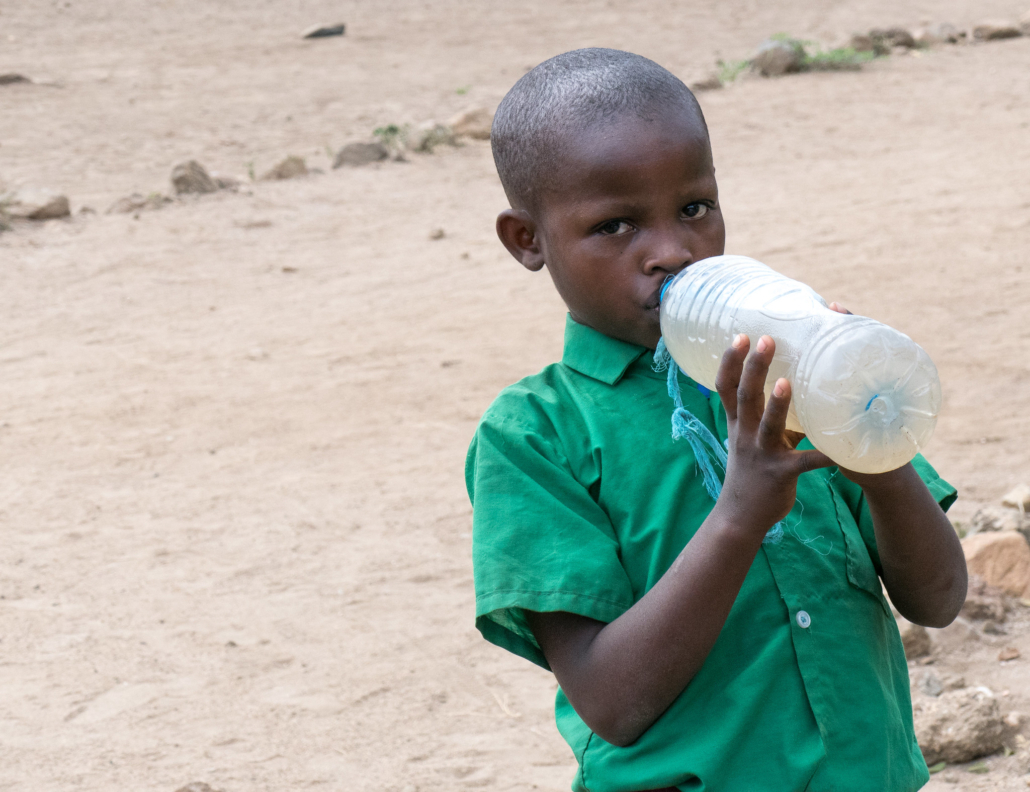
Tanzania, situated on the coast of the Indian Ocean in Sub-Saharan Africa, is home to a growing population of more than 68 million people. As of 2019, almost 24 million of its people lacked access to safe drinking water, while a staggering 43 million did not have proper sanitation. Unfortunately, the absence of clean water and sanitation facilities increases the risk of diseases, which can particularly affect the health and well-being of children. Nevertheless, the Tanzanian government, in collaboration with aid organizations, is actively striving to enhance its water and sanitation infrastructure.
Clean Water Access
Access to clean water is a crucial aspect of reducing global poverty and improving people’s lives. In Tanzania, the government has teamed up with various organizations to enhance water quality. The Tanzanian government partnered with Water.org to introduce the Water Credit system. Through this collaboration, Equity Bank is facilitating the process by providing small loans for households in need of clean water and larger loans for water and sanitation companies. This initiative aims to make safe water more accessible to underserved communities.
Tanzania has received direct aid from the World Bank, with a $300 million International Development Association credit for the Sustainable Water Supply and Sanitation Program (SRWSSP). This funding will facilitate the expansion of the SRWSSP to 137 districts around Tanzania. It will also be the building block for 206 new water schemes, all created to achieve drinking water for all Tanzanians. The World Bank’s work with the Tanzanian government can help up to 10 million citizens with improved water supply.
Hygiene and Sanitation
Another important tenet of WASH is hygiene and sanitation. UNICEF has partnered strategically with the Tanzanian government to transform and develop strategic WASH areas (sanitation, water and hygiene). Through a community-led sanitation approach, it seeks to ensure improved sanitation in rural and local communities. Hygiene lessons like instilling the importance of washing hands with soap can reduce bad-hygiene-related diseases by 47%. UNICEF also aids in providing WASH facilities in health and educational institutions and focuses on equitable access to these provisions for disadvantaged children, girls and women.
USAID’s Water Resources Integration Development Initiative (WARIDI) has been designing better infrastructure for WASH initiatives at various primary and secondary schools. This is particularly important as 40% of diarrhea cases in children get transmitted in schools. The provisions include providing separate toilets for boys and girls and easy access to sanitation facilities for students with disabilities.
The Tanzanian government has also implemented Vision 2025, which has plans to improve access to proper sanitation facilities by 95% by 2025. A secondary five-year plan is set to improve sanitation in rural areas by 85%. Massive undertakings such as these are pivotal steps to improving hygiene throughout Tanzania.
Looking Ahead
Overall, Tanzania’s efforts to enhance water and sanitation infrastructure are paving the way for a brighter future. Collaborations with organizations like Water.org and the support of the World Bank are expanding access to clean water, benefitting millions of Tanzanians. Initiatives promoting hygiene and sanitation, driven by UNICEF and USAID, are creating healthier environments, especially in schools, and helping to reduce the spread of diseases. With ambitious plans like Vision 2025, Tanzania is making significant strides toward improving the lives and well-being of its people.
– Atheeth Ravikrishnan
Photo: Flickr
