• Link to X
  • Link to Facebook
  • Link to Instagram
  • Link to TikTok
  • Link to Youtube
  • About
    • About Us
      • President
      • Board of Directors
      • Board of Advisors
      • Financials
      • Our Methodology
      • Success Tracker
      • Contact
  • Act Now
    • 30 Ways to Help
      • Email Congress
      • Call Congress
      • Volunteer
      • Courses & Certificates
      • Be a Donor
    • Internships
      • In-Office Internships
      • Remote Internships
    • Legislation
      • Politics 101
  • The Blog
  • The Podcast
  • Magazine
  • Donate
  • Click to open the search input field Click to open the search input field Search
  • Menu Menu

Tag Archive for: United Nations

Posts

Global Poverty, Hunger

Hunger in Belarus

Hunger in Belarus

Located between Poland and Russia, Belarus was part of the Soviet Union before its post-Cold War decline. After the fall of the USSR, it began a long transition to adapt to a changing global dynamic, eventually switching from a command economy to a highly centralized form of market socialism. 

Due to its resilience and economic success, food insecurity is not a significant issue for the country today. However, vulnerabilities closely tied to hunger still pose nationwide threats to its stability, and require a combination of state reform and international intervention to prevent further escalation.

Low Levels of Hunger

Below are five indicators that define the current state of hunger in Belarus:

  1. Belarus is currently one of 20 countries that has a Global Hunger Index (GHI) rating of less than five. Countries with rates of less than 10 are at low risk of hunger, which is measured by levels of undernourishment, child stunting, child wasting and child mortality.
  2. Belarus’s food market is expected to grow annually by 9.42% from 2024–2029, with a revenue of $14.57 billion in 2024. It is also expected to show a volume growth of 2.7% in 2025.
  3. Agriculture is a significant sector of the Belarusian economy, contributing to the country’s food security and export growth. In 2022, agriculture constituted 7.71% of the country’s GDP. Innovative methods such as vertical farming have increased yields without the use of harmful pesticides or chemicals.
  4. Poverty remains low in Belarus, decreasing from 3.9% in 2022 to 3.6% in 2023. According to the World Bank, poverty levels are predicted to remain relatively unchanged in 2024 and 2025.
  5. Health care is easily accessible to all Belarusians, including those in rural areas. As of 2023, Belarus has 53 medical practitioners and 137 mid-level medical personnel per 10,000 people, which is higher than other countries like Germany, Norway, and the Netherlands.

Lingering Risks

Inflation and low wages pose risks to food security in Belarus. The annual inflation rate has been gradually increasing since October 2023 and was reported to be 5.8% in June 2024. Price surges in fresh produce have accordingly been observed in 2023 and 2024, with the cost of foods such as cucumbers, white cabbage and grapes rising nearly 20% in comparison to previous years. The Eurasian Development Bank currently predicts that inflation could accelerate to 8% due to a weaker exchange rate and increased domestic demand.

As of January 1, 2024, the minimum wage in Belarus is BYN 626, or $191.22, which is intended to cover the cost of basic necessities like food, clothing and utilities. However, this is less than the average salary in the United States and other European countries. Additionally, workers in industries outside of technology are often subject to lower wages – the average salary of education workers in November 2023 was 1,098 BYN or $343, which is insufficient to afford foods with inflated prices or sustain a healthy diet long-term.  

Sustaining Stability

Countering inflation has been one of Belarus’s key goals in 2024. Restrictions on the transit of Belarusian potash fertilizers, which account for 20% of the global supply, resulted in a large price increase for the product. Despite backlash from the European Union, the Belarusian government has taken an anti-sanctions stance in an effort to prevent food security issues and promote better market stability worldwide. 

Additionally, joint programs between the state and U.N. agencies have been focusing on improving the agricultural sector and supporting marginalized groups since 2022. The United Nations Development Programme (UNDP), in collaboration with the Ministry of Agriculture and Food of the Republic of Belarus, have conducted assessments in the areas of food security and agriculture to develop new opportunities for supply chains between farmers and major retailers and advance the certification of organic products. Similarly, UNICEF has analyzed the impact of factors that feed into hunger such as rising food prices and income redistribution to provide recommendations on strengthening social assistance tools. By continuing to invest in these programs, Belarus seeks to advance its technical capacity and resources necessary to support food security without susceptibility to inflation or wage fluctuations.

– Sarah Litchney, Moon Jung Kim
Photo: Wikimedia Commons

Updated: July 30, 2024

August 28, 2020
https://borgenproject.org/wp-content/uploads/borgen-project-logo.svg 0 0 Kim Thelwell https://borgenproject.org/wp-content/uploads/borgen-project-logo.svg Kim Thelwell2020-08-28 12:24:512024-08-07 17:10:55Hunger in Belarus
Global Poverty, Hunger

How Development Goals Fight Hunger in Azerbaijan

Hunger in AzerbaijanHunger in Azerbaijan has been widespread for the last three decades. The country is located to the south of Russia, to the west of the Caspian Sea and to the east of Armenia. Saida Verdiyeva, a mother of two, lives in Toganali, a village in northwest Azerbaijan. Verdiyeva fears that social-distancing measures, which her government established in response to COVID-19, will make it impossible for her to feed herself and her two children.
In October 1991, two months before the collapse of the Soviet Union, Azerbaijan declared its independence from the soviet block. The subsequent years of economic turmoil in her country led to widespread poverty and hunger in Azerbaijan.

Degeneration of Azerbaijan’s Economy Between 1991-1994

By 1995, Azerbaijan had endured a critical socio-economic crisis. According to the IMF, Azerbaijan’s Gross Domestic Product, industrial production, agricultural production, real average monthly wages, household consumption- virtually every meaningful factor of the country’s economy- plummeted between 1991 and 1994. It wasn’t until the end of 1994 that the government took some control over the economic crisis. In 1995, state-led programs were successful in addressing issues of economic degeneration and adverse living standards.

Azerbaijan’s Economy and Global Hunger Index

In 1995, after four years of economic crisis, Azerbaijan had a Global Hunger Index score of 28.30. Consistent with the relatively steady economic improvement between 1995 and 2000, Azerbaijan’s GHI score reached a value of 14.60 in 1996. It remained close to this benchmark in 1997. However, between 1997 and 2000, Azerbaijan’s GHI score increased from 14.89 to 27.50.

For about two years, the numbers show a direct relationship between Azerbaijan’s GHI score and its economy. However, the macroeconomic solutions implemented by the government at the time were deficient in addressing the specific needs of certain regions and populations. In all likelihood, Verdiyeva was among those Azerbaijani whose local problems were not fixed.

Hunger and Poverty in Toganali

Hunger in Azerbaijan, as elsewhere, is linked to poverty, and poverty is often a result of unemployment. Before COVID-19, Verdiyeva worked as a dishwasher for large events. Due to social-distancing measures, there have not been many large events in or around Toganali. As a result, Verdiyeva has struggled to find work.

Many countries around the world are scrambling to prevent hunger crises caused by the global coronavirus pandemic. However, nations that had already implemented relevant social policies and established the necessary bureaucratic infrastructure to handle hunger crises will now have a more nuanced ability to cope.

The Agenda for Sustainable Development in Azerbaijan

In 2015, all United Nations Member States agreed to pursue domestic policies in line with the UN’s Sustainable Development Goals. The priorities of the SDGs are to end global poverty and ensure environmental protection. In addition, the SDGs aim to create conditions whereby all people can enjoy peace and prosperity. These objectives are to be fulfilled by 2030.

Among 166 other countries, Azerbaijan ranked 54th in its commitment to the SDGs. Much of Azerbaijan’s success in this regard is owed to the diligence in creating bureaucratic mechanisms to track vulnerable populations and organize data on age, gender and location of such groups.

The SDGs’ principle of “leaving no one behind” involves a preliminary method of accumulating a body of information about vulnerable demographic groups. The implication is that being seen is a prerequisite for being helped.

Verdiyeva and her two children are among those Azerbaijani who will benefit from their country’s commitment to the SDGs and its principle of “leaving no one behind.” In 2013, only 24% of preschool-aged children were enrolled in preschool education in Azerbaijan. By 2017, 75% of preschool-aged children were enrolled in a school where they have access to daily meals.

Likewise, the hourly earnings of female employees and unemployment rates improved from 2010 to 2017. Comprehensive domestic policies, like the SDGs, are institutional methods of ending hunger in Azerbaijan. COVID-19 is an obstacle to reaching this end goal. However, the Azerbaijani government made valiant efforts, especially from 2015 to 2020, to ensure healthier living conditions for its vulnerable populations through the next decade.

– Taylor Pangman
Photo: Flickr

August 19, 2020
https://borgenproject.org/wp-content/uploads/borgen-project-logo.svg 0 0 Kim Thelwell https://borgenproject.org/wp-content/uploads/borgen-project-logo.svg Kim Thelwell2020-08-19 10:10:122024-06-06 00:38:16How Development Goals Fight Hunger in Azerbaijan
Global Poverty, Politics

The Morocco-Western Sahara Conflict

Morroco - Western Sahara conflict
A relic of the Cold War, the Morocco-Western Sahara conflict remains frozen and mired in uncertainty. Nearing its 50th year, the clash has displaced and killed thousands over the years. Thankfully, some organizations have floated proposals to remedy this fight, although obtaining little success. Still, some humanitarian organizations are on the ground and working to improve the lives of those who desperately need it.

What is Western Sahara?

Western Sahara is the largest non-autonomous territory in the world. With an area of 266,000 square kilometers, Western Sahara is home to over 650,000 people. That’s roughly the size of Colorado, with a little more than a tenth of its population. Although rather poor, the desertic region contains significant phosphate deposits and rich fisheries off its coast. The arid climate over there prevents substantive agriculture, forcing Western Sahara to import much of its food. Life expectancy there is low, averaging only 64 years, and infant mortality is high, with 47.9 deaths per 1,000 children born.

The Dispute.

As colonial powers relinquished many of their claims, Spain decided to leave Western Sahara in the early 1970s — known then as the Spanish Sahara. The Spanish finally left the territory in 1975, as the tensions regarding the ownership of the region began heating up.

In 1974, the International Court of Justice had issued an advisory opinion finding that Morocco did not have a claim to the ownership of Western Sahara. This decision, which was mired in Cold War politics, was effectively ignored by Morocco. Shortly after the decision had been issued, more than 300,000 unarmed Moroccans marched into Western Sahara with copies of the Quran in what became known as the “Green March”. Then, Spain brokered a deal between Morocco and Mauritania, giving both countries part of Western Sahara and withdrawing from the region in late 1975.

Presence of the UN.

Peace, however, did not flourish. In 1979 Mauritania ceded its claim to Western Sahara, leaving Morocco as the sole ruler. Then, Algeria – Morocco’s neighbor and geopolitical rival – worked with the independence movement Polisario Front to oppose Moroccan rule, thereby starting a conflict that stretched for close to a decade and took the lives of nearly 14,000 people. With the collapse of the Soviet Union, the Polisario Front lost many of its backers, leaving the two sides in somewhat of a stalemate. 

The Morocco-Western Sahara conflict has been locked in a ceasefire since 1991 when the UN sent in peacekeepers to make sure violence was kept to a minimum. This mission, which was officially called the UN Mission for the Referendum in Western Sahara (MINURSO) was also intended to provide a forum through which Morocco and Western Sahara could reach an agreement on the region’s autonomy. Sadly, no agreement has been made and Western Sahara’s fate still remains in limbo.

What is Being Done?

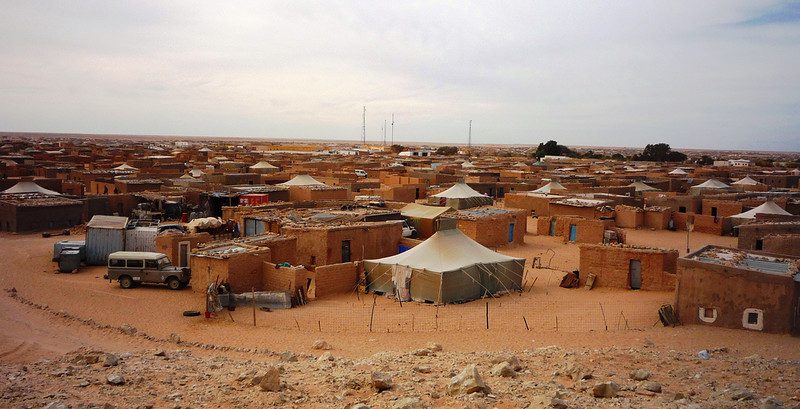
Since then the living conditions in Western Sahara have deteriorated thanks to the war and to its arid landscape. More than 40,000 Sahrawi refugees who were displaced by the conflict now live in camps in Algeria. One camp in Tindouf – the site of the 1963 “Sand War” between Morocco and Algeria – has been in operation since the onset of the war. Deutsche Welle reported that the dry conditions limit agriculture and the availability of water there. Thankfully, some aid organizations have stepped up to supply the refugees with much-needed basics.

Early this year, Italy provided the World Food Programme with over $500,000 to provide monthly food rations. Other organizations have operated as forces for good in Western Sahara:

  • Oxfam responded to the COVID-19 pandemic by equipping 33 health clinics in the Tindouf camps.
  • UN peacekeepers constructed wells in Western Sahara, giving residents access to a vital resource.
  • Action on Armed Violence assisted Sahrawis in removing mines, cluster bombs and other un-detonated explosives. In total, 22,000 devices were cleared.
  • AOAV also gave micro-grants to over 200 people who had been injured by these remnants of war.

Future Perspectives.

In 2006, Morocco proposed the Autonomy Plan, whereby Western Sahara would be governed by Morocco and yet retain some sovereignty of its own. The UN Security Council endorsed the idea, as have several other countries. Morocco controls 80% of Western Sahara and most Sahrawis already live under Moroccan control. But this plan has so far stalled. In its own fashion, Morocco has improved life in Western Sahara for some people. In 2015, the General Confederation of Moroccan Enterprises announced a $609 million investment plan for Western Sahara.

Still, much remains to be done. Despair is still common among refugee camps and long-term solutions have yet to be realized. Therefore, organizations on the ground need to increase their assistance while other countries and international organizations need to revisit the Morocco-Western Sahara conflict with redoubled efforts. Perhaps this frozen conflict can eventually thaw into peace.

– Jonathan Helton

Photo: Flickr

August 19, 2020
https://borgenproject.org/wp-content/uploads/borgen-project-logo.svg 0 0 Lynsey Alexander https://borgenproject.org/wp-content/uploads/borgen-project-logo.svg Lynsey Alexander2020-08-19 07:30:362024-05-29 23:18:25The Morocco-Western Sahara Conflict
Gender Equality, Global Poverty, Women's Empowerment

Poverty in Ghana From Wealth Disparity

Ghana, a small country located in West Africa, has dealt with tremendous economic struggles since the 1990s. The good news is that the United Nations Development Programme (UNDP) recently shared new data that confirms that positive strides have been made to improve multiple dimensions of poverty in health, education and living standards.  The report confirms that between 2011 and 2017, poverty in Ghana decreased by nine percent.  In addition, its GDP almost doubled from 2011 to 2019.
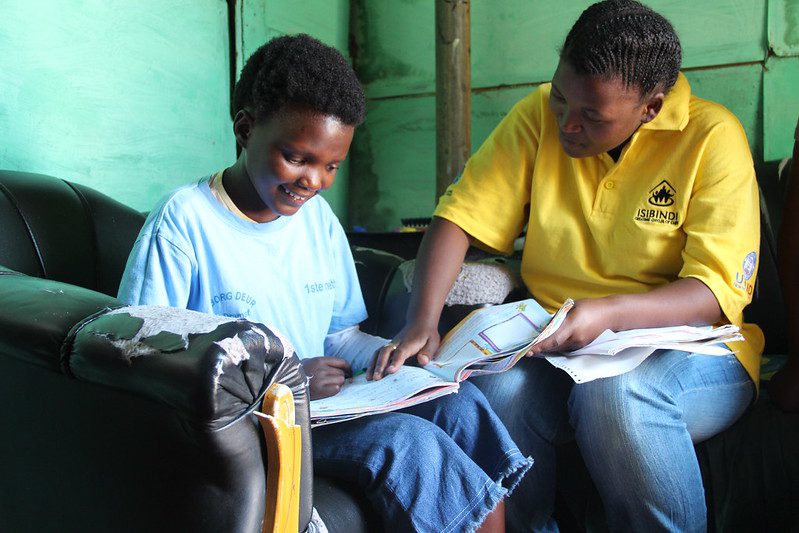
Ghana made significant changes to facilitate this progress. First, the nation diversified its economy to create more products and services in different sectors. This led to increased greater consumerism and higher employment, which allowed Ghana’s economy to flourish.  However, with increased consumerism also came disparity.  Because that disparity increased, poverty in Ghana continues to be a challenge.

Ghana’s Disparities in Consumption, Health and Regions

Wealth disparity in Ghana is extreme.  The top 10% of Ghanaians consume more than the bottom 60%, and the lowest 10% only consume only 2%.  Health disparities include the fact that only 2% of those in poverty are covered by the National Health Insurance Scheme and that wealthy children are three times more likely to live past age five than poor children.  Further, there is a disparity in poverty rates between regions and also between urban and rural Ghanaians.  The Northern Region has the highest multidimensional poverty with eight out of 10 people being multidimensionally poor.  The Upper East Region is close behind with seven out of 10 people multidimensionally poor. People in rural Ghana are twice as likely to be poor than people in urban areas.

Change to Eliminate Disparity and Continue to Improve the Economy

The UNDP is championing specific tactics to eliminate disparity and to continue to improve the Ghanaian economy.  First, it suggests investment in better healthcare in all regions and an emphasis on getting all Ghanaians national health insurance.  Second, it advocates for a focus on enhanced school enrollment and completion in some regions and better nutrition for children in others.  Third, it calls for a poverty reduction strategy for those regions where poverty is extremely high.

Other organizations are joining the UNDP to improve conditions in Ghana.  These include The Hunger Project, in working toward alleviating poverty in Ghana. Since 1995, The Hunger Project has aided over 300,000 people by focusing on improving infrastructure, education reform and sanitation. The project focuses on building community centers, or “epicenters”, in order to collectively unify communities within Ghana and provide resources, such as electricity and clean water. As of now, over 40 epicenters receive clean water and sanitation, and almost all of them have health committees and clinics.

Finally, many families in both the Upper West and Upper East Regions have found creative means of accumulating extra income, such as the production of Shea butter. Some businesses, like Star Shea, provide loans for women as a means of starting production and accommodating transportation costs.

Many women believe these loans were advantageous in pursuing more educational opportunities. For example, Mrs. Atorneygene, a local resident in Ghana, utilized the proceeds from her Shea butter production to provide educational tools for her granddaughter. Changes being made on a local level, such as the production of Shea butter,  have proved to be beneficial in providing opportunities to marginalized regions.

Outlook for Ghana

Even with the problems that Ghana has faced in the past, the nation has reached tremendous milestones and has made effective improvements within the last decade. With the help of the government, the UNDP, The Hunger Project and people in the community, Ghana has been able to make positive changes relating to its economy and wealth disparities. Now, Ghana has set a precedent regarding the instrumental changes needed to alleviate poverty.

– Aishwarya Thiyagarajan
Photo: Flickr

August 14, 2020
https://borgenproject.org/wp-content/uploads/borgen-project-logo.svg 0 0 Kim Thelwell https://borgenproject.org/wp-content/uploads/borgen-project-logo.svg Kim Thelwell2020-08-14 13:30:442022-03-31 13:55:35Poverty in Ghana From Wealth Disparity
Advocacy, Global Poverty

5 Ways to Impact Global Poverty Without Spending Money

Impact global poverty
Many non-governmental organizations that work to fight global poverty ask for donations, including The Borgen Project. When someone is living paycheck to paycheck, even donating a dollar can seem like too much. In 2017, about 78% of workers in the United States reported that they are living paycheck to paycheck. What can individuals do if they want to make an impact but don’t feel they have the capital to do so? Here are five ways to impact global poverty without spending money.

Stay Informed

The United Nations published a piece called “The Lazy Person’s Guide to Saving the World.” One of the organization’s recommendations of something everyone can do from their couch is to stay informed on the issues they want to impact. Unfortunately, misinformation can actually harm global poverty. The UN Foundation reported that many people think global poverty has been increasing when, in actuality, it has been cut in half. Staying informed is important in recognizing the common myths about global poverty and informing others.

Volunteer Time

The Face and Voices of Recovery Organization, the Charities Aid Foundation and the UN recommend volunteering as a way to impact causes without spending money. In 2018, the Charities Aid Foundation reported that 39% of people in the United States volunteered their time. In addition, UN volunteers wrote that volunteering can be formal or informal. People can work directly with an organization to impact global poverty, like offering to create digital media for the cause. Alternatively, they can work informally by putting posters about the cause around their community.

Spread Awareness

Another way to impact global poverty is by spreading awareness. In addition to volunteering, the organizations above suggest sharing information about the cause on social media. Heather Weathers, the director of communications at HopeKids Incorporation, wrote a report about how social media is a place where people can first get involved with supporting a cause. Of those who are social media supporters, 37% use those sites to learn more about the organization and cause they’re supporting.

Call and/or Email Congress

If you speak up, your local legislators will keep track. Every time someone calls or emails about a specific bill, Congress members keep a tally of the number of people who voiced support for or rejected the bill. You can find your representatives by putting your ZIP code into the House of Representatives’s “Find Your Representatives” page. The Union of Concerned Scientists wrote an article providing tips for anyone considering calling Congress. The article reported that reaching out to local representatives, researching the issue first and being concise are some good ways to go about calling Congress. Similarly, there is a wealth of templates online for anyone interested in emailing Congress, including The Borgen Project website.

Inspire Others to Give

There are also ways to impact global poverty by convincing others to donate. One donation strategy, for which Facebook created a platform in 2017, is the concept of donating your birthday. This process includes choosing an organization and asking people to donate through either an online platform or fundraising letters. From 2018 to 2019, Facebook birthday donations raised about $1 billion for charities.

Even when someone is unable to fight against poverty financially, there are other ways to support the cause. Being informed, volunteering, spreading awareness, contacting Congress and inspiring others to give are all ways someone can impact global poverty without spending money.

– Melody Kazel
Photo: Flickr

August 14, 2020
https://borgenproject.org/wp-content/uploads/borgen-project-logo.svg 0 0 Kim Thelwell https://borgenproject.org/wp-content/uploads/borgen-project-logo.svg Kim Thelwell2020-08-14 12:15:512020-08-14 12:15:515 Ways to Impact Global Poverty Without Spending Money
COVID-19, Global Poverty

Financial Literacy in Costa Rica to Reduce Poverty

Financial Literacy in Costa Rica to Reduce Poverty
Costa Rica is a country in Central America with a population of roughly 5 million. Although Costa Rica is the Central American country with the lowest poverty rate, that does not mean there is no cause for concern. The poverty rate in Costa Rica was 21% as of April 2020 and is only anticipated to worsen in the coming year due to the devastating economic impacts of COVID-19. Because of the global economic slowdown, inequality in Costa Rica can exacerbate as industries contract and unemployment rises.

Financial Literacy and Poverty

In the face of this global economic catastrophe, it is vital to educate the population on financial matters to prevent higher poverty rates. Personal financial literacy is an effective and fundamental tool used to lower national poverty rates. It also helps individuals better manage their finances and business dealings to maximize fiscal stability and growth.

Financial literacy programs have also assisted women in rising out of poverty. Women have a systemic relegation to domestic duties and patriarchal repression in many developing nations. As a result, they are a demographic that have historically been the most vulnerable to global poverty. Financial literacy programs teach women how to manage their own money in order to manage their own businesses. Women can also become more financially independent as opposed to being indebted to others in their family or industry.

Costa Rica’s Position

Costa Rica and Latin America as a region is considered one of the most unequal regions in the world according to the United Nations. One of the most effective strategies to reduce wealth inequality is by implementing education strategies that inhibit intergenerational wealth retention within families. Keeping money in the family and investing in future generations helps children escape the cycle of poverty. It also decreases their likelihood of experiencing marginalization and oppression in society, particularly among women. These tactics justify the use of financial education and programs about financial literacy in Costa Rica.

Solutions

One prominent organization focusing on education regarding financial literacy in Costa Rica is Coopenae. It began as a cooperative of educators in 1966 to give aid to schools and teachers. Now, Coopenae has grown into one of the country’s leading financial institutions to focus on service and education.

Individuals in Costa Rica have had very little education in financial instruments such as mutual funds, pensions and various other commonplace financial strategies. The ability of Costa Ricans to make better financial decisions is a simple matter of informing individuals about how they can access these instruments. Costa Ricans can then begin on the path out of poverty towards financial independence and prosperity. Coopenae plans to assist upwards of 12,000 people within the next two years. It aims at people from primarily low-income and disadvantaged communities.


Overall, financial literacy and education programs are extremely effective at reducing poverty rates. They are also effective at giving citizens the ability to properly manage their finances. They also open up the opportunity to start businesses or save for retirement. Therefore, financial literacy in Costa Rica is a smart and effective strategy to diminish poverty and foster a culture of financial responsibility and security.


– Ian Hawthorne

Photo: Enchanting Costa Rica

July 30, 2020
https://borgenproject.org/wp-content/uploads/borgen-project-logo.svg 0 0 Kim Thelwell https://borgenproject.org/wp-content/uploads/borgen-project-logo.svg Kim Thelwell2020-07-30 20:31:102020-08-04 11:51:41Financial Literacy in Costa Rica to Reduce Poverty
Developing Countries, Global Poverty, Poverty

10 Facts About Poverty in Niger

Poverty in Niger
Niger is a country in West Africa and is one of the world’s most impoverished nations. Although the country has made a significant effort in poverty reduction, Niger’s extreme poverty rate was 41.4% in 2019, affecting 9.5 million people. Here are the top 10 facts about poverty in Niger.

Top 10 Facts About Poverty in Niger

  1. Niger’s fast-growing population adds to its high poverty rate. The United Nations expects Niger’s population to triple by 2050. As a result, the country’s inability to break the cycle of poverty for impoverished families will increase.
  2. Population Services International (PSI) Corporation promotes family planning resources in Niger. In 2019, PSI partnered with the Nigerien Ministry of Public Health to administer an outreach mission for voluntary family planning to rural areas of Niger. For example, the operation provided long-acting contraception methods and health education.
  3. Niger battles hunger. As of 2015, with a population of 18 million, 81% of Niger’s population lives in rural areas. Due to the rurality, most of the community does not have access to a food market. This exacerbates the problem of food security for the 20% of citizens who do not have enough food.
  4. Action Against Hunger aided 429,301 Nigeriens in 2018. The program provided better access to food markets and seasonal cast-for-work opportunities. Action Against Hunger assisted families by donating seeds and agricultural tools to those in need.
  5. Niger encounters climate challenges. As a country in West Africa, the Sahara Desert covers 80% of Niger, causing challenges for agriculture. The dry climate and minimal crop growth force 40% of Nigerien children under the age of five to experience malnutrition.
  6. Frequent droughts harm Niger’s economy. Niger’s economy relies heavily on agriculture, accounting for more than 40% of its GDP. As a result, when the country faces continuous short rainy seasons, there are food and job shortages.
  7. The World Food Programme (WFP) assists Niger’s farmers. The WFP buys produce from local Niger farmers and connects the farmers with corporate markets. This program helps the farmers to gain a steady income and reduce poverty.
  8. CARE Niger transforms the lives of Nigerien citizens. Since 1973, CARE Niger has reduced hunger through its Food Security and Nutrition and Management of Natural Resources Program. The plan established farmer field schools that advocated for markets and nutrition.
  9. Conflicts near Niger’s borders affect its citizens. Thousands of Nigerians have fled Nigeria to Niger due to violent extremism. As a result, almost 23,000 Nigerian refugees arrived in Niger in April 2020 alone.
  10. The United States Agency for International Development (USAID) establishes nutritional opportunities for Niger. In April of 2020, USAID announced a five-year plan titled the Yalwa Activity, which plans to bolster the capabilities of Nigerien farmers by mandating access to affordable, safe food. Additionally, the Yalwa Activity will enhance food storage for farmers, allowing farmers to sell their produce at markets across Niger.

With its growing population, harsh climate and troubled borders, Niger remains one of the world’s most impoverished nations. Nevertheless, through outreach and international aid, Niger hopes to reduce its extreme poverty rates.

– Kacie Frederick 
Photo: Flickr

July 28, 2020
https://borgenproject.org/wp-content/uploads/borgen-project-logo.svg 0 0 Lynsey Alexander https://borgenproject.org/wp-content/uploads/borgen-project-logo.svg Lynsey Alexander2020-07-28 14:30:042024-05-29 23:18:1010 Facts About Poverty in Niger
Global Poverty, Homelessness, Refugees, Refugees and Displaced Persons

Homelessness in Libya: How War Leads to Displacement

Homelessness in Libya
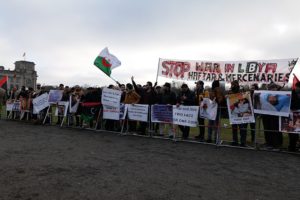
Libya is home to historical Greek ruins, the Sahara desert and valuable oil reserves. However, it also currently suffers from a state of instability. The country has experienced division due to a civil war between Libya’s Government of National Accord (GNA) and Khalifa Haftar’s militias in the east. Militant groups who gained power amid the lack of government control, including al-Qaeda and Ansar al-Sharia, have exacerbated this conflict. This fractured leadership has left civilians suffering from a struggling economy and the continual violence plaguing the region. Libyans must flee their homes to avoid imminent danger, often with nowhere to go. As a result, homelessness in Libya is a growing problem that requires attention and resources.

The Growing Homelessness Problem

War often leaves people displaced or lacking basic necessities, and the Libyan war is no exception. The threat of shellings and uncontrolled violence has left around 120,000 people homeless in and around Tripoli, the nation’s capital. Many have no choice but to sleep on the streets, under trees or with whatever materials are available. Others find makeshift shelters such as public gardens, tents or converted buildings to offer slightly more protection. Old hotels, abandoned factories and schoolhouses become temporary homes for those who have nowhere else to turn.

With so many severely in need of shelter and resources, Libya turned to the Government of National Accord (GNA) for help. In response, the GNA dedicated about $85.7 million to help displaced civilians. However, homelessness in Libya persists and calls for further solutions.

The Plight of Refugees

As violence escalates, some Libyans search for better lives in different countries. Many have tried to escape to Europe, Niger or anywhere that offers more peace and stability. Unfortunately, due to Libya’s proximity to Europe, even refugees fleeing other countries must first travel through Libya. This pathway to Europe is so heavily trafficked that some estimate there are over “645,000 migrants, refugees and asylum seekers in Libya.” Only a percentage of people successfully make this journey, leaving many stranded and homeless.

Detention facilities under the GNA are holding refugees who are unable to leave the country. According to the U.N., detention centers have been holding about 3,200 people as of February, 2020. The centers pose new problems. They are overcrowded, unsanitary and lacking ventilation and lighting. They also severely lack the resources necessary to feed those experiencing detainment there. One GNA employee told The New Humanitarian that each day the center allots residents only “one piece of bread” and a “plain pasta dish for every six people.”

Organizations such as Refugees International urge the E.U. to put pressure on Libya to improve conditions. For example, it asks that the GNA discontinues the detention of refugees in closed facilities and instead employs the use of open facilities. When detention centers are open facilities, they are subject to international standards and must grant access to NGOs wanting to help.

As homelessness in Libya increases due to war, organizations are working to ensure that people seeking refuge no longer have to endure inhuman conditions in detention centers.

NGOs Answering the Call

In addition to Refugees International, NGOs such as the U.N. Refugee Agency (UNHCR) are working to address the current crisis in Libya. The UNHCR recognizes the needs of refugees and displaced people. In order to improve the lives of this demographic, the UNHCR provides a number of services:

  1. The UNHCR funds public services such as hospitals and schools. This improves the quality of life and creates an opportunity for growth in the community.
  2. It provides displaced people with shelter, money and resources to ensure that they receive some aid.
  3. The UNHCR fights to end detention centers, advocating instead for more humane alternatives like programs for child care and family tracing.
  4. It works to resettle and reunite families. The goal of resettling is to create a sustainable, safe and healthy life for families displaced due to war.

Looking Forward

For the first time in years, there is some hopeful news out of Libya. In June 2020, the GNA pushed Haftar out of the west and out of Tripoli. This may be an opportunity for international intervention and support in the form of increased security or economic aid. Libya may finally be able to imagine an end to its turmoil and look toward rebuilding. This should also grant hope for a solution to homelessness in Libya. Economic improvement and rebuilding could allow citizens to return to their homes and their lives so that they too can try to rebuild.

– Abigail Gray
Photo: Wikimedia Commons

July 28, 2020
https://borgenproject.org/wp-content/uploads/borgen-project-logo.svg 0 0 Kim Thelwell https://borgenproject.org/wp-content/uploads/borgen-project-logo.svg Kim Thelwell2020-07-28 14:23:352024-05-29 23:18:44Homelessness in Libya: How War Leads to Displacement
Global Poverty, Human Trafficking, Poverty Reduction

How Kyrgyzstan Youth are Fighting Poverty

In the past few years, Kyrgyzstan youth have stepped up to address poverty reduction and promote the well-being of women and children in Kyrgyzstan. The U.N. has worked with Kyrgyzstan youth representatives to promote the Sustainable Development Goals and has partnered with youth who are passionate about using IT solutions to fight domestic violence. In addition, youth are raising awareness about human trafficking and investing in their own wellbeing in conjunction with local governments.

Youth Promoting SDGs

Between 2019 and 2020, the U.N. began an initiative allowing Kyrgyzstan youth to step up and spread awareness amongst their generation about implementing the 17 Sustainable Development Goals (SDGs). The SDGs include things like “no poverty” and “zero hunger.” Through this program, 34 Kyrgyzstan youth have partnered with U.N. campaigns to advance the SDGs and show others what steps can be taken to achieve them. Each SDG is assigned to two youth representatives. Participants are passionate about the chosen SDG, as it often relates to the representative’s area of study in school or experiences growing up.

As Aibek Asanov, a youth representative for Clean Water and Sanitation (SDG 6) said, “I believe that youth can change the future. This is why I became the SDG Delegate.”

Youth Against Human Trafficking

Kyrgyzstan youth have also taken a stand against human trafficking. Through Kyrgyzstan’s 2017-2020 State Program against Trafficking in Persons, 80 youth ambassadors have represented 30 youth groups across Kyrgyzstan. These youth ambassadors work with local government and media groups, and gather for a yearly conference to discuss the goals and developments of the program. The program focuses on eliminating child marriage and forced marriage. It also provides access to resources for victims of human trafficking. In 2018, the program had positively influenced more than 600,000 people and utilized the work of 5,000 youth activists.

Youth Spearhead IT Campaign to Fight Domestic Violence

In 2020, the UNDP partnered with youth coders and designers to develop IT solutions that fight domestic violence against women and children. These solutions are especially needed for those trapped in quarantine due to the COVID-19 pandemic. In cooperation with the Spotlight Initiative, UNDP organized a two-day hackathon that addressed solutions in 4 areas:

  • Violence against women
  • Violence against children
  • Migrant children in difficult situations
  • Those with disabilities in difficult situations

Within two days, over 50 developers came up with 18 IT solutions to aid people in these four areas. Of these projects, the three winners created very different but useful solutions. One addressed recognizing domestic violence and connecting people to the necessary resources. Another focused on victims’ access to online psychologists. The third winner used fairy tales to track children’s mental health.

Youth Partnership with Local Governance

Since 2017, UNICEF has encouraged Kyrgyzstan youth to take initiative in advancing their own wellbeing by partnering with local governments. So far, the Youth and Child Friendly Local Governance (YCHFLG) program has reached 24 rural and 18 urban precincts to place importance on services for young people and ensure that local governments prioritize the needs of Kyrgyzstan youth. The program encourages the involvement of youth in decision-making and politics. Youth can share their insight and preferences, which are then taken into account by local governments when plans are put into place.

In just a few years, Kyrgyzstan youth have taken initiative. They have impacted poverty reduction by addressing the SDGs, raising awareness about human trafficking, using creativity and innovation to end domestic violence and becoming involved in the political process. Passionate, poverty-aware youth will continue to be instrumental to future progress in Kyrgyzstan.

– Anita Durairaj
Photo: Wikimedia

July 28, 2020
https://borgenproject.org/wp-content/uploads/borgen-project-logo.svg 0 0 Lynsey Alexander https://borgenproject.org/wp-content/uploads/borgen-project-logo.svg Lynsey Alexander2020-07-28 13:30:442024-05-29 23:18:09How Kyrgyzstan Youth are Fighting Poverty
Global Poverty

What to Know About Parliamentary Governments

parliamentary governmentsA parliamentary government is a system of governance that ensures democratic ideals. National parliamentary governments create laws for its citizens, while international parliamentary institutions govern globalization.

What is the Difference Between the Two?

National parliamentary governments create laws for their nation that applies to citizens. International parliamentary institutions are organizations that allow officials to represent their country in worldly discussions and bring awareness to global problems.

A parliament is a democratic system of government. A national parliament is a means in which a country governs its people and creates laws. More countries have started actively participating in international parliaments due to globalization. An international parliament does not have the power to govern countries but instead uses diplomacy to influence world governments.

What is a Parliamentary Government?

Great Britain laid the groundwork for a parliamentary system in the 1200s, and today more than 51 countries use parliamentary governments to represent citizens and pass laws.

A select number of parliamentary governments, such as Great Britain, are aligned with a monarchy. In a constitutional monarchy, a king or queen is the head of state but retains no political power. A few governments, such as France, are a hybrid of both a presidential system and a parliamentary system.

The main feature of parliamentary governments is the power of the legislative branch and the inclusion of the executive branch. Most parliamentary governments have a two-chamber or bicameral procedure to pass laws, although some may have a unicameral parliament. Citizens directly elect members of parliament; however, citizens do not elect the Prime Minister. The Prime Minister is voted into office by the party who obtains the majority of members of parliament. The Prime Minister is the executive leader, who also participates in legislative lawmaking activities. This is different from a presidential system, in which the legislative branch and the executive branch are separate.

A parliamentary system is known to be effective due to its accountability and responsiveness. If the majority party becomes disliked, the Prime Minister can instantly be removed with a vote. This holds members of parliament responsible for their actions. Within a presidency, the system of checks and balances may result in gridlock. The power of the legislative branch in a parliamentary system results in a faster way to pass laws.

Growth of International Parliamentary Institutions

The number of international parliamentary institutions is growing, as the world becomes more interconnected. The first international parliament, the Inter-Parliamentary Union, was established in 1889. Later, the aftermath of World War II resulted in the need to resolve conflicts peacefully. The idea of international parliamentary institutions became a means to represent a country and its concerns, on a world stage. Currently, there are around 70 International Parliamentary Systems.

As globalization becomes more prevalent, international parliamentary institutions play a greater role in global affairs. It can be challenging for an ordinary citizen to voice their concerns to other countries. With international parliamentary institutions, parliamentarians represent their citizens globally.

International parliamentary institutions create awareness of global issues. Global issues include “environmental problems, nuclear disarmament, corruption, women’s rights, and population growth”. When these universal problems produce national concerns, countries collaborate with one another or with non-governmental organizations (NGOs) through international parliamentary institutions. This builds new relationships to solve matters, and country representatives then counsel their national governments. Although most international parliamentary institutions cannot enforce laws on nations, creating awareness brings societal change. Citizens who acknowledge these international issues can advocate for new laws within their own government.

The NATO Parliamentary Assembly and the European Union Parliament are examples of highly influential international parliamentary institutions. Currently, the United Nations is proposing the idea of an international parliamentary assembly, so all countries can participate in policymaking with non-governmental organizations (NGOs).

This article highlights why national governments and international institutions favor a parliamentary system. National parliaments are successful in promoting democracy in governments. As the world becomes more connected, international parliamentary institutions serve as a forum between governments to solve global problems and ensure peacekeeping.

– Hannah Nelson 
Photo: Flickr

July 21, 2020
https://borgenproject.org/wp-content/uploads/borgen-project-logo.svg 0 0 Kim Thelwell https://borgenproject.org/wp-content/uploads/borgen-project-logo.svg Kim Thelwell2020-07-21 12:00:252024-05-29 23:17:53What to Know About Parliamentary Governments
Page 15 of 44«‹1314151617›»

Get Smarter

  • Global Poverty 101
  • Global Poverty… The Good News
  • Global Poverty & U.S. Jobs
  • Global Poverty and National Security
  • Innovative Solutions to Poverty
  • Global Poverty & Aid FAQ’s
Search Search

Take Action

  • Call Congress
  • Email Congress
  • Donate
  • 30 Ways to Help
  • Volunteer Ops
  • Internships
  • Courses & Certificates
  • The Podcast
Borgen Project

“The Borgen Project is an incredible nonprofit organization that is addressing poverty and hunger and working towards ending them.”

-The Huffington Post

Inside The Borgen Project

  • Contact
  • About
  • Financials
  • President
  • Board of Directors
  • Board of Advisors

International Links

  • UK Email Parliament
  • UK Donate
  • Canada Email Parliament

Get Smarter

  • Global Poverty 101
  • Global Poverty… The Good News
  • Global Poverty & U.S. Jobs
  • Global Poverty and National Security
  • Innovative Solutions to Poverty
  • Global Poverty & Aid FAQ’s

Ways to Help

  • Call Congress
  • Email Congress
  • Donate
  • 30 Ways to Help
  • Volunteer Ops
  • Internships
  • Courses & Certificates
  • The Podcast
Scroll to top Scroll to top Scroll to top